




Sacramento sits at the confluence of the Sacramento and American Rivers, making flooding a persistent threat during winter storms and spring snowmelt. Homes in Natomas, Land Park, and Pocket neighborhoods face elevated flood risk due to their position below the levee system. The region's clay soil does not absorb water quickly, causing surface flooding that seeps into crawlspaces and basements after heavy rain.
Summer heat reaches 100 degrees regularly, stressing aging plumbing systems in midtown and downtown properties built before 1980. Air conditioning condensate lines fail without warning, dumping gallons into attics and walls. The dramatic temperature swings between hot days and cool Delta breezes cause pipe expansion and contraction that leads to pinhole leaks and joint failures.
Sacramento's aging housing stock includes thousands of homes with outdated water heaters, galvanized pipes, and insufficient drainage systems. Properties near the American River Parkway also contend with high groundwater tables that push moisture through foundation walls during wet seasons. These conditions create perfect environments for rapid water damage and secondary mold growth when not addressed within 24 to 48 hours.
Fortress Water Damage Restoration Sacramento built our reputation responding to real emergencies across the greater Sacramento metro. We know the difference between Delta flood patterns and urban stormwater problems. Our technicians understand how water moves through midcentury ranch homes in Arden Arcade versus Victorian structures in Curtis Park. This local knowledge determines extraction strategy, drying time, and equipment deployment.
We maintain stockpiles of commercial dehumidifiers, air movers, and extraction equipment in Sacramento because waiting for equipment transfers from other cities costs you time and money. Our crews train specifically on IICRC water damage restoration standards and California building codes that govern structural drying and mold remediation. We document everything with thermal imaging and moisture meters because insurance companies demand proof of proper mitigation.
Unlike restoration companies that subcontract work, our employees handle your entire project from initial water removal through final repairs. We coordinate with your insurance adjuster, provide detailed estimates, and communicate throughout the restoration process. Our project managers have restored hundreds of Sacramento properties after pipe bursts, sewage backups, appliance failures, and storm flooding. We understand the stress of water damage and work to eliminate uncertainty while protecting your largest investment.
Sacramento families and business owners call us first because we answer immediately, arrive quickly, and execute restoration work correctly the first time. Our goal is simple: stop water damage from becoming a total loss.

Our crews mobilize within 60 minutes of your call, arriving with truck-mounted extraction equipment and commercial drying systems. We operate 24 hours a day, seven days a week because water damage does not follow a schedule. Fast response prevents secondary damage and reduces total restoration costs by stopping water before it migrates through walls and floors.

We work directly with your insurance company to document losses, justify remediation costs, and expedite claims processing. Our detailed photo documentation, moisture readings, and industry-standard estimates help adjusters approve coverage quickly. You get faster claim resolution and avoid back-and-forth disputes over what work qualifies as necessary restoration versus improvement.
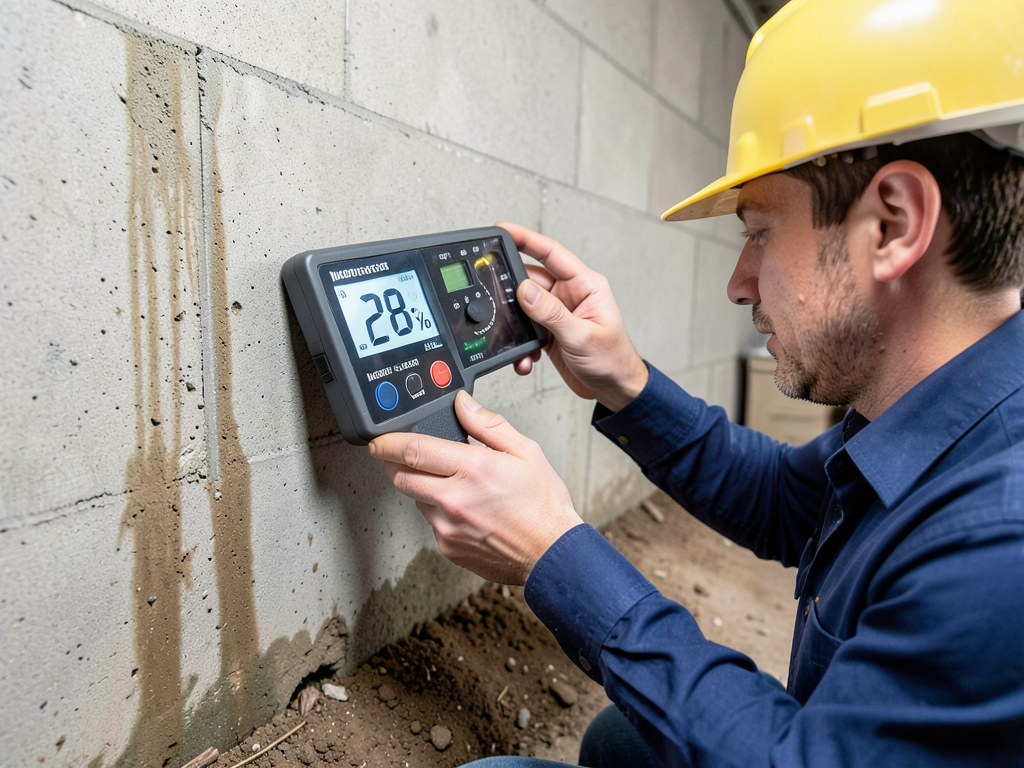
Every technician holds IICRC certification in water damage restoration and follows scientific drying protocols that prevent mold growth and structural problems. We verify dryness with thermal imaging cameras and moisture meters before closing walls or declaring a job complete. Our commitment to proper technique protects your health and your property value long after we finish the restoration.
We have restored properties in every Sacramento neighborhood from Elk Grove to Roseville, understanding how local construction methods, soil conditions, and climate patterns affect water damage. Our warehouse stocks equipment sized for Sacramento's housing types, and our crews know which materials dry quickly versus what requires removal. Local expertise means faster, smarter restoration decisions that save time and money.
Water damage takes many forms, from catastrophic flooding to slow leaks that rot framing over months. Fortress Water Damage Restoration Sacramento handles the full spectrum of water emergencies and chronic moisture problems affecting residential and commercial properties. Our service model addresses three critical phases: immediate emergency mitigation to stop active water intrusion, thorough remediation to remove contamination and dry structures completely, and complete restoration to return your property to pre-loss condition.
Emergency water removal services deploy within the first critical hours when fast action prevents minor problems from becoming major losses. Our remediation services address hidden moisture, microbial growth, and contaminated materials that threaten health and structure. Restoration services rebuild what water destroyed, from drywall replacement to complete kitchen reconstruction. Each service category requires specialized equipment, technical knowledge, and coordination to deliver outcomes that satisfy both insurance requirements and your expectations for quality. We integrate all three phases into a single managed process that moves your property from disaster to recovery without gaps or delays.
When water floods your property, immediate extraction prevents secondary damage that multiplies repair costs. Our truck-mounted pumps remove standing water within hours while portable extractors pull moisture from carpets, padding, and upholstery. We move furniture to prevent staining, pull baseboards to access wall cavities, and position commercial air movers to begin structural drying. This rapid mitigation stops water from wicking into framing, insulation, and subfloors where it causes rot, mold growth, and material failure. Emergency response includes documenting the loss for insurance, stabilizing the property, and creating a drying plan based on moisture readings and thermal imaging.
Removing standing water is only the first step. Structural drying eliminates moisture trapped in walls, floors, ceilings, and framing that creates conditions for mold growth and material degradation. We deploy commercial dehumidifiers that pull humidity from the air while high-velocity air movers circulate air through wall cavities and under flooring. Thermal imaging cameras identify hidden moisture pockets, and daily moisture meter readings track drying progress. This controlled drying process typically requires three to seven days depending on materials, humidity, and temperature. Proper structural drying prevents the mold blooms that appear weeks after incomplete water damage cleanup and protects your indoor air quality.
Once structures dry completely, restoration rebuilds everything water destroyed. Our licensed contractors replace damaged drywall, install new flooring, repaint walls, and reconstruct cabinets or built-ins that suffered water exposure. We match existing finishes, textures, and materials so restored areas blend seamlessly with undamaged sections. Restoration includes plumbing repairs that caused the original damage, electrical work to replace compromised wiring, and HVAC modifications if ductwork sustained water intrusion. This turnkey approach means you work with one company from water extraction through final walkthrough rather than coordinating multiple contractors. We complete restoration work that satisfies insurance requirements while meeting your standards for quality and craftsmanship.
Sacramento property owners face water damage from predictable seasonal patterns and unexpected equipment failures. Winter storms drop inches of rain in hours, overwhelming gutters and exposing foundation vulnerabilities. Summer heat stresses plumbing systems installed decades ago when Sacramento's population was half its current size. The Delta breeze creates condensation problems in poorly ventilated attics, and high groundwater tables push moisture through concrete slabs in low-lying neighborhoods.
Understanding these common water damage causes helps property owners recognize warning signs before small problems become expensive emergencies. Many water intrusions start as minor leaks that go unnoticed for weeks or months, causing hidden damage that only appears after mold growth or structural failure. Other water events strike without warning when pipes burst, water heaters rupture, or appliances malfunction during the night. Recognizing vulnerability helps you protect your property through preventive maintenance and rapid response when water damage occurs.
Aging copper pipes and galvanized supply lines fail without warning, releasing hundreds of gallons before shutoffs engage. Temperature fluctuations between Sacramento's hot days and cool nights stress joints and connections. Pipes hidden in walls or under slabs leak for months before water damage becomes visible. Immediate detection and repair minimize losses, but many pipe failures flood rooms in minutes during overnight hours.
Water heaters typically last 10 to 15 years before internal corrosion weakens tanks and causes catastrophic failure. A ruptured 50-gallon water heater floods garages, utility rooms, and adjacent living spaces with scalding water that damages flooring, drywall, and personal property. Tank failure happens suddenly, often when families are away or sleeping, allowing water to spread throughout the home before discovery.
Sacramento's position between two rivers creates flood risk during atmospheric rivers and spring snowmelt. Properties in Natomas, Pocket, and South Sacramento face the highest exposure, but any neighborhood can flood when stormwater overwhelms drainage systems. Heavy rain also reveals roof leaks, foundation cracks, and window seal failures that allow water inside. Storm damage requires immediate extraction to prevent mold and structural problems.
Blocked sewer lines cause toilets to overflow and drains to back up with contaminated water carrying bacteria and pathogens. Tree roots infiltrate aging sewer laterals, and collapsed pipes prevent waste from reaching city mains. Sewage backups require specialized cleanup protocols that address biohazards and prevent disease transmission. These category three water losses demand professional remediation beyond standard water removal techniques.
Water damage creates chaos, but our restoration process brings order and predictability to an otherwise overwhelming situation. From your first call through final restoration, we communicate clearly about what happens next, how long each phase requires, and what results you should expect. Our project managers stay accessible throughout the restoration, answering questions and providing updates as work progresses.
You deserve to know exactly what restoration involves before crews arrive at your property. We explain our methodology, discuss timeline expectations, and outline how we coordinate with your insurance company to maximize coverage. Transparency eliminates surprises and helps you make informed decisions about your property. Every restoration follows a proven sequence designed to stop damage quickly, dry structures completely, and rebuild correctly. Understanding this process reduces stress and helps you plan around the disruption water damage creates in your home or business.
When you call our emergency line, a live person answers and dispatches a crew immediately. Our technicians arrive within 60 minutes carrying extraction equipment and moisture detection tools. The first visit focuses on stopping active water intrusion, extracting standing water, and assessing damage extent. We photograph everything, take moisture readings in multiple locations, and explain what restoration requires. You receive a detailed scope of work and preliminary estimate before we begin drying operations. This assessment creates the documentation your insurance company needs to process claims quickly.
Structural drying requires three to seven days depending on materials and moisture levels. Our technicians visit daily to check equipment, take new moisture readings, and adjust air movers or dehumidifiers based on drying progress. We map moisture levels using thermal imaging to confirm complete drying before removing equipment. You receive daily updates about drying status and timeline adjustments if materials dry slower than expected. This monitoring prevents the premature equipment removal that leads to mold growth weeks after incomplete restoration.
Once structures reach acceptable moisture levels, restoration begins. Our contractors rebuild damaged areas using materials that match your existing finishes. We schedule work to minimize disruption and protect undamaged areas from construction dust and debris. Final restoration includes cleanup, walkthrough inspection, and verification that all work meets both insurance requirements and your quality standards. You sign off only when completely satisfied with results. Our warranty covers workmanship, and we remain available if any issues appear after project completion.
Every successful restoration follows scientific drying principles and industry protocols designed to prevent secondary damage. Our three-phase approach addresses immediate stabilization, complete moisture removal, and quality reconstruction.
Our crews arrive with truck-mounted pumps and portable extractors that remove standing water within hours. We extract water from carpets, pull wet padding, and move furniture to prevent further damage. Thermal imaging identifies hidden moisture in walls and ceilings. We document the loss with photographs and detailed notes that support your insurance claim. Immediate extraction stops water from spreading and begins the drying process that prevents mold growth. This first response determines whether your property requires minor repairs or major reconstruction.
After water extraction, we deploy commercial dehumidifiers and high-velocity air movers positioned to dry framing, subfloors, and wall cavities. Our technicians visit daily to check moisture levels with calibrated meters and adjust equipment based on drying progress. We target specific moisture content levels that prevent mold growth and material degradation. This controlled drying typically requires three to seven days but continues until all materials reach acceptable dryness. Proper monitoring ensures complete drying without the shortcuts that lead to callbacks and mold remediation.
Once drying completes, our licensed contractors rebuild everything water damaged or removed during mitigation. We replace drywall, install new flooring, repaint walls, and reconstruct cabinets or trim work. All materials match your existing finishes so restored areas blend seamlessly with undamaged sections. We handle plumbing repairs, electrical work, and structural modifications necessary to prevent future water damage. Final walkthrough ensures every detail meets your standards before we consider the project complete. You receive documentation for insurance and warranty information covering our workmanship.
Professional water damage restoration follows Institute of Inspection Cleaning and Restoration Certification standards that define proper remediation techniques. IICRC S500 Standard and Reference Guide for Professional Water Damage Restoration establishes protocols for categorizing water contamination levels, calculating drying time, and determining material salvageability. These science-based guidelines prevent the guesswork that leads to incomplete drying and secondary damage.
Water damage categories determine cleaning and disposal requirements. Category one water from supply lines requires extraction and drying but not disposal. Category two water from appliance discharge or toilet overflow contains contaminants requiring antimicrobial treatment. Category three water from sewage backups or flood water demands extensive disposal and specialized cleaning protocols to eliminate pathogens. Misidentifying water categories creates health risks and insurance claim problems.
Material porosity determines drying difficulty and salvage potential. Non-porous materials like metal and glass dry quickly and resist permanent damage. Semi-porous materials including plywood and concrete absorb water slowly but release moisture gradually during drying. Porous materials such as insulation and drywall absorb water rapidly and often require removal because complete drying is impractical. Sacramento's low humidity helps structural drying, but clay soil creates high ambient moisture that slows basement and crawlspace drying after flooding.
Professional restoration uses psychrometry to calculate optimal dehumidification and air movement. We measure temperature, relative humidity, and specific humidity to determine how much moisture air holds versus its maximum capacity. This data guides equipment selection and placement. Dehumidifiers work efficiently when relative humidity exceeds 40 percent, but air movers prove more effective in drier conditions. Thermal imaging cameras detect temperature variations that reveal hidden moisture without destructive investigation. Moisture meters provide quantitative readings that document drying progress and determine when materials reach acceptable levels.
California building codes require proper ventilation, vapor barriers, and moisture management in new construction. Properties lacking these protections suffer chronic moisture problems that compound acute water damage. Restoration provides opportunities to upgrade moisture defenses through improved drainage, vapor barrier installation, and ventilation enhancement. These improvements prevent recurring problems and protect long-term property value.
The Institute of Inspection Cleaning and Restoration Certification establishes industry standards for water damage restoration through the S500 Standard Guide. This certification ensures technicians understand water categories, drying protocols, microbial remediation, and documentation requirements. IICRC-certified technicians follow evidence-based techniques that prevent secondary damage and satisfy insurance company requirements for proper mitigation. Certification distinguishes professional restoration from inadequate cleanup that creates future problems.
Restoration costs depend on water category, affected square footage, material types, and drying difficulty. Category three sewage losses cost more because of disposal and disinfection requirements. Hardwood flooring and tile cost more to replace than carpet. Finished basements require extensive reconstruction compared to concrete slab foundations. Insurance coverage typically includes necessary repairs but excludes pre-existing damage or deferred maintenance. Fast response reduces total costs by preventing secondary damage that multiplies initial losses.
Structural drying typically requires three to seven days but varies based on materials, humidity, and ventilation. Concrete dries slowly, requiring weeks for thick slabs. Hardwood flooring needs gradual drying to prevent cupping and cracking. Wall cavities dry faster when insulation is removed and air movers circulate directly against framing. Sacramento's dry summer climate accelerates drying, but winter humidity extends timelines. Professional restoration continues drying until moisture meters confirm materials reach acceptable levels regardless of initial time estimates.
California requires contractors performing water damage restoration to hold valid contractor licenses for work exceeding $500 in value. General contractors need a B license while specialty trades require specific classifications. Mold remediation requires separate certification under California Business and Professions Code. Licensed contractors carry proper insurance and bond coverage that protects property owners from liability. Verification of license status through the Contractors State License Board confirms a restoration company operates legally and maintains required insurance coverage.
This video explains the complete water damage restoration process for Sacramento property owners facing flooding, burst pipes, or water emergencies. Learn about emergency water extraction, structural drying protocols, and professional restoration techniques that prevent mold growth and secondary damage. The video covers IICRC industry standards, insurance coordination, and Sacramento-specific water damage risks including river flooding, aging plumbing systems, and soil conditions affecting local properties. Viewers discover why rapid response within the first 24 hours determines restoration costs and outcomes, plus what to expect when working with certified water damage restoration technicians.
Fortress Water Damage Restoration Sacramento serves the entire greater Sacramento metro area from our centrally located facility. Our rapid response reaches properties throughout the region because water damage demands immediate attention regardless of location. We have restored homes and businesses in every Sacramento neighborhood, understanding how local construction methods, soil conditions, and flood patterns affect water damage severity and restoration requirements.
Downtown Sacramento and midtown properties feature older construction with plaster walls, hardwood floors, and aging plumbing that requires specialized restoration techniques. The grid of historic homes near Capitol Park includes many structures built before modern moisture barriers and vapor protection became standard. These properties demand careful drying to prevent damage to irreplaceable architectural details and period finishes.
East Sacramento and Land Park neighborhoods sit closer to the American River and Sacramento River, creating elevated flood risk during atmospheric rivers and spring runoff. Properties in these areas often have finished basements or ground-floor living spaces vulnerable to river flooding and groundwater intrusion. Foundation drainage and sump pump maintenance prove critical for preventing chronic moisture problems that compound acute water damage events.
Natomas has experienced significant flooding historically due to levee proximity and low elevation relative to surrounding waterways. New home construction includes improved drainage and flood protection, but older properties remain vulnerable during extreme weather. We have responded to dozens of Natomas flood events, developing expertise in large-scale water extraction and structural drying across entire subdivisions affected by levee seepage and storm surge.
Elk Grove, Folsom, and Roseville represent Sacramento's suburban expansion with newer construction incorporating modern building codes and moisture management systems. These properties still face water damage from plumbing failures, appliance malfunctions, and roof leaks that develop as homes age. Subdivisions built in the 1980s and 1990s now experience water heater failures, pipe degradation, and aging building envelope issues requiring professional restoration.
Arden Arcade, Carmichael, and Fair Oaks include thousands of midcentury ranch homes with crawlspace foundations, composition roofs nearing replacement age, and original plumbing systems. These older suburban properties face unique restoration challenges when water damage affects tongue-and-groove hardwood floors, plaster walls, and aluminum wiring systems common to 1950s and 1960s construction.
Our service area extends throughout Sacramento County and into Placer and Yolo counties. Distance does not affect our response time or service quality because we maintain adequate crew capacity and equipment inventory to handle multiple simultaneous losses. Whether your property sits near the Sacramento River, backs up to the American River Parkway, or sits in suburban subdivisions miles from downtown, our technicians understand local construction, respond quickly, and execute restoration work that protects your investment.
Water damage restoration costs in Sacramento typically range from a few hundred dollars for minor leaks to several thousand for major flooding. Factors include the water source (clean, gray, or black water), affected square footage, structural damage, and materials requiring replacement. Sacramento homes with crawl spaces or older plumbing often face higher costs due to access challenges. Emergency extraction runs less than full structural drying and mold prevention. Insurance coverage significantly impacts your out-of-pocket expense. Get a detailed estimate that breaks down extraction, drying, antimicrobial treatment, and reconstruction separately.
Water damage restoration is worth it to prevent catastrophic long-term problems. Untreated water damage leads to mold growth within 24 to 48 hours, structural rot, foundation issues, and decreased property value. Sacramento's fluctuating temperatures and humidity levels accelerate deterioration. Professional restoration stops damage progression, protects your health from mold exposure, and preserves your investment. Most homeowners insurance policies cover sudden water damage, making professional restoration financially accessible. Ignoring water damage costs far more in repairs, medical bills, and lost equity than addressing it immediately with qualified technicians.
Stop the water source if possible, then call a water damage restoration company immediately. Move furniture and valuables to dry areas. Do not enter standing water if electrical outlets are submerged. Open windows if weather permits to increase airflow. Remove wet rugs and blot excess water with towels. Take photos for insurance documentation. In Sacramento, act fast because our seasonal humidity spikes accelerate mold growth. Do not use household vacuums on water. Professionals arrive with commercial extraction equipment, moisture meters, and antimicrobial treatments to prevent secondary damage.
Water damage restoration costs in Sacramento typically range from a few hundred dollars for minor leaks to several thousand for major flooding. Factors include the water source (clean, gray, or black water), affected square footage, structural damage, and materials requiring replacement. Sacramento homes with crawl spaces or older plumbing often face higher costs due to access challenges. Emergency extraction runs less than full structural drying and mold prevention. Insurance coverage significantly impacts your out-of-pocket expense. Get a detailed estimate that breaks down extraction, drying, antimicrobial treatment, and reconstruction separately.
Water damage restoration is worth it to prevent catastrophic long-term problems. Untreated water damage leads to mold growth within 24 to 48 hours, structural rot, foundation issues, and decreased property value. Sacramento's fluctuating temperatures and humidity levels accelerate deterioration. Professional restoration stops damage progression, protects your health from mold exposure, and preserves your investment. Most homeowners insurance policies cover sudden water damage, making professional restoration financially accessible. Ignoring water damage costs far more in repairs, medical bills, and lost equity than addressing it immediately with qualified technicians.
Stop the water source if possible, then call a water damage restoration company immediately. Move furniture and valuables to dry areas. Do not enter standing water if electrical outlets are submerged. Open windows if weather permits to increase airflow. Remove wet rugs and blot excess water with towels. Take photos for insurance documentation. In Sacramento, act fast because our seasonal humidity spikes accelerate mold growth. Do not use household vacuums on water. Professionals arrive with commercial extraction equipment, moisture meters, and antimicrobial treatments to prevent secondary damage.
Water damage restoration includes emergency water extraction, structural drying, moisture monitoring, antimicrobial treatment, dehumidification, and content restoration. Technicians use thermal imaging to detect hidden moisture in walls and subfloors common in Sacramento's older homes. The process includes removing damaged materials like drywall, insulation, and flooring, then sanitizing affected areas to prevent mold. Air movers and dehumidifiers run continuously until moisture levels normalize. Restoration also covers odor removal, final cleaning, and reconstruction. Documentation for insurance claims is standard. Complete restoration returns your property to pre-loss condition.
Insurance typically covers water restoration from sudden, accidental events like burst pipes, appliance malfunctions, or storm damage. Most Sacramento homeowners policies exclude gradual damage from neglected maintenance or flooding (which requires separate flood insurance). Your policy's water damage clause determines coverage limits and deductibles. Insurance pays for extraction, drying, mold prevention, and repairs minus your deductible. Document everything with photos and keep all receipts. Restoration companies often work directly with adjusters and help navigate claims. Review your policy annually because Sacramento's flood zones affect coverage requirements.
Yes, water damage can be fixed in houses when addressed promptly. Professional restoration removes water, dries structural components, treats affected areas with antimicrobials, and replaces damaged materials. Sacramento homes with wood framing require thorough drying to prevent rot and mold. The key is speed. Water wicks into drywall, insulation, and subfloors within hours. Structural elements like studs and joists can be salvaged if dried quickly. Severe flooding may require partial reconstruction, but most water damage is repairable. Ignoring moisture leads to irreversible structural failure and health hazards.
The average water damage insurance claim in California ranges from three thousand to seven thousand dollars, depending on severity and affected square footage. Sacramento claims vary widely based on the source. A toilet overflow might cost under two thousand, while a major pipe burst or water heater failure can exceed ten thousand with full reconstruction. Black water events (sewage) cost more due to biohazard protocols. Your deductible and policy limits impact the final payout. Claims for mold remediation often face scrutiny, so document the initial water event thoroughly.
Mold can return after remediation if the moisture source is not fixed. Professional remediation removes existing mold and treats surfaces, but new growth occurs if leaks, condensation, or humidity persist. Sacramento homes near the American River or with poor ventilation face higher recurrence risk. Proper remediation includes identifying and repairing the water intrusion point, improving ventilation, and maintaining indoor humidity below 60 percent. Warranties from reputable companies protect against recurrence from the same source. Regular inspections and prompt leak repairs prevent mold from reestablishing in previously affected areas.
If you cannot afford mold remediation, prioritize fixing the moisture source to stop new growth. Small areas under ten square feet can be cleaned with detergent and water, but wear protective gear. Increase ventilation and run dehumidifiers to lower humidity. Some Sacramento community programs offer low-interest home repair loans. Contact your insurance company even if you think you lack coverage. Payment plans from restoration companies make professional help accessible. Ignoring mold risks respiratory illness and property damage that costs more long-term. Address visible mold immediately to prevent spread.
Insurance pays for water damage from sudden, accidental events like burst pipes, appliance leaks, or storm-related roof damage. Gradual damage from neglected maintenance or flooding without separate flood insurance is excluded. Sacramento homeowners should verify their policy covers common issues like slab leaks or water heater failures. File claims immediately with photos and detailed documentation. Restoration companies help navigate the claims process and communicate directly with adjusters. Your deductible applies, and coverage limits vary by policy. Review exclusions annually and consider flood insurance if near waterways.
Water damage restoration includes emergency water extraction, structural drying, moisture monitoring, antimicrobial treatment, dehumidification, and content restoration. Technicians use thermal imaging to detect hidden moisture in walls and subfloors common in Sacramento's older homes. The process includes removing damaged materials like drywall, insulation, and flooring, then sanitizing affected areas to prevent mold. Air movers and dehumidifiers run continuously until moisture levels normalize. Restoration also covers odor removal, final cleaning, and reconstruction. Documentation for insurance claims is standard. Complete restoration returns your property to pre-loss condition.
Insurance typically covers water restoration from sudden, accidental events like burst pipes, appliance malfunctions, or storm damage. Most Sacramento homeowners policies exclude gradual damage from neglected maintenance or flooding (which requires separate flood insurance). Your policy's water damage clause determines coverage limits and deductibles. Insurance pays for extraction, drying, mold prevention, and repairs minus your deductible. Document everything with photos and keep all receipts. Restoration companies often work directly with adjusters and help navigate claims. Review your policy annually because Sacramento's flood zones affect coverage requirements.
Yes, water damage can be fixed in houses when addressed promptly. Professional restoration removes water, dries structural components, treats affected areas with antimicrobials, and replaces damaged materials. Sacramento homes with wood framing require thorough drying to prevent rot and mold. The key is speed. Water wicks into drywall, insulation, and subfloors within hours. Structural elements like studs and joists can be salvaged if dried quickly. Severe flooding may require partial reconstruction, but most water damage is repairable. Ignoring moisture leads to irreversible structural failure and health hazards.
The average water damage insurance claim in California ranges from three thousand to seven thousand dollars, depending on severity and affected square footage. Sacramento claims vary widely based on the source. A toilet overflow might cost under two thousand, while a major pipe burst or water heater failure can exceed ten thousand with full reconstruction. Black water events (sewage) cost more due to biohazard protocols. Your deductible and policy limits impact the final payout. Claims for mold remediation often face scrutiny, so document the initial water event thoroughly.
Mold can return after remediation if the moisture source is not fixed. Professional remediation removes existing mold and treats surfaces, but new growth occurs if leaks, condensation, or humidity persist. Sacramento homes near the American River or with poor ventilation face higher recurrence risk. Proper remediation includes identifying and repairing the water intrusion point, improving ventilation, and maintaining indoor humidity below 60 percent. Warranties from reputable companies protect against recurrence from the same source. Regular inspections and prompt leak repairs prevent mold from reestablishing in previously affected areas.
If you cannot afford mold remediation, prioritize fixing the moisture source to stop new growth. Small areas under ten square feet can be cleaned with detergent and water, but wear protective gear. Increase ventilation and run dehumidifiers to lower humidity. Some Sacramento community programs offer low-interest home repair loans. Contact your insurance company even if you think you lack coverage. Payment plans from restoration companies make professional help accessible. Ignoring mold risks respiratory illness and property damage that costs more long-term. Address visible mold immediately to prevent spread.
Insurance pays for water damage from sudden, accidental events like burst pipes, appliance leaks, or storm-related roof damage. Gradual damage from neglected maintenance or flooding without separate flood insurance is excluded. Sacramento homeowners should verify their policy covers common issues like slab leaks or water heater failures. File claims immediately with photos and detailed documentation. Restoration companies help navigate the claims process and communicate directly with adjusters. Your deductible applies, and coverage limits vary by policy. Review exclusions annually and consider flood insurance if near waterways.
Fortress Water Damage Restoration proudly serves the greater Sacramento area, including all surrounding neighborhoods and communities. We are committed to providing fast and reliable service wherever you are. To get an idea of our service area or to visit our office, please use the interactive map below. Our team is ready to respond to your needs, so don't hesitate to reach out for immediate assistance or to schedule a consultation.
Address:
Sacramento, CA, 95814
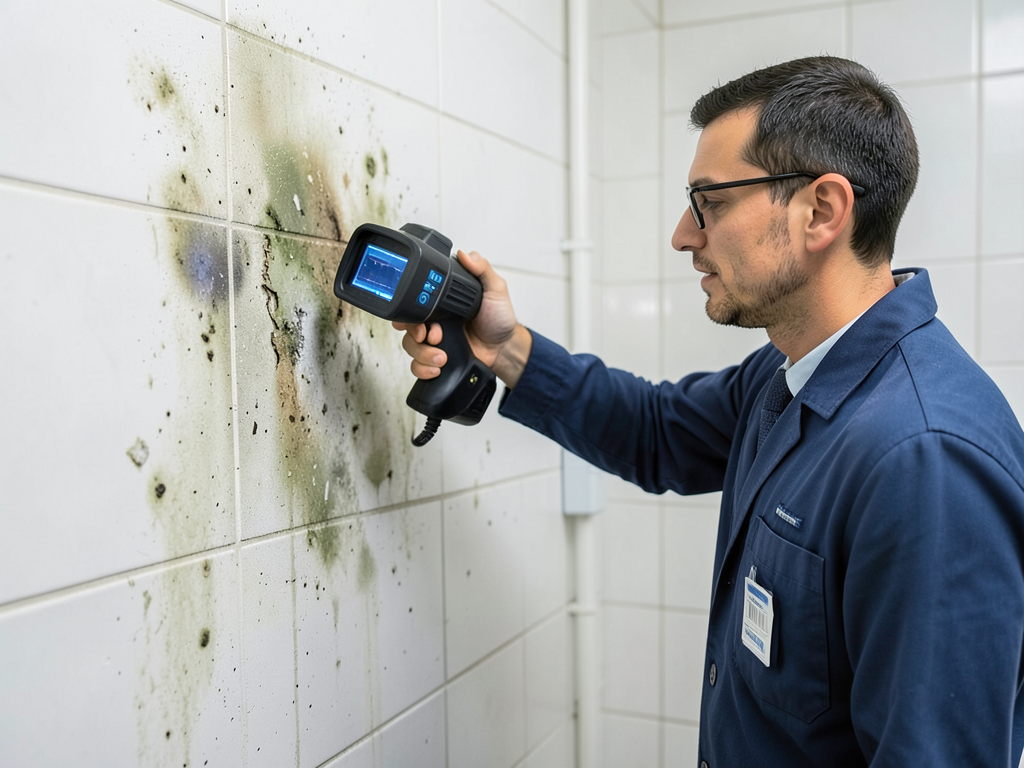
Why Your Sacramento Seasonal Allergies Might Actually Be Caused by Hidden Bathroom Mold Your itchy eyes, runny nose, and constant sneezing might not be from pollen at all. Sacramento's unique combination of Delta Breeze humidity,…
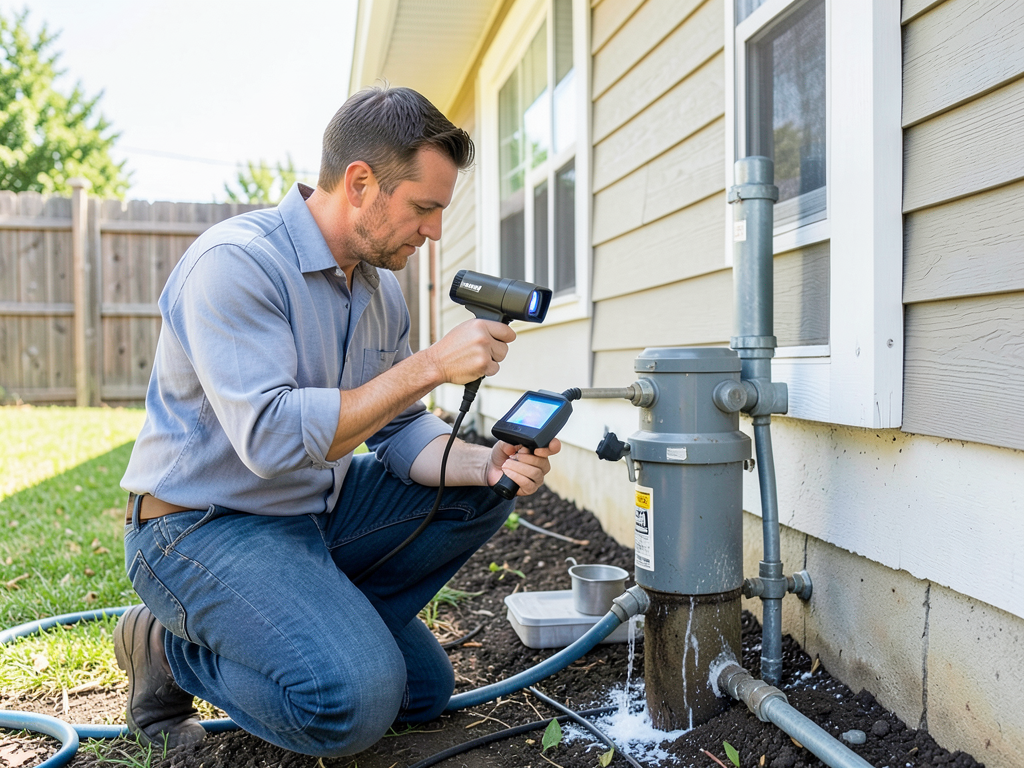
Why a Leaky Pool Pump Can Damage Your Home Foundation in the Sacramento Heat Pool…
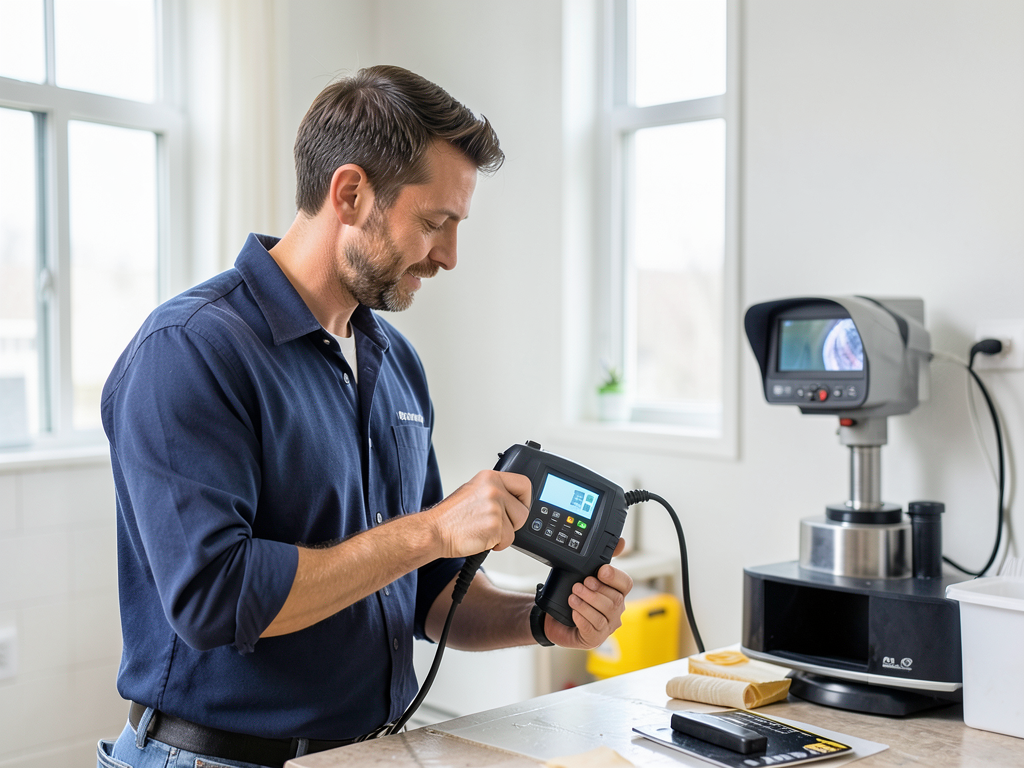
Your Rights and Next Steps When a Neighbor Overflows Their Sink in a Sacramento High…
Protecting Your Finished Basement in Old North Sacramento from Rising Ground Water Your finished basement…
Water damage gets worse every hour you wait. Call Fortress Water Damage Restoration Sacramento now at (916) 222-9262 for emergency response. Our crews are standing by 24 hours a day to stop damage, extract water, and begin restoration. The first call determines whether you face minor repairs or major reconstruction.