





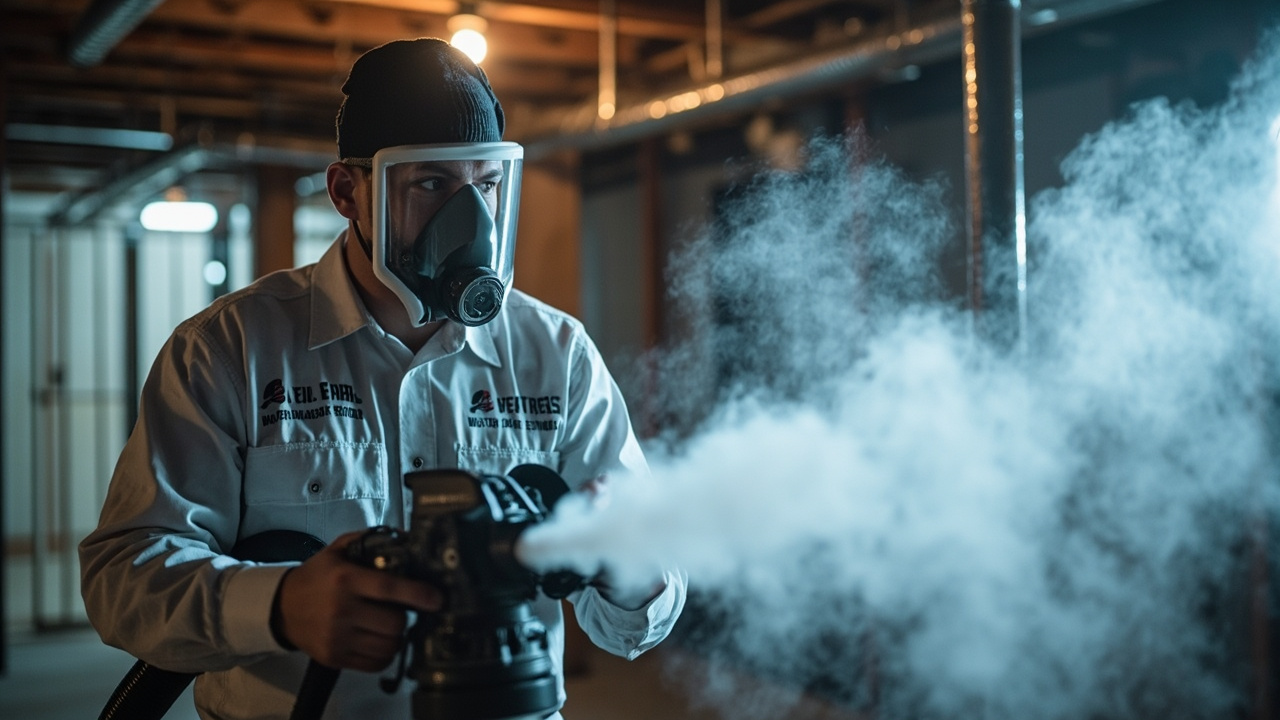

Sacramento's location at the confluence of two major rivers creates contamination risks that persist long after floodwaters recede. The Sacramento River and American River carry agricultural runoff, industrial effluent, and urban stormwater that concentrates during flood events. When this water enters your property, it deposits a biofilm layer of bacteria, fungi, and chemical contaminants on every surface it touches. Standard cleaning removes visible debris but leaves this biofilm intact. The film provides nutrients for microbial growth and creates persistent odors that resurface during humid weather. Professional antimicrobial treatment breaks down biofilms at the molecular level, eliminating the foundation for future contamination. Properties in Natomas, Pocket, and South Sacramento near levee systems face the highest risk because groundwater contamination continues seeping into basements and crawl spaces weeks after the initial flooding stops.
Sacramento County health regulations require specific sanitization protocols for properties affected by sewage backups or Category 3 water damage. These regulations exist because our aging sewer infrastructure creates frequent backflow events during heavy winter rains. Local restoration companies understand these requirements and maintain relationships with county inspectors who verify contamination clearance. We document our sanitization work using the protocols Sacramento County expects, streamlining your approval process for reoccupancy permits. Our technicians hold IICRC certifications in applied microbial remediation and odor control, meeting the professional standards insurance carriers serving Sacramento require for contamination claims. When you choose local expertise, you avoid the compliance delays and documentation gaps that occur when out-of-area companies attempt to navigate Sacramento's specific regulatory environment.