




Menu

Fire & Smoke Damage Restoration in Sacramento – Complete Recovery from Structure to Air Quality

Fortress Water Damage Restoration Sacramento delivers full-scope fire and smoke damage restoration, addressing thermal damage, soot infiltration, odor removal, and structural drying to return your property to pre-loss condition.

Slider Image 1
Slider Image 2
Slider Image 3
Slider Image 4
Slider Image 5
Slider Image 7
Slider Image 8
Slider Image 9
Slider Image 10
Slider Image 11

Why Fire and Smoke Damage in Sacramento Demands Immediate, Specialized Response

Sacramento's dry summer heat and dense urban layout create unique fire risks. Older homes in neighborhoods like Land Park and Curtis Park feature wood siding and tight attic spaces that accelerate fire spread. When fire strikes, the damage extends far beyond visible char. Combustion byproducts infiltrate HVAC systems, porous surfaces absorb acidic soot, and hidden moisture from firefighting efforts seeds mold within 48 hours.

Fire damage repair is not cosmetic work. Soot particles are acidic and corrosive. They etch glass, tarnish metal, and bond to fabrics. Smoke damage cleanup requires understanding combustion chemistry. Protein fires from kitchens leave invisible residue that smells worse over time. Synthetic material fires produce toxic particulates that embed in drywall and insulation.

Sacramento's older housing stock, built before modern fire codes, lacks fire-rated assemblies. This means smoke migrates through wall cavities and ductwork, contaminating areas untouched by flames. The Central Valley's temperature swings cause materials to expand and contract, forcing soot deeper into substrates.

Fire restoration services must address thermal shock damage to framing, compromised electrical systems, and water damage from hose lines. Fire and smoke mitigation is time-sensitive. Acidic residue continues etching surfaces for weeks. Lingering odors indicate incomplete removal of volatile organic compounds. Fire cleanup services require containment protocols, HEPA filtration, hydroxyl generators, and thermal fogging to neutralize odors at the molecular level.

You need a contractor who understands how fire behaves in Sacramento's climate and housing types.

Why Fire and Smoke Damage in Sacramento Demands Immediate, Specialized Response
How Fortress Water Damage Restoration Sacramento Restores Fire-Damaged Properties

How Fortress Water Damage Restoration Sacramento Restores Fire-Damaged Properties

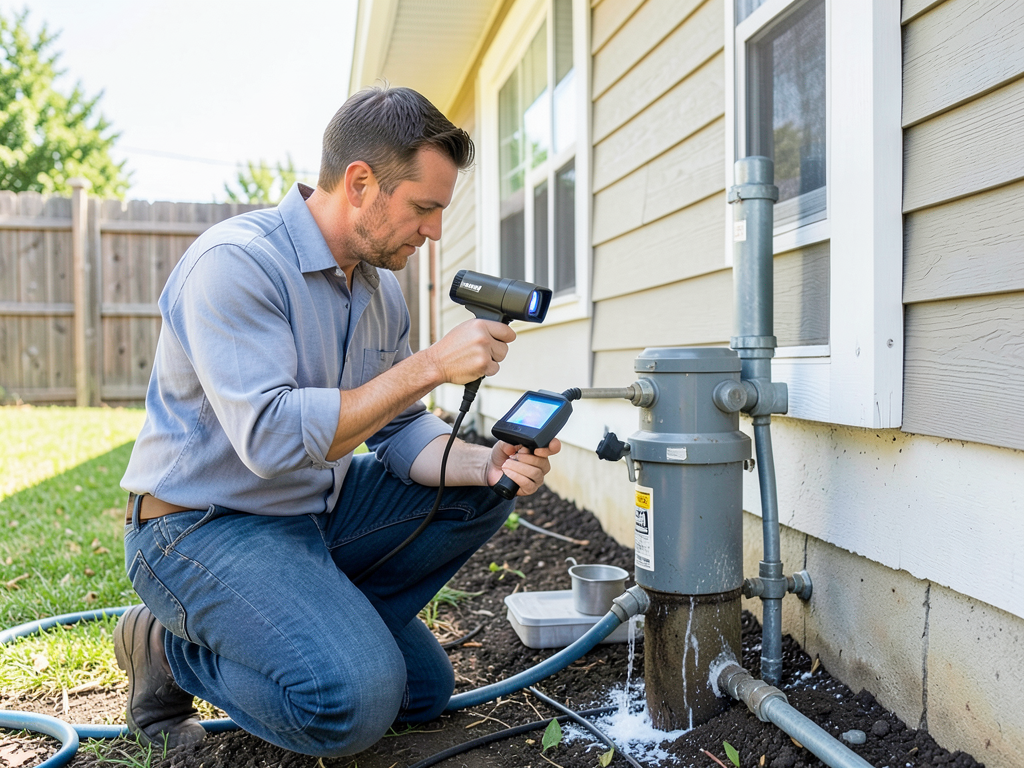
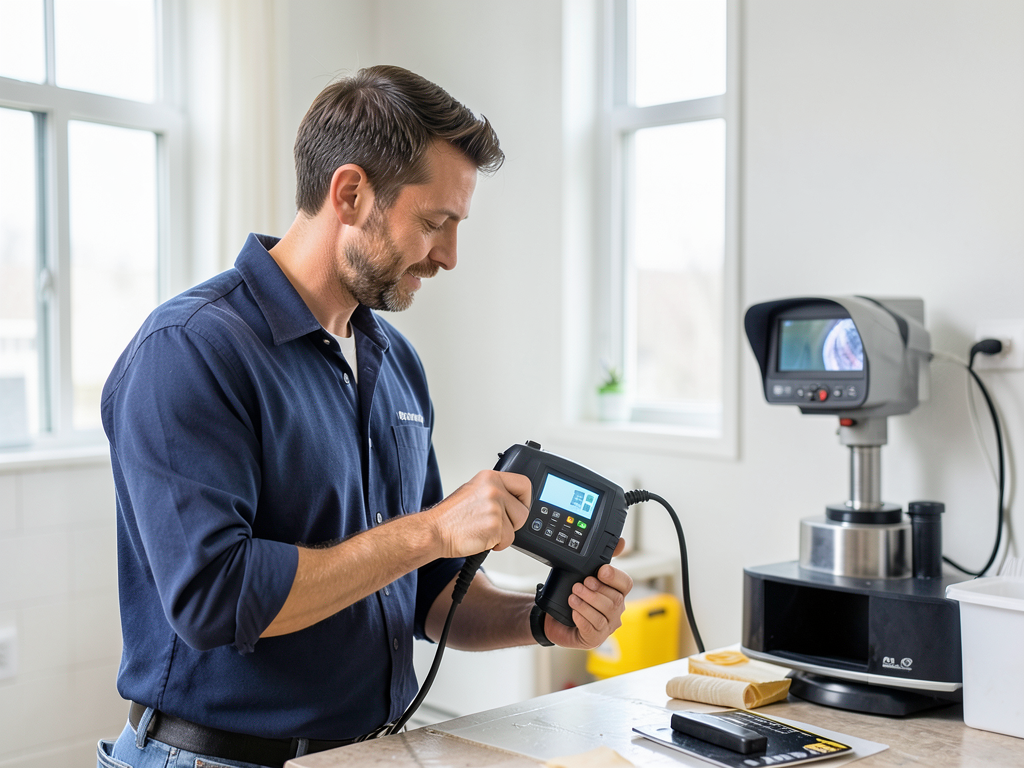
We treat fire restoration as a multi-phase contamination event. Our first step is damage assessment and documentation. We use thermal imaging cameras to identify heat-damaged framing behind drywall. We test surfaces for soot pH levels to determine cleaning chemistry. We inspect HVAC systems for particulate contamination and ductwork integrity.

Containment comes next. We establish negative air pressure zones using air scrubbers with HEPA and activated carbon filters. This prevents cross-contamination to unaffected areas. We remove all unsalvageable materials, including insulation, drywall, and flooring that absorbed combustion byproducts.

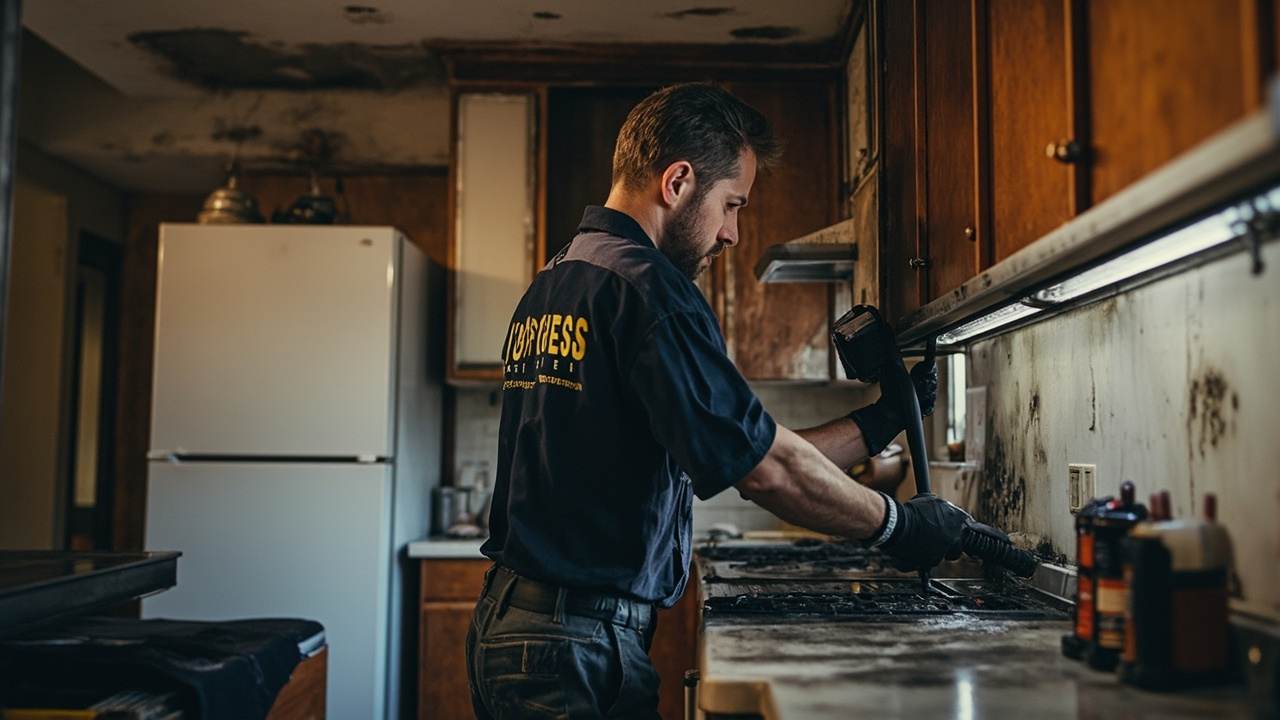
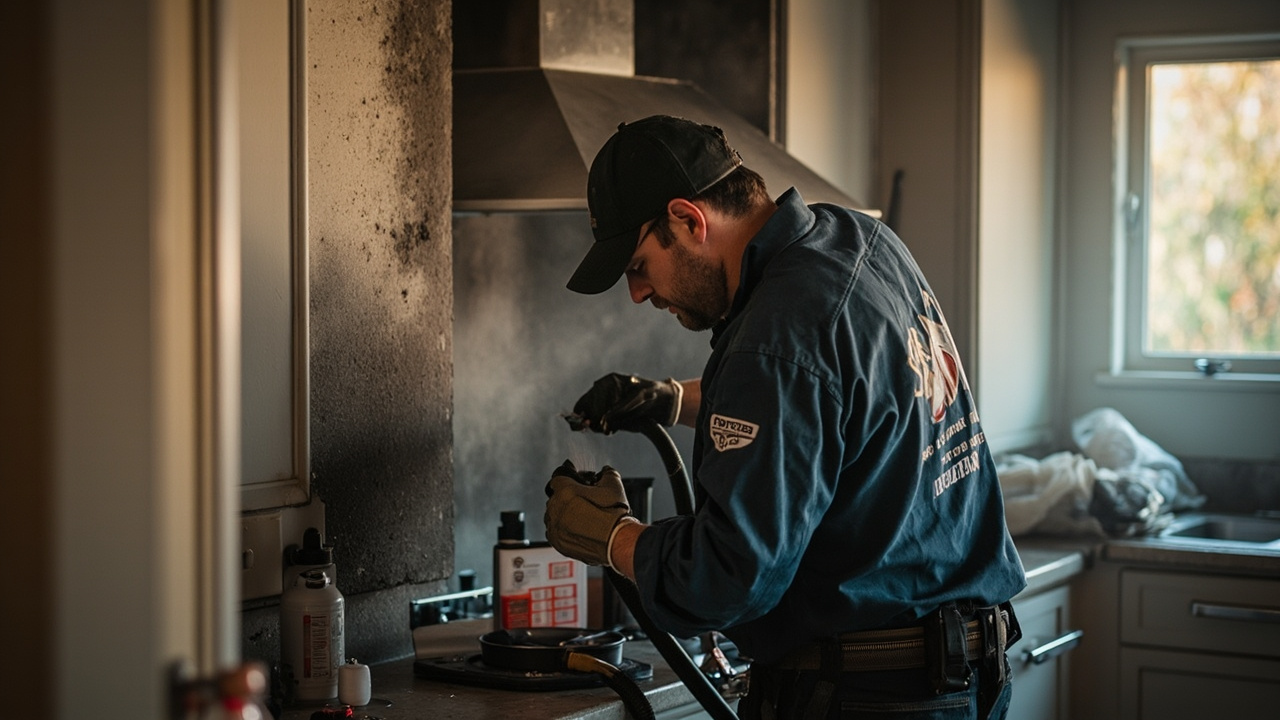
Soot removal follows IICRC S500 and S520 standards. We use dry chemical sponges for light residue, solvent-based cleaners for heavy soot, and ultrasonic cleaning for contents. We do not smear soot. We lift it. Ceilings and walls are cleaned from top to bottom. We clean inside cabinets, behind appliances, and inside electrical boxes.

Odor elimination requires destroying odor molecules. We deploy hydroxyl generators that oxidize volatile organic compounds without leaving residue. For deep odor penetration, we use thermal fogging with odor-neutralizing agents that match the particle size of smoke. We seal porous surfaces with encapsulants after cleaning.

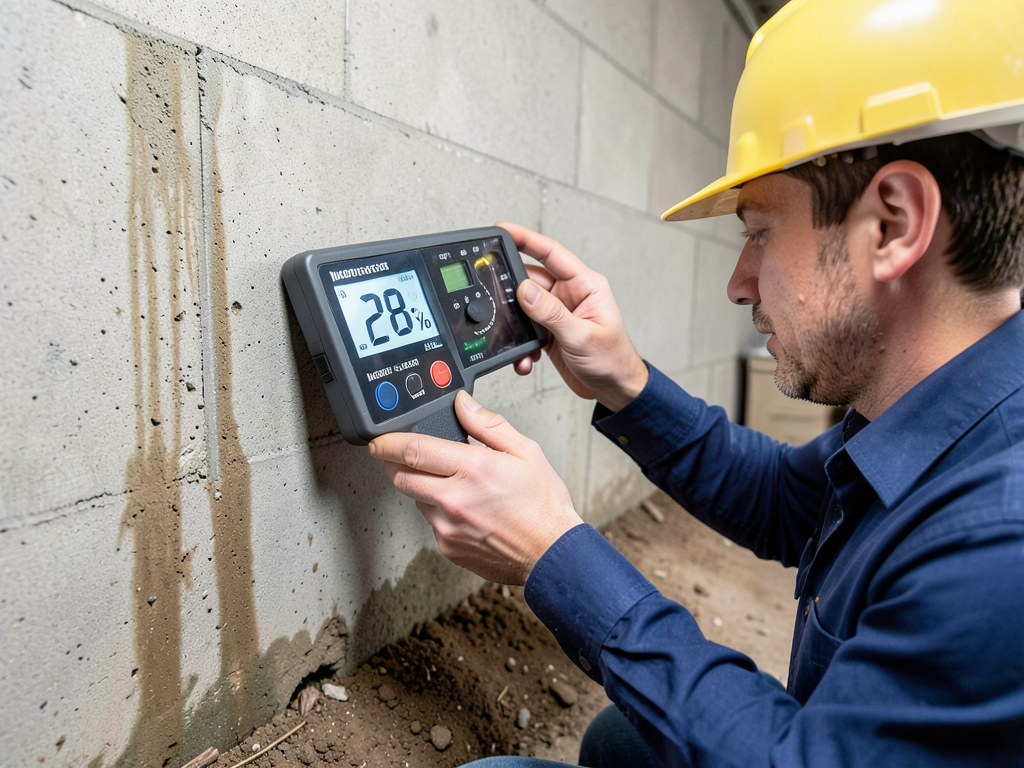
Structural drying addresses water damage from fire suppression. We place commercial dehumidifiers and air movers to prevent secondary mold growth. We monitor moisture content in framing daily using pin and pinless meters.

Final restoration includes replacing drywall, repainting with odor-sealing primer, reinstalling insulation, and duct cleaning. We test air quality before closeout to confirm particulate levels meet EPA standards.

This is not cleanup. This is forensic restoration.

What Happens During Your Fire and Smoke Restoration Project

Fire & Smoke Damage Restoration in Sacramento – Complete Recovery from Structure to Air Quality
01

Emergency Response and Assessment

We arrive within hours of your call. Our crew documents all visible damage with photos and detailed notes. We use thermal imaging to detect hidden heat damage in wall cavities and structural members. We test soot pH to determine if acids are actively corroding surfaces. We assess HVAC contamination and check for water intrusion from fire suppression. You receive a written scope within 24 hours.
02

Containment and Removal

We establish containment barriers using polyethylene sheeting and zippered access points. Negative air machines with HEPA filtration prevent soot migration to clean areas. We remove all non-salvageable materials, including charred framing, contaminated insulation, and smoke-damaged drywall. We bag and dispose of materials per local codes. Salvageable contents are removed for off-site cleaning in our controlled facility.
03

Cleaning and Restoration

We clean all surfaces using IICRC-approved methods. Walls and ceilings are treated with dry sponges and solvent cleaners. We deploy hydroxyl generators and thermal foggers to eliminate odors at the molecular level. Structural drying equipment runs until moisture content returns to normal. We rebuild with new drywall, insulation, and finishes. Air quality testing confirms particulate levels are safe before we call the job complete.

Why Sacramento Property Owners Choose Fortress Water Damage Restoration for Fire Recovery

Fire damage restoration in Sacramento requires understanding how the region's housing stock responds to thermal and chemical stress. Homes in Midtown and East Sacramento feature lath-and-plaster walls that trap soot in voids behind the surface. Ranchers in Arden-Arcade have vented attics where smoke travels freely through soffit vents. We know how fire moves through these structures.

We understand local code requirements. Sacramento enforces California Building Code with amendments for seismic bracing and fire-rated assemblies. When we rebuild, we bring framing and electrical systems up to current code. This protects you during resale and keeps your insurance valid.

Our technicians hold IICRC certifications in fire and smoke restoration and applied structural drying. We do not send generalists. We send specialists who understand combustion chemistry, soot behavior, and odor science. We know the difference between wet smoke residue from smoldering fires and dry smoke from fast-burning blazes. Each requires different cleaning methods.

We work directly with your insurance carrier. We understand Xactimate pricing and California Department of Insurance claims procedures. We provide detailed line-item estimates, photo documentation, and moisture logs. We handle the paperwork so you can focus on recovery.

Fortress Water Damage Restoration Sacramento operates out of Sacramento. We know the neighborhoods, the building styles, and the local inspectors. When you call us, you get a crew that has restored fire-damaged properties across the greater metro. We have worked in historic districts, suburban tracts, and commercial buildings.

You need a contractor who treats fire restoration as science, not guesswork. We deliver that.

What You Can Expect from Our Fire and Smoke Damage Restoration Services

Rapid Response and Mobilization

We dispatch crews 24 hours a day, 7 days a week. Most fire damage calls receive a response within two hours. Our trucks carry containment materials, air scrubbers, moisture meters, and thermal imaging cameras. We begin damage assessment immediately. You receive a preliminary scope within 24 hours and a full written estimate within 48 hours. We coordinate with your insurance adjuster to expedite approval. Speed matters because soot acids continue corroding surfaces and odors set deeper with every passing day.

Thorough Damage Assessment

We document every affected surface with photographs and detailed notes. Thermal imaging reveals heat damage hidden behind walls and ceilings. We test soot pH levels to determine cleaning methods. We inspect HVAC systems for particulate contamination and check ductwork for smoke infiltration. We measure moisture content in framing to identify water damage from fire suppression. You receive a comprehensive report that categorizes damage by severity, separating salvageable materials from total losses. This documentation supports your insurance claim and guides our restoration plan.

Complete Odor Elimination

Smoke odor is not surface-level. Combustion byproducts penetrate porous materials and infiltrate HVAC systems. We do not mask odors. We destroy them. Hydroxyl generators oxidize volatile organic compounds at the molecular level. Thermal fogging deploys odor-neutralizing agents that match smoke particle size, reaching deep into substrates. We clean or replace HVAC filters and sanitize ductwork. We seal porous surfaces with encapsulants after cleaning. Air quality testing confirms particulate levels meet EPA standards before we close out the project.

Full Structural Restoration

Fire restoration does not end with cleaning. We rebuild damaged structures to current code. This includes replacing charred framing, installing new drywall and insulation, repainting with odor-sealing primer, and refinishing floors. We coordinate with electricians and HVAC contractors to restore mechanical systems. We handle permit applications and schedule inspections. You receive a fully restored property, not a patched-together compromise. Our work meets California Building Code standards and satisfies insurance requirements for code compliance upgrades.

Frequently Asked Questions

You Have Questions,
We Have Answers

How much does smoke damage restoration cost? +

Smoke damage restoration costs vary based on the fire's severity, square footage affected, and material penetration depth. Minor surface cleaning for a single room may start around a few hundred dollars, while extensive whole-home restoration involving HVAC duct cleaning, odor neutralization, and wall sealing can reach several thousand. Sacramento homes with older insulation or HVAC systems often require additional work due to deep soot infiltration. Insurance typically covers most restoration costs after your deductible. A professional inspection provides an accurate estimate tailored to your specific damage and helps document claims for your insurer.

Can a fire-damaged house be repaired? +

Yes. Most fire-damaged houses can be repaired if the structural frame remains sound. Sacramento homes with wood framing typically fare better than those with compromised load-bearing walls. The process involves structural assessment, debris removal, odor elimination, smoke residue cleaning, and rebuilding damaged areas. Even homes with significant charring can be restored if the foundation and primary supports are intact. A certified fire restoration contractor evaluates structural integrity first, checking for beam warping or weakened supports. Insurance adjusters work with restoration teams to determine whether repair or rebuild makes financial sense.

What is fire damage restoration? +

Fire damage restoration is the complete process of returning a fire-damaged property to pre-loss condition. It includes emergency board-up, water extraction from firefighting efforts, smoke and soot removal, odor neutralization, structural repairs, and rebuilding. In Sacramento, dry summer conditions mean ash and soot can spread quickly through HVAC systems. Professionals use thermal foggers, ozone treatment, and specialized cleaning agents to eliminate smoke particles embedded in walls, ceilings, and ductwork. Restoration differs from simple cleaning because it addresses hidden damage, structural integrity, and long-term air quality issues.

Can smoke damage be repaired? +

Yes. Smoke damage can be repaired through professional cleaning, sealing, and odor neutralization. Sacramento homes often experience smoke infiltration in attics and crawl spaces due to poor ventilation. Technicians use HEPA vacuums, chemical sponges, and hydroxyl generators to remove soot particles and neutralize odors at the molecular level. Porous materials like drywall may require sealing with specialized primers, while HVAC systems need thorough duct cleaning. The key is acting quickly. Smoke residue becomes more acidic over time, causing permanent staining and corrosion if left untreated beyond 48 hours.

Is it worth buying a house with fire damage? +

It depends on the damage extent and your renovation budget. Fire-damaged homes in Sacramento sometimes sell below market value, creating investment opportunities if structural components are sound. Have a certified inspector evaluate the foundation, framing, electrical, and plumbing systems before purchasing. Hidden damage like compromised wiring or weakened floor joists increases costs significantly. Factor in full restoration expenses, permit fees, and extended timelines. If the price reduction exceeds restoration costs by a comfortable margin and you can manage a lengthy renovation, it may be worth it. Otherwise, move-on costs outweigh potential savings.

Will insurance cover smoke damage? +

Most homeowner insurance policies cover smoke damage from sudden, accidental fires. This includes cleaning, odor removal, and replacing damaged belongings. Sacramento residents should review their policy's coverage limits and exclusions. Insurance typically pays for professional restoration services, temporary housing during repairs, and content cleaning. However, coverage may exclude smoke damage from intentional acts, neglect, or certain types of fires. Document everything with photos and detailed inventories. Contact your insurer immediately after a fire. Delays in reporting can complicate claims. A restoration company experienced in insurance work helps maximize your reimbursement.

Are houses destroyed by fire covered by insurance? +

Yes. Standard homeowner insurance policies cover fire damage to dwelling structures, including total losses. Coverage extends to the house itself, attached structures, and often detached garages or sheds. In Sacramento, where wildfire risk is significant, verify you have adequate dwelling coverage limits that reflect current rebuilding costs. Policies pay for demolition, debris removal, and reconstruction up to your coverage limit. Additional living expenses during rebuilding are typically covered. Review your policy annually. Construction costs fluctuate, and underinsured homeowners face out-of-pocket expenses if replacement costs exceed coverage limits when disaster strikes.

What is the 30/30/30 rule for fire? +

The 30/30/30 rule for fire refers to a firefighter safety principle. It means fireground operations require 30 percent of air supply for entry, 30 percent for working time, and 30 percent for emergency escape and reserve. This guideline does not apply to residential fire damage restoration or homeowner actions. Sacramento homeowners should focus on evacuation safety instead. Ensure you have working smoke detectors, a family escape plan, and a meeting point outside. During a fire, get out immediately. Leave belongings behind. Once outside, never re-enter a burning structure for any reason.

What's the difference between restoration and remediation? +

Restoration returns property to pre-loss condition after damage occurs. Remediation removes or neutralizes a hazard like mold, asbestos, or contamination. In fire damage scenarios, remediation involves removing toxic soot residues and addressing health hazards before restoration begins. Sacramento properties may require both. For example, water used to extinguish flames can cause mold growth within 48 hours, needing remediation before structural repairs start. Restoration includes rebuilding, painting, and replacing materials. Remediation focuses on health and safety. Many fire damage companies provide both services, ensuring your Sacramento home is safe and livable again.

How much does it cost to clean up a burned down house? +

Cleaning up a completely burned house ranges from several thousand to over fifty thousand dollars, depending on the structure size and debris volume. Sacramento County requires permits for demolition and proper disposal of hazardous materials like asbestos insulation common in older homes. Costs include structural demolition, debris hauling, hazardous material abatement, and site grading. Salvaging undamaged materials reduces expenses. Foundation removal adds significant cost if you plan to rebuild differently. Insurance often covers cleanup costs after total losses. Get multiple estimates from licensed demolition contractors familiar with Sacramento building department requirements and disposal regulations.

How Sacramento's Dry Climate and Housing Age Complicate Fire and Smoke Restoration

Sacramento's Mediterranean climate produces hot, dry summers that leave building materials desiccated and porous. When fire occurs, soot penetrates deeper into wood framing, drywall, and concrete because moisture content is low. Older homes in neighborhoods like Oak Park and Tahoe Park lack vapor barriers, allowing smoke to infiltrate wall cavities freely. The region's temperature swings, from 100-degree days to 55-degree nights, cause materials to expand and contract, pulling soot residue deeper into substrates. Fire restoration in Sacramento requires understanding how dry conditions affect soot adhesion and odor penetration.

Sacramento County enforces strict building codes for fire restoration work. Any structural repairs require permits and inspections by the county building department. Electrical work must be performed by licensed electricians and inspected separately. HVAC duct cleaning and replacement must meet California Energy Code ventilation standards. Fortress Water Damage Restoration Sacramento has established relationships with local inspectors and understands county permitting procedures. We handle all code compliance documentation and coordinate inspections, ensuring your restoration meets legal requirements and satisfies insurance carrier expectations for proper mitigation.
Water Damage Restoration Services in The Sacramento Area

Fortress Water Damage Restoration proudly serves the greater Sacramento area, including all surrounding neighborhoods and communities. We are committed to providing fast and reliable service wherever you are. To get an idea of our service area or to visit our office, please use the interactive map below. Our team is ready to respond to your needs, so don't hesitate to reach out for immediate assistance or to schedule a consultation.

Address:
Fortress Water Damage Restoration Sacramento, 2109 Del Paso Blvd, Sacramento, CA, 95815

Additional Services We Offer

Our news updates

Latest Articles & News from The Blogs

Why a Leaky Pool Pump Can Damage Your Home Foundation in the Sacramento Heat Pool equipment leaks in Sacramento homes…

Why a Leaky Pool Pump Can Damage Your Home Foundation in the Sacramento Heat

Why a Leaky Pool Pump Can Damage Your Home Foundation in the Sacramento Heat Pool equipment leaks in Sacramento homes…

Your Rights and Next Steps When a Neighbor Overflows Their Sink in a Sacramento High Rise

Your Rights and Next Steps When a Neighbor Overflows Their Sink in a Sacramento High Rise When a neighbor's sink…

Protecting Your Finished Basement in Old North Sacramento from Rising Ground Water

Protecting Your Finished Basement in Old North Sacramento from Rising Ground Water Your finished basement in Old North Sacramento sits…

Contact Us

Fire damage worsens every day you wait. Acidic soot corrodes surfaces and odors set deeper into materials. Call Fortress Water Damage Restoration Sacramento at (916) 222-9262 for immediate response. We deploy crews 24/7 and work directly with your insurance carrier.