





Menu

Efflorescence on Concrete in Sacramento – Expert Diagnosis and Permanent Moisture Solutions

That white powder on concrete isn't just cosmetic. Our moisture detection specialists identify the water intrusion causing efflorescence and fix the source to prevent structural damage.

Slider Image 1
Slider Image 2
Slider Image 3
Slider Image 4
Slider Image 5
Slider Image 7
Slider Image 8
Slider Image 9
Slider Image 10
Slider Image 11

Why Sacramento Concrete Develops White Residue and What It Means

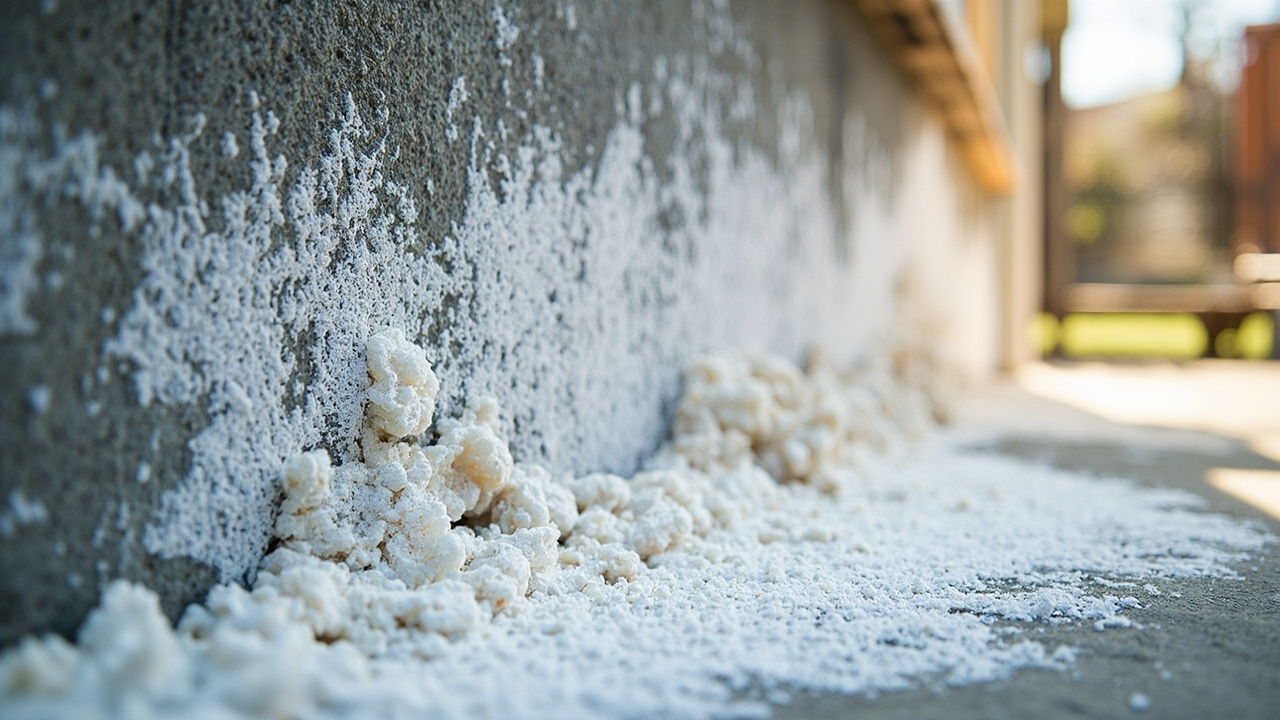
You notice white powder on concrete in your basement, garage floor, or foundation wall. It looks like someone spilled salt. You brush it off, and within weeks, the crystalline deposits on concrete reappear.

This is efflorescence. It happens when water moves through concrete, dissolves mineral salts inside the material, and carries them to the surface. When the water evaporates, those mineral salts on concrete crystallize into the white residue you see.

Sacramento's Mediterranean climate creates specific conditions that accelerate this problem. Our region receives 20 inches of annual rainfall concentrated between November and March. During these months, your foundation and slab absorb groundwater through capillary action. The Central Valley's clay-heavy soil compounds the issue. Clay expands when wet and contracts when dry, creating micro-cracks in concrete that allow water migration.

Many homeowners ignore concrete salt deposits because they seem harmless. They are not. Efflorescence is a symptom, not the disease. The disease is ongoing water intrusion. That moisture creates mold growth behind walls, rusts rebar inside concrete, and degrades structural integrity over time.

The white powder tells you exactly where water travels through your concrete. Each deposit marks an active moisture pathway. If you see efflorescence in multiple locations, you have multiple water entry points. If the deposits reappear quickly after cleaning, you have an active leak or chronic moisture problem.

Sacramento properties built before 1990 often lack proper vapor barriers beneath slabs. Newer construction in flood zones near the American River or Sacramento River faces hydrostatic pressure during wet seasons. Both situations create conditions for persistent efflorescence.

Why Sacramento Concrete Develops White Residue and What It Means
How We Stop Efflorescence by Controlling the Moisture Source

How We Stop Efflorescence by Controlling the Moisture Source

Surface cleaning removes the symptom. We eliminate the cause.

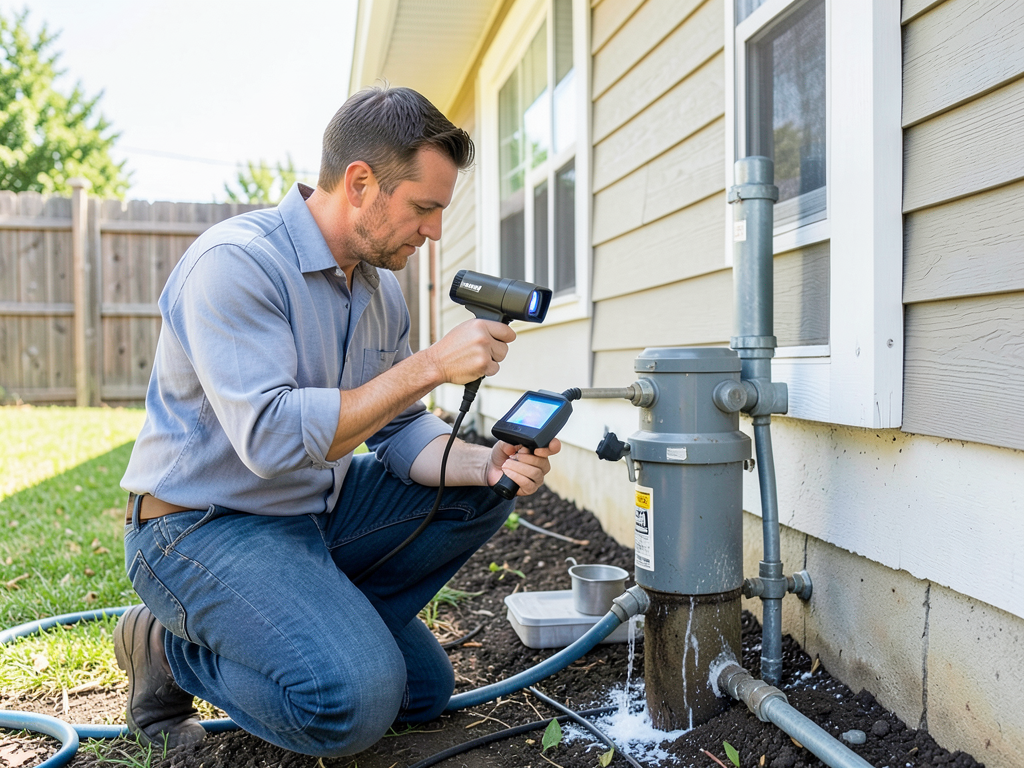
Our approach begins with moisture mapping using infrared thermography and non-invasive moisture meters. We scan the entire affected area to identify temperature differentials and moisture gradients invisible to the naked eye. This technology shows us exactly where water enters, how far it travels, and whether the source is external groundwater, internal plumbing, or condensation.

Most efflorescence in Sacramento stems from three sources. First, exterior grade and drainage problems. If soil slopes toward your foundation instead of away, rainwater pools against concrete and penetrates through pores and cracks. Second, failed waterproofing membranes. Older properties often have degraded tar-based systems that no longer repel water. Third, subsurface plumbing leaks. A pinhole leak in a slab drain line delivers constant moisture that creates persistent white residue on concrete.

We address each source differently. For grade issues, we install French drains and regrade soil to redirect water away from the structure. For membrane failures, we apply penetrating silicate sealers that react chemically with concrete to create a crystalline barrier inside the pores. For plumbing leaks, we use hydrostatic testing to pinpoint the exact location and coordinate repairs.

After controlling the moisture source, we treat the concrete itself. We apply enzymatic cleaners that break down the mineral salts without damaging the concrete surface. Then we install vapor barriers or apply topical sealers depending on whether the moisture comes from below the slab or through the walls.

The difference between our process and a handyman with a pressure washer is permanence. We fix what causes efflorescence, not just what it looks like.

What Happens When You Call About Concrete Efflorescence

Efflorescence on Concrete in Sacramento – Expert Diagnosis and Permanent Moisture Solutions
01

Moisture Detection Assessment

We arrive with thermal imaging cameras and moisture meters to map the water intrusion pattern. You show us where you see white powder on concrete, and we trace the moisture back to its entry point. This takes 45 to 90 minutes depending on the size of the affected area. We document moisture levels, temperature variations, and any visible damage to concrete or adjacent materials. You receive a written report with thermal images showing exactly where water enters your property.
02

Source Identification and Planning

We determine whether your efflorescence comes from groundwater intrusion, plumbing failure, or condensation. If we find exterior drainage problems, we mark where grading needs correction. If we detect subsurface leaks, we map the plumbing runs. If condensation is the culprit, we measure humidity levels and air exchange rates. Then we explain what needs to happen to stop the moisture permanently. You get a detailed scope of work that addresses the root cause, not just surface cleaning.
03

Remediation and Prevention

We execute the repairs that stop water from reaching your concrete. This might involve exterior drainage work, crack injection with polyurethane or epoxy, vapor barrier installation, or dehumidification system setup. After controlling the moisture source, we treat existing crystalline deposits on concrete with professional-grade cleaners and apply penetrating sealers. We schedule a follow-up inspection 60 days later to verify the efflorescence has not returned. If it reappears, we investigate further at no additional diagnostic charge.

Why Sacramento Property Owners Trust Our Efflorescence Solutions

Generic moisture control fails in Sacramento because companies treat all efflorescence the same. They do not.

A foundation in Land Park built in 1925 requires a different approach than a new construction slab in Natomas. Older properties have lime-based mortars that leach differently than modern Portland cement. Historic districts prohibit certain exterior modifications, which means we solve drainage problems with interior solutions like sump pump systems and interior French drains.

We understand Sacramento's soil profile. The region sits on alluvial deposits with high clay content. This soil has low permeability, which means water does not drain away quickly. During winter, the water table rises, creating hydrostatic pressure against your foundation. Properties near the confluence of the American and Sacramento Rivers deal with even higher seasonal water tables.

Our technicians carry California Department of Public Health certifications for water damage restoration. We understand the difference between cosmetic efflorescence and structural damage. When white residue on concrete appears with spalling, scaling, or concrete degradation, we bring in structural engineers to assess load-bearing capacity before we proceed.

Fortress Water Damage Restoration Sacramento holds certifications from the Institute of Inspection, Cleaning and Restoration. We follow ANSI/IICRC S500 Standard for water damage restoration, which dictates moisture measurement protocols, drying targets, and documentation requirements. This matters when you file insurance claims. Our reports include calibrated meter readings and photographic evidence that adjusters accept without dispute.

We also coordinate with Sacramento County building officials when remediation requires permits. Basement waterproofing, sump pump installation, and structural crack repair often trigger permit requirements under Title 24. We handle the paperwork.

You get a local team that knows Sacramento construction, Sacramento soil, and Sacramento regulations.

What to Expect When We Address Your Concrete Efflorescence

Response Time and Scheduling

We schedule diagnostic assessments within 24 to 48 hours of your call. If you report active flooding or water intrusion, we dispatch immediately. Most moisture assessments take under two hours. You receive a written report the same day. If the problem requires exterior work, we coordinate with your schedule to minimize disruption. Interior remediation happens on your timeline. We work evenings and weekends when necessary to avoid interfering with your daily routine. For commercial properties, we schedule around business hours to prevent downtime.

Diagnostic Process and Technology

Our initial evaluation uses thermal imaging to detect temperature differentials caused by evaporative cooling. Wet concrete appears cooler than dry concrete. We also use pin-type and pinless moisture meters to measure water content at various depths. You see the meter readings in real time. We document relative humidity levels if condensation contributes to the problem. For suspected plumbing leaks, we perform static pressure tests on water lines. The assessment is non-destructive. We do not drill holes or remove materials unless you approve it after seeing the diagnostic results.

Remediation Quality and Results

After we control the moisture source, concrete stops producing new efflorescence within 30 to 60 days. Existing mineral salts on concrete clean off easily once water stops bringing new deposits to the surface. We remove crystalline deposits with enzymatic cleaners that do not etch or damage the concrete finish. If you choose to apply sealers, we wait until moisture levels drop below 4 percent measured at slab depth. Sealing wet concrete traps moisture and causes adhesion failure. Our goal is bone-dry concrete with no recurrence of white powder on concrete.

Follow-Up and Long-Term Prevention

We schedule a 60-day follow-up inspection to verify efflorescence has not returned. If it reappears, we re-evaluate at no charge to find what we missed. Most recurrence happens because homeowners do not maintain gutters or downspouts, which redirects roof runoff back toward the foundation. We provide a maintenance checklist specific to your property. For properties with chronic groundwater issues, we recommend annual moisture checks before Sacramento's rainy season starts. This catches problems early before efflorescence reappears.

Frequently Asked Questions

You Have Questions,
We Have Answers

Is efflorescence on concrete a problem? +

Efflorescence itself is not structural damage. It signals water moving through your concrete, carrying dissolved salts to the surface. In Sacramento's dry climate, that water evaporates quickly, leaving white, crusty deposits. The problem is not the salt. The problem is the moisture source. If water keeps migrating through your concrete, it can weaken the material over time, cause spalling, or indicate a bigger issue like foundation leaks or poor drainage. Address the water source first. The efflorescence is just a symptom.

How do you fix efflorescence on concrete? +

Start by identifying why water is moving through the concrete. Fix leaks, improve grading, or repair drainage systems. Once the moisture source is controlled, remove the efflorescence with a stiff brush and water. For stubborn deposits, use a mild acid solution like diluted white vinegar or a commercial efflorescence cleaner. Scrub, rinse thoroughly, and let the surface dry completely. Do not seal until the concrete is bone dry and the water issue is resolved. Sacramento's low humidity helps, but patience is key.

Should efflorescence be removed? +

Yes. Remove efflorescence before sealing or coating concrete. The salt crystals prevent sealers from bonding properly, causing premature failure. Efflorescence also traps moisture underneath, which can lead to more damage. Removal is straightforward. Use a wire brush, water, and mild acid if needed. In Sacramento, the dry air accelerates evaporation, making removal easier. If efflorescence keeps returning after cleaning, you have an active moisture problem. Fix that first. Surface cleaning is temporary if water keeps pushing through the slab.

Can you seal concrete over efflorescence? +

No. Sealing over efflorescence traps salts and moisture beneath the coating. The sealer will delaminate, blister, or peel within months. You must remove all visible efflorescence and let the concrete dry completely before applying any sealer. In Sacramento, wait at least 72 hours after cleaning to ensure the slab is dry. Test for moisture using a plastic sheet taped to the surface overnight. If condensation forms underneath, the concrete is still too wet. Patience saves money. Sealing prematurely guarantees failure.

How do professionals remove efflorescence? +

Professionals start with diagnosis. They identify the moisture source using moisture meters and visual inspection. Efflorescence removal involves mechanical scrubbing with wire brushes or pressure washing, followed by acid treatment if deposits are heavy. Muriatic acid or phosphoric acid dissolves salts without damaging concrete. After treatment, the surface is neutralized, rinsed, and dried. In Sacramento, pros also check for drainage issues common to older foundations in Midtown or East Sacramento. Fixing the water problem prevents recurrence. Cleaning alone is a band-aid.

Should I worry about efflorescence? +

Worry about the water, not the salt. Efflorescence means moisture is moving through your concrete. If it appears once and stops, you likely had a temporary water event. If it keeps returning, you have an ongoing issue. In Sacramento, this often ties to poor grading, overwatering landscaping, or broken irrigation lines. Persistent efflorescence can lead to spalling, freeze-thaw damage, or foundation settling. Investigate the source. If you cannot identify the cause, call a water damage or foundation expert. Ignoring it risks bigger repairs.

Does efflorescence indicate water damage? +

Yes. Efflorescence is a direct indicator that water has penetrated the concrete. The water dissolves salts within the material and carries them to the surface as it evaporates. In Sacramento, common sources include sprinkler overspray, poor drainage around foundations, or plumbing leaks beneath slabs. While efflorescence itself is cosmetic, the moisture causing it can lead to mold growth, wood rot in adjacent framing, or foundation movement. Treat efflorescence as a red flag. Find the water source before the problem escalates.

How do I stop efflorescence from returning? +

Stop the water. Efflorescence returns when moisture continues moving through concrete. Improve drainage by regrading soil away from foundations. Repair leaking gutters, downspouts, or irrigation systems. In Sacramento, adjust sprinkler schedules to prevent overwatering near slabs. Seal cracks in the concrete to reduce water infiltration. Once the surface is dry and clean, apply a breathable penetrating sealer to reduce moisture movement. Do not use topical coatings that trap vapor. Fix the cause first. Sealing alone will not stop efflorescence if water keeps coming.

What is the best efflorescence remover? +

A mild acid cleaner works best. White vinegar is safe for light efflorescence. For heavy deposits, use a commercial efflorescence remover containing phosphoric or sulfamic acid. Muriatic acid is effective but aggressive. Dilute it properly and wear gloves. In Sacramento, products like RadonSeal Efflorescence Cleaner or Prosoco Sure Klean are popular. Apply, scrub with a stiff brush, and rinse thoroughly. Always neutralize acid with baking soda and water after cleaning. Test any cleaner on a small area first to avoid surface damage.

Does Drylok stop efflorescence? +

No. Drylok is a waterproof coating that traps moisture inside the concrete. It does not stop efflorescence. It hides it temporarily. If water keeps moving through the slab, efflorescence will form beneath the coating, causing Drylok to blister and peel. In Sacramento, where foundations face irrigation overspray and clay soil moisture, Drylok can worsen the problem by preventing the concrete from breathing. Use a penetrating sealer instead. These products block water but allow vapor to escape, reducing salt deposits without trapping moisture.

How Sacramento's Soil Composition Accelerates Concrete Efflorescence

The Central Valley's expansive clay soil creates unique challenges for Sacramento concrete. Clay absorbs water during winter rains and swells, then contracts during summer heat. This expansion and contraction cycle creates micro-cracks in foundations and slabs. Those cracks allow groundwater to wick upward through concrete via capillary action. When that water evaporates, it leaves behind the white residue on concrete you see on your garage floor or basement walls. Properties in Pocket, Greenhaven, and South Sacramento, built on reclaimed wetlands and floodplain soils, face the most severe efflorescence because the water table sits just 8 to 12 feet below grade.

Sacramento County enforces specific foundation waterproofing requirements under Chapter 18 of the building code, especially for properties in designated flood zones. We stay current with these regulations because noncompliant repairs create liability when you sell your property. Local building inspectors recognize our work because we document everything according to IICRC standards. When you hire a company that understands Sacramento's soil reports, seasonal water table fluctuations, and county permitting requirements, you avoid expensive do-overs. We know how to fix efflorescence permanently in Sacramento's unique conditions.

Water Damage Restoration Services in The Sacramento Area

Fortress Water Damage Restoration proudly serves the greater Sacramento area, including all surrounding neighborhoods and communities. We are committed to providing fast and reliable service wherever you are. To get an idea of our service area or to visit our office, please use the interactive map below. Our team is ready to respond to your needs, so don't hesitate to reach out for immediate assistance or to schedule a consultation.

Address:
Fortress Water Damage Restoration Sacramento, 2109 Del Paso Blvd, Sacramento, CA, 95815

Additional Services We Offer

Our news updates

Latest Articles & News from The Blogs

Why a Leaky Pool Pump Can Damage Your Home Foundation in the Sacramento Heat Pool equipment leaks in Sacramento homes…

Why a Leaky Pool Pump Can Damage Your Home Foundation in the Sacramento Heat

Why a Leaky Pool Pump Can Damage Your Home Foundation in the Sacramento Heat Pool equipment leaks in Sacramento homes…

Your Rights and Next Steps When a Neighbor Overflows Their Sink in a Sacramento High Rise

Your Rights and Next Steps When a Neighbor Overflows Their Sink in a Sacramento High Rise When a neighbor's sink…

Protecting Your Finished Basement in Old North Sacramento from Rising Ground Water

Protecting Your Finished Basement in Old North Sacramento from Rising Ground Water Your finished basement in Old North Sacramento sits…

Contact Us

Call Fortress Water Damage Restoration Sacramento at (916) 222-9262 for a professional moisture assessment. We identify the water source causing your concrete efflorescence and fix it permanently. Available 24/7 for emergencies.