




Menu

Fire Sprinkler Water Cleanup in Sacramento – 24/7 Emergency Response in Under 60 Minutes

When an accidental sprinkler discharge floods your home or business, every minute counts. Our certified technicians arrive fast with commercial-grade extraction equipment to stop water damage before it spreads through walls, ceilings, and floors.

Slider Image 1
Slider Image 2
Slider Image 3
Slider Image 4
Slider Image 5
Slider Image 7
Slider Image 8
Slider Image 9
Slider Image 10
Slider Image 11

What Happens When a Fire Sprinkler Head Goes Off in Your Sacramento Property

A single activated fire sprinkler head releases 10 to 25 gallons of water per minute. Within five minutes, you are looking at 125 gallons flooding across floors, soaking drywall, saturating insulation, and pooling into subfloors. Most accidental discharges happen from physical impact, corrosion in older buildings, or overheating near HVAC vents.

Sacramento's older commercial districts and converted residential properties often feature aging fire suppression systems with metal components prone to corrosion. When a sprinkler head bursts or accidentally discharges, the water does not just sit on the surface. It migrates through ceilings, seeps into wall cavities, and saturates porous building materials. Within 24 hours, mold spores begin colonizing damp drywall and insulation.

This is not a mop-and-bucket situation. Fire sprinkler water damage restoration requires immediate emergency sprinkler water removal to prevent structural compromise and microbial growth. Water from fire suppression systems often sits stagnant in pipes for years, accumulating rust, biofilm, and sediment. This contaminated water requires specialized extraction and antimicrobial treatment.

You need a team that understands fire suppression system water extraction and knows how to document damage for insurance claims. Waiting even a few hours turns a manageable emergency into a costly remediation project involving wall removal, insulation replacement, and mold abatement. The clock starts the moment that sprinkler activates.

What Happens When a Fire Sprinkler Head Goes Off in Your Sacramento Property
How Professional Burst Fire Sprinkler Flood Remediation Stops the Damage

How Professional Burst Fire Sprinkler Flood Remediation Stops the Damage

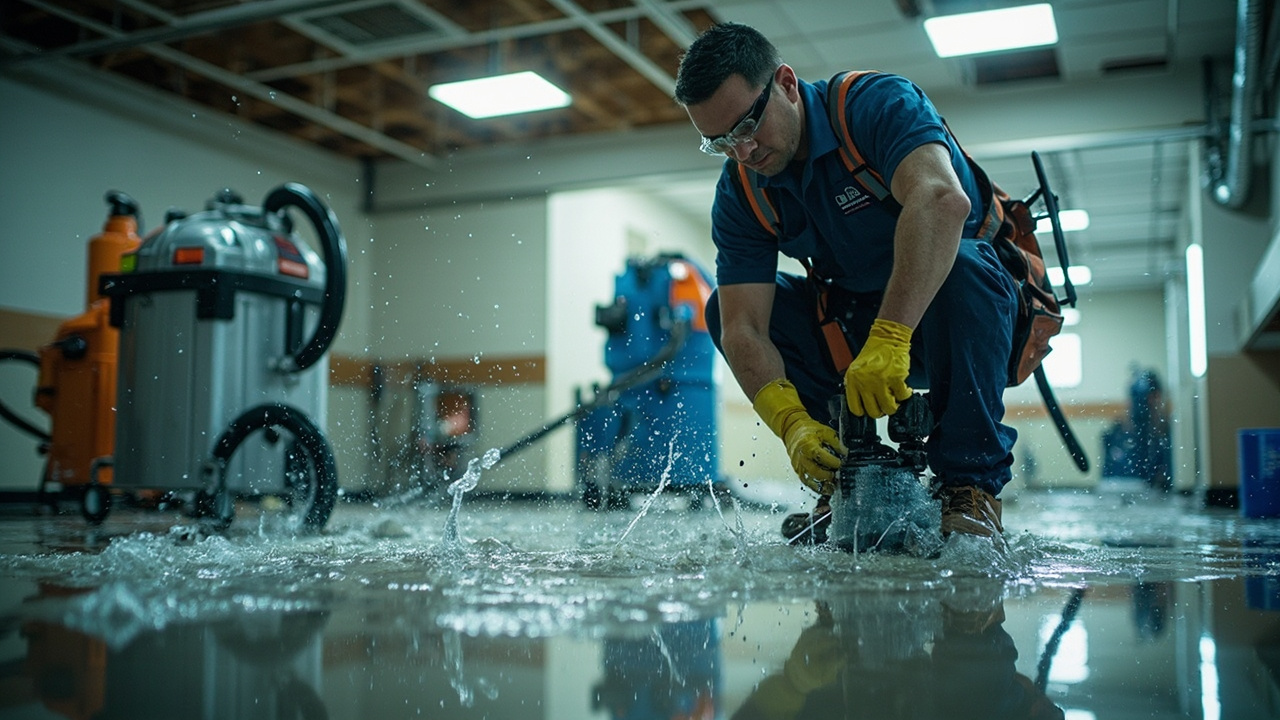
Effective accidental sprinkler discharge cleanup begins with rapid water extraction using truck-mounted pumps and portable extractors. We deploy within the hour because the first 60 minutes determine whether you face surface drying or full-scale demolition. Our technicians use thermal imaging cameras to map moisture migration through walls and ceilings, identifying hidden saturation that standard visual inspection misses.

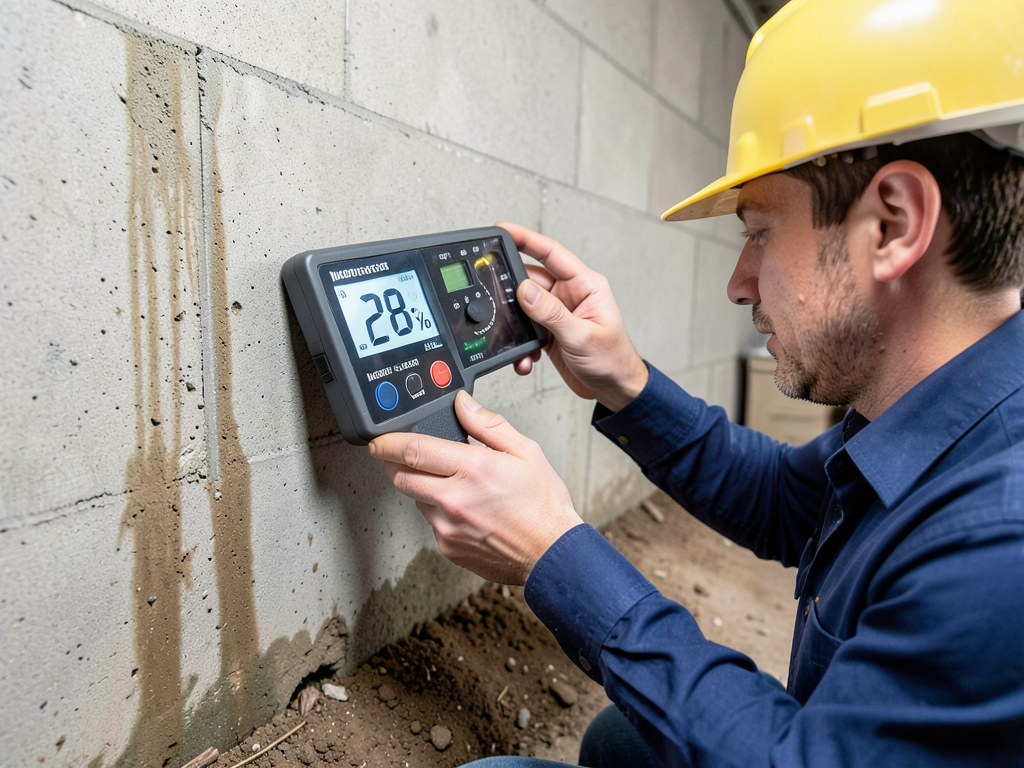
After extraction, we install industrial air movers and low-grain refrigerant dehumidifiers to create negative vapor pressure. This pulls moisture from building materials faster than evaporation alone. We monitor moisture content using pin-type and non-invasive meters, tracking drywall, subfloor, and framing lumber until readings return to baseline.

Fire suppression system water extraction differs from clean water mitigation. The water often contains rust particles, pipe scale, and bacterial contamination. We apply EPA-registered antimicrobial solutions to affected surfaces and use HEPA air scrubbers to capture airborne particulates during the drying process.

Sacramento's Mediterranean climate means relative humidity swings from 20 percent in summer to 70 percent in winter. We adjust drying protocols based on ambient conditions and building construction. Older homes with plaster walls require different techniques than modern commercial spaces with metal studs and gypsum board.

Our process includes detailed moisture mapping, photographic documentation, and daily drying logs for your insurance adjuster. We coordinate with fire sprinkler service companies to ensure the system is repaired before we close walls. This prevents repeat incidents and gives you a complete remediation solution, not just surface-level cleanup.

What Happens During Emergency Sprinkler Water Removal

Fire Sprinkler Water Cleanup in Sacramento – 24/7 Emergency Response in Under 60 Minutes
01

Immediate Water Extraction

We arrive with truck-mounted extraction units and submersible pumps to remove standing water in minutes, not hours. Our technicians use weighted wands to pull water from carpet and padding while portable extractors handle hard surfaces. Speed matters because water wicks vertically through drywall at one inch per hour. We stop the spread before it reaches adjoining rooms or lower floors.
02

Moisture Detection and Mapping

Thermal imaging reveals moisture hidden behind walls and above ceilings. We document every affected area with moisture meters, creating a baseline reading for each material. This data drives the drying plan and provides your insurance company with verifiable proof of damage extent. We check wall cavities, insulation, and structural framing to catch problems before they become mold hazards.
03

Controlled Structural Drying

Industrial dehumidifiers and air movers run continuously until moisture readings match pre-loss conditions. We monitor drying progress twice daily and adjust equipment placement based on material response. Once everything tests dry, we perform a final antimicrobial treatment and provide certification documentation. Your property is safe, dry, and ready for repairs or restoration work.

Why Sacramento Properties Need Local Fire Sprinkler Water Damage Restoration Experts

Fortress Water Damage Restoration Sacramento specializes in emergency response for accidental sprinkler discharge events. We operate 24/7 because fire suppression system failures do not wait for business hours. Our technicians train on the specific building types common in Sacramento, from Midtown's historic commercial buildings with cast iron sprinkler pipes to newer developments in Natomas with modern wet pipe systems.

We understand California's Title 24 requirements and how they affect restoration timelines. Commercial properties must maintain fire suppression system integrity throughout the drying process. We coordinate with licensed fire sprinkler contractors to ensure your building stays compliant while we remediate water damage.

Sacramento's mix of older construction and modern builds requires adaptive techniques. A burst sprinkler in a 1920s brick building with lathe-and-plaster walls demands different treatment than a flooded office in a steel-frame structure. We adjust our approach based on building materials, HVAC configuration, and structural design.

Our response vehicles carry enough equipment to handle 5,000 square feet of water damage without returning to the shop. That means faster setup and less disruption to your property. We work directly with insurance adjusters and provide detailed documentation that streamlines the claims process. Most carriers recognize our certifications and accept our moisture readings without requiring third-party verification.

You get a team that knows Sacramento's building stock, understands local insurance procedures, and has the capacity to handle everything from a single-room incident to a multi-floor commercial disaster. We are not a franchise with rotating technicians. You work with the same crew from extraction through final clearance.

What to Expect During Fire Suppression System Water Extraction

Emergency Response Time

We dispatch within 15 minutes of your call and arrive on-site in Sacramento within 60 minutes. Our technicians carry mobile payment terminals, moisture detection equipment, and extraction tools in every vehicle. You do not wait for a supervisor to show up three hours later with the right equipment. We start water removal immediately, even if that means arriving at 2 a.m. on a Sunday. Fast response prevents secondary damage that turns a 48-hour drying job into a two-week demolition project.

Damage Assessment and Documentation

Our initial assessment includes thermal imaging, moisture mapping, and photographic documentation of every affected area. We measure moisture content in floors, walls, ceilings, and contents using calibrated meters. You receive a written scope of work outlining the drying plan, expected timeline, and equipment deployment strategy. This report goes directly to your insurance adjuster with supporting photos and moisture readings. Detailed documentation prevents claim disputes and speeds up approval for additional services if hidden damage appears during drying.

Certified Dry Structure

We do not call a job complete until moisture readings match pre-loss conditions. You receive a final clearance report with before-and-after moisture measurements, documenting that your property meets industry drying standards. This certification protects you from future liability if mold appears months later. We also provide antimicrobial treatment verification and HEPA filtration logs showing air quality remained controlled throughout the process. Your property is dry, documented, and ready for reconstruction or reoccupancy.

Post-Remediation Support and Reconstruction Coordination

After drying is complete, we coordinate with your contractor to ensure repairs happen correctly. Many water damage companies extract and leave. We stay involved through reconstruction, verifying that replaced materials match building codes and that new finishes do not trap residual moisture. If your insurance requires additional documentation or if hidden damage appears during repairs, we provide supplemental reports at no extra charge. You have a partner through the entire recovery process, not just a vendor who disappears after drying equipment gets pulled.

Frequently Asked Questions

You Have Questions,
We Have Answers

Is fire sprinkler water clean? +

No. Fire sprinkler water sits stagnant in pipes for months or years. It contains rust, sediment, bacteria, and biofilm that creates a foul black or brown discharge. When a sprinkler activates in Sacramento commercial buildings, this contaminated water floods your property. It stains walls, carpets, and furniture. The longer it sits, the worse the odor and contamination. You need immediate extraction and antimicrobial treatment to prevent mold growth in Sacramento's warm climate. Do not attempt cleanup yourself. This water requires professional containment, drying, and decontamination to protect your health and property value.

What is the 3x rule for sprinklers? +

The 3x rule means fire sprinkler heads must have 18 inches of clearance in all directions. This ensures water distributes properly during activation. Sacramento commercial property owners often violate this rule by stacking inventory, installing shelving, or adding decorations too close to sprinkler heads. When a sprinkler activates with blocked clearance, water shoots sideways and causes excessive flooding. Annual inspections catch these violations before they create bigger water damage emergencies. If your sprinkler system discharged and caused flooding, professionals assess whether clearance issues worsened the damage and help document findings for insurance claims.

How often do sprinkler systems need to be flushed? +

Commercial fire sprinkler systems in Sacramento should be flushed and tested quarterly per NFPA 25 standards. Flushing removes sediment buildup that clogs pipes and sprinkler heads. Without regular maintenance, stagnant water becomes more contaminated and corrosive. When an unmaintained system activates, the discharge is blacker and smells worse. Property managers who skip flushing face costlier water damage cleanup and potential insurance disputes. After accidental discharge or testing gone wrong, document the maintenance history. Poor maintenance can complicate claims. Emergency water extraction teams assess contamination levels based on how long water sat stagnant in your system.

How to drain water from a fire sprinkler system? +

Draining a fire sprinkler system requires shutting the main control valve, opening drain valves at low points, and using air compressors to purge remaining water. Never attempt this during an emergency. After accidental activation in Sacramento buildings, first shut off the water supply at the riser room. Call a licensed fire sprinkler contractor and a water damage restoration team simultaneously. The contractor handles the system. The restoration team extracts standing water, removes soaked materials, and sets up industrial dryers. Timing matters. Mold starts growing within 24 hours in Sacramento's climate. Immediate action prevents structural damage and health hazards.

Why does fire sprinkler water smell bad? +

Fire sprinkler water smells like rotten eggs or sewage because it sits stagnant in pipes for years. Bacteria, rust, and biofilm accumulate in the oxygen-depleted environment. When the system activates, this black sludge floods your Sacramento property with a distinctive foul odor. The smell penetrates porous materials like drywall, insulation, and carpet padding. Standard cleaning does not remove it. You need antimicrobial treatments, odor encapsulation, and sometimes full material removal. The longer contaminated water sits, the deeper the odor penetrates. Immediate extraction and deodorization prevent permanent damage and make your building habitable again.

Can I use the fire hydrant to fill my pool? +

No. Using Sacramento fire hydrants without city authorization is illegal and dangerous. Hydrants supply critical water pressure for firefighting. Unauthorized use reduces pressure across the network and can prevent fire departments from accessing water during emergencies. Fines reach thousands of dollars. Some homeowners accidentally trigger nearby hydrants or standpipes during construction, causing unexpected flooding. If you accidentally discharge a fire protection system and water floods your property, shut off the supply immediately and call emergency water cleanup professionals. Do not redirect hydrant water anywhere. Focus on containment, extraction, and drying to minimize damage to your building.

What is the 18 rule for fire sprinklers? +

The 18-inch rule requires that clearance between fire sprinkler heads and stored materials or obstructions. Sacramento warehouse operators and retail managers frequently violate this rule during busy seasons by stacking inventory too high. Blocked sprinkler heads cannot distribute water properly during activation. This causes uneven coverage, excessive flooding in some areas, and inadequate fire suppression in others. Violations also trigger code enforcement citations. After accidental sprinkler discharge, restoration teams document clearance violations in photos for insurance adjusters. Proper clearance prevents worse water damage during emergencies and keeps your property compliant with fire codes.

Will vaping set off a sprinkler system? +

Vaping rarely triggers fire sprinklers. Modern sprinkler heads activate from heat, not smoke. Temperatures must reach 135 to 165 degrees Fahrenheit at the sprinkler head itself. Vape clouds do not generate enough heat. However, vaping near sensitive smoke detectors can trigger fire alarms, causing panic and sometimes accidental system discharge during evacuation chaos. In Sacramento commercial buildings, alarm-triggered sprinkler systems are less common than heat-activated systems. If your building experienced accidental sprinkler discharge, identify the cause with a licensed contractor. Water damage restoration begins immediately regardless of cause. Extract standing water within hours to prevent mold and structural damage.

What is the NFPA rule for sprinkler obstruction? +

NFPA 13 and NFPA 25 require 18 inches of clearance below sprinkler deflectors and 36 inches of clearance around certain pendant sprinklers depending on configuration. Sacramento building inspectors enforce these rules during annual fire inspections. Obstructions include storage, ductwork, ceiling fans, and decorations. Violations reduce sprinkler effectiveness and increase water damage during activation because water cannot distribute properly. After accidental discharge, restoration professionals photograph obstruction violations for insurance documentation. Commercial property owners must remove obstructions immediately after cleanup to prevent future problems. Compliance protects your building and reduces liability during emergencies. Schedule clearance audits to avoid violations.

What is the life expectancy of a fire sprinkler system? +

Fire sprinkler systems last 50 to 100 years with proper maintenance, but components degrade faster. Sprinkler heads last 20 to 50 years depending on environment. Pipes corrode from stagnant water, especially in older Sacramento buildings with galvanized steel piping. Corrosion increases contamination levels during discharge and causes pipe failures that flood buildings without warning. Annual inspections catch deterioration early. After accidental activation in older buildings, assess pipe condition. Corroded systems release blacker, more contaminated water that requires aggressive antimicrobial treatment. Upgrade aging systems before catastrophic failures cause extensive water damage. Immediate extraction and drying prevent mold regardless of system age.

How Sacramento's Aging Fire Suppression Systems Create Sprinkler Discharge Emergencies

Sacramento's Midtown, Downtown, and Oak Park neighborhoods contain commercial buildings from the 1920s through 1960s with original fire sprinkler systems. These aging wet pipe systems use galvanized steel piping that corrodes internally over decades. Rust weakens sprinkler heads and creates pinhole leaks that can trigger sudden discharge without warning. The city's summer heat causes thermal expansion in metal pipes, increasing pressure on already compromised fittings. Buildings converted from industrial to residential use often retain outdated fire suppression components never designed for modern occupancy loads.

Fortress Water Damage Restoration Sacramento works with property managers throughout the greater Sacramento metro who face recurring sprinkler issues in older buildings. We understand how the city's building codes apply to fire suppression system repairs and what documentation the fire marshal requires before reoccupancy. Our technicians coordinate with local sprinkler contractors who service everything from historic buildings near the State Capitol to modern office parks in Rancho Cordova. Choosing a restoration company familiar with Sacramento's building stock means faster response and fewer compliance delays during your recovery.
Water Damage Restoration Services in The Sacramento Area

Fortress Water Damage Restoration proudly serves the greater Sacramento area, including all surrounding neighborhoods and communities. We are committed to providing fast and reliable service wherever you are. To get an idea of our service area or to visit our office, please use the interactive map below. Our team is ready to respond to your needs, so don't hesitate to reach out for immediate assistance or to schedule a consultation.

Address:
Fortress Water Damage Restoration Sacramento, 2109 Del Paso Blvd, Sacramento, CA, 95815

Additional Services We Offer

Our news updates

Latest Articles & News from The Blogs

Why a Leaky Pool Pump Can Damage Your Home Foundation in the Sacramento Heat Pool equipment leaks in Sacramento homes…

Why a Leaky Pool Pump Can Damage Your Home Foundation in the Sacramento Heat

Why a Leaky Pool Pump Can Damage Your Home Foundation in the Sacramento Heat Pool equipment leaks in Sacramento homes…

Your Rights and Next Steps When a Neighbor Overflows Their Sink in a Sacramento High Rise

Your Rights and Next Steps When a Neighbor Overflows Their Sink in a Sacramento High Rise When a neighbor's sink…

Protecting Your Finished Basement in Old North Sacramento from Rising Ground Water

Protecting Your Finished Basement in Old North Sacramento from Rising Ground Water Your finished basement in Old North Sacramento sits…

Contact Us

Every minute counts when a sprinkler head discharges. Call (916) 222-9262 now for immediate dispatch. Our trucks roll within 15 minutes and we start extraction the moment we arrive. Available 24/7 for emergency response throughout Sacramento.