




Menu

Hidden Moisture Detection in Sacramento – Expert Diagnosis Before Water Damage Becomes a Crisis

Fortress Water Damage Restoration Sacramento uses thermal imaging and hygrometers to find trapped water behind walls, under floors, and in ceilings before mold takes hold or structural damage spreads.

Slider Image 1
Slider Image 2
Slider Image 3
Slider Image 4
Slider Image 5
Slider Image 7
Slider Image 8
Slider Image 9
Slider Image 10
Slider Image 11

Why Hidden Moisture Is a Silent Problem in Sacramento Homes

You notice a musty smell in the hallway. Your water bill ticked up last month for no reason. A soft spot appeared on the ceiling in the spare bedroom. These are not random events. They are symptoms of concealed dampness, and in Sacramento, they are more common than most homeowners realize.

The Central Valley's hot, dry summers mask a moisture problem that begins in winter. Sacramento receives most of its annual rainfall between November and March. When rain events hit, aging roof flashing, poorly sealed windows, and older slab foundations let water intrude. The moisture does not announce itself. It migrates behind drywall, soaks into subfloors, and saturates insulation in attics and crawlspaces.

By the time you see a stain or feel a spongy floor, the damage has been progressing for weeks or months. Detecting invisible leaks early is the difference between a quick fix and a full remediation project. Sacramento's older housing stock, particularly in neighborhoods like Land Park, Curtis Park, and East Sacramento, often features plaster walls and hardwood floors laid directly over joists. These materials trap moisture and hide it well.

Locating concealed dampness requires tools and training. A visual inspection misses 80 percent of water intrusion. Moisture meters, thermal imaging cameras, and borescopes reveal what your eyes cannot. Finding trapped water before it becomes a health hazard or a structural liability is the foundation of effective water damage restoration. If you suspect hidden moisture, waiting only amplifies the problem.

Why Hidden Moisture Is a Silent Problem in Sacramento Homes
How We Detect Water You Cannot See

How We Detect Water You Cannot See

Fortress Water Damage Restoration Sacramento does not guess. We use a multi-tool approach to map moisture and confirm the source. Our technicians carry FLIR thermal imaging cameras, pin-type and non-invasive moisture meters, and hygrometers to measure relative humidity in wall cavities and airspaces.

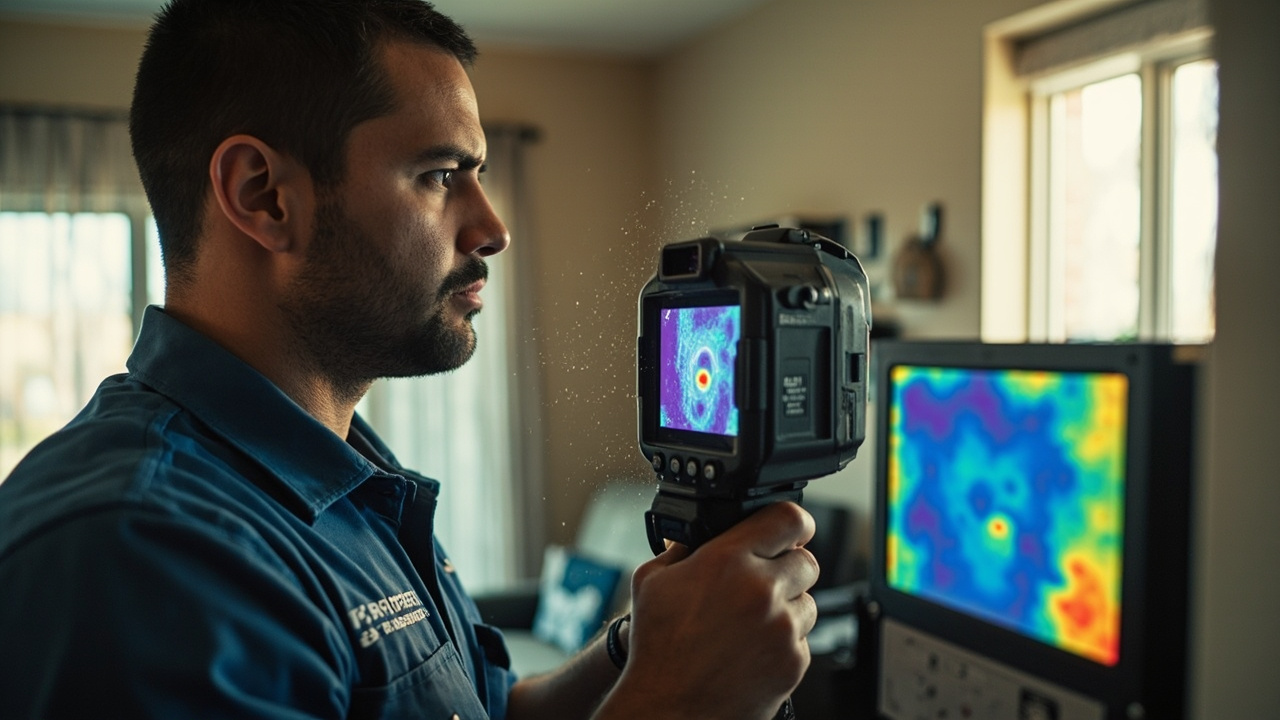
Thermal imaging is the first diagnostic layer. Water absorbs and retains heat differently than dry building materials. A thermal camera reveals temperature differentials that indicate trapped moisture. We scan walls, ceilings, and floors systematically, marking anomalies for further testing.

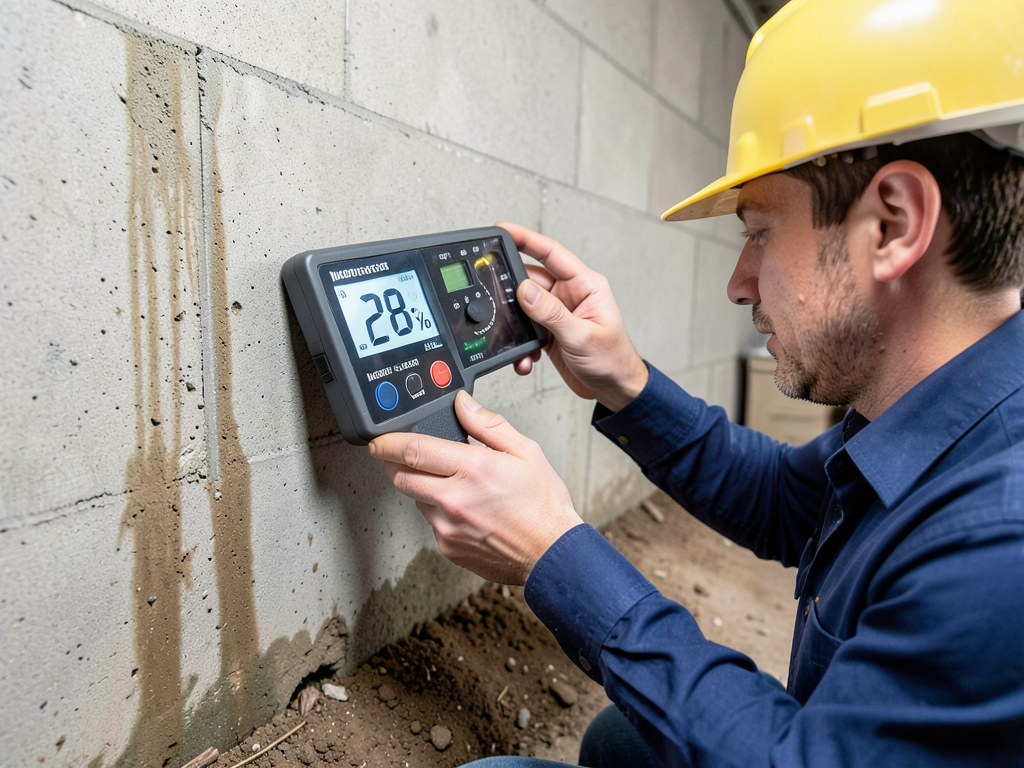
Next, we deploy moisture meters. Pin-type meters penetrate drywall or wood to measure moisture content at depth. Non-invasive meters scan surfaces without creating holes, useful for tile, concrete, and finished hardwood. We document readings in multiple locations to establish the moisture gradient and trace it back to the entry point.

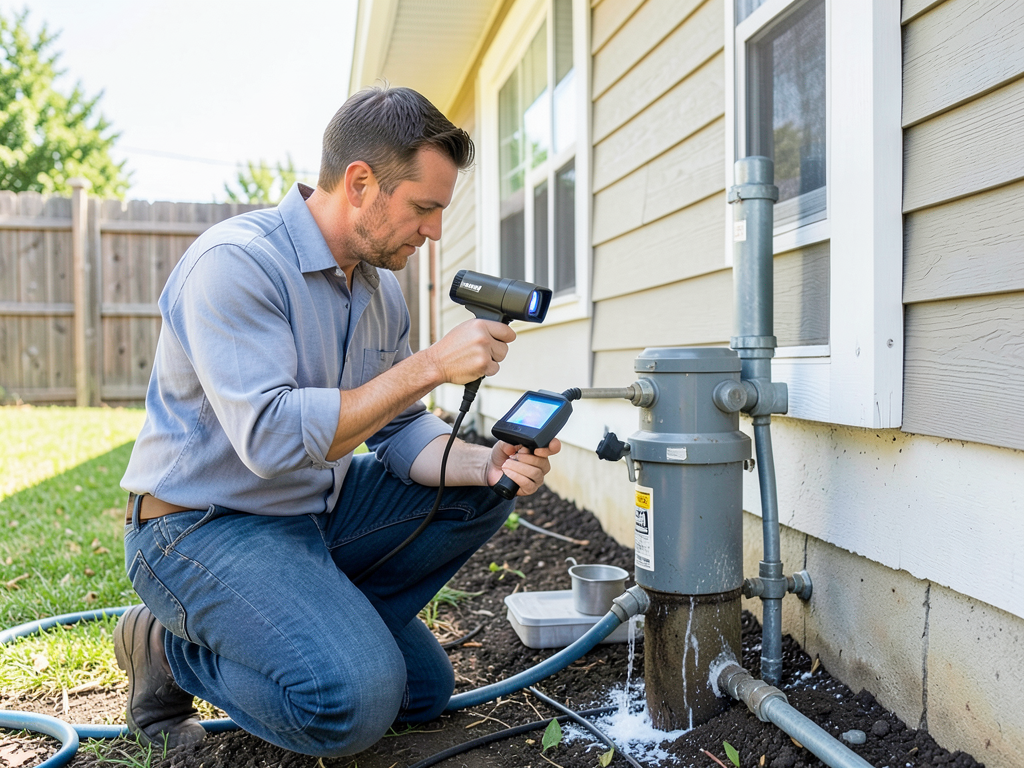
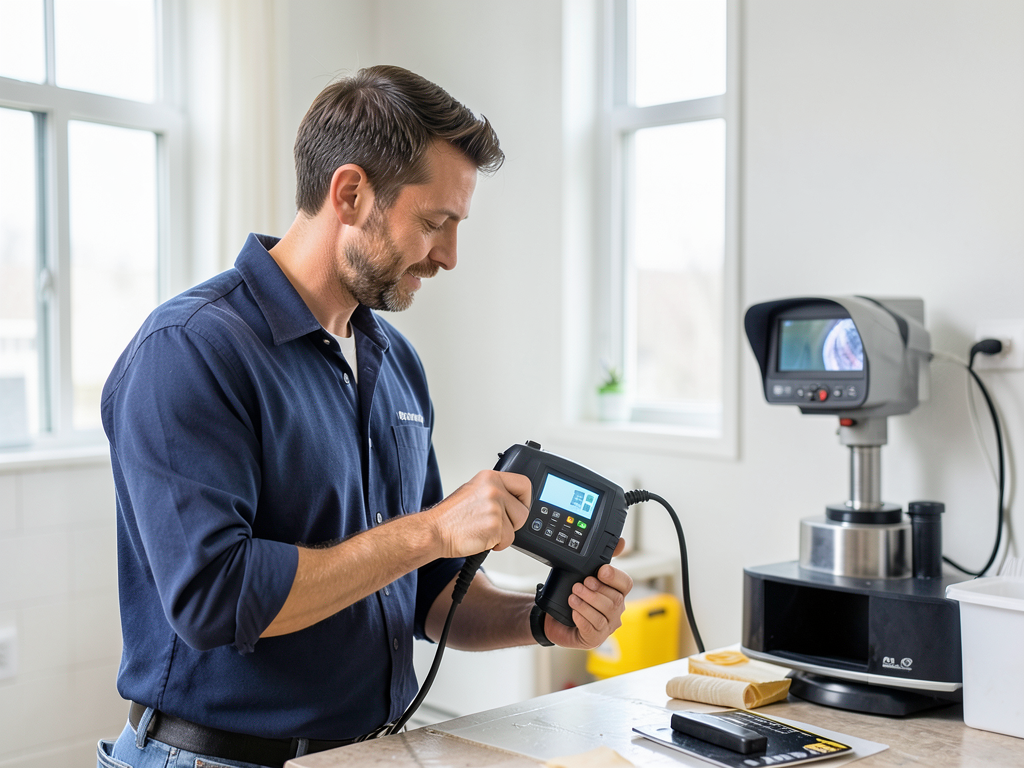
We also inspect areas prone to failure. In Sacramento homes, that means checking under sinks, around toilets, near water heaters, and along exterior walls that face prevailing winter storms. We use borescopes to look inside wall cavities, under cabinets, and above ceilings without demolition.

Identifying unseen water intrusion is part science, part experience. A spike in moisture near a window does not always mean the window is leaking. It could be condensation from poor ventilation or a roof leak ten feet away that is following a rafter. We trace the path, confirm the source, and document everything with photos and moisture maps. This precision prevents unnecessary tearout and ensures we address the actual problem, not just the visible symptom.

What Happens During a Moisture Detection Inspection

Hidden Moisture Detection in Sacramento – Expert Diagnosis Before Water Damage Becomes a Crisis
01

Initial Assessment and Scanning

We walk the property with you, asking about recent leaks, water bills, and odors. Then we begin systematic thermal imaging and moisture scanning, starting in areas you flagged and expanding to adjacent rooms. We scan floors, walls, ceilings, and around plumbing fixtures. This phase typically takes 30 to 60 minutes depending on square footage and complexity.
02

Source Tracing and Documentation

Once we identify elevated moisture, we trace it to the source. We use pin meters to confirm depth, check adjacent cavities, and inspect exterior conditions like grading, downspouts, and roof penetrations. We photograph thermal images and record moisture readings in a written report. If the source is unclear, we may use a borescope to inspect hidden spaces before recommending invasive investigation.
03

Findings Review and Action Plan

We sit down with you and review the findings. You see the thermal images, the moisture map, and our diagnosis. We explain what caused the intrusion, where the water traveled, and what needs to happen next. If drying and repair are needed, we outline scope, timeline, and next steps. If it is minor, we give you guidance on monitoring and prevention.

Why Sacramento Property Owners Trust Fortress for Moisture Detection

Spotting hidden water damage is not a skill you learn from a YouTube video. It requires calibrated equipment, training, and pattern recognition that comes from inspecting hundreds of properties. Fortress Water Damage Restoration Sacramento has worked in every neighborhood in the metro, from Natomas to Elk Grove, and we understand how water behaves in Sacramento's housing types.

We know that homes built in the 1940s and 1950s often lack vapor barriers under slab foundations, making them vulnerable to groundwater wicking. We know that the clay-heavy soils in areas like Arden-Arcade shift during wet winters, creating foundation cracks that admit water. We know that the older ranch-style homes in the Pocket neighborhood have low-slope roofs that pond water and leak at flashing points.

This local knowledge shapes how we inspect. We do not just scan the obvious spots. We check the places where Sacramento homes fail most often. We also understand the insurance side. Many homeowners discover hidden moisture only after filing a claim. We document findings in a format that adjusters and underwriters expect, which speeds up approvals and reduces friction in the claims process.

Our equipment is professional-grade and regularly calibrated. We do not rely on consumer-level tools or smartphone apps. Thermal imaging cameras cost thousands of dollars and require training to interpret correctly. Moisture meters must be calibrated to specific materials, hardwood reads differently than drywall, and concrete requires a different approach than plaster. We invest in the right tools because accurate detection prevents costly mistakes.

You are hiring local expertise, not a franchise technician reading a script. When you call Fortress, you get someone who has worked in Sacramento homes for years and understands the unique challenges of this region.

What You Can Expect From Our Moisture Detection Service

Response Time and Scheduling

We schedule moisture detection inspections within 24 to 48 hours of your call. If you are dealing with an active leak or emergency, we can often arrive the same day. Our technicians work in two-hour windows and call 30 minutes before arrival. Most inspections take one to two hours depending on property size and complexity. We do not rush. If the situation requires more time to trace a source or scan additional areas, we take it. You receive a detailed findings report before we leave, along with photos and moisture readings.

The Inspection Process

Our inspection is non-invasive unless you authorize otherwise. We use thermal imaging, moisture meters, and hygrometers to scan walls, floors, and ceilings. If we need to inspect inside a wall cavity or above a ceiling, we ask first and explain why. We document everything with photos and written notes. You walk through the property with us, so you understand what we are finding in real time. We answer questions as we go. If we identify moisture, we explain the likely source, how long it has been there, and what the next steps are. You are never left guessing.

The Findings and Recommendations

You receive a written report that includes thermal images, moisture readings, and our diagnosis. The report identifies the moisture source, the extent of affected materials, and the recommended course of action. If remediation is needed, we provide a scope of work and timeline. If the moisture is minor and can be monitored, we tell you what to watch for. We do not upsell or exaggerate findings. Our job is to give you accurate information so you can make an informed decision. If insurance is involved, we provide documentation that supports your claim.

Follow-Up and Ongoing Monitoring

If we perform drying or remediation after the inspection, we re-scan to confirm moisture levels have returned to normal. We provide post-mitigation moisture readings and documentation. If you want ongoing monitoring, we offer follow-up inspections at 30, 60, or 90-day intervals, useful for properties with recurring issues or after foundation repairs. We also educate you on prevention, including ventilation improvements, grading corrections, and maintenance routines that reduce future risk. You are not just a one-time service call. We are a resource you can rely on.

Frequently Asked Questions

You Have Questions,
We Have Answers

Why does my phone say moisture detected when there is no moisture? +

Your phone sensor triggers a moisture alert when it detects liquid or high humidity in the charging port, even if nothing is visibly wet. Lint, dust, or residue from cleaning products can fool the sensor. Sacramento's dry summers make this rare, but condensation from air conditioning or sweat during hot days can trigger false positives. Gently blow out the port or use compressed air. If the alert persists after drying, the sensor may be damaged. Do not bypass it by forcing a charge. Water damage to your phone's internals costs far more than waiting for proper drying.

Do moisture detectors really work? +

Professional-grade moisture detectors work extremely well when used correctly. Pinless meters scan surfaces for moisture content beneath the finish, while pin-type meters penetrate materials for accurate readings. Sacramento homes face hidden moisture from aging plumbing, HVAC condensation, and foundation cracks in clay soil. Cheap consumer models lack calibration and give false readings. Professionals use thermal imaging cameras alongside moisture meters to map water intrusion patterns behind walls and ceilings. The tool is only as good as the technician interpreting the data. Experience matters when diagnosing moisture sources in older Sacramento neighborhoods with complex plumbing layouts.

How do I find out where my moisture is coming from? +

Finding moisture sources requires systematic investigation. Check visible plumbing under sinks, around toilets, and near water heaters. Inspect your roof for missing shingles or damaged flashing. In Sacramento, slab foundation homes can develop pinhole leaks in copper pipes beneath concrete. Look for discoloration on walls, musty odors, or warped flooring. These signal hidden moisture. A thermal imaging scan reveals temperature differences caused by evaporating water. Pin-type moisture meters confirm wetness levels in drywall or wood. Do not guess. Misdiagnosing the source leads to incomplete repairs and recurring damage. Professionals trace moisture to its origin using specialized equipment.

Is there a tool to detect moisture in walls? +

Pin-type and pinless moisture meters detect water in walls without demolition. Pin meters insert metal probes through drywall to measure electrical resistance, which increases with moisture. Pinless meters use electromagnetic waves to scan deeper without puncturing surfaces. Thermal imaging cameras show cold spots where evaporating water cools surfaces. Sacramento restoration professionals combine these tools to map moisture patterns behind finishes. You can rent basic meters from hardware stores, but interpreting readings requires experience. Wood, insulation, and concrete each have different moisture baselines. Professionals calibrate tools for specific materials and know when readings indicate active leaks versus residual dampness.

How do I bypass the moisture detection? +

Do not bypass moisture detection warnings on phones or devices. The alert protects expensive electronics from short circuits and corrosion. For phones, let the port air dry naturally for 30 minutes. Use a fan, not heat, to speed drying. In homes, bypassing moisture problems by ignoring warning signs leads to structural rot, mold growth, and collapsing drywall. Sacramento's hot, dry climate makes homeowners complacent about water damage, but hidden leaks destroy framing and insulation before you notice. Address moisture at its source. Temporary fixes or ignored sensors always cost more later when damage spreads to undetectable areas behind walls.

Will the moisture detection go away on its own? +

Moisture detection alerts on devices may clear once ports dry completely, but structural moisture in homes never resolves without intervention. Sacramento's low humidity helps surface moisture evaporate quickly, but trapped water behind walls, under flooring, or in insulation remains indefinitely. This creates perfect conditions for mold growth and wood rot. Drywall absorbs water like a sponge and holds it against framing. Evaporation slows dramatically once moisture penetrates porous materials. Waiting for moisture to disappear on its own guarantees worse damage. Professional extraction, dehumidification, and airflow equipment remove trapped moisture in days, not months. Ignoring the problem invites expensive secondary damage.

What can throw off a moisture meter? +

Metal, electrical wiring, and high mineral content in materials throw off moisture meter readings. Foil-backed insulation causes false positives. Freshly applied paint or drywall mud contains moisture that skews results for weeks. Sacramento homes with radiant floor heating show elevated readings from heat, not water. User error causes most bad readings. Pressing too hard with pin meters or scanning too quickly with pinless models produces inconsistent data. Meters also need calibration for specific materials like hardwood, concrete, or plaster. Temperature extremes affect accuracy. Professional technicians account for these variables and cross-reference multiple readings before diagnosing moisture problems.

How long do moisture sensors last? +

Quality moisture sensors in professional meters last 10 to 15 years with proper calibration and care. Pins on probe-type meters wear out and need replacement every few years depending on use. Batteries fail before the sensor does in most cases. Cheaper consumer-grade detectors lack durability and lose calibration quickly. Built-in moisture sensors in appliances like dishwashers or washing machines last 5 to 7 years before accuracy degrades. Sacramento restoration companies replace calibration standards annually to ensure accurate readings. Thermal imaging cameras have longer lifespans but require firmware updates. Regular maintenance and calibration testing keep professional equipment reliable for years beyond consumer-grade alternatives.

What is the best moisture tester? +

Tramex and Protimeter manufacture the most reliable moisture meters for professional restoration work. Pin-type meters like the Protimeter Surveymaster provide deep penetration readings in wood and drywall. Pinless meters like the Tramex Moisture Encounter Plus scan large areas quickly without surface damage. FLIR thermal imaging cameras complement moisture meters by revealing hidden water patterns. Sacramento professionals use both types because each excels in different situations. Pin meters confirm exact moisture levels. Pinless meters map affected areas. Avoid cheap consumer models that lack material-specific calibration. The best tester depends on your specific application, but professionals trust Tramex and Protimeter for accuracy and durability.

Can mold grow in 50% humidity? +

Mold can grow at 50% humidity if other conditions align. Mold needs moisture, organic material, oxygen, and temperatures between 40 and 100 degrees. Sacramento summers create perfect conditions when 50% indoor humidity combines with poor ventilation. While 60% humidity accelerates mold growth, spores germinate at lower levels on damp surfaces like bathroom grout, window sills, or HVAC ducts. The key factor is surface moisture, not just air humidity. Condensation from temperature differences creates wet spots even when ambient humidity seems safe. Keep indoor humidity below 45% and fix leaks immediately. Mold growth depends on localized conditions, not just whole-house humidity levels.

Why Sacramento's Seasonal Rain Patterns Make Moisture Detection Critical

Sacramento receives an average of 19 inches of rain per year, nearly all of it between November and April. When atmospheric rivers hit, properties built before modern drainage standards can absorb significant water. Older homes in Midtown, East Sacramento, and Land Park often have no foundation waterproofing, minimal roof overhangs, and gutters that discharge too close to the slab. Water infiltrates through cracks, around window frames, and along the foundation-to-wall joint. It migrates laterally and vertically, pooling in low spots and saturating wood framing. By the time summer arrives, the moisture has been trapped for months, creating ideal conditions for mold and wood rot. Detecting invisible leaks during or immediately after the rainy season prevents long-term damage.

Fortress Water Damage Restoration Sacramento has worked with local insurance adjusters, property managers, and homeowners for years. We understand how Sacramento County building codes have evolved and where older homes are most vulnerable. We also know which neighborhoods experience the highest rates of moisture intrusion, data we have gathered from hundreds of inspections. When you hire a local company, you get someone who has seen your exact problem in a dozen other homes within a mile of yours. That pattern recognition speeds diagnosis and improves accuracy. We are not learning your city. We already know it.
Water Damage Restoration Services in The Sacramento Area

Fortress Water Damage Restoration proudly serves the greater Sacramento area, including all surrounding neighborhoods and communities. We are committed to providing fast and reliable service wherever you are. To get an idea of our service area or to visit our office, please use the interactive map below. Our team is ready to respond to your needs, so don't hesitate to reach out for immediate assistance or to schedule a consultation.

Address:
Fortress Water Damage Restoration Sacramento, 2109 Del Paso Blvd, Sacramento, CA, 95815

Additional Services We Offer

Our news updates

Latest Articles & News from The Blogs

Why a Leaky Pool Pump Can Damage Your Home Foundation in the Sacramento Heat Pool equipment leaks in Sacramento homes…

Why a Leaky Pool Pump Can Damage Your Home Foundation in the Sacramento Heat

Why a Leaky Pool Pump Can Damage Your Home Foundation in the Sacramento Heat Pool equipment leaks in Sacramento homes…

Your Rights and Next Steps When a Neighbor Overflows Their Sink in a Sacramento High Rise

Your Rights and Next Steps When a Neighbor Overflows Their Sink in a Sacramento High Rise When a neighbor's sink…

Protecting Your Finished Basement in Old North Sacramento from Rising Ground Water

Protecting Your Finished Basement in Old North Sacramento from Rising Ground Water Your finished basement in Old North Sacramento sits…

Contact Us

Call Fortress Water Damage Restoration Sacramento at (916) 222-9262 today. We will schedule your inspection, scan your property with professional equipment, and give you a clear answer about what is happening behind your walls.