





Menu

Disaster Recovery Planning in Sacramento – Protect Your Business From the Next Flood, Fire, or Pipe Burst

Fortress Water Damage Restoration Sacramento builds custom disaster recovery plans that keep your operations running when water damage strikes. Pre-loss planning means you know exactly who to call, what gets covered, and how fast your facility gets back online.

Slider Image 1
Slider Image 2
Slider Image 3
Slider Image 4
Slider Image 5
Slider Image 7
Slider Image 8
Slider Image 9
Slider Image 10
Slider Image 11

Why Sacramento Businesses Fail Without Pre-Loss Planning

Sacramento sits at the confluence of the Sacramento and American Rivers. Your commercial property faces flood risk from seasonal storm surges, aging levees, and rapid runoff from the Sierra Nevada foothills. Add in older building stock in Midtown and Downtown, and you have a high probability of catastrophic water intrusion from multiple vectors.

Most businesses fail within 12 months of a major water loss. Not because of the damage itself, but because they had no facility contingency planning in place. No vendor agreements. No chain of command. No pre-negotiated insurance protocols. When a pipe bursts at 2 a.m. or the American River breaches, your team scrambles. Decisions get made under panic. Costs balloon. Downtime extends.

Commercial emergency response planning eliminates that chaos. You pre-identify critical infrastructure, document your assets, establish rapid-response vendor contracts, and create a communication flowchart that keeps your leadership informed in real time. Business continuity planning means your payroll continues, your clients stay served, and your reputation stays intact.

Sacramento's mixed-use zoning adds another layer of complexity. If you operate a warehouse in North Natomas or a retail space along K Street, you share walls, plumbing, and HVAC systems with other tenants. A flood in one suite can cascade across the entire building. Without a disaster restoration plan that accounts for multi-tenant risk and cross-contamination protocols, you are exposed to liability you cannot control.

The question is not if water damage will occur. The question is whether you have a pre-loss plan ready to execute when it does.

Why Sacramento Businesses Fail Without Pre-Loss Planning
How We Build Disaster Recovery Plans That Work Under Pressure

How We Build Disaster Recovery Plans That Work Under Pressure

We do not hand you a generic binder and call it a plan. We conduct a full facility vulnerability assessment tailored to your Sacramento location. We map your utility shutoffs, document your critical systems, identify your most flood-prone zones, and catalog your high-value inventory. We measure moisture intrusion points, evaluate your HVAC ductwork for potential cross-contamination, and assess your structural load capacity for emergency drying equipment.

Then we build your business continuity plan around your actual operations. If you run a medical office near Sutter General, we prioritize patient data protection and HIPAA-compliant document drying. If you manage a food processing plant in South Sacramento, we focus on rapid decontamination, microbial control, and meeting FDA sanitation standards. If you operate a hotel in Old Sacramento, we design a phased restoration plan that keeps revenue-generating rooms online while we work in closed sections.

Your disaster recovery plan includes vendor pre-qualification, so you are not sorting through Google reviews at 3 a.m. You get direct emergency contact protocols, pre-approved scope-of-work templates, and pre-negotiated pricing agreements. We train your staff on initial damage mitigation steps, like shutting down HVAC systems to prevent mold spore spread or isolating electrical panels to prevent arc faults.

We also establish insurance coordination protocols. Your plan includes documentation standards that meet your carrier's requirements for claims approval, so you avoid the back-and-forth that delays reimbursement. We pre-authorize emergency mitigation work with your adjuster, so restoration starts immediately instead of waiting for approval.

This is not theoretical. This is operational readiness.

What Happens When You Activate Your Plan

Disaster Recovery Planning in Sacramento – Protect Your Business From the Next Flood, Fire, or Pipe Burst
01

Immediate Damage Containment

You call the emergency number in your plan. We dispatch a commercial response team within 60 minutes. We execute the containment protocols we pre-designed for your facility. Water extraction begins. Affected zones get isolated. Your critical systems stay protected. Your insurance carrier gets notified automatically through our pre-established reporting workflow. No guesswork. No delays.
02

Controlled Restoration Execution

We follow the phased restoration schedule outlined in your business continuity plan. High-priority areas get dried and decontaminated first. We use the equipment staging zones we pre-identified during your site assessment. Air movers and dehumidifiers run on dedicated circuits we mapped in advance. Your staff knows which areas remain operational and which are off-limits. Communication flows through your designated chain of command.
03

Post-Event Documentation and Refinement

Once your facility is fully operational, we conduct a post-incident review. We document response times, equipment performance, and any deviations from the plan. We update your disaster recovery plan based on real-world execution data. You receive a final insurance package with moisture readings, thermal imaging, and microbial test results. Your plan evolves. Your facility gets stronger.

Why Sacramento Businesses Trust Fortress for Facility Contingency Planning

We understand Sacramento's infrastructure. We know which commercial districts sit inside the 100-year floodplain. We know how the City of Sacramento and Sacramento County enforce commercial building codes differently. We know which older buildings in Midtown still have cast iron drain stacks prone to catastrophic failure. We know how the Delta breeze affects drying times and mold growth patterns in spring and fall.

We have worked with Sacramento's commercial insurance adjusters for years. We know their documentation standards, their preferred mitigation protocols, and their claims approval timelines. When you activate your plan, we speak their language. That means faster approvals, fewer disputes, and smoother reimbursement.

We also understand operational nuance. If you run a data center in Rancho Cordova, we know you cannot afford even 10 minutes of downtime. If you operate a cannabis cultivation facility in North Sacramento, we know you face strict environmental controls and compliance documentation requirements. If you manage a historic building along the Capitol Mall, we know how to restore water-damaged plaster and wood without triggering historic preservation violations.

Fortress Water Damage Restoration Sacramento does not treat your facility like a residential basement. We treat it like the revenue-generating asset it is. Our disaster restoration planning focuses on minimizing business interruption, protecting your liability exposure, and keeping your doors open. We coordinate with your property manager, your insurance broker, and your legal team to ensure every stakeholder stays aligned.

You get a plan designed for Sacramento's risks and built for your operations. That is the difference between a binder on a shelf and a tool that saves your business.

What Your Disaster Recovery Plan Includes

Rapid Response Activation

Your plan includes a 24/7 emergency hotline with guaranteed 60-minute dispatch for commercial clients in Sacramento. We do not put you in a queue. We do not wait until morning. When you call, your pre-assigned response team mobilizes immediately. We arrive with the equipment and protocols your plan specifies. Water extraction, containment, and damage assessment begin within the first two hours. Your insurance carrier gets notified through our automated reporting system, so claims processing starts while we work.

Comprehensive Facility Assessment

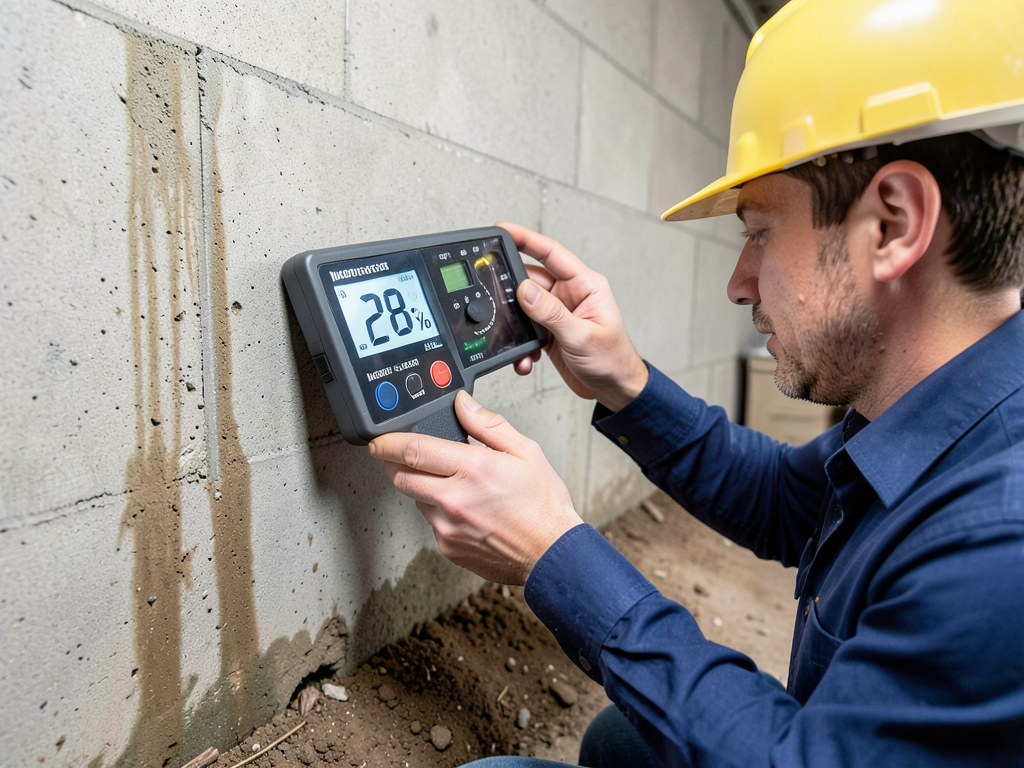
We conduct a full site evaluation of your Sacramento property before disaster strikes. We identify your most vulnerable systems, map your utility shutoffs, document your high-value assets, and measure your structural drying capacity. We use thermal imaging to locate hidden moisture intrusion points and moisture meters to establish baseline readings. You receive a detailed facility report with photos, diagrams, and risk ratings. This assessment becomes the foundation of your pre-loss plan and eliminates guesswork during an actual event.

Full Operational Restoration

Your plan specifies the exact restoration milestones required to bring your facility back online. We do not stop at water extraction. We dry structural cavities to industry-standard moisture levels, decontaminate affected surfaces, treat for microbial growth, and restore damaged finishes. You receive third-party verification of drying completion, air quality test results, and compliance documentation for your insurance carrier. Your facility returns to pre-loss condition, and your operations resume without lingering contamination risk.

Ongoing Plan Updates

Your business changes. Your facility evolves. Your disaster recovery plan must keep pace. We provide annual plan reviews to update vendor contacts, refresh staff training, and incorporate facility modifications. If you add a new wing, upgrade your HVAC system, or change insurance carriers, we revise your plan accordingly. You also receive priority scheduling for emergency response, so when you call, you move to the front of the queue. Your plan stays current, and your protection stays strong.

Frequently Asked Questions

You Have Questions,
We Have Answers

What are the 5 steps of disaster recovery planning? +

The five steps are: Risk Assessment, Business Impact Analysis, Plan Development, Implementation, and Testing. First, identify threats specific to your Sacramento facility, including flooding from the American River and seismic activity. Second, determine which operations are mission-critical. Third, document recovery procedures and assign roles. Fourth, deploy backup systems and establish alternate work sites. Fifth, conduct regular drills to validate your plan. Sacramento businesses must account for seasonal flood risks and potential power grid failures during extreme heat events. Each step builds on the previous one to minimize downtime and financial loss.

What is disaster and recovery planning? +

Disaster recovery planning is the process of creating documented procedures to restore critical business functions after disruptive events. It protects your Sacramento operation from floods, fires, cyberattacks, and infrastructure failures. The plan identifies essential systems, establishes recovery time objectives, and assigns specific responsibilities to your team. For Sacramento businesses, this includes preparing for delta flooding, wildfire smoke impacts, and prolonged heat waves that stress electrical systems. A solid plan reduces revenue loss, maintains client trust, and ensures regulatory compliance. It is not insurance, it is your operational blueprint for survival.

What are the 4 C's of disaster recovery? +

The four C's are: Communication, Coordination, Command, and Continuity. Communication ensures stakeholders receive timely updates during incidents. Coordination aligns internal teams with external vendors and emergency services. Command establishes clear authority and decision-making protocols. Continuity focuses on maintaining operations or resuming them quickly. Sacramento businesses face unique challenges like traffic disruptions on I-5 and Highway 50 during evacuations, making coordination with local emergency services important. Your disaster recovery plan must address how these four elements function together, especially when regional infrastructure fails or climate events impact multiple facilities simultaneously.

What should be in a disaster recovery plan? +

Your disaster recovery plan must include: asset inventory, risk analysis, recovery time objectives, contact lists, data backup protocols, alternate site locations, and chain of command documentation. For Sacramento operations, include flood zone maps, seismic retrofitting records, and vendor agreements for emergency services. Document your insurance policies, financial reserves, and regulatory compliance requirements. Include specific procedures for water damage restoration, power loss, and communication system failures. Your plan should identify which systems require immediate recovery versus delayed restoration. Store copies offsite and digitally. Update it quarterly to reflect operational changes and new risks.

What are the 4 pillars of disaster recovery? +

The four pillars are: Prevention, Preparedness, Response, and Recovery. Prevention reduces risk through facility hardening, redundant systems, and maintenance protocols. Preparedness involves training staff, stockpiling supplies, and establishing vendor relationships. Response activates during the incident, executing emergency procedures and damage control. Recovery restores normal operations and evaluates performance. Sacramento businesses must address levee failure risks, extreme heat infrastructure strain, and wildfire-related air quality shutdowns. Each pillar requires specific investments and ongoing attention. Weak performance in any area compromises your entire disaster recovery capability and extends business interruption duration.

What are the 5 P's of disaster? +

The five P's are: People, Property, Processes, Profits, and Partners. People includes employee safety protocols and evacuation procedures. Property covers physical assets like buildings, equipment, and inventory. Processes document how critical operations continue or restart. Profits address financial resilience through insurance, reserves, and revenue protection strategies. Partners identify vendors, contractors, and emergency service providers who support recovery. Sacramento businesses must account for regional dependencies like shared water infrastructure and transportation corridors. Neglecting any of these areas creates vulnerabilities. Your disaster recovery plan should assign specific protection and recovery strategies to each category.

What is a disaster recovery plan template? +

A disaster recovery plan template is a structured framework that guides you through creating your customized plan. It includes sections for risk assessment, contact information, recovery procedures, and resource allocation. Templates provide checklists and prompts but require customization for your Sacramento facility and industry. Generic templates miss local factors like flood plain positioning, seismic zone requirements, and regional vendor networks. Your template should follow FEMA or industry-specific standards while incorporating Sacramento building codes and emergency management protocols. Templates save time but become effective only when you adapt them to your actual operations and local risks.

How much does a DRP cost? +

Disaster recovery planning costs vary based on business size, complexity, and risk exposure. Expect to invest in risk assessments, backup infrastructure, alternate site agreements, and staff training. Sacramento businesses face additional expenses for flood mitigation, seismic upgrades, and wildfire preparation measures. Small operations might spend a few thousand dollars for basic documentation and backups. Larger facilities with multiple systems and regulatory requirements can invest six figures in redundant infrastructure and ongoing maintenance. The cost of not having a plan exceeds preparation expenses. Calculate potential revenue loss per hour of downtime to justify investment.

How do you create a DRP? +

Start by conducting a thorough risk assessment of your Sacramento facility, identifying natural hazards, infrastructure dependencies, and operational vulnerabilities. Perform a business impact analysis to determine recovery time objectives for each critical function. Document step-by-step recovery procedures, assign roles, and establish communication protocols. Identify backup locations, vendors, and equipment sources. Create detailed contact lists for employees, contractors, and emergency services. Test your plan through tabletop exercises and full-scale drills. Update it quarterly as operations change. Store copies offsite and ensure key personnel can access them remotely. Integrate your plan with local emergency management systems.

What is a common disaster recovery strategy? +

The most common strategy is the tiered recovery approach, which prioritizes critical systems for immediate restoration while delaying non-essential functions. This includes regular data backups, redundant communication systems, and pre-negotiated vendor agreements. Sacramento businesses commonly implement hot sites or cloud-based failover systems to maintain operations during facility unavailability. The strategy combines preventive measures like water intrusion monitoring with reactive protocols for rapid damage assessment and restoration. Effective plans balance recovery speed against cost, focusing resources on revenue-generating functions first. Regular testing validates the strategy and identifies gaps before actual disasters occur.

How Sacramento's Levee System and Flood Risk Demand Pre-Loss Planning

Sacramento's levee infrastructure protects the city from catastrophic flooding, but these aging earthen structures remain vulnerable to storm surges, seepage, and structural failure. The 2017 Oroville Dam crisis forced evacuations and exposed the fragility of Northern California's flood control systems. Commercial properties in Natomas, West Sacramento, and South Sacramento sit behind levees that require constant monitoring and maintenance. If you operate a facility in these zones, you face a persistent flood risk that most business owners underestimate. Pre-loss planning gives you evacuation protocols, equipment relocation strategies, and rapid-response vendor agreements that activate the moment flood warnings get issued. You cannot prevent a levee breach, but you can control how your business responds to one.

Sacramento's commercial insurance market demands documented disaster recovery plans for high-risk properties. Carriers want proof you have mitigation protocols in place before they approve coverage or process claims. Fortress Water Damage Restoration Sacramento works directly with local adjusters, brokers, and risk managers to build plans that meet underwriting standards. We understand Sacramento's flood zone designations, the City's commercial building codes, and the documentation requirements for FEMA assistance programs. When you have a pre-loss plan designed by local experts, your insurance carrier sees reduced risk. That translates to smoother claims approvals, faster reimbursement, and stronger coverage terms.
Water Damage Restoration Services in The Sacramento Area

Fortress Water Damage Restoration proudly serves the greater Sacramento area, including all surrounding neighborhoods and communities. We are committed to providing fast and reliable service wherever you are. To get an idea of our service area or to visit our office, please use the interactive map below. Our team is ready to respond to your needs, so don't hesitate to reach out for immediate assistance or to schedule a consultation.

Address:
Fortress Water Damage Restoration Sacramento, 2109 Del Paso Blvd, Sacramento, CA, 95815

Additional Services We Offer

Our news updates

Latest Articles & News from The Blogs

Why a Leaky Pool Pump Can Damage Your Home Foundation in the Sacramento Heat Pool equipment leaks in Sacramento homes…

Why a Leaky Pool Pump Can Damage Your Home Foundation in the Sacramento Heat

Why a Leaky Pool Pump Can Damage Your Home Foundation in the Sacramento Heat Pool equipment leaks in Sacramento homes…

Your Rights and Next Steps When a Neighbor Overflows Their Sink in a Sacramento High Rise

Your Rights and Next Steps When a Neighbor Overflows Their Sink in a Sacramento High Rise When a neighbor's sink…

Protecting Your Finished Basement in Old North Sacramento from Rising Ground Water

Protecting Your Finished Basement in Old North Sacramento from Rising Ground Water Your finished basement in Old North Sacramento sits…

Contact Us

Do not wait until water is pooling in your lobby. Call Fortress Water Damage Restoration Sacramento at (916) 222-9262 and schedule your facility vulnerability assessment today. We build disaster recovery plans that keep your business running when everything else stops.