




Menu

Steps to Take After a Flood in Sacramento – Your Complete Post-Flood Recovery Checklist to Protect Your Home and Health

Get the critical immediate actions after flooding that Sacramento homeowners need to minimize damage, prevent mold growth, and navigate insurance claims with confidence after water enters your property.

Slider Image 1
Slider Image 2
Slider Image 3
Slider Image 4
Slider Image 5
Slider Image 7
Slider Image 8
Slider Image 9
Slider Image 10
Slider Image 11

Why Sacramento Floods Demand Immediate, Strategic Action

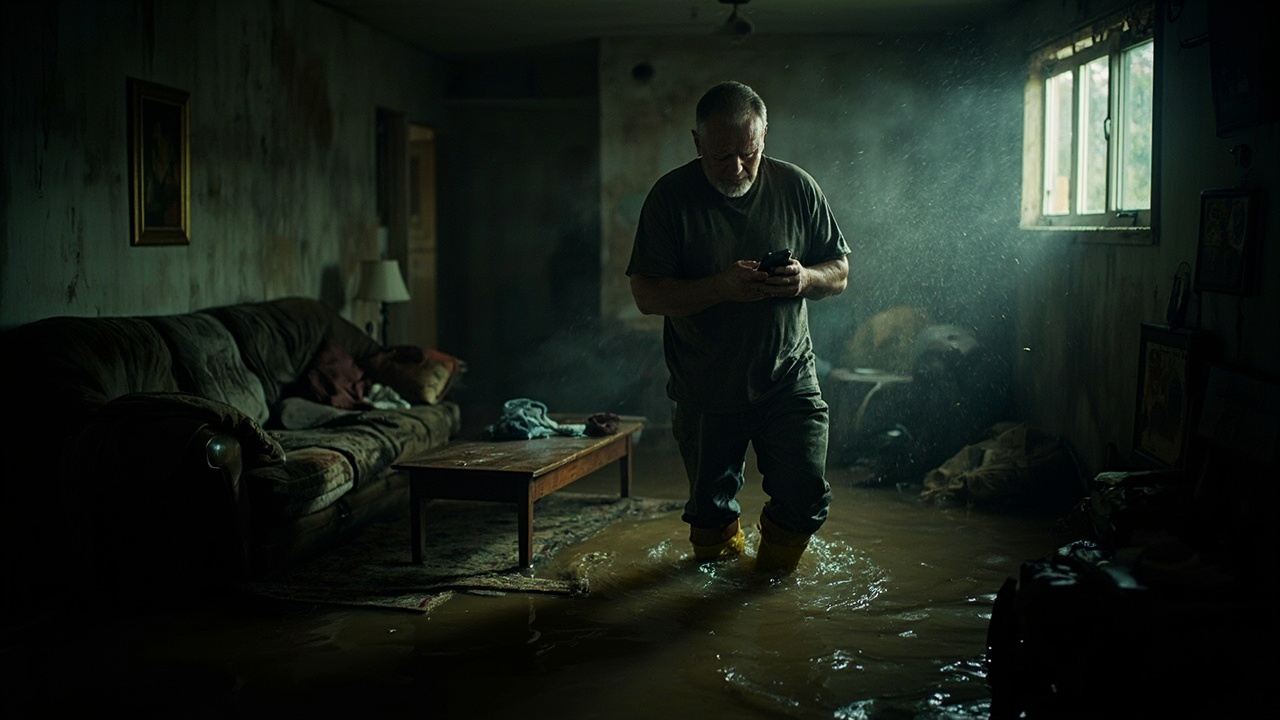
When floodwater enters your Sacramento home, the clock starts ticking. You have roughly 24 to 48 hours before mold colonies begin forming in wall cavities, under flooring, and inside HVAC ductwork. Sacramento's position at the confluence of the American and Sacramento Rivers means flood risk extends beyond the obvious floodplains. Areas like Pocket, Land Park, and North Sacramento face seasonal flood threats from levee breaches, rapid snowmelt runoff, and aging stormwater infrastructure.

The real danger compounds because Sacramento's Mediterranean climate creates temperature swings that accelerate microbial growth. Daytime heat causes rapid evaporation, driving moisture deeper into building materials. Overnight cooling condenses humidity on cool surfaces. This cycle turns what looks like surface water into structural saturation within 72 hours.

Most homeowners make two critical mistakes in the first hours after a flood. First, they underestimate how far water traveled through their home. Capillary action pulls floodwater up drywall, into insulation, and under baseboards where you cannot see it. Second, they delay professional water extraction because the visible water receded. But saturated subfloors, wall cavities, and crawlspaces continue breeding contamination long after surface water disappears.

Your post-flood recovery checklist starts with understanding what floodwater carries. Sacramento floods often contain sewage overflow from combined stormwater systems, agricultural runoff with pesticides and bacteria, and industrial contaminants from the Port of Sacramento. This is not clean water. Every surface it touched requires professional decontamination, not just drying.

The steps you take in the first 12 hours determine whether you face a manageable restoration or a complete gut job months later when hidden mold forces remediation.

Why Sacramento Floods Demand Immediate, Strategic Action
The Professional Water Damage Clean Up Steps That Actually Work

The Professional Water Damage Clean Up Steps That Actually Work

Effective flood recovery follows a strict sequence. Deviation creates compounding problems that triple restoration costs and extend timelines from weeks to months. What to do after a house flood is not intuitive, which is why insurance adjusters document so many preventable secondary damages.

Step one is safety assessment. Before you enter a flooded structure, you need electrical service disconnected at the main panel. Floodwater conducts electricity, and energized outlets or appliances create lethal shock hazards. If your electrical panel sat underwater, assume it is compromised until a licensed electrician confirms otherwise. Sacramento's older housing stock in areas like Curtis Park and East Sacramento often has outdated wiring that fails catastrophically when flooded.

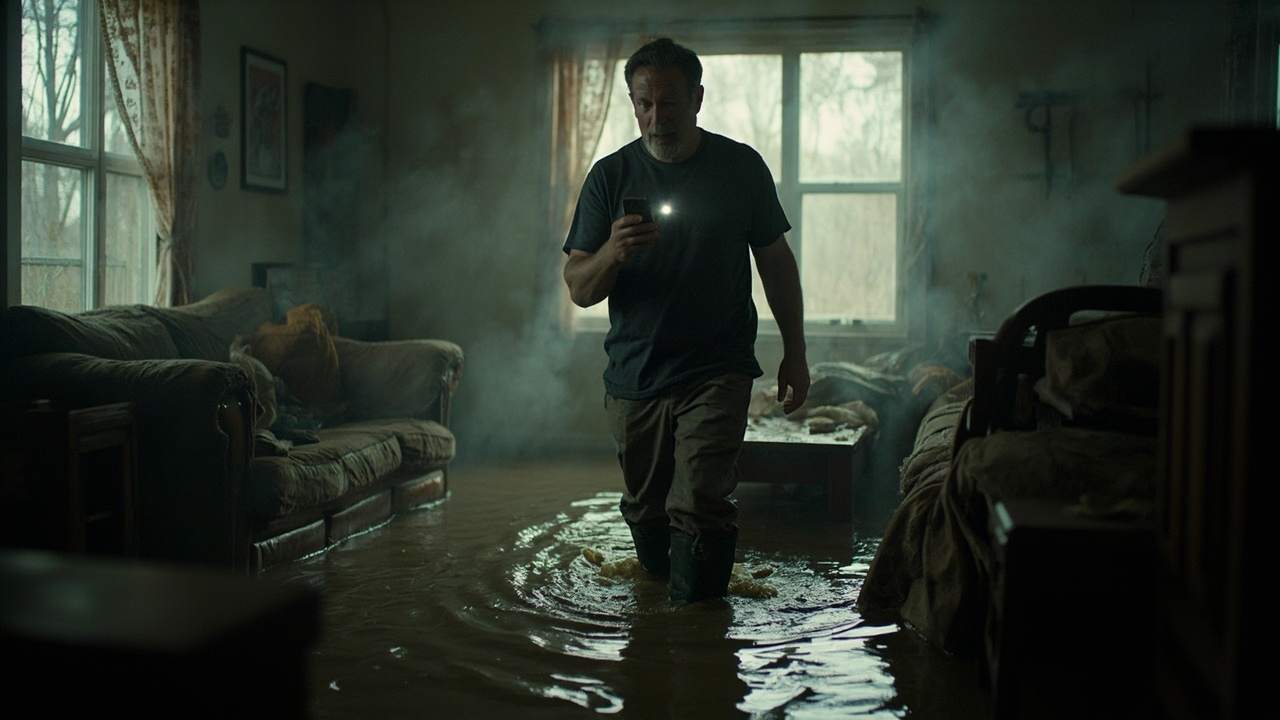
Next comes water classification. Category 3 water, the classification for floodwater, requires full PPE during cleanup. You need waterproof boots, nitrile gloves, N95 respirators minimum, and eye protection. Floodwater contains fecal coliform, hepatitis A virus, leptospirosis bacteria, and chemical contaminants. Cross-contamination happens fast. Anything floodwater touched becomes a biohazard requiring proper handling protocols.

Immediate actions after flooding include documenting everything before you move anything. Take video and photos of water lines on walls, damaged contents, and structural impacts. Your insurance claim depends on this evidence. Then start water extraction. Truck-mounted extractors pull thousands of gallons per hour. Wet-dry shop vacuums barely make a dent and waste critical drying time.

After extraction, you remove non-salvageable materials. Drywall wicks water 12 inches above the visible water line. Standard practice requires cutting sheetrock 24 inches above the high-water mark. Carpet and pad are almost always total losses after category 3 flooding. Insulation holds contaminated water and never dries properly. Baseboards trap moisture against wall studs. All of it goes.

Only then can controlled drying begin using commercial dehumidifiers and air movers positioned based on psychrometric calculations, not guesswork.

What Happens During Professional Flood Recovery in Your Sacramento Home

Steps to Take After a Flood in Sacramento – Your Complete Post-Flood Recovery Checklist to Protect Your Home and Health
01

Emergency Water Extraction

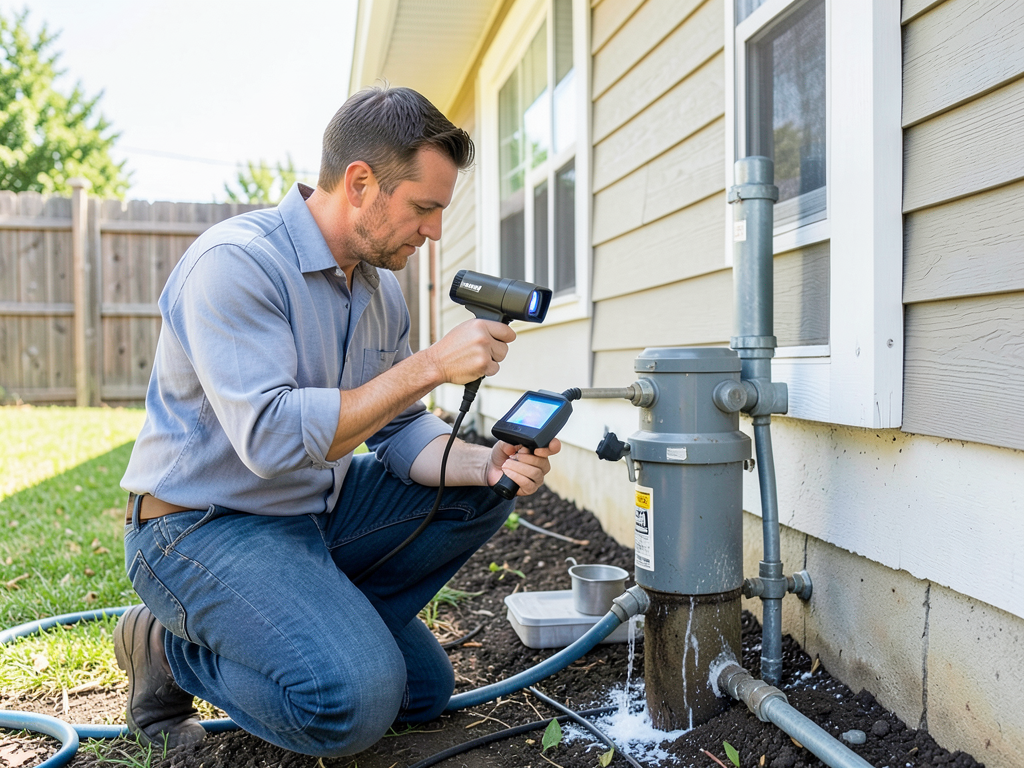
Within hours of your call, truck-mounted extraction units remove standing water from all affected areas. We use thermal imaging cameras to identify hidden water migration in wall cavities and under flooring. Extraction continues until moisture readings drop below saturation thresholds. We document water volume removed and moisture content levels for your insurance documentation. Every hour of delay allows deeper penetration and contamination spread.
02

Controlled Demolition and Disposal

We remove all porous materials that contacted floodwater. This includes drywall cut 24 inches above water lines, all flooring and underlayment, insulation, and baseboards. Non-porous materials like tile and concrete get cleaned with antimicrobial solutions rated for category 3 contamination. We use HEPA-filtered negative air machines during demo to contain airborne contaminants. All materials go to approved disposal facilities following hazardous waste protocols for contaminated building materials.
03

Structural Drying and Verification

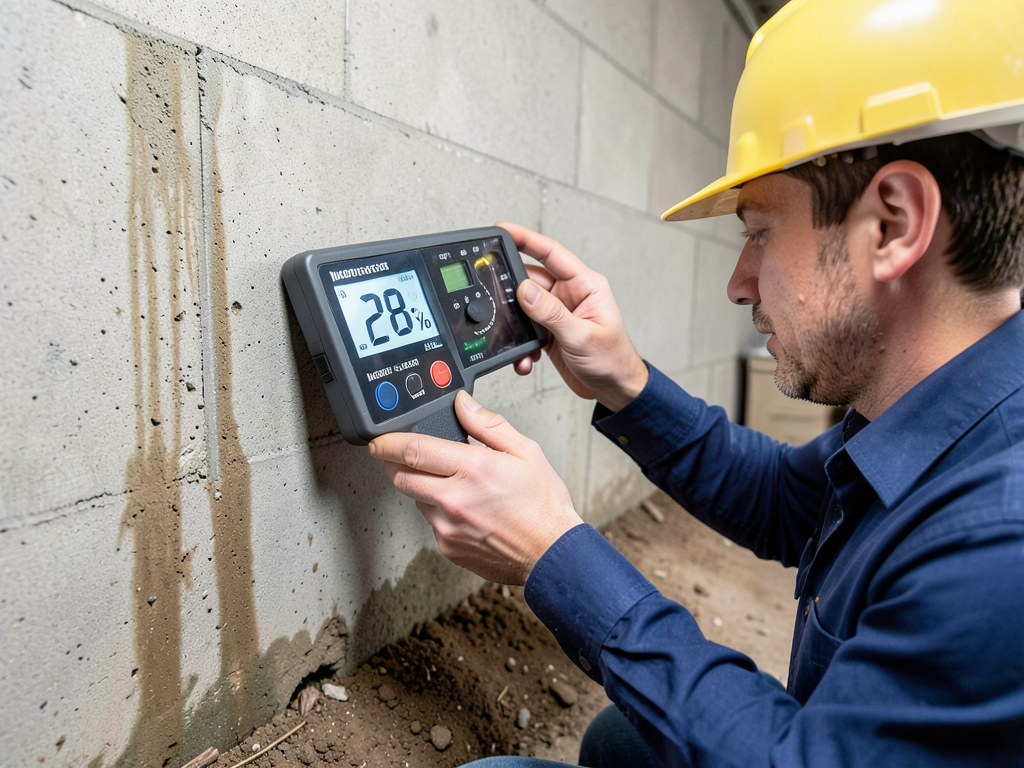
Commercial dehumidifiers and air movers run continuously, creating controlled drying conditions based on temperature, humidity, and material density. We monitor moisture levels twice daily using penetrating and non-invasive meters. Structural members must reach 15% moisture content or below before reconstruction begins. We provide daily logs showing drying progress. Final verification testing confirms no elevated moisture remains in framing, subfloors, or concrete before we sign off on the drying process.

Why Sacramento Flood Recovery Requires Local Restoration Expertise

Sacramento's flood patterns differ dramatically from other regions, and restoration approach must adapt accordingly. The American River watershed drains 2,100 square miles of Sierra Nevada snowpack. When warm storms hit accumulated snow, runoff peaks within 18 hours. This rapid-onset flooding carries heavy sediment loads and debris that scour building exteriors and force contamination deep into structural cavities through hydrostatic pressure.

Local building construction methods also affect restoration strategy. Sacramento's housing boom periods created distinct restoration challenges. Homes built in the 1940s and 1950s often have solid sheathing and plaster walls that resist water differently than modern drywall. The 1970s and 1980s tract developments used particleboard subflooring that disintegrates when wet. Post-2000 construction includes engineered lumber that maintains integrity better but still requires proper drying protocols.

Fortress Water Damage Restoration Sacramento understands how flood dynamics interact with regional construction methods. We know that homes in Natomas require special attention to slab foundations that trap water underneath. Properties in Midtown and East Sacramento with raised foundations need crawlspace remediation to prevent long-term moisture problems. Ranch-style homes in Arden-Arcade require different airflow patterns than two-story structures in Elk Grove.

Our technicians train specifically on Sacramento County building codes and permit requirements for flood restoration work. When structural repairs require permits, we handle documentation and inspector coordination. We maintain relationships with local building inspectors who trust our work meets or exceeds code compliance.

We also understand local insurance claim dynamics. Sacramento homeowners typically carry flood policies through NFEMA separate from their standard homeowner coverage. Coordinating between multiple adjusters and meeting documentation requirements from different insurers requires experience. We provide detailed scope of work documents, moisture logs, photo documentation, and material disposal records that satisfy adjuster requirements the first time. This eliminates claim delays that strand homeowners in temporary housing for months.

Our response time matters because we operate locally. We reach most Sacramento properties within 90 minutes of your call, not the next business day.

What Sacramento Homeowners Can Expect During Flood Restoration

Rapid Response and Stabilization

We dispatch crews to Sacramento properties within 90 minutes of contact, arriving with truck-mounted extraction equipment and industrial drying units. Initial assessment takes 30 to 45 minutes and includes thermal imaging, moisture mapping, and safety evaluation. Water extraction starts immediately while we develop your comprehensive drying plan. We typically complete standing water removal within four to six hours depending on affected square footage. Emergency services operate 24 hours daily because flood damage does not wait for business hours. You receive direct contact numbers for your project supervisor, not a call center.

Comprehensive Damage Assessment

After stabilization, we conduct room-by-room documentation using calibrated moisture meters and thermal cameras. We identify all affected materials including hidden damage in walls, ceilings, and subfloors. You receive a detailed scope of work within 24 hours outlining what requires removal, what can be dried in place, and projected timelines. This assessment includes moisture readings at specific locations, material types affected, and recommended remediation steps. We explain the difference between structural drying and content restoration so you understand what happens to your belongings. Insurance adjusters receive the same documentation to expedite your claim approval.

Verified Dry-Out and Clearance

Professional flood drying typically requires seven to 14 days depending on materials affected and extent of saturation. We monitor moisture levels twice daily and provide written logs showing drying progress. Commercial dehumidifiers remove 20 to 30 gallons of water per day from building materials. Air movers create circulation patterns that prevent moisture pockets in corners and dead spaces. We do not rely on timeframes. We rely on verified moisture readings that confirm structural members reached safe levels below 15% moisture content. Final clearance testing ensures no elevated readings remain anywhere in the affected areas before equipment removal.

Post-Restoration Monitoring and Prevention

After restoration completes, we provide moisture baseline readings for your home and recommendations to prevent future flood damage. This includes grading issues that direct water toward foundations, sump pump installation in crawlspaces, and backflow preventer recommendations for properties near the Sacramento River system. We offer optional six-month follow-up inspections to verify no latent moisture issues developed in wall cavities or subfloors. You receive care instructions for materials we installed and guidance on monitoring for early warning signs of water intrusion. Our team remains available for questions about water damage prevention specific to your Sacramento neighborhood's flood risk factors.

Frequently Asked Questions

You Have Questions,
We Have Answers

What steps to take after a flood? +

First, ensure everyone is safe and turn off electricity at the breaker box if you can do so without standing in water. Document all damage with photos and videos for insurance claims. Contact your insurance company immediately. Remove standing water using pumps or wet vacuums, then move salvageable belongings to a dry area. In Sacramento, where summer heat accelerates mold growth, start air circulation with fans and dehumidifiers within 24 hours. Do not enter flooded basements without proper safety gear. Call a professional restoration company to assess structural damage and prevent secondary issues like foundation problems common in Sacramento's clay soil.

What should be done after the flood? +

After floodwaters recede, prioritize safety and documentation. Wear protective gear including boots, gloves, and masks when entering affected areas. Remove wet materials like carpeting, drywall, and insulation within 48 hours to prevent mold colonization. Disinfect all surfaces that contacted floodwater, as Sacramento's urban runoff can carry bacteria and contaminants. Dry out the structure completely using industrial dehumidifiers and air movers. Check for structural damage to walls, floors, and foundations. Contact your insurance adjuster promptly. Professional water damage restoration companies have moisture meters and thermal imaging to detect hidden water pockets that lead to future problems.

What should you do after going through a flood? +

Going through a flood is traumatic, but quick action limits damage. Start by ventilating the space to reduce humidity. Sacramento's dry climate helps, but enclosed spaces still trap moisture. Remove all wet porous materials within 24 to 48 hours. Clean and disinfect hard surfaces with appropriate antimicrobial solutions. Monitor for signs of structural compromise like sagging ceilings or buckling floors. Keep detailed records of all expenses and damage for insurance purposes. Test your water supply before using it, as floods can contaminate wells and municipal lines. Professional assessment identifies hidden damage in wall cavities, subfloors, and electrical systems that pose safety risks.

What step should be taken when there is a flood? +

When a flood occurs, evacuate if authorities order it. Once safe to return, shut off utilities to prevent electrical hazards and gas leaks. Document everything before cleanup begins. Extract standing water quickly, as every hour increases damage severity. In Sacramento's older neighborhoods with mature trees, check for root damage to sewer lines that can worsen during floods. Remove saturated materials promptly. Disinfect all affected surfaces. Use fans and dehumidifiers to dry the structure thoroughly. Contact your insurance carrier within 24 hours. Professional restoration teams use moisture mapping technology to ensure complete drying, preventing long-term structural damage and mold growth.

How quickly does mold grow after a flood? +

Mold can begin growing within 24 to 48 hours after a flood. Sacramento's warm temperatures, particularly during summer months, create ideal conditions for rapid mold colonization. Once airborne spores land on wet surfaces, they spread quickly through drywall, insulation, and wood framing. You may not see visible mold for several days, but microscopic growth starts immediately. This is why fast water extraction and thorough drying are critical. Professional restoration companies use antimicrobial treatments to inhibit mold growth. Delaying action beyond 48 hours significantly increases remediation costs and health risks. Act immediately when floodwater enters your home.

What are the 5 steps of disaster recovery? +

The five steps of disaster recovery are assessment, stabilization, cleanup, restoration, and prevention. First, assess the damage extent and safety hazards. Second, stabilize the situation by stopping water sources and securing the structure. Third, remove water and damaged materials while documenting everything. Fourth, restore affected areas through drying, repairs, and reconstruction. Fifth, implement prevention measures like improved drainage or sump pumps. In Sacramento, where American River flooding and storm runoff create risks, prevention includes checking levee conditions and maintaining proper grading around foundations. Professional restoration follows this framework systematically, ensuring nothing is overlooked and insurance requirements are met.

What should you avoid doing after a flood? +

Do not enter floodwater without protective gear, as it contains sewage, chemicals, and debris. Avoid turning on electrical systems before professional inspection. Do not use regular household vacuums on standing water, as they pose electrocution risks. Never assume walls and floors are structurally sound without assessment. Do not delay water extraction, thinking materials will dry on their own. Sacramento's clay soil retains moisture, worsening foundation problems if water is not removed quickly. Avoid mixing cleaning chemicals, which creates toxic fumes. Do not throw away damaged items before documenting them for insurance. Never ignore hidden moisture in wall cavities and subfloors.

What are the 5 steps of preparedness? +

The five steps of preparedness are planning, supply gathering, training, practice, and maintenance. Create an emergency plan with evacuation routes and meeting points. Assemble supplies including water, food, first aid, flashlights, and important documents in waterproof containers. Train household members on shutting off utilities and basic safety protocols. Practice your plan through drills so everyone knows their role. Maintain supplies by checking expiration dates and updating contact information. In Sacramento, preparedness includes monitoring American River levels during winter storms and understanding flood zone maps. Install backflow preventers and sump pumps. Keep gutters clear and ensure proper property grading directs water away from foundations.

How long to dry out a house after a flood? +

Complete structural drying typically takes three to five days with professional equipment, but severe flooding can require seven to ten days. Sacramento homes with concrete slab foundations dry faster than those with crawl spaces. Factors include water volume, affected materials, humidity levels, and airflow. Drywall and insulation absorb water deeply and may need removal. Hardwood floors can take weeks to stabilize. Professional restoration companies use industrial dehumidifiers and air movers to accelerate drying while monitoring moisture levels with specialized meters. Stopping too early traps residual moisture, causing mold growth and wood rot. Patience during this phase prevents expensive problems later.

Can I shower after a flood? +

Do not shower until your water supply is confirmed safe. Floodwater can contaminate municipal water lines and private wells with bacteria, chemicals, and sewage. Contact Sacramento County Environmental Management or your water provider to request testing. If you rely on well water, have it professionally tested before any household use. Even if water appears clear, harmful pathogens may be present. Boil water advisories are common after floods. Use bottled water for drinking, cooking, and hygiene until testing confirms safety. If your water heater contacted floodwater, it requires inspection and likely replacement. Contaminated water systems pose serious health risks including gastrointestinal illness and infections.

How Sacramento's River Systems and Clay Soil Create Unique Flood Recovery Challenges

Sacramento sits on expansive clay soil that absorbs water slowly and releases it even slower. When floodwater recedes from your home, ground saturation continues wicking moisture up through concrete slabs and into crawlspaces for weeks. This creates sustained high humidity that prevents structural drying and accelerates mold growth. Properties within two miles of the Sacramento and American Rivers face additional challenges from high water tables that push groundwater up through foundation cracks during flood events. The 1986 levee system protects against river flooding but creates drainage issues during heavy rain events when pumps cannot discharge into swollen rivers. These regional factors require restoration techniques adapted specifically for Sacramento's geography, not generic drying protocols designed for other climates.

Effective flood restoration in Sacramento requires understanding local building department requirements and working within the city's flood management infrastructure. Properties in Special Flood Hazard Areas face additional permitting requirements when reconstruction involves substantial improvement calculations. Fortress Water Damage Restoration Sacramento maintains relationships with Sacramento County Environmental Management inspectors and understands documentation requirements for Category 3 water damage remediation. We coordinate with the Sacramento Area Flood Control Agency when properties require temporary flood barrier removal during restoration access. Our technicians complete continuing education on California-specific moisture assessment protocols and understand how regional construction methods from different building boom periods affect drying strategies. This local expertise prevents the common mistakes that turn manageable flood damage into six-month reconstruction projects.

Water Damage Restoration Services in The Sacramento Area

Fortress Water Damage Restoration proudly serves the greater Sacramento area, including all surrounding neighborhoods and communities. We are committed to providing fast and reliable service wherever you are. To get an idea of our service area or to visit our office, please use the interactive map below. Our team is ready to respond to your needs, so don't hesitate to reach out for immediate assistance or to schedule a consultation.

Address:
Fortress Water Damage Restoration Sacramento, 2109 Del Paso Blvd, Sacramento, CA, 95815

Additional Services We Offer

Our news updates

Latest Articles & News from The Blogs

Why a Leaky Pool Pump Can Damage Your Home Foundation in the Sacramento Heat Pool equipment leaks in Sacramento homes…

Why a Leaky Pool Pump Can Damage Your Home Foundation in the Sacramento Heat

Why a Leaky Pool Pump Can Damage Your Home Foundation in the Sacramento Heat Pool equipment leaks in Sacramento homes…

Your Rights and Next Steps When a Neighbor Overflows Their Sink in a Sacramento High Rise

Your Rights and Next Steps When a Neighbor Overflows Their Sink in a Sacramento High Rise When a neighbor's sink…

Protecting Your Finished Basement in Old North Sacramento from Rising Ground Water

Protecting Your Finished Basement in Old North Sacramento from Rising Ground Water Your finished basement in Old North Sacramento sits…

Contact Us

Every hour increases damage and restoration costs. Call Fortress Water Damage Restoration Sacramento at (916) 222-9262 right now for immediate dispatch. Our crews respond to Sacramento properties 24 hours daily with truck-mounted extraction equipment and professional drying systems. We handle insurance documentation and get your home back to safe, dry conditions fast.