





Menu

Cupping or Buckling Wood Floors in Sacramento – Expert Diagnosis and Permanent Repair

Stop guessing why your hardwood is warping. Fortress Water Damage Restoration Sacramento identifies the moisture source behind cupping or buckling wood floors and fixes it right the first time.

Slider Image 1
Slider Image 2
Slider Image 3
Slider Image 4
Slider Image 5
Slider Image 7
Slider Image 8
Slider Image 9
Slider Image 10
Slider Image 11

Why Your Sacramento Hardwood Floors Are Warping

You walk across your floor and notice the boards feel uneven. Some planks are higher in the middle. Others are pulling up at the edges. This is not cosmetic. Cupping or buckling wood floors signal active moisture damage underneath your home.

Sacramento sits at the confluence of two major rivers. The water table is high. Crawl spaces flood during winter rains. Older homes in Land Park and Curtis Park were built before modern vapor barriers existed. Clay soil in the Central Valley expands when wet and contracts when dry. This constant shift cracks foundation slabs and pushes groundwater into subfloors.

When moisture penetrates from below, hardwood reacts predictably. Swollen wood planks absorb water through the bottom face faster than the top. The grain expands. Edges curl upward. You get cupping. If the moisture source persists, the entire plank lifts. Peaking hardwood joints appear where boards meet. Raised wood floor edges catch your socks. Eventually, the planks buckle completely off the subfloor.

Warped hardwood flooring does not fix itself. Sanding the surface before removing the moisture source guarantees the problem returns. You need to stop the water first. Then you stabilize the wood. Anything else is a waste of money.

Lifting floorboards in Midtown bungalows often trace back to old galvanized supply lines leaking inside walls. In Natomas, slab homes deal with hydrostatic pressure from poor grading. The symptom is the same. The cause varies by neighborhood. Diagnosis matters.

Why Your Sacramento Hardwood Floors Are Warping
How We Fix Warped Hardwood Permanently

How We Fix Warped Hardwood Permanently

We do not sand your floor and hope for the best. We trace the moisture to its source and eliminate it.

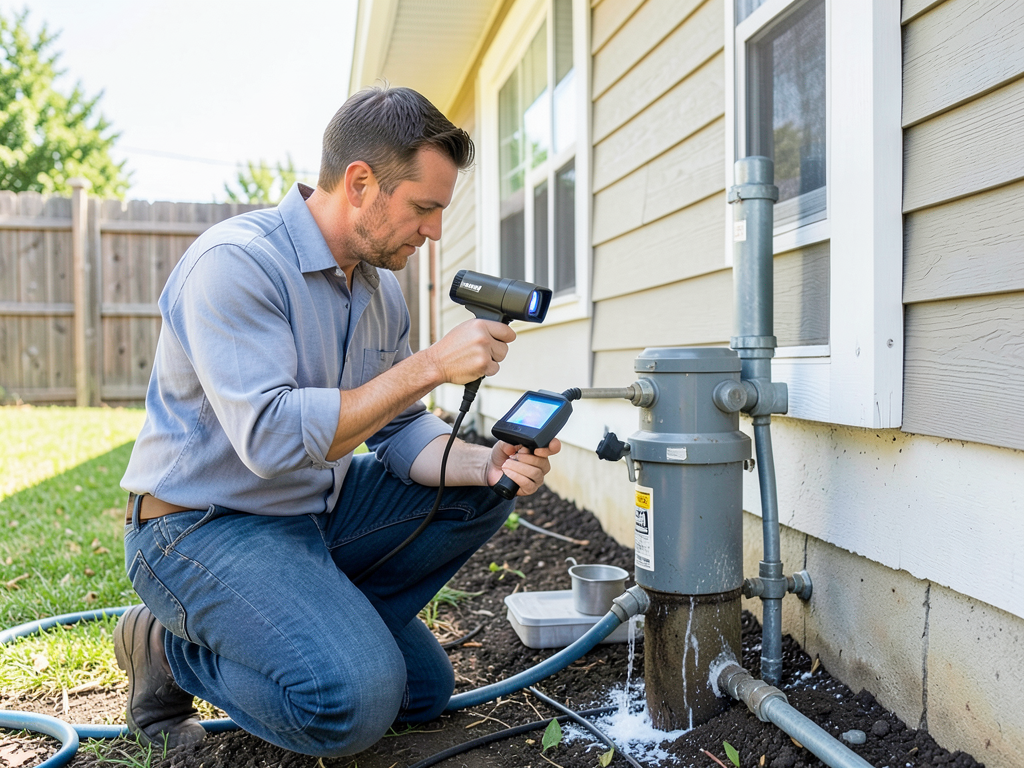
First, we use thermal imaging cameras and moisture meters with pin probes. We take readings at the subfloor, along joists, and inside wall cavities. We measure relative humidity in the crawl space or check for hydrostatic pressure under slabs. This tells us if you have a plumbing leak, groundwater intrusion, or failed vapor barrier.

Once we locate the source, we stop it. If a supply line is leaking, we coordinate with a licensed plumber. If groundwater is wicking up through a crawl space, we install vapor barriers and improve drainage. If a slab is transmitting moisture, we apply topical sealers or recommend underpinning solutions.

After the water source is controlled, we dry the subfloor and hardwood using commercial dehumidifiers and air movers. We monitor moisture content daily. Hardwood needs to return to 6 to 9 percent moisture content before any repair. Rushing this step locks in the warp.

When the wood stabilizes, we assess whether planks can be re-secured or need replacement. Minor cupping often flattens once dried. Severe buckling requires plank removal and subfloor repair. We match grain and finish to your existing floor. If your home was built before 1950, we source reclaimed oak or fir to match the original milling.

We do not guess. We measure. We document. We fix it once.

What Happens When You Call About Warped Floors

Cupping or Buckling Wood Floors in Sacramento – Expert Diagnosis and Permanent Repair
01

Moisture Mapping

We arrive with thermal cameras and penetrating moisture meters. We scan your floors, subfloors, and walls to create a moisture map. This shows us exactly where water is coming from and how far it has spread. You get a written report with photos and moisture readings at each location. No guessing. No assumptions.
02

Source Elimination

Once we identify the water source, we stop it. This might mean repairing a crawl space vapor barrier, sealing a foundation crack, or coordinating with a plumber to replace a leaking pipe. We do not move to drying until the water is shut off. Drying a floor while water still enters is pointless and expensive.
03

Controlled Drying and Repair

We place industrial dehumidifiers and air movers to pull moisture from the wood without causing checking or cracking. Hardwood must dry slowly. We monitor daily and adjust equipment as needed. Once moisture content returns to normal, we re-secure or replace planks, sand if needed, and refinish to match your existing floor. The result is stable and permanent.

Why Sacramento Homeowners Trust Fortress for Hardwood Issues

We have worked in every historic district in Sacramento. We know the difference between a 1920s Craftsman in Curtis Park and a 1960s ranch in Arden-Arcade. The construction methods are different. The moisture problems are different. The repairs are different.

Older homes in East Sacramento were built with dimensional lumber subfloors over raised crawl spaces. These breathe well when the crawl space is dry. But when winter storms saturate the soil, moisture wicks up through inadequate vapor barriers. We have retrofitted hundreds of these crawl spaces. We know which products hold up to Sacramento clay and which fail in two years.

Slab homes in Natomas and Elk Grove face a different problem. Concrete transmits moisture through capillary action. If the builder skipped the vapor barrier in 1985, you are dealing with it now. We apply penetrating sealers rated for hydrostatic pressure. We do not use topical coatings that peel off in six months.

We also understand local building codes. Sacramento County requires specific vapor barrier ratings in flood zones. We meet those standards. If your insurance adjuster is involved, we document everything with photos, moisture logs, and material receipts. We have worked with every major carrier. We know what they require for approval.

You are not hiring a generic water damage company. You are hiring a team that knows Sacramento soils, Sacramento building history, and Sacramento insurance requirements. That knowledge saves you time and prevents callbacks.

What You Can Expect From Start to Finish

Response Time and Availability

We answer calls seven days a week. If you call in the morning, we can schedule an inspection the same day. Emergency situations get priority. When a pipe bursts and floods your hardwood, we are onsite within two hours to start extraction and prevent secondary damage. For non-urgent cupping or lifting floors, we typically schedule within 24 hours. Our inspection takes 45 to 90 minutes depending on the size of your home and the extent of the damage. You get a written assessment before we start any work.

The Inspection and Diagnosis Process

We do not charge for inspections when we perform the work. Our technician uses a thermal camera to detect temperature differentials that indicate moisture. We take invasive moisture readings with pin meters in the subfloor and non-invasive readings on the hardwood surface. We check your crawl space or slab. We inspect plumbing fixtures and supply lines. You receive a detailed report with photos, moisture readings, and our recommendation. If the problem is outside our scope, we refer you to the right contractor and charge nothing.

The Quality of the Final Repair

When we replace planks, we match your existing floor. If you have red oak, we source red oak. If you have vertical grain fir, we find vertical grain fir. We match the width, thickness, and milling profile. After installation, we sand and finish to blend with your existing floor. Most clients cannot identify where the repair occurred. We do not leave patched sections that stick out. If your entire floor needs refinishing to achieve a uniform appearance, we tell you upfront. No surprises after the work is done.

Follow-Up and Prevention

After the repair, we provide a moisture management plan. This includes crawl space ventilation recommendations, gutter maintenance tips, and humidity control suggestions. If we installed a vapor barrier, we explain how to inspect it annually. If we sealed a slab, we tell you what to watch for. We return 30 days after completion to take follow-up moisture readings at no charge. If readings are elevated, we investigate at no cost. Prevention is cheaper than repair. We want your floor to stay stable.

Frequently Asked Questions

You Have Questions,
We Have Answers

What is the difference between wood buckling and cupping? +

Cupping occurs when the edges of wood planks rise higher than the center, creating a concave shape. This happens when moisture penetrates the bottom of the board faster than the top. Buckling is more severe. The boards lift entirely from the subfloor, often creating gaps or peaks. Buckling results from extreme water exposure or poor installation. In Sacramento, both conditions stem from plumbing leaks, foundation moisture, or high indoor humidity during our hot summers. Cupping is a moisture imbalance issue. Buckling is structural failure. Both require professional moisture assessment and restoration.

What does a buckled hardwood floor look like? +

A buckled hardwood floor shows visible warping where planks pull away from the subfloor. You will see raised sections, gaps between boards, or entire rows lifting upward. The floor may feel spongy or unstable underfoot. In severe cases, planks crack or split at the stress points. Buckled floors often create tripping hazards. Unlike cupping, where edges curl up, buckling affects the entire plank structure. Sacramento homeowners typically see this after major water events like burst pipes or appliance failures. The damage is obvious and demands immediate attention to prevent further structural problems.

Will my cupped wood floors flatten? +

Cupped wood floors may flatten if you address the moisture source quickly. The wood needs time to dry evenly from top and bottom. This process can take weeks or months depending on Sacramento's indoor climate conditions. You cannot rush it with heat or fans, which can cause cracking. Some cupping becomes permanent if the moisture exposure was prolonged or severe. Professional moisture monitoring is critical. Do not sand cupped floors immediately. Wait until moisture content stabilizes. If you sand too early, the boards may crown later when they finish drying. Patience and controlled drying yield the best results.

What does cupping look like on a wood floor? +

Cupping on a wood floor looks like each plank has edges higher than its center. Run your hand across the boards and you will feel ridges where planks meet. The surface resembles a washboard pattern. In Sacramento homes, cupping often starts near bathrooms, kitchens, or exterior walls where moisture intrusion occurs first. The damage may be subtle at first, then worsen as humidity persists. Severe cupping creates noticeable valleys down the center of each board. The floor loses its smooth, flat appearance. This visual distortion signals ongoing moisture problems that need professional diagnosis.

Can cupped hardwood floors be repaired? +

Yes, cupped hardwood floors can often be repaired if you act quickly. The first step is finding and eliminating the moisture source. Then the wood must dry completely under controlled conditions. Sacramento's dry climate helps, but indoor humidity control is critical. Once moisture content normalizes, minor cupping may self-correct. Moderate cupping may require sanding and refinishing after the wood stabilizes. Severe cupping might need board replacement. Professional restoration companies use moisture meters to track drying progress. Never attempt repairs while moisture remains. Premature sanding creates worse problems. Proper sequencing of drying, assessment, and repair determines success.

Will buckled hardwood floors go back to normal? +

Buckled hardwood floors rarely return to normal without intervention. Unlike cupping, buckling involves structural displacement from the subfloor. The boards have moved beyond their expansion limits. Even after drying, the planks remain lifted or warped. You must remove and replace buckled sections. In some cases, the subfloor also needs repair if water damage penetrated deeply. Sacramento homeowners should not expect buckled floors to self-correct. The fasteners have failed, adhesive has released, or the wood has permanently deformed. Professional assessment determines if partial replacement or full floor restoration is needed. Time does not fix buckling.

How to tell if a floor is buckling? +

You can tell a floor is buckling by walking across it and feeling movement or instability. Look for visible peaks where planks rise above the surrounding surface. Check for gaps between boards or separation from baseboards. Press down on suspected areas. Buckled sections will move or feel hollow underneath. You may hear creaking or cracking sounds. In Sacramento homes, buckling often follows water damage from leaks or flooding. Shine a flashlight at floor level to spot height variations. Measure with a straight edge. Any deviation beyond minor expansion indicates buckling. Professional inspection confirms the extent of structural displacement.

How much does it cost to fix a buckled floor? +

Fixing a buckled floor costs vary widely based on damage extent and access difficulty. Minor buckling affecting a few boards may cost several hundred dollars. Extensive damage requiring subfloor repair and multiple plank replacements can reach several thousand dollars. Factors include wood species, finish matching, and whether you need moisture remediation first. Sacramento restoration companies assess the subfloor condition, which affects total cost. Insurance may cover water damage repairs depending on your policy and the cause. Get multiple quotes. Avoid cheap fixes that do not address underlying moisture problems. Proper repair prevents recurring buckling and protects your investment.

Is hardwood floor cupping normal? +

Hardwood floor cupping is not normal. It signals a moisture problem that needs correction. Wood floors should remain flat and stable. Slight seasonal expansion is expected, but visible cupping means moisture imbalance exists. In Sacramento, cupping often results from plumbing leaks, high indoor humidity, or poor ventilation. Homes with concrete slabs may experience cupping if vapor barriers failed during installation. New floors should not cup if installed correctly with proper acclimation. Older floors cup when conditions change. Do not ignore cupping. It worsens over time and indicates potential mold growth or structural issues beneath the surface.

How much does it cost to repair cupping wood floors? +

Repairing cupping wood floors costs depend on severity and required steps. Simple cases needing only drying and monitoring may cost a few hundred dollars. Moderate cupping requiring professional drying, sanding, and refinishing typically ranges from one thousand to several thousand dollars. Severe cases needing board replacement add material and labor costs. Sacramento homeowners should budget for moisture testing, which is essential before any repair work. Insurance coverage depends on the water damage cause. Get detailed estimates that include moisture remediation, drying time, and finish work. Proper repair costs more upfront but prevents recurring problems and protects floor longevity.

How Sacramento's Clay Soil and High Water Table Cause Hardwood Floor Damage

Sacramento sits on expansive clay soil. When this soil absorbs water during winter rains, it swells. When it dries in summer, it contracts. This cycle creates hydrostatic pressure under homes. Water is pushed up through concrete slabs and crawl spaces. Homes built before 1980 often lack proper vapor barriers. The result is moisture intrusion that warps hardwood from below. Neighborhoods near the American River and Sacramento River experience higher water tables. Cupping or buckling wood floors in Land Park, Curtis Park, and Pocket are rarely caused by spills. The water is coming from underneath.

Fortress Water Damage Restoration Sacramento has worked in this region for years. We understand the soil composition, the seasonal water table fluctuations, and the construction methods used in every decade of Sacramento home building. We know which vapor barriers fail in clay soil and which hold up long term. When you hire a local company, you get someone who has solved your exact problem in your exact neighborhood. We are not learning on your floor. We have seen this before. We know how to fix it.

Water Damage Restoration Services in The Sacramento Area

Fortress Water Damage Restoration proudly serves the greater Sacramento area, including all surrounding neighborhoods and communities. We are committed to providing fast and reliable service wherever you are. To get an idea of our service area or to visit our office, please use the interactive map below. Our team is ready to respond to your needs, so don't hesitate to reach out for immediate assistance or to schedule a consultation.

Address:
Fortress Water Damage Restoration Sacramento, 2109 Del Paso Blvd, Sacramento, CA, 95815

Additional Services We Offer

Our news updates

Latest Articles & News from The Blogs

Why a Leaky Pool Pump Can Damage Your Home Foundation in the Sacramento Heat Pool equipment leaks in Sacramento homes…

Why a Leaky Pool Pump Can Damage Your Home Foundation in the Sacramento Heat

Why a Leaky Pool Pump Can Damage Your Home Foundation in the Sacramento Heat Pool equipment leaks in Sacramento homes…

Your Rights and Next Steps When a Neighbor Overflows Their Sink in a Sacramento High Rise

Your Rights and Next Steps When a Neighbor Overflows Their Sink in a Sacramento High Rise When a neighbor's sink…

Protecting Your Finished Basement in Old North Sacramento from Rising Ground Water

Protecting Your Finished Basement in Old North Sacramento from Rising Ground Water Your finished basement in Old North Sacramento sits…

Contact Us

Do not wait for the damage to spread. Call Fortress Water Damage Restoration Sacramento at (916) 222-9262. We will inspect your floors, locate the moisture source, and give you a written plan. No pressure. No obligation. Just answers.