




Menu

Soggy Insulation in Sacramento – Expert Diagnosis and Complete Restoration Before Mold Takes Hold

When you discover wet insulation in your attic or crawlspace, the clock starts ticking. Fortress Water Damage Restoration Sacramento identifies the source, removes compromised materials, and restores your home's thermal barrier before structural damage spreads.

Slider Image 1
Slider Image 2
Slider Image 3
Slider Image 4
Slider Image 5
Slider Image 7
Slider Image 8
Slider Image 9
Slider Image 10
Slider Image 11

Why Sacramento Homes Struggle with Saturated Insulation

Sacramento sits at the confluence of two rivers, which means humidity fluctuates sharply between seasons. When winter storms dump rain across the valley and temperatures swing from 40 degrees at night to 65 during the day, your attic becomes a condensation chamber. That moisture migrates into fiberglass batts and blown cellulose, turning dry insulation into a soaked sponge.

Most homeowners do not know they have water damaged insulation until they spot ceiling stains or their energy bills spike. By then, the damp insulation has already compressed, losing R-value and creating an ideal environment for mold spores. Sacramento's older homes in neighborhoods like Curtis Park and Land Park often have minimal attic ventilation, which traps moisture and accelerates the problem.

Roof leaks are the obvious culprit, but plumbing failures in second-story bathrooms and HVAC condensate line clogs also saturate insulation from above. In crawlspaces, groundwater intrusion during heavy rain events soaks the underfloor insulation, especially in areas with high water tables near the American River. The insulation holds that moisture for weeks, even after the visible water recedes.

You might notice a musty odor, higher heating costs, or uneven temperatures between rooms. These are warning signs that your insulation is no longer doing its job. Wet insulation does not dry on its own in enclosed spaces. It needs to be removed, the moisture source fixed, and the cavity properly dried before new material goes in.

Why Sacramento Homes Struggle with Saturated Insulation
How We Restore Your Home's Thermal Envelope

How We Restore Your Home's Thermal Envelope

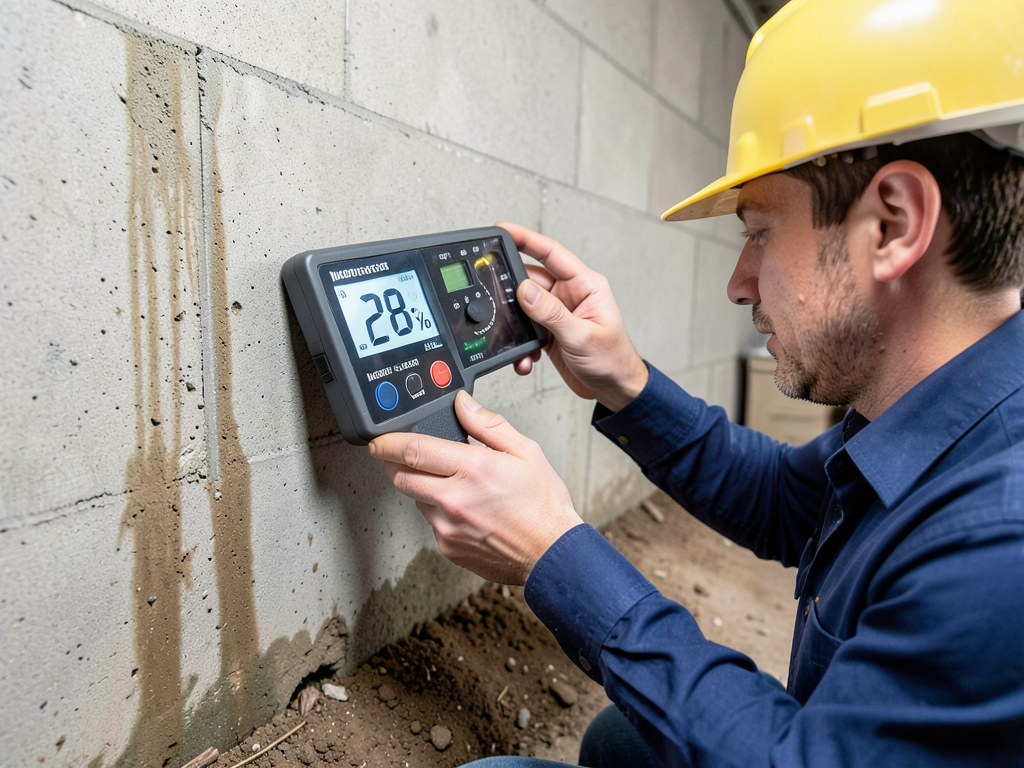
The first step is source identification. We use thermal imaging cameras to map temperature differentials in your ceiling or floor, which reveal hidden moisture pathways. A roof leak might show up as a cold spot in the attic deck, while a plumbing leak presents as a warm signature from the water line. Moisture meters then quantify saturation levels in the insulation itself, giving us a precise removal boundary.

We do not guess. If the fiberglass batts register above 20 percent moisture content, they come out. Blown cellulose that has clumped or compressed gets vacuumed out completely. We bag and remove all saturated insulation to prevent cross-contamination with dry material. This is not a patch job. Soggy insulation cannot be salvaged.

Once the cavity is clear, we address the moisture source. If it is a roof penetration, we coordinate with roofers to replace damaged flashing or repair shingle blow-offs. If it is a plumbing issue, we work with licensed plumbers to fix the supply line or drain. HVAC condensate problems get rerouted or repaired before we proceed.

Next comes structural drying. We place commercial dehumidifiers and air movers in the attic or crawlspace to bring the wood framing and sheathing back to equilibrium moisture content, which is below 15 percent in Sacramento's climate. This process takes 48 to 72 hours depending on the extent of saturation. We monitor daily with moisture meters until the readings stabilize.

Only after the structure is dry do we reinstall insulation. We use the correct R-value for Sacramento's climate zone and ensure proper ventilation to prevent future condensation. The result is a thermal barrier that performs as designed.

What Happens During Your Insulation Restoration

Soggy Insulation in Sacramento – Expert Diagnosis and Complete Restoration Before Mold Takes Hold
01

Initial Assessment and Moisture Mapping

We arrive with thermal cameras and moisture detection equipment to pinpoint the exact location and extent of the water intrusion. You will see the moisture map on our tablet screen, showing which areas of insulation are compromised. We trace the moisture back to the source, whether it is a roof leak, plumbing failure, or condensation issue. This diagnostic phase typically takes 45 minutes to an hour and determines the scope of removal.
02

Contaminated Material Removal

Our crew removes all damp insulation from the affected cavity, bagging it for disposal according to local waste regulations. We do not leave partially wet batts or compress soggy cellulose back into place. The entire compromised section comes out to prevent mold growth and odor retention. We also inspect the framing and sheathing for rot or mold colonization, treating any affected wood surfaces before proceeding to the drying phase.
03

Structural Drying and Reinstallation

We position dehumidifiers and air movers to dry the wood structure to below 15 percent moisture content, which takes two to three days. Once the cavity is dry and the moisture source is repaired, we install new insulation to the correct R-value for your home. We ensure proper ventilation clearances in attics and vapor barrier placement in crawlspaces. You receive documentation showing moisture readings before and after drying, plus photos of the completed work.

Why Sacramento Homeowners Trust Fortress for Insulation Issues

Water damage restoration is not a DIY project when insulation is involved. Mishandling wet fiberglass releases irritating particles into your home's air, and improperly dried cavities become mold farms within 48 hours. Fortress Water Damage Restoration Sacramento has handled hundreds of insulation failures across Midtown, East Sacramento, and Natomas, so we recognize the patterns specific to this region.

We understand Sacramento's building stock. Many homes here were built in the 1950s through 1980s with minimal attic ventilation and outdated plumbing systems. Those homes need a restoration approach that accounts for older framing dimensions and limited access points. We have the equipment to work in tight crawlspaces under raised foundations and the experience to navigate attics with low pitch rooflines common in ranch-style homes.

Our technicians hold IICRC certifications in water damage restoration and applied structural drying, which means they follow science-based protocols, not guesswork. We document moisture readings at every phase, so you have a clear record for insurance claims. Insurance companies in Sacramento expect detailed moisture maps and drying logs. We provide that documentation as standard practice.

We also coordinate with other trades when needed. If your roof needs repair before we can reinstall insulation, we work with local roofers who understand Sacramento's wind-driven rain patterns. If a plumbing repair is required, we bring in licensed plumbers who can navigate the city's permit requirements. You get a single point of contact instead of juggling multiple contractors.

Local knowledge matters when dealing with water intrusion. We know which Sacramento neighborhoods have high water tables, which subdivisions have inadequate attic venting, and which HVAC systems are prone to condensate line failures. That familiarity speeds up diagnosis and reduces guesswork during restoration.

What to Expect When You Call for Soggy Insulation Help

Response Time and Availability

We dispatch a technician to your Sacramento property within two to four hours of your call during business hours, and within six hours for after-hours emergencies. Soggy insulation does not improve with time. The longer water sits in your attic or crawlspace, the higher the risk of mold colonization and structural wood decay. Our goal is to begin the assessment the same day you contact us, so we can start containment and removal before secondary damage spreads. We service all Sacramento neighborhoods, from Pocket-Greenhaven to North Natomas, with the same rapid response commitment.

Diagnostic Process and Transparency

You will see exactly what we see. Our thermal imaging scans display on a tablet in real time, showing cold or warm spots that indicate moisture intrusion. We take moisture meter readings at multiple points and explain what the numbers mean for your specific situation. You receive a written scope of work before any removal begins, detailing which insulation sections need replacement and what the moisture source repair entails. There are no surprise charges. If we discover additional water damage during removal, we stop and discuss the findings with you before proceeding. Transparency builds trust, and trust matters when your home's integrity is at stake.

Quality of Completed Restoration

You get a fully dried structure and properly installed insulation that meets or exceeds California Title 24 energy code requirements for Sacramento's climate zone. We do not shortcut the drying phase. Wood framing must read below 15 percent moisture content before new insulation goes in, and we verify that with calibrated meters. The new insulation is installed with correct depth, proper ventilation clearances in attics, and appropriate vapor barriers in crawlspaces. You receive photos documenting the before, during, and after stages, plus a certificate showing final moisture readings. Your home will perform as it was designed to, with restored energy efficiency and no lingering moisture risk.

Follow-Up and Prevention Guidance

We schedule a follow-up inspection 30 days after completion to verify that moisture has not returned and the insulation is performing correctly. You also receive a written prevention plan specific to your home's vulnerabilities. If your issue was roof-related, we explain which flashing areas to monitor during future storms. If it was plumbing-related, we identify other supply lines at risk based on age and material. For condensation problems, we provide guidance on attic ventilation improvements and HVAC maintenance schedules. You are not left guessing about how to prevent a recurrence. We give you the knowledge to protect your investment.

Frequently Asked Questions

You Have Questions,
We Have Answers

Is insulation ruined if it gets wet? +

It depends on the insulation type. Fiberglass and cellulose lose effectiveness once wet and rarely recover. Water compresses fiberglass batts, destroying air pockets that provide thermal resistance. Cellulose absorbs moisture like a sponge and stays damp for weeks, inviting mold. Spray foam handles moisture better but still needs inspection if soaked. Sacramento homes with older fiberglass insulation face greater risk during roof leaks or plumbing failures. Wet insulation loses R-value immediately, drives up energy bills, and creates hidden mold colonies in attics and crawlspaces. Prompt removal prevents structural damage and indoor air quality problems.

How to fix wet insulation? +

Remove wet insulation immediately. Fiberglass and cellulose cannot dry properly in place and will promote mold growth. First, identify and stop the water source. Remove soaked material carefully, wearing gloves and a respirator. Dry the framing completely using fans and dehumidifiers before installing new insulation. Sacramento's dry climate helps, but attics still trap moisture. Check for hidden water damage in wall cavities and under flooring. Professional water damage restoration ensures thorough drying and proper material disposal. Trying to salvage wet insulation wastes time and money while mold spreads behind walls.

Will mold grow in wet insulation? +

Yes. Mold grows on wet insulation within 24 to 48 hours under the right conditions. Cellulose and fiberglass provide perfect food sources when damp. Sacramento attics reach high temperatures in summer, creating ideal mold conditions when moisture is present. Mold spreads fast, releasing spores into your home's air system. You may not see it immediately since insulation hides in walls and attics. Musty odors, allergy symptoms, and visible black spots signal active growth. Remove wet insulation quickly to stop mold before it colonizes. Once established, mold requires professional remediation to eliminate completely.

How long does it take wet insulation to dry out? +

Wet insulation rarely dries properly. Fiberglass may take weeks to dry partially but remains compromised. Cellulose holds water for 30 days or more, staying damp enough to grow mold. Spray foam dries faster but traps moisture against framing. Sacramento's low humidity helps surface drying, but insulation density prevents airflow to inner layers. Attic temperatures fluctuate, creating condensation cycles that keep insulation damp. The effort to dry insulation costs more than replacement. Professionals remove wet material within 48 hours to prevent mold and structural rot. Do not wait for insulation to dry on its own.

How long does it take for mold to grow on wet insulation? +

Mold starts growing on wet insulation within 24 to 48 hours if conditions are right. Temperature, humidity, and organic material determine speed. Sacramento attics stay warm year-round, accelerating mold growth when water is present. Cellulose insulation made from recycled paper feeds mold fastest. Fiberglass batts grow mold on paper backing and dust particles. Once mold colonizes, it spreads to wood framing and drywall. You have a narrow window to remove wet insulation before mold becomes a major problem. Act immediately after water damage to protect your home and family health.

What does water damaged insulation look like? +

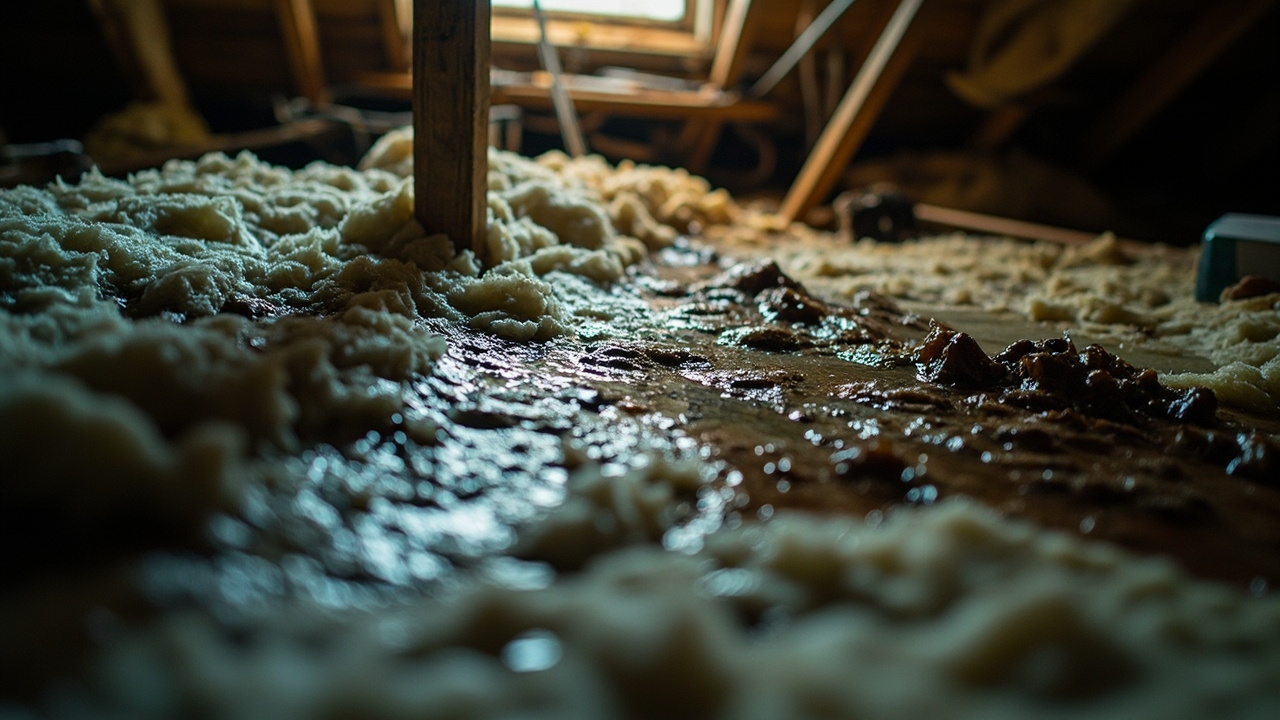
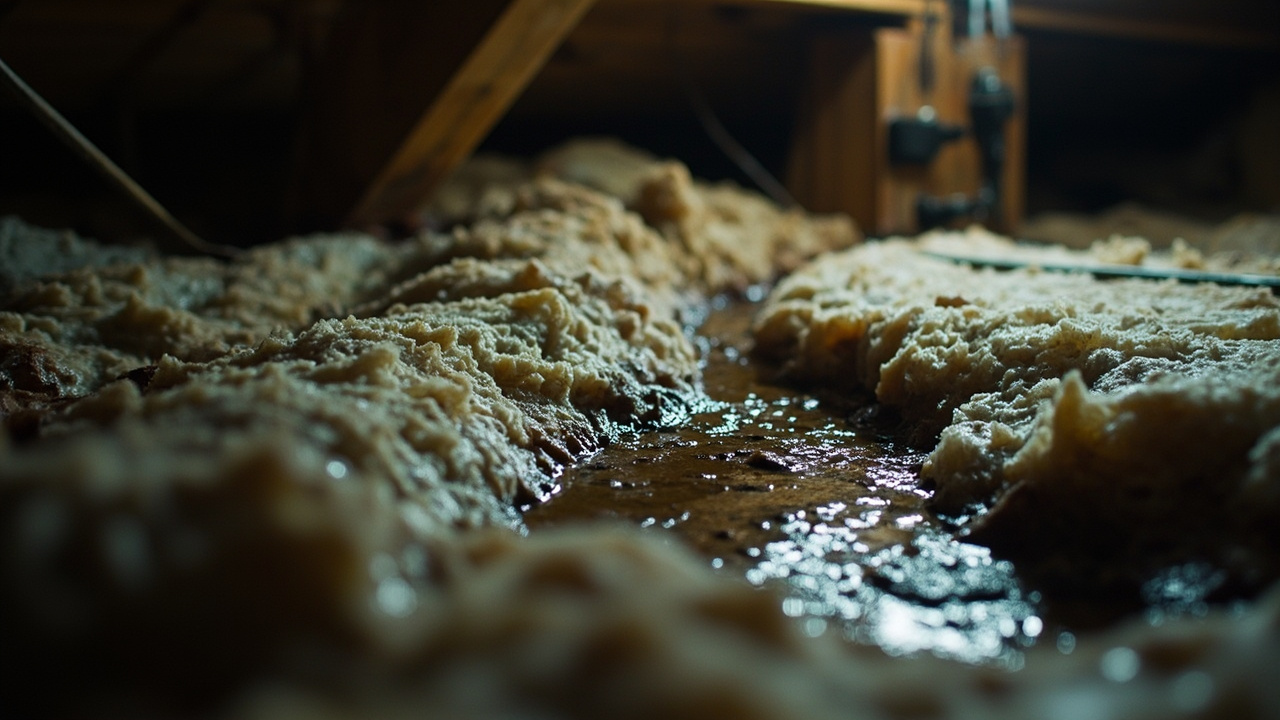
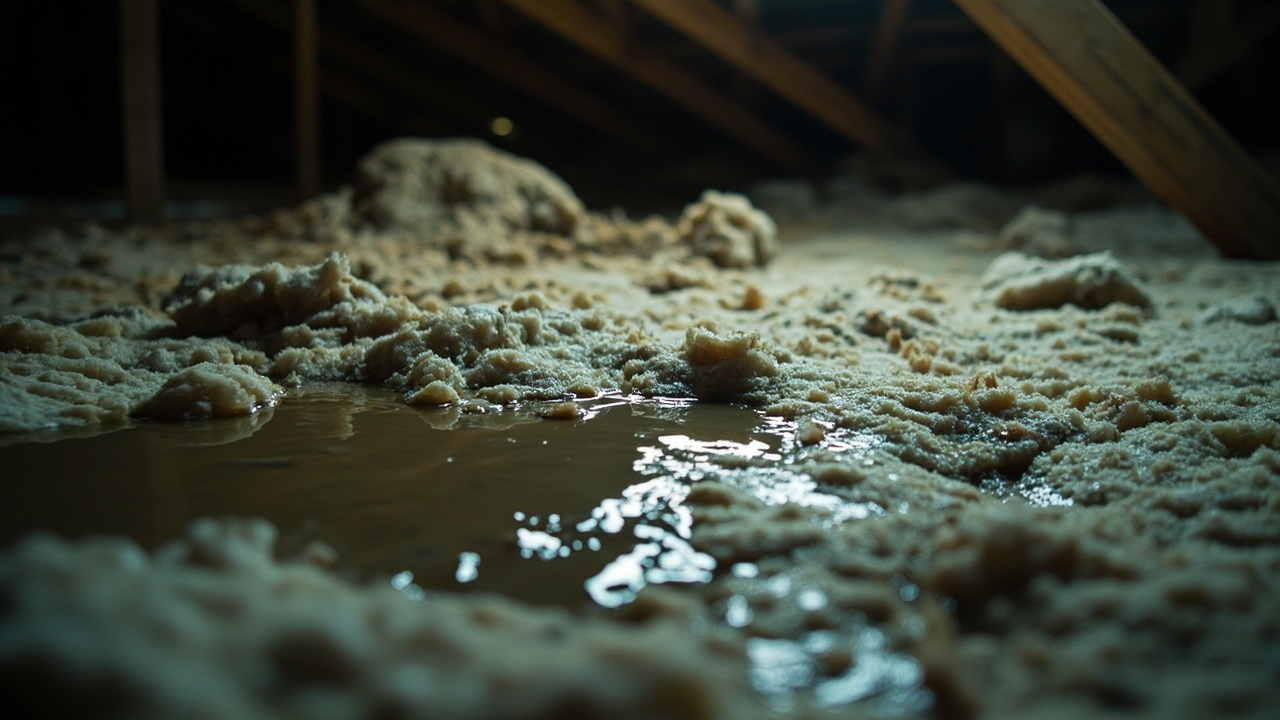
Water damaged insulation looks discolored, compressed, and sagging. Fiberglass batts turn dark yellow or brown and lose their fluffy texture. You may see visible mold as black, green, or white patches. Cellulose clumps together and darkens significantly. Paper backing on fiberglass peels or disintegrates. Insulation pulls away from framing or falls from ceiling joists. Sacramento homeowners often discover damage during attic inspections after roof leaks. Musty smells indicate hidden water damage even when insulation looks normal from below. Staining on ceilings or walls points to soaked insulation above requiring immediate inspection and removal.

Does insulation need to be replaced after water damage? +

Yes. Water damaged insulation must be replaced in most cases. Fiberglass and cellulose lose thermal performance permanently once wet. Compressed, moldy insulation creates health hazards and structural problems. Sacramento building codes require proper insulation R-values for energy efficiency. Damaged insulation fails inspections and reduces home value. Removal costs less than ongoing mold remediation and energy waste. Professional restoration ensures complete drying of framing and proper installation of new material. Trying to salvage wet insulation leads to recurring problems. Replace damaged insulation quickly to restore comfort, air quality, and energy efficiency in your home.

Can mold grow under spray foam insulation? +

Yes. Mold grows under spray foam insulation when moisture is present. While spray foam resists water better than fiberglass, it traps moisture against wood framing. Sacramento homes with pre-existing leaks or poor ventilation face higher risk. Water vapor migrates through building materials and condenses on cool surfaces behind foam. Mold colonizes the wood substrate, hidden from view. Spray foam also prevents drying, worsening moisture problems. Professional installation includes moisture assessment and vapor barrier placement. If you suspect mold under spray foam, infrared inspection reveals hidden moisture. Address water sources before installing any insulation type.

Does it matter if insulation gets wet during build? +

Yes. Wet insulation during construction invites mold growth before walls close. Fiberglass exposed to rain loses effectiveness and grows mold quickly. Sacramento's dry climate helps, but morning dew and irrigation overspray still soak materials. Builders should cover insulation and keep job sites dry. Wet framing transfers moisture to insulation even after installation. Building codes require dry materials before enclosure. Inspect all insulation before drywall goes up. Replace any wet or damaged material immediately. Starting with dry insulation prevents years of indoor air quality problems and energy waste. Do not let contractors rush past this critical step.

What are the 10 warning signs of mold toxicity? +

Mold toxicity causes chronic fatigue, brain fog, headaches, respiratory problems, sinus congestion, skin rashes, joint pain, sensitivity to light, digestive issues, and mood changes. Sacramento residents exposed to hidden attic or crawlspace mold report these symptoms worsening at home. Wet insulation creates ideal mold conditions, releasing spores into living spaces through air ducts and wall cavities. Symptoms mimic allergies or chronic illness, making diagnosis difficult. Children and elderly face greater health risks. If multiple household members develop unexplained symptoms, inspect insulation and crawlspaces for water damage. Professional mold testing identifies species and toxicity levels requiring remediation.

How Sacramento's River Proximity and Seasonal Storms Impact Insulation Performance

Sacramento's location at the American and Sacramento River confluence creates a unique moisture challenge for homes. Winter atmospheric rivers dump intense rain over short periods, overwhelming drainage systems and driving water into attics through wind-damaged shingles and improperly sealed roof penetrations. The valley's flat topography means water does not run off quickly, so crawlspaces in low-lying neighborhoods stay damp for days after storms. Summer brings a different problem. When air conditioning cools interior spaces and attic temperatures hit 130 degrees, the temperature differential creates condensation on cold surfaces, soaking insulation from the inside out.

Fortress Water Damage Restoration Sacramento has worked in every neighborhood from Alkali Flat to Pocket-Greenhaven, so we recognize the moisture patterns that affect this region. We know which home ages are most vulnerable, which HVAC systems create the most condensation issues, and which roof styles handle Sacramento's wind-driven rain poorly. That local knowledge means faster diagnosis and fewer return trips. When you call a restoration company that understands Sacramento's specific water intrusion challenges, you get a solution tailored to your home's reality, not a generic approach imported from another climate.

Water Damage Restoration Services in The Sacramento Area

Fortress Water Damage Restoration proudly serves the greater Sacramento area, including all surrounding neighborhoods and communities. We are committed to providing fast and reliable service wherever you are. To get an idea of our service area or to visit our office, please use the interactive map below. Our team is ready to respond to your needs, so don't hesitate to reach out for immediate assistance or to schedule a consultation.

Address:
Fortress Water Damage Restoration Sacramento, 2109 Del Paso Blvd, Sacramento, CA, 95815

Additional Services We Offer

Our news updates

Latest Articles & News from The Blogs

Why a Leaky Pool Pump Can Damage Your Home Foundation in the Sacramento Heat Pool equipment leaks in Sacramento homes…

Why a Leaky Pool Pump Can Damage Your Home Foundation in the Sacramento Heat

Why a Leaky Pool Pump Can Damage Your Home Foundation in the Sacramento Heat Pool equipment leaks in Sacramento homes…

Your Rights and Next Steps When a Neighbor Overflows Their Sink in a Sacramento High Rise

Your Rights and Next Steps When a Neighbor Overflows Their Sink in a Sacramento High Rise When a neighbor's sink…

Protecting Your Finished Basement in Old North Sacramento from Rising Ground Water

Protecting Your Finished Basement in Old North Sacramento from Rising Ground Water Your finished basement in Old North Sacramento sits…

Contact Us

Wet insulation does not fix itself. Every day you wait increases mold risk and energy waste. Call Fortress Water Damage Restoration Sacramento at (916) 222-9262 now for same-day assessment and a clear restoration plan. We answer 24/7.