




Menu

Water Mitigation vs Restoration in Sacramento – Know When Emergency Action Stops and Full Repair Begins

Understanding the difference between water mitigation and restoration helps you make faster decisions, avoid contractor confusion, and navigate insurance claims correctly when your Sacramento property floods.

Slider Image 1
Slider Image 2
Slider Image 3
Slider Image 4
Slider Image 5
Slider Image 7
Slider Image 8
Slider Image 9
Slider Image 10
Slider Image 11

Why Sacramento Property Owners Confuse Water Mitigation and Restoration

When a pipe bursts or the American River overflows, you need help fast. But the contractor shows up, removes water, and leaves. A week later, mold grows. Floors buckle. Your insurance adjuster asks if mitigation or restoration was completed. You don't know.

The difference between water mitigation and restoration is not semantic. Water damage mitigation vs restoration defines two separate phases. Mitigation stops the emergency. Restoration rebuilds what was destroyed. Mixing them up costs you time, money, and creates liability gaps.

Sacramento's climate complicates this. The Central Valley experiences extreme temperature swings between winter flooding and summer heat. When water intrudes during a January storm, it doesn't just sit. It wicks into drywall, seeps under hardwood, and saturates insulation. If mitigation crews only extract standing water but fail to dry structural cavities, restoration becomes impossible. Mold colonizes within 48 hours.

Water remediation vs restoration is another term contractors use interchangeably, but remediation typically refers to contamination removal, like sewage. Mitigation vs reconstruction separates emergency response from rebuilding. Water cleanup vs water repair splits surface-level extraction from structural drying and material replacement. You need to know which phase you are paying for and which phase your insurance covers. Sacramento properties near the Sacramento River or in Natomas flood zones face this repeatedly. Knowing the phases protects you from being under-served or overcharged.

Why Sacramento Property Owners Confuse Water Mitigation and Restoration
How Water Mitigation and Restoration Work as Separate Phases

How Water Mitigation and Restoration Work as Separate Phases

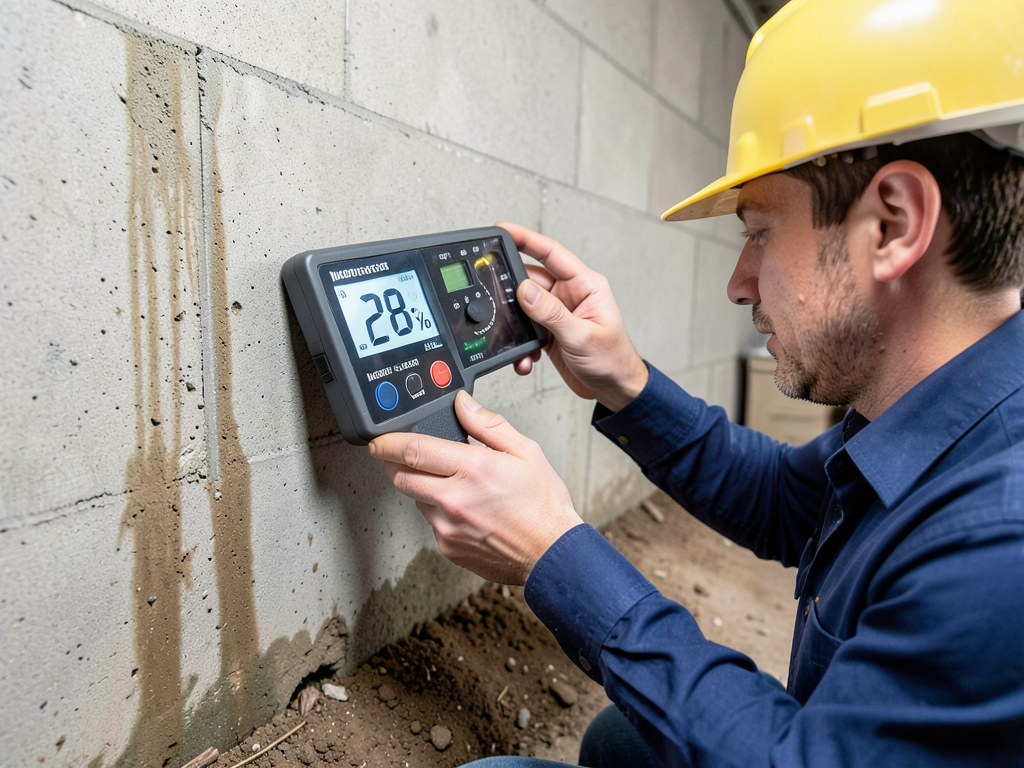
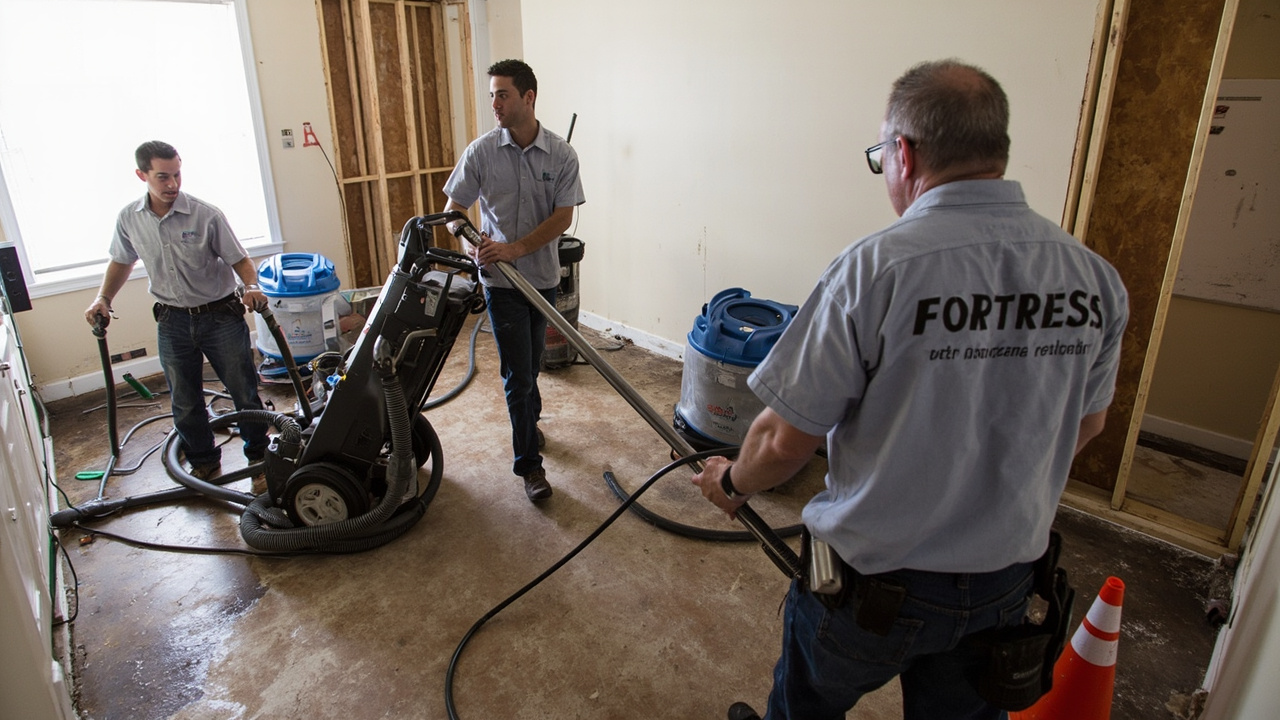
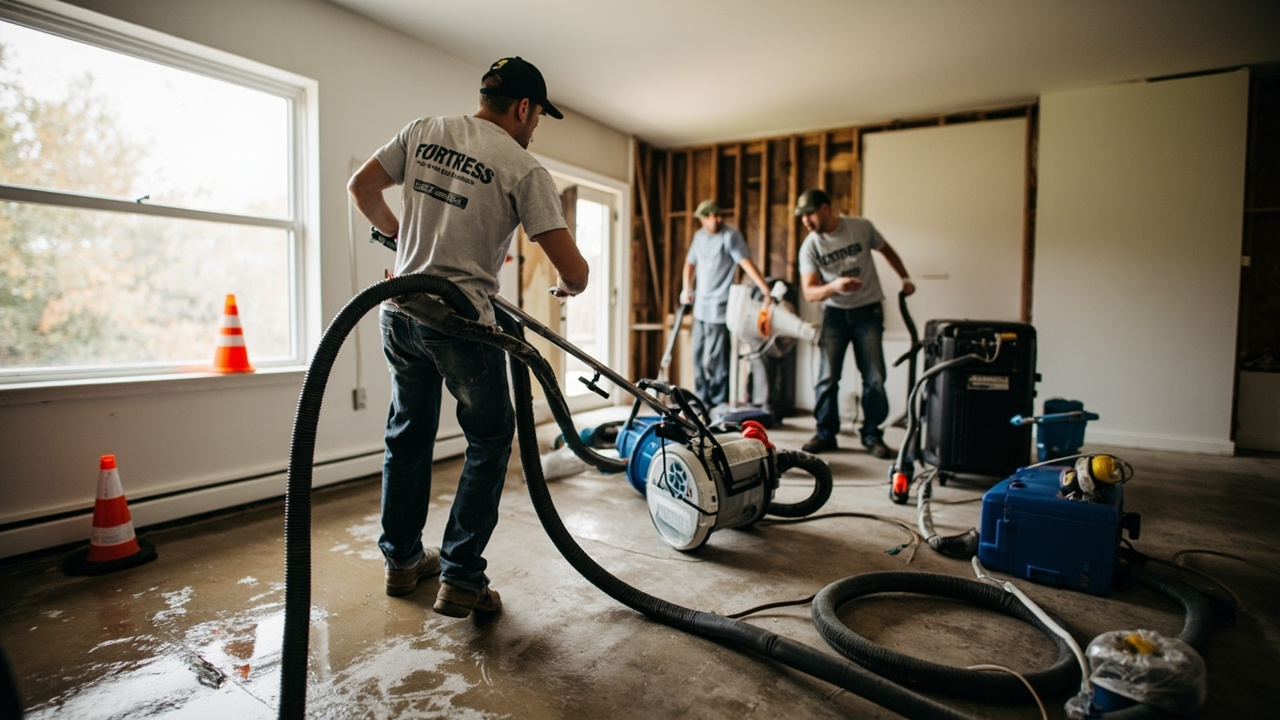
Mitigation begins the moment water intrudes. The goal is stabilization. Crews extract standing water using truck-mounted pumps or portable extractors. They remove wet contents to prevent further damage. Air movers and dehumidifiers get deployed to reduce humidity and prevent secondary damage. Moisture meters measure hidden saturation in walls, subfloors, and ceiling cavities. Antimicrobial agents get applied to prevent microbial growth. This phase typically lasts three to five days depending on the class of water damage and the affected square footage.

Restoration begins after mitigation proves the structure is dry and stable. This phase involves reconstruction. Drywall gets replaced. Flooring gets reinstalled. Electrical systems get tested. HVAC ducts get cleaned or replaced if contaminated. Paint, trim, and fixtures return the property to pre-loss condition. Restoration can take weeks or months depending on the scope of damage.

The handoff between mitigation and restoration is critical. At Fortress Water Damage Restoration Sacramento, we document moisture readings at every stage. When relative humidity drops below 40 percent and moisture content in structural materials falls within normal range, we provide a certificate of dryness. This protects you during insurance negotiations and ensures restoration contractors do not begin work prematurely, which causes callbacks and mold litigation.

Sacramento's building codes require proper vapor barrier installation in crawl spaces and attics. If mitigation crews do not address these areas during drying, restoration will fail inspection. Understanding the phases prevents rework and ensures code compliance.

How We Separate Mitigation from Restoration for Your Property

Water Mitigation vs Restoration in Sacramento – Know When Emergency Action Stops and Full Repair Begins
01

Emergency Water Mitigation

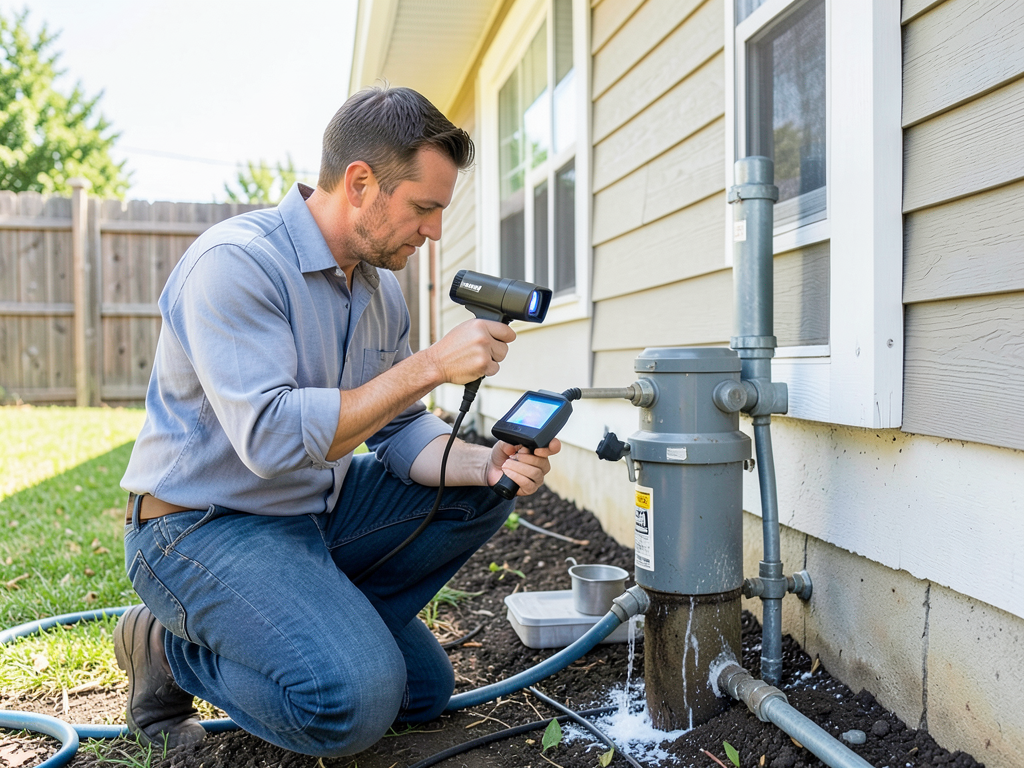
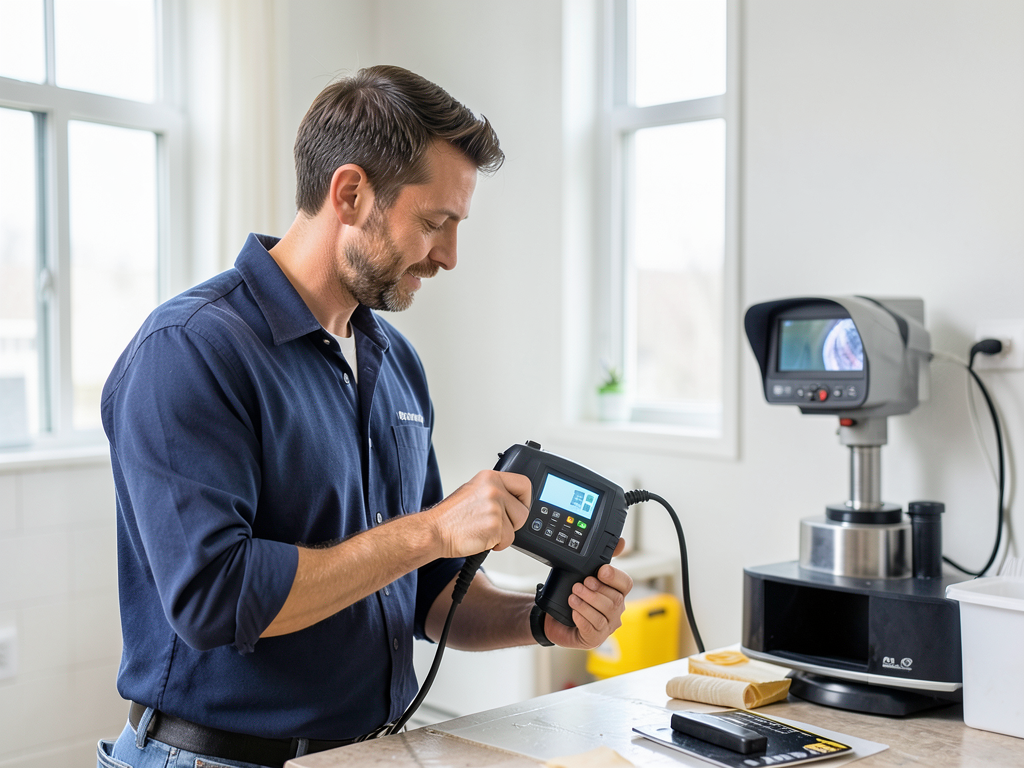
We arrive within 60 minutes to stop active water intrusion, extract standing water, and deploy industrial drying equipment. Moisture mapping identifies hidden saturation in wall cavities, subfloors, and insulation. Thermal imaging reveals temperature differentials that indicate trapped moisture. Antimicrobial treatment prevents mold colonization during the drying phase. This phase stabilizes your property and stops damage from spreading.
02

Drying and Documentation

Air movers create airflow across wet surfaces while dehumidifiers pull moisture from the air. We monitor humidity levels and material moisture content daily using thermo-hygrometers and pin-type moisture meters. When readings stabilize within acceptable ranges for three consecutive days, drying is complete. We provide detailed moisture logs and photo documentation for your insurance claim. This phase bridges mitigation and restoration.
03

Restoration and Rebuild

Once the structure is certified dry, restoration begins. We remove unsalvageable materials like deteriorated drywall or delaminated flooring. Framing gets repaired if necessary. New drywall, insulation, and flooring get installed to match existing finishes. Electrical and plumbing systems get tested. Final inspections ensure code compliance. Your property returns to pre-loss condition, and you receive a completion certificate for your records.

Why Sacramento Property Owners Choose Fortress for Both Phases

Most water damage companies specialize in one phase or the other. Mitigation-only firms leave you searching for a restoration contractor after drying finishes. Restoration-only firms arrive too late to prevent secondary damage. Fortress Water Damage Restoration Sacramento provides both phases under one contract, eliminating handoff delays and miscommunication.

We understand Sacramento's specific risks. Properties near the American River or Sacramento River face seasonal flooding. Older homes in Midtown and Land Park have outdated plumbing that bursts during freeze events. Commercial properties in Natomas deal with flat roof failures after winter storms. We have worked with every major insurance carrier operating in Sacramento County and know how to document claims for maximum payout.

Our technicians hold IICRC certifications in water damage restoration and applied structural drying. We follow ANSI/IICRC S500 standards, which insurance adjusters recognize as the industry benchmark. This eliminates disputes over whether mitigation was performed correctly or whether restoration costs are justified.

Local building inspectors in Sacramento require specific vapor barrier installation methods in crawl spaces due to the region's soil moisture levels. Generic contractors miss these nuances. We ensure every phase meets Title 24 energy code requirements and local amendments, preventing costly rework during final inspection.

When you hire Fortress, you get a single point of contact from emergency call to final walkthrough. You receive one invoice, one timeline, and one team accountable for the entire project. This eliminates the finger-pointing that happens when mitigation and restoration are split between vendors.

What to Expect During Mitigation and Restoration

Response Time and Availability

Mitigation is time-sensitive. We dispatch crews within 60 minutes of your call, 24 hours a day, seven days a week. Water damage worsens exponentially after the first 24 hours. Category 1 clean water becomes Category 2 gray water as it picks up contaminants. Drywall begins to swell and delaminate. Hardwood cupping starts within hours. Our rapid response stops this progression. Equipment typically arrives on-site within two hours, and extraction begins immediately. Restoration timelines vary based on scope, but we provide a detailed schedule within 48 hours of completing mitigation, so you know exactly when your property will be livable again.

Assessment and Documentation Process

We perform a room-by-room assessment using moisture detection equipment. Thermal imaging cameras reveal hidden water behind walls and under floors. Moisture meters measure water content in wood, drywall, and concrete. We photograph all affected areas and create a detailed loss inventory. This documentation goes directly to your insurance adjuster and becomes the foundation of your claim. During restoration, we document pre-existing conditions to prevent disputes over what damage was caused by the current loss versus prior wear. You receive copies of all reports, so you stay informed throughout both phases.

Quality of Final Restoration

Restoration quality depends on proper mitigation. If the structure is not fully dry before reconstruction begins, materials will fail within months. We do not rush this. Final moisture readings must meet IICRC standards before any restoration work starts. During rebuilding, we match existing materials and finishes as closely as possible. Paint gets color-matched. Flooring samples get compared under natural light. Trim profiles get replicated using the same router bits. You should not be able to tell where the damage occurred once the project finishes. We perform a final walkthrough with you to ensure every detail meets your approval before closing the project.

Post-Restoration Support and Follow-Up

After restoration completes, we provide a certificate of completion and final moisture report. These documents close out your insurance claim and prove the work was done correctly. We also offer a complimentary follow-up inspection 30 days after project completion to verify no hidden moisture issues have developed. If any problems arise related to our work, we address them immediately. While we do not provide specific warranty terms in marketing materials, we stand behind our work and will return to resolve any issues that surface. Ongoing maintenance recommendations are provided based on your property type and local climate factors to help prevent future water intrusion.

Frequently Asked Questions

You Have Questions,
We Have Answers

What is the difference between water restoration and mitigation? +

Water mitigation is the immediate emergency response that stops water damage from spreading. Technicians extract standing water, dry out affected areas, and prevent secondary damage like mold growth. Water restoration comes after mitigation. It rebuilds and repairs the damaged structure back to pre-loss condition. This includes replacing drywall, flooring, insulation, and repainting. Think of mitigation as the medical emergency room and restoration as the physical therapy that follows. In Sacramento homes, our clay soil can cause foundation shifts that complicate water intrusion, making both phases critical for complete recovery.

What is mitigation and restoration? +

Mitigation means reducing the severity of damage immediately after a loss event. You remove the threat, stabilize the situation, and prevent further harm. Restoration means repairing and rebuilding what was damaged. In water damage scenarios, mitigation teams arrive within hours to extract water and set up drying equipment. Restoration crews follow days or weeks later to replace materials and finish surfaces. Sacramento's hot summers accelerate evaporation but also create ideal conditions for mold if moisture remains trapped in wall cavities. Both phases require different equipment, expertise, and timelines to complete properly.

What is the difference between restoration and remediation? +

Restoration rebuilds damaged structures back to their original condition. You replace materials, repair finishes, and restore function. Remediation removes hazardous contaminants like mold, asbestos, or sewage. You eliminate the threat entirely. Water damage often requires both. A flooded basement needs water extraction and drying (mitigation), mold removal if growth occurred (remediation), and drywall replacement (restoration). Sacramento's older neighborhoods near Land Park and Curtis Park often have aging plumbing that causes category three water damage, requiring full remediation protocols before restoration work begins. Each process demands specific certifications and safety protocols.

What is included in water mitigation? +

Water mitigation includes emergency water extraction using truck-mounted pumps or portable extractors. Technicians remove wet materials that cannot be saved like saturated carpet padding and baseboards. They set up industrial air movers and dehumidifiers to dry structural elements. Moisture mapping with thermal imaging cameras tracks progress. Antimicrobial treatments prevent mold growth during drying. Content pack-out services protect salvageable belongings. Documentation includes photos and moisture readings for insurance claims. In Sacramento, mitigation also addresses potential foundation concerns since our expansive clay soil reacts to moisture changes, potentially causing additional structural stress during the drying process.

Is it hard to sell a house that has had mold remediation? +

Disclosure laws require you to report previous mold remediation to potential buyers in California. Professional remediation actually increases buyer confidence compared to undisclosed mold history. Proper documentation showing certified contractors performed the work, clearance testing confirmed successful removal, and repairs meet code standards protects your sale. Sacramento's real estate market values transparency. Homes with documented remediation and no recurring moisture issues sell without significant penalties. Problems arise when sellers hide past mold or use inadequate DIY fixes. Complete remediation with proper documentation demonstrates responsible homeownership and protects you from future liability claims after closing.

What is the average cost of water mitigation? +

Water mitigation costs in Sacramento typically range from hundreds to several thousand dollars depending on water volume, affected square footage, and contamination category. A small bathroom leak costs less than a flooded basement. Category three water (sewage) requires extensive safety protocols that increase costs. Insurance usually covers mitigation when damage results from sudden, accidental events like burst pipes. Structural drying takes three to five days minimum. Equipment rental, labor, antimicrobial treatments, and disposal fees factor into final costs. Sacramento's older housing stock in neighborhoods like Elmhurst often has hidden moisture damage that extends mitigation scope once work begins.

What are the 4 types of mitigation? +

The four mitigation types address different risks. Structural mitigation strengthens buildings against disasters like earthquakes or floods, common concerns in California. Local mitigation targets specific community vulnerabilities through planning and zoning. Natural systems mitigation uses environmental solutions like wetlands to absorb floodwater. In water damage specifically, mitigation refers to emergency response categories based on water contamination levels. Category one is clean water from supply lines. Category two contains some contaminants. Category three is grossly unsanitary sewage or flood water. Sacramento properties near the American River require flood-specific structural mitigation in high-risk zones.

When to call a water restoration company? +

Call a water restoration company immediately when you discover active leaks, standing water, ceiling stains, or wet carpeting. Do not wait. Water migrates through building materials quickly. Within 24 hours, mold spores begin colonizing. Within 48 hours, structural damage accelerates. Sacramento's dry climate tricks homeowners into thinking water will evaporate naturally, but moisture trapped inside walls and subfloors creates hidden damage. Call professionals for burst pipes, appliance failures, roof leaks, sewage backups, or flooding. Even small leaks warrant professional assessment since moisture meters detect hidden saturation you cannot see with visual inspection alone.

Is mitigation good or bad? +

Mitigation is essential, not optional. Proper mitigation prevents catastrophic secondary damage that exceeds the original loss. Water wicks through drywall, insulation, and framing. Unchecked moisture causes rot, mold growth, and structural failure. Mitigation stops this progression. Sacramento homeowners sometimes delay mitigation due to cost concerns, but insurance typically covers emergency water removal from covered perils. Delayed response voids coverage and creates health hazards. Professional mitigation also provides crucial documentation for claims. Quick action preserves your property value, protects occupant health, and minimizes total restoration costs. Mitigation is always the correct choice after water intrusion.

Do I need water mitigation? +

You need water mitigation whenever water intrudes where it does not belong. Visible standing water obviously requires immediate response. Hidden moisture behind walls or under flooring also demands professional extraction and drying. Trust your senses. Musty odors, soft spots in flooring, peeling paint, or warped baseboards indicate moisture problems requiring mitigation. Sacramento's clay soil causes foundation movement that creates plumbing stress and increases leak risk. Water meters showing unexplained usage spikes suggest hidden leaks. Even minor bathroom or kitchen leaks benefit from professional drying to prevent mold. When in doubt, get a moisture assessment before damage spreads.

Why Sacramento's Flood Zones and Soil Conditions Make the Mitigation-Restoration Distinction Critical

Sacramento sits at the confluence of the Sacramento and American Rivers, with large portions of the metro area designated as FEMA Special Flood Hazard Zones. Properties in Natomas, Pocket, and South Sacramento face periodic flooding during heavy rain events and levee failures. The region's expansive clay soil retains moisture for extended periods, creating hydrostatic pressure against foundation walls. When flooding occurs, water intrudes through basement walls, slab cracks, and crawl spaces. Mitigation must address not just surface water but subsurface saturation that standard extraction equipment cannot reach. Without proper structural drying that accounts for soil moisture, restoration materials absorb ground water through capillary action, causing failure within months. Understanding this local condition separates competent contractors from those who simply remove visible water and leave.

Sacramento County building codes require specific drainage and waterproofing measures for properties built in flood zones, including proper grading, sump pump installation, and vapor barrier placement. Insurance adjusters in this market understand the difference between water cleanup and structural drying because they process flood claims regularly. They will deny restoration costs if mitigation was incomplete or improperly documented. Fortress Water Damage Restoration Sacramento has worked with every major insurer operating in the Central Valley and knows exactly what documentation satisfies their claim requirements. Our familiarity with local soil conditions, flood patterns, and building code amendments gives you an advantage during both the mitigation and restoration phases. Choosing a contractor who understands Sacramento's unique challenges prevents costly disputes and ensures your property is genuinely restored, not just cosmetically patched.
Water Damage Restoration Services in The Sacramento Area

Fortress Water Damage Restoration proudly serves the greater Sacramento area, including all surrounding neighborhoods and communities. We are committed to providing fast and reliable service wherever you are. To get an idea of our service area or to visit our office, please use the interactive map below. Our team is ready to respond to your needs, so don't hesitate to reach out for immediate assistance or to schedule a consultation.

Address:
Fortress Water Damage Restoration Sacramento, 2109 Del Paso Blvd, Sacramento, CA, 95815

Additional Services We Offer

Our news updates

Latest Articles & News from The Blogs

Why a Leaky Pool Pump Can Damage Your Home Foundation in the Sacramento Heat Pool equipment leaks in Sacramento homes…

Why a Leaky Pool Pump Can Damage Your Home Foundation in the Sacramento Heat

Why a Leaky Pool Pump Can Damage Your Home Foundation in the Sacramento Heat Pool equipment leaks in Sacramento homes…

Your Rights and Next Steps When a Neighbor Overflows Their Sink in a Sacramento High Rise

Your Rights and Next Steps When a Neighbor Overflows Their Sink in a Sacramento High Rise When a neighbor's sink…

Protecting Your Finished Basement in Old North Sacramento from Rising Ground Water

Protecting Your Finished Basement in Old North Sacramento from Rising Ground Water Your finished basement in Old North Sacramento sits…

Contact Us

Do not let confusion over mitigation and restoration delay your recovery. Call Fortress Water Damage Restoration Sacramento now at (916) 222-9262 for immediate response. We handle both phases, work directly with your insurance, and restore your property correctly the first time.