




Menu

Rapid Response Flood Extraction in Sacramento – Emergency Crews Dispatched in Under 60 Minutes

When floodwater invades your Sacramento property, every minute counts. Our rapid response flood extraction teams arrive fast with industrial-grade pumps and commercial dehumidifiers to stop structural damage before it spreads.

Slider Image 1
Slider Image 2
Slider Image 3
Slider Image 4
Slider Image 5
Slider Image 7
Slider Image 8
Slider Image 9
Slider Image 10
Slider Image 11

Why Sacramento Floods Demand Immediate Professional Extraction

Floodwater does not wait. In Sacramento, where the American and Sacramento Rivers converge and winter storms dump heavy rainfall across the valley, flooding happens fast and escalates faster. The region's aging levee systems and low-lying neighborhoods near the Delta make properties vulnerable to sudden water intrusion. When your home or business floods, you face three immediate threats: structural collapse from saturated drywall and framing, toxic mold growth within 24 to 48 hours, and contaminated water carrying sewage, chemicals, and debris.

Standing water destroys hardwood floors, compromises foundation integrity, and ruins electrical systems. The longer water sits, the deeper it penetrates subflooring, insulation, and wall cavities. Sacramento's clay-heavy soil compounds the problem. Water does not drain naturally. It pools around foundations and seeps through cracks, creating secondary flooding even after the initial event stops.

You need emergency water removal services that mobilize immediately. Standard cleanup methods fail in flood scenarios. You need truck-mounted extractors capable of removing thousands of gallons per hour, not shop vacuums. You need professionals trained in contaminated water protocols, structural drying calculations, and antimicrobial treatments. Fortress Water Damage Restoration Sacramento operates 24/7 flood extraction crews specifically for these emergencies. We dispatch within 60 minutes because we understand Sacramento's flood patterns and the critical window you have to prevent permanent damage.

Why Sacramento Floods Demand Immediate Professional Extraction
How Professional Flood Extraction Stops Damage in Its Tracks

How Professional Flood Extraction Stops Damage in Its Tracks

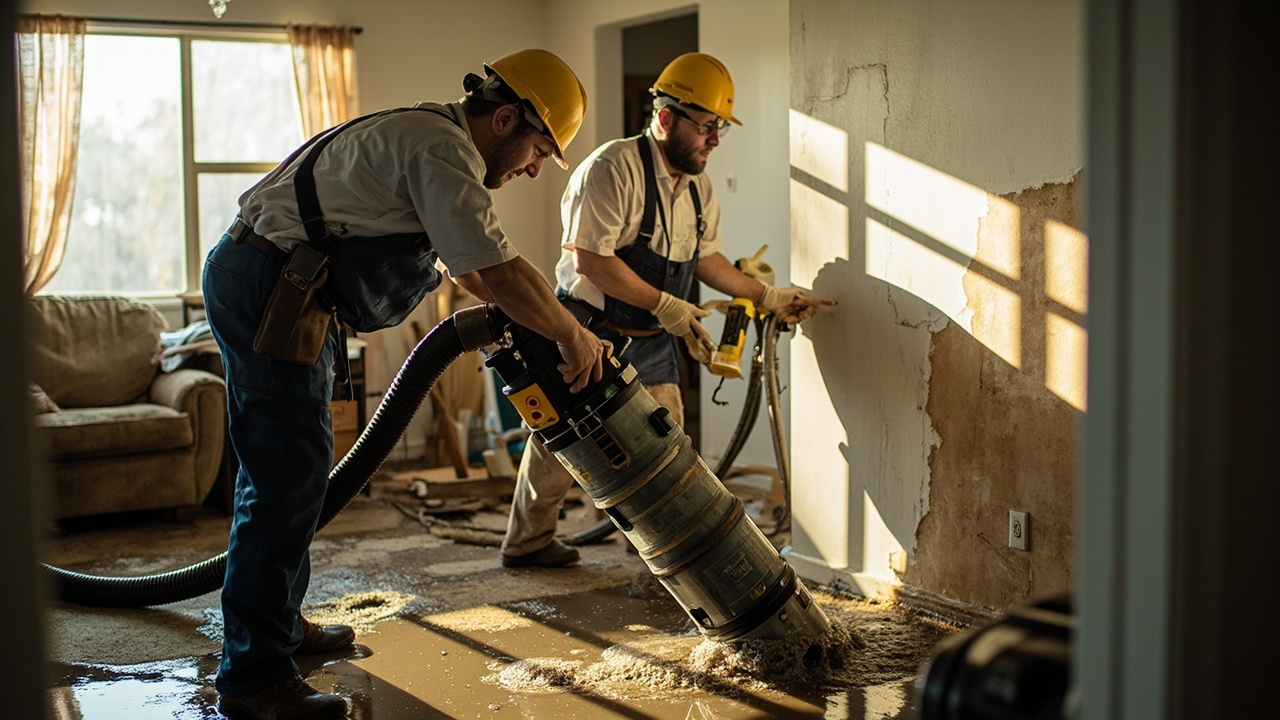
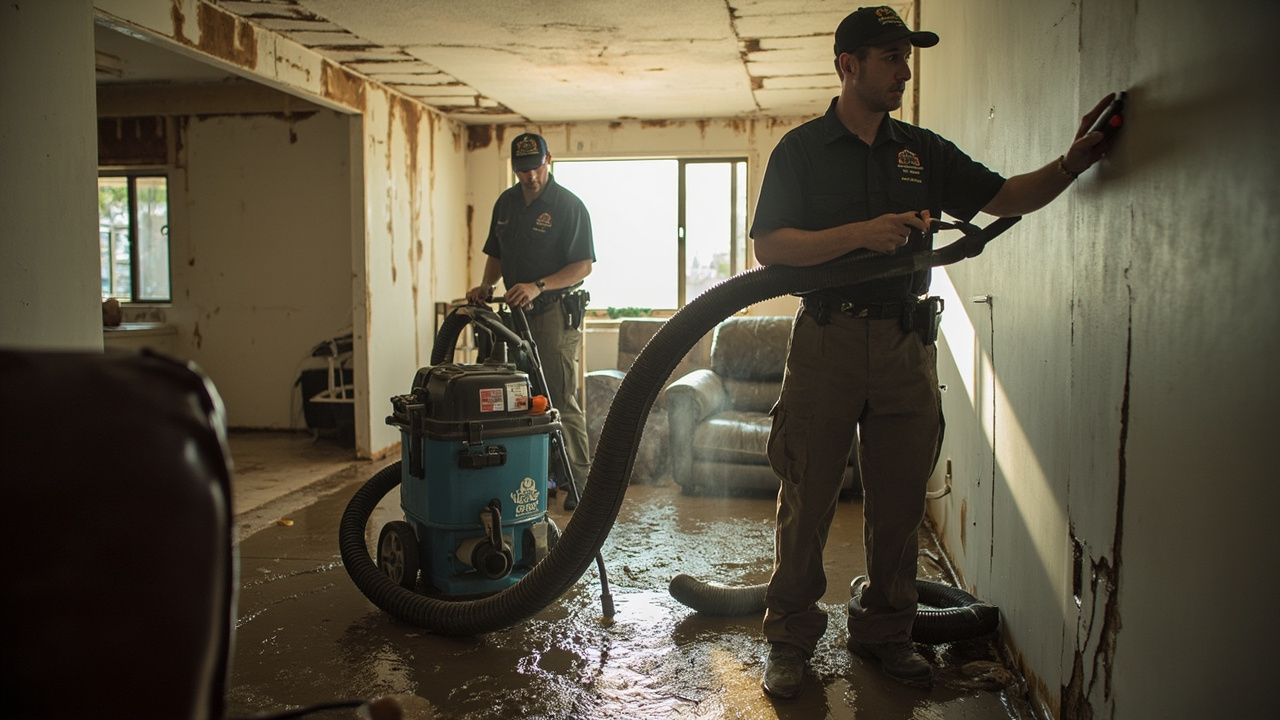
Urgent water cleanup is not about mopping floors. It requires a coordinated attack using industrial equipment and proven water mitigation protocols. When our crews arrive, we immediately classify the water source. Category 3 water, which includes floodwater from rivers or sewage backups, contains dangerous pathogens and requires full hazmat procedures. We suit up, establish containment zones, and begin immediate flood pumping using truck-mounted extractors that pull 400 gallons per minute.

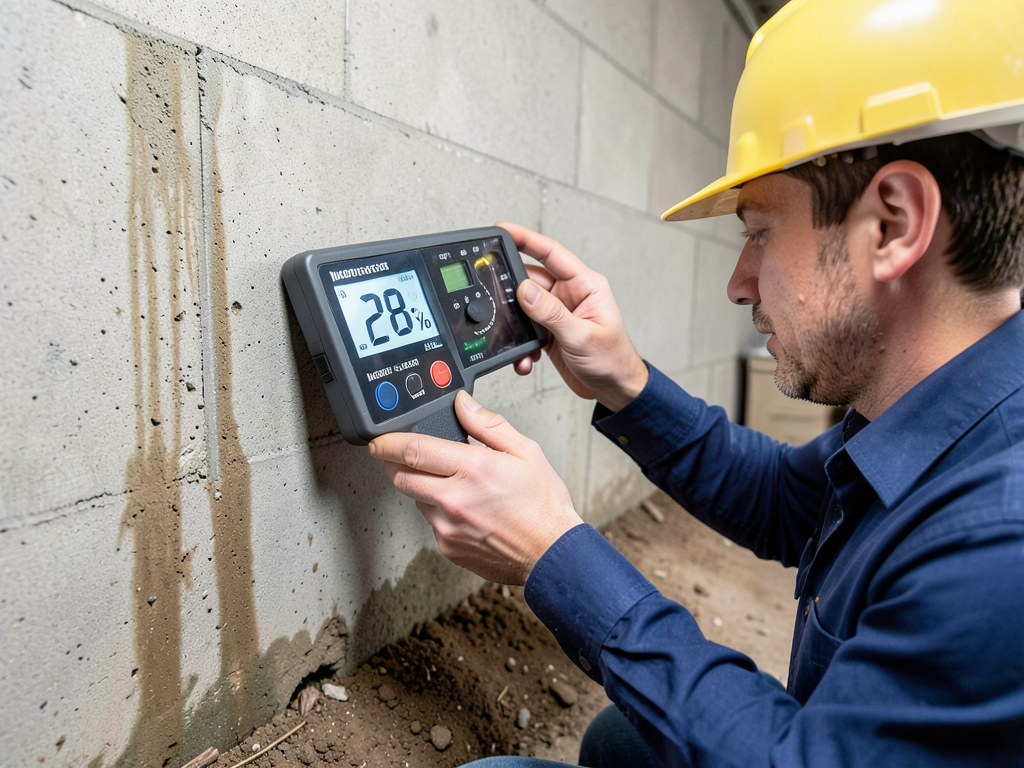
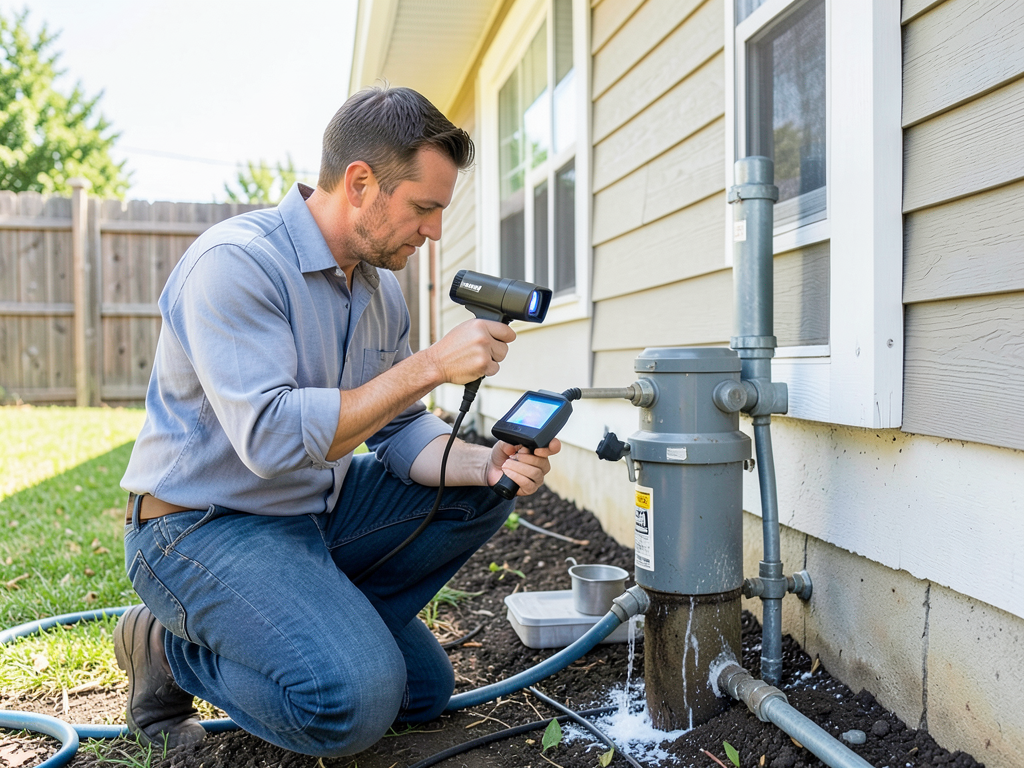
We do not stop at visible water. Flood extraction includes thermal imaging to map moisture trapped inside walls, under flooring, and within insulation. Sacramento homes built before 1980 often have pier and beam foundations or crawl spaces that trap water for weeks, creating hidden mold factories. We use moisture meters to measure wood moisture content and establish drying benchmarks. If framing exceeds 19 percent moisture content, it will rot. We document every reading because your insurance adjuster needs proof of loss and proof of proper mitigation.

Our drying strategy uses commercial air movers and low-grain refrigerant dehumidifiers positioned based on psychrometric calculations. We create negative air pressure to pull moisture out of materials and into the dehumidifiers. We monitor daily, adjusting equipment placement as materials dry. This is not guesswork. We follow IICRC S500 water damage restoration standards because improper drying leads to secondary damage and claim denials. Emergency water damage extraction done right prevents the nightmare of tearing out your entire first floor three weeks later when mold blooms behind the walls.

What Happens When You Call for Emergency Flood Extraction

Rapid Response Flood Extraction in Sacramento – Emergency Crews Dispatched in Under 60 Minutes
01

Immediate Dispatch and Assessment

You call our emergency line and speak directly to a dispatcher, not a voicemail system. We gather critical details about water source, affected square footage, and safety hazards. Our crew mobilizes immediately with extraction equipment loaded. Within 60 minutes, a technician arrives, performs a visual assessment, identifies electrical hazards, and begins water removal. Speed matters because the first three hours determine whether your drywall and flooring can be saved or must be demolished.
02

High-Volume Water Removal

We deploy truck-mounted extractors and submersible pumps to remove standing water. For severe flooding, we use trash pumps that handle debris-laden water without clogging. We extract water from carpets using weighted wands that compress padding and pull trapped moisture. We remove soaked insulation, lift baseboards, and drill weep holes in wall cavities to drain trapped water. This phase removes 90 percent of the moisture load and prevents further saturation of structural materials.
03

Structural Drying and Monitoring

Once bulk water is gone, we install air movers and dehumidifiers in a scientifically calculated layout. We measure ambient humidity, material moisture content, and airflow. We return daily to document drying progress and adjust equipment. When materials reach acceptable moisture levels, typically five to seven days for severe floods, we pack out equipment. You receive a complete moisture log and certification of drying for your insurance claim. This documentation protects you from future mold liability.

Why Sacramento Property Owners Trust Our Flood Extraction Teams

When floodwater hits, you need a crew that knows Sacramento's specific challenges. We understand the levee system, the flood zones mapped by FEMA, and the neighborhoods most vulnerable during heavy rain events. Areas like Natomas, Pocket, and South Sacramento flood differently due to elevation and proximity to waterways. Our teams train on local flood patterns and stage equipment accordingly during storm season.

We work directly with Sacramento-area insurance adjusters who know our documentation standards. When you file a flood claim, the adjuster needs proof that mitigation was immediate and followed industry protocol. We photograph every phase, log moisture readings, and provide detailed scope documents. This protects your claim from denial due to alleged policyholder negligence. Insurance companies respect our work because we follow the rules and document everything.

Our equipment inventory includes backup units. When a major storm floods multiple properties, other companies run out of dehumidifiers and air movers. We own enough equipment to handle simultaneous large-loss events. You will not wait three days for a dehumidifier while mold starts growing. We also maintain relationships with local debris removal companies, temporary power suppliers, and emergency board-up contractors. If your flood requires a coordinated response, we manage the entire process.

Fortress Water Damage Restoration Sacramento employs IICRC-certified water restoration technicians, not general laborers. Our crews know the difference between capillary wicking and vapor diffusion. They understand dew point and grain depression. This expertise prevents costly mistakes like sealing walls before they are dry or using the wrong dehumidifier type for the temperature range. You get professionals who treat your emergency with the urgency it deserves.

What to Expect During Emergency Flood Extraction

Response Time and Availability

We operate 24 hours a day, 365 days a year, including holidays. When you call our emergency line at 2:00 AM on Sunday, a crew dispatches within 60 minutes. We do not schedule flood emergencies for the next business day. Our dispatch system tracks crew locations in real time, so the closest available team responds to your property. During large storm events, we prioritize life-safety situations and active flooding over standing water scenarios. You receive an estimated arrival time when you call, and our dispatcher updates you if conditions delay response. Once on-site, our crew begins water removal immediately, not after writing an estimate.

On-Site Evaluation and Documentation

Our technician walks the entire affected area, mapping damage with photos, thermal imaging, and moisture readings. We identify the water source and classify contamination level. You receive a verbal summary of findings and the proposed extraction plan. We document pre-existing damage separate from flood damage to prevent insurance disputes. We test for electrical hazards and shut off power to flooded areas if needed. If your flood involves sewage or chemical contamination, we explain the required remediation protocol and health risks. This assessment takes 20 to 30 minutes and provides the roadmap for complete mitigation.

Complete Water Removal and Structural Drying

You can expect visible standing water removed within two to four hours, depending on volume and access. Structural drying takes five to seven days for moderate flooding, longer for severe saturation. We do not pull equipment prematurely. Materials must reach moisture content below 15 percent, verified by meter readings, before drying is complete. You receive daily updates on drying progress and any complications like hidden moisture pockets. Your property will be loud during drying due to air movers running continuously. We position equipment to minimize disruption but effective drying requires airflow across all wet surfaces.

Post-Extraction Follow-Up and Restoration Coordination

Once drying is certified complete, we provide a detailed report with all moisture logs, equipment logs, and photographic documentation. If your flood requires reconstruction, we coordinate with licensed contractors or provide in-house rebuild services. We do not leave you to figure out the next steps alone. If mold developed before we arrived, we refer you to certified mold remediation specialists and explain the separate scope of work required. We also offer optional antimicrobial treatments for surfaces exposed to contaminated floodwater. Our goal is complete restoration to pre-loss condition, not just water removal.

Frequently Asked Questions

You Have Questions,
We Have Answers

What is the average insurance payout for water damage? +

Water damage payouts vary widely based on your policy limits, deductible, and extent of damage. Most homeowners see payouts between $2,000 and $15,000, but severe flooding can push claims higher. Sacramento properties hit by levee breaches or American River flooding may face extensive structural damage, increasing claim values. Your payout depends on actual cash value versus replacement cost coverage. Adjusters assess damage room by room. Document everything immediately with photos and video. Get professional extraction and mitigation started fast. Many policies exclude flooding from natural sources, so verify your coverage includes the specific water source affecting your property.

What is the immediate response to a flood? +

Stop the water source if safe to do so. Turn off electricity at the breaker panel to prevent electrocution. Move valuables and furniture to dry areas or elevate them. Call a 24/7 emergency extraction service immediately. Sacramento properties face mold growth within 24 to 48 hours due to valley humidity. Time is your enemy. Professional crews use truck-mounted extractors and industrial blowers to remove water fast. Do not wait for insurance approval to start extraction. Delays worsen damage and increase costs. Photograph everything before touching it. Open windows if weather permits. Avoid standing water, which may contain sewage or contaminants from the American River.

Will insurance cover flash floods? +

Standard homeowners insurance does not cover flash floods. You need a separate flood insurance policy through the National Flood Insurance Program or private carriers. Sacramento sits in flood zones near the American and Sacramento Rivers, making flood coverage critical. If you have flood insurance, flash floods are covered. Claims include structure damage, mechanical systems, and built-in appliances. Contents coverage is separate. File your claim immediately after flood waters recede. Take photos and document high-water marks. Most policies require proof you maintained the property. Basements have limited coverage. Review your policy declarations page to confirm you have flood insurance before disaster strikes.

How much does flood removal cost? +

Flood removal costs depend on water depth, square footage, and contamination level. Sacramento jobs range from $1,500 for minor basement flooding to $15,000 for whole-home extraction with structural drying. Gray water from appliance leaks costs less than black water from sewage backups or river flooding. You pay for water extraction, antimicrobial treatment, demolition of saturated materials, and industrial drying equipment running for three to five days. Insurance often covers emergency mitigation. Get multiple estimates but prioritize speed over price. Waiting 24 hours to save $200 can cost you $5,000 in mold remediation later. Sacramento humidity accelerates secondary damage fast.

How long does it take for flood insurance to pay out? +

Flood insurance typically pays out within 30 to 60 days after you file a complete claim. The adjuster must inspect your Sacramento property, verify damage, and process paperwork. Complex claims with structural issues or disputes take longer. NFIP claims average 45 days. Private flood policies may process faster. Submit all documentation immediately including photos, contractor estimates, and damaged item receipts. Incomplete claims stall processing. You may receive partial payments for emergency work while the full claim processes. Keep detailed records of all flood-related expenses. Sacramento residents near levees should file immediately after evacuation orders lift. Delays in filing mean delays in payment.

What not to say to a home claims adjuster? +

Never exaggerate damage or speculate about causes. Do not say the damage is old or pre-existing. Avoid admitting you delayed mitigation or ignored maintenance issues. Never sign anything without reading it carefully or accept a lowball first offer as final. Do not apologize or accept fault for the flooding. Avoid saying you are unsure about damage extent before professional assessment. Sacramento adjusters know local flood patterns and soil conditions. Stick to facts you can document with photos and timestamps. Let your restoration contractor provide technical explanations about drying equipment and microbial growth. Do not discuss coverage limits or deductibles until you understand your full loss.

What does flood insurance cover? +

Flood insurance covers structural damage to your building, including walls, floors, electrical systems, HVAC, water heaters, and built-in appliances. Foundation damage from Sacramento River flooding is covered. You also get coverage for debris removal and reasonable mitigation costs. Contents coverage is separate and optional. It does not cover landscaping, pools, fences, or temporary housing. Basements have limited coverage for mechanical equipment only, not finished spaces. Mold coverage applies if you mitigated promptly. The policy excludes moisture or mildew damage from lack of maintenance. Most Sacramento policies cover levee breach flooding and storm surge but verify your specific policy declarations page before you need it.

What is the first thing you should do after a flood? +

Call emergency water extraction services immediately. Sacramento properties deteriorate fast in valley humidity. Do not wait for insurance approval to start mitigation. Next, document everything with photos and video showing water levels and affected areas. Contact your insurance company to file a claim within 24 hours. Move salvageable items to dry areas. Remove standing water if you have equipment, but professionals extract deeper water and hidden moisture in walls and subflooring. Turn off electricity if water reached outlets. Do not enter flooded areas without confirming power is off. Ventilate the space but avoid spreading contaminated water to clean areas. Speed determines whether you save or replace your flooring and drywall.

What are the 4 steps of emergency response? +

Emergency response follows four steps. First, assess the situation and ensure safety by cutting power and identifying hazards. Second, contain the damage by stopping water sources and extracting standing water immediately. Third, mitigate further loss with industrial drying equipment, dehumidifiers, and antimicrobial treatment to prevent mold. Fourth, document and communicate by photographing damage, notifying insurance, and coordinating with restoration professionals. Sacramento flood response demands speed because valley humidity accelerates mold growth. Professional teams complete all four steps simultaneously using thermal imaging to find hidden moisture, truck-mounted extractors for fast removal, and air movers positioned strategically to dry structural cavities within three to five days.

Why would insurance deny a water damage claim? +

Insurance denies water damage claims for several reasons. Most common is lack of flood insurance when natural flooding occurs. Gradual damage from long-term leaks is excluded because it indicates deferred maintenance. Claims filed weeks after the event raise red flags about when damage occurred. Sacramento properties with pre-existing foundation cracks or roof damage may face partial denials if the insurer claims the water damage was preventable. Failure to mitigate promptly voids coverage for secondary damage like mold. Incomplete documentation kills claims. Policies exclude earth movement, so foundation damage from soil saturation may not be covered. Always read your declarations page and maintain your property to avoid claim denials.

How Sacramento's River Systems and Storm Drains Create Rapid Flooding Events

Sacramento sits at the confluence of the American and Sacramento Rivers, making it one of California's most flood-prone cities. The levee system protects most urban areas, but atmospheric rivers and king tides overwhelm storm drains quickly. Neighborhoods in Natomas, built on reclaimed floodplain, experience rapid water intrusion when pumps fail. The region's flat topography prevents natural drainage. Water pools in low spots and enters homes through foundation cracks, garage doors, and sewer backups. Winter storms drop inches of rain in hours, faster than the aging storm infrastructure can handle. Emergency water removal services must respond immediately because Sacramento floods escalate from minor seepage to major inundation in under an hour.

Fortress Water Damage Restoration Sacramento maintains staging locations throughout the metro area to ensure rapid deployment during flood events. We monitor National Weather Service alerts and pre-position crews when atmospheric rivers target Northern California. Our technicians understand Sacramento's flood maps, evacuation zones, and which streets become impassable during heavy rain. We work with local property managers, homeowner associations, and commercial facilities that require priority response agreements. Choosing a local flood extraction company means working with professionals who know your neighborhood's vulnerabilities and have established relationships with Sacramento building inspectors and insurance adjusters. We are not a franchise dispatching crews from out of state.

Water Damage Restoration Services in The Sacramento Area

Fortress Water Damage Restoration proudly serves the greater Sacramento area, including all surrounding neighborhoods and communities. We are committed to providing fast and reliable service wherever you are. To get an idea of our service area or to visit our office, please use the interactive map below. Our team is ready to respond to your needs, so don't hesitate to reach out for immediate assistance or to schedule a consultation.

Address:
Fortress Water Damage Restoration Sacramento, 2109 Del Paso Blvd, Sacramento, CA, 95815

Additional Services We Offer

Our news updates

Latest Articles & News from The Blogs

Why a Leaky Pool Pump Can Damage Your Home Foundation in the Sacramento Heat Pool equipment leaks in Sacramento homes…

Why a Leaky Pool Pump Can Damage Your Home Foundation in the Sacramento Heat

Why a Leaky Pool Pump Can Damage Your Home Foundation in the Sacramento Heat Pool equipment leaks in Sacramento homes…

Your Rights and Next Steps When a Neighbor Overflows Their Sink in a Sacramento High Rise

Your Rights and Next Steps When a Neighbor Overflows Their Sink in a Sacramento High Rise When a neighbor's sink…

Protecting Your Finished Basement in Old North Sacramento from Rising Ground Water

Protecting Your Finished Basement in Old North Sacramento from Rising Ground Water Your finished basement in Old North Sacramento sits…

Contact Us

Floodwater is destroying your property right now. Every minute you wait increases the damage and the cost. Call Fortress Water Damage Restoration Sacramento immediately at (916) 222-9262. Our emergency dispatch sends a crew to your location within 60 minutes, equipped to extract thousands of gallons and begin structural drying today.