


Menu

Business Interruption Mitigation in Sacramento – Industrial-Grade Water Damage Response That Keeps Your Business Operating

When water damage hits your Sacramento facility, every hour of downtime costs revenue. Fortress Water Damage Restoration Sacramento delivers rapid commercial restoration with 24/7 deployment, minimizing business downtime through proven protocols that prioritize business continuity restoration over cosmetic fixes.

Slider Image 1
Slider Image 2
Slider Image 3
Slider Image 4
Slider Image 5
Slider Image 7
Slider Image 8
Slider Image 9
Slider Image 10
Slider Image 11

Why Sacramento Commercial Properties Face Unique Water Damage Risks

Sacramento's position at the confluence of the American and Sacramento Rivers creates persistent flood risk for commercial districts along Broadway, Midtown, and the downtown grid. The city's aging underground infrastructure, much of it dating to the 1950s expansion period, means commercial properties face higher risk of supply line failures and sewer backups during winter storm surges.

Your business cannot afford multi-day closures. A restaurant loses perishable inventory within hours. A medical office violates HIPAA regulations if patient records get wet. A retail space bleeds revenue every day the doors stay closed. Traditional restoration companies treat commercial jobs like oversized residential projects. They do not understand that mitigating commercial downtime requires different equipment, different scheduling, and different priorities.

Sacramento's commercial real estate market means competition for your customers never sleeps. When water damage forces closure, your clients go elsewhere. Many never return. The cost is not just the restoration bill. The cost is lost contracts, damaged reputation, and competitive ground you cannot recover.

Business interruption mitigation means engineering the restoration sequence around your operational requirements. We isolate damage zones so unaffected areas stay functional. We schedule intensive work during your off-hours. We coordinate with your IT team, your landlord, your insurance adjuster, and your supply chain simultaneously. Reducing operational downtime requires treating your business like a business, not just a building.

Why Sacramento Commercial Properties Face Unique Water Damage Risks
How Commercial Water Damage Restoration Differs From Residential Work

How Commercial Water Damage Restoration Differs From Residential Work

Commercial water extraction requires trailer-mounted units capable of handling hundreds of gallons per minute, not portable shop vacs. We deploy truck-mounted extraction systems that can dewater a 10,000 square foot warehouse floor in under four hours. Residential equipment would take two days.

Desiccant dehumidifiers create the low-humidity environment needed for business continuity restoration in occupied spaces. Standard refrigerant dehumidifiers cannot handle the air volume in commercial buildings and interfere with HVAC systems. We use desiccant units that integrate with your existing climate control, allowing portions of your facility to remain operational during restoration.

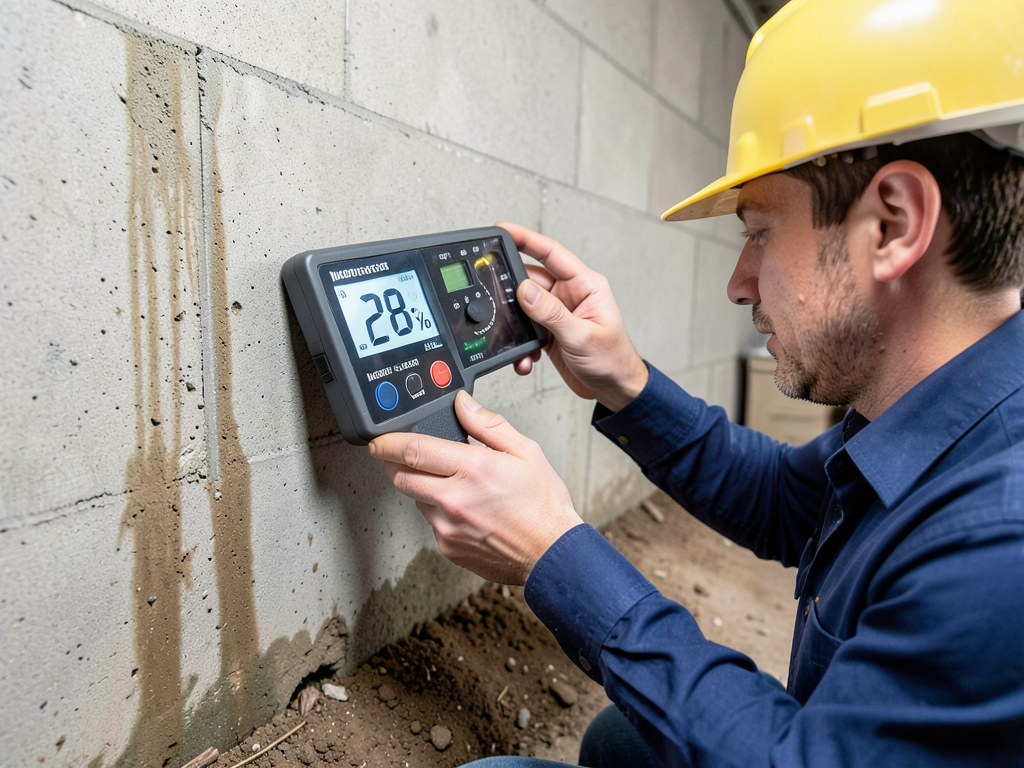
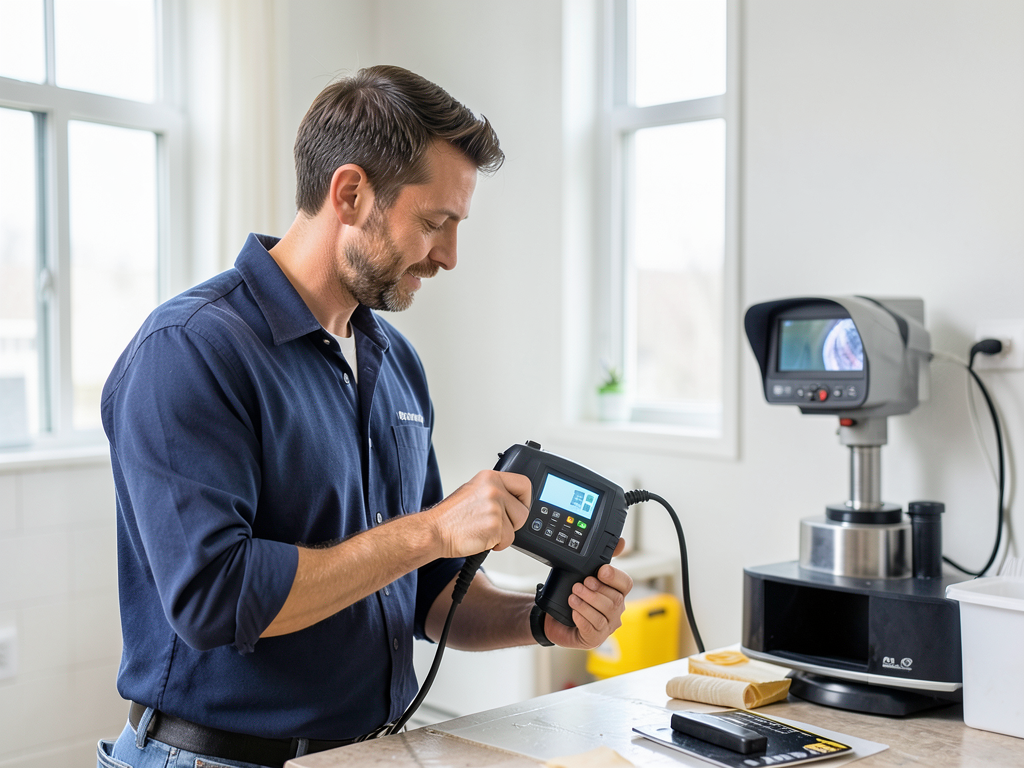
Moisture mapping with thermal imaging and deep-penetration meters identifies hidden water in concrete slab foundations and behind commercial wall assemblies. Sacramento's commercial construction uses different materials than residential builds. Tilt-up concrete panels, metal stud framing, and membrane roofing systems require different detection methods. We document moisture levels with calibrated meters, creating the data trail your insurance carrier and property manager require.

Antimicrobial application follows IICRC S500 standards for Category 2 and Category 3 water contamination. Commercial spaces cannot tolerate mold growth. We apply EPA-registered antimicrobials to all affected surfaces, then verify treatment with ATP testing. Your employees and customers need proof the space is safe, not just assurances.

Commercial restoration scheduling happens around your business hours. We can run equipment 24/7 but staff intensive work during closures. A restaurant gets overnight restoration. An office building gets weekend structural drying. Limiting business disruption means adapting to your calendar, not forcing you to adapt to ours.

The Commercial Water Damage Response Timeline

Business Interruption Mitigation in Sacramento – Industrial-Grade Water Damage Response That Keeps Your Business Operating
01

Emergency Deployment and Containment

Within 90 minutes of your call, our commercial response team arrives with truck-mounted extraction equipment and containment barriers. We establish work zones using poly sheeting and negative air pressure to isolate damaged areas from operational spaces. You get immediate water removal and a preliminary damage assessment that identifies which areas can remain functional. This first response determines whether you close completely or maintain partial operations.
02

Operational Damage Assessment

We map your facility into critical, secondary, and deferrable zones based on your business priorities. A retail space prioritizes customer-facing areas. A medical office prioritizes exam rooms and records storage. We create a restoration sequence that returns critical zones to service first, then addresses secondary spaces. You receive a written timeline showing when each zone becomes operational again. This assessment drives insurance documentation and helps you communicate with clients about service availability.
03

Phased Restoration and Reopening

Restoration proceeds in phases coordinated with your operational needs. We complete structural drying and antimicrobial treatment before reconstruction begins. Each phase ends with documented moisture readings and photographic evidence. You receive certificates of completion for insurance and regulatory compliance. Final walkthrough confirms all building systems function properly and indoor air quality meets OSHA standards. Your business reopens with confidence that the restoration was done right, not just done fast.

Why Sacramento Businesses Choose Fortress Water Damage Restoration

Sacramento's commercial building codes, enforced through the Development Services Department, require specific documentation for insurance claims and occupancy permits after water damage. We provide the detailed moisture logs, photographic evidence, and treatment records that satisfy both insurance adjusters and city inspectors. Most restoration companies provide a final invoice. We provide a compliance package.

Our equipment inventory includes redundant systems. When we commit to a 48-hour drying timeline for your facility, we have backup dehumidifiers and generators on standby. Other companies rent equipment as needed. Equipment shortages become your delays. We own our commercial-grade units outright, which means your timeline does not depend on rental availability.

We understand Sacramento's commercial real estate dynamics. Properties along J Street and Capitol Mall face different challenges than warehouse districts near Northgate or industrial zones near the Port. Historic buildings in Alkali Flat require different approaches than modern offices in Natomas. We have restored water damage in Sacramento retail spaces, medical offices, restaurants, warehouses, and professional buildings. Local experience means we already know your building type, your likely insurance carrier, and the city permit requirements.

Commercial water damage often involves third-party coordination. We communicate directly with your property manager, your insurance adjuster, your IT department, and your general contractor. You get a single point of contact who manages the entire restoration process. No phone tag between vendors. No scheduling conflicts. No finger-pointing when timelines slip.

What Your Business Can Expect During Commercial Restoration

Rapid Commercial Response Times

Commercial water damage cannot wait for business hours. We dispatch crews 24/7/365 with an average response time under 90 minutes throughout Sacramento County. Emergency calls receive priority routing to our commercial division, not general residential dispatch. You speak directly with a commercial project manager who understands business interruption costs. Our trucks carry commercial-grade equipment as standard load-out, which means we begin extraction immediately upon arrival rather than returning for specialized equipment. Night and weekend calls receive the same response priority as weekday emergencies.

Comprehensive Commercial Damage Assessment

Within four hours of arrival, you receive a written damage assessment with moisture readings, affected square footage, equipment requirements, and projected restoration timeline. We use thermal imaging to identify hidden moisture in walls, ceilings, and subflooring that standard meters miss. Assessment includes business impact analysis showing which operational areas can remain functional during restoration. We identify structural concerns, electrical hazards, and contamination risks that affect employee safety and liability exposure. This assessment becomes the foundation for your insurance claim and helps you make informed decisions about partial closure versus full shutdown.

Documented Restoration Standards

Every commercial project receives daily moisture readings logged in compliance with IICRC S500 standards. We document pre-loss conditions, damage extent, and restoration progress with timestamped photography. Antimicrobial treatments include product specifications and application rates for insurance and regulatory review. Final documentation includes certificates showing moisture levels returned to normal ranges and indoor air quality testing results. You receive both digital and physical copies of all documentation. This evidence package satisfies insurance requirements, protects you from liability claims, and provides proof of proper remediation if questions arise months later.

Post-Restoration Business Protection

Commercial restoration includes recommendations for preventing future water damage based on observed vulnerabilities in your facility. We identify plumbing system weaknesses, drainage problems, and maintenance issues discovered during restoration. Many commercial properties benefit from water detection systems in mechanical rooms, server closets, and other high-risk areas. We can install leak detection sensors that alert you to problems before they become disasters. Our relationship with your business does not end when equipment gets removed. You receive direct contact information for emergency callback if any concerns arise after restoration completes.

Frequently Asked Questions

You Have Questions,
We Have Answers

What does business interruption coverage cover? +

Business interruption coverage reimburses lost income when your Sacramento operation shuts down due to a covered peril like fire, storm, or water damage. It covers net profit you would have earned, ongoing fixed costs like rent and payroll, and temporary relocation expenses. The policy kicks in after direct property damage forces closure. For Sacramento businesses facing seasonal flood risks or commercial fire exposure, this coverage maintains cash flow during restoration. Coverage periods vary by policy, so review your terms. It does not cover pandemics, utility failures, or undamaged property that voluntarily closes.

What is mitigation in business? +

Mitigation in business means taking proactive steps to reduce risk exposure and minimize potential losses before, during, or after an operational disruption. For Sacramento commercial properties, mitigation includes installing backflow preventers to combat flooding from the American and Sacramento Rivers, implementing fire suppression systems, and developing continuity plans. Post-incident mitigation involves rapid response to water intrusion, securing damaged structures, and stabilizing operations to limit downtime. Effective mitigation reduces insurance claims, protects revenue streams, and ensures regulatory compliance. It is a fiduciary responsibility that directly impacts your bottom line and liability exposure.

What actions can be taken to reduce or mitigate business risks? +

Reduce business risks through documented emergency response protocols, redundant systems for critical operations, and regular facility inspections. Sacramento businesses should address flood vulnerabilities given proximity to river systems, install commercial-grade water detection systems, and maintain vendor relationships for rapid restoration services. Cross-train staff to handle multiple roles during disruptions. Conduct annual risk assessments identifying single points of failure. Implement cybersecurity measures and offsite data backups. Secure appropriate insurance limits based on actual exposure, not arbitrary figures. Establish alternative supplier networks and temporary workspace agreements before you need them. Prevention costs less than recovery.

What does business interuption insurance cover? +

Business interruption insurance covers lost net income, continuing fixed expenses, and extra costs incurred to maintain operations after a covered property loss forces closure. This includes payroll for key employees, rent or mortgage payments, loan obligations, and utility costs that continue during shutdown. For Sacramento retailers or office complexes impacted by water damage or fire, it covers revenue shortfalls during the restoration period. Policies also reimburse relocation costs if you operate from a temporary location. Coverage begins after property damage from insured perils and extends through the restoration period, subject to policy limits and waiting periods.

What is not covered under business interruption? +

Business interruption excludes losses from non-covered perils like pandemics, government shutdowns, utility outages, earthquakes (without separate coverage), and civil unrest. It does not cover lost income from undamaged locations that voluntarily close or operational inefficiencies unrelated to physical damage. For Sacramento businesses, flood damage may require separate flood insurance for interruption coverage. The policy excludes ordinary business slowdowns, market changes, and reputational harm without property damage. It will not pay if you fail to resume operations promptly or decline reasonable mitigation measures. Inadequate coverage limits create gaps when actual losses exceed policy maximums.

What is the 80% rule in insurance? +

The 80% rule means you must insure your property for at minimum 80% of its replacement value to avoid coinsurance penalties. If your Sacramento commercial building has a $1 million replacement cost, you need $800,000 in coverage. Underinsuring triggers proportional claim reductions even on partial losses. For a $100,000 claim with only $600,000 coverage on that $1 million building, you receive 75% of the loss because you carry 75% of the required amount. This rule protects insurers from adverse selection and incentivizes adequate coverage. Review property values annually as Sacramento construction costs fluctuate.

What are 5 examples of mitigation? +

Five mitigation examples include installing automatic water shutoff valves to prevent flooding in Sacramento commercial spaces, implementing fire-resistant building materials and sprinkler systems, establishing offsite data backup protocols, creating supplier diversification to avoid single-source dependency, and conducting quarterly emergency response drills. For warehouses near the Port of Sacramento, elevating inventory above flood levels mitigates water damage risk. Seismic retrofitting addresses earthquake vulnerability in older structures. Maintaining HVAC systems prevents mold growth in humid conditions. Each measure reduces specific risk exposures that threaten operational continuity and profitability. Document all mitigation efforts for insurance underwriting and claim defense.

What are the 4 types of mitigation? +

The four mitigation types are avoidance, reduction, transfer, and acceptance. Avoidance eliminates risk by not engaging in the activity, like relocating from a Sacramento floodplain. Reduction minimizes impact through preventive measures like fire suppression or backup generators. Transfer shifts financial burden to insurers or contractors through policies and indemnification clauses. Acceptance means acknowledging residual risk and budgeting for potential losses when mitigation costs exceed benefits. Sacramento businesses use combinations based on risk severity and likelihood. Commercial properties near waterways emphasize reduction and transfer. Manufacturing operations focus on reduction and acceptance for operational hazards inherent to production processes.

What is included in mitigation? +

Mitigation includes risk assessment identifying vulnerabilities, preventive measures reducing likelihood or severity, emergency response protocols minimizing damage during incidents, and recovery strategies restoring operations quickly. For Sacramento commercial properties, this encompasses structural hardening like backflow preventers, monitoring systems detecting problems early, staff training ensuring proper response, vendor agreements guaranteeing rapid restoration, and business continuity plans maintaining critical functions. It also involves documentation supporting insurance claims and regulatory compliance. Effective mitigation integrates physical safeguards, procedural controls, financial instruments like insurance, and organizational resilience. The goal is reducing total cost of risk across prevention, response, and recovery phases.

What are the 4 mitigation strategies? +

The four mitigation strategies are risk avoidance, risk reduction, risk sharing, and risk retention. Avoidance eliminates exposure by changing operations or locations away from Sacramento flood zones. Reduction implements controls like fire suppression or water detection to limit damage severity. Sharing transfers financial consequences through insurance policies, contractual indemnification, or partnerships distributing liability. Retention accepts certain risks and budgets for potential losses when transfer costs exceed benefits. Commercial operations combine strategies based on risk analysis. High-frequency, low-severity risks suit retention. Low-frequency, high-severity events like catastrophic water damage require sharing through adequate insurance limits and rapid professional restoration response.

How Sacramento's Aging Infrastructure Increases Commercial Water Damage Risk

Sacramento's commercial districts rely on water and sewer infrastructure installed during the 1950s and 1960s expansion. Cast iron supply lines and clay sewer pipes serving properties along K Street, Capitol Mall, and throughout Midtown reach end-of-service life this decade. Winter storms that dump several inches of rain in 24-hour periods overwhelm combined sewer systems, causing backups in commercial basements and ground-floor spaces. The Sacramento Area Sewer District prioritizes residential upgrades over commercial infrastructure, which means your business bears the risk. Business interruption mitigation requires understanding these local vulnerabilities and responding faster than the infrastructure can fail.

Sacramento businesses need restoration partners who understand local building codes and permit requirements. The city's Development Services Department requires specific documentation for commercial properties returning to occupancy after water damage. We maintain working relationships with Sacramento inspectors and understand which restoration scenarios trigger permit requirements versus which qualify for emergency repairs. Our documentation meets both insurance carrier standards and city compliance requirements. Choosing a restoration company without Sacramento commercial experience means delays waiting for proper permits or facing compliance issues during insurance claim review.
Water Damage Restoration Services in The Sacramento Area

Fortress Water Damage Restoration proudly serves the greater Sacramento area, including all surrounding neighborhoods and communities. We are committed to providing fast and reliable service wherever you are. To get an idea of our service area or to visit our office, please use the interactive map below. Our team is ready to respond to your needs, so don't hesitate to reach out for immediate assistance or to schedule a consultation.

Address:
Fortress Water Damage Restoration Sacramento, 2109 Del Paso Blvd, Sacramento, CA, 95815

Additional Services We Offer

Our news updates

Latest Articles & News from The Blogs

Why a Leaky Pool Pump Can Damage Your Home Foundation in the Sacramento Heat Pool equipment leaks in Sacramento homes…

Why a Leaky Pool Pump Can Damage Your Home Foundation in the Sacramento Heat

Why a Leaky Pool Pump Can Damage Your Home Foundation in the Sacramento Heat Pool equipment leaks in Sacramento homes…

Your Rights and Next Steps When a Neighbor Overflows Their Sink in a Sacramento High Rise

Your Rights and Next Steps When a Neighbor Overflows Their Sink in a Sacramento High Rise When a neighbor's sink…

Protecting Your Finished Basement in Old North Sacramento from Rising Ground Water

Protecting Your Finished Basement in Old North Sacramento from Rising Ground Water Your finished basement in Old North Sacramento sits…

Contact Us

Every hour of downtime costs revenue your business cannot recover. Call Fortress Water Damage Restoration Sacramento now at (916) 222-9262 for immediate commercial water damage response. We deploy within 90 minutes with the equipment and expertise to minimize business interruption and get your facility operational again.