




Menu

How Long Does Drying Take in Sacramento? Get Accurate Timelines from Certified Technicians

Understanding how long does drying take after water damage is critical to preventing mold growth and structural decay in Sacramento homes. Our IICRC-certified team provides realistic timelines based on damage severity, materials affected, and local humidity conditions.

Slider Image 1
Slider Image 2
Slider Image 3
Slider Image 4
Slider Image 5
Slider Image 7
Slider Image 8
Slider Image 9
Slider Image 10
Slider Image 11

Why Water Damage Drying Time Varies Dramatically in Sacramento

You cannot predict structural drying duration by looking at a puddle. The answer to how long drying takes depends on variables most homeowners never consider. Sacramento's Mediterranean climate creates a specific challenge. While summers stay bone-dry with single-digit humidity, winter months bring moisture-laden air that slows evaporation rates considerably. A flooded living room in July might dry in three days. The same damage in January could take seven.

Water restoration drying timeline extends when moisture penetrates porous materials. Drywall absorbs water like a sponge. Hardwood flooring cups and warps as moisture migrates through wood grain. Concrete slab foundations in older Sacramento neighborhoods hold moisture for weeks because builders poured them directly on soil without vapor barriers. The type of water matters too. Clean water from a burst pipe dries faster than contaminated water from a sewer backup, which requires antimicrobial treatment that adds days to the drying process length.

Temperature affects evaporation speed. Sacramento homes without climate control during vacant periods create ideal conditions for prolonged moisture retention. Humidity levels inside the structure must drop below 50 percent to halt microbial growth. You need commercial dehumidifiers running continuously, not box fans from the hardware store. Air movers create circulation patterns that drive moisture from materials into the air where dehumidifiers extract it. This process cannot be rushed. Trying to accelerate structural drying duration by cranking up heat or adding more fans without proper moisture monitoring leads to surface drying while deep moisture remains trapped, breeding mold behind walls where you cannot see it.

Why Water Damage Drying Time Varies Dramatically in Sacramento
The Science Behind Professional Water Damage Drying Methods

The Science Behind Professional Water Damage Drying Methods

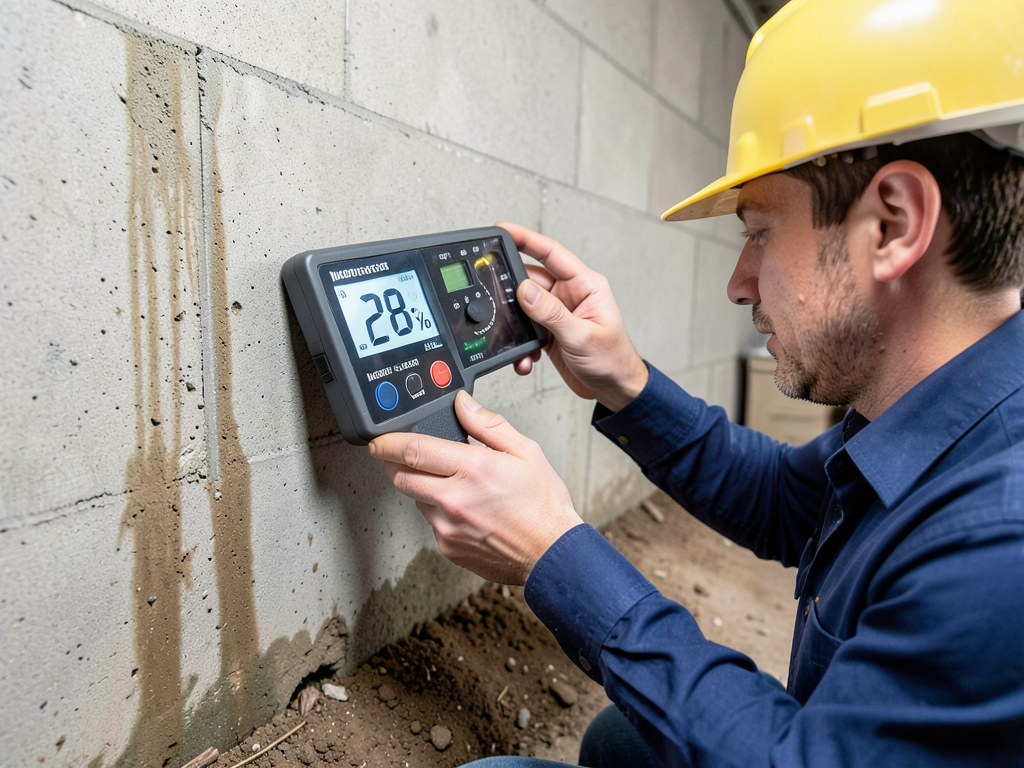
Professional water damage drying time follows psychrometric principles, not guesswork. We measure moisture content using penetrating and non-penetrating meters that read exact moisture levels in wood, drywall, and concrete. Every material has a dry standard. For framing lumber in Sacramento, that number sits around 12 percent moisture content. Anything above that reading means drying continues.

The drying process length depends on creating a negative vapor pressure gradient. Air movers positioned at specific angles create airflow patterns that pull moisture from wet materials. Dehumidifiers extract water vapor from the air, lowering relative humidity inside the affected space. This humidity differential forces moisture out of materials through evaporation. Temperature matters because warm air holds more moisture than cold air. We maintain temperatures between 70 and 80 degrees to optimize evaporation rates without causing secondary damage to finishes.

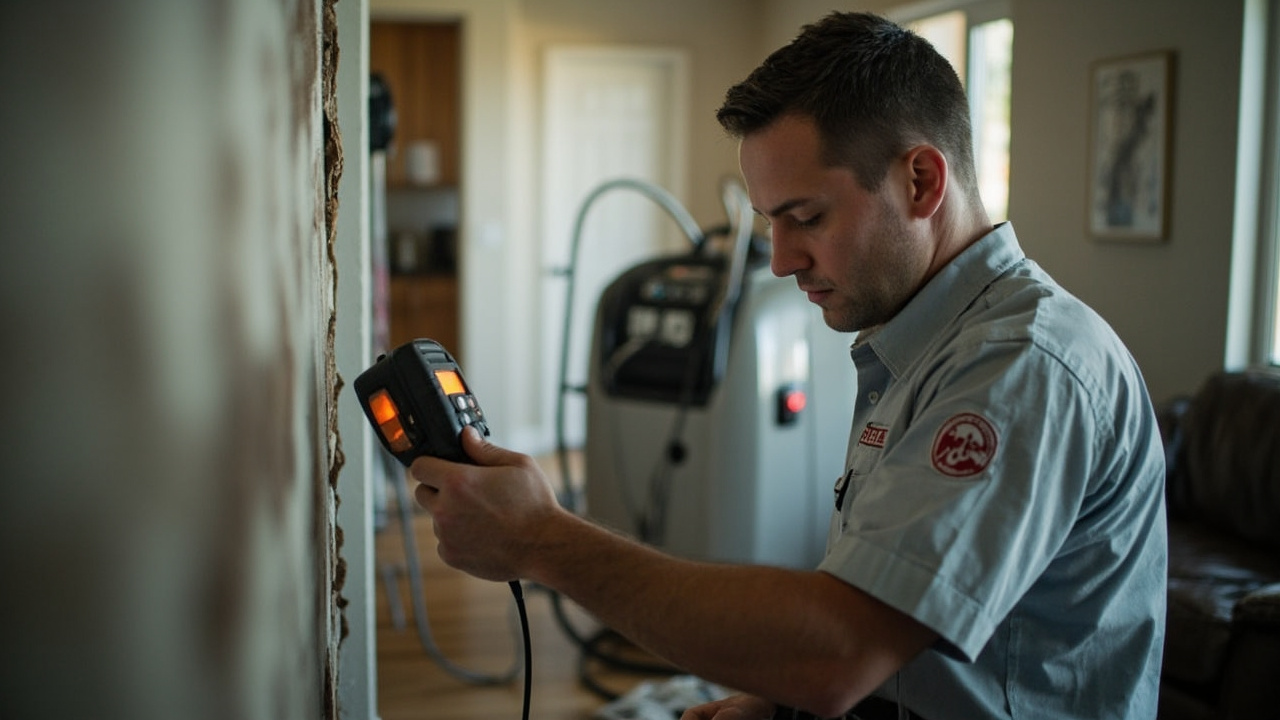
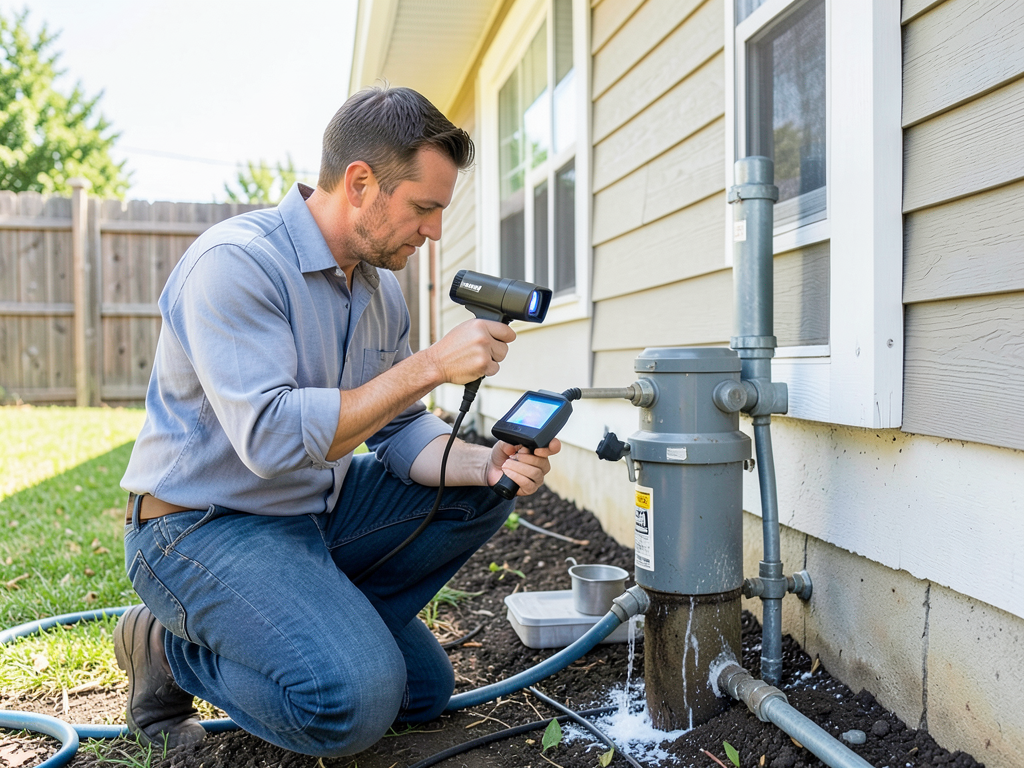
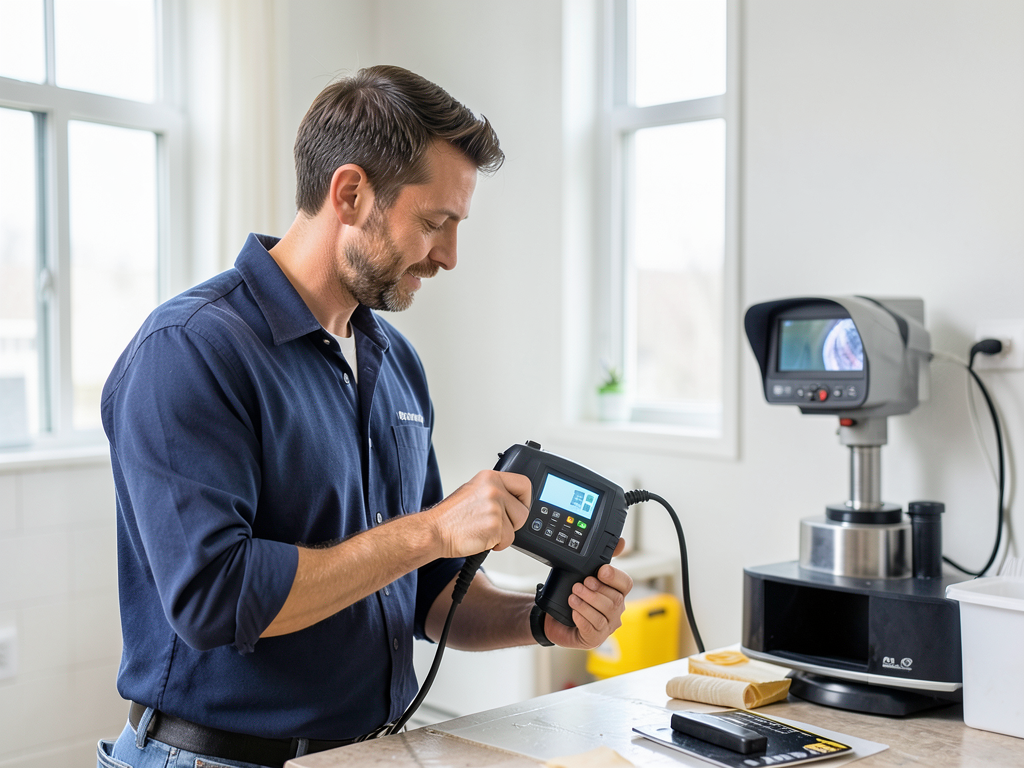
Containment barriers prevent moisture migration to unaffected areas. We seal doorways with poly sheeting and create negative air pressure in damaged zones. This prevents your hallway from developing elevated humidity readings while we dry out your bathroom. Monitoring happens twice daily using thermal imaging cameras that show temperature differentials indicating moisture presence behind surfaces. Moisture mapping tracks drying progress across multiple days.

Water restoration drying timeline includes documentation at every phase. Initial readings establish baseline moisture levels. Daily readings track progress toward dry standards. Final readings confirm complete drying before reconstruction begins. Sacramento homes built before 1980 often have plaster walls that require longer structural drying duration than modern drywall because plaster density slows moisture release. We adjust equipment placement and drying goals based on construction materials specific to your home's era and neighborhood.

What Happens During the Complete Drying Timeline

How Long Does Drying Take in Sacramento? Get Accurate Timelines from Certified Technicians
01

Initial Damage Assessment

Our technicians document moisture readings throughout affected areas using calibrated meters. We measure floors, walls, ceilings, and contents to establish a moisture map. This baseline data determines equipment needs and provides an accurate estimate for how long does drying take in your specific situation. We photograph damage and create detailed notes for insurance documentation. You receive a written drying plan with estimated completion timeline based on material types and saturation levels found during inspection.
02

Active Drying Phase

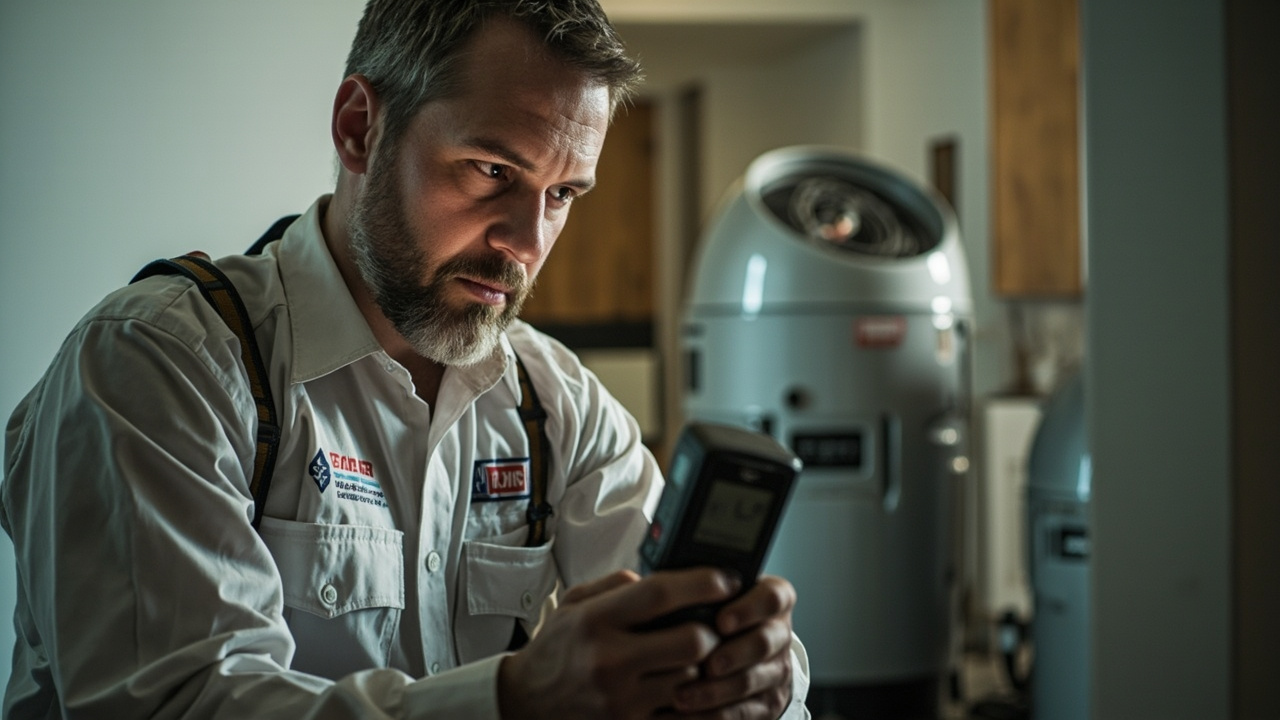
Industrial dehumidifiers and air movers run continuously to remove moisture from your property. We position equipment based on airflow science and moisture readings, not convenience. Technicians visit your property daily to download data from monitoring equipment, adjust airflow patterns, and take new moisture readings. You see exactly where moisture levels stand compared to dry standards. This phase typically runs three to five days for standard Category 1 water damage in Sacramento homes, longer for severe saturation or Category 2 and 3 contamination.
03

Drying Verification and Clearance

Final moisture readings confirm all materials meet dry standards before we remove equipment. We provide documentation showing moisture content progression from initial wet readings to final dry readings. This verification protects you from hidden moisture that breeds mold weeks later. Once structures pass final inspection, we issue a certificate of completion. Your property is certified dry and ready for repairs. Insurance carriers require this documentation to process claims and authorize reconstruction work, making verification a critical final step in the water restoration drying timeline.

Why Sacramento Property Owners Choose Fortress for Structural Drying

Sacramento water damage demands local expertise. Homes in neighborhoods like Land Park, Curtis Park, and East Sacramento feature construction methods specific to different building eras. A 1920s Craftsman in Curtis Park has lathe and plaster walls that trap moisture differently than a 1970s ranch in Arden-Arcade with drywall construction. We know these differences because we work in these neighborhoods daily.

Our technicians hold IICRC certifications in Water Damage Restoration and Applied Structural Drying. These credentials require ongoing education in building science, psychrometrics, and proper drying techniques. Certification matters because incorrect drying creates liability. Surface-dry materials with trapped moisture lead to mold claims months after restoration companies leave. We document every reading and follow industry standards because your property deserves proper restoration, not quick fixes.

Equipment quality determines drying efficiency. We deploy commercial-grade refrigerant and desiccant dehumidifiers rated to extract specific pounds of water per day. Our air movers create measured cubic feet per minute airflow patterns based on room volume calculations. Moisture detection equipment includes thermal imaging cameras that show wet areas invisible to the naked eye. This technology investment translates to faster, more complete drying for your property.

Local responsiveness matters during water emergencies. We answer calls directly, not through offshore call centers. Our trucks carry equipment ready for immediate deployment. We understand how Sacramento's seasonal weather patterns affect drying timelines and adjust expectations accordingly. Winter jobs take longer than summer jobs. We tell you this upfront with accurate timelines based on current conditions, not optimistic guesses designed to win your business. Fortress Water Damage Restoration Sacramento builds trust through transparency and delivers results through proven methodology.

What You Can Expect from Professional Structural Drying Services

Response Time and Equipment Deployment

Water damage demands immediate action. Mold spores begin colonizing within 24 to 48 hours in moisture-rich environments. We arrive with truck-mounted extraction equipment, industrial dehumidifiers, and air movers ready for deployment. Initial water removal happens within hours of your call. Drying equipment starts working immediately after extraction completes. Our techs explain equipment placement, noise levels, and electrical requirements before leaving your property. You receive direct contact numbers for technicians assigned to your job, not a generic office line. Daily monitoring visits happen at scheduled times convenient for your schedule, ensuring you stay informed throughout the entire structural drying duration without disrupting your routine.

Moisture Monitoring and Progress Tracking

Guessing when materials reach dry standards causes problems. We measure, document, and track moisture content daily using calibrated equipment. Each visit includes new readings plotted against baseline measurements from day one. You see numerical proof that moisture levels drop consistently toward dry standards. We share thermal images showing temperature differentials that indicate remaining moisture pockets. This transparency eliminates uncertainty about water damage drying time. You know exactly where the drying process stands and when completion is realistic. Insurance adjusters receive the same documentation, streamlining claims processing. Detailed moisture logs protect you from disputes about whether drying was complete before reconstruction began. Our monitoring process follows ANSI/IICRC S500 standards, the industry benchmark for water damage restoration.

Final Results and Structural Integrity

Proper structural drying preserves your property's integrity and value. We dry materials to their pre-loss moisture content, preventing warping, cupping, delamination, and microbial growth. Wood flooring returns to stable moisture levels without permanent cupping damage. Drywall dries without crumbling or losing structural strength. Subfloors reach safe moisture levels that prevent future mold growth under finished flooring. You receive documentation certifying complete drying with final moisture readings for every affected material. This certificate protects your property value and provides proof of professional restoration if you sell your home later. Proper drying eliminates musty odors that indicate trapped moisture. Your property smells clean because it is genuinely dry, not masked with fragrances or ozone treatments that hide problems temporarily.

Post-Drying Support and Reconstruction Coordination

Drying completion is not abandonment. We coordinate with your insurance carrier and reconstruction contractors to ensure smooth transitions between restoration phases. Our documentation packages include all moisture readings, equipment logs, and photographic evidence required for insurance claims. We answer questions from adjusters, contractors, and inspectors about our drying methods and results. If reconstruction reveals hidden damage missed during initial assessment, we provide supplemental documentation supporting additional claim submissions. Many Sacramento homeowners choose our reconstruction division to handle repairs after drying completes, eliminating coordination headaches between multiple contractors. Whether you use our rebuild services or hire separate contractors, we remain available to address questions about the drying process and certified results for 90 days after project completion.

Frequently Asked Questions

You Have Questions,
We Have Answers

How long does normal drying take? +

Normal drying time for water damage restoration in Sacramento takes 3 to 5 days under ideal conditions. This timeline depends on the extent of water intrusion, affected materials, and humidity levels. Hardwood floors, drywall, and insulation absorb moisture differently. Professional equipment like air movers and dehumidifiers accelerate the process. Sacramento's dry climate helps, but summer heat can complicate indoor humidity control. Structural drying requires daily moisture readings to confirm progress. Skipping proper drying invites mold growth within 24 to 48 hours. Always rely on certified technicians who use thermal imaging and moisture meters to verify complete dryness before reconstruction begins.

Is 40 minutes enough for a dryer? +

For water damage drying equipment in Sacramento, 40 minutes is not enough. Industrial air movers and dehumidifiers run continuously for days, not minutes. A single drying cycle takes 72 hours minimum for most residential water damage. Wet drywall, subflooring, and insulation hold moisture deep within. Sacramento homes with stucco exteriors or older construction may trap water longer. Professionals monitor moisture levels every 24 hours. Turning off equipment too early causes hidden mold and structural rot. You need sustained airflow and dehumidification to pull moisture from building materials. Quick fixes fail. Proper drying protects your investment and prevents costly secondary damage down the line.

Is it normal for a dryer to take 3 hours? +

No, water damage drying should not take 3 hours. Structural drying in Sacramento requires 3 to 5 days of continuous equipment operation. If a contractor promises complete drying in hours, walk away. Water penetrates deep into framing, insulation, and subfloors. Surface drying means nothing. Sacramento's low humidity helps evaporation, but you still need professional dehumidifiers and air movers running around the clock. Moisture meters must confirm materials return to acceptable levels, typically below 15 percent moisture content. Rushing the process leads to warped floors, peeling paint, and mold colonies. Trust the science. Drying takes days, not hours. Verify completion with documentation before moving forward.

Is 30 minutes enough to dry clothes? +

Thirty minutes is insufficient for water damage drying in Sacramento. Structural materials like drywall, plywood, and framing lumber require days to dry properly. Even surface water on tile or concrete needs hours with industrial fans. Sacramento homes often have dual-pane windows and insulated walls that trap moisture. A half-hour drying attempt leaves dampness behind, creating perfect conditions for mold spores to colonize. Professional restoration uses thermal imaging to detect hidden moisture pockets you cannot see. Equipment runs continuously for 72 hours minimum. Cutting corners now means tearing out moldy materials later. Do it right the first time. Proper drying protects your family and your property value.

Can overloading a dryer cause damage? +

Yes, overloading water damage drying equipment causes inefficiency and longer drying times in Sacramento. Crowding air movers or blocking dehumidifier intakes restricts airflow. Wet materials need direct air circulation to evaporate trapped moisture. Packing too much furniture or debris in the drying zone slows the process significantly. Sacramento humidity levels fluctuate, and poor equipment placement extends timelines from days to weeks. Professionals space air movers strategically to create continuous airflow across all affected surfaces. Dehumidifiers need clearance to pull moisture from the air effectively. Overloading also risks equipment failure. Give your drying setup room to work. Proper placement cuts drying time and prevents mold growth in hidden areas.

Is it cheaper to air dry or use a dryer? +

For water damage restoration in Sacramento, you cannot air dry structural materials safely. Professional equipment is required. Air drying works for laundry, not flooded homes. Sacramento's dry climate helps evaporation, but relying on passive airflow invites mold growth within 48 hours. Hidden moisture in wall cavities, subfloors, and insulation remains undetected without moisture meters. Dehumidifiers and air movers cost money upfront but prevent tens of thousands in mold remediation and reconstruction later. Insurance typically covers professional drying. Skipping equipment to save money backfires. You need controlled drying with daily monitoring. Air drying fails when water penetrates building materials. Invest in proper restoration to protect your home.

How to speed up a dryer? +

Speed up water damage drying in Sacramento by using more air movers and dehumidifiers. Increase airflow across all wet surfaces. Open cabinets, closets, and remove baseboards to expose hidden moisture. Run HVAC systems to circulate air throughout the structure. Remove wet materials like padding, insulation, and damaged drywall immediately. These trap moisture and slow the process. Sacramento homes with tile floors dry faster than carpeted areas. Position equipment strategically to target the wettest zones first. Monitor moisture levels daily with meters. Raising indoor temperatures slightly can boost evaporation rates. Never skip professional equipment. Speed matters, but thoroughness prevents future problems. Document progress with readings to confirm complete drying.

How long is too long in a dryer? +

Leaving water damage drying equipment running too long is rare. Most Sacramento jobs require 3 to 5 days of continuous operation. The real risk is stopping too soon, not too late. Over-drying is nearly impossible with professional dehumidifiers. Materials reach equilibrium moisture content and stop releasing water. However, running equipment beyond necessary completion wastes electricity. Technicians use moisture meters to determine exact endpoints. Once readings stabilize at acceptable levels for 24 hours, you can shut down. Never guess. Sacramento humidity fluctuates seasonally, so summer jobs may dry faster than winter flooding. Trust the data, not the calendar. Proper monitoring prevents both under-drying and unnecessary equipment runtime.

Does putting a towel in the dryer help? +

Throwing a towel in a clothes dryer helps absorb moisture and speed drying. This trick does not apply to water damage restoration in Sacramento. Structural drying requires industrial dehumidifiers, not household hacks. Water in drywall, flooring, and framing needs targeted airflow and moisture extraction. A towel cannot pull water from behind walls or beneath subfloors. Sacramento professionals use air movers positioned at specific angles to create continuous evaporation. Dehumidifiers remove airborne moisture before it condenses elsewhere. Home remedies waste critical time. Mold grows within 48 hours of water exposure. Skip the DIY approach. Use certified equipment and trained technicians to protect your property from permanent damage.

Why are my clothes still wet after 2 hours in the dryer? +

If materials remain wet after 2 hours of drying in Sacramento, you likely have inadequate equipment or hidden moisture sources. Structural water damage requires days, not hours, to resolve. Wet drywall, insulation, and subflooring hold moisture deep within. Surface drying misleads you into thinking the problem is solved. Sacramento homes with stucco or older construction trap water in wall cavities. You need professional moisture meters and thermal imaging to locate hidden wetness. Check for clogged dehumidifier filters, blocked air movers, or insufficient equipment capacity. One small fan cannot dry a flooded room. Call certified technicians who monitor progress daily. Persistent wetness signals improper drying methods or ongoing leaks requiring immediate professional assessment.

How Sacramento's Seasonal Humidity Swings Affect Water Restoration Drying Timelines

Sacramento experiences dramatic seasonal humidity shifts that directly impact structural drying duration. Summer months bring single-digit humidity levels and triple-digit temperatures, creating ideal evaporation conditions. Winter rainy season pushes indoor humidity above 60 percent, slowing moisture release from saturated materials considerably. Homes near the American River or Sacramento River face elevated baseline humidity year-round due to proximity to water sources. Older neighborhoods like Elmhurst and Tahoe Park feature homes built before modern vapor barriers became standard, allowing ground moisture to migrate through concrete slabs. These construction realities mean water damage drying time in January takes nearly twice as long as identical damage in August. Professional restoration accounts for these seasonal variables when estimating realistic drying process length for your specific situation and timeframe.

Sacramento County building codes require proper moisture remediation before reconstruction begins, but enforcement depends on inspector knowledge and contractor integrity. Fortress Water Damage Restoration Sacramento maintains relationships with local building inspectors and understands permit requirements for significant water damage repairs. We document drying completion to standards that satisfy the strictest inspectors, protecting you from failed inspections that delay reconstruction and increase costs. Our familiarity with Sacramento's diverse housing stock, from Victorian homes in Alkali Flat to mid-century ranches in Carmichael, ensures appropriate drying techniques for your property's specific construction type. Local expertise prevents the generic approach that leads to incomplete drying and future problems. When you hire technicians who understand Sacramento's climate, construction history, and regulatory environment, you get water restoration drying timelines based on reality, not national averages that do not apply here.
Water Damage Restoration Services in The Sacramento Area

Fortress Water Damage Restoration proudly serves the greater Sacramento area, including all surrounding neighborhoods and communities. We are committed to providing fast and reliable service wherever you are. To get an idea of our service area or to visit our office, please use the interactive map below. Our team is ready to respond to your needs, so don't hesitate to reach out for immediate assistance or to schedule a consultation.

Address:
Fortress Water Damage Restoration Sacramento, 2109 Del Paso Blvd, Sacramento, CA, 95815

Additional Services We Offer

Our news updates

Latest Articles & News from The Blogs

Why a Leaky Pool Pump Can Damage Your Home Foundation in the Sacramento Heat Pool equipment leaks in Sacramento homes…

Why a Leaky Pool Pump Can Damage Your Home Foundation in the Sacramento Heat

Why a Leaky Pool Pump Can Damage Your Home Foundation in the Sacramento Heat Pool equipment leaks in Sacramento homes…

Your Rights and Next Steps When a Neighbor Overflows Their Sink in a Sacramento High Rise

Your Rights and Next Steps When a Neighbor Overflows Their Sink in a Sacramento High Rise When a neighbor's sink…

Protecting Your Finished Basement in Old North Sacramento from Rising Ground Water

Protecting Your Finished Basement in Old North Sacramento from Rising Ground Water Your finished basement in Old North Sacramento sits…

Contact Us

Stop guessing about water damage drying time. Call Fortress Water Damage Restoration Sacramento at (916) 222-9262 for professional moisture assessment and realistic timelines based on your specific damage. Our certified technicians provide transparent estimates and documented results you can trust.