




West Sacramento sits at the confluence of the Sacramento River and the Deep Water Ship Channel, making flood risk a constant reality for properties in neighborhoods like Bridgeway Lakes and Riverpoint. The city's low elevation and proximity to major waterways means seasonal flooding threats from November through March when atmospheric rivers dump heavy rain across Northern California. Spring snowmelt from the Sierra Nevada adds pressure to the levee system protecting areas like Washington and Broderick.
Beyond natural flooding, West Sacramento's aging housing stock in historic neighborhoods contains galvanized pipes installed in the 1950s and 1960s that corrode from the inside out. When these pipes fail, they release hundreds of gallons before homeowners even notice. The region's clay-heavy soil holds moisture against foundations, creating hydrostatic pressure that forces groundwater through basement walls and floor cracks. Summer heat that regularly exceeds 100 degrees stresses plumbing systems and causes supply lines to burst when thermal expansion weakens connection points.
Properties near the Port of Sacramento industrial zone face additional risks from commercial water main breaks that can flood entire streets within minutes. The combination of natural and infrastructure-related water threats makes professional water damage restoration essential for protecting West Sacramento real estate investments.
Fortress Water Damage Restoration Sacramento built our reputation responding to West Sacramento emergencies when other companies could not mobilize. We maintain response vehicles and equipment staged specifically for rapid deployment to Yolo County properties, which means we reach flooded homes in Southport or Washington within 45 minutes of your call, not three hours later when water has already soaked through subflooring and drywall.
Our technicians hold IICRC Water Restoration Technician certification and complete annual continuing education on the latest drying science and moisture detection technology. We do not guess about hidden water. Our thermal imaging cameras identify moisture trapped inside wall cavities and beneath flooring before it creates mold growth that requires expensive remediation. We use truck-mounted extraction units that remove standing water five times faster than portable shop vacuums, and our commercial-grade dehumidifiers create controlled drying environments based on psychrometric calculations, not guesswork.
Insurance companies recognize our documentation standards. We photograph every stage of water damage, measure moisture levels with calibrated meters that generate court-admissible data logs, and provide detailed estimates that justify claim amounts. Property owners receive copies of all documentation, which protects you if insurers dispute coverage. We have successfully processed over 2,000 insurance claims for West Sacramento residents, and we know exactly what State Farm, Farmers, and Allstate require for fast claim approval.
We also understand that water damage creates chaos when you least expect it. Our project managers communicate daily about drying progress, and we coordinate with your plumber, electrician, or contractor to schedule repairs in the correct sequence. You get one point of contact who manages the entire restoration timeline from water extraction through final repairs.

We stage equipment and response vehicles in West Sacramento for rapid deployment to water emergencies. When you call our 24-hour dispatch line, we mobilize immediately with truck-mounted extraction units and industrial drying equipment. Our crews arrive within 45 minutes across Yolo County because water damage worsens exponentially in the first three hours after flooding starts.

Every technician on our water restoration crews holds current Water Restoration Technician certification from the Institute of Inspection, Cleaning and Restoration Certification. We follow ANSI-approved standards for water classification, structural drying, and antimicrobial treatment. Our certifications give insurance adjusters confidence in our methodology, which accelerates claim processing and gets you paid faster.
We have processed over 2,000 water damage insurance claims for West Sacramento property owners. Our estimators know exactly what documentation State Farm, Allstate, and Farmers require for fast approval. We photograph damage progression, generate moisture meter logs with timestamps, and provide detailed scope-of-work estimates that justify every line item. You receive copies of all documentation to protect your interests.
We have restored water-damaged properties in every West Sacramento neighborhood from Bridgeway Lakes to historic Broderick. Our technicians understand local construction methods, levee system vulnerabilities, and seasonal flood patterns that affect Yolo County homes. We maintain relationships with West Sacramento building inspectors and know municipal requirements for structural drying documentation and mold prevention protocols.
Water damage restoration requires far more than removing standing water with a shop vacuum. Successful mitigation depends on understanding water behavior in building materials, calculating vapor pressure differentials, and creating controlled drying environments that prevent secondary damage. Fortress Water Damage Restoration Sacramento provides comprehensive water removal services that address immediate flooding emergencies and long-term structural drying needs.
Our service categories cover the full spectrum of water damage scenarios West Sacramento property owners face. We handle sudden catastrophic flooding from burst pipes and appliance failures that dump hundreds of gallons within minutes. We also manage slow-developing moisture intrusion from foundation leaks and roof damage that saturates building materials over weeks or months. Our teams respond to sewage backups that require specialized cleaning protocols and to clean water events like supply line breaks that still threaten structural integrity if not dried properly.
Each service category uses specific equipment, follows distinct safety protocols, and requires different insurance documentation. We match our response to your specific water damage situation, which prevents over-treatment that wastes money and under-treatment that leads to mold growth. Our technicians assess water source, contamination level, and affected materials before designing a customized restoration plan for your West Sacramento property.
When flooding strikes your home at 2 AM, you need immediate water removal before saturation destroads drywall and subflooring. Our emergency extraction service mobilizes within 45 minutes with truck-mounted pumps that remove standing water at 200 gallons per minute. We follow extraction with industrial air movers and commercial dehumidifiers positioned according to psychrometric calculations that optimize drying efficiency. Our crews monitor moisture levels every 24 hours until materials return to dry standard, which prevents mold growth and structural damage.
River flooding and severe storms contaminate properties with bacteria, sewage, and chemical runoff that require specialized cleaning protocols. Our flood restoration service removes contaminated materials like carpet padding and drywall that cannot be salvaged. We treat remaining surfaces with EPA-registered antimicrobial solutions that kill pathogens and prevent biological growth. Our teams coordinate with your insurance adjuster to document flood damage extent, which supports claim justification. We also handle contents cleaning for furniture and personal items affected by floodwater.
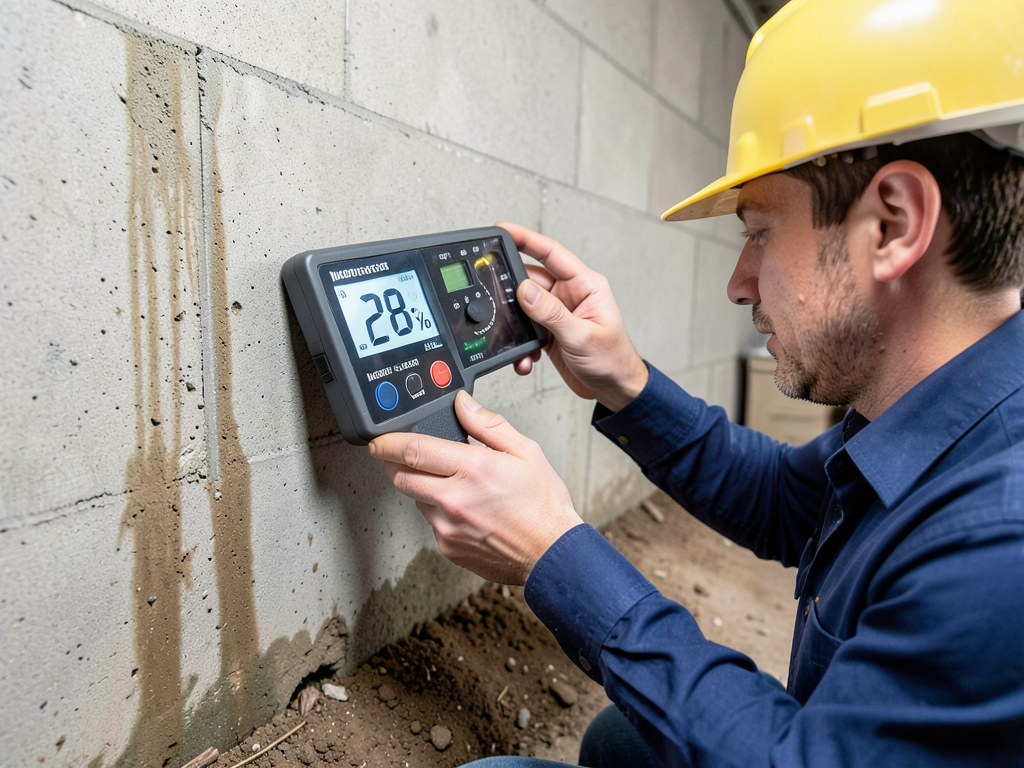
Unexplained water stains, musty odors, and elevated water bills signal hidden leaks inside walls and beneath slabs. Our leak detection service uses thermal imaging cameras that identify temperature differentials caused by active water flow behind finished surfaces. We also employ moisture meters that penetrate materials without destructive testing. Once we locate the leak source, we coordinate with licensed plumbers to access and repair pipes, then dry affected building cavities. Early leak detection prevents catastrophic failures that require extensive demolition and reconstruction.
West Sacramento's unique geography and aging infrastructure create specific water damage vulnerabilities that property owners must address. The city's position below major river systems means groundwater tables rise during winter rain and spring snowmelt, which increases hydrostatic pressure against basement walls and slab foundations. Historic neighborhoods contain houses built before modern building codes required proper foundation waterproofing and drainage systems.
Commercial properties near the Port of Sacramento and industrial zones face risks from aging water mains installed in the 1960s and 1970s. When these large-diameter pipes fail, they flood streets and adjacent buildings with thousands of gallons before utility workers can shut down supply valves. The region's hard water also accelerates corrosion inside galvanized pipes and water heater tanks, which leads to pinhole leaks and catastrophic ruptures.
Summer heat that regularly exceeds 100 degrees stresses cooling systems and increases air conditioning condensate production. When condensate drains clog or disconnection, hidden water accumulates inside wall cavities and attic spaces until homeowners notice ceiling stains or mold growth. Understanding these local water damage patterns helps property owners identify problems early and respond quickly when disasters strike.
Properties near the Sacramento River and Deep Water Ship Channel face flooding threats during atmospheric river storms that dump heavy rain from November through March. Levee systems protecting neighborhoods like Bryte and Broderick develop seepage points that allow groundwater to infiltrate crawl spaces and basements. We respond to levee seepage events with submersible pumps and barrier installation that prevents interior flooding until water levels recede.
Homes built before 1970 in Washington and Southport contain galvanized steel pipes that corrode from mineral deposits in West Sacramento's hard water supply. These pipes develop pinhole leaks and catastrophic ruptures that flood interiors with hundreds of gallons before residents can locate shutoff valves. Our extraction teams respond immediately to pipe burst emergencies and coordinate with plumbers to replace failed supply lines while we dry affected structures.
West Sacramento sits on clay-heavy soil that expands when saturated and contracts during summer drought. This seasonal movement creates foundation cracks that allow groundwater to seep into basements and crawl spaces. Properties in Bridgeway Lakes and Riverpoint particularly struggle with foundation moisture intrusion during winter storms. We install drainage systems and waterproofing barriers that prevent recurring groundwater problems.
Summer heat forces air conditioning systems to run constantly, which produces gallons of condensate that must drain properly. When condensate lines clog with algae or disconnect from vibration, water accumulates inside ceiling cavities and wall chases until drywall saturates and collapses. Our moisture detection equipment locates hidden water damage from failed condensate drains before mold growth requires expensive remediation.
Water emergencies create panic. You discover flooding at 3 AM or come home to soaked carpet after a pipe bursts while you were at work. In these moments, you need a restoration company that responds immediately with clear communication and proven solutions. Fortress Water Damage Restoration Sacramento built our service model around eliminating uncertainty and delivering predictable outcomes.
When you call our 24-hour emergency line, you speak directly with a dispatcher who gathers essential information about your water damage situation. We ask about water source, affected areas, and immediate safety concerns. This call takes three to five minutes, then we mobilize a response crew that arrives within 45 minutes across West Sacramento. You receive a text message with your technician's name, photo, and estimated arrival time.
Our project managers maintain daily communication throughout the restoration process. You know exactly what equipment is running in your home, when technicians will arrive for moisture monitoring, and how drying progress compares to expected timelines. We also coordinate directly with your insurance adjuster, which eliminates confusion about coverage and claim documentation. Our goal is to remove stress while we remove water and restore your property to pre-damage condition.
Our dispatch center operates 24 hours a day, 365 days per year because water damage does not follow business hours. When you call, we mobilize a response crew within 15 minutes. Our technicians arrive at your West Sacramento property with truck-mounted extraction units, industrial air movers, and commercial dehumidifiers. We begin water removal immediately, which minimizes damage severity and reduces total restoration costs. Our rapid response prevents water from wicking deeper into drywall and insulation where it causes secondary damage.
Your assigned project manager contacts you every 24 hours with drying progress updates. We explain moisture meter readings in plain language and show you exactly which areas have reached dry standard. If we encounter unexpected damage during demolition or moisture mapping, we document findings with photos and discuss options before proceeding. You also receive copies of all insurance documentation we prepare, which protects your interests if coverage disputes arise. We answer questions day or night.
We do not consider a project complete until moisture levels return to dry standard and your property is restored to pre-damage condition. Our final inspection includes comprehensive moisture mapping that verifies all affected materials have dried properly. We provide a completion certificate with final moisture readings that satisfies insurance requirements and protects you from future claims disputes. If restoration includes reconstruction, we guarantee workmanship for one year and address any concerns immediately.
Successful water damage restoration follows proven phases that address immediate flooding, structural drying, and final restoration. Our process eliminates guesswork and delivers consistent outcomes.
Our crews arrive within 45 minutes and immediately extract standing water using truck-mounted pumps that remove up to 200 gallons per minute. We pull wet carpet and padding, remove soaked drywall if necessary, and extract water from hardwood flooring using specialized injection systems. Our technicians also document damage extent with photos and moisture readings that support your insurance claim. This first phase typically takes four to eight hours depending on water volume and affected area size.
After water removal, we position industrial air movers and commercial dehumidifiers according to psychrometric calculations that optimize drying efficiency. Our equipment runs continuously while technicians monitor moisture levels every 24 hours using calibrated meters that measure moisture deep inside materials. We adjust equipment placement and dehumidification capacity based on drying progress. This phase typically requires three to five days but varies based on materials affected and environmental conditions.
Once materials reach dry standard, we remove equipment and begin restoration work. This includes reinstalling baseboards, replacing drywall, and repainting damaged areas. Our final inspection verifies moisture levels meet industry standards, and we provide completion documentation that closes your insurance claim. If your damage requires specialized trades like electrical or plumbing repairs, we coordinate scheduling to complete all work efficiently without multiple contractor visits.
Effective water damage restoration requires understanding moisture behavior in building materials and applying proven drying science. The Institute of Inspection, Cleaning and Restoration Certification publishes ANSI-approved standards that professional restoration companies follow. These standards recognize that different materials absorb and release moisture at different rates, which means successful drying requires material-specific protocols.
Water damage falls into three categories based on contamination level. Category 1 involves clean water from supply lines and poses minimal health risks. Category 2 contains significant contamination from washing machines or dishwashers and requires antimicrobial treatment. Category 3 includes sewage or flood water with dangerous pathogens that mandate specialized disposal of affected porous materials. West Sacramento properties affected by Sacramento River flooding typically involve Category 3 water that requires aggressive cleaning protocols.
Materials also fall into different classes based on how readily they absorb water. Class 1 affects materials with low absorption rates like concrete and requires minimal drying. Class 4 involves specialty materials like hardwood flooring and plaster that bind water tightly and require specialized equipment. Our technicians classify both water category and material class during initial assessment, which determines appropriate extraction methods, drying equipment, and antimicrobial treatments.
Psychrometric principles govern structural drying efficiency. Air can only hold specific amounts of moisture based on temperature, which means we control both heat and humidity to create optimal drying conditions. Our dehumidifiers remove moisture from air faster than building materials release it, which creates a vapor pressure gradient that pulls water out of saturated materials. We measure relative humidity, temperature, and material moisture content multiple times daily to verify drying progresses according to established curves. This scientific approach prevents under-drying that leads to mold growth and over-drying that wastes electricity and rental costs.
The Institute of Inspection, Cleaning and Restoration Certification publishes ANSI-approved standards that categorize water by contamination level and materials by absorption rate. Category 1 clean water requires different treatment than Category 3 sewage. Class 1 concrete dries differently than Class 4 hardwood. Professional restoration companies follow these classifications to ensure appropriate equipment selection, safety protocols, and antimicrobial treatments. Our technicians hold current Water Restoration Technician certification and apply IICRC standards to every West Sacramento project.
Water damage restoration costs depend on water volume, contamination category, affected materials, and required drying time. Clean water from burst supply lines costs less to remediate than sewage backups that require disposal of contaminated materials. Hardwood flooring and plaster require specialized equipment that increases expenses. Most insurance policies cover sudden water damage like pipe bursts but exclude gradual damage from neglected maintenance. Our estimators provide detailed breakdowns that explain cost drivers and identify covered versus excluded items.
Structural drying typically requires three to five days for standard materials like drywall and carpet but extends to seven to ten days for hardwood flooring and plaster. Environmental conditions affect timelines. High humidity slows evaporation while warm temperatures accelerate it. Technicians monitor moisture levels daily and adjust equipment to optimize drying efficiency. Rushing the process leaves hidden moisture that creates mold growth. Our moisture monitoring protocols ensure materials reach dry standard before we remove equipment.
California requires licensed contractors to perform structural repairs after water damage. Our technicians hold appropriate licenses and permits for demolition and reconstruction work. We also follow Title 24 energy efficiency standards when replacing insulation and installing vapor barriers. West Sacramento building inspectors verify our work meets municipal requirements for structural drying documentation. Working with licensed professionals protects your property value and ensures insurance companies accept restoration documentation.
This video explains the professional water damage restoration process for West Sacramento properties affected by flooding, burst pipes, and water emergencies. Fortress Water Damage Restoration Sacramento demonstrates emergency water extraction techniques, structural drying protocols, and insurance documentation requirements. The video covers water classification standards, material drying timelines, and challenges specific to West Sacramento homes including Sacramento River flood risks and aging plumbing systems. Viewers learn what to expect during water damage cleanup and how IICRC-certified technicians restore properties to pre-damage condition.
Fortress Water Damage Restoration Sacramento maintains rapid response capability across every West Sacramento neighborhood and surrounding Yolo County community. Our service vehicles and equipment staging allows us to reach flooded properties in Southport, Broderick, Bryte, Washington, and Bridgeway Lakes within 45 minutes of your emergency call. We know these neighborhoods intimately because we have restored water-damaged homes and businesses in each area dozens of times.
The historic Broderick neighborhood near the Sacramento River faces unique challenges from aging housing stock and levee seepage during winter storms. Many homes in this area were built in the early 1900s and contain original galvanized plumbing that fails without warning. We have helped numerous Broderick residents navigate flood insurance claims after Sacramento River overflow events and understand documentation requirements specific to FEMA flood maps for this region.
Southport and the Port of West Sacramento industrial area experience different water damage patterns. Commercial properties and warehouses in this zone face risks from large-diameter water main breaks that can flood entire streets. We maintain industrial-capacity extraction equipment specifically for large commercial losses and coordinate with business owners to minimize operational downtime during water cleanup and restoration.
Residential developments in Bridgeway Lakes and Riverpoint feature modern construction but struggle with poor lot grading that directs stormwater toward foundations instead of away from structures. We have installed dozens of drainage systems for homeowners in these neighborhoods to prevent recurring basement flooding during winter rain. The River Islands development at Yolo County's edge also faces groundwater intrusion during periods of heavy Sacramento River flow when water tables rise above foundation levels.
East across Interstate 80, the Washington neighborhood contains a mix of 1960s ranch homes and newer construction near Raley Field. This area experiences water damage primarily from failed water heaters and washing machine supply lines. Our technicians respond to Washington emergencies from our nearby staging location and typically arrive within 30 minutes.
We also serve surrounding communities including Clarksburg to the south, Knights Landing to the northwest, and properties along Highway 84 toward Davis. Rural properties face additional challenges from well water systems and septic tanks that complicate water damage cleanup when sewage systems fail. Our experience with both urban and rural water damage gives property owners throughout Yolo County confidence that we understand their specific restoration needs.
Most water damage restoration companies in West Sacramento offer 24/7 emergency response and arrive within 60 to 90 minutes of your call. Quick response matters because water spreads fast and causes more damage each hour. The best companies dispatch crews immediately and begin assessment within two hours. Local companies respond faster than regional chains because they have crews stationed nearby. When you call, ask for an exact arrival time. The faster technicians arrive, the less damage your property will sustain and the lower your restoration expenses become.
The restoration process starts with inspection and damage assessment using moisture meters and thermal cameras. Technicians remove standing water with pumps and extractors, then set up industrial dehumidifiers and air movers for drying. They remove damaged materials like wet drywall, insulation, and flooring. Next comes cleaning and sanitizing all affected surfaces to prevent contamination. The final phase includes repairs and reconstruction to return your home to pre-damage condition. Most companies document everything with photos for your insurance claim. The entire process follows IICRC standards to ensure thorough restoration.
Water damage restoration expenses vary widely based on the damage extent, water source, and affected area size. Minor incidents affecting one room typically run lower than major flooding throughout your home. Clean water damage from supply lines tends to be less expensive than sewage backups requiring hazmat protocols. Your specific situation determines the final amount. Most companies provide free inspections and written estimates before starting work. Insurance often covers significant portions of the restoration when the damage results from sudden, accidental events rather than neglect or maintenance issues.
Most water damage restoration companies in West Sacramento offer 24/7 emergency response and arrive within 60 to 90 minutes of your call. Quick response matters because water spreads fast and causes more damage each hour. The best companies dispatch crews immediately and begin assessment within two hours. Local companies respond faster than regional chains because they have crews stationed nearby. When you call, ask for an exact arrival time. The faster technicians arrive, the less damage your property will sustain and the lower your restoration expenses become.
The restoration process starts with inspection and damage assessment using moisture meters and thermal cameras. Technicians remove standing water with pumps and extractors, then set up industrial dehumidifiers and air movers for drying. They remove damaged materials like wet drywall, insulation, and flooring. Next comes cleaning and sanitizing all affected surfaces to prevent contamination. The final phase includes repairs and reconstruction to return your home to pre-damage condition. Most companies document everything with photos for your insurance claim. The entire process follows IICRC standards to ensure thorough restoration.
Water damage restoration expenses vary widely based on the damage extent, water source, and affected area size. Minor incidents affecting one room typically run lower than major flooding throughout your home. Clean water damage from supply lines tends to be less expensive than sewage backups requiring hazmat protocols. Your specific situation determines the final amount. Most companies provide free inspections and written estimates before starting work. Insurance often covers significant portions of the restoration when the damage results from sudden, accidental events rather than neglect or maintenance issues.
Most homeowners insurance policies cover sudden and accidental water damage like burst pipes, appliance malfunctions, and roof leaks from storms. Your policy typically excludes flood damage, which requires separate flood insurance, and gradual damage from poor maintenance. Review your policy declarations page to understand your coverage limits and deductible. File claims immediately when damage occurs. Many West Sacramento restoration companies work directly with insurance adjusters and help document damage for your claim. They submit itemized estimates and photos to support your case and expedite approval.
Water extraction and drying typically take three to five days for minor damage. Moderate damage requires one to two weeks for complete drying and initial repairs. Extensive damage from flooding takes three to six weeks or longer, depending on structural repairs needed. The timeline depends on water category, affected materials, humidity levels, and restoration scope. Technicians monitor moisture levels daily and adjust equipment until readings reach normal ranges. Reconstruction adds time after drying completes. Your restoration company provides a detailed timeline after initial assessment and adjusts as work progresses.
Look for IICRC certification, which means technicians completed training in water damage restoration standards. The Institute of Inspection, Cleaning and Restoration Certification sets industry standards for proper restoration techniques. Companies should also have certifications in mold remediation, structural drying, and applied microbial remediation. Check for business credentials and years of experience in West Sacramento. Ask about continuing education because techniques and equipment improve constantly. Certified technicians understand moisture science, proper drying techniques, and documentation requirements for insurance claims. These credentials ensure professional, effective restoration that prevents future problems.
You might need to relocate temporarily depending on damage severity and location. Minor water damage in one room often allows you to stay home while work happens in isolated areas. Extensive damage affecting bathrooms, kitchens, or multiple rooms usually requires temporary housing. Safety concerns like contaminated water, structural instability, or extensive mold growth make relocation necessary. Your restoration company assesses habitability during inspection. Most insurance policies include additional living expenses coverage for temporary housing when your home becomes uninhabitable. Prioritize your family's health and safety when making this decision.
Burst pipes during winter freezes cause frequent water damage in West Sacramento. Aging plumbing systems and corroded supply lines fail without warning. Washing machine hoses and water heater leaks damage homes when connections deteriorate. Roof leaks during rainstorms allow water into attics and walls. Sacramento River flooding affects properties near waterways during heavy rain seasons. Clogged gutters and poor drainage around foundations create moisture problems. Air conditioner condensate line backups damage ceilings and walls. Slab leaks beneath concrete foundations cause hidden damage before homeowners notice problems. Regular maintenance prevents many of these issues.
Restoration companies start mold prevention by removing water quickly and establishing rapid drying conditions. They use commercial dehumidifiers and air movers to reduce humidity below 50 percent within 24 to 48 hours. Technicians remove porous materials like drywall and insulation when they absorb contaminated water. They apply antimicrobial treatments to affected surfaces after cleaning. Moisture meters track drying progress in walls, floors, and ceilings until readings reach normal levels. HEPA air scrubbers filter airborne spores during restoration. Proper ventilation and thorough drying prevent mold growth better than any chemical treatment alone.
Mitigation means emergency response to stop damage from worsening. This includes water extraction, tarping damaged roofs, boarding broken windows, and starting the drying process. Mitigation happens immediately to minimize losses. Restoration comes after mitigation and includes repairs, reconstruction, and returning your property to pre-damage condition. Restoration involves replacing drywall, flooring, cabinets, and other materials removed during mitigation. Some companies handle both services while others specialize in one. Understanding this difference helps when reviewing estimates and insurance claims because mitigation and restoration appear as separate line items with different timelines and expenses.
Most homeowners insurance policies cover sudden and accidental water damage like burst pipes, appliance malfunctions, and roof leaks from storms. Your policy typically excludes flood damage, which requires separate flood insurance, and gradual damage from poor maintenance. Review your policy declarations page to understand your coverage limits and deductible. File claims immediately when damage occurs. Many West Sacramento restoration companies work directly with insurance adjusters and help document damage for your claim. They submit itemized estimates and photos to support your case and expedite approval.
Water extraction and drying typically take three to five days for minor damage. Moderate damage requires one to two weeks for complete drying and initial repairs. Extensive damage from flooding takes three to six weeks or longer, depending on structural repairs needed. The timeline depends on water category, affected materials, humidity levels, and restoration scope. Technicians monitor moisture levels daily and adjust equipment until readings reach normal ranges. Reconstruction adds time after drying completes. Your restoration company provides a detailed timeline after initial assessment and adjusts as work progresses.
Look for IICRC certification, which means technicians completed training in water damage restoration standards. The Institute of Inspection, Cleaning and Restoration Certification sets industry standards for proper restoration techniques. Companies should also have certifications in mold remediation, structural drying, and applied microbial remediation. Check for business credentials and years of experience in West Sacramento. Ask about continuing education because techniques and equipment improve constantly. Certified technicians understand moisture science, proper drying techniques, and documentation requirements for insurance claims. These credentials ensure professional, effective restoration that prevents future problems.
You might need to relocate temporarily depending on damage severity and location. Minor water damage in one room often allows you to stay home while work happens in isolated areas. Extensive damage affecting bathrooms, kitchens, or multiple rooms usually requires temporary housing. Safety concerns like contaminated water, structural instability, or extensive mold growth make relocation necessary. Your restoration company assesses habitability during inspection. Most insurance policies include additional living expenses coverage for temporary housing when your home becomes uninhabitable. Prioritize your family's health and safety when making this decision.
Burst pipes during winter freezes cause frequent water damage in West Sacramento. Aging plumbing systems and corroded supply lines fail without warning. Washing machine hoses and water heater leaks damage homes when connections deteriorate. Roof leaks during rainstorms allow water into attics and walls. Sacramento River flooding affects properties near waterways during heavy rain seasons. Clogged gutters and poor drainage around foundations create moisture problems. Air conditioner condensate line backups damage ceilings and walls. Slab leaks beneath concrete foundations cause hidden damage before homeowners notice problems. Regular maintenance prevents many of these issues.
Restoration companies start mold prevention by removing water quickly and establishing rapid drying conditions. They use commercial dehumidifiers and air movers to reduce humidity below 50 percent within 24 to 48 hours. Technicians remove porous materials like drywall and insulation when they absorb contaminated water. They apply antimicrobial treatments to affected surfaces after cleaning. Moisture meters track drying progress in walls, floors, and ceilings until readings reach normal levels. HEPA air scrubbers filter airborne spores during restoration. Proper ventilation and thorough drying prevent mold growth better than any chemical treatment alone.
Mitigation means emergency response to stop damage from worsening. This includes water extraction, tarping damaged roofs, boarding broken windows, and starting the drying process. Mitigation happens immediately to minimize losses. Restoration comes after mitigation and includes repairs, reconstruction, and returning your property to pre-damage condition. Restoration involves replacing drywall, flooring, cabinets, and other materials removed during mitigation. Some companies handle both services while others specialize in one. Understanding this difference helps when reviewing estimates and insurance claims because mitigation and restoration appear as separate line items with different timelines and expenses.
Fortress Water Damage Restoration proudly serves the greater Sacramento area, including all surrounding neighborhoods and communities. We are committed to providing fast and reliable service wherever you are. To get an idea of our service area or to visit our office, please use the interactive map below. Our team is ready to respond to your needs, so don't hesitate to reach out for immediate assistance or to schedule a consultation.
Address:
West Sacramento, CA, 95691
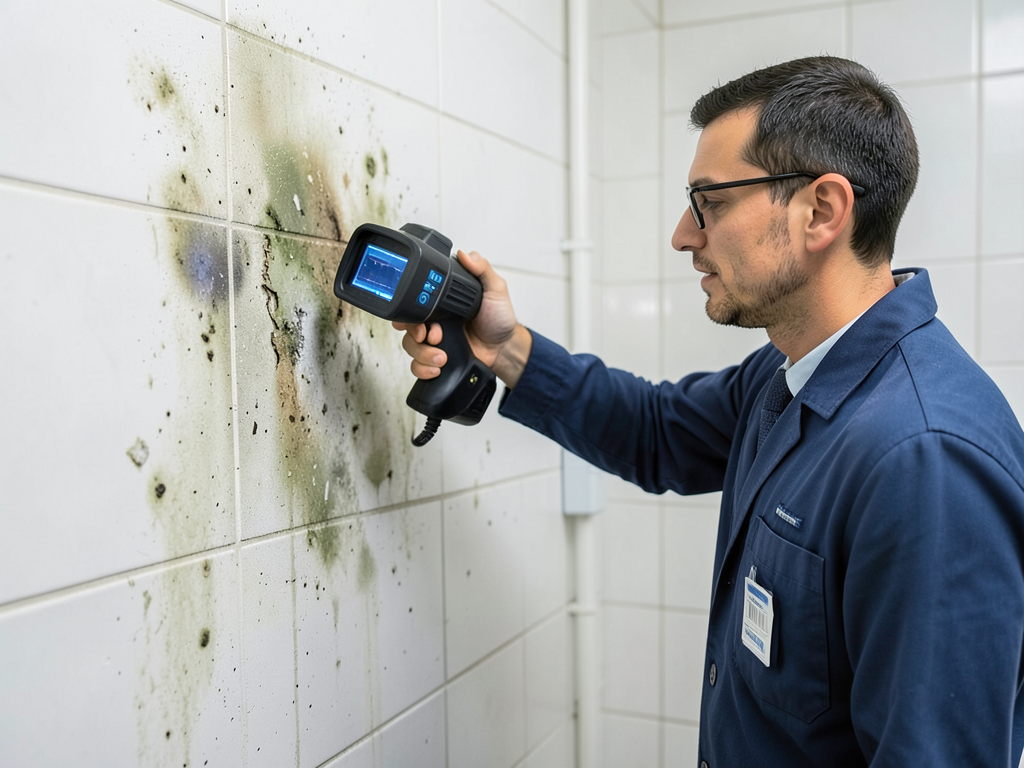
Why Your Sacramento Seasonal Allergies Might Actually Be Caused by Hidden Bathroom Mold Your itchy eyes, runny nose, and constant sneezing might not be from pollen at all. Sacramento's unique combination of Delta Breeze humidity,…
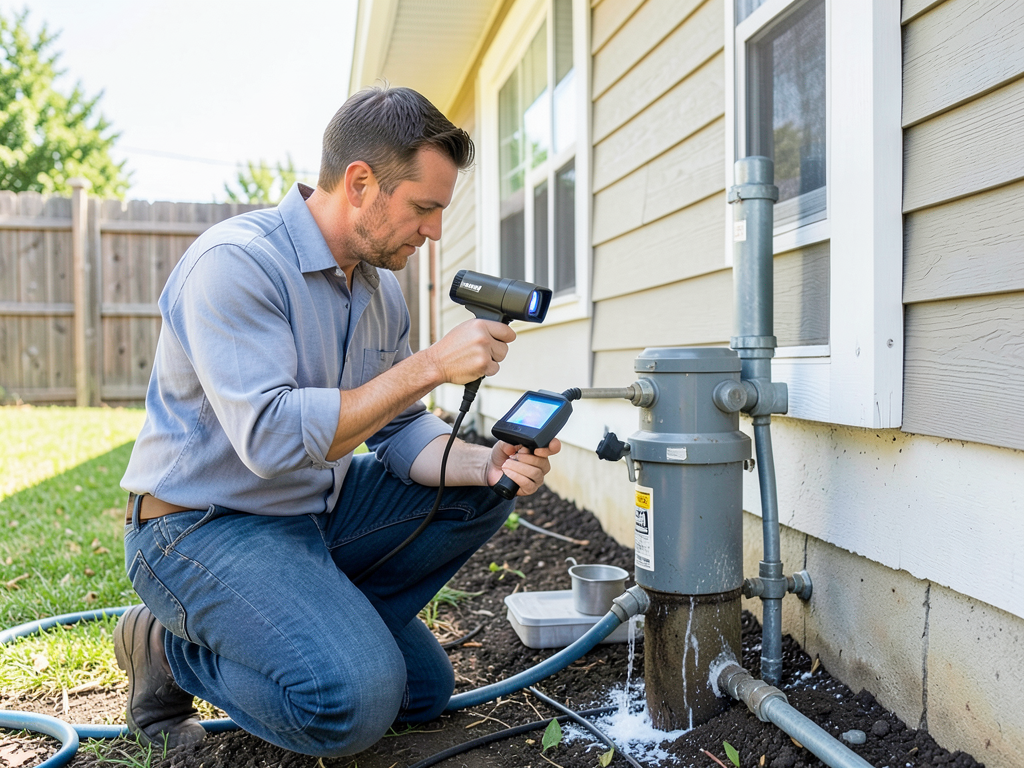
Why a Leaky Pool Pump Can Damage Your Home Foundation in the Sacramento Heat Pool…
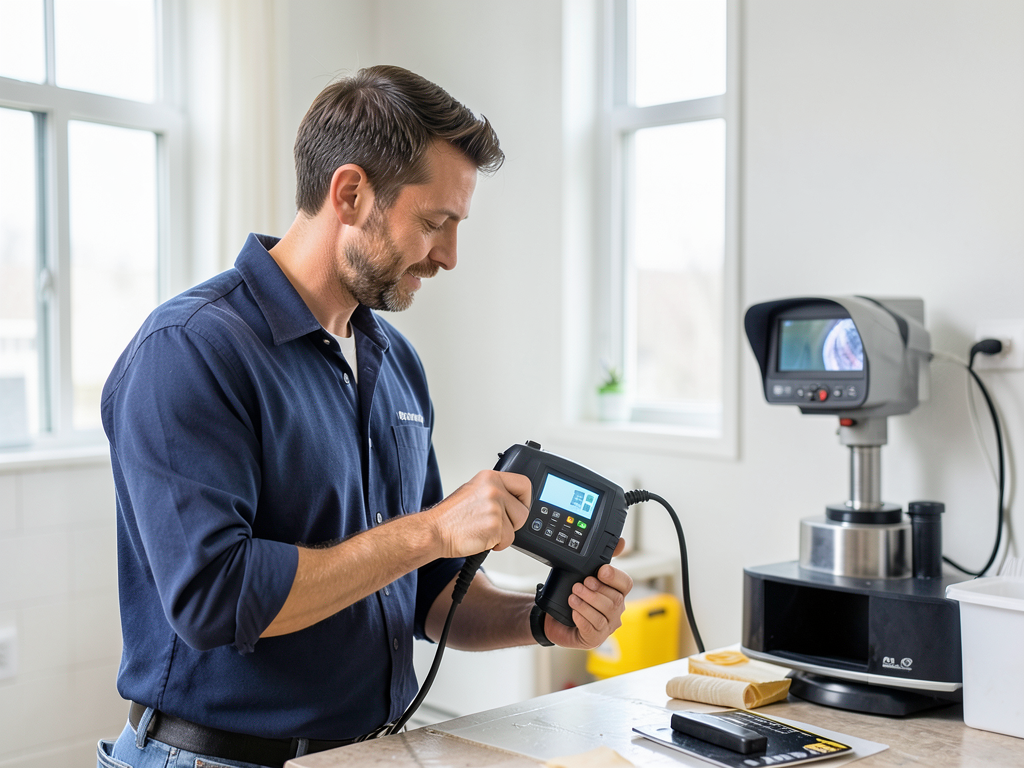
Your Rights and Next Steps When a Neighbor Overflows Their Sink in a Sacramento High…
Protecting Your Finished Basement in Old North Sacramento from Rising Ground Water Your finished basement…
Water damage worsens every hour you wait. Our certified technicians respond 24/7 with industrial extraction equipment and proven drying protocols. Call (916) 222-9262 now for immediate dispatch to your West Sacramento property. We work directly with insurance companies to document damage and justify claims.