




Menu

Risks of DIY Water Cleanup in Sacramento – Why Amateur Attempts Lead to Structural Damage and Hidden Mold

Understanding the dangers of DIY water damage restoration protects your Sacramento home from expensive structural failures, toxic mold colonies, and permanent material degradation that appear weeks after you think the problem is solved.

Slider Image 1
Slider Image 2
Slider Image 3
Slider Image 4
Slider Image 5
Slider Image 7
Slider Image 8
Slider Image 9
Slider Image 10
Slider Image 11

Why DIY Water Cleanup Fails in Sacramento Homes

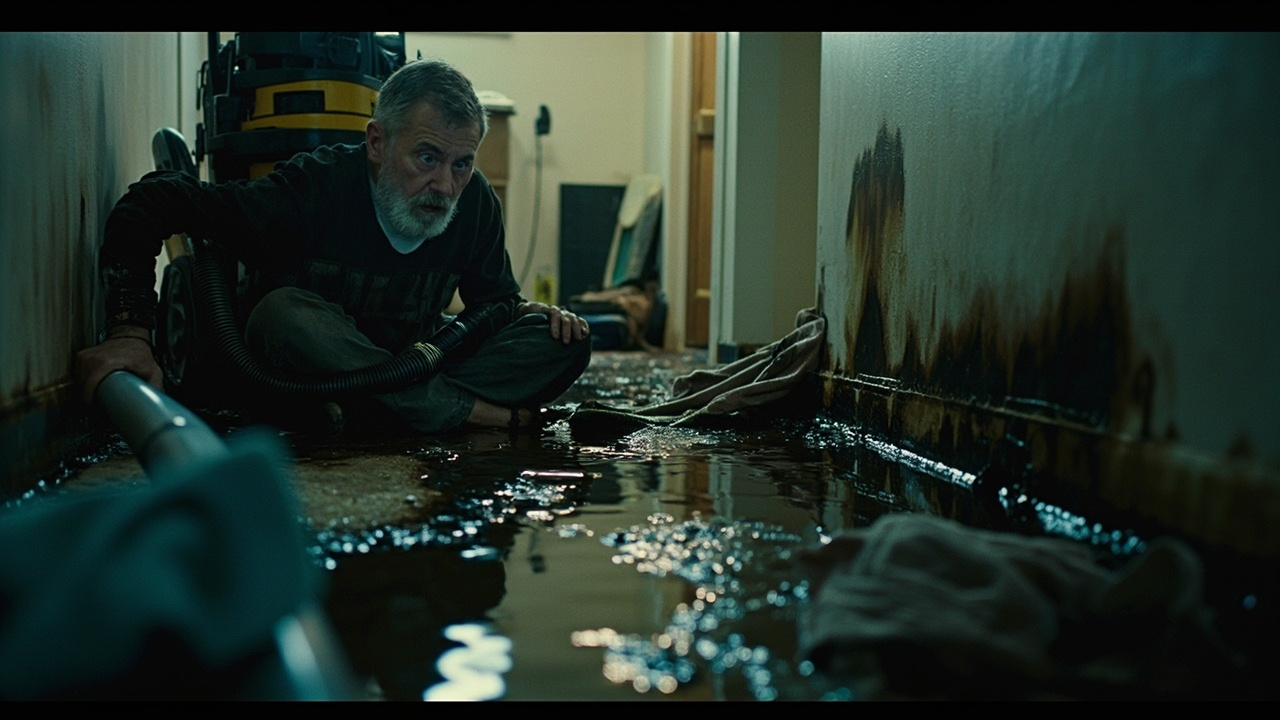
You grabbed every towel in the house. You rented a shop vacuum from the hardware store. You ran box fans for three days straight. The carpet feels dry now, so you think the problem is handled.

It is not.

Sacramento's Central Valley climate creates specific hazards for amateur water cleanup. Summer temperatures routinely hit 95 degrees with humidity spikes during monsoon flows from the Sierra Nevada. Winter brings sustained dampness from valley fog and rain events. This temperature swing accelerates hidden moisture problems beneath surfaces.

The consequences of amateur water cleanup appear two to six weeks after you stop looking. Drywall wicks moisture vertically through capillary action. Subfloor OSB delaminates when moisture content exceeds 19 percent. Wall cavities trap humidity and cultivate Stachybotrys chartarum, the black mold linked to respiratory distress.

The dangers of DIY water damage restoration stem from equipment limitations and knowledge gaps. A residential wet-dry vacuum removes surface water but cannot extract moisture from pad, tack strip, or the first inch of subfloor. Box fans move air but do not measure vapor pressure or create negative air environments that prevent mold sporulation.

The hidden risks of self-managed water mitigation include electrical hazards from wet outlets, structural compromise from undetected framing damage, and insurance claim denials when improper drying creates secondary damage. Sacramento homes built before 1980 often contain plaster over wood lath. Water wicks horizontally through lath, spreading damage three times farther than the visible stain suggests.

The pitfalls of DIY water extraction are not about effort. They are about physics, biology, and building science that require specialized tools and training to address correctly.

Why DIY Water Cleanup Fails in Sacramento Homes
How Professional Water Damage Restoration Addresses Hidden Threats

How Professional Water Damage Restoration Addresses Hidden Threats

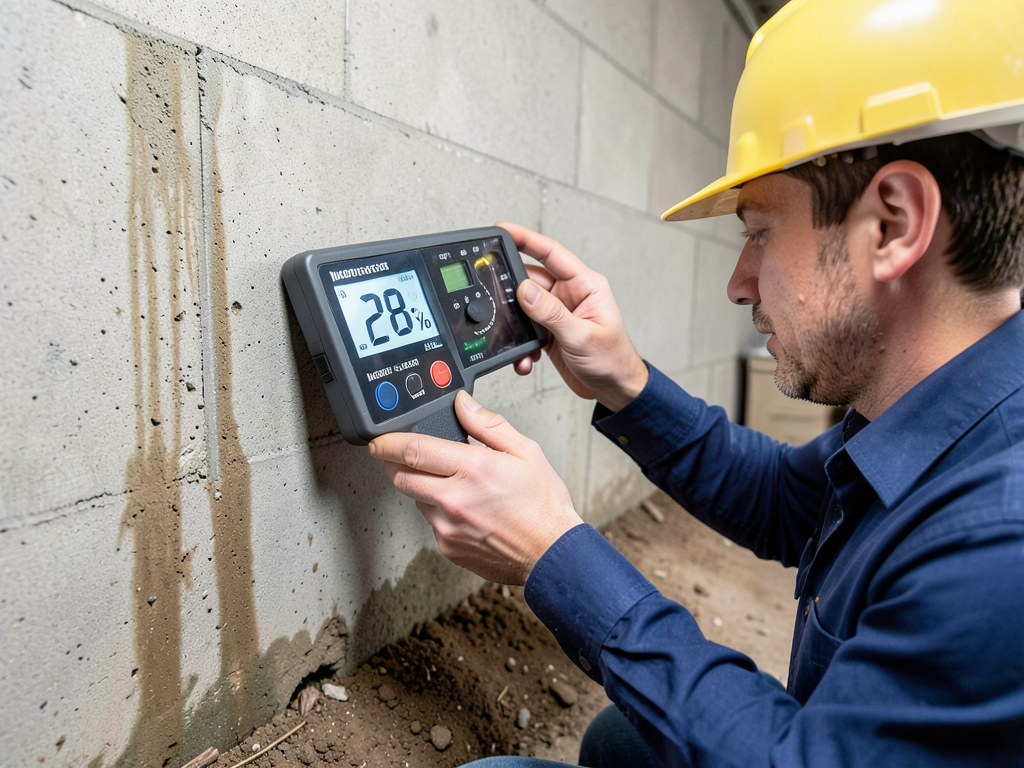
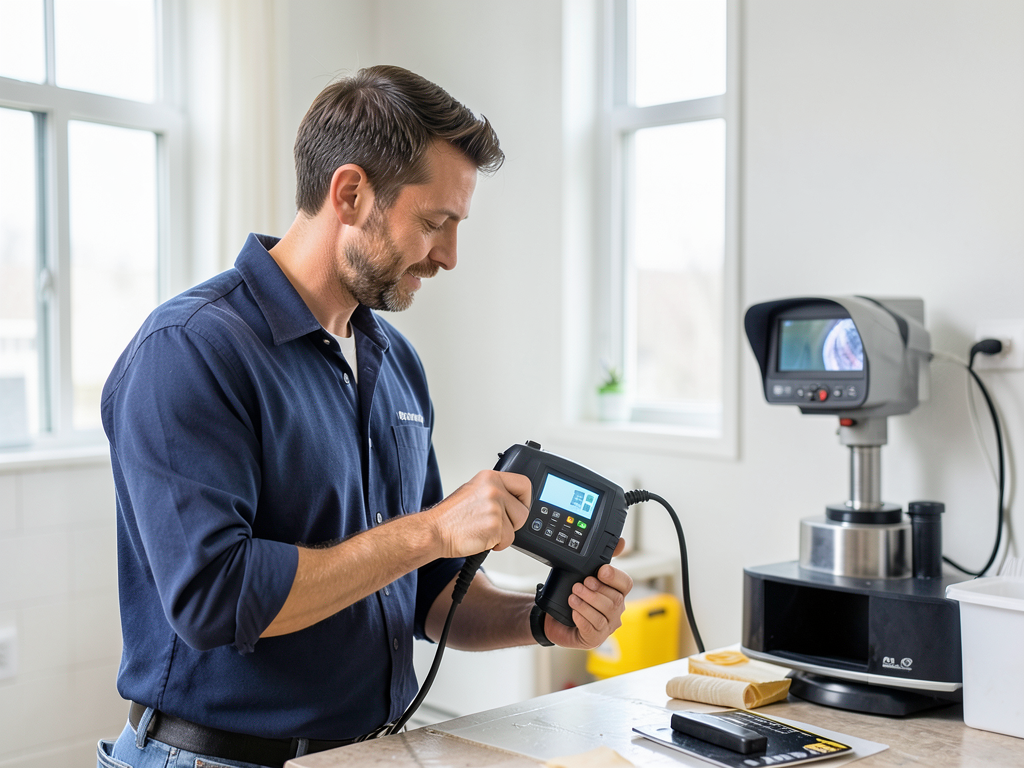
Professional mitigation begins with moisture mapping using thermal imaging cameras and penetrating moisture meters. We measure moisture content in materials you cannot see. Drywall may read 8 percent on the surface but 40 percent at the stud contact point. Subfloor moisture gradients reveal whether water infiltrated joist pockets or rim board assemblies.

We use truck-mounted extractors that generate 500 CFM airflow and pull water from pad and underlayment through controlled suction. Desiccant dehumidifiers drop relative humidity to 30 percent, halting microbial growth while axial air movers create directional airflow across wall cavities and under cabinets.

Controlled demolition removes only saturated materials that cannot dry in place. We document moisture readings every 12 hours and map drying progress using psychrometric calculations. This data determines when structural drying is complete, typically when materials reach equilibrium moisture content for Sacramento's 58 percent average relative humidity.

Antimicrobial application follows EPA-registered protocols for Aspergillus and Penicillium species common in California valley climates. We apply botanical extracts or quaternary ammonium compounds to framing, then verify treatment effectiveness through ATP bioluminescence testing.

The hazards of do-it-yourself water removal multiply when you skip these technical steps. Incomplete drying leaves moisture reservoirs that feed mold colonies. Surface cleaning leaves spore concentrations that trigger allergic responses months later. Improper equipment use spreads contamination from Category 3 water across clean areas.

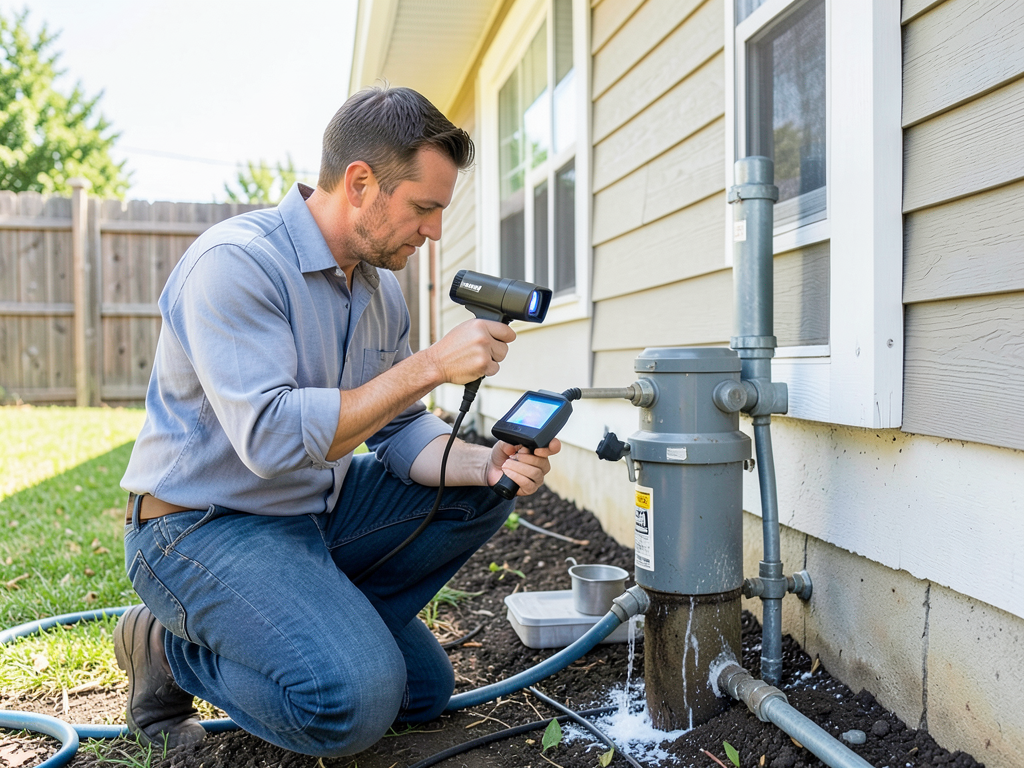
Fortress Water Damage Restoration Sacramento uses FLIR thermal imaging to identify temperature differentials indicating trapped moisture. We document pre-loss conditions, track material moisture daily, and provide detailed reporting for insurance adjusters. Our low-grain refrigerant dehumidifiers process 14 pints per kilowatt-hour, extracting moisture faster than it migrates through building assemblies.

Professional restoration is not about doing more work. It is about doing invisible work that prevents future failure.

What Happens When You Call for Professional Assessment

Risks of DIY Water Cleanup in Sacramento – Why Amateur Attempts Lead to Structural Damage and Hidden Mold
01

Emergency Contact Response

You call our emergency line and speak with a mitigation technician, not an answering service. We ask about water source, affected materials, and duration of exposure. We dispatch a crew within 90 minutes for active water events or schedule detailed assessment for slower-developing issues. We guide you through immediate safety steps like shutting off water sources, avoiding electrical hazards, and moving contents from wet areas.
02

Comprehensive Moisture Assessment

Our technicians map your property room by room using thermal cameras and moisture probes. We test wall cavities, subfloors, and ceilings to establish moisture gradients. We photograph damage, document pre-loss conditions, and collect data for insurance claims. We identify Category 1, 2, or 3 water contamination levels and explain what materials require removal versus in-place drying. You receive a written scope with expected timeline and equipment needs.
03

Monitored Structural Drying

We place extraction equipment, air movers, and dehumidifiers based on psychrometric calculations specific to your structure. Technicians return every 12 to 24 hours to record moisture levels and adjust equipment placement. Drying continues until materials reach target moisture content verified by penetrating meters. We remove equipment only after final readings confirm complete structural drying and provide documentation showing moisture level progression from start to completion.

Why Sacramento Homeowners Choose Fortress Water Damage Restoration

Sacramento building stock presents unique restoration challenges that generic water cleanup misses. Homes in Land Park, Curtis Park, and East Sacramento feature plaster walls, hardwood subfloors, and pier-and-beam foundations that require specialized drying protocols. Ranch homes in Arden-Arcade and Carmichael have slab foundations where water tracks along grade beams and appears 20 feet from the source.

We understand how Sacramento's irrigation-dependent landscaping creates hydrostatic pressure against foundation walls. We know that American River flood plain properties require rapid response because saturated soil prevents foundation drainage for weeks after water events. We recognize that older homes near McKinley Park lack vapor barriers, allowing ground moisture to wick into floor assemblies.

Fortress Water Damage Restoration Sacramento technicians carry IICRC Water Damage Restoration certification and complete ongoing training in structural drying science. We use moisture mapping software that calculates drying time based on Sacramento's specific temperature and humidity patterns. Our equipment inventory includes specialty tools for confined spaces, cathedral ceilings, and tile-over-mud installations common in California construction.

Local expertise matters when insurance adjusters question scope. We provide detailed documentation that meets Xactimate estimating standards and California insurance regulations. We communicate directly with adjusters, explain technical findings in clear terms, and advocate for complete restoration rather than surface fixes.

We respond to homes throughout Sacramento County, from Elk Grove to Citrus Heights, Folsom to West Sacramento. We know the difference between clay soil foundation movement and actual structural damage. We recognize when galvanized supply lines common in pre-1960 construction have failed versus temporary fixture leaks.

Choosing a restoration company with Sacramento-specific knowledge means you get accurate diagnosis, appropriate treatment, and restoration that accounts for local building methods, climate patterns, and material behavior in Central Valley conditions.

What to Expect During Professional Water Damage Restoration

Response Time and Availability

We dispatch crews 24 hours a day, seven days a week, including holidays. Active water damage requires response within two to four hours to prevent secondary damage progression. Our average emergency response time for Sacramento metro addresses is 90 minutes from initial call to on-site assessment. Non-emergency consultations for slow leaks or post-event evaluation schedule within 24 hours. We maintain full crews and equipment inventory year-round, so you never wait for availability during peak demand periods like winter storm seasons.

Initial Evaluation and Scope Development

Your assessment takes 60 to 90 minutes depending on property size and damage extent. Technicians use thermal imaging to scan walls, moisture meters to test materials, and visual inspection to identify safety hazards. We categorize water contamination level, measure affected square footage, and determine drying class based on material porosity. You receive a written scope explaining required equipment, estimated drying timeline, and whether controlled demolition is necessary. We photograph all damage, document readings, and explain findings in plain language before starting work.

Completed Restoration Standards

Structural drying is complete when materials reach equilibrium moisture content for Sacramento's climate, typically 12 to 15 percent for wood framing and 8 to 12 percent for drywall. We provide final moisture readings showing material-specific targets were achieved. All equipment is removed, affected areas are cleaned, and antimicrobial treatment is applied where indicated. You receive documentation packages including daily moisture logs, equipment placement diagrams, and pre-and-post photos suitable for insurance submission. Restoration leaves your property structurally sound and ready for reconstruction if demolition was required.

Post-Mitigation Support and Monitoring

We offer optional moisture rechecks 30 days after equipment removal to confirm no residual moisture issues developed. If you hire separate contractors for reconstruction, we provide technical consultation on material selection and installation methods that prevent future moisture problems. Our documentation remains available for insurance questions or disputes that arise during claims processing. We maintain project files for three years and can provide additional reporting if secondary issues appear. Post-restoration support ensures your property remains dry and you have technical backup throughout the insurance and rebuilding process.

Frequently Asked Questions

You Have Questions,
We Have Answers

Can you do water remediation yourself? +

You can handle minor surface water cleanup yourself, like a small spill. However, water that seeps into subflooring, wall cavities, or crawl spaces requires professional extraction and drying equipment. Sacramento's humidity levels create perfect conditions for hidden moisture to linger and breed mold within 24 to 48 hours. DIY methods miss moisture trapped in porous materials like insulation and drywall. Without moisture meters, thermal imaging, and industrial dehumidifiers, you risk structural damage and contamination. For anything beyond a contained surface spill, call a certified water damage restoration company to prevent long-term problems.

Can mold from water damage make you sick? +

Yes. Mold releases spores and mycotoxins that cause respiratory issues, headaches, fatigue, and skin irritation. People with asthma, allergies, or weakened immune systems face greater risk. Black mold (Stachybotrys) is particularly dangerous and thrives in Sacramento homes after water damage or plumbing leaks. Symptoms worsen with prolonged exposure. You may notice coughing, wheezing, sinus congestion, or eye irritation. Children and elderly residents are most vulnerable. If you see visible mold or smell musty odors after water damage, avoid the area and contact a professional remediation company. DIY removal often spreads spores and increases health risks.

How long can drywall be wet before mold? +

Mold can start growing on wet drywall within 24 to 48 hours in Sacramento's climate. The process accelerates in humid conditions or poorly ventilated spaces like bathrooms and basements. Once drywall absorbs water, it becomes a food source for mold spores already present in the air. You may not see visible growth immediately, but colonies form behind walls where moisture lingers. Saturated drywall also loses structural integrity and requires replacement. Speed matters. Extract standing water, dry affected areas with fans and dehumidifiers within 24 hours, and inspect wall cavities for hidden moisture to prevent mold.

How long does it take for water to damage foundation? +

Water begins damaging foundations within hours. Standing water around your foundation causes hydrostatic pressure, forcing moisture through cracks and porous concrete. Sacramento's clay-heavy soil expands when wet, shifting foundations and creating new cracks. Within days, water erodes soil stability and weakens structural support. Prolonged exposure leads to settling, bowing walls, and interior flooding through basement seepage. You may notice foundation cracks, uneven floors, or sticking doors. Poor drainage, clogged gutters, or broken downspouts worsen the problem. Address water accumulation immediately. Grade soil away from your foundation and repair leaks before permanent structural damage occurs.

Can I safely remove black mold myself? +

No. Black mold removal requires containment, protective equipment, and proper disposal methods. Disturbing mold colonies releases airborne spores that spread contamination and cause respiratory distress. Sacramento homeowners often underestimate the scope of mold growth behind walls and under flooring. DIY cleaning with bleach only treats surface mold and leaves roots intact. You need HEPA filtration, antimicrobial treatments, and source moisture elimination. Without proper containment, you expose your family to health risks. If you see black mold larger than 10 square feet, or if it returns after cleaning, contact a certified mold remediation specialist immediately.

What is the safest method to purify water at home? +

This question addresses drinking water, not water damage cleanup. For safe drinking water at home, boiling kills bacteria, viruses, and parasites. Bring water to a rolling boil for one minute. Alternatively, use certified water filters with NSF ratings for contaminant removal. Reverse osmosis systems remove heavy metals and chemicals. UV purifiers kill microorganisms without chemicals. In Sacramento, municipal water meets EPA standards, but older homes may have pipe contamination. If you experience flooding or sewage backup, never drink or use tap water for cooking until authorities confirm safety. Contact your water utility immediately after contamination events.

What are the 10 warning signs of mold toxicity? +

Mold toxicity symptoms include chronic fatigue, difficulty concentrating, memory problems, headaches, sinus congestion, coughing, skin rashes, joint pain, digestive issues, and mood changes. You may also experience numbness, tingling, or light sensitivity. These symptoms mimic other conditions, making diagnosis difficult. Sacramento residents exposed to mold after water damage often report worsening allergies and respiratory distress. Symptoms intensify with continued exposure. If you notice multiple symptoms after discovering mold or water damage, leave the affected area immediately. Document your symptoms and consult a doctor. Professional mold testing identifies species and concentration levels to guide treatment.

Is brain damage from mold reversible? +

Some mold-related neurological symptoms improve after exposure ends and treatment begins. However, severe or prolonged exposure may cause lasting cognitive effects. Research shows mycotoxins can cross the blood-brain barrier and trigger inflammation. Recovery depends on exposure duration, mold species, and individual health. You may experience memory improvement, reduced brain fog, and better concentration after remediation and medical treatment. Sacramento residents with chronic mold exposure should consult neurologists and environmental medicine specialists. Complete recovery requires eliminating the mold source, detoxification support, and time. Early intervention improves outcomes. Never ignore cognitive symptoms after discovering mold in your home.

How long before water damage becomes mold? +

Water damage becomes mold within 24 to 48 hours under the right conditions. Sacramento's warm temperatures and occasional humidity spikes accelerate growth. Mold spores exist everywhere and only need moisture, organic material, and warmth to colonize. Porous materials like drywall, insulation, carpet, and wood absorb water quickly and provide food sources. You may smell musty odors before seeing visible growth. Hidden mold thrives behind walls, under flooring, and in crawl spaces. The clock starts ticking the moment water intrudes. Extract water, dry materials completely, and monitor moisture levels within 24 hours to prevent mold establishment.

Does running the AC help with mold? +

Running your AC helps control mold only if you address the moisture source first. Air conditioning reduces humidity levels, which inhibits mold growth. However, AC units cannot dry saturated materials or remove existing mold colonies. Sacramento summers create ideal conditions for mold when AC systems malfunction or condensation accumulates in ductwork. Dirty filters and drain pans become mold breeding grounds. Set your thermostat to maintain indoor humidity below 50 percent. Use dehumidifiers in problem areas. If mold appears near AC vents or you smell mustiness when the system runs, inspect ductwork and call an HVAC professional immediately.

How Sacramento Valley Humidity Patterns Amplify DIY Water Cleanup Failures

Sacramento sits at the confluence of the American and Sacramento Rivers in California's Central Valley. Summer months bring dry heat with 10 to 20 percent relative humidity, but morning fog from delta maritime influence raises humidity to 80 percent before burning off by noon. This daily humidity swing causes building materials to absorb atmospheric moisture overnight, then release it during afternoon heat. When water damage already exists, these cycles prevent complete drying and create ideal conditions for mold growth. The hazards of do-it-yourself water removal multiply because residential equipment cannot control vapor pressure or track humidity fluctuations affecting drying progress. Winter tule fog settles in the valley for weeks, maintaining 90 percent humidity and preventing evaporative drying completely.

Sacramento County requires compliance with California Building Code Chapter 18 for foundation waterproofing and moisture control. Professional restoration companies understand how local code enforcement interprets these standards during rebuild inspections. Fortress Water Damage Restoration Sacramento works directly with permit coordinators in Sacramento, Elk Grove, and Citrus Heights to ensure mitigation work meets inspection requirements. Our documentation satisfies insurance carrier standards used by State Farm, Farmers, and Allstate adjusters who handle California valley claims. The consequences of amateur water cleanup include failed inspections, insurance disputes over proper mitigation protocols, and reconstruction delays when unpermitted work requires correction before building departments approve final occupancy.
Water Damage Restoration Services in The Sacramento Area

Fortress Water Damage Restoration proudly serves the greater Sacramento area, including all surrounding neighborhoods and communities. We are committed to providing fast and reliable service wherever you are. To get an idea of our service area or to visit our office, please use the interactive map below. Our team is ready to respond to your needs, so don't hesitate to reach out for immediate assistance or to schedule a consultation.

Address:
Fortress Water Damage Restoration Sacramento, 2109 Del Paso Blvd, Sacramento, CA, 95815

Additional Services We Offer

Our news updates

Latest Articles & News from The Blogs

Why a Leaky Pool Pump Can Damage Your Home Foundation in the Sacramento Heat Pool equipment leaks in Sacramento homes…

Why a Leaky Pool Pump Can Damage Your Home Foundation in the Sacramento Heat

Why a Leaky Pool Pump Can Damage Your Home Foundation in the Sacramento Heat Pool equipment leaks in Sacramento homes…

Your Rights and Next Steps When a Neighbor Overflows Their Sink in a Sacramento High Rise

Your Rights and Next Steps When a Neighbor Overflows Their Sink in a Sacramento High Rise When a neighbor's sink…

Protecting Your Finished Basement in Old North Sacramento from Rising Ground Water

Protecting Your Finished Basement in Old North Sacramento from Rising Ground Water Your finished basement in Old North Sacramento sits…

Contact Us

Call Fortress Water Damage Restoration Sacramento now at (916) 222-9262 for emergency response or detailed assessment. Our technicians carry thermal cameras and moisture meters to every call. We provide written scopes, insurance documentation, and structural drying that prevents mold growth and material failure.