




Menu

Storm Damage Mitigation in Sacramento – Fast Response to Protect Your Property Before Secondary Damage Spreads

When severe weather strikes Sacramento, storm damage mitigation stops water intrusion, structural compromise, and mold growth within hours. Fortress Water Damage Restoration Sacramento delivers rapid storm damage restoration to protect your home or business from escalating losses.

Slider Image 1
Slider Image 2
Slider Image 3
Slider Image 4
Slider Image 5
Slider Image 7
Slider Image 8
Slider Image 9
Slider Image 10
Slider Image 11

Why Sacramento Properties Face Unique Storm Damage Risks

Sacramento sits at the confluence of the Sacramento and American Rivers, making properties vulnerable to sudden storm surges, flash flooding, and wind-driven rain during winter atmospheric rivers. These Pacific storm systems can dump several inches of rain in hours, overwhelming aging drainage infrastructure in neighborhoods like Land Park and Curtis Park.

The region's clay-heavy soil compounds the problem. When saturated, expansive clay shifts and cracks foundations, allowing water to seep into crawlspaces and basements. Older homes built before modern building codes often lack proper grading or french drains, channeling stormwater directly against foundation walls.

Wind damage from these systems regularly exceeds 50 mph, tearing shingles, compromising roof valleys, and creating entry points for water intrusion. Once wind-driven rain penetrates your roof deck or siding, moisture spreads through wall cavities and insulation within 24 to 48 hours.

Storm damage mitigation means stopping this cascade before it starts. Emergency storm damage services focus on immediate water extraction, structural drying, and temporary weatherproofing to prevent secondary damage. Delayed response leads to warped flooring, ceiling collapse, and Category 2 or 3 water contamination when stormwater mixes with sewage backups.

Sacramento homeowners and commercial property managers need storm damage cleanup teams who understand local flood zones, soil behavior, and the speed required to salvage materials. Waiting even 72 hours can triple restoration costs and create health hazards from airborne mold spores.

Why Sacramento Properties Face Unique Storm Damage Risks
How Professional Storm Damage Restoration Protects Your Investment

How Professional Storm Damage Restoration Protects Your Investment

Storm damage remediation is not cleanup. It is a systematic process to stabilize your property, document losses for insurance, and restore structural integrity using moisture mapping technology and industrial dehumidification.

Fortress Water Damage Restoration Sacramento deploys within one hour of your call. Our first priority is safety assessment. We check for electrical hazards, compromised structural members, and standing water depth. Gas lines and HVAC systems get shut down if contamination risk exists.

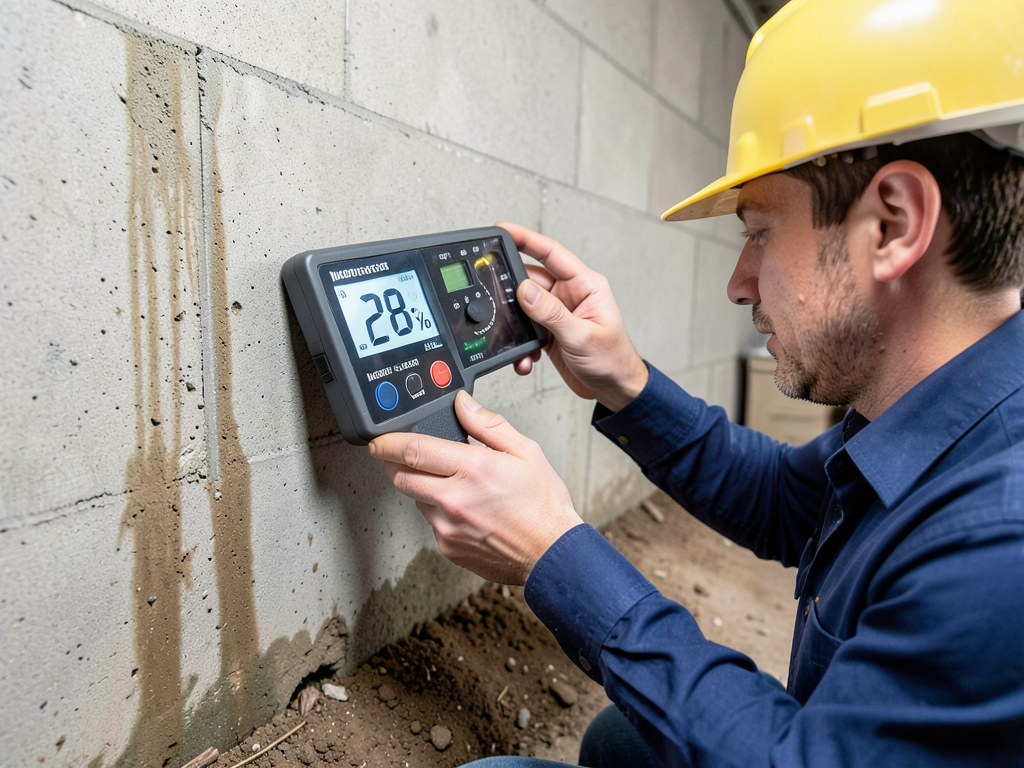
Next, we use thermal imaging cameras and moisture meters to map water migration paths you cannot see. Stormwater does not stop at visible pooling. It wicks through drywall, climbs studs via capillary action, and saturates insulation behind intact walls. We document moisture levels in framing lumber, subfloors, and ceiling joists to create a drying plan that meets IICRC S500 standards.

Water extraction begins immediately using truck-mounted pumps for high-volume removal and weighted extractors for carpets and padding. We pull baseboards, drill weep holes in drywall, and remove unsalvageable materials like soaked insulation to accelerate drying.

Air movers and commercial dehumidifiers run 24 hours per day, creating negative pressure to pull moisture from building cavities. We monitor drying progress with daily moisture readings, adjusting equipment placement until materials return to baseline moisture content.

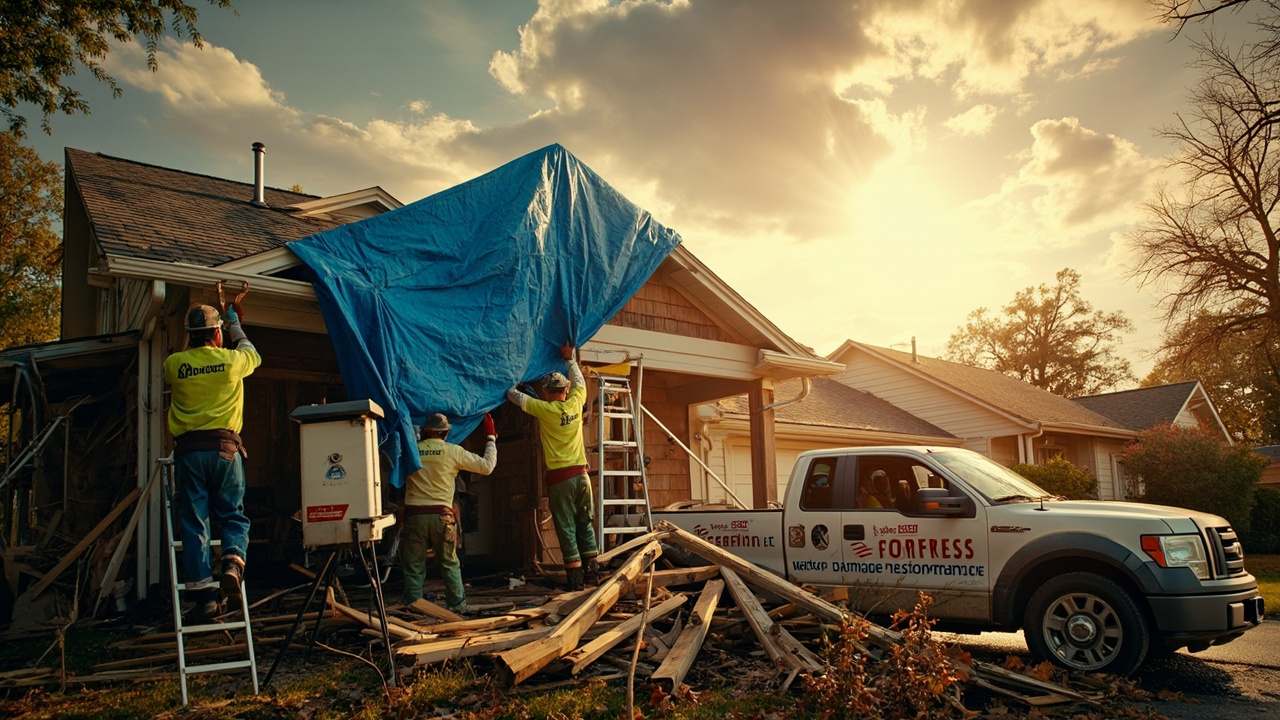
Storm damage repair includes temporary board-ups, tarp installation, and emergency roof patching to stop active leaks. We coordinate with your insurance adjuster and provide detailed photo documentation of all affected areas before demolition begins. This protects your claim and ensures you receive fair compensation for covered losses.

What Happens During Emergency Storm Response

Storm Damage Mitigation in Sacramento – Fast Response to Protect Your Property Before Secondary Damage Spreads
01

Initial Damage Assessment

Our team arrives within 60 minutes to evaluate structural safety, identify water sources, and document the full scope of storm damage. We use moisture detection equipment to locate hidden water in wall cavities, under flooring, and in ceiling assemblies. You receive a written scope of work and emergency mitigation plan before any demolition begins. This assessment also includes photo documentation for your insurance claim.
02

Water Extraction and Drying

High-volume extraction removes standing water using truck-mounted pumps capable of removing thousands of gallons per hour. We then deploy air movers and dehumidifiers to pull moisture from structural materials. Daily moisture readings track drying progress in framing lumber, subfloors, and drywall. We adjust equipment placement and airflow patterns to meet IICRC drying standards, preventing mold colonization and material degradation.
03

Restoration and Weatherproofing

Once materials reach dry standard, we begin reconstruction using materials that match your existing finishes. Storm damage repair includes replacing compromised roofing, siding, drywall, and insulation. We also install temporary weatherproofing like roof tarps and board-ups to protect your property during the restoration phase. Final moisture verification confirms all affected areas are dry and ready for rebuilding, eliminating future mold risk.

Why Sacramento Residents Trust Fortress Water Damage Restoration

Storm damage restoration requires more than extraction equipment. You need a team that understands Sacramento's building stock, flood maps, and insurance claim processes specific to California.

Fortress Water Damage Restoration Sacramento has mitigated storm losses in every neighborhood from Natomas to Elk Grove. We know which areas flood first during atmospheric rivers, which properties have aging cast iron plumbing vulnerable to backups, and how Sacramento's municipal drainage system affects residential properties near Arcade Creek and the Natomas Basin.

Our technicians are trained in California Title 24 building codes and understand how local construction methods affect water intrusion patterns. Homes built before 1980 often lack vapor barriers and use balloon framing that allows water to travel vertically through wall cavities. We adjust our drying strategies based on your home's age and construction type.

We also navigate the insurance claim process for you. California policies have specific exclusions for flood damage versus storm damage, and documentation requirements are strict. We provide detailed moisture logs, equipment placement records, and photo evidence that satisfy adjuster requirements and protect your claim from denial.

Response time matters in storm damage mitigation. Mold spores germinate within 24 to 48 hours in Sacramento's mild, humid winters. Our 24/7 dispatch and one-hour response time mean we start drying your property before microbial growth begins. This speed saves materials, reduces claim costs, and protects your family from respiratory hazards.

You also get transparency. We explain every step, provide daily updates, and never perform work without your approval. No surprise charges, no upselling, just professional storm damage remediation that restores your property to pre-loss condition.

What to Expect When You Call for Storm Damage Services

Immediate Dispatch and Arrival

When you call Fortress Water Damage Restoration Sacramento, you speak directly with a dispatcher who activates our emergency response team. We arrive within one hour, even during overnight storms or weekends. Our trucks carry extraction equipment, air movers, dehumidifiers, moisture meters, and safety gear to begin mitigation immediately. You do not wait for equipment rentals or second trips. We assess the damage, explain the mitigation plan, and start water removal within minutes of arrival. This rapid response prevents secondary damage and reduces overall restoration time by days.

Comprehensive Damage Documentation

Before any demolition or drying begins, we document every affected area with photos, moisture readings, and written notes. This documentation protects your insurance claim and provides a baseline for tracking drying progress. We use thermal imaging to reveal hidden moisture in walls and ceilings, ensuring nothing gets missed. You receive a copy of this report for your records. We also coordinate directly with your insurance adjuster, providing the technical data and damage assessment they need to process your claim quickly. Our detailed logs meet industry standards and eliminate disputes over scope or necessity.

Complete Structural Drying

Storm damage restoration is not complete until all building materials return to dry standard. We monitor moisture levels in framing, subfloors, and drywall daily using calibrated moisture meters. Our industrial dehumidifiers and air movers run continuously, pulling moisture from deep within wall cavities and structural assemblies. Drying typically takes three to seven days depending on materials affected and saturation levels. We do not remove equipment until moisture readings confirm complete drying. This prevents mold growth, wood rot, and warping that occur when materials are left damp. You receive final moisture verification reports showing your property is safe and dry.

Restoration and Final Inspection

After drying is complete, our restoration team rebuilds affected areas using materials that match your existing finishes. Storm damage repair includes replacing drywall, insulation, flooring, and trim. We also address any roof damage, siding repairs, or structural reinforcement needed. Our goal is to return your property to pre-loss condition, not just patch the visible damage. Final inspection includes moisture verification, air quality testing if mold was present, and a walkthrough with you to ensure satisfaction. We also provide maintenance recommendations to reduce future storm vulnerability, like gutter upgrades or grading improvements.

Frequently Asked Questions

You Have Questions,
We Have Answers

What can be done to mitigate storms? +

Storm mitigation starts before the weather hits. Secure loose outdoor items like patio furniture and trash cans. Trim dead tree branches that could fall on your roof during high winds. Inspect your roof for missing shingles or damaged flashing and repair them. Clean gutters and downspouts to prevent water backup. Install storm shutters or plywood over windows. Check your sump pump if you have one. In Sacramento, sudden winter storms bring heavy rain and wind. Taking these steps reduces damage to your property and speeds up recovery if a storm does strike your home.

Does storm damage raise insurance rates? +

Filing a storm damage claim does not automatically raise your rates. Insurance companies look at your claim history over time. A single weather-related claim, especially for a major event affecting many homes in Sacramento, typically will not trigger a rate increase. However, multiple claims within a few years can impact your premiums. The size of the claim matters too. Large payouts may lead to adjustments. Your insurer also considers factors beyond your control, like regional weather patterns. Always file legitimate claims. Avoiding necessary repairs causes bigger problems and higher costs down the road.

What are examples of mitigation? +

Mitigation includes actions that reduce damage before and after a storm. Installing impact-resistant roofing protects against hail and wind. Sealing foundation cracks prevents water intrusion during heavy Sacramento rain. Reinforcing garage doors stops wind from entering and lifting your roof. After a storm, covering damaged areas with tarps prevents further water damage. Extracting standing water quickly stops mold growth. Boarding up broken windows secures your property. These examples show both preventive measures and immediate response steps. Mitigation lowers repair costs, protects your family, and speeds up the restoration process.

How could we mitigate the storm? +

Mitigating a storm requires preparation and fast action. Before the storm, reinforce weak points in your home. Check roof integrity, secure windows, and clear drainage systems. Stock emergency supplies like flashlights, batteries, and tarps. During the storm, stay inside and monitor for leaks or damage. After the storm passes, document all damage with photos. Cover exposed areas immediately to prevent rain from entering. Remove standing water fast to avoid structural damage and mold. Sacramento homes face sudden winter downpours and high winds. Quick response limits damage. Call water damage professionals if you see flooding or roof breaches.

What are the 5 mitigation strategies? +

The five mitigation strategies are avoidance, reduction, transfer, acceptance, and monitoring. Avoidance means not building in high-risk flood zones. Reduction involves strengthening your property, like upgrading to wind-resistant roofing or installing backflow valves. Transfer shifts financial risk through insurance policies. Acceptance means understanding some risk remains and planning for it. Monitoring tracks weather forecasts and inspects your property for vulnerabilities. In Sacramento, reduction and transfer matter most. Reinforce your home against winter storms and carry adequate insurance coverage. These strategies work together to protect your property and financial investment.

What are the 4 mitigation strategies? +

The four core mitigation strategies are prevention, property protection, public education, and emergency services. Prevention includes land-use planning and building codes. Property protection means retrofitting homes with storm-resistant features like reinforced roofs and sealed foundations. Public education teaches homeowners how to prepare for storms and respond to damage. Emergency services provide rapid response after disasters strike. For Sacramento homeowners, property protection delivers the most value. Upgrading vulnerable areas like roofing, windows, and drainage systems reduces storm damage. Combine this with understanding your insurance policy and knowing when to call restoration professionals for water damage.

What not to say to a homeowners insurance adjuster? +

Never admit fault or downplay damage. Avoid saying the damage is old or pre-existing unless you have proof. Do not guess about what caused the damage. Skip phrases like it is not that bad or I can live with it. Never provide recorded statements without reviewing your policy first. Do not sign anything immediately. Avoid discussing previous claims unless asked directly. Do not agree to low settlement offers on the spot. Be factual and stick to documented evidence. Take photos of all damage before cleanup begins. In Sacramento, winter storm damage can be complex. Let the evidence speak.

What is the 80% rule in homeowners insurance? +

The 80 percent rule means you must insure your home for at least 80 percent of its replacement cost to receive full claim payouts. If your home costs $400,000 to rebuild and you only carry $250,000 in coverage, you are underinsured. The insurance company will reduce your claim payment proportionally. This rule protects insurers from people carrying minimal coverage. Sacramento home values have climbed in recent years. Review your policy limits annually. Replacement cost differs from market value. Focus on what it costs to rebuild your home today, not what you paid for it or its current sale price.

Does your insurance go up if a rock hits your windshield? +

A windshield claim typically does not raise your homeowners insurance rates because it falls under your auto insurance policy. Some states, including California, prohibit rate increases for glass-only claims. Your auto insurer may offer glass coverage with no deductible. However, multiple comprehensive claims over a short period can affect your auto insurance rates. Storm damage to your windshield counts as a comprehensive claim, not a collision. If a rock hits your windshield during a Sacramento storm, file through your auto policy. This keeps your homeowners insurance clean and protects those rates from any potential impact.

How Sacramento's Flood Zones and Atmospheric Rivers Demand Rapid Storm Damage Mitigation

Sacramento lies within FEMA-designated flood zones, with areas like Natomas Basin and South Sacramento facing higher risk during winter storm systems. Atmospheric rivers from the Pacific dump concentrated rainfall that overwhelms the Sacramento River levee system and urban drainage infrastructure. Properties near Arcade Creek, Morrison Creek, and the American River confluence experience flash flooding when these systems stall over the region. Storm damage mitigation must begin within hours because standing water infiltrates crawlspaces, saturates insulation, and compromises foundation stability in the area's expansive clay soil. Delayed response allows water to wick vertically through wall studs and contaminate HVAC ductwork, multiplying restoration costs.

Fortress Water Damage Restoration Sacramento understands local building patterns, including the prevalence of single-story ranch homes with slab foundations in Arden-Arcade and two-story stucco construction in Elk Grove. We know which neighborhoods have combined sewer systems that back up during heavy rain and which properties lack proper lot grading. Our technicians are trained in California building codes and coordinate with local adjusters familiar with Sacramento-area storm claims. Choosing a local team means faster response, knowledge of regional flood risks, and relationships with inspectors and permitting offices that expedite repairs. We also understand seasonal weather patterns and prepare for atmospheric river events before they arrive.

Water Damage Restoration Services in The Sacramento Area

Fortress Water Damage Restoration proudly serves the greater Sacramento area, including all surrounding neighborhoods and communities. We are committed to providing fast and reliable service wherever you are. To get an idea of our service area or to visit our office, please use the interactive map below. Our team is ready to respond to your needs, so don't hesitate to reach out for immediate assistance or to schedule a consultation.

Address:
Fortress Water Damage Restoration Sacramento, 2109 Del Paso Blvd, Sacramento, CA, 95815

Additional Services We Offer

Our news updates

Latest Articles & News from The Blogs

Why a Leaky Pool Pump Can Damage Your Home Foundation in the Sacramento Heat Pool equipment leaks in Sacramento homes…

Why a Leaky Pool Pump Can Damage Your Home Foundation in the Sacramento Heat

Why a Leaky Pool Pump Can Damage Your Home Foundation in the Sacramento Heat Pool equipment leaks in Sacramento homes…

Your Rights and Next Steps When a Neighbor Overflows Their Sink in a Sacramento High Rise

Your Rights and Next Steps When a Neighbor Overflows Their Sink in a Sacramento High Rise When a neighbor's sink…

Protecting Your Finished Basement in Old North Sacramento from Rising Ground Water

Protecting Your Finished Basement in Old North Sacramento from Rising Ground Water Your finished basement in Old North Sacramento sits…

Contact Us

Every hour you wait, moisture spreads deeper into walls and structural materials. Call Fortress Water Damage Restoration Sacramento at (916) 222-9262 for immediate storm damage mitigation. We dispatch within 60 minutes and begin drying your property before mold takes hold.