




Menu

Mold Remediation & Removal in Sacramento – Certified Protocols That Stop Airborne Spread and Protect Property Value

Professional mold decontamination using containment barriers, HEPA filtration, and lab-verified clearance testing to eliminate hidden colonies and prevent recurrence in Sacramento homes and businesses.

Slider Image 1
Slider Image 2
Slider Image 3
Slider Image 4
Slider Image 5
Slider Image 7
Slider Image 8
Slider Image 9
Slider Image 10
Slider Image 11

Why Sacramento Properties Face Persistent Mold Growth

Sacramento sits at the confluence of two major rivers. That geography brings elevated humidity during winter months and creates ideal conditions for mold proliferation. When you add older housing stock with crawl spaces built before modern vapor barrier standards, you get chronic moisture intrusion that feeds hidden fungal colonies behind walls and under flooring.

You see the visible spots on bathroom ceilings or smell the musty odor in your basement, but the real problem lives deeper. Mold sends microscopic spores into your air supply. Those spores settle on furniture, infiltrate HVAC systems, and create secondary growth sites throughout your property. Professional mold removal addresses both the visible outbreak and the invisible contamination that conventional cleaning misses.

The Central Valley's temperature swings compound the issue. Winter rains saturate soil around foundations. Summer heat creates evaporation cycles that pull moisture through concrete slabs. This seasonal pattern creates recurring dampness in subfloor areas, especially in neighborhoods like Land Park and Curtis Park where homes date back to the 1920s and 1930s.

Mold abatement requires containment protocols that prevent cross-contamination during removal. You cannot simply spray bleach on surface growth. That approach leaves root structures intact and spreads spores to unaffected areas. Proper mold mitigation uses negative air pressure chambers, antimicrobial treatments that penetrate porous materials, and post-remediation verification to confirm complete elimination. Sacramento homeowners who skip professional mold cleanup services often face reinfestation within months because the underlying moisture source and dormant spore reservoirs remain active.

Why Sacramento Properties Face Persistent Mold Growth
How Certified Mold Remediation Eliminates Contamination at the Source

How Certified Mold Remediation Eliminates Contamination at the Source

We begin every mold decontamination project with thermal imaging and moisture mapping. Standard visual inspection misses 60 percent of active growth hidden inside wall cavities and above ceiling planes. Infrared cameras reveal temperature differentials that indicate moisture accumulation. We document these areas and measure ambient humidity levels to determine the full scope of contamination before containment begins.

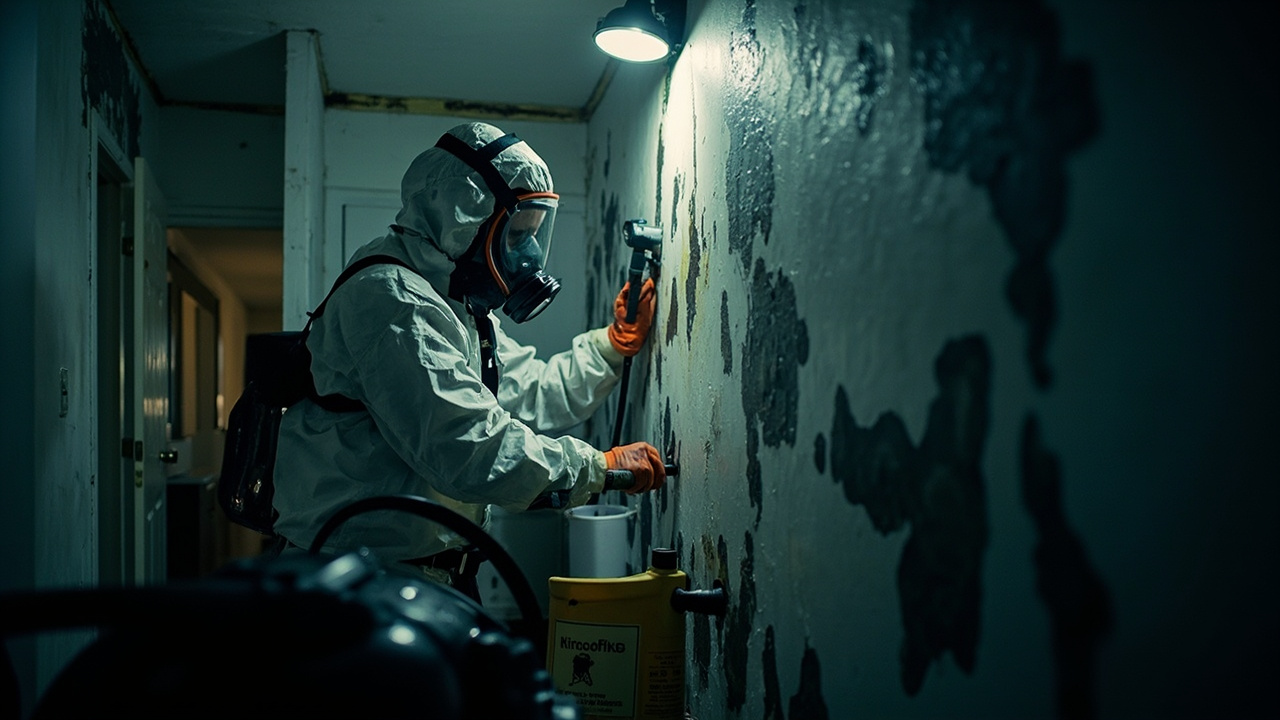
Containment setup uses 6-mil polyethylene barriers sealed with adhesive tape to create isolated work zones. We install commercial-grade HEPA air scrubbers that generate negative pressure, pulling air from the contaminated space and filtering it through three-stage filtration before exhaust. This prevents spore migration to clean areas during material removal. All HVAC registers get sealed to protect ductwork from contamination.

Material removal follows IICRC S520 standards. We remove porous materials like drywall, insulation, and carpeting that absorbed mold growth beyond surface level. Non-porous surfaces like framing lumber get treated with EPA-registered antimicrobial solutions that kill roots embedded in wood grain. We use HEPA-filtered vacuums on all surfaces before applying encapsulants that seal any remaining dormant spores.

The final phase involves independent third-party air quality testing. We collect air samples from remediated areas and send them to certified mycology labs. Results must show spore counts below outdoor ambient levels before we remove containment barriers. This verification step separates professional mold mitigation from surface cleaning that leaves you vulnerable to recurrence.

Fortress Water Damage Restoration Sacramento coordinates with industrial hygienists when properties show extensive contamination or involve toxic species like Stachybotrys. We provide documentation that satisfies insurance requirements and real estate transaction disclosures for Sacramento County properties.

What Happens During Your Mold Remediation Service

Mold Remediation & Removal in Sacramento – Certified Protocols That Stop Airborne Spread and Protect Property Value
01

Inspection and Containment Setup

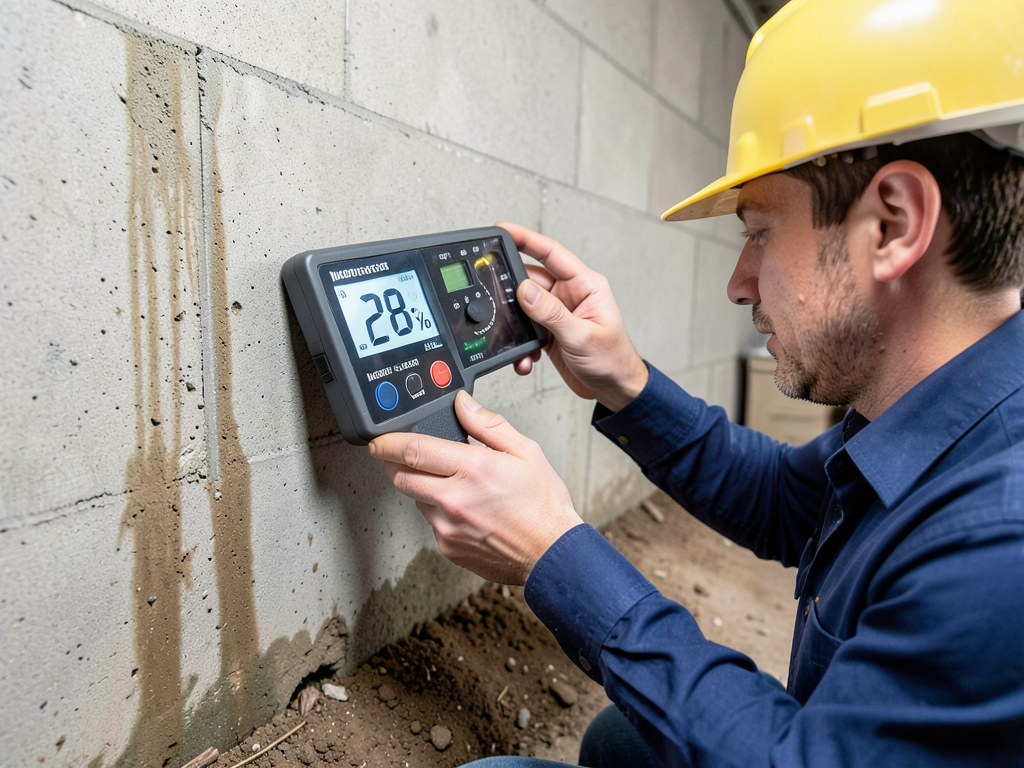
We arrive with moisture meters and thermal cameras to map all affected areas. You get a detailed scope of work before any material removal begins. Our crew builds sealed containment zones using polyethylene barriers and installs HEPA air scrubbers to create negative pressure. This prevents spore spread during demolition and keeps unaffected rooms clean throughout the project.
02

Removal and Antimicrobial Treatment

We remove compromised materials like drywall and insulation using controlled demolition techniques that minimize dust generation. All debris goes directly into sealed bags for disposal. Structural elements like studs and joists get treated with antimicrobial solutions that penetrate wood fibers and kill subsurface growth. HEPA vacuuming removes residual spores from all surfaces before we apply encapsulant coatings to remaining materials.
03

Verification and Clearance Testing

Independent air quality testing confirms successful remediation before we remove containment barriers. Lab analysis measures spore concentrations in treated areas against outdoor baseline samples. You receive detailed clearance reports that document your property meets safety standards. We coordinate with your insurance adjuster to ensure all documentation satisfies claim requirements for Sacramento County properties.

Why Sacramento Property Owners Choose Local Mold Specialists

Mold remediation requires knowledge of local construction methods and regional moisture patterns. Sacramento's mix of historic homes and modern construction presents different challenges. Older properties in Midtown and East Sacramento often have plaster walls over wood lath, which requires specialized removal techniques to prevent structural damage. Newer homes in Natomas and Elk Grove feature synthetic stucco systems that trap moisture behind exterior walls when improperly flashed.

We understand Sacramento's climate cycles and how they affect building materials. Winter storms saturate soil around foundations and create hydrostatic pressure that pushes water through concrete. Summer heat pulls moisture through capillary action, creating dampness in crawl spaces and subfloor areas. This seasonal pattern requires remediation strategies that address both immediate contamination and long-term moisture control to prevent recurrence.

Local building codes require specific procedures for mold remediation projects that exceed 10 square feet. Sacramento County environmental health regulations mandate proper containment, worker protection protocols, and waste disposal methods. We maintain current knowledge of these requirements and coordinate necessary permits when projects require notification. This compliance protects you from liability issues and ensures your remediation meets legal standards for insurance claims and real estate transactions.

Fortress Water Damage Restoration Sacramento maintains relationships with local industrial hygienists, environmental testing labs, and insurance adjusters. These connections streamline your project timeline and ensure proper documentation throughout the remediation process. We provide detailed photo documentation, moisture readings, and clearance test results that satisfy disclosure requirements for Sacramento County property transfers. When you sell your home, buyers and their inspectors see professional remediation that protects property value rather than DIY attempts that raise red flags during due diligence.

What Your Mold Remediation Project Includes

Response Time and Project Duration

We dispatch crews within hours of your call because mold spreads rapidly once established. Most residential projects take three to five days from containment setup through clearance testing. Commercial properties require longer timelines based on square footage and contamination extent. We coordinate work schedules to minimize business disruption and maintain access to unaffected areas during remediation. Rush services accommodate urgent situations like real estate transaction deadlines or insurance claim timelines. You receive daily progress updates and photo documentation throughout the project to track completion milestones.

Initial Assessment and Scope Documentation

Your project begins with comprehensive moisture mapping using thermal imaging and penetrating moisture meters. We document all affected areas with photographs and written descriptions that detail material types and contamination levels. You receive a detailed scope of work that explains removal procedures, containment protocols, and estimated timelines before any work begins. This assessment includes moisture source identification to address underlying causes like plumbing leaks, roof damage, or foundation seepage. We coordinate with your insurance adjuster during this phase to ensure all necessary documentation supports your claim submission.

Clearance Standards and Final Results

All projects conclude with third-party air quality testing that measures spore concentrations in remediated areas. Lab results must show spore counts at or below outdoor ambient levels before we remove containment barriers and return the space to normal use. You receive detailed clearance reports with lab analysis, photo documentation, and moisture readings that prove successful remediation. These reports satisfy insurance requirements, real estate disclosure obligations, and tenant notification standards. We provide digital copies and maintain records for future reference if you need documentation during property sale or lease negotiations.

Post-Remediation Monitoring and Prevention

We provide detailed recommendations for moisture control measures that prevent future contamination. This includes guidance on dehumidification, ventilation improvements, and structural repairs that address underlying water intrusion. Follow-up moisture monitoring helps verify that corrections remain effective and conditions stay within safe parameters. We offer annual inspection services that catch early warning signs before new growth establishes. These preventive measures protect your investment in professional remediation and give you confidence that your property stays mold-free. Documentation from these follow-up visits strengthens your position if future claims arise or buyers request remediation history during sale negotiations.

Frequently Asked Questions

You Have Questions,
We Have Answers

How much does it cost to remove mold? +

Mold removal costs in Sacramento typically range based on the extent of contamination and affected square footage. Small areas under 100 square feet may cost less, while extensive growth behind walls or in crawl spaces increases the price. Factors include containment needs, air filtration requirements, material disposal, and post-remediation testing. Sacramento's older homes often have hidden moisture issues from outdated plumbing or poor ventilation, which can drive up costs. Most projects require professional assessment before quoting. Do not attempt cost-cutting DIY fixes, as incomplete removal allows mold to return and worsens structural damage.

What is the difference between mold removal and mold remediation? +

Mold removal means physically cleaning visible mold from surfaces. Mold remediation is the comprehensive process of identifying the moisture source, containing the spread, removing contaminated materials, treating affected areas with antimicrobials, and preventing recurrence. Remediation addresses the root cause, not just the symptom. In Sacramento, where high humidity and Delta breezes create moisture variability, remediation is critical. Simply wiping down mold without fixing leaks or ventilation means it grows back within weeks. Proper remediation restores your indoor air quality and protects structural integrity. Removal is a step within remediation, not a standalone solution.

How much does full mold remediation cost? +

Full mold remediation costs depend on contamination severity, location accessibility, and required reconstruction. A whole-home project addressing multiple rooms, HVAC systems, or crawl spaces will cost significantly more than isolated bathroom mold. Sacramento homes built before 1980 often require additional asbestos or lead testing during remediation, adding expense. Costs include containment barriers, HEPA filtration, material removal, antimicrobial treatment, dehumidification, and clearance testing. Extensive water damage from roof leaks or foundation seepage increases labor and materials. Always get a detailed scope of work and air quality testing to justify the investment.

Is professional mold removal worth it? +

Yes. Professional mold remediation is worth it when you consider health risks, liability, and property value. Mold releases spores and mycotoxins that trigger respiratory issues, allergic reactions, and chronic illness. Sacramento's mix of older housing stock and newer construction both present unique mold risks. Professionals use containment, HEPA filtration, and antimicrobial treatments you cannot replicate with store-bought products. Incomplete DIY efforts spread spores throughout your home and void insurance claims. Certified technicians identify hidden moisture sources, preventing recurrence. Protecting your family's health and your largest financial asset justifies the cost.

What kills mold permanently? +

Nothing kills mold permanently without eliminating the moisture source. Mold needs water, organic material, and oxygen to grow. Effective treatments include HEPA vacuuming, antimicrobial solutions, and complete removal of porous materials like drywall or insulation. In Sacramento, controlling indoor humidity below 60 percent and fixing leaks stops regrowth. Bleach only whitens mold on non-porous surfaces but does not penetrate wood or drywall. Professional remediation combines source control, material removal, and preventive encapsulation. Without moisture control, mold always returns. Fix the leak, improve ventilation, and maintain low humidity for long-term prevention.

What are signs of mold exposure? +

Common signs of mold exposure include persistent coughing, sneezing, watery eyes, skin rashes, headaches, and fatigue. Respiratory symptoms often worsen indoors and improve when you leave. Some people experience brain fog, sinus congestion, or asthma flare-ups. Sacramento residents may misattribute symptoms to Valley Fever or seasonal allergies, delaying mold discovery. Immunocompromised individuals, children, and elderly people face higher risks. If multiple household members develop unexplained symptoms simultaneously, inspect for hidden mold in bathrooms, crawl spaces, or behind appliances. Musty odors are a red flag. Seek medical attention and schedule a professional mold assessment immediately.

Do you have to throw everything away with mold in the house after? +

Not necessarily. Porous materials that absorb mold, like drywall, insulation, carpet, and upholstered furniture, typically require disposal. Non-porous items such as glass, metal, and hard plastics can be cleaned and salvaged. Wood framing may be treated if contamination is surface-level. Sacramento homeowners often salvage hardwood flooring and cabinetry with professional cleaning. Clothing and fabrics can sometimes be laundered with antimicrobial detergent. A certified remediation company will inventory items, test contamination levels, and advise on what to discard. Sentimental items may warrant specialized restoration. Always prioritize health over possessions.

Can I remediate mold myself? +

You can clean small mold patches under 10 square feet on non-porous surfaces using proper safety gear and EPA-approved cleaners. Anything larger, hidden behind walls, or affecting HVAC systems requires professional remediation. DIY efforts often spread spores, fail to address moisture sources, and create liability during home sales. Sacramento's older homes frequently hide mold in crawl spaces, attics, or wall cavities where you lack proper containment tools. Without HEPA filtration and negative air pressure, you contaminate unaffected areas. If mold returns after cleaning, stop and call professionals. Your health and property value are not worth the risk.

Is it hard to sell a house that has had mold remediation? +

Selling a house after proper mold remediation is manageable with documentation. Buyers and lenders require proof of professional remediation, including scope of work, invoices, and post-remediation clearance testing. Sacramento's disclosure laws mandate revealing past mold issues. Homes with documented, resolved mold problems often sell without major issues if you provide transparency. Concealing past mold invites lawsuits and sale cancellations. Remediated homes may appraise normally if structural repairs are complete. Work with a real estate agent experienced in Sacramento disclosure requirements. Honest disclosure and professional documentation protect you legally and help close deals.

Does homeowners insurance cover mold? +

Most homeowners insurance policies exclude mold unless it results from a covered peril like sudden pipe bursts or storm damage. Gradual leaks, poor maintenance, or flooding are typically excluded. Sacramento homeowners should review their policy's mold coverage limits, often capped at low amounts. Some insurers offer mold endorsements for additional premium. Document all water damage immediately and file claims quickly to maximize coverage chances. Insurance rarely covers mold from neglected maintenance or high humidity. Prevent mold through routine inspections, prompt leak repairs, and humidity control. Prevention is cheaper than fighting claim denials.

How Sacramento's River Valley Climate Creates Year-Round Mold Conditions

Sacramento's position between the Sacramento and American Rivers creates elevated humidity that persists even during summer months. Morning fog and evening temperature drops cause condensation inside wall cavities and attic spaces. This moisture accumulation feeds mold growth in insulation, wood framing, and drywall paper backing. Properties near the rivers in areas like Pocket and Greenhaven face even higher risk due to groundwater tables that sit close to surface level. Winter flood events saturate soil and create long-term dampness in crawl spaces and basement areas that standard ventilation cannot resolve. Professional mold cleanup services address these geography-specific moisture sources that make Sacramento properties vulnerable to chronic contamination.

Sacramento's mix of historic and modern construction requires remediation specialists who understand era-specific building methods. Homes built before 1950 often lack vapor barriers in crawl spaces and use materials that absorb moisture readily. Modern construction in newer developments sometimes creates problems through improper HVAC sizing or inadequate bathroom ventilation. We maintain current knowledge of Sacramento County building codes and work with local inspectors when projects require permits or notifications. This local expertise ensures your mold abatement meets regulatory standards and protects you from liability issues that arise when remediation falls short of code requirements. Insurance adjusters and real estate agents in Sacramento recognize our documentation standards and accept our clearance reports without additional verification requirements.

Water Damage Restoration Services in The Sacramento Area

Fortress Water Damage Restoration proudly serves the greater Sacramento area, including all surrounding neighborhoods and communities. We are committed to providing fast and reliable service wherever you are. To get an idea of our service area or to visit our office, please use the interactive map below. Our team is ready to respond to your needs, so don't hesitate to reach out for immediate assistance or to schedule a consultation.

Address:
Fortress Water Damage Restoration Sacramento, 2109 Del Paso Blvd, Sacramento, CA, 95815

Additional Services We Offer

Our news updates

Latest Articles & News from The Blogs

Why a Leaky Pool Pump Can Damage Your Home Foundation in the Sacramento Heat Pool equipment leaks in Sacramento homes…

Why a Leaky Pool Pump Can Damage Your Home Foundation in the Sacramento Heat

Why a Leaky Pool Pump Can Damage Your Home Foundation in the Sacramento Heat Pool equipment leaks in Sacramento homes…

Your Rights and Next Steps When a Neighbor Overflows Their Sink in a Sacramento High Rise

Your Rights and Next Steps When a Neighbor Overflows Their Sink in a Sacramento High Rise When a neighbor's sink…

Protecting Your Finished Basement in Old North Sacramento from Rising Ground Water

Protecting Your Finished Basement in Old North Sacramento from Rising Ground Water Your finished basement in Old North Sacramento sits…

Contact Us

Call (916) 222-9262 now for same-day assessment and containment setup. We provide detailed scopes of work, coordinate insurance claims, and deliver lab-verified clearance testing. Stop mold spread before it damages your property value or creates health risks for occupants.