




Menu

Commercial Water Damage Restoration in Sacramento – Minimize Downtime and Protect Your Business Continuity

Fortress Water Damage Restoration Sacramento delivers industrial-grade commercial water mitigation and business water damage restoration designed to keep your operations running, protect your liability exposure, and meet California Title 24 compliance standards.

Slider Image 1
Slider Image 2
Slider Image 3
Slider Image 4
Slider Image 5
Slider Image 7
Slider Image 8
Slider Image 9
Slider Image 10
Slider Image 11

Why Commercial Water Damage in Sacramento Demands Immediate Professional Response

A single water intrusion event in a Sacramento commercial facility can trigger a cascade of operational and financial liabilities. The Central Valley's temperature swings between 40-degree winter nights and 100-degree summer days create expansion and contraction in building envelopes, stressing roof membranes and plumbing systems. When these systems fail in office buildings along Capitol Mall or warehouse facilities near Natomas, the clock starts ticking on mold colonization, structural compromise, and code violations.

Commercial water damage repair is not a scaled-up version of residential work. Your business faces different stakes. Lost productivity, lease obligations, ADA compliance issues, and potential tenant litigation require a response that prioritizes business continuity over aesthetics. A flooded retail space in Midtown Sacramento during peak season translates to direct revenue loss. A compromised HVAC system in a medical office near Sutter Health Park creates patient safety concerns and regulatory exposure.

Sacramento's position at the confluence of the American and Sacramento Rivers means groundwater tables sit high in many commercial districts. Subsurface moisture migration through concrete slabs is common in older buildings south of Broadway. You need commercial water damage cleanup that accounts for hydrostatic pressure, vapor barriers, and long-term moisture control, not just surface drying. The difference between adequate mitigation and proper commercial water remediation is the difference between a one-time fix and recurring problems that erode your asset value and insurability.

Why Commercial Water Damage in Sacramento Demands Immediate Professional Response
How Commercial Water Mitigation Differs from Residential Response

How Commercial Water Mitigation Differs from Residential Response

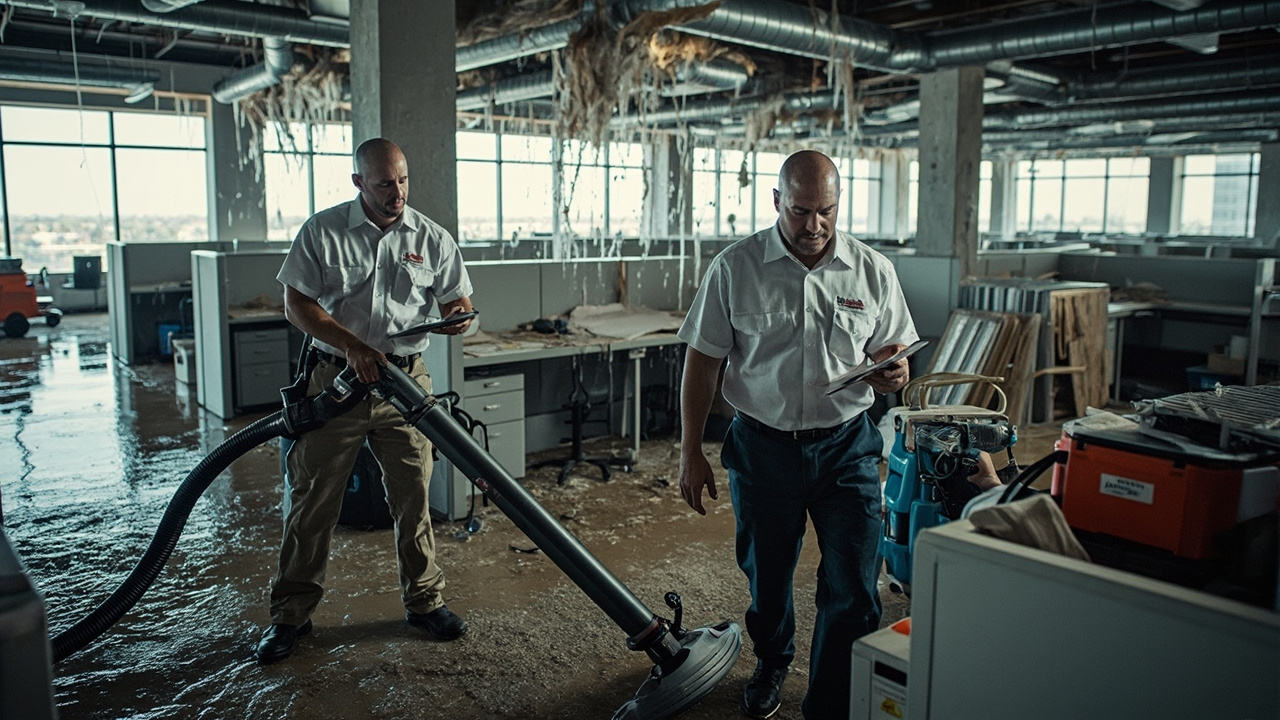
Commercial water damage restoration requires equipment capacity and technical knowledge that residential teams cannot provide. Fortress Water Damage Restoration Sacramento deploys truck-mounted extraction units with 3,000 CFM capacity, desiccant dehumidifiers for low-grain refrigerant drying, and thermal imaging arrays to map moisture in multi-story structures. We do not guess. We measure grain depression, calculate vapor pressure differentials, and document drying progress with psychrometric data that satisfies insurance adjusters and risk management teams.

Your facility has business-critical systems that cannot go offline. Server rooms require continuous climate control during drying. Retail inventory needs segregation and pack-out protocols. Healthcare facilities demand infection control barriers and OSHA compliance during remediation. We coordinate with your IT teams, security personnel, and facility managers to sequence work around your operational requirements, not our convenience.

Building code compliance separates professional commercial water damage repair from shortcuts that create future liability. California Title 24 mandates specific vapor retarder classes for different occupancy types. Fire-rated assemblies compromised by water intrusion must be restored to their original rating. We work with structural engineers when load-bearing elements show saturation damage. Our documentation includes moisture mapping, material removal logs, and antimicrobial application records that meet Cal/OSHA standards and protect you during future property transactions or litigation discovery.

Business water damage restoration is engineering work, not just extraction and drying. We calculate drying time based on material porosity, ambient conditions, and airflow dynamics. We do not leave when the carpet feels dry. We leave when moisture content testing confirms equilibrium moisture levels that prevent secondary damage.

Our Commercial Water Damage Response Protocol

Commercial Water Damage Restoration in Sacramento – Minimize Downtime and Protect Your Business Continuity
01

Immediate Site Containment

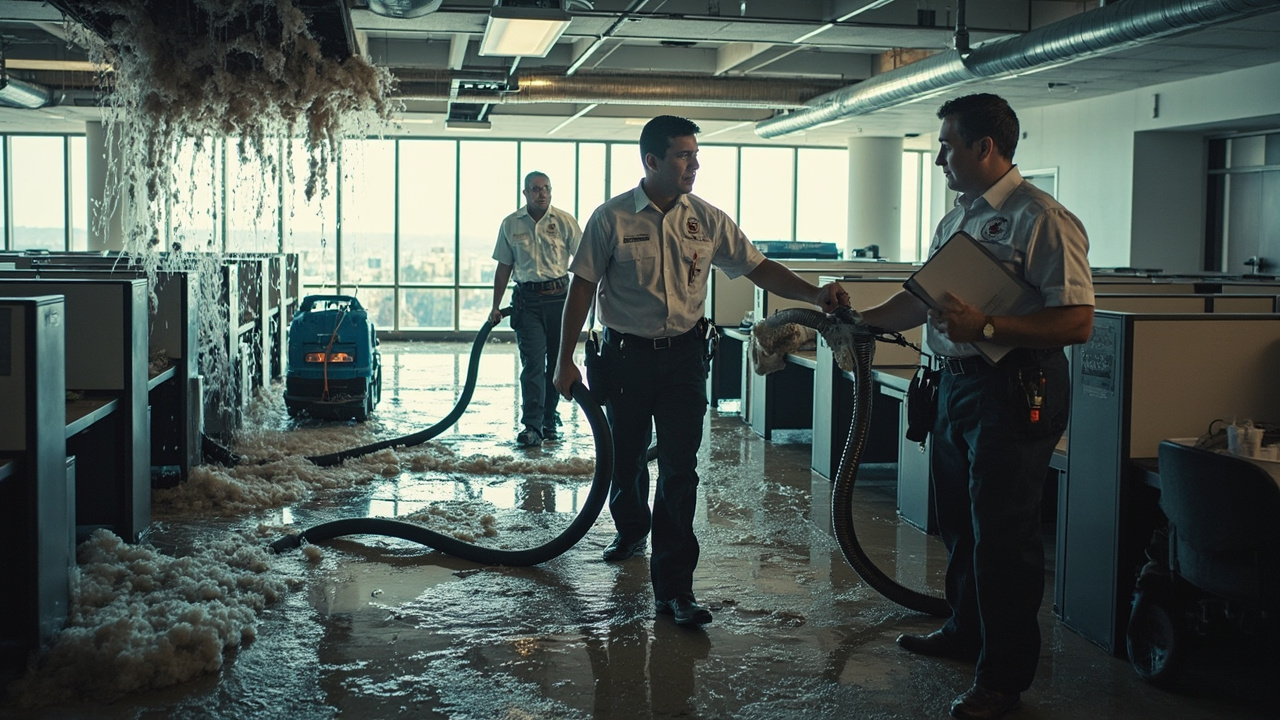
We establish containment barriers using poly sheeting and negative air pressure to isolate affected areas from operational spaces. This protects unaffected inventory, prevents cross-contamination, and allows partial facility operation during remediation. We document pre-loss conditions with photo and video evidence, establish chain of custody for removed materials, and coordinate with your insurance carrier within the first four hours. Source identification and emergency shutoff procedures happen immediately to stop ongoing water intrusion.
02

Controlled Extraction and Drying

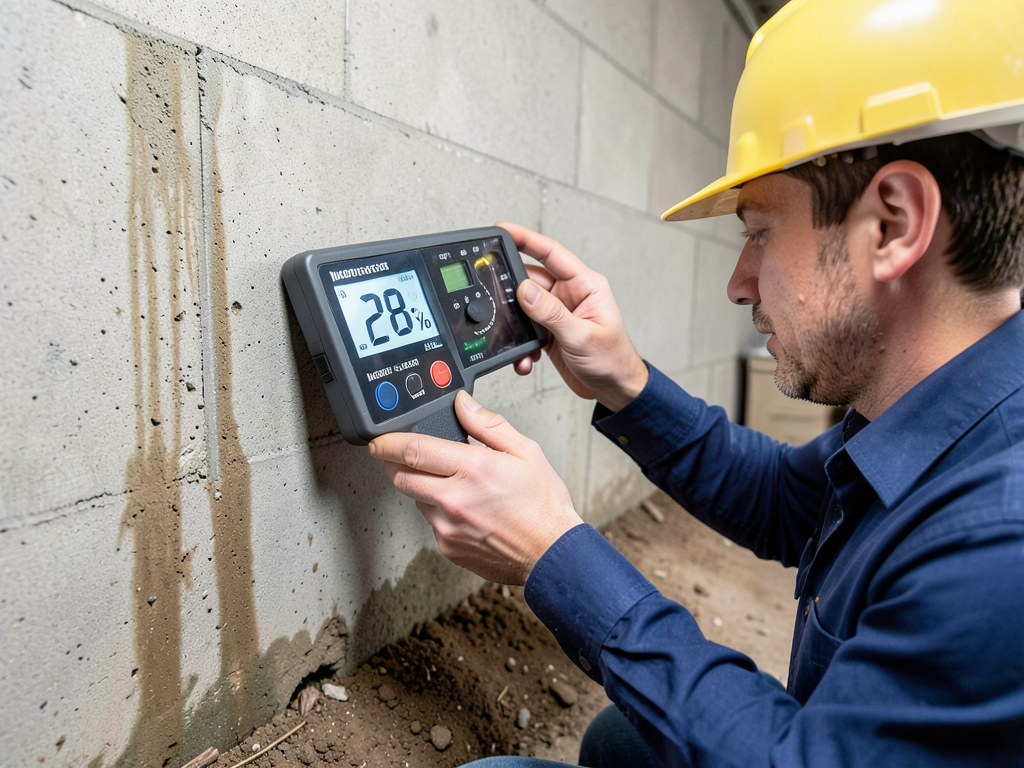
Commercial water mitigation uses staged drying protocols based on material density and occupancy type. We deploy hydroxyl generators for odor control in occupied spaces, HEPA filtration to capture particulates, and strategic air mover placement to create proper drying chambers. Moisture monitoring happens every 12 hours using calibrated thermo-hygrometers and penetrating moisture meters. We adjust equipment based on grain depression rates and provide daily progress reports with psychrometric charts. Drying continues until materials reach industry-standard equilibrium moisture content for your climate zone.
03

Restoration and Clearance Testing

Final restoration includes antimicrobial treatment, structural repairs, and finish work that returns your facility to pre-loss condition. We conduct post-remediation verification using moisture meters and infrared cameras to confirm complete drying. All work receives photographic documentation and material invoices for insurance substantiation. You receive a comprehensive project close-out package with moisture logs, equipment placement diagrams, and material safety data sheets for all applied chemicals. This documentation protects your asset value and provides due diligence records for future property transactions.

Why Sacramento Businesses Choose Fortress Water Damage Restoration

Commercial water damage cleanup in Sacramento requires knowledge of local building stock and regulatory requirements that out-of-area contractors lack. The majority of commercial buildings in downtown Sacramento were constructed between 1950 and 1980, before modern waterproofing standards. These structures use outdated plumbing systems, tar and gravel roofing, and lack proper vapor barriers. We understand how water moves through these older buildings and where hidden moisture accumulates in wall cavities and ceiling plenums.

We work within Sacramento's permitting and inspection framework. The City of Sacramento requires permits for structural drying that involves wall removal or affects fire-rated assemblies. We handle permit applications, coordinate required inspections, and ensure all work meets current California Building Code standards. This protects you from future compliance issues and ensures your insurance claim includes all necessary work.

Our response time matters for your bottom line. We maintain equipment staging facilities in North Sacramento and Elk Grove, allowing us to deploy extraction and drying equipment to any commercial facility in the metro area within 90 minutes. We staff crews 24 hours because water damage does not wait for business hours. A pipe break at 2 AM in your Arden-Arcade office building receives the same response capacity as a daytime event.

Fortress Water Damage Restoration Sacramento carries the coverage limits and bonding capacity required for commercial projects. Our general liability and workers compensation insurance meets the requirements for work in occupied commercial buildings. We provide certificates of insurance directly to your property manager or risk management team. We understand that you need documentation for your insurance carrier, your tenants, and your corporate compliance requirements. You receive that documentation as part of our standard service delivery, not as an afterthought.

What Your Business Can Expect from Our Commercial Water Remediation Service

Response Time and Availability

We commit to on-site arrival within 90 minutes of your call for any commercial facility within Sacramento County. Our dispatch center operates 24 hours, every day. You receive a direct project manager contact who remains your single point of communication throughout the restoration. We understand that facility managers, property owners, and insurance adjusters all need updates. Your project manager coordinates communication with all stakeholders and provides daily written progress reports. Emergency response happens immediately. Full assessment and mitigation planning occurs within four hours of arrival. We do not schedule commercial water damage repair. We respond to it.

Facility Assessment Process

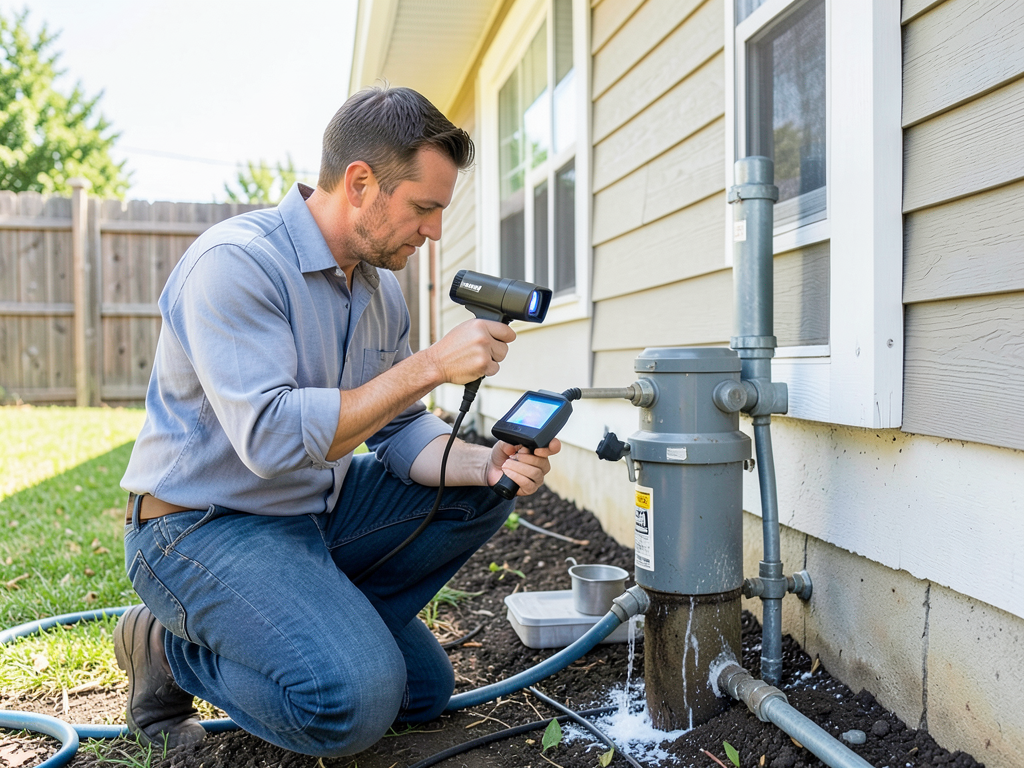
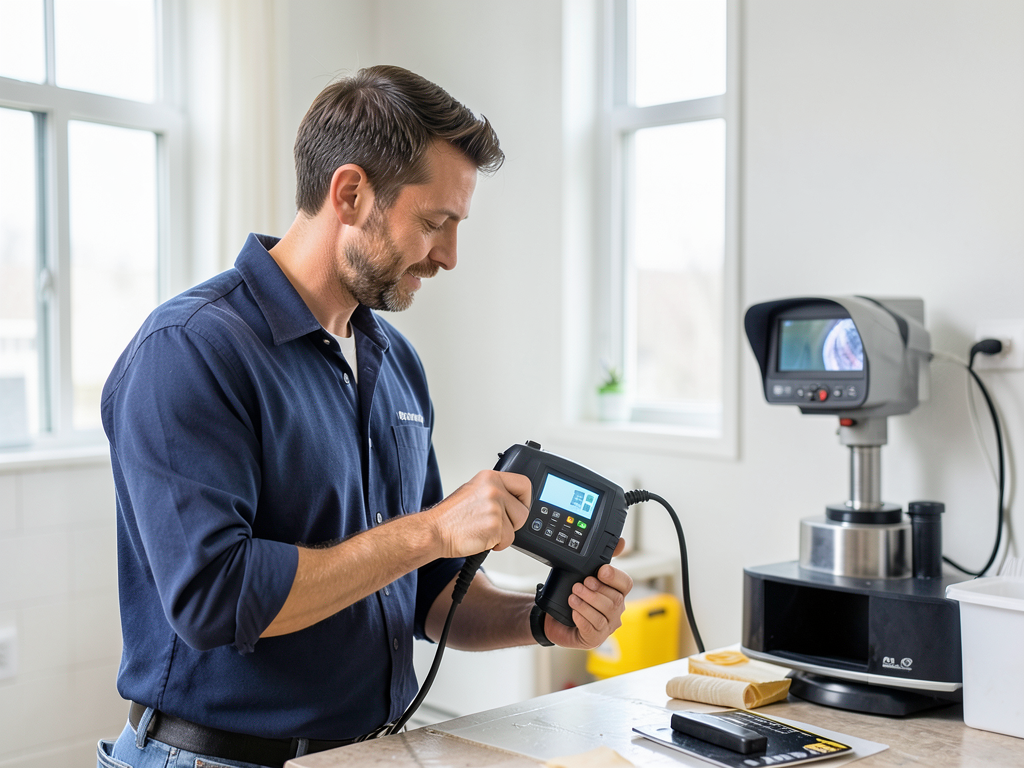
Our assessment protocol includes moisture mapping using thermal imaging cameras, material density testing with penetrating moisture meters, and airflow analysis to design proper drying chambers. You receive a written scope of work that identifies affected materials, required equipment, estimated drying time, and project cost within 24 hours. We classify water damage according to IICRC S500 standards, determining contamination level and required antimicrobial protocols. The assessment includes structural evaluation for compromised building elements. If engineers or industrial hygienists need involvement, we coordinate those consultations. Your assessment package includes floor plans with marked moisture boundaries, equipment placement diagrams, and a detailed remediation plan that your insurance adjuster can review.

Restoration Quality Standards

Commercial water damage restoration at Fortress meets industry certification standards, not minimum requirements. Our technicians hold IICRC Water Damage Restoration Technician and Applied Structural Drying Technician certifications. All work follows IICRC S500 Standard and Reference Guide for Professional Water Damage Restoration. We use calibrated equipment with current certification stickers. Moisture documentation includes date-stamped readings that prove proper drying progression. Final surfaces receive antimicrobial treatment appropriate to the contamination classification. Reconstruction work uses materials that match or exceed original specifications. You receive a facility that meets current code requirements and performs better than pre-loss condition because we correct underlying deficiencies during restoration.

Post-Restoration Support

Your project close-out package includes complete photographic documentation, moisture log charts, equipment run-time records, and material invoices. This documentation supports your insurance claim and provides records for future property due diligence. We conduct follow-up moisture testing at 30 days post-restoration to verify long-term stability. If moisture readings show any elevation, we return to investigate and correct the issue. You receive maintenance recommendations specific to your facility, including suggestions for plumbing system upgrades, roof maintenance schedules, and humidity control improvements. Our goal is preventing your next water damage event, not just fixing the current one. We remain available for technical consultation if questions arise during your insurance claim process or future property transactions.

Frequently Asked Questions

You Have Questions,
We Have Answers

How much does a water restoration company charge? +

Commercial water restoration costs depend on damage scope, affected square footage, and water category. Expect hourly rates between project managers and technicians, plus equipment fees for extractors, dehumidifiers, and air movers. Category 3 water (sewage) costs more due to biohazard protocols. Sacramento properties with structural damage require additional trades like drywall contractors or electricians, increasing total spend. Most companies invoice insurance directly after site assessment and moisture mapping. Request itemized estimates covering extraction, drying, antimicrobial treatment, and reconstruction. Larger facilities face higher costs due to extended drying times and business interruption factors.

Does commercial property insurance cover water damage? +

Most commercial policies cover sudden and accidental water damage, like burst pipes or roof leaks. Coverage excludes flood events unless you carry separate flood insurance through NFIP, critical for Sacramento properties near the American and Sacramento Rivers. Gradual damage from poor maintenance (slow leaks, foundation seepage) gets denied. Review your policy's exclusions for mold coverage limits, which cap at $10,000 to $25,000 in many contracts. Policies typically cover mitigation costs to prevent further loss, but business interruption coverage requires specific endorsements. Always document damage immediately and notify your carrier within policy deadlines.

Is water damage restoration profitable? +

Water restoration targets commercial clients with predictable revenue streams and high-value claims. Profit margins depend on equipment utilization rates, technician efficiency, and insurance relationships. Sacramento's aging infrastructure and proximity to flood zones create consistent demand. Companies minimize downtime through 24/7 availability, which commands premium pricing. Success requires low overhead, fast response times, and tight insurance carrier partnerships for direct billing. The model works because commercial clients prioritize speed and liability reduction over cost, paying for certified technicians and documented protocols that protect against tenant lawsuits or lease violations.

How much can water damage cost to repair? +

Commercial water damage repairs range from minor extraction jobs to six-figure reconstruction projects. Small office leaks affecting 500 square feet cost less than warehouse flooding impacting inventory and equipment. Sacramento's older commercial districts often require asbestos abatement or lead remediation, adding compliance costs. Category 3 water (sewage backup) demands specialized disposal and disinfection, increasing expense. Structural drying takes three to five days minimum, with equipment rental compounding daily. Buildings with tenant improvements, specialized flooring, or sensitive equipment face higher totals. Get detailed estimates covering mitigation, demolition, buildback, and code upgrades before authorizing work.

Is water damage restoration worth it? +

Commercial water damage restoration prevents exponential loss. Unaddressed moisture triggers mold growth within 48 hours, causing health code violations and tenant liability. Sacramento's humidity accelerates microbial contamination, jeopardizing occupancy permits. Structural damage worsens as water wicks through drywall and subflooring, requiring complete replacement instead of drying. Fast mitigation protects inventory, reduces business interruption claims, and maintains property value. Restoration companies document the process with moisture readings and thermal imaging, providing insurance carriers the evidence needed for claim approval. Delaying restoration converts a manageable incident into a total loss scenario requiring months of reconstruction.

Does insurance pay for water restoration? +

Insurance pays for covered water restoration when damage results from sudden, accidental events. Commercial policies require immediate notification and documented mitigation efforts to prevent claim denial for neglect. Sacramento property owners must prove the loss was not maintenance-related or gradual. Adjusters approve emergency extraction and drying to halt further damage, then evaluate reconstruction scope. Policies often require multiple bids for repairs exceeding deductibles. Denied claims typically involve flood water without separate flood coverage, maintenance failures, or undisclosed pre-existing conditions. Work with restoration companies experienced in commercial claims documentation to maximize reimbursement.

What is the 80% rule in property insurance? +

The 80% rule requires commercial property owners to insure buildings for at least 80% of replacement cost to avoid coinsurance penalties. If your Sacramento warehouse is worth $1 million to rebuild and you carry only $600,000 in coverage, you become a co-insurer for the shortfall. During a water damage claim, the carrier pays a reduced percentage based on your underinsurance ratio, leaving you liable for the gap. Many property owners underinsure to save on premiums, then face devastating out-of-pocket costs after major losses. Annual appraisals ensure compliance as construction costs fluctuate.

What is not covered under commercial property insurance? +

Commercial property insurance excludes flood damage, earthquakes, and intentional acts. Policies do not cover maintenance-related failures like corroded pipes, roof wear, or foundation cracks. Business income loss requires separate endorsements. Mold remediation often has sub-limits or exclusions if stemming from maintenance neglect. Sacramento properties face specific risks: levee failures require flood riders, and sewer backups need separate coverage. Employee theft, faulty workmanship, and mechanical breakdown fall outside standard contracts. Ordinance or law coverage is optional but critical when building code changes force costly upgrades during restoration. Review exclusions annually with your broker.

What type of water damage is not covered by insurance? +

Insurance excludes flood water, groundwater seepage, and maintenance-related leaks. Gradual damage from undetected plumbing failures gets denied because policies cover sudden events only. Sacramento properties near rivers must distinguish between covered pipe bursts and excluded flood events. Sewer backups require specific endorsements in most commercial policies. Category 3 water from external sources (storm surge, rising creeks) falls under flood exclusions unless NFIP coverage applies. Damage from tenant negligence may trigger subrogation claims against responsible parties. Document all incidents with photos, maintenance records, and third-party inspections to contest wrongful denials.

Why is water damage so expensive? +

Water damage costs accumulate through hidden destruction. Moisture travels through wall cavities, insulation, and subflooring, requiring destructive access to dry properly. Sacramento's concrete slab foundations trap water, demanding specialty drying equipment. Labor-intensive demolition, antimicrobial treatments, and reconstruction inflate totals. Commercial projects require code compliance upgrades, asbestos testing, and accessibility improvements during buildback. Equipment runs 24/7 for days, compounding rental fees. Category 3 water demands biohazard disposal and EPA-compliant disinfection. Structural compromise forces complete replacement instead of surface repairs. Speed reduces costs, but thoroughness prevents mold lawsuits and failed inspections later.

Sacramento's High Water Table and Flood Zone Geography Create Unique Commercial Property Risks

Sacramento sits at the convergence of the American and Sacramento Rivers, with significant portions of the commercial district occupying Zone AE flood plains. This geography means many commercial buildings near Old Sacramento, Downtown, and Natomas face elevated groundwater tables and increased hydrostatic pressure against foundation walls. Older buildings constructed before 1980 often lack proper subsurface drainage systems or vapor barriers, making them vulnerable to capillary moisture wicking through concrete slabs. Commercial water damage cleanup in these areas requires understanding of how subsurface moisture behaves differently than surface water intrusion. Standard extraction does not address moisture moving through porous concrete from below. Effective commercial water mitigation requires sub-slab injection ports, vapor barrier installation, and long-term dehumidification strategies specific to Sacramento's soil conditions and seasonal groundwater fluctuations.

California Title 24 Building Energy Efficiency Standards impose specific requirements on commercial buildings during restoration work that affects building envelopes or HVAC systems. Sacramento building inspectors enforce these standards strictly, particularly for work in occupied commercial buildings. Fortress Water Damage Restoration Sacramento maintains relationships with local building inspectors and understands permit requirements for different types of commercial water damage repair. We know which restoration activities trigger plan review, when special inspections are required, and how to document work for final approval. This local knowledge prevents project delays and ensures your building maintains its certificate of occupancy throughout the restoration process. Out-of-area contractors often underestimate Sacramento's regulatory environment and create compliance problems that delay your return to normal operations.
Water Damage Restoration Services in The Sacramento Area

Fortress Water Damage Restoration proudly serves the greater Sacramento area, including all surrounding neighborhoods and communities. We are committed to providing fast and reliable service wherever you are. To get an idea of our service area or to visit our office, please use the interactive map below. Our team is ready to respond to your needs, so don't hesitate to reach out for immediate assistance or to schedule a consultation.

Address:
Fortress Water Damage Restoration Sacramento, 2109 Del Paso Blvd, Sacramento, CA, 95815

Additional Services We Offer

Our news updates

Latest Articles & News from The Blogs

Why a Leaky Pool Pump Can Damage Your Home Foundation in the Sacramento Heat Pool equipment leaks in Sacramento homes…

Why a Leaky Pool Pump Can Damage Your Home Foundation in the Sacramento Heat

Why a Leaky Pool Pump Can Damage Your Home Foundation in the Sacramento Heat Pool equipment leaks in Sacramento homes…

Your Rights and Next Steps When a Neighbor Overflows Their Sink in a Sacramento High Rise

Your Rights and Next Steps When a Neighbor Overflows Their Sink in a Sacramento High Rise When a neighbor's sink…

Protecting Your Finished Basement in Old North Sacramento from Rising Ground Water

Protecting Your Finished Basement in Old North Sacramento from Rising Ground Water Your finished basement in Old North Sacramento sits…

Contact Us

Every hour of delay increases your exposure and extends your recovery timeline. Contact Fortress Water Damage Restoration Sacramento now at (916) 222-9262 for immediate commercial water damage response. We deploy equipment to your facility within 90 minutes and begin mitigation immediately.