




Menu

Wet Carpet & Padding in Sacramento – Expert Diagnosis and Safe Removal Before Mold Takes Hold

Sacramento homes face unique flooding risks from levee overflow and winter storm runoff. When soaked carpeting and underlay sit for more than 48 hours, mold colonies establish quickly in the valley's mild, damp climate.

Slider Image 1
Slider Image 2
Slider Image 3
Slider Image 4
Slider Image 5
Slider Image 7
Slider Image 8
Slider Image 9
Slider Image 10
Slider Image 11

Why Wet Carpet in Sacramento Homes Becomes a Health Hazard Fast

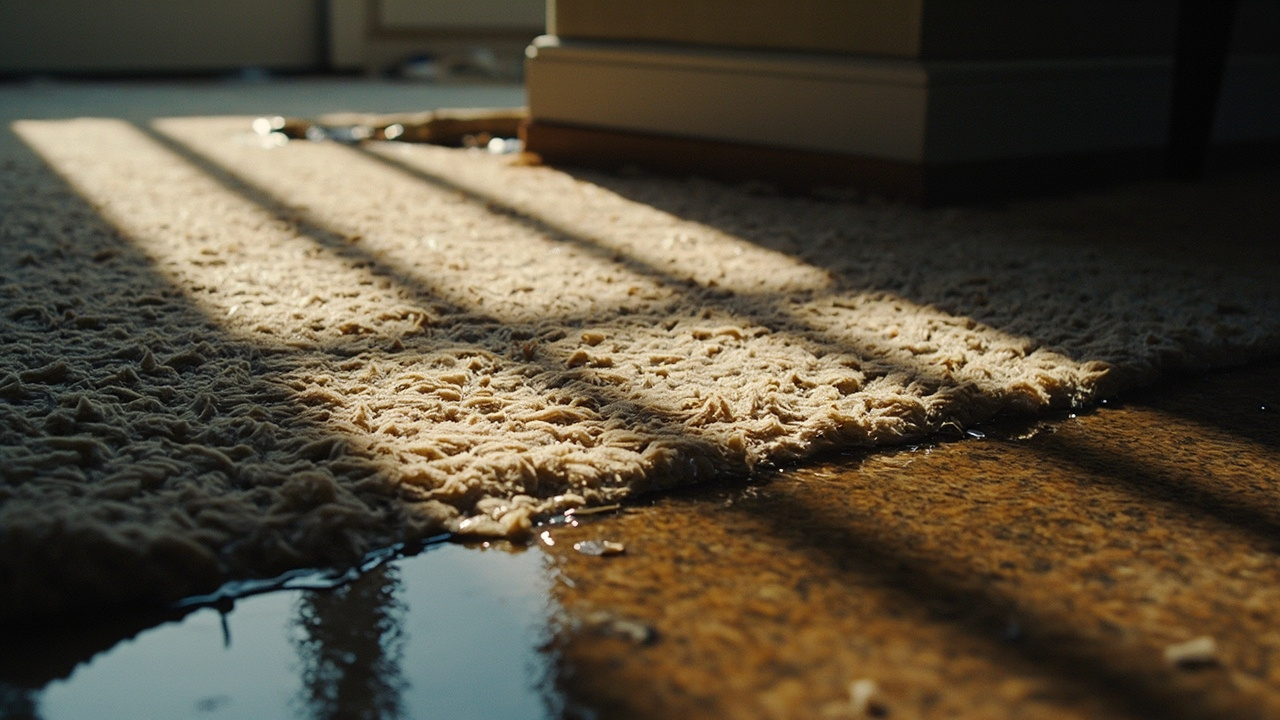
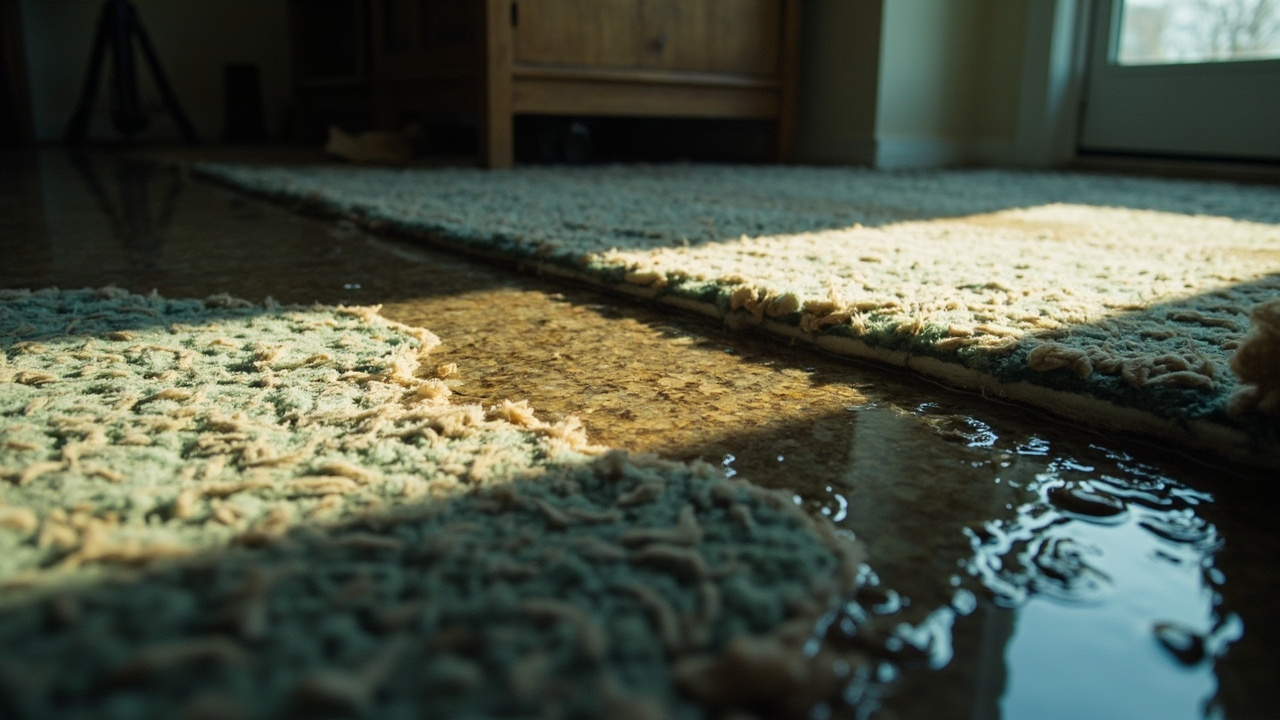
You walk into your living room and feel it. The carpet squishes under your feet. The padding beneath holds standing water like a sponge. You might think it will dry on its own, but Sacramento's mild winters and periodic atmospheric river storms create the perfect environment for mold to colonize soaked carpeting and underlay in less than 72 hours.

The problem starts below the surface. Water does not just sit on top of carpet fibers. It wicks down into the cushion, saturating the pad and pooling against the subfloor. In older Sacramento homes, especially those built before 1990 in neighborhoods like Land Park and Curtis Park, subfloors are often plywood or particleboard. These materials absorb water quickly, swell, and release organic compounds that feed mold spores already present in the air.

You cannot see the damage happening under your feet. The carpet might feel damp, but the real destruction occurs in the underlayment and the subfloor joists. Saturated carpet and cushion trap moisture against wood framing. Within 48 hours, you start to smell that earthy, musty odor. That is mold beginning to bloom. Within a week, black mold colonies can spread across the underside of the carpet pad and into the subfloor itself.

The risk escalates in Sacramento because of our location in the floodplain. When the American River rises during heavy rain, groundwater tables push up through slab foundations. Even homes on raised foundations face risks from plumbing failures, appliance leaks, and roof runoff that pools near exterior walls. The water finds its way under baseboards and into carpet edges, where it spreads laterally through the pad.

Wet carpet underlayment does not dry evenly. The top surface might feel dry to the touch while the pad beneath remains waterlogged. You cannot fix this with fans and open windows. Professional extraction and drying equipment is the only way to prevent permanent damage and health risks.

Why Wet Carpet in Sacramento Homes Becomes a Health Hazard Fast
How We Remove Water from Carpet and Padding Without Destroying Your Subfloor

How We Remove Water from Carpet and Padding Without Destroying Your Subfloor

Most homeowners try to dry flooded carpet and underpad with box fans and towels. This wastes time and allows water to penetrate deeper into the subfloor. We use truck-mounted extractors that pull water from the carpet fibers, the pad, and the subfloor surface in one pass. These machines generate vacuum pressure strong enough to lift water from porous materials without damaging the carpet backing or delaminating the pad layers.

We start by pulling back the carpet from the tack strips along the walls. This exposes the pad and allows us to assess saturation levels in both materials. If the pad is soaked through, we remove it entirely. Carpet padding is cheap to replace. Your subfloor is not. Leaving water damaged carpet and pad in place guarantees subfloor rot and mold growth.

Once the pad is out, we inspect the subfloor for cupping, warping, or soft spots. In Sacramento homes with concrete slab foundations, we check for efflorescence, which signals moisture wicking up through the slab. In homes with crawl spaces, we inspect floor joists for water staining and soft wood. If the subfloor is compromised, we document it and explain your options before proceeding.

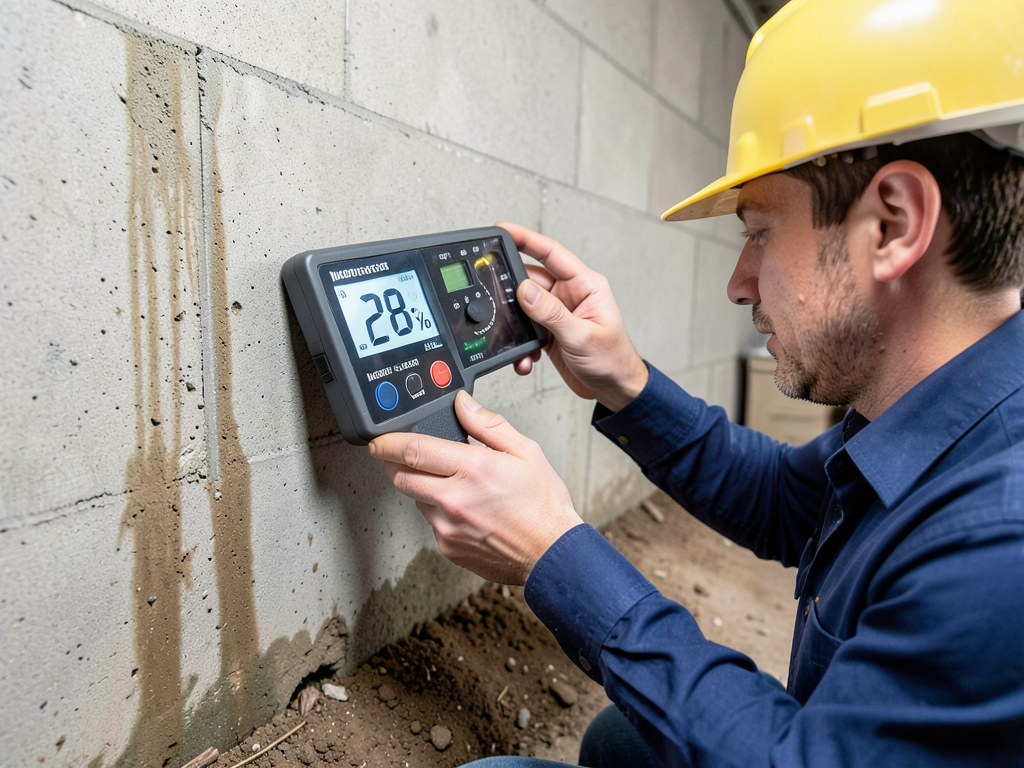
We use commercial dehumidifiers and air movers to dry the subfloor and carpet separately. Carpet must be dried from both sides to prevent delamination and mildew. We position air movers to force air circulation under the lifted carpet while dehumidifiers pull moisture from the air. Moisture meters track progress in real time. We do not reinstall carpet until moisture levels in the subfloor match the baseline for Sacramento's climate.

This process prevents secondary damage. Water that sits in carpet padding for more than 48 hours releases tannins and organic acids that stain subfloors and promote microbial growth. By extracting water immediately and drying materials separately, we stop the damage cycle before it starts.

What Happens When You Call Us About Saturated Carpet

Wet Carpet & Padding in Sacramento – Expert Diagnosis and Safe Removal Before Mold Takes Hold
01

Emergency Water Extraction

We arrive with truck-mounted extraction units that pull water directly from carpet fibers and padding. These systems generate 400 CFM vacuum pressure, removing standing water and trapped moisture in a single pass. We extract water from the carpet surface, then lift sections to access the pad and subfloor. This stops water migration into walls and framing.
02

Pad Removal and Subfloor Inspection

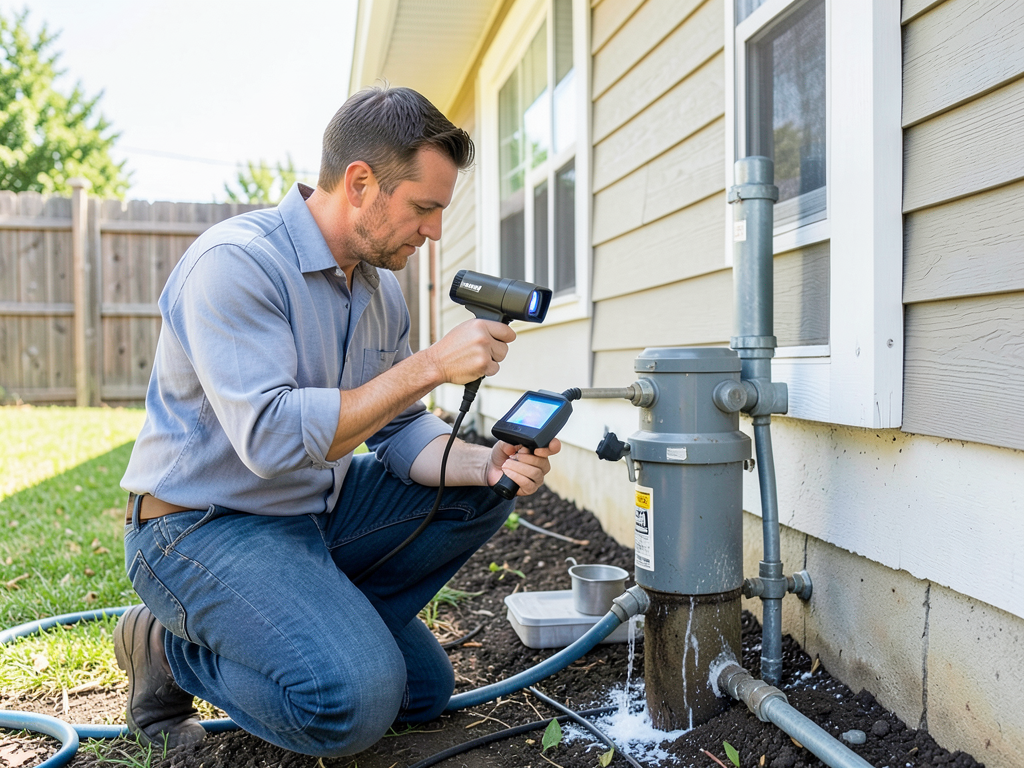
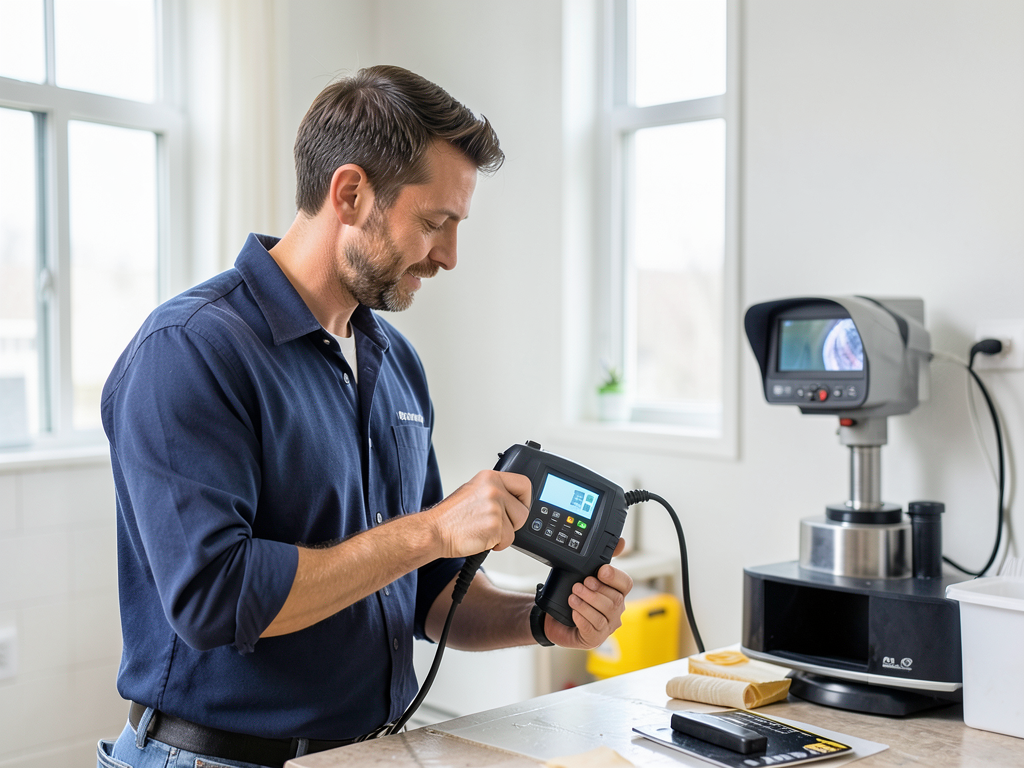
Saturated carpet and cushion must be separated for proper drying. We pull the carpet back from tack strips and remove soaked padding. This exposes the subfloor so we can inspect for moisture intrusion, warping, and mold. We use thermal imaging cameras to detect hidden water pockets in the subfloor and adjacent walls. If the subfloor is damaged, we document it and provide replacement options.
03

Controlled Drying and Reinstallation

We dry the subfloor and carpet separately using commercial dehumidifiers and air movers. Moisture meters track drying progress until readings match Sacramento's baseline humidity levels. Once the subfloor is stable, we install new padding and restretch the carpet onto tack strips. The carpet is sanitized, deodorized, and ready for use. We provide documentation for insurance claims and future reference.

Why Sacramento Homeowners Trust Us with Flooded Carpet Emergencies

Sacramento sits at the confluence of two major rivers. When winter storms hit, groundwater tables rise and levee systems strain. Homes in Natomas, Pocket, and South Sacramento are especially vulnerable to flooding from levee overflow and storm drain backups. You need a restoration team that understands how water moves through Sacramento homes and how to stop damage before it spreads.

We work in this region every day. We know the construction methods used in different neighborhoods. Homes built in the 1950s and 1960s in neighborhoods like Tahoe Park and Oak Park have wood subfloors prone to rot when exposed to standing water. Newer developments in Natomas and Elk Grove often have concrete slab foundations that wick moisture up through the slab when groundwater rises. Each foundation type requires a different drying strategy.

Fortress Water Damage Restoration Sacramento has the equipment and training to handle both scenarios. Our truck-mounted extractors pull water from carpet and padding in minutes, not hours. Our thermal imaging cameras detect moisture in walls and subfloors that standard meters miss. We document every step of the process so you have the records you need for insurance claims and future home sales.

We also understand the urgency. Mold does not wait. In Sacramento's mild, damp climate, mold spores colonize wet materials in 48 to 72 hours. Once mold establishes in carpet padding or subfloors, remediation becomes expensive and invasive. By extracting water immediately and drying materials properly, we stop mold before it starts.

You do not have time to wait for a restoration company that treats your flooded carpet like a low priority. We respond to calls in Sacramento within two hours. We arrive with the equipment and expertise to extract water, assess damage, and start the drying process the same day. Speed matters. The faster we extract water, the less damage you face and the lower your restoration costs.

What to Expect When We Restore Your Water Damaged Carpet

Rapid Response and Arrival Time

We respond to water damage calls in Sacramento within two hours. When you call, you speak directly with a technician who can answer questions and dispatch a crew immediately. Our trucks are stocked with extraction equipment, dehumidifiers, air movers, and moisture meters. We do not schedule you for next week. We arrive the same day, assess the damage, and start extracting water from your carpet and padding within the first hour. Speed is critical. Every hour water sits in carpet increases the risk of subfloor damage and mold growth. We prioritize emergency calls and arrive ready to work.

Thorough Moisture Assessment and Documentation

We use thermal imaging cameras and moisture meters to map water intrusion throughout your home. These tools detect moisture in walls, subfloors, and framing that you cannot see or feel. We document moisture levels at multiple points across the affected area and track readings throughout the drying process. This data proves to your insurance company that proper mitigation steps were taken. We photograph damage, log equipment placement, and provide written reports that detail moisture levels before and after drying. You receive copies of all documentation for your records and insurance claim.

Complete Drying and Mold Prevention

We do not leave your home until moisture levels in the carpet, padding, and subfloor match Sacramento's baseline humidity levels. Our commercial dehumidifiers and air movers run continuously until moisture meters confirm that drying is complete. We dry carpet and padding separately to prevent delamination and mildew. If padding is too saturated to salvage, we remove it and install new pad after the subfloor is dry. The result is a clean, dry carpet that looks and smells fresh. We apply antimicrobial treatments to prevent mold spores from colonizing during the drying process. You get peace of mind knowing the job was done right.

Post-Restoration Follow-Up and Monitoring

We provide follow-up inspections to confirm that moisture levels remain stable after equipment is removed. Mold can still develop if moisture returns, so we check back within 48 hours to verify that your home is drying properly. If you notice any odors, discoloration, or dampness after we leave, we return at no additional charge to reassess the area. We also provide guidance on preventing future water damage, including recommendations for sump pumps, gutter maintenance, and plumbing inspections. You are not alone after the restoration is complete. We remain available to answer questions and address concerns.

Frequently Asked Questions

You Have Questions,
We Have Answers

Is carpet padding ruined if it gets wet? +

Yes, carpet padding is usually ruined once it gets wet. Padding acts like a sponge and absorbs water quickly. It holds moisture against your subfloor, which creates a breeding ground for mold and bacteria. Even if the surface carpet dries, the padding underneath stays damp for days or weeks. This trapped moisture causes odors, structural damage, and health risks. In Sacramento homes, especially older properties with concrete slabs, wet padding can wick moisture back up into carpet fibers repeatedly. Professional extraction and removal are required. Padding is inexpensive compared to mold remediation or subfloor replacement.

How to dry out wet carpet padding? +

Pull back the carpet to expose the padding. Use a wet vacuum to extract standing water from both carpet and padding. Position air movers and dehumidifiers to increase airflow and reduce humidity. In Sacramento's dry climate, open windows during low-humidity hours to help evaporation. Check moisture levels with a meter every few hours. If padding remains wet after 24 hours, remove it. Padding is dense and holds water deep in its fibers. Attempting to dry soaked padding in place rarely works and risks mold growth. Replace padding to prevent long-term damage and odor issues.

How long can carpet be wet before it is ruined? +

Carpet can survive wetness for 24 to 48 hours before permanent damage occurs. After this window, mold spores colonize, fibers weaken, and backing adhesives break down. The clock starts the moment water contacts carpet. Sacramento's warm temperatures accelerate microbial growth, shortening your response time. Category 3 water (sewage) ruins carpet immediately. Category 1 (clean water) gives you the full 48 hours if you act fast. Extract water within the first 12 hours for the best outcome. Delay increases replacement costs and health risks. Speed determines whether you dry or replace.

Can mold grow under carpet padding? +

Yes, mold grows aggressively under carpet padding. Padding is porous and organic, making it ideal for mold colonization. Mold needs moisture, darkness, and organic material. Wet padding provides all three. Once mold establishes in padding, it spreads to carpet backing, tack strips, and subfloors. You cannot see mold growing underneath until you pull back the carpet. In Sacramento homes with poor ventilation or HVAC issues, the problem worsens. Musty odors are the first warning sign. If padding stays wet longer than 48 hours, mold growth is almost guaranteed. Remove wet padding immediately.

How quickly can mold grow under wet carpet? +

Mold can begin growing under wet carpet within 24 to 48 hours. Spores are always present in the air. They need only moisture and a food source to colonize. Carpet padding and backing provide organic material. Sacramento's indoor temperatures, especially in summer, create ideal conditions for rapid growth. Humidity levels above 60 percent accelerate the timeline. Category 2 or 3 water (gray or black water) introduces bacteria that speeds colonization. Within 72 hours, mold colonies become visible and release spores into your air. Act within the first 24 hours to prevent growth.

What does moldy carpet padding look like? +

Moldy carpet padding shows dark spots, stains, or streaks. Colors range from black and green to gray and white. You may see fuzzy or slimy growth on the surface. Padding develops a crumbly texture when mold breaks down fibers. The backing side often shows discoloration first. A strong musty odor is the clearest indicator. In Sacramento homes, especially those near rivers or with irrigation leaks, mold appears faster. If you pull back carpet and see any discoloration or smell mildew, the padding must be removed. Cleaning moldy padding is ineffective and unsafe.

Will wet carpet dry on its own? +

Wet carpet will not dry properly on its own. Surface moisture may evaporate, but padding and backing hold water for days or weeks. Without professional extraction and airflow, trapped moisture creates mold and odors. Sacramento's dry air helps surface drying but does not penetrate carpet layers. Relying on natural evaporation guarantees long-term damage. You need wet vacuums, air movers, and dehumidifiers to remove deep moisture. Subfloors also stay wet, risking wood rot or concrete efflorescence. Waiting for carpet to dry alone leads to expensive repairs. Professional water extraction is required within 24 hours.

What are signs of mold in carpet? +

Signs of mold in carpet include musty odors, visible discoloration, and allergy symptoms. You may see black, green, or white spots on carpet fibers or edges. Carpet feels damp or spongy underfoot even when the surface looks dry. Residents experience increased sneezing, coughing, or respiratory issues. In Sacramento homes, mold often appears along baseboards or under furniture where airflow is limited. Pets may avoid areas with mold. If you smell mildew, mold is present even if invisible. Pull back carpet to inspect padding and subfloor. Early detection prevents costly remediation.

How long to let baking soda sit on wet carpet? +

Baking soda does not dry wet carpet. It absorbs minor odors but lacks the capacity to handle serious water damage. Sprinkling baking soda on wet carpet wastes time during the critical 24-hour response window. You need professional extraction, air movers, and dehumidifiers to remove moisture. Baking soda may clump and create additional cleanup problems. In Sacramento, relying on home remedies delays proper drying and increases mold risk. Use baking soda only for light odor control after professional drying is complete. For wet carpet emergencies, call a water damage restoration company immediately.

What kills mold in wet carpet? +

Professional antimicrobial treatments kill mold in carpet, but removal is often necessary. Bleach damages carpet fibers and creates toxic fumes. EPA-registered biocides penetrate fibers to destroy mold colonies. However, if mold has colonized padding or subfloor, cleaning the carpet surface is insufficient. Mold roots (hyphae) remain embedded in porous materials. In Sacramento homes, especially those with recurring moisture problems, replacement is safer than treatment. HEPA vacuuming removes surface spores, but it does not kill mold. A certified restoration company assesses damage and determines if cleaning or replacement is required.

Why Sacramento's Levee Systems and Winter Storms Make Wet Carpet a Recurring Problem

Sacramento sits in a floodplain bordered by the American River and Sacramento River. When winter atmospheric rivers dump heavy rain, levee systems strain and groundwater tables rise. Homes in Natomas, Pocket, and South Sacramento experience groundwater intrusion through slab foundations and crawl spaces. Even homes that do not flood directly face water damage from plumbing failures, appliance leaks, and roof runoff. Soaked carpeting and underlay are common problems in Sacramento because water has multiple entry points and the mild climate prevents natural evaporation. You cannot wait for carpet to dry on its own. Professional extraction and drying equipment are the only ways to prevent mold and subfloor rot.

Fortress Water Damage Restoration Sacramento operates in this region every day. We understand the unique flooding risks that Sacramento homeowners face. We work with local insurance adjusters who know the costs and timelines for water damage mitigation in this area. We follow IICRC water damage restoration standards and document every step of the process so your claim is processed without delays. Choosing a local restoration company means faster response times, regional expertise, and technicians who know the construction methods used in Sacramento homes. We are part of this community. We respond to your emergency like it is our own.
Water Damage Restoration Services in The Sacramento Area

Fortress Water Damage Restoration proudly serves the greater Sacramento area, including all surrounding neighborhoods and communities. We are committed to providing fast and reliable service wherever you are. To get an idea of our service area or to visit our office, please use the interactive map below. Our team is ready to respond to your needs, so don't hesitate to reach out for immediate assistance or to schedule a consultation.

Address:
Fortress Water Damage Restoration Sacramento, 2109 Del Paso Blvd, Sacramento, CA, 95815

Additional Services We Offer

Our news updates

Latest Articles & News from The Blogs

Why a Leaky Pool Pump Can Damage Your Home Foundation in the Sacramento Heat Pool equipment leaks in Sacramento homes…

Why a Leaky Pool Pump Can Damage Your Home Foundation in the Sacramento Heat

Why a Leaky Pool Pump Can Damage Your Home Foundation in the Sacramento Heat Pool equipment leaks in Sacramento homes…

Your Rights and Next Steps When a Neighbor Overflows Their Sink in a Sacramento High Rise

Your Rights and Next Steps When a Neighbor Overflows Their Sink in a Sacramento High Rise When a neighbor's sink…

Protecting Your Finished Basement in Old North Sacramento from Rising Ground Water

Protecting Your Finished Basement in Old North Sacramento from Rising Ground Water Your finished basement in Old North Sacramento sits…

Contact Us

Call Fortress Water Damage Restoration Sacramento at (916) 222-9262 right now. We respond to water emergencies in Sacramento within two hours. Our technicians extract water, remove damaged padding, and dry your subfloor before mold colonizes. Do not wait. Every hour counts.