




Menu

Structural Drying Services in Sacramento – Expert Solutions That Prevent Mold and Structural Damage After Water Loss

When water infiltrates your property, professional structural drying services eliminate hidden moisture in walls, floors, and ceilings before mold spreads or framing weakens, protecting your Sacramento home or business from long-term damage.

Slider Image 1
Slider Image 2
Slider Image 3
Slider Image 4
Slider Image 5
Slider Image 7
Slider Image 8
Slider Image 9
Slider Image 10
Slider Image 11

Why Sacramento Properties Need Rapid Structural Drying After Water Damage

Water does not just sit on the surface. It migrates into wall cavities, subfloors, insulation, and framing lumber. In Sacramento, the hot, dry summers create a false sense of security. You might think evaporation will solve the problem. It will not. The moment temperatures drop or humidity rises, that trapped moisture becomes a breeding ground for mold and wood rot.

Sacramento's mix of older homes near Midtown and Land Park, combined with newer builds in Natomas and Elk Grove, means structural systems vary widely. Post-war homes often have plaster walls and minimal vapor barriers. Modern builds use engineered lumber that swells faster than solid wood when wet. Both need professional structural drying services to prevent hidden damage.

After a burst pipe, roof leak, or sewer backup, visible water disappears within 48 hours. The real threat is what you cannot see. Moisture meters detect saturation levels in drywall, concrete slabs, and wood studs. Without rapid structural drying, you will face warped flooring, sagging ceilings, and black mold blooms within 72 hours.

Restorative drying services go beyond mopping and fans. Structure drying solutions include air movers, industrial dehumidifiers, and thermal imaging to map moisture migration paths. Professional structural drying is not optional if you want to protect your investment. It is the only way to verify that structural dehumidification services have eliminated all hidden water before you rebuild.

Why Sacramento Properties Need Rapid Structural Drying After Water Damage
How Professional Structural Drying Works to Save Your Property

How Professional Structural Drying Works to Save Your Property

Structural drying is a science, not guesswork. Fortress Water Damage Restoration Sacramento uses IICRC-certified methods to create controlled evaporation conditions. We do not just blow air around and hope for the best. We engineer airflow, temperature, and humidity to extract moisture from porous materials without causing secondary damage.

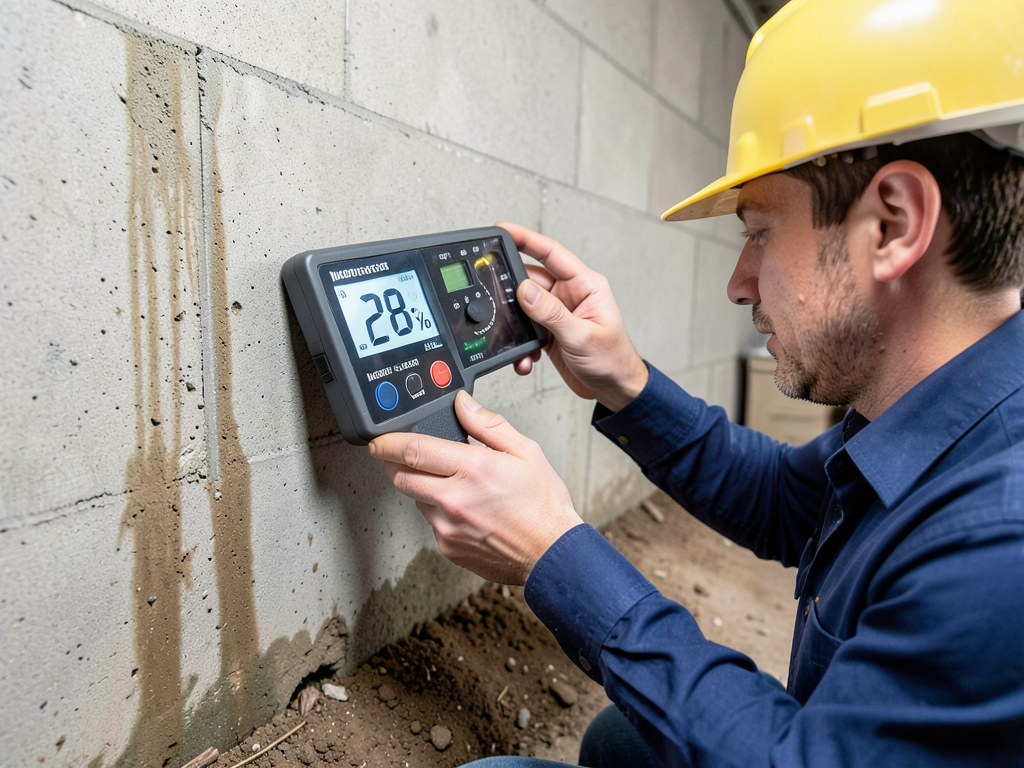
Step one is moisture mapping. Infrared cameras identify wet zones behind walls and under flooring. Penetrating probes measure moisture content in wood framing and concrete. This data builds a drying plan specific to your structure. Every material has a target moisture content. Drywall should sit below 15 percent. Wood framing below 19 percent. Concrete slabs below 4 percent on a calcium carbide test.

We position commercial-grade air movers to create laminar airflow across wet surfaces. This accelerates evaporation without scattering contaminants. Low-grain refrigerant (LGR) dehumidifiers pull moisture from the air, preventing it from reabsorbing into other materials. In severe cases, we use desiccant dehumidifiers that operate efficiently even in cold conditions, which matters when Sacramento winter nights drop into the 40s.

Structural dehumidification services require daily monitoring. We adjust equipment placement and airflow patterns based on real-time psychrometric readings. Relative humidity, temperature, and dew point dictate drying speed. If conditions are wrong, you waste time and risk mold growth. When conditions are optimized, most structures dry completely within three to five days. That is the difference between professional structural drying and amateur attempts.

What Happens During Your Structural Drying Service

Structural Drying Services in Sacramento – Expert Solutions That Prevent Mold and Structural Damage After Water Loss
01

Initial Inspection and Assessment

Our team arrives with thermal imaging cameras and moisture meters to map every wet area in your property. We document baseline readings in walls, floors, and ceilings, then classify the water category and contamination level. This creates a precise drying protocol and establishes insurance documentation. You receive a detailed moisture map showing exactly where water has spread beyond the visible damage zone.
02

Equipment Deployment and Monitoring

We position industrial air movers and dehumidifiers based on airflow modeling and psychrometric calculations. Equipment runs continuously, monitored twice daily for performance and adjusted as drying progresses. We track temperature, humidity, and moisture content in structural materials, logging each reading. This ensures optimal drying conditions and prevents over-drying that can crack drywall or warp wood. You see measurable progress every 24 hours.
03

Final Verification and Clearance

Drying ends when all materials reach acceptable moisture content standards verified by meter readings. We conduct a final inspection with thermal imaging to confirm no hidden pockets remain. You receive a completion report with before-and-after readings that satisfy insurance requirements and prove your structure is safe for reconstruction. The property is certified dry and ready for repairs, eliminating future mold or rot issues.

Why Sacramento Property Owners Choose Fortress Water Damage Restoration

Structural drying is not a generic service. Sacramento's building stock ranges from Victorian-era homes in Curtis Park to modern commercial buildings in Downtown and Rancho Cordova. Each structure demands different drying protocols. Older homes have plaster and lathe walls that trap moisture differently than modern drywall. Commercial properties with concrete tilt-up construction require specialized desiccant dehumidification.

We have dried flood-damaged homes near the American River Parkway and handled commercial water losses in office complexes along Highway 50. That local experience means we understand Sacramento's seasonal moisture patterns. Winter storms bring roof leaks and gutter failures. Summer irrigation mishaps flood crawl spaces. Each scenario requires adjusted drying strategies based on ambient conditions and building materials.

Fortress Water Damage Restoration Sacramento uses the same equipment you would find at a major disaster site. Our LGR dehumidifiers extract up to 150 pints per day. Axial air movers deliver 2,000 cubic feet per minute of airflow. Thermal hygrometers provide instant psychrometric calculations. This is not rental equipment from a big-box store. These are professional-grade tools calibrated for structural dehumidification services.

We also understand Sacramento's permitting and code requirements. If water damage affects load-bearing walls or electrical systems, we coordinate with inspectors and document drying progress to satisfy city compliance. That saves you time and prevents rebuild delays. Choosing a restoration company that knows local building codes is not just convenient. It protects you from future liability if mold or structural failure occurs because drying was incomplete.

What You Can Expect From Our Structural Drying Process

Rapid Response and Equipment Deployment

We deploy structural drying equipment within hours of your call, not days. Mold begins colonizing wet materials within 24 to 48 hours, so speed is critical. Our trucks carry air movers, dehumidifiers, moisture meters, and thermal cameras. We do not wait for equipment rental or make multiple trips. The first visit includes full assessment and immediate drying setup. You receive a detailed timeline and daily monitoring schedule. Most residential properties achieve complete structural drying in three to five days. Commercial projects may take longer based on square footage and material types, but you will have a firm completion estimate within 24 hours of our initial inspection.

Scientific Moisture Detection and Mapping

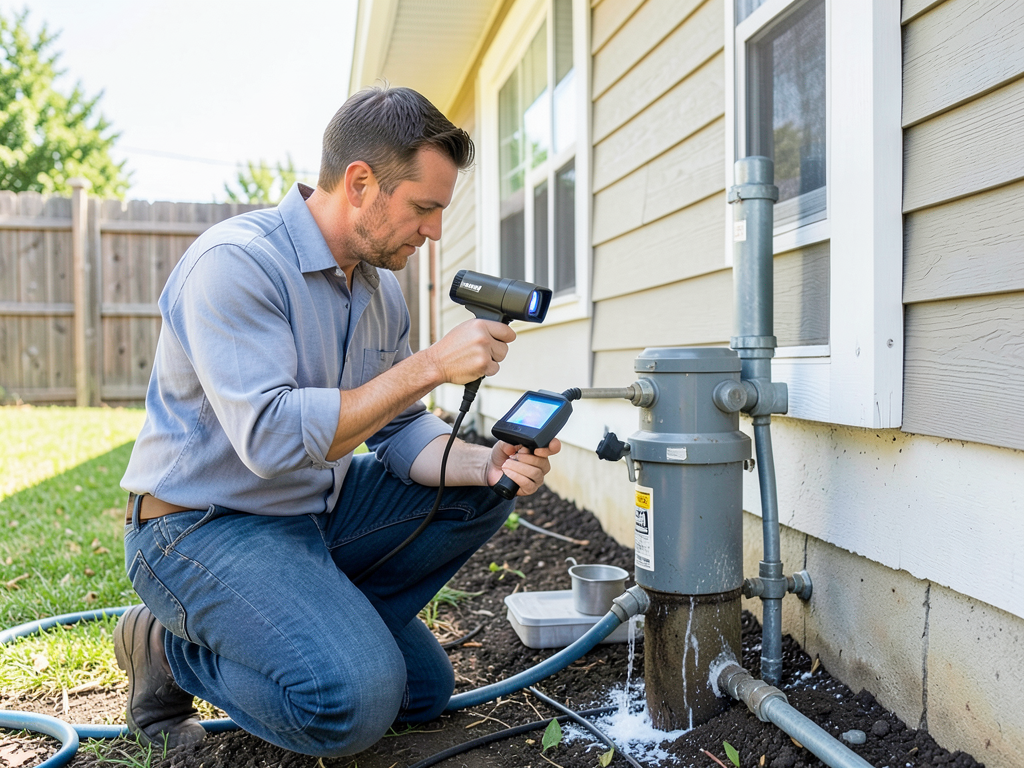
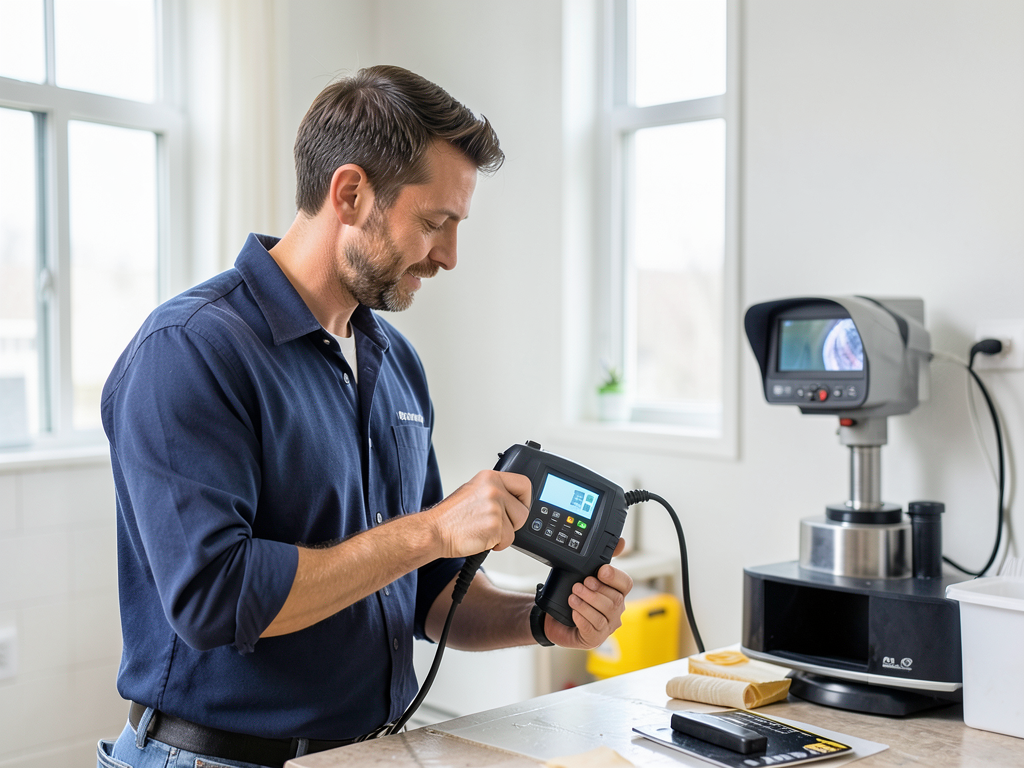
Your property receives a full moisture audit using calibrated detection tools. Thermal imaging reveals temperature differentials that indicate hidden water. Penetrating probes measure moisture deep inside wall studs and subfloors. Non-invasive meters scan drywall and plaster without creating holes. Every wet zone is documented with photos and moisture content readings. This baseline data guides equipment placement and proves to insurance adjusters exactly how much drying was required. You are not paying for guesswork. Every decision is backed by measurable data. We track moisture levels daily and adjust drying protocols based on real-time feedback, ensuring no area is overlooked or under-dried.

Complete Structural Restoration Readiness

Your property is not just dry. It is certified ready for reconstruction. We verify that all structural materials meet industry moisture content standards before removing equipment. Wood framing reads below 19 percent. Drywall below 15 percent. Concrete slabs pass calcium carbide testing. You receive a completion report with final moisture readings, thermal images, and psychrometric data. This documentation satisfies insurance claims and protects you from future mold liability. Contractors can begin repairs immediately without worrying about trapped moisture causing callbacks. If mold testing is required, we coordinate with certified hygienists to provide clearance. The result is a property that is structurally sound and safe for occupancy.

Ongoing Support and Documentation

Drying completion is not the end of our involvement. We provide detailed reports for insurance claims, including moisture logs, equipment run times, and before-and-after photos. If your adjuster has questions, we explain the science behind structural drying and justify every piece of equipment used. We also offer guidance on reconstruction priorities and can recommend trusted contractors familiar with post-drying repairs. If you experience any moisture-related issues after drying, we return to reassess at no charge. Our goal is not just to dry your property but to ensure it remains dry and safe long-term. You have a direct line to our team for questions during and after the restoration process.

Frequently Asked Questions

You Have Questions,
We Have Answers

What is structural drying? +

Structural drying is the controlled process of removing moisture from building materials after water damage. Technicians use industrial dehumidifiers, air movers, and moisture meters to target water trapped in walls, floors, subfloors, and ceilings. The goal is to prevent secondary damage like mold growth, wood rot, and structural weakening. In Sacramento, where humidity levels fluctuate seasonally, proper structural drying requires adjusting equipment based on ambient conditions. The process typically takes three to five days but varies depending on the extent of saturation, material type, and ventilation. Professional structural drying protects your home's integrity and prevents costly long-term issues.

How much does water damage remediation cost? +

Water damage remediation costs depend on the source, affected area size, and materials involved. Minor repairs for a small leak may start around a few hundred dollars, while extensive flooding affecting multiple rooms runs significantly higher. In Sacramento homes, costs increase if water penetrates subfloors, insulation, or drywall. Factors include extraction time, structural drying duration, antimicrobial treatment, and reconstruction needs. Many homeowners insurance policies cover sudden water damage incidents like burst pipes, which reduces your out-of-pocket expense. Get a detailed inspection and written estimate before work begins. Document everything for your insurance claim to maximize coverage.

What is another company like ServPro? +

Several companies offer water damage restoration services similar to ServPro, including Paul Davis Restoration, Rainbow International, and regional firms throughout Sacramento. Local restoration contractors often provide faster response times because they operate within the metro area without franchise overhead. You want a company with IICRC-certified technicians, commercial-grade extraction and drying equipment, and direct insurance billing experience. Sacramento has many independent restoration specialists who know local building codes and common regional issues like foundation slab leaks. Compare response times, equipment capabilities, and customer reviews. Choose a provider who answers calls 24/7 and can mobilize within an hour of contact.

What is Iicrc applied structural drying? +

IICRC Applied Structural Drying is a certification program that trains restoration technicians in proper drying science and methodology. The Institute of Inspection, Cleaning and Restoration Certification teaches professionals how to measure moisture content, calculate drying goals, and position equipment for maximum efficiency. Certified technicians understand psychrometrics, which governs how temperature and humidity affect evaporation rates. In Sacramento, where temperatures vary widely between seasons, IICRC training ensures technicians adjust strategies based on ambient conditions. This certification separates qualified professionals from untrained operators. Always verify your restoration company employs IICRC-certified technicians. Proper training prevents under-drying, which leads to mold, and over-drying, which wastes energy and time.

Does homeowners insurance cover structural damage from water? +

Homeowners insurance typically covers structural damage from sudden, accidental water events like burst pipes, appliance malfunctions, or roof leaks from storm damage. Coverage excludes damage from neglect, gradual leaks, or flooding from external sources. In Sacramento, you need separate flood insurance for river overflow or heavy rain intrusion. Review your policy's water damage exclusions carefully. Insurance covers the cost to repair structural components like framing, drywall, and subfloors if the water source qualifies. Document everything with photos and keep all receipts. File your claim immediately. Delays can lead to denials if the insurer argues you allowed secondary damage to develop.

What does mold remediation typically cost? +

Mold remediation costs vary based on contamination extent, location, and material removal requirements. Small areas confined to bathroom tile or a closet corner cost less than extensive growth behind walls or in crawl spaces. In Sacramento homes, mold often develops in poorly ventilated attics during winter condensation or after undetected plumbing leaks. Remediation includes containment, HEPA air filtration, removal of contaminated materials, antimicrobial treatment, and post-clearance testing. Costs increase if structural components require replacement. Address mold quickly because it spreads rapidly. Insurance may cover remediation if mold resulted from a covered peril, but many policies exclude long-term moisture issues.

Will insurance pay out for water damage? +

Insurance pays for water damage if the cause meets your policy's covered perils. Sudden pipe bursts, water heater failures, and appliance leaks typically qualify. Damage from external flooding, sewer backups without specific endorsements, or long-term seepage does not. In Sacramento, many policies exclude foundation seepage from poor grading or irrigation system leaks. Read your declarations page to understand coverage limits and deductibles. File claims immediately with detailed documentation. Insurers require proof of prompt mitigation efforts. Delayed cleanup can result in denial if they determine negligence allowed damage to worsen. Work with restoration companies experienced in insurance claims to streamline the process.

How much to dry out a basement? +

Drying out a basement depends on water volume, source, and how long materials stayed saturated. Minor seepage affecting concrete floors costs less than sewage backups requiring full content removal and antimicrobial treatment. In Sacramento, where many homes lack basements, crawl space drying presents similar challenges. Professionals use extractors, dehumidifiers, and air movers positioned strategically. Costs include equipment rental time, labor, and disposal fees for unsalvageable materials. Drying typically takes three to seven days. Standing water requires immediate extraction to prevent foundation damage. Get multiple estimates and verify technicians will monitor moisture levels daily until materials reach acceptable dryness standards.

Is the subfloor ruined if it gets wet? +

Subfloors can survive water exposure if dried quickly and properly. Plywood and OSB subfloors absorb water rapidly and swell, but professional extraction and structural drying within 48 hours often saves them. In Sacramento homes with concrete slab foundations, subfloor concerns apply mainly to second stories or additions with crawl spaces. The key is moisture meter verification. If readings drop to acceptable levels and materials show no warping, buckling, or delamination, the subfloor remains structurally sound. However, prolonged saturation or contaminated water like sewage usually requires replacement. Never reinstall flooring over questionable subfloors. Trapped moisture guarantees mold growth and eventual failure.

What are the pros and cons of SERVPRO? +

SERVPRO offers nationwide brand recognition, 24/7 availability, and standardized training across franchises. They handle insurance billing and maintain commercial-grade equipment. Drawbacks include franchise variability in service quality, response times, and pricing. Some Sacramento customers report slower response compared to local independents because franchises cover large territories. Pricing can run higher due to franchise fees and national advertising costs. Local restoration companies often provide faster arrival times, personalized service, and competitive rates without sacrificing quality. SERVPRO works well for commercial clients needing consistent service across multiple locations. For residential projects, compare local options. Verify IICRC certification and equipment capabilities regardless of company size.

How Sacramento's Climate and Building Types Complicate Structural Drying

Sacramento sits at the confluence of two rivers, with a Mediterranean climate that swings from bone-dry summers to wet winters. This creates unique drying challenges. Winter water damage occurs when ambient humidity is already high, slowing evaporation and demanding more aggressive dehumidification. Older neighborhoods like East Sacramento and Curtis Park feature pier-and-beam foundations with poor crawl space ventilation, trapping moisture under homes for months. Modern homes in Natomas and Elk Grove often use engineered lumber and OSB sheathing, which absorb water faster than traditional materials and require precise moisture monitoring to prevent permanent swelling. Structural drying services in Sacramento must account for these variables or risk incomplete drying and hidden mold growth.

Sacramento County building codes require proper moisture mitigation before reconstruction begins, especially in flood-prone areas near the American and Sacramento Rivers. Fortress Water Damage Restoration Sacramento understands these local regulations and provides the documentation needed to satisfy inspectors and insurance companies. We have worked with property managers in Downtown high-rises, homeowners in Pocket-Greenhaven, and commercial clients in Rancho Cordova. That breadth of local experience means we anticipate issues specific to Sacramento's building stock and climate. Choosing a restoration company familiar with local codes, seasonal moisture patterns, and regional construction methods is not just smart. It is the only way to ensure your property is dried correctly the first time.
Water Damage Restoration Services in The Sacramento Area

Fortress Water Damage Restoration proudly serves the greater Sacramento area, including all surrounding neighborhoods and communities. We are committed to providing fast and reliable service wherever you are. To get an idea of our service area or to visit our office, please use the interactive map below. Our team is ready to respond to your needs, so don't hesitate to reach out for immediate assistance or to schedule a consultation.

Address:
Fortress Water Damage Restoration Sacramento, 2109 Del Paso Blvd, Sacramento, CA, 95815

Additional Services We Offer

Our news updates

Latest Articles & News from The Blogs

The Surprising Way Undetected Water Leaks Invite Termites into Your Valley Hi Home Living in Valley Hi means enjoying Sacramento’s…

The Surprising Way Undetected Water Leaks Invite Termites into Your Valley Hi Home

The Surprising Way Undetected Water Leaks Invite Termites into Your Valley Hi Home Living in Valley Hi means enjoying Sacramento’s…

Cleaning Up Water Damage Under the Rubber Flooring of Your Home Gym

Cleaning Up Water Damage Under the Rubber Flooring of Your Home Gym Water damage under rubber gym flooring creates a…

Why Standing Water in Your Ben Ali Backyard Is a Warning Sign for Your Foundation

Why Standing Water in Your Ben Ali Backyard Is a Warning Sign for Your Foundation Standing water pooling in your…

Contact Us

Water damage does not wait, and neither should you. Call Fortress Water Damage Restoration Sacramento at (916) 222-9262 right now for rapid structural drying services. We deploy equipment today, not next week, and provide certified drying documentation for your insurance claim.