





Menu

Preventative Waterproofing Tips in Sacramento | Protect Your Home Before Water Strikes

Learn proven moisture control best practices and proactive water sealing methods designed specifically for Sacramento's climate, from foundation to roof, so you can stop water damage before it costs you thousands.

Slider Image 1
Slider Image 2
Slider Image 3
Slider Image 4
Slider Image 5
Slider Image 7
Slider Image 8
Slider Image 9
Slider Image 10
Slider Image 11

Why Sacramento Homes Face Unique Water Intrusion Risks

Sacramento sits at the confluence of two major rivers and experiences a Mediterranean climate with wet winters and bone-dry summers. This seasonal swing creates expansion and contraction in your home's materials. Clay soil common throughout Midtown, Land Park, and East Sacramento shifts with moisture content, which puts stress on your foundation and creates cracks. When January rains arrive, those hairline fractures become entry points.

Most homeowners wait until they see water pooling in the basement or stains spreading across the ceiling. By then, the damage is structural. Mold starts growing within 24 to 48 hours in wet drywall. Wood framing begins to rot. Your insurance deductible kicks in, and you are looking at multi-week repairs instead of a weekend project.

Preventative waterproofing is not about paranoia. It is about understanding how buildings fail in Sacramento's specific conditions. Our wet season dumps an average of 18 inches of rain between November and March. When that water finds the path of least resistance through your roof valleys, window wells, or basement walls, it does not stop until something forces it to. DIY waterproofing techniques and a home waterproofing maintenance guide give you control before the first drop enters your living space. Proactive water sealing methods cost a fraction of emergency restoration work. You can address 90% of vulnerabilities with basic tools, knowledge, and consistent seasonal checks.

Why Sacramento Homes Face Unique Water Intrusion Risks
The Science Behind Effective Moisture Control

The Science Behind Effective Moisture Control

Water does not randomly invade homes. It follows predictable pathways based on gravity, capillary action, and hydrostatic pressure. Your job is to intercept those pathways before water reaches vulnerable materials like drywall, insulation, or subflooring.

Start with grading. Your yard should slope away from your foundation at a minimum of six inches over ten feet. Sacramento's flat topography in areas like Natomas and Pocket means many homes were not graded correctly during construction. Water pools against your foundation, saturates the soil, and creates hydrostatic pressure that pushes moisture through concrete pores. Fix the grade, and you eliminate 40% of basement seepage issues.

Next, address your roof drainage system. Sacramento's rare but intense winter storms overwhelm clogged gutters. Water spills over, lands directly against your foundation, and seeps into crawl spaces. Clean gutters twice per year before and after the rainy season. Install gutter guards if you have mature oaks or elms dropping debris. Extend downspouts at least six feet from your foundation using buried drain lines or splash blocks.

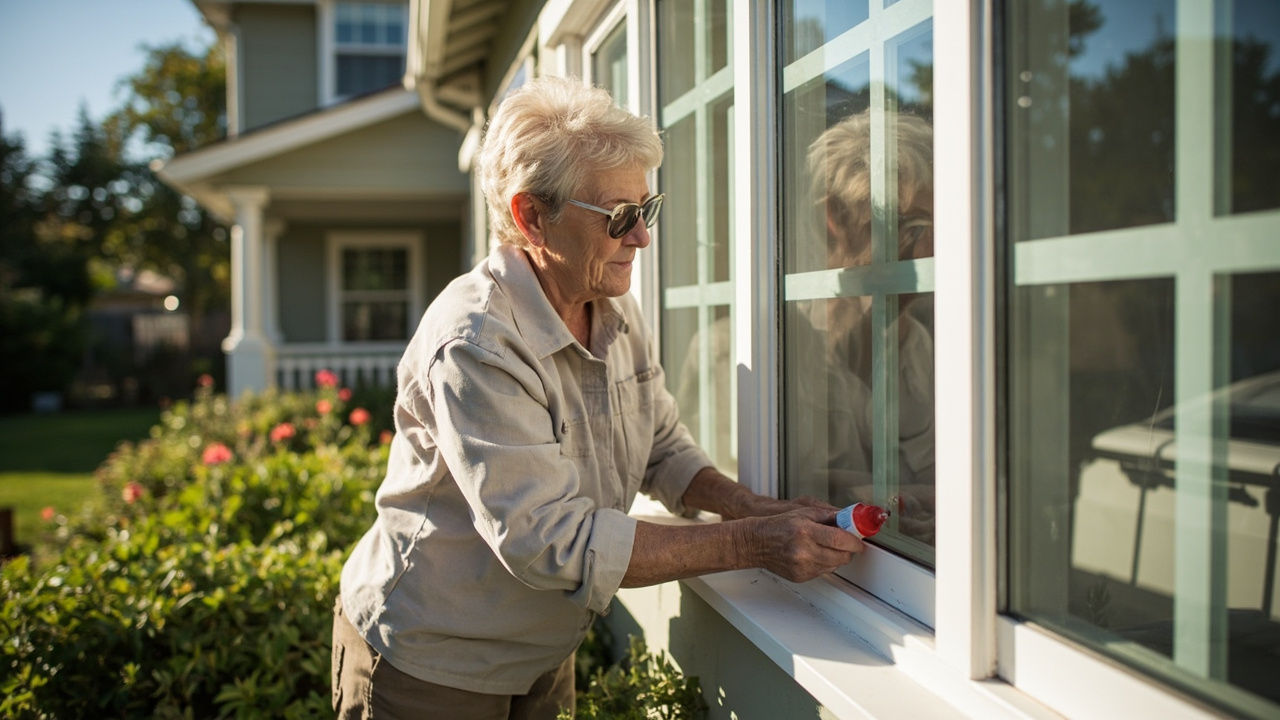
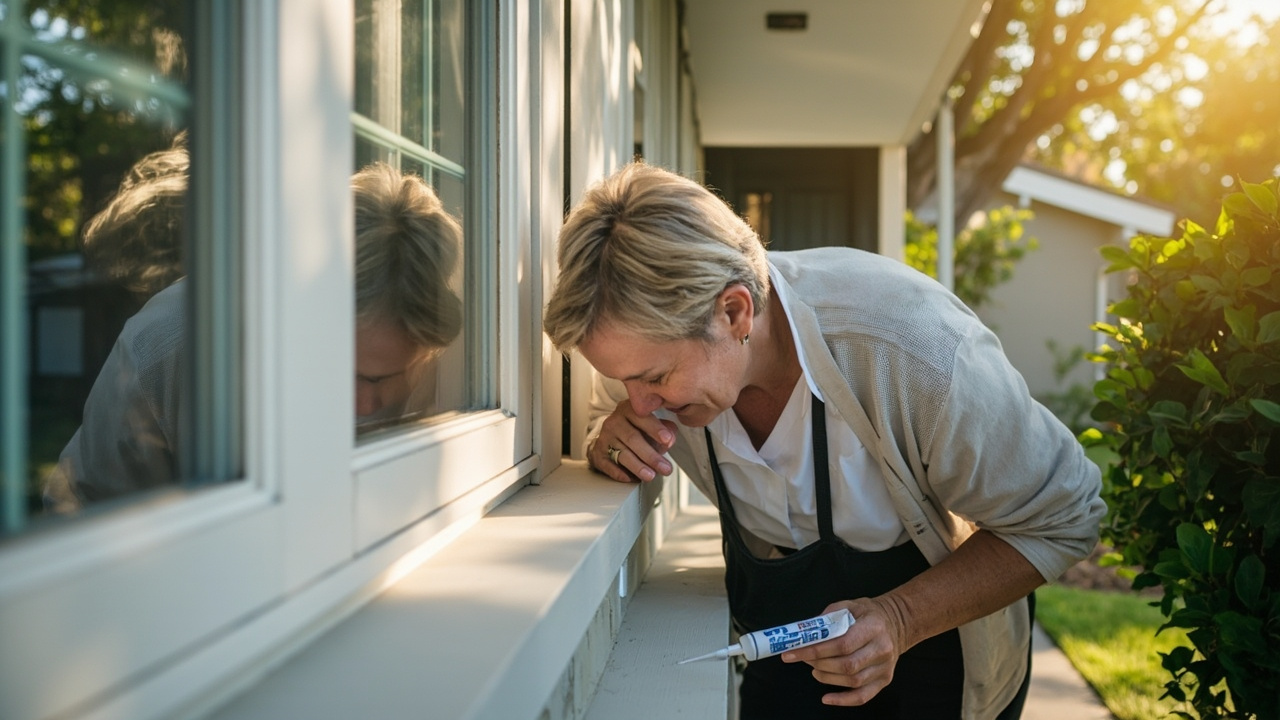
Seal penetrations aggressively. Every pipe, vent, or wire that punctures your building envelope is a potential leak point. Use polyurethane or silicone caulk rated for exterior use around windows, doors, and utility penetrations. Inspect these seals annually. Sacramento's summer heat degrades caulk faster than humid climates because UV exposure breaks down the polymer chains. A water damage prevention checklist should include a full perimeter walk each September before the rains return.

Your Seasonal Waterproofing Action Plan

Preventative Waterproofing Tips in Sacramento | Protect Your Home Before Water Strikes
01

Fall Exterior Prep

Before Sacramento's first rain, inspect your roof for damaged shingles, compromised flashing around chimneys and vents, and cracked boot seals on plumbing stacks. Check all exterior caulk lines around windows and doors. Clear gutters and downspouts completely. Test your sump pump if you have one by pouring five gallons of water into the pit. Replace the battery backup if it is older than three years.
02

Winter Monitoring Protocol

During heavy rain events, walk your home's interior perimeter and inspect ceilings, walls, and floors for new stains or moisture. Check your attic for roof leaks. Inspect your crawl space or basement for standing water or efflorescence on concrete walls. Document everything with photos. Catch small leaks early, and you prevent catastrophic failures. Monitor your water bill for unexplained spikes that signal hidden plumbing leaks behind walls.
03

Spring and Summer Maintenance

Once the rain stops, apply waterproof sealers to concrete foundations, basement walls, and exposed masonry. Sacramento's dry summer allows sealers to cure properly without moisture interference. Re-caulk any joints that failed during winter. Trim vegetation away from your home's exterior so air circulates and surfaces dry quickly. Prune tree branches that overhang your roof to prevent damage during winter wind events and reduce debris in gutters.

Why Sacramento Homeowners Trust Local Expertise

Generic waterproofing advice from national websites fails in Sacramento because it does not account for our specific building practices and environmental stressors. Homes built in the 1940s through 1960s in Curtis Park and Oak Park used different foundation materials than modern construction in Natomas or Elk Grove. Older homes often lack vapor barriers entirely. Newer construction may have improperly installed drainage systems that fail within five years.

Fortress Water Damage Restoration Sacramento has spent years diagnosing how water enters local homes. We understand that American River flooding affects different neighborhoods differently. We know which Sacramento County building codes apply to waterproofing modifications. We have seen how the Delta breeze carries moisture into attics through improperly sealed ridge vents.

When you implement moisture control best practices, you need to know what actually works in this region. Basement waterproofing membranes that perform well in humid climates may fail here because Sacramento's dry air causes different expansion rates. French drains need to be sized for our clay soil's poor drainage characteristics, not the sandy loam common in other parts of California.

Local knowledge prevents expensive mistakes. We have responded to hundreds of water damage calls from homeowners who followed internet tutorials without understanding Sacramento's unique variables. They sealed their crawl spaces without addressing the ventilation requirements in California's building code. They installed sump pumps in homes with high water tables that needed exterior drainage solutions instead. Learning from others' mistakes is cheaper than creating your own.

What Your Waterproofing Maintenance Should Include

Twice-Annual Inspection Schedule

Effective prevention requires consistent timing. Schedule your exterior inspection for late September before Sacramento's rainy season begins and again in late April after winter storms end. Each inspection should take 60 to 90 minutes and cover your roof, gutters, foundation perimeter, basement or crawl space, and all exterior penetrations. Document your findings with photos so you can track degradation over time. Small cracks grow into major failures, but only if you ignore the progression. Catching deterioration early means simple repairs instead of emergency restoration work.

Critical Assessment Points

Your inspection should focus on common failure points specific to Sacramento homes. Check roof valleys where two planes meet because debris accumulates and traps water. Inspect window wells for proper drainage and intact covers. Examine your foundation for new cracks wider than one-eighth inch. Test exterior caulk by pressing it with your thumb. If it feels hard and brittle, it has failed. Look for efflorescence on basement walls, which indicates water wicking through concrete. Check crawl space vapor barriers for tears or bunching that exposes soil.

The Outcome You Can Expect

Consistent preventative waterproofing eliminates 85% of common residential water intrusion events. You will stop spending weekends cleaning up after storms. Your indoor air quality improves because you are not growing mold in hidden cavities. Your home's structural integrity remains intact instead of slowly degrading. You avoid insurance claims that increase your premiums. Most importantly, you gain peace of mind during Sacramento's wettest months. When January storms roll through, you will know your home is protected because you did the work when conditions were dry and manageable.

When to Call Professionals

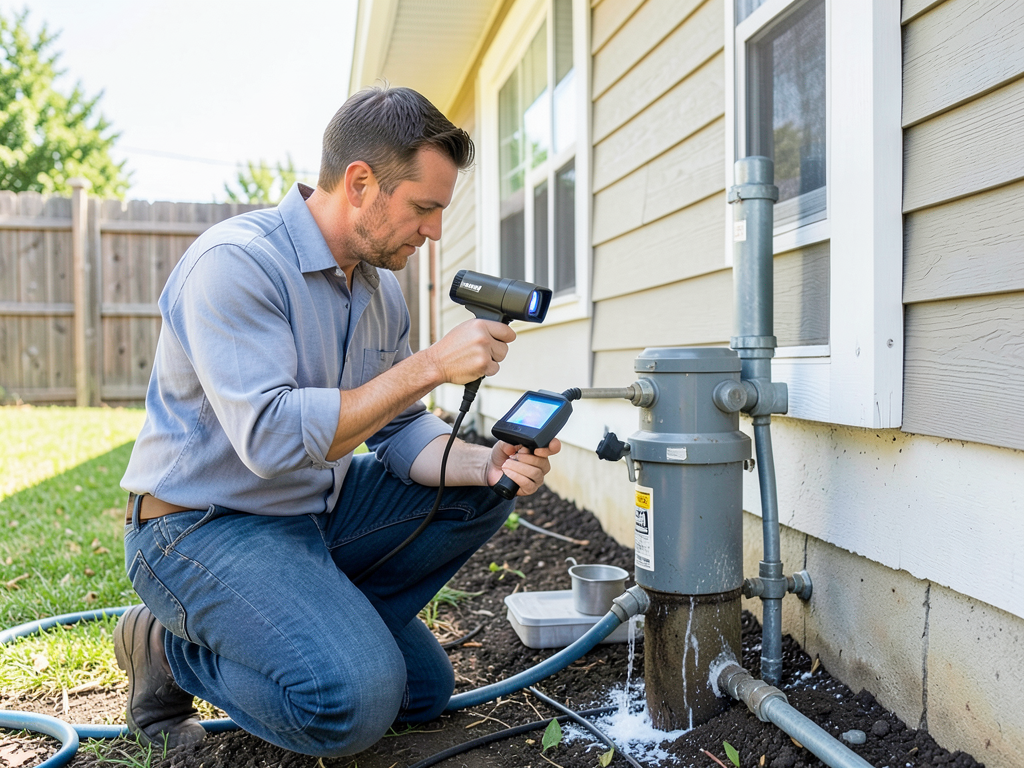
DIY maintenance handles routine prevention, but some situations require professional assessment. If you find active water intrusion, see widespread efflorescence, discover soft or spongy wood framing, smell persistent musty odors, or notice foundation cracks growing wider than one-quarter inch, you need expert diagnosis. Fortress Water Damage Restoration Sacramento can determine if you are seeing normal settling or structural failure. We use moisture meters, thermal imaging, and invasive inspection when necessary to find hidden problems. Our goal is to give you actionable information so you can make informed decisions about repairs.

Frequently Asked Questions

You Have Questions,
We Have Answers

What to do before applying waterproofing? +

Clean the surface first. Remove dirt, debris, efflorescence, and loose material using a wire brush or pressure washer. Check for cracks wider than 1/8 inch and fill them with hydraulic cement or polyurethane caulk. Inspect for active leaks and stop water intrusion before applying waterproofing. Ensure the surface is completely dry, which can be challenging during Sacramento's rainy winter months. Test moisture levels with a moisture meter if needed. Remove old failing waterproofing coatings that bubble or peel. Address grading issues that direct water toward your foundation. Proper preparation prevents adhesion failure and wasted money.

What are common waterproofing mistakes? +

Applying waterproofing over damp surfaces causes adhesion failure. Skipping crack repair allows water to bypass the membrane. Using interior products on exterior applications leads to premature breakdown from UV exposure. Over-thinning products weakens protection. Ignoring negative-side waterproofing when hydrostatic pressure exists pushes water through basement walls. Failing to extend waterproofing past the water table line leaves gaps. Not addressing drainage issues means water pools against foundations. In Sacramento, homeowners often forget clay soil expansion creates pressure against foundation walls. Rushing between coats before proper cure time reduces effectiveness. Missing corners and seams creates weak points where water enters.

Should you prime before waterproofing? +

Yes, prime porous surfaces like concrete, masonry, and cinder block. Primer seals the surface, improves adhesion, and reduces waterproofing material absorption. It creates a uniform base that helps the waterproofing membrane bond properly. Skip primer on non-porous surfaces or when the manufacturer specifies it. Use a primer compatible with your waterproofing system. In Sacramento, older homes with porous foundation materials benefit most from priming. Apply primer when temperatures stay between 50-90 degrees Fahrenheit. Let it dry completely before waterproofing, typically 2-4 hours depending on humidity. Primer prevents pinholing and ensures maximum coverage from your topcoat.

How much does it cost to waterproof a 1000 sq ft basement? +

Costs vary widely based on method and severity. Interior sealants run lower but only address minor seepage. Exterior excavation waterproofing with drainage systems costs significantly more but solves the problem permanently. Foundation crack repair, drainage correction, sump pump installation, and dehumidification all affect total price. Sacramento's clay soil conditions often require more extensive drainage solutions. Accessibility impacts labor costs. DIY interior sealants cost less upfront but may fail if hydrostatic pressure exists. Professional assessment identifies whether you need simple crack sealing or full perimeter drainage. Get multiple quotes from licensed contractors. Expect higher costs for older homes with settlement issues.

How many coats of waterproofing should I do? +

Apply two coats minimum for basement waterproofing. The first coat seals pores and provides base protection. The second coat covers pinholes and ensures complete coverage. Wait for the first coat to dry completely, typically 24 hours depending on temperature and humidity. Some products require three coats for below-grade applications where hydrostatic pressure exists. Follow manufacturer specifications exactly. Sacramento's dry summers allow faster curing between coats compared to humid climates. Thick single coats seem efficient but trap moisture and cause bubbling. Thin, multiple coats build a more durable barrier. High-traffic areas or severe moisture conditions benefit from additional coats.

How to fill gaps before waterproofing? +

Use hydraulic cement for gaps wider than 1/2 inch in concrete or masonry. It expands as it cures and stops active leaks. For smaller cracks, use polyurethane or epoxy crack filler. Clean the gap first, removing loose material and debris. Undercut the crack slightly to create a better bond. For gaps between dissimilar materials like foundation walls and floors, use flexible polyurethane caulk that accommodates movement. In Sacramento, soil movement from wet-dry cycles causes foundation gaps. Fill gaps from the inside out, eliminating voids. Let filler cure completely before applying waterproofing. Deep gaps need foam backer rod before caulking.

What is the negative side of waterproofing? +

Interior waterproofing does not stop water entry. It only manages water after it penetrates the foundation. Hydrostatic pressure continues pushing against walls, potentially causing structural damage over time. Trapped moisture between the foundation and waterproofing membrane can freeze in rare Sacramento cold snaps, causing spalling. Some waterproofing products emit strong odors during application and curing. Improper application creates a false sense of security while water damage progresses behind walls. Exterior waterproofing requires excavation, which disrupts landscaping and costs more upfront. Waterproofing masks symptoms without fixing drainage problems. Moisture still enters, creating mold growth in wall cavities you cannot see.

What causes waterproofing to fail? +

Poor surface preparation causes adhesion failure. Applying waterproofing over active leaks or damp surfaces prevents proper bonding. Hydrostatic pressure from groundwater pushes through interior coatings. Foundation cracks widen from settlement or soil movement, breaking the waterproofing membrane. UV exposure degrades products not rated for exterior use. Freeze-thaw cycles damage improper materials, though rare in Sacramento. Tree roots puncture exterior membranes. Improper drainage leaves standing water against foundations. Skipping primer on porous surfaces reduces adhesion. Using incompatible products creates chemical reactions that break down protection. Foundation movement from expansive clay soil common in Sacramento stresses rigid waterproofing systems.

What is the best waterproofing method? +

Exterior waterproofing with a drainage system stops water before it enters. Excavate around the foundation, apply rubberized asphalt or polymer membrane, install a perimeter drain, and backfill with gravel. This addresses hydrostatic pressure and redirects water away from the structure. Interior solutions like sealants only manage symptoms. Crystalline waterproofing penetrates concrete, creating a chemical barrier that self-seals small cracks. It works well for minor moisture but fails against significant pressure. Sacramento's clay soil makes exterior drainage critical for long-term protection. Combine methods for maximum effectiveness. Consult a professional to assess your specific conditions before choosing a waterproofing strategy.

What is the best time to do water waterproofing? +

Spring and fall offer ideal conditions in Sacramento. Temperatures stay moderate, allowing proper curing without extreme heat or cold. Avoid winter when rain makes excavation difficult and surfaces stay damp. Summer heat causes rapid drying, which can compromise membrane adhesion and crack hydraulic cement. Schedule exterior waterproofing before the rainy season starts, typically late October. This gives coatings time to cure fully before testing. Interior waterproofing works year-round since you control temperature and humidity. Plan around Sacramento's dry summers for fastest project completion. Address waterproofing before selling a home or finishing a basement to prevent costly repairs later.

How Sacramento's Clay Soil and Seasonal Flooding Risk Impact Your Waterproofing Strategy

Sacramento sits on expansive clay soil that shrinks during our dry summers and swells during wet winters. This cycle creates ongoing foundation movement that opens and closes cracks seasonally. Homes in flood zones near the American River or Sacramento River require additional considerations because water tables rise during heavy rain years. Your proactive water sealing methods must account for hydrostatic pressure from below, not just surface runoff from above. Interior drainage systems with sump pumps become necessary in flood-prone areas like Natomas, while properties on higher ground in East Sacramento may only need exterior waterproofing membranes and proper grading.

Sacramento County has specific requirements for basement waterproofing and foundation drainage that differ from state minimums. Local building inspectors understand the soil and flood conditions in different neighborhoods, which means permitted work gets done correctly the first time. Fortress Water Damage Restoration Sacramento works within these local codes daily. We know which waterproofing contractors the city trusts and which shortcuts cause problems years later. When you need professional help beyond DIY waterproofing techniques, choosing a local company means you get solutions designed for Sacramento's environment, not generic approaches that fail in our unique conditions.

Water Damage Restoration Services in The Sacramento Area

Fortress Water Damage Restoration proudly serves the greater Sacramento area, including all surrounding neighborhoods and communities. We are committed to providing fast and reliable service wherever you are. To get an idea of our service area or to visit our office, please use the interactive map below. Our team is ready to respond to your needs, so don't hesitate to reach out for immediate assistance or to schedule a consultation.

Address:
Fortress Water Damage Restoration Sacramento, 2109 Del Paso Blvd, Sacramento, CA, 95815

Additional Services We Offer

Our news updates

Latest Articles & News from The Blogs

Why a Leaky Pool Pump Can Damage Your Home Foundation in the Sacramento Heat Pool equipment leaks in Sacramento homes…

Why a Leaky Pool Pump Can Damage Your Home Foundation in the Sacramento Heat

Why a Leaky Pool Pump Can Damage Your Home Foundation in the Sacramento Heat Pool equipment leaks in Sacramento homes…

Your Rights and Next Steps When a Neighbor Overflows Their Sink in a Sacramento High Rise

Your Rights and Next Steps When a Neighbor Overflows Their Sink in a Sacramento High Rise When a neighbor's sink…

Protecting Your Finished Basement in Old North Sacramento from Rising Ground Water

Protecting Your Finished Basement in Old North Sacramento from Rising Ground Water Your finished basement in Old North Sacramento sits…

Contact Us

Do not wait until water is pooling in your basement or staining your ceilings. Get expert guidance on waterproofing your home correctly for Sacramento's climate. Call Fortress Water Damage Restoration Sacramento at (916) 222-9262 for a professional assessment or advice on your DIY prevention plan.