




Menu

Attic Water Damage Cleanup in Sacramento – Complete Extraction, Drying, and Restoration for Your Home

Fortress Water Damage Restoration Sacramento delivers comprehensive attic water damage cleanup using thermal imaging leak detection, commercial-grade dehumidification, and structural drying protocols that prevent mold growth and ceiling collapse in Sacramento homes.

Slider Image 1
Slider Image 2
Slider Image 3
Slider Image 4
Slider Image 5
Slider Image 7
Slider Image 8
Slider Image 9
Slider Image 10
Slider Image 11

Why Sacramento Attics Are Vulnerable to Hidden Water Damage

Sacramento's extreme temperature swings create condensation patterns in attics that accelerate water intrusion. When winter storms roll through the Central Valley, your roof takes a beating. A single missing shingle or degraded valley flashing can funnel hundreds of gallons into your attic space before you notice ceiling stains downstairs.

The bigger threat is what you do not see. Sacramento's hot, dry summers bake moisture into roof decking and insulation. That trapped humidity becomes a breeding ground for mold colonies. By the time you smell mustiness or spot discoloration, structural damage is already underway. Roof trusses weakened by prolonged moisture exposure can fail suddenly, especially when supporting HVAC equipment or storage loads.

Attic water damage restoration is not a DIY project. Improper attic water removal services leave residual moisture in tight spaces around gable vents, soffit areas, and between roof rafters. Professional attic leak cleanup requires negative air pressure systems and moisture mapping technology to locate every wet cavity.

Homes in neighborhoods like Land Park and East Sacramento often have vaulted ceilings with limited attic access points. Water migrates laterally through insulation batts before gravity pulls it down to living spaces. You need attic flood restoration specialists who understand how water behaves in confined spaces and can extract it from inaccessible zones without tearing apart your home.

The clock starts ticking the moment water enters your attic. Within 48 hours, mold spores colonize. Within a week, wood rot begins. Delaying attic water damage repair turns a contained problem into a whole-house crisis that affects your HVAC ductwork, electrical wiring, and ceiling joists.

Why Sacramento Attics Are Vulnerable to Hidden Water Damage
Our Technical Approach to Attic Water Extraction and Structural Drying

Our Technical Approach to Attic Water Extraction and Structural Drying

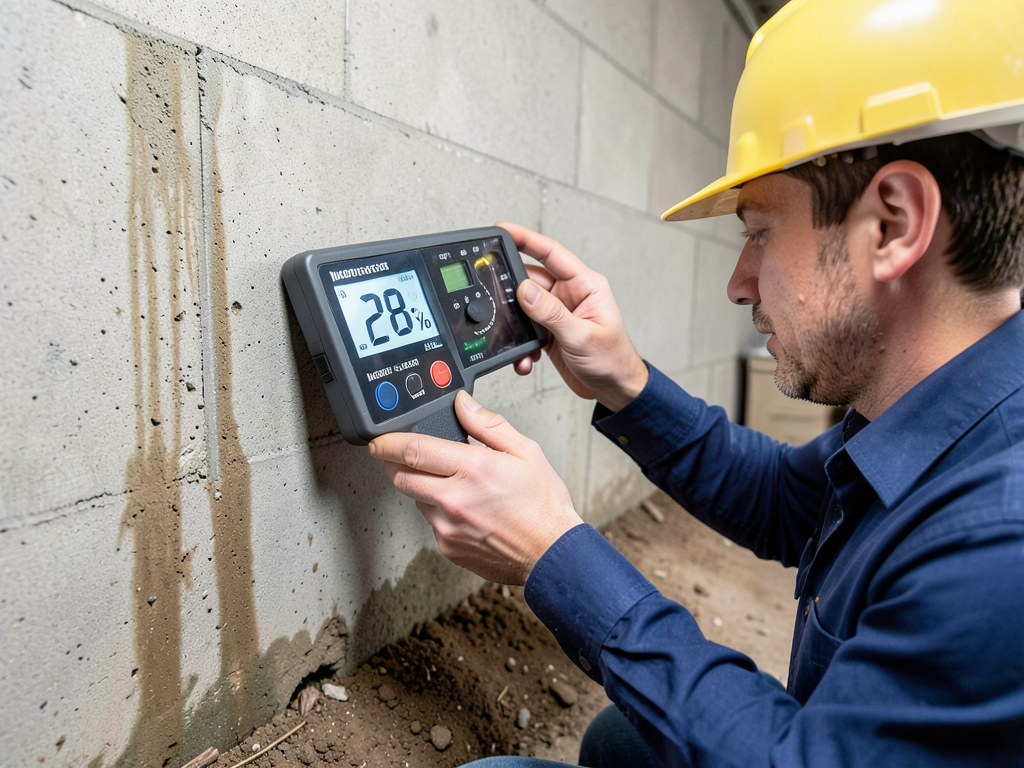
We deploy truck-mounted extraction pumps capable of removing standing water from attic floors and saturated insulation. Our technicians use moisture meters with deep-probe sensors to measure water content in roof sheathing, studs, and truss members. Standard surface readings miss the problem. We need core moisture data to know when structural lumber is truly dry.

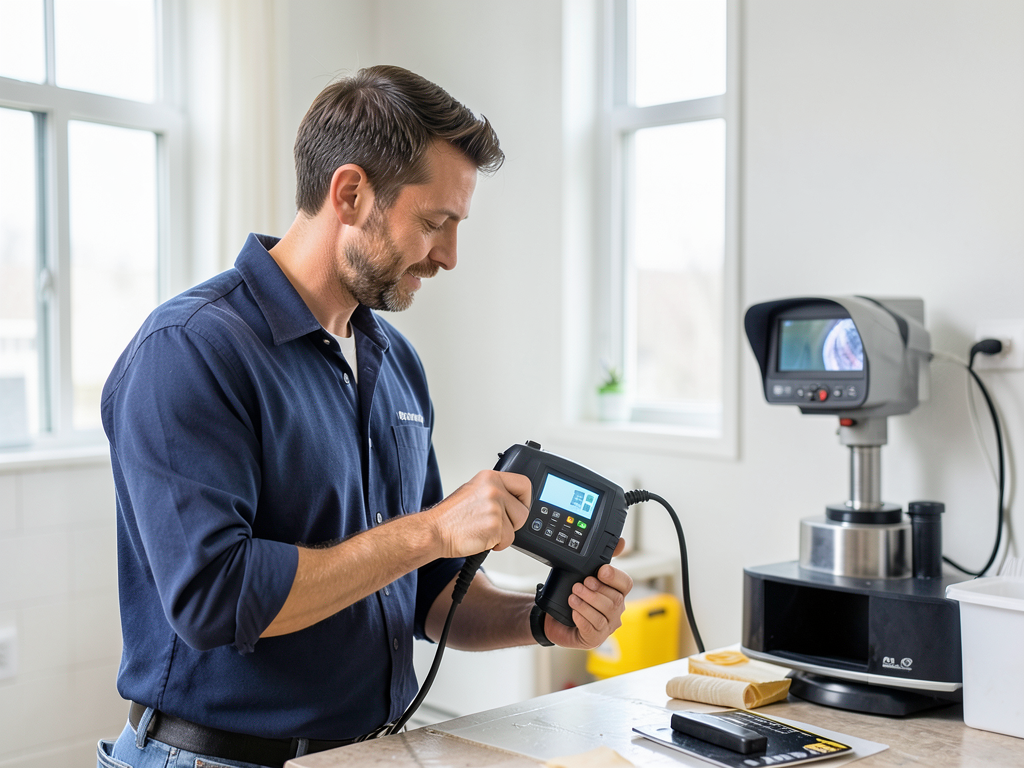
Thermal imaging cameras map temperature differentials across your attic space. Wet materials show up as cold spots on the infrared display. This technology reveals hidden water pockets behind chimney chases, around attic access hatches, and beneath radiant barrier installations. We document baseline moisture readings and track drying progress with daily measurements.

Our attic water damage restoration process uses commercial dehumidifiers rated for low-grain refrigerant performance. These units pull moisture from the air even when relative humidity drops below 30 percent. We pair them with axial air movers positioned to create laminar airflow across wet surfaces. The goal is evaporative drying, not just air circulation.

Sacramento's low humidity gives us a drying advantage, but only if we control the environment. We seal attic access points and install temporary containment barriers to prevent moisture migration into living spaces. Negative air machines equipped with HEPA filtration create controlled airflow that exhausts humid air outside while pulling dry air into the attic cavity.

Insulation decisions depend on contamination levels. If water came from a clean source like a roof leak, we can dry blown-in cellulose or fiberglass batts in place. If sewage or groundwater entered through a plumbing vent stack failure, contaminated insulation gets bagged and disposed of according to California hazardous material protocols. We do not cut corners on health risks.

What Happens During Professional Attic Water Damage Cleanup

Attic Water Damage Cleanup in Sacramento – Complete Extraction, Drying, and Restoration for Your Home
01

Emergency Water Extraction

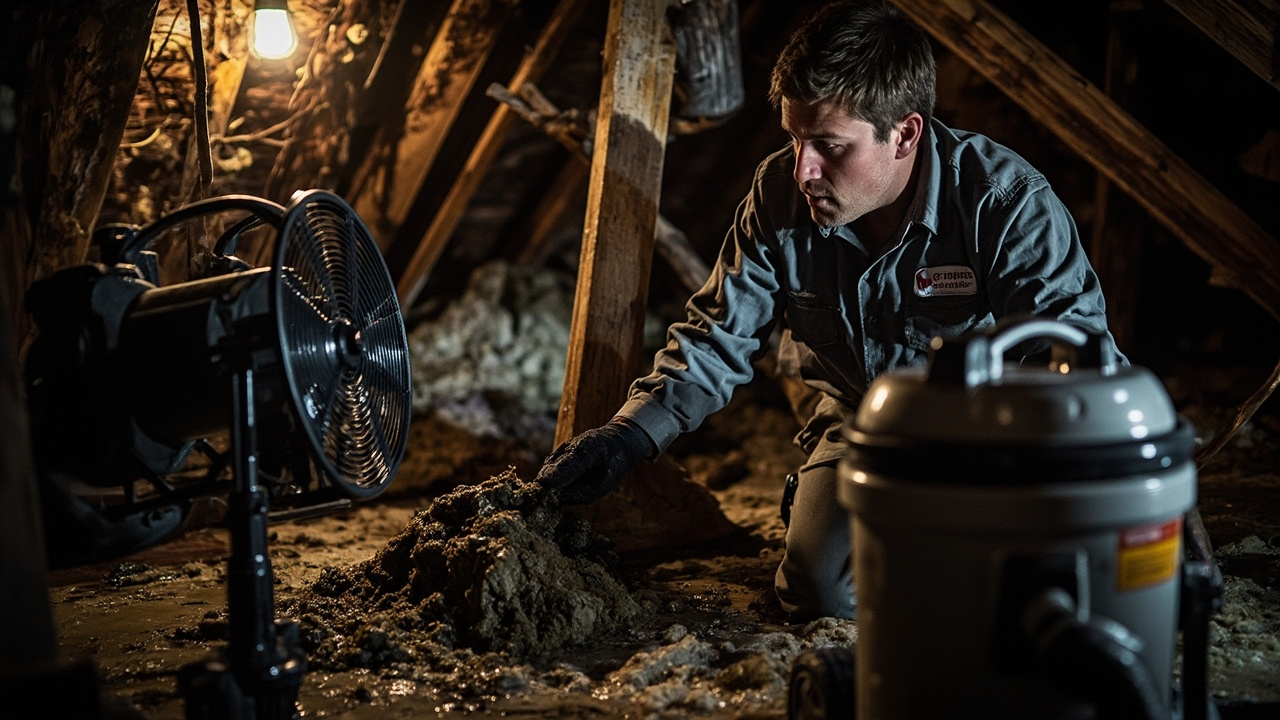
Our crew arrives with submersible pumps and wet vacuum systems to remove standing water from attic floors and ceiling cavities. We extract water-soaked insulation that cannot be salvaged and pull saturated materials away from roof decking to expose wood surfaces for drying. Every gallon removed reduces total drying time and limits secondary damage to structural framing members.
02

Moisture Detection and Mapping

Technicians use thermal imaging and pin-type moisture meters to identify every wet zone in your attic. We document moisture readings in roof sheathing, truss chords, and wall plates. This creates a drying map that guides equipment placement and helps us track progress. Hidden moisture in tight spaces around gable ends and valley intersections gets flagged for targeted airflow and dehumidification.
03

Structural Drying and Verification

We run desiccant dehumidifiers and air movers continuously until moisture readings return to normal ranges for Sacramento's climate zone. Final verification involves re-measuring all structural components and confirming wood moisture content drops below 15 percent. You receive documentation showing before and after readings, which satisfies insurance requirements and proves your attic is dry and safe for insulation reinstallation.

Why Sacramento Homeowners Choose Local Attic Water Damage Specialists

Fortress Water Damage Restoration Sacramento operates with direct knowledge of how water behaves in Central Valley homes. We understand that older homes in Curtis Park have dimensional lumber roof framing that holds moisture differently than modern engineered trusses in Natomas subdivisions. Local expertise matters when you are making decisions about structural drying timelines and material salvage.

We maintain relationships with Sacramento building inspectors and know current Title 24 energy code requirements for attic insulation replacement. If your attic water damage repair involves removing old insulation, we coordinate with your roofer or insulation contractor to ensure new materials meet R-38 minimum requirements for California climate zone 12. You avoid code violations and failed inspections.

Our equipment inventory is sized for Sacramento's residential architecture. We stock dehumidifiers and air movers calibrated for the cubic footage and ventilation characteristics common in local attic spaces. National franchises often deploy standardized equipment that underperforms in our low-humidity environment or cannot fit through narrow attic access hatches typical in 1950s ranch homes.

You get technicians who live in this community and respond quickly because they are already nearby. When a winter storm damages multiple roofs across Arden-Arcade or Pocket-Greenhaven, we mobilize crews without waiting for corporate dispatch or out-of-area reinforcements. Speed matters in water damage scenarios. Every hour of delayed response increases your total loss.

We document everything for insurance claims using industry-standard software that California adjusters recognize. Our estimates align with Xactimate pricing databases specific to Sacramento zip codes. You avoid claim disputes over labor rates or material costs because we speak the same language as your insurance company.

What to Expect When You Call for Attic Water Damage Cleanup

Rapid Response Availability

We answer emergency calls 24 hours a day and typically arrive within 90 minutes for Sacramento city limits and near suburbs. Initial assessment takes 30 to 45 minutes. Our technician inspects your attic, identifies the water source, measures moisture levels, and explains the scope of work required. You receive a written estimate before we start equipment setup. For active leaks, we perform temporary source control like tarp installation or supply line shutoff while waiting for your approval to proceed with full-scale attic water damage cleanup.

Comprehensive Moisture Assessment

Our assessment goes beyond visible water stains. We use thermal imaging to scan roof decking, wall plates, and ceiling joists for hidden moisture. Pin-type meters measure moisture content deep inside structural lumber. We inspect HVAC ductwork for condensation issues and check insulation for compression or contamination. You get a detailed report showing moisture readings, photos of affected areas, and equipment recommendations. This documentation supports your insurance claim and creates a baseline for tracking drying progress throughout the restoration process.

Complete Structural Drying

Drying timelines depend on water volume, material types, and attic ventilation. Most attic water extraction projects reach dry standards within three to five days. We monitor conditions daily and adjust equipment as needed. You receive updates on moisture readings and projected completion dates. Once structural components reach acceptable moisture levels, we remove equipment and perform final verification testing. Your attic is certified dry and ready for repairs, insulation replacement, or whatever next steps your insurance company requires.

Post-Drying Documentation and Guidance

You receive a completion report with final moisture readings, thermal images, and equipment logs showing runtime hours. This documentation proves due diligence for insurance purposes and protects you if mold issues arise later. We provide referrals to qualified roofers, insulation contractors, and mold remediation specialists if additional work is needed. Our team explains what to watch for in the months following attic water damage repair, including signs of recurring leaks or inadequate ventilation that could cause future moisture problems.

Frequently Asked Questions

You Have Questions,
We Have Answers

How to fix water damage in an attic? +

Start by identifying the water source and stopping it. Remove all wet insulation, drywall, and contaminated materials. Use industrial fans and dehumidifiers to dry structural wood for at least 72 hours. Inspect roof decking, rafters, and joists for mold or rot. In Sacramento's dry climate, attics can still trap moisture from roof leaks or HVAC condensation. Treat any mold with antimicrobial solutions. Replace insulation only after moisture readings confirm the space is completely dry. Document everything for insurance. Professional water damage restoration ensures proper drying and prevents hidden mold growth in tight attic spaces.

What is the 7 and 7 rule for a finished attic? +

The 7 and 7 rule requires at least 7 feet of ceiling height in at least 50% of the finished attic space, with a minimum of 7 feet width. This building code standard ensures livable space and proper ventilation. Sacramento County enforces these dimensions strictly during permit inspections. If your attic does not meet these minimums, you cannot legally finish it as living space. The rule protects homeowners from creating unsafe, cramped rooms. Water damage restoration projects in finished attics must maintain these clearances when replacing materials or addressing structural issues.

How much does it cost to repair water damage in the attic? +

Attic water damage repair costs vary based on leak severity, insulation type, and structural damage. Minor repairs with insulation replacement may run a few thousand dollars. Extensive damage requiring roof decking replacement, mold remediation, and rafter repairs costs significantly more. Sacramento's building codes require proper ventilation during repairs, which can add labor time. Insurance often covers sudden roof leak damage but excludes gradual wear. Get multiple estimates. Professional contractors provide moisture mapping and thermal imaging to identify hidden damage before quoting. The size of your attic and material quality affect final costs.

How much does water damage remediation cost? +

Water damage remediation costs depend on affected square footage, water category, and material removal needs. Clean water extraction and drying costs less than sewage contamination cleanup. Structural drying, mold treatment, and content restoration add to the bill. Sacramento properties with attic HVAC systems may face higher costs if ducts need cleaning or replacement. Emergency response availability and equipment rental impact pricing. Most companies charge for labor, equipment, antimicrobial treatments, and disposal fees. Insurance adjusters review scope and pricing. Professional remediation prevents secondary damage that would cost more to fix later.

Will homeowners insurance cover water damage from a roof leak? +

Homeowners insurance typically covers sudden, accidental roof leaks causing water damage. A storm tearing shingles or a tree branch puncturing your roof qualifies. Insurance excludes damage from poor maintenance, gradual wear, or neglected repairs. Sacramento's older neighborhoods often have aging roofs. If your insurer finds deferred maintenance caused the leak, they may deny the claim. Document the damage immediately with photos. File your claim within policy timeframes. Your adjuster will inspect the attic and roof. Understand your deductible and coverage limits. Professional restoration companies work directly with adjusters to streamline claims.

Will wet attic insulation dry out? +

Wet attic insulation rarely dries properly and loses R-value permanently. Fiberglass and cellulose absorb water and compress, trapping moisture against wood framing. Sacramento's heat creates ideal conditions for mold growth in damp insulation within 48 hours. Even if the material feels dry on the surface, moisture remains trapped inside. Wet insulation weighs significantly more and can sag or fall. Remove and replace all water-damaged insulation to prevent mold, odors, and structural rot. Drying efforts should focus on the wood structure, not salvaging compromised insulation. Replacement costs less than mold remediation later.

What happens if you finish an attic without a permit? +

Finishing an attic without permits in Sacramento creates serious legal and financial problems. The county can issue stop-work orders and fines. When you sell, unpermitted work must be disclosed, reducing home value and scaring buyers. Lenders may refuse financing. Insurance can deny claims for damage in unpermitted spaces. If water damage occurs in an unpermitted attic, your insurer may refuse coverage entirely. Permits ensure electrical, structural, and fire safety codes are met. Retroactive permits require inspections and often costly corrections. Always pull permits before attic conversions to protect your investment and safety.

How much does it cost to renovate an attic? +

Attic renovation costs depend on scope, size, and finish level. Basic conversions with flooring, drywall, and insulation start at several thousand dollars. Adding dormers, HVAC, plumbing, or a bathroom increases costs significantly. Sacramento building codes require proper egress windows and ventilation, adding expense. Structural reinforcement for floor joists may be necessary. Electrical upgrades and lighting add labor costs. Finished attics in older Sacramento homes often need roof repairs first. Permits and inspections are mandatory. Get detailed bids from licensed contractors. Quality work protects your investment and prevents future water damage or code violations.

Is attic restoration worth it? +

Attic restoration is worth it when structural damage, mold, or compromised insulation exists. Restoring the space prevents rot from spreading to your roof structure and living areas. In Sacramento, where summer heat drives cooling costs, proper attic insulation and ventilation reduce energy bills significantly. Restoration after water damage protects home value and prevents health issues from mold exposure. If your attic has outdated insulation or visible water stains, restoration pays for itself in energy savings and avoided future repairs. Professional assessment identifies whether simple repairs or full restoration makes financial sense for your situation.

Will homeowners insurance cover water damage to a ceiling? +

Homeowners insurance generally covers ceiling water damage from sudden roof leaks or plumbing failures. A burst pipe or storm damage qualifies for coverage. Insurance excludes gradual leaks from poor maintenance or wear. Sacramento homes with attic HVAC units may experience ceiling damage from condensation line clogs. Your policy covers the ceiling repair and damaged contents but may not cover the source repair if it stems from neglect. File claims immediately. Document damage with photos. Your adjuster assesses coverage and depreciation. Professional restoration companies help navigate the claims process and repair both attic and ceiling damage.

How Sacramento's Temperature Extremes Complicate Attic Water Damage Restoration

Sacramento experiences summer attic temperatures exceeding 150 degrees Fahrenheit while winter nights drop below freezing. These swings create expansion and contraction cycles in roof materials that open pathways for water intrusion. Asphalt shingles become brittle in extreme heat, valley flashing separates from decking, and ridge vent fasteners back out over time. When winter storms arrive, your roof is already compromised. Water enters through gaps too small to see from the ground but large enough to saturate insulation and rot roof sheathing. Professional attic leak cleanup requires understanding how local climate conditions accelerate material degradation and where water is most likely to penetrate based on Sacramento's seasonal weather patterns.

Sacramento building codes require attic ventilation ratios of one square foot of vent area per 150 square feet of attic space. Many older homes fall short of this standard, creating moisture traps that slow drying and promote mold growth. Local water damage restoration specialists know which neighborhoods have chronic ventilation issues and how to compensate with enhanced dehumidification during attic flood restoration. We work within the regulatory framework established by Sacramento County building officials and maintain relationships with local inspectors who verify our work meets California residential code requirements for moisture control and structural safety.
Water Damage Restoration Services in The Sacramento Area

Fortress Water Damage Restoration proudly serves the greater Sacramento area, including all surrounding neighborhoods and communities. We are committed to providing fast and reliable service wherever you are. To get an idea of our service area or to visit our office, please use the interactive map below. Our team is ready to respond to your needs, so don't hesitate to reach out for immediate assistance or to schedule a consultation.

Address:
Fortress Water Damage Restoration Sacramento, 2109 Del Paso Blvd, Sacramento, CA, 95815

Additional Services We Offer

Our news updates

Latest Articles & News from The Blogs

Why a Leaky Pool Pump Can Damage Your Home Foundation in the Sacramento Heat Pool equipment leaks in Sacramento homes…

Why a Leaky Pool Pump Can Damage Your Home Foundation in the Sacramento Heat

Why a Leaky Pool Pump Can Damage Your Home Foundation in the Sacramento Heat Pool equipment leaks in Sacramento homes…

Your Rights and Next Steps When a Neighbor Overflows Their Sink in a Sacramento High Rise

Your Rights and Next Steps When a Neighbor Overflows Their Sink in a Sacramento High Rise When a neighbor's sink…

Protecting Your Finished Basement in Old North Sacramento from Rising Ground Water

Protecting Your Finished Basement in Old North Sacramento from Rising Ground Water Your finished basement in Old North Sacramento sits…

Contact Us

Call Fortress Water Damage Restoration Sacramento at (916) 222-9262 right now. Our crew is ready to respond with commercial extraction equipment and moisture detection technology. Do not wait for ceiling collapse or mold contamination to force your hand.