




Menu

Large Scale Water Extraction in Sacramento – Industrial-Grade Solutions That Keep Your Business Running

When flooding threatens your facility, Fortress Water Damage Restoration Sacramento deploys truck-mounted extractors and commercial-grade dehumidification systems designed for large scale water extraction. We minimize downtime and protect your bottom line.

Slider Image 1
Slider Image 2
Slider Image 3
Slider Image 4
Slider Image 5
Slider Image 7
Slider Image 8
Slider Image 9
Slider Image 10
Slider Image 11

Sacramento's Flood Risk and Commercial Water Damage Reality

Sacramento sits at the confluence of the Sacramento and American Rivers, placing commercial properties in one of California's highest flood risk zones. The 2017 Oroville Dam spillway crisis proved that even modern flood control infrastructure can fail. When levees breach or tributaries overflow, commercial facilities face catastrophic volumes of water that standard restoration equipment cannot handle.

Your warehouse, manufacturing plant, or office complex needs industrial water extraction capacity measured in thousands of gallons per hour, not the residential-grade equipment designed for broken pipes. The Central Valley's clay-heavy soils compound drainage issues. Water pools in parking lots, seeps through foundation slabs, and saturates ground floors faster than gravity-fed systems can remove it.

Time is liability. Every hour your facility sits underwater, you lose revenue, risk contamination from the Sacramento Regional Wastewater Treatment Plant overflow zones, and watch equipment corrode. OSHA regulations require immediate mitigation of slip hazards and electrical risks. California commercial building codes mandate professional certification for large loss water mitigation in structures over 10,000 square feet.

Bulk water removal services require trailer-mounted extractors, diesel-powered pumps, and coordinated crews trained in commercial water removal protocols. A flooded 50,000-square-foot distribution center demands more than shop-vacs and air movers. You need high volume water pumping systems capable of clearing standing water before structural damage becomes catastrophic and business interruption insurance becomes your only recourse.

Sacramento's Flood Risk and Commercial Water Damage Reality
Our Commercial-Grade Extraction Process

Our Commercial-Grade Extraction Process

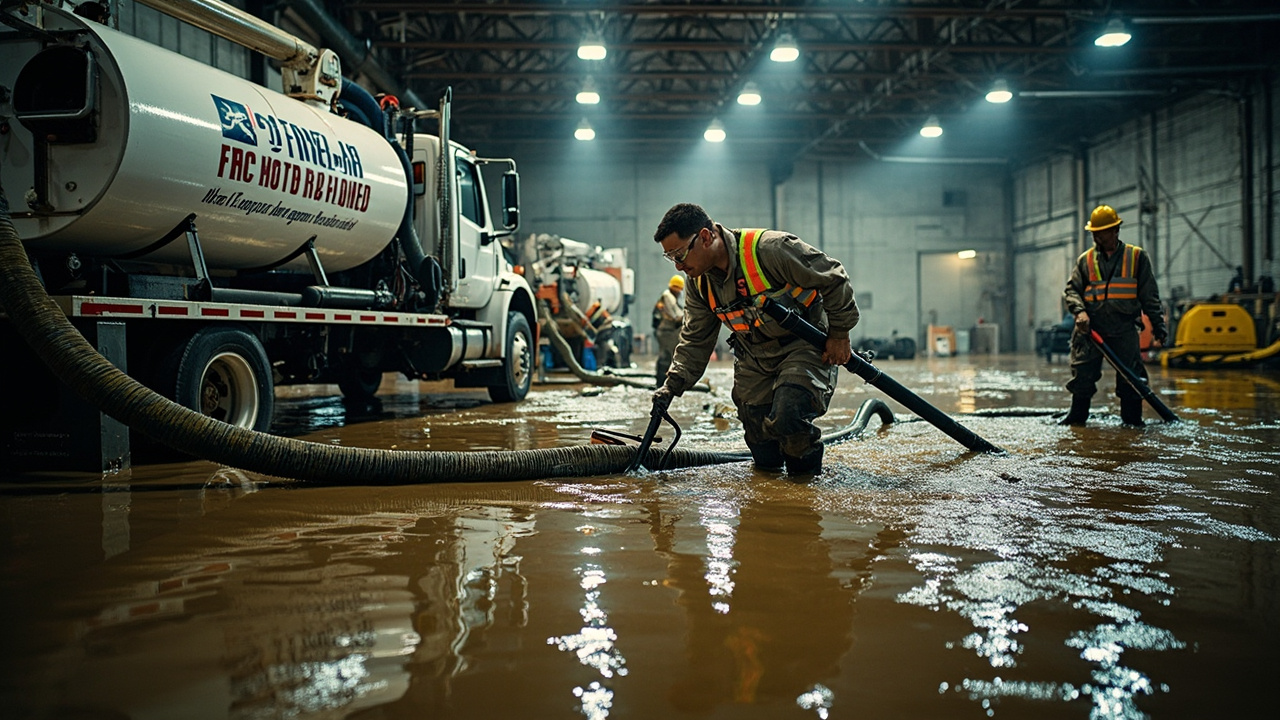
Fortress Water Damage Restoration Sacramento operates truck-mounted extraction units delivering 200 gallons per minute sustained flow rates. These systems create negative pressure across entire floor plans, pulling water from carpet pads, subfloors, and wall cavities simultaneously. We position submersible trash pumps at low points, routing discharge hoses to storm drains or sanitary sewers per Sacramento County environmental regulations.

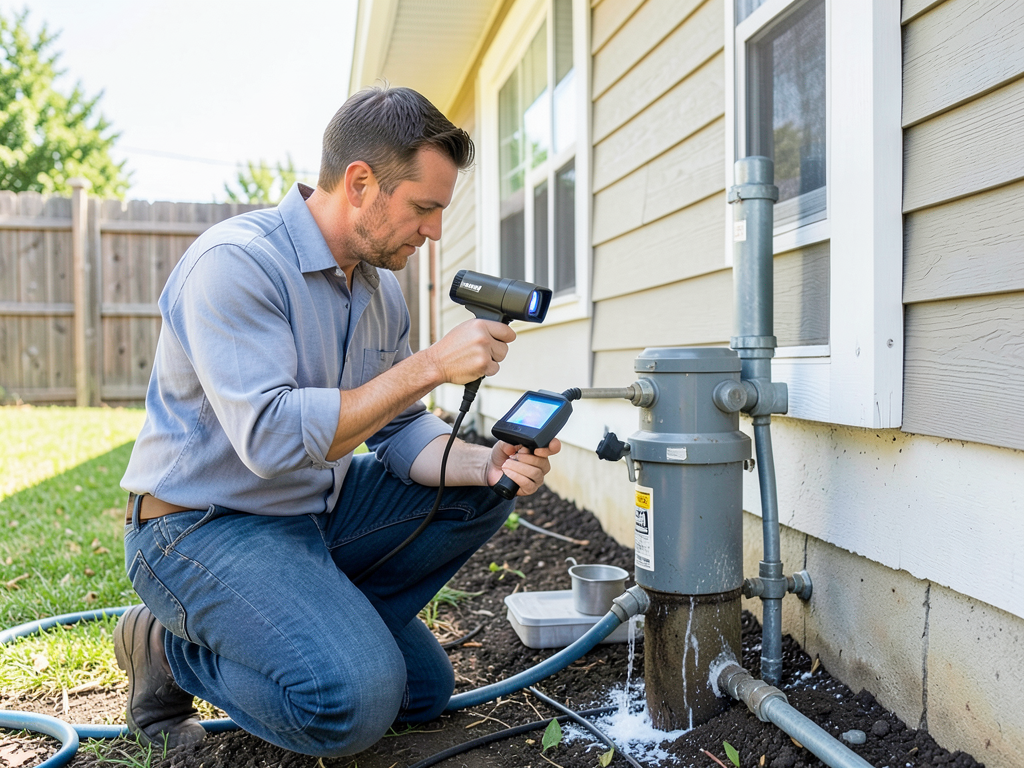
Our initial assessment uses thermal imaging to map moisture intrusion through concrete slabs and identify saturation in ceiling plenums. We measure vapor pressure gradients with hygrometers to determine drying chamber requirements. This data drives equipment deployment decisions, not guesswork.

For industrial facilities, we deploy desiccant dehumidifiers that process 2,000 cubic feet per minute, pulling moisture from air faster than refrigerant-based units. These systems maintain sub-30% relative humidity even with doors open for forklift traffic. Air scrubbers with HEPA filtration remove particulates stirred up during bulk water removal, maintaining OSHA air quality standards.

We coordinate with your facility manager to sequence extraction around operational needs. If you need the loading dock functional by morning, we prioritize that zone. Our crews work in shifts to maintain continuous extraction, replacing saturated filter media every six hours and monitoring extraction rates with flow meters.

Documentation begins immediately. We photograph water levels, log equipment placement, and track extraction volumes for your insurance adjuster. Sacramento's commercial property policies require detailed mitigation records. We provide chain-of-custody documentation for contaminated water disposal, meeting California Department of Toxic Substances Control requirements when floods involve chemicals or industrial waste.

How We Execute High Volume Water Removal

Large Scale Water Extraction in Sacramento – Industrial-Grade Solutions That Keep Your Business Running
01

Emergency Site Assessment

Our project manager arrives within 90 minutes to evaluate water depth, identify contamination sources, and assess electrical hazards. We map your floor plan, locate mechanical rooms, and identify priority zones for extraction. You receive a written scope of work before equipment deployment, outlining timelines and crew requirements. This assessment determines pump capacity needs and dehumidification equipment staging.
02

Bulk Extraction Operations

We position submersible pumps at collection points and run 3-inch discharge lines to approved drainage sites. Truck-mounted extractors work in tandem with floor mats connected to vacuum manifolds, creating continuous water removal across large areas. Our crews monitor extraction progress hourly, adjusting equipment placement as water levels drop. We extract from lowest elevations first to prevent hydrostatic pressure damage to foundation walls.
03

Verification and Handoff

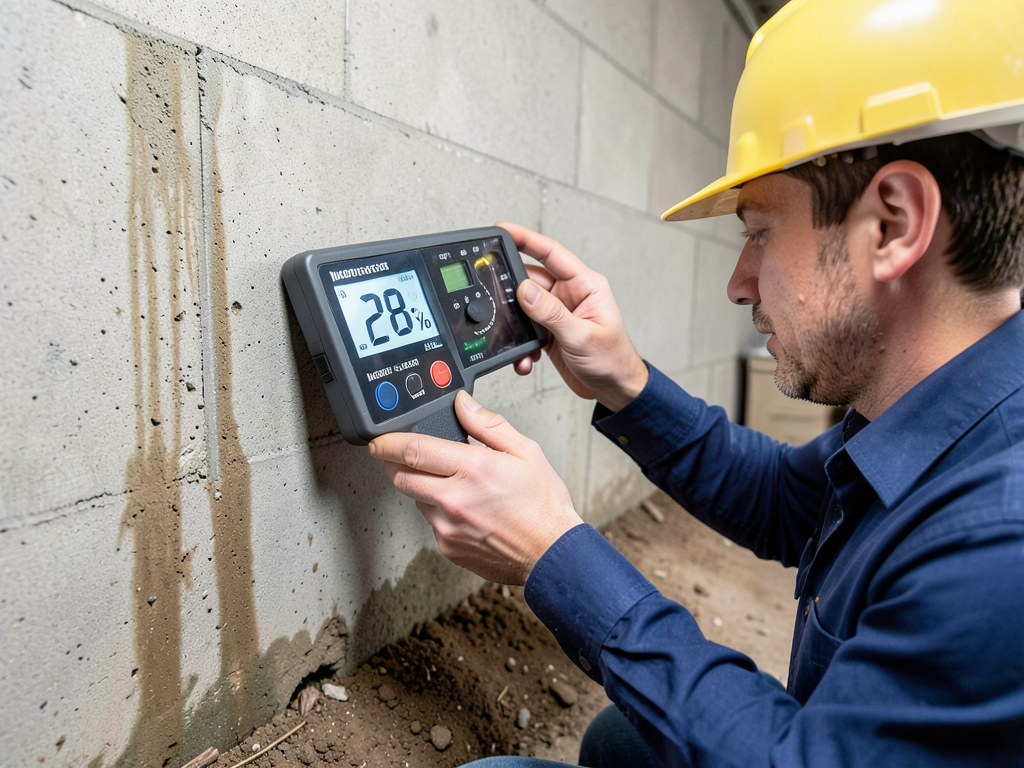
Once standing water is removed, we measure moisture content in structural materials using penetrating moisture meters. Readings below 15% in wood framing and 5% in concrete indicate successful extraction. We provide a facility walk-through with your team, demonstrating dry conditions and explaining the drying timeline for remaining materials. You receive complete documentation including extraction volumes, disposal manifests, and moisture readings for insurance and regulatory compliance.

Why Sacramento Businesses Choose Fortress for Large Loss Events

Sacramento's commercial real estate market includes over 120 million square feet of industrial space in the Metro Center, Northgate, and South Sacramento logistics corridors. When a 200,000-square-foot cold storage facility floods, you cannot wait for a residential restoration company to rent equipment. Fortress maintains a dedicated fleet of industrial extraction equipment specifically for large loss water mitigation.

We hold California contractor licenses for both water damage restoration and hazardous materials handling. This dual certification matters when floods introduce sewage, agricultural chemicals from Central Valley runoff, or industrial contamination. Sacramento County requires licensed contractors for commercial projects exceeding $500 in value. Our team understands Title 24 requirements for commercial building envelope restoration and coordinates with city inspectors for occupancy clearance.

Our project managers have supervised flood restoration in Sacramento's historic Old Sacramento district, where groundwater intrusion through brick foundations requires specialized extraction techniques. We have cleared water from West Sacramento distribution centers after levee overtopping and extracted flood water from downtown high-rises when storm drains backed up during atmospheric river events.

Local knowledge prevents mistakes. We know which storm drains connect to the combined sewer system and which route to separate treatment. We understand Sacramento Metropolitan Fire District requirements for hot work permits when drying equipment uses propane heaters. We maintain relationships with industrial hygienists for air quality testing and structural engineers for load-bearing assessments after water damage.

Your business cannot afford learning curves during a water emergency. Fortress responds with tested protocols, commercial-grade equipment, and the certifications your insurance carrier requires for claim approval.

What Your Facility Restoration Includes

Rapid Response Deployment

Our dispatch center operates around the clock, with crews staged throughout Sacramento County. When you call, an equipment trailer rolls within one hour. We maintain hot-standby crews during flood season when the National Weather Service issues Sacramento River flood warnings. Our response time determines whether you face a three-day closure or a three-week rebuild. For facilities requiring immediate stabilization, we can have submersible pumps operating within 90 minutes of your call. This speed prevents secondary damage, including mold colonization, which begins within 48 hours of water intrusion. You pay for fast response, but you save multiples of that cost by preventing structural damage progression.

Comprehensive Damage Assessment

Before pumps start, our certified water damage technicians map your entire affected area using moisture detection equipment. We identify hidden saturation in wall cavities, under vinyl flooring, and within insulation. This assessment generates a moisture map that guides extraction equipment placement and helps your insurance adjuster understand loss scope. We test for Category 3 water contamination, which requires specialized handling under OSHA bloodborne pathogen standards. Our assessment includes structural photography, moisture content readings in 10-foot grids, and relative humidity measurements. This documentation becomes your evidence file for insurance negotiations and provides baseline data to prove successful drying at project completion.

Complete Water Removal

You receive verifiably dry conditions, not just the absence of standing water. We continue extraction and dehumidification until building materials test within normal moisture ranges per IICRC S500 standards. For concrete slabs, that means below 5% moisture content. For wood framing, below 15%. We provide written certification of these readings, which your insurance company requires before authorizing reconstruction. Our equipment stays on site until thermal imaging shows uniform temperatures across floor surfaces, indicating complete drying. Partial drying leads to mold growth, material degradation, and rejected insurance claims. We prevent that outcome through systematic monitoring and documented verification.

Post-Extraction Monitoring

After equipment demobilization, we conduct follow-up inspections at 72 hours and seven days to verify stable moisture levels. Sacramento's variable humidity, especially during spring when Delta breezes push moist air inland, can cause moisture rebound in porous materials. We provide moisture meters for your facilities team and train them on acceptable readings. If secondary drying is required, we redeploy equipment at no additional mobilization cost. Our documentation package includes daily moisture logs, equipment runtime records, and photographic proof of dry conditions. This file becomes your defense against future mold claims and provides your property insurer with the evidence they need to close your claim quickly.

Frequently Asked Questions

You Have Questions,
We Have Answers

How to purify water on a large scale? +

Large-scale water purification in commercial facilities requires multi-stage filtration systems. Start with coarse screening to remove debris, followed by sedimentation tanks where solids settle. Apply chemical coagulation to bind particles, then filter through sand or activated carbon. UV sterilization or chlorination kills pathogens. For Sacramento businesses handling contaminated water after flooding, reverse osmosis may be necessary. Industrial facilities need custom systems sized to volume and contamination type. Water quality testing at each stage ensures compliance with discharge regulations. Professional water damage restoration contractors handle extraction first, then coordinate with environmental engineers for purification before disposal into Sacramento's municipal system.

How to remove large amounts of water? +

Removing large water volumes from commercial properties requires industrial-grade truck-mounted extractors and submersible pumps rated for high GPM output. Sacramento warehouse and retail spaces need rapid extraction to prevent structural damage and mold growth in our humid climate. Trailer-mounted extractors handle 200-plus gallons per minute for flooded facilities. Submersible pumps remove standing water first, followed by weighted extraction wands on carpeting and flooring. Air movers and commercial dehumidifiers run continuously during extraction. Document water levels and extraction progress for insurance claims. Business continuity depends on speed. Professional crews deploy multiple units simultaneously to minimize downtime and restore operations quickly.

What is the machine that extracts water? +

The primary machine is a truck-mounted water extractor, which uses vacuum pressure and heated solution tanks to pull water from flooring, carpet, and porous materials. Commercial units generate 500-plus CFM suction and heat water to 200 degrees for maximum extraction efficiency. Submersible pumps remove standing water before extraction begins. Weighted extraction tools apply direct pressure to surfaces while vacuuming. For Sacramento commercial properties, trailer-mounted systems offer portability across large facilities. Portable extractors handle smaller areas or upper floors. The machine type depends on water volume, surface material, and facility size. Professional operators adjust vacuum pressure and temperature based on material sensitivity.

What is excessive water extraction? +

Excessive water extraction in restoration context means removing water too aggressively from delicate materials, causing delamination, shrinkage, or surface damage. In commercial settings, over-extraction can warp hardwood, separate carpet backing, or damage tile adhesive. Sacramento's temperature fluctuations require balanced drying. Extract 80-90 percent of water mechanically, then use controlled evaporation for remaining moisture. Environmental concerns include over-pumping aquifers or discharging contaminated water without treatment. Commercial operators must follow EPA and local discharge regulations. Over-extraction also refers to unsustainable groundwater withdrawal. Professional restoration balances speed with material preservation, using moisture meters to prevent over-drying and structural stress.

How to purify 100 gallons of water? +

Purifying 100 gallons requires batch treatment or continuous-flow systems depending on use. For emergency commercial water storage in Sacramento, add 8 drops of unscented bleach per gallon, stir, and wait 30 minutes. Larger operations use 55-gallon drums with spigots and inline filters. Portable filtration systems with activated carbon and ceramic filters handle this volume for temporary operations. Boiling works but requires significant energy for 100 gallons. UV sterilizers treat flowing water continuously. For commercial facilities storing backup water, rotate stock every six months. Water quality testing confirms purification effectiveness. Emergency preparedness plans for Sacramento businesses should specify purification methods and storage rotation schedules.

Can you drink any water with LifeStraw? +

LifeStraw filters remove bacteria, parasites, and microplastics from freshwater sources but do not filter viruses, chemicals, or saltwater. The product suits individual emergency use, not commercial water extraction operations. Sacramento businesses facing water contamination after flooding need industrial treatment. LifeStraw technology works for clear streams or lakes, not murky floodwater with sewage, chemicals, or heavy sediment. Commercial restoration requires lab testing to identify contaminants, then appropriate treatment. Emergency preparedness kits can include portable filters for personnel, but facility water restoration demands professional equipment. Do not rely on consumer-grade filters for business-critical water supply or post-disaster recovery operations.

How do preppers purify water? +

Preppers use multi-barrier purification combining filtration, chemical treatment, and sterilization. Common methods include gravity-fed ceramic filters with activated carbon, boiling for 10 minutes, and bleach treatment at proper ratios. Distillation removes most contaminants but requires fuel. Many preppers store commercial water treatment tablets and maintain rain catchment systems. For Sacramento commercial facilities, emergency water plans should include stored potable water, backup filtration systems, and relationships with water delivery services. Prepper methods work for small-scale personal use but lack capacity for commercial operations. Businesses need redundant municipal connections, on-site storage tanks, and professional water testing protocols to maintain operations during emergencies.

How to get rid of all the water weight? +

Water weight removal relates to human physiology, not commercial water extraction. This question falls outside restoration industry scope. For businesses, removing water from facilities requires industrial extraction equipment, not dietary intervention. Sacramento commercial properties facing water intrusion need submersible pumps, truck-mounted extractors, and dehumidification systems. Focus remains on structural drying, not biological processes. Professional water damage restoration addresses building materials, contents, and mechanical systems. If your question concerns occupational health after water exposure, consult medical professionals. For facility water removal affecting business continuity, contact licensed restoration contractors with commercial experience and proper equipment to handle large-scale extraction efficiently.

Does siphoning work in zero gravity? +

Siphoning requires gravity differential, so it fails in zero gravity environments. This question has no relevance to commercial water extraction in Sacramento. Water removal from commercial facilities relies on mechanical pumps creating pressure differentials, not gravity-fed siphons. Submersible pumps use impellers to move water regardless of elevation. Truck-mounted extractors generate vacuum pressure independent of gravity. For Sacramento businesses, water flows based on pump capacity measured in gallons per minute, not gravitational advantage. Professional restoration equipment functions through powered systems. If your facility requires water removal, mechanical extraction provides controlled, measurable results. Siphoning lacks the power and precision needed for commercial-scale operations.

How do the Amish collect water? +

Amish communities typically use hand-dug wells, windmills, or hydraulic ram pumps powered by flowing streams. This traditional approach has no application to commercial water extraction in Sacramento. Modern businesses require rapid, high-volume water removal using electric submersible pumps and truck-mounted extraction systems. Commercial restoration cannot rely on manual methods when facing thousands of gallons of floodwater. Sacramento building codes and insurance requirements mandate professional restoration with documented moisture readings and industry-standard equipment. While Amish methods demonstrate self-sufficiency, commercial operations need speed, capacity, and verifiable results. Professional water damage restoration protects business assets, maintains code compliance, and enables insurance reimbursement through proper documentation.

Why Sacramento's Flood Geography Demands Professional Extraction Capacity

Sacramento earned the designation as America's most flood-prone major city before the 1986 levee improvements. The city sits just 30 feet above sea level at the confluence of two major rivers, with 42 miles of levees protecting downtown and commercial districts. When atmospheric rivers stall over the Sierra Nevada, the American River can rise six feet in 12 hours. The Natomas Basin, home to Sacramento International Airport and major distribution centers, sits below river level and relies entirely on levee protection. Commercial property owners in these zones face flood insurance requirements and need documented relationships with certified large loss restoration contractors. Your emergency response plan must include pre-qualified vendors capable of deploying industrial water extraction within hours of levee breach warnings.

Sacramento's commercial building stock includes structures dating to the Gold Rush era in Old Sacramento, mid-century warehouses with raised wood floors in the railyards district, and modern tilt-up concrete construction in Elk Grove and Rancho Cordova. Each construction type requires different extraction approaches. Fortress maintains relationships with Sacramento County building inspectors and understands permit requirements for emergency structural modifications during water removal. We coordinate with the Sacramento Area Flood Control Agency when discharge volumes exceed storm drain capacity and know which facilities can direct discharge to the Sacramento River under emergency conditions. This local regulatory knowledge prevents project delays and ensures your facility restoration proceeds without code violations or stop-work orders.
Water Damage Restoration Services in The Sacramento Area

Fortress Water Damage Restoration proudly serves the greater Sacramento area, including all surrounding neighborhoods and communities. We are committed to providing fast and reliable service wherever you are. To get an idea of our service area or to visit our office, please use the interactive map below. Our team is ready to respond to your needs, so don't hesitate to reach out for immediate assistance or to schedule a consultation.

Address:
Fortress Water Damage Restoration Sacramento, 2109 Del Paso Blvd, Sacramento, CA, 95815

Additional Services We Offer

Our news updates

Latest Articles & News from The Blogs

Why a Leaky Pool Pump Can Damage Your Home Foundation in the Sacramento Heat Pool equipment leaks in Sacramento homes…

Why a Leaky Pool Pump Can Damage Your Home Foundation in the Sacramento Heat

Why a Leaky Pool Pump Can Damage Your Home Foundation in the Sacramento Heat Pool equipment leaks in Sacramento homes…

Your Rights and Next Steps When a Neighbor Overflows Their Sink in a Sacramento High Rise

Your Rights and Next Steps When a Neighbor Overflows Their Sink in a Sacramento High Rise When a neighbor's sink…

Protecting Your Finished Basement in Old North Sacramento from Rising Ground Water

Protecting Your Finished Basement in Old North Sacramento from Rising Ground Water Your finished basement in Old North Sacramento sits…

Contact Us

Water damage costs compound every hour. Call Fortress Water Damage Restoration Sacramento at (916) 222-9262 for immediate deployment of commercial extraction equipment. Our crews are standing by with truck-mounted pumps and industrial dehumidifiers ready to roll.