




Menu

Commercial Mold Remediation in Sacramento – Minimize Downtime and Protect Your Business Assets

Fortress Water Damage Restoration Sacramento delivers industrial-grade commercial mold abatement that keeps your operations running while meeting California Title 24 compliance and safeguarding employee health.

Slider Image 1
Slider Image 2
Slider Image 3
Slider Image 4
Slider Image 5
Slider Image 7
Slider Image 8
Slider Image 9
Slider Image 10
Slider Image 11

Why Sacramento Commercial Properties Face Elevated Mold Risk

Sacramento's climate creates the perfect conditions for commercial mold growth. The Delta breeze brings moisture inland from the Sacramento-San Joaquin River Delta, raising indoor humidity levels in warehouses, office buildings, and retail spaces. When you combine that with flat roofing systems common in commercial construction along Broadway and the Central Business District, water intrusion becomes a liability waiting to happen.

Mold does not wait for convenient business hours. A small leak in your HVAC condensate line or a roof penetration failure can escalate into a full-scale commercial mold mitigation emergency within 48 hours. The problem intensifies in older buildings near Midtown and East Sacramento, where outdated ventilation systems trap moisture and inadequate vapor barriers allow condensation to accumulate inside wall cavities.

For business owners, the stakes extend beyond property damage. California Labor Code Section 6400 holds employers responsible for maintaining safe working environments. Visible mold growth exposes you to OSHA citations, worker compensation claims, and potential premises liability. Retail tenants may invoke lease provisions allowing rent abatement until you complete business mold remediation. Manufacturing facilities face production shutdowns if mold contaminates inventory or critical equipment.

The financial impact compounds quickly. Every day of delayed commercial mold cleanup means lost revenue, damaged client relationships, and mounting remediation costs as spores colonize additional square footage. Sacramento's regulatory environment adds complexity through strict environmental disposal requirements and mandatory air quality testing before reoccupancy.

Why Sacramento Commercial Properties Face Elevated Mold Risk
Industrial-Grade Containment and Remediation Protocol

Industrial-Grade Containment and Remediation Protocol

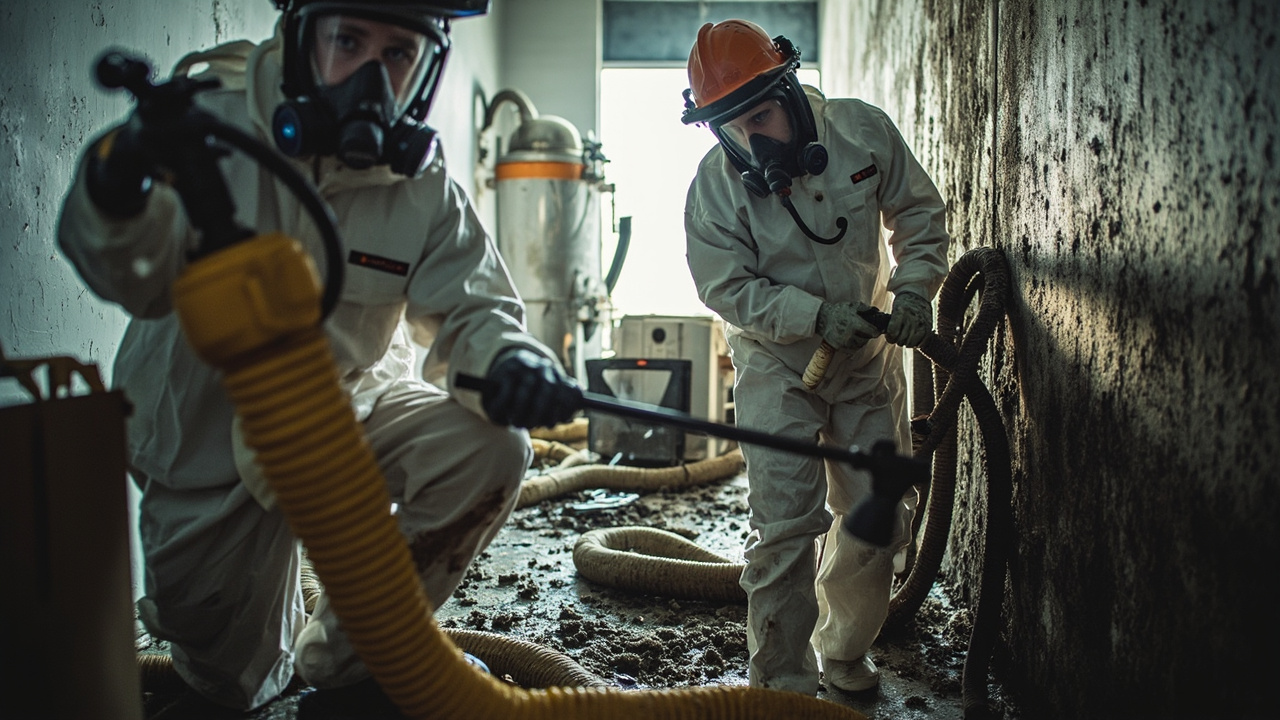
Commercial mold removal demands a different approach than residential projects. You cannot simply seal off a bedroom and call it contained. We engineer containment strategies that maintain negative air pressure while your business continues operating in unaffected zones. Our technicians use commercial-grade HEPA air scrubbers rated for spaces up to 30,000 cubic feet, creating isolated work zones that prevent cross-contamination.

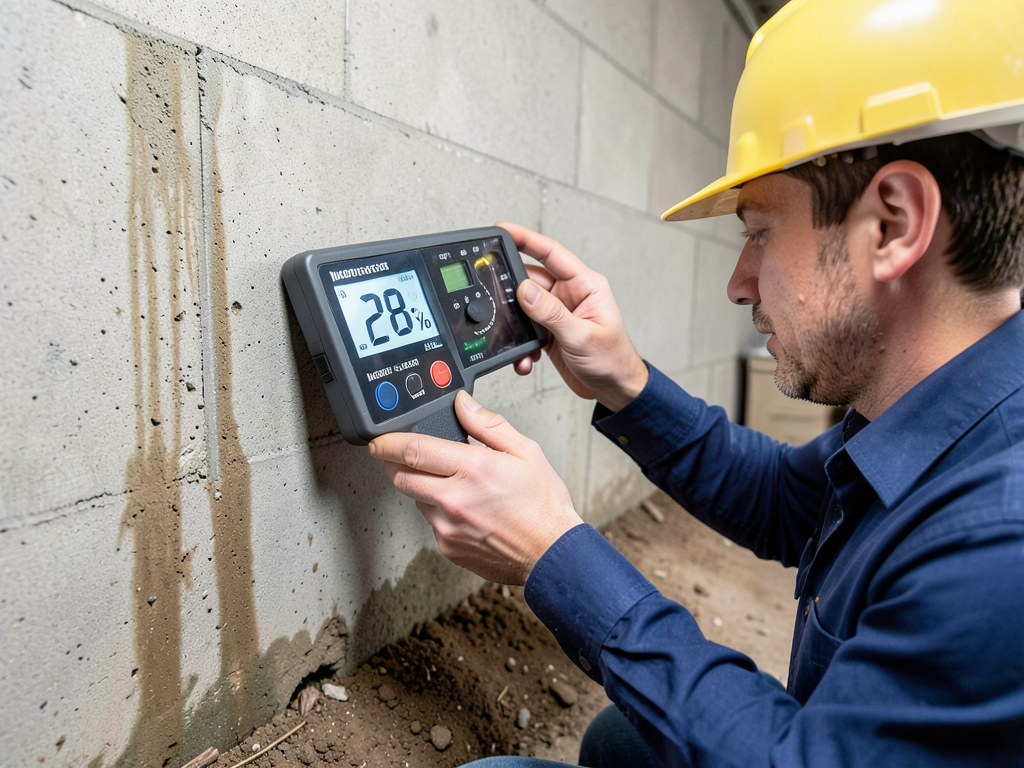
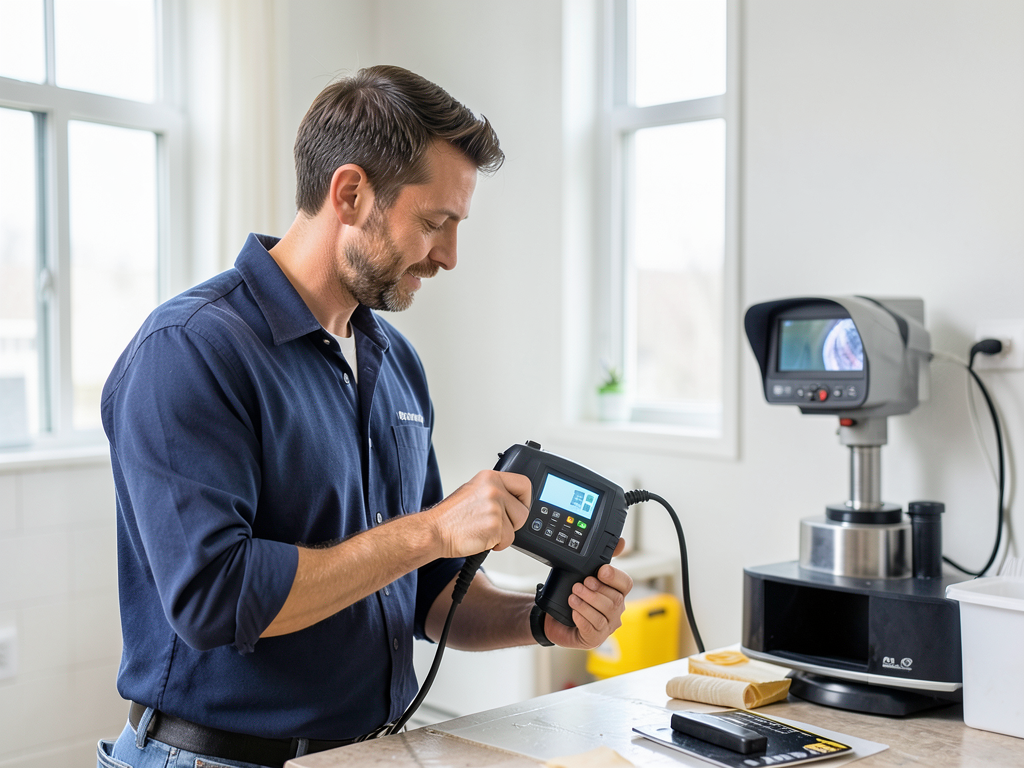
The process starts with moisture mapping using thermal imaging cameras and penetrating moisture meters. We identify every water source feeding the mold colony, whether it is a failed membrane on your flat roof, condensation from inadequate insulation, or groundwater wicking through your concrete slab foundation. Sacramento's high water table in areas near the American River requires subsurface investigation to rule out capillary action as a moisture source.

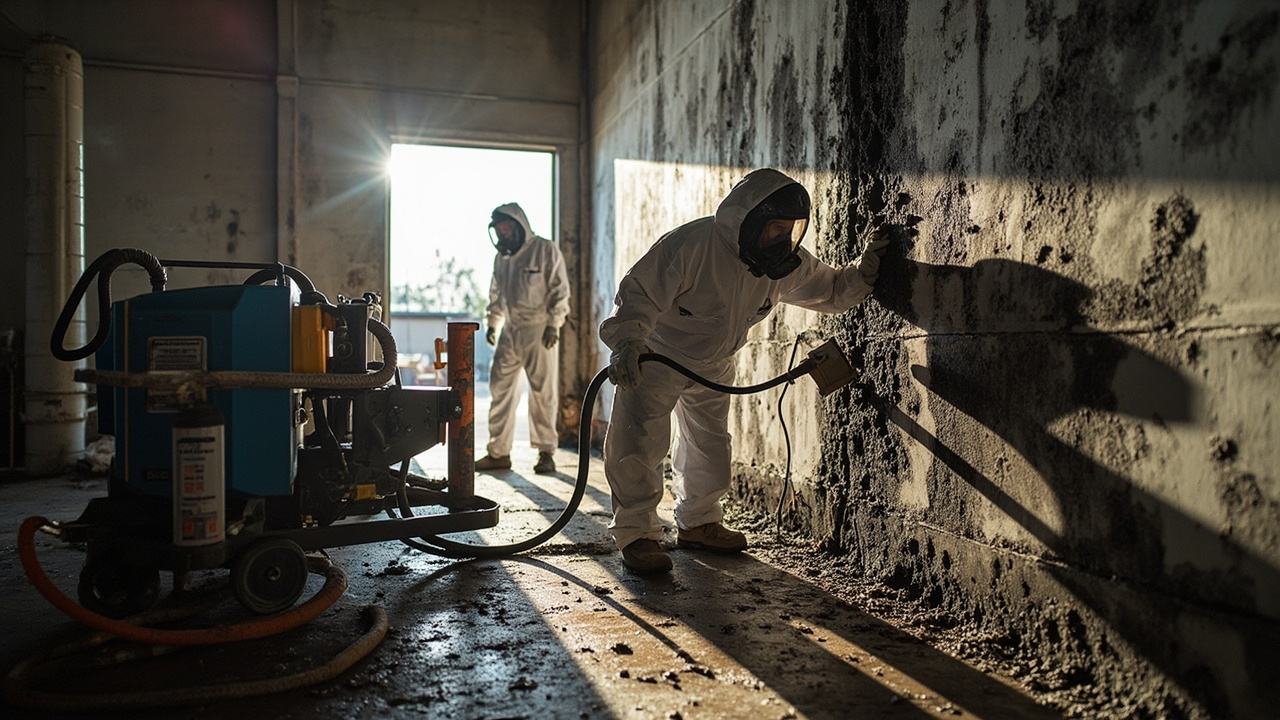
Material removal follows IICRC S520 standards for commercial mold abatement. Non-porous surfaces get HEPA-vacuumed and treated with antimicrobial solutions. Porous materials like drywall, insulation, and ceiling tiles get removed and disposed of according to Sacramento County Environmental Management Department regulations. We document every step with time-stamped photography for your insurance carrier and legal protection.

Air quality verification comes next. We conduct post-remediation clearance testing through independent laboratories, comparing spore counts against outdoor baseline samples. Your certificate of mold clearance provides the documentation you need to reopen affected areas, satisfy tenant concerns, and demonstrate due diligence to regulatory agencies. We coordinate with your mechanical contractors to address underlying HVAC deficiencies that contributed to the original mold growth.

How Commercial Mold Mitigation Unfolds in Your Facility

Commercial Mold Remediation in Sacramento – Minimize Downtime and Protect Your Business Assets
01

Facility Assessment and Containment

Our team arrives with commercial detection equipment to map the full extent of mold colonization and moisture intrusion. We establish negative air containment chambers using 6-mil polyethylene barriers and commercial air movers, isolating affected zones while maintaining building pressure differentials. You receive a detailed scope of work with projected timelines, material removal requirements, and a phased approach that minimizes business interruption across your Sacramento facility.
02

Removal and Decontamination

Certified technicians remove contaminated materials using proper PPE and HEPA-filtered vacuum systems to capture airborne spores during demolition. We apply EPA-registered antimicrobial treatments to all structural surfaces, then use hydroxyl generators or ozone machines during off-hours to neutralize residual spores in the air. All debris goes into sealed containers and gets disposed of at approved facilities, with manifests provided for your environmental compliance records.
03

Verification and Reconstruction Coordination

Independent laboratories collect air samples from remediated areas and compare spore levels against outdoor control samples. Once clearance testing confirms successful commercial mold abatement, we provide certified documentation for your insurance claim and regulatory files. Our project managers coordinate with your general contractor or our reconstruction division to restore walls, ceilings, and finishes to pre-loss condition, getting your Sacramento business back to full operational capacity.

Why Sacramento Businesses Choose Local Mold Remediation Expertise

Mold remediation in commercial spaces requires familiarity with Sacramento's building codes and environmental regulations. Fortress Water Damage Restoration Sacramento maintains relationships with local building inspectors and understands the permit requirements for major remediation projects in the city limits and unincorporated Sacramento County. We know which projects trigger California Environmental Quality Act review and how to navigate Department of Toxic Substances Control notifications when mold affects industrial facilities.

Our technicians understand the construction methods used in Sacramento's commercial building stock. The tilt-up concrete warehouses in Natomas and South Sacramento require different moisture investigation techniques than the brick-and-timber buildings in Old Sacramento. We recognize how the region's soil conditions, predominantly Yolo silt loam and San Joaquin clay, affect foundation moisture and groundwater infiltration patterns that feed mold growth.

Response time matters when you are losing revenue every hour. Our local presence means we dispatch crews from our Sacramento facility within two hours of your call. We maintain relationships with commercial insurance adjusters who work this territory and understand their documentation requirements. That familiarity accelerates your claim processing and gets you back to business faster.

The liability protection we provide extends beyond just removing visible mold. We document pre-existing conditions, photograph all work phases, and provide detailed reports that protect you if employees or tenants later claim mold exposure. Our work meets the standards California courts reference in premises liability cases. We have testified as expert witnesses in Sacramento County Superior Court regarding proper commercial mold mitigation procedures.

What Your Commercial Mold Remediation Project Includes

Rapid Commercial Response Times

We mobilize commercial crews within two hours for Sacramento business emergencies. Our project managers conduct initial assessments outside business hours to avoid disrupting your operations. You receive a detailed scope of work within 24 hours, including phased timelines that allow partial facility operation during remediation. For multi-tenant buildings, we coordinate access and communication with property managers to minimize tenant concerns. Weekend and overnight work schedules accommodate businesses that cannot afford daytime downtime. Emergency commercial mold cleanup begins immediately when health and safety issues require facility evacuation.

Comprehensive Moisture and Mold Assessment

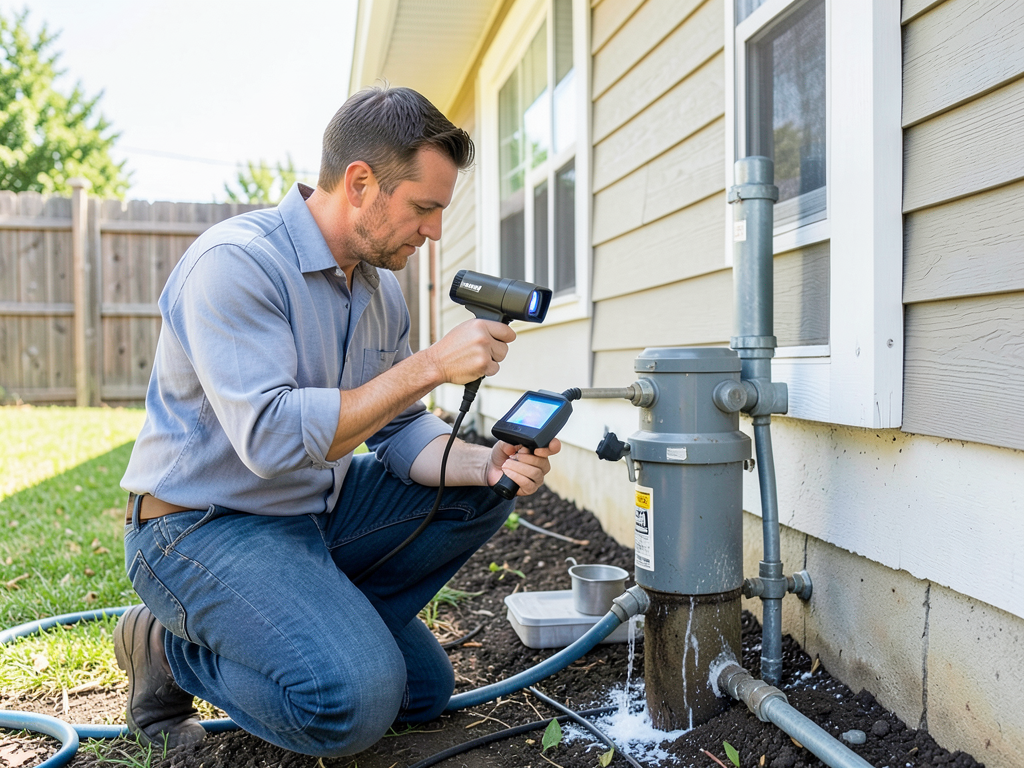
Our certified inspectors use thermal imaging cameras to identify hidden moisture in walls, ceilings, and below-grade spaces. Penetrating moisture meters measure water content in concrete slabs and structural members. We collect air samples and surface samples for laboratory analysis, identifying specific mold species and spore concentrations. The assessment includes HVAC system inspection to identify mechanical issues contributing to humidity problems. You receive a written report with photographs, moisture maps, and laboratory results documenting the full scope of contamination. This documentation supports your insurance claim and provides the baseline for post-remediation clearance testing.

Certified Mold-Free Environment Delivery

Post-remediation verification comes from independent laboratories, eliminating any conflict of interest in clearance decisions. Air samples from remediated areas must show spore counts and species distribution comparable to outdoor baseline samples. Surface samples verify that antimicrobial treatments eliminated viable mold colonies on structural materials. You receive a certificate of mold clearance suitable for presentation to building officials, insurance carriers, and concerned tenants. The documentation includes chain-of-custody records for all samples and laboratory accreditation certificates. This third-party verification protects you from future liability claims alleging incomplete business mold remediation.

Preventive Maintenance Recommendations and Monitoring

Successful commercial mold abatement addresses the underlying moisture sources that allowed mold growth in the first place. Our final report includes specific recommendations for building envelope repairs, HVAC system modifications, and humidity control measures. We identify roof drainage deficiencies, plumbing leaks, and condensation issues that require correction to prevent recurrence. For high-risk facilities like food processing plants or healthcare properties, we offer quarterly moisture monitoring and air quality testing to catch problems before they escalate. Your facility maintenance team receives training on early warning signs of moisture intrusion and proper response protocols.

Frequently Asked Questions

You Have Questions,
We Have Answers

What do professionals use for mold remediation? +

Professionals use HEPA-rated air scrubbers to capture airborne spores, antimicrobial solutions to kill surface colonies, and containment barriers to prevent cross-contamination during removal. Industrial dehumidifiers and moisture meters identify hidden water sources that fuel regrowth. In Sacramento's commercial buildings, technicians also use infrared cameras to detect moisture behind walls and in HVAC systems, which are common mold reservoirs due to the region's fluctuating humidity. After physical removal, encapsulation sealants prevent spore release from porous materials. All equipment meets EPA and IICRC standards to ensure compliant, thorough remediation that protects building occupants and business operations.

How much does it cost to professionally remove mold? +

Commercial mold removal costs vary based on contamination extent, building size, and affected materials. Small-scale projects in office suites may cost less than large-scale warehouse remediation requiring extensive HVAC cleaning. Sacramento properties with hidden moisture intrusion from aging roofs or plumbing failures often require additional structural repairs, increasing total project costs. Most commercial projects require pre-testing and post-clearance testing by certified industrial hygienists, which adds to the scope. Business interruption costs and code compliance upgrades also factor into budgeting. Request detailed scoping and itemized estimates to understand your specific project variables before committing.

Is professional mold removal worth it? +

Professional mold removal is worth it for commercial properties because improper handling creates liability exposure and health risks for employees and customers. DIY attempts rarely address hidden growth in HVAC ducts, wall cavities, or subfloors, which leads to recurring contamination. Sacramento businesses face potential Workers' Compensation claims if employees develop respiratory issues from mold exposure. Professional remediation includes documentation and clearance testing required by insurance carriers and regulatory agencies. The cost of professional service is lower than potential litigation, lost productivity, or permanent property damage from untreated moisture problems. Certified remediation protects your business reputation and operational continuity.

What is commercial mold remediation? +

Commercial mold remediation is the process of identifying, containing, removing, and preventing mold growth in business properties. It differs from residential work because commercial buildings have complex HVAC systems, larger square footage, and stricter regulatory requirements. In Sacramento, commercial properties like warehouses, retail spaces, and office buildings often face mold from roof leaks, poor ventilation, or plumbing failures. The process includes air quality testing, containment setup to maintain business operations, physical removal of contaminated materials, antimicrobial treatment, and moisture control strategies. Proper remediation minimizes downtime, protects occupant health, and ensures compliance with California building codes and OSHA standards.

How much does professional mold removal cost? +

Professional mold removal costs depend on contamination size, location accessibility, and required demolition. Projects requiring HVAC system cleaning or structural drying cost more than surface-level treatment. Sacramento commercial properties with widespread damage from delayed leak repairs face higher costs because moisture penetrates concrete slabs and drywall systems. Insurance may cover remediation if mold results from a covered peril like burst pipes. Most contractors provide free assessments and detailed scoping before starting work. Budget for testing, labor, disposal, and restoration materials. Addressing mold early reduces total project costs compared to waiting until contamination spreads throughout your building.

What kills mold permanently? +

Nothing kills mold permanently without addressing the underlying moisture source. Antimicrobial solutions and encapsulants kill existing colonies, but mold regrows if humidity or water intrusion persists. In Sacramento, commercial properties must control condensation in HVAC systems and repair roof or plumbing leaks to prevent recurrence. Proper ventilation and dehumidification keep indoor humidity below 60 percent, which inhibits spore germination. Professional remediation combines chemical treatment with moisture management and structural repairs to create conditions where mold cannot survive. Long-term prevention requires routine inspections and immediate response to water events like pipe bursts or storm damage.

Can black mold be fully remediated? +

Black mold can be fully remediated when professionals remove all contaminated materials and address moisture sources. The process requires containment, HEPA filtration, and complete removal of porous materials like drywall and insulation that harbor deep spore penetration. In Sacramento commercial buildings, black mold often grows in hidden areas like wall cavities or beneath flooring after plumbing failures. Professional remediation includes post-clearance testing to verify spore counts return to normal levels. Success depends on eliminating water intrusion and maintaining proper humidity control. Attempting DIY removal spreads spores and leaves hidden colonies intact, which creates recurring contamination.

Is mold remediation tax deductible? +

Mold remediation may be tax deductible for commercial properties if it qualifies as a necessary business expense or repair to maintain operational safety. The IRS allows deductions for expenses that prevent business interruption or address health hazards affecting employees. Sacramento businesses should consult tax professionals to determine if remediation qualifies as a deductible repair versus a capital improvement, which follows different depreciation rules. If remediation results from a federally declared disaster, additional tax relief may apply. Maintain detailed invoices, scope reports, and clearance testing documentation to support deduction claims. Tax treatment varies based on your business structure and specific circumstances.

What are signs of mold exposure? +

Mold exposure causes respiratory symptoms like coughing, wheezing, and throat irritation. Employees may experience headaches, fatigue, skin rashes, or sinus congestion. Individuals with asthma or allergies face worse reactions, including breathing difficulty. In Sacramento commercial buildings, exposure often occurs in poorly ventilated spaces or after undetected water damage. Workers may notice musty odors before visible growth appears. Prolonged exposure can lead to chronic respiratory conditions, triggering Workers' Compensation claims and OSHA investigations. If multiple employees report similar symptoms, suspect hidden mold contamination in HVAC systems or behind walls. Professional air quality testing identifies contamination levels and guides remediation decisions.

How hard is it to win a mold lawsuit? +

Winning a mold lawsuit is difficult because plaintiffs must prove direct causation between exposure and health damages. California courts require medical documentation linking specific mold species to diagnosed conditions, which is complex and expensive to establish. Commercial defendants often argue pre-existing conditions or alternative exposure sources. In Sacramento, successful claims typically involve gross negligence like ignored water damage or fraudulent concealment of known contamination. Plaintiffs must demonstrate property owners knew about the mold and failed to act. Settlements occur more often than trial victories. Business owners reduce lawsuit risk through prompt remediation, documentation of response efforts, and maintaining proper ventilation and moisture control systems.

How Sacramento's Delta Climate and Aging Commercial Buildings Accelerate Mold Growth

Sacramento sits at the confluence of two major river systems, creating humidity levels that fluctuate dramatically between summer and winter months. The Delta breeze brings marine air inland during summer evenings, causing rapid temperature drops that trigger condensation on cold surfaces inside poorly insulated buildings. Many commercial properties in Midtown, Downtown, and East Sacramento date to the mid-20th century, built before modern vapor barrier requirements and energy codes. Single-pane windows, inadequate wall insulation, and outdated HVAC systems create the perfect conditions for hidden mold growth. Add Sacramento's tradition of flat or low-slope commercial roofing, and you have standing water that eventually finds its way through aging roof membranes into ceiling cavities.

Fortress Water Damage Restoration Sacramento understands the construction methods and environmental challenges specific to this region. We know which commercial buildings in the Central Business District still have original 1960s-era built-up roofing that has exceeded its service life. Our technicians recognize the signs of groundwater intrusion in properties near the American River Parkway, where seasonal flooding raises the water table. We maintain working relationships with Sacramento building inspectors and understand local permit requirements for commercial mold mitigation projects. That local expertise translates into faster project approvals, accurate moisture source identification, and remediation strategies tailored to the specific failure modes common in Sacramento commercial construction.
Water Damage Restoration Services in The Sacramento Area

Fortress Water Damage Restoration proudly serves the greater Sacramento area, including all surrounding neighborhoods and communities. We are committed to providing fast and reliable service wherever you are. To get an idea of our service area or to visit our office, please use the interactive map below. Our team is ready to respond to your needs, so don't hesitate to reach out for immediate assistance or to schedule a consultation.

Address:
Fortress Water Damage Restoration Sacramento, 2109 Del Paso Blvd, Sacramento, CA, 95815

Additional Services We Offer

Our news updates

Latest Articles & News from The Blogs

Why a Leaky Pool Pump Can Damage Your Home Foundation in the Sacramento Heat Pool equipment leaks in Sacramento homes…

Why a Leaky Pool Pump Can Damage Your Home Foundation in the Sacramento Heat

Why a Leaky Pool Pump Can Damage Your Home Foundation in the Sacramento Heat Pool equipment leaks in Sacramento homes…

Your Rights and Next Steps When a Neighbor Overflows Their Sink in a Sacramento High Rise

Your Rights and Next Steps When a Neighbor Overflows Their Sink in a Sacramento High Rise When a neighbor's sink…

Protecting Your Finished Basement in Old North Sacramento from Rising Ground Water

Protecting Your Finished Basement in Old North Sacramento from Rising Ground Water Your finished basement in Old North Sacramento sits…

Contact Us

Every day of delayed commercial mold remediation increases your exposure and your costs. Call Fortress Water Damage Restoration Sacramento at (916) 222-9262 now for immediate assessment and containment. We will dispatch a commercial crew to your Sacramento facility within two hours.