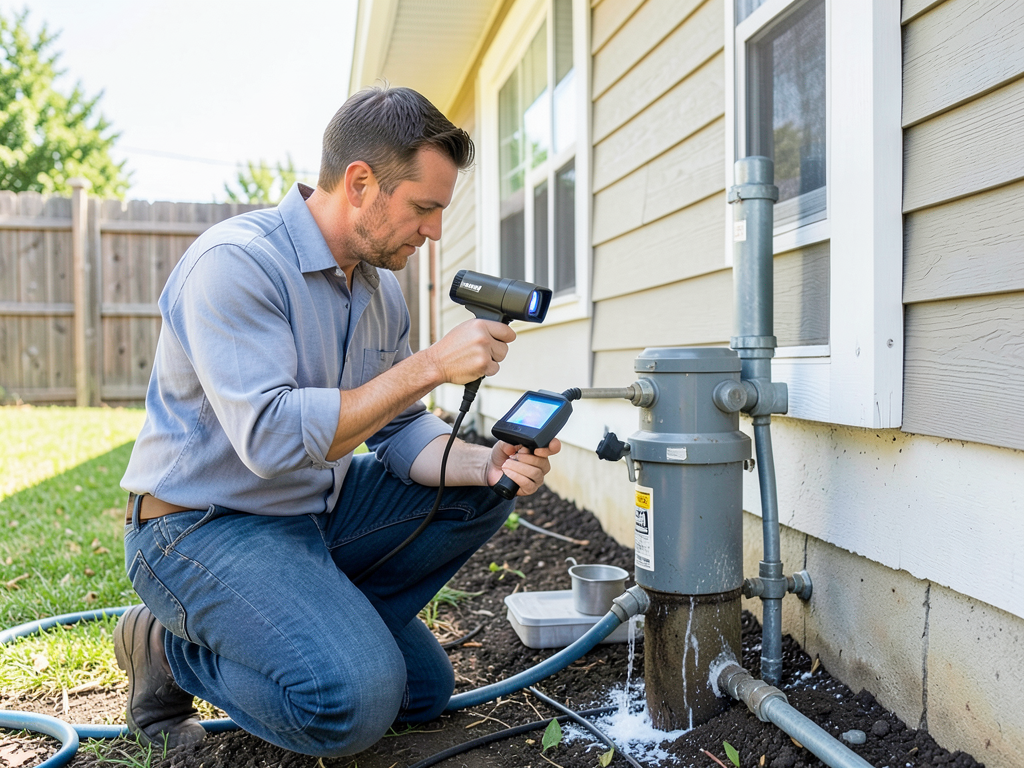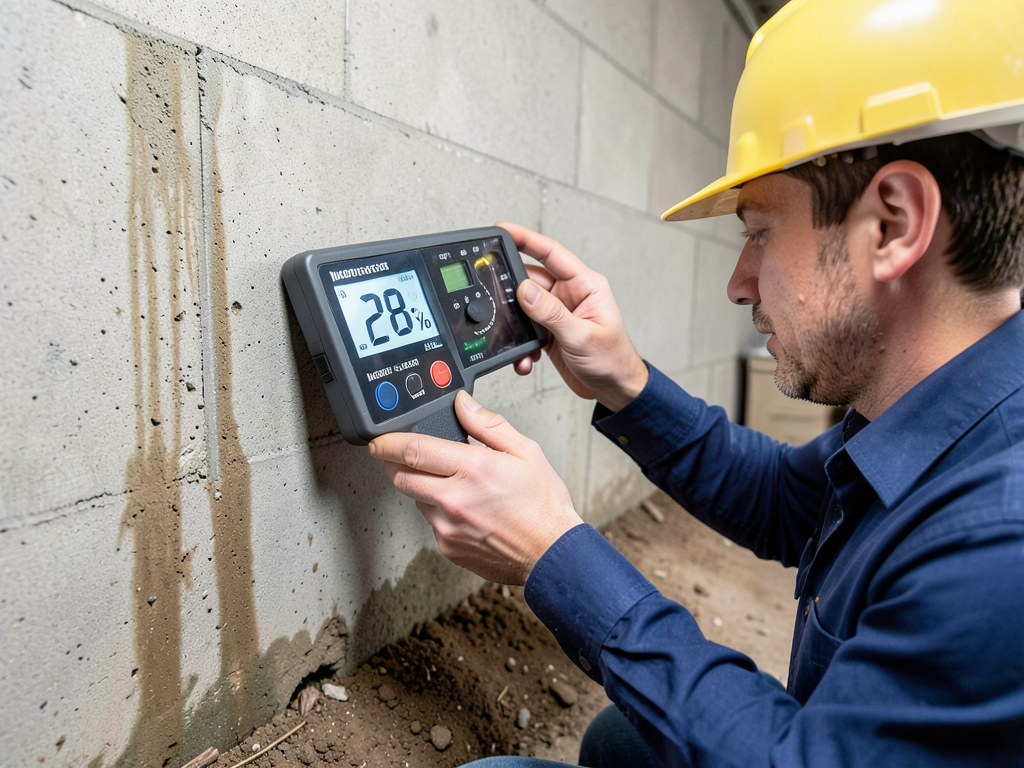





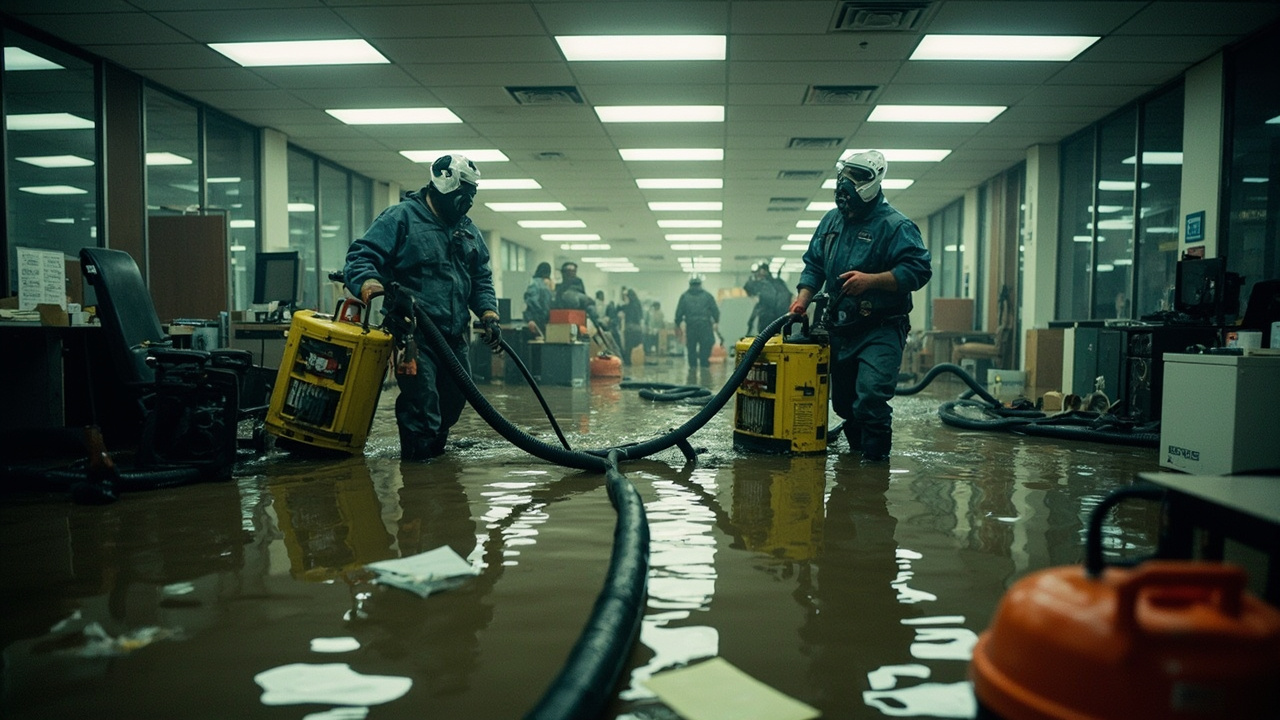
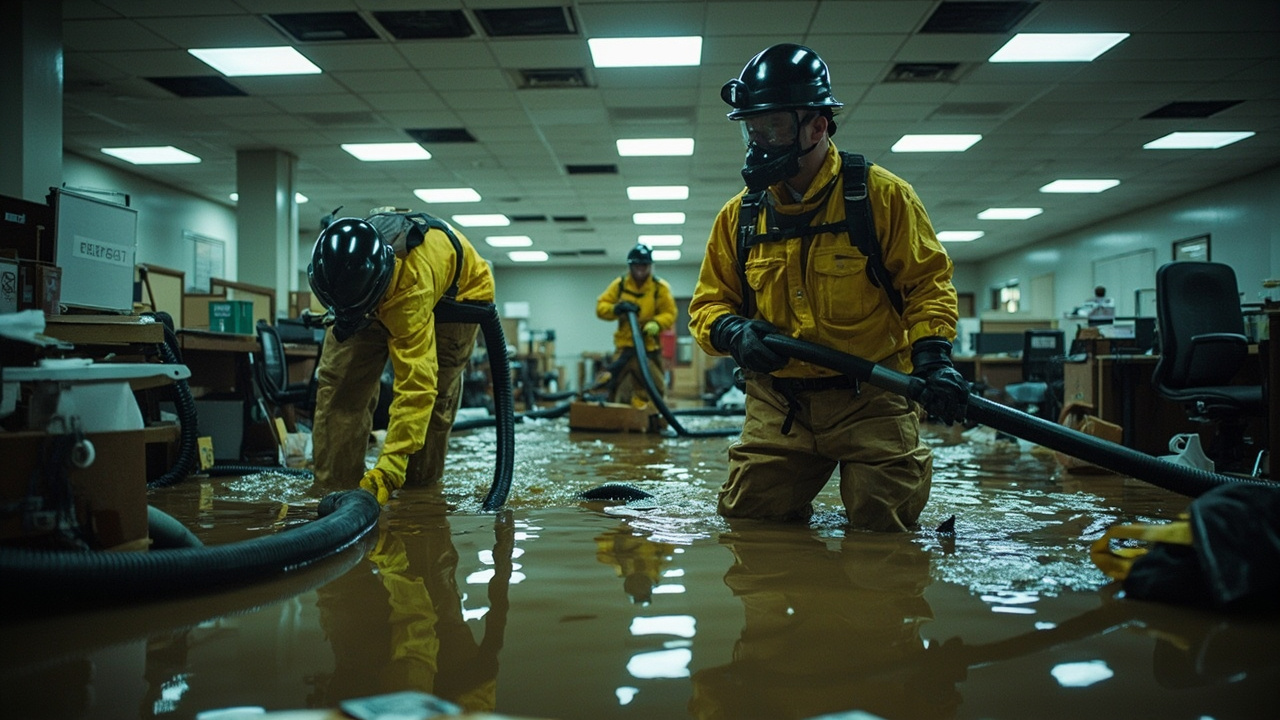

Sacramento's position in the Central Valley Delta creates unique challenges for commercial sewer systems. The expansive clay soil shifts during seasonal wet-dry cycles, placing stress on underground sewer laterals. Many commercial properties in Midtown, Downtown, and the Richards Boulevard corridor were built between 1950 and 1980, when cast iron and clay pipe were standard materials. These lines corrode or crack over decades, allowing soil infiltration that reduces flow capacity. When winter storms saturate the ground and increase flow into the municipal system, compromised commercial laterals cannot handle the volume. The result is raw sewage backing into your facility through floor drains and low-lying fixtures. Commercial sewage removal in Sacramento must account for subsurface contamination in concrete slabs, which absorb raw sewage into pores due to the area's porous aggregate base common in commercial construction from this era.
Sacramento County Environmental Management requires specific notification protocols for sewage events in food service establishments, medical facilities, childcare centers, and any business open to the public. These regulations exist because improper commercial sewage remediation creates public health risks that extend beyond your property line. Working with a local Sacramento firm familiar with these reporting requirements protects your business license and operational permits. Fortress Water Damage Restoration Sacramento maintains relationships with county inspectors and understands the documentation standards they expect. We provide the detailed remediation reports and verification testing results that satisfy regulatory review without requiring you to navigate the bureaucracy yourself. This local knowledge prevents compliance issues that could delay your reopening or trigger follow-up inspections.