




Antelope sits in Sacramento County's northeast corridor where clay soil and seasonal flooding create perfect conditions for water intrusion. The Dry Creek watershed runs through neighborhoods like Ridgepoint and Woodridge, bringing heavy runoff during winter storms that overwhelm aging drainage systems. Many homes built during the 1980s and 1990s expansion feature slab foundations vulnerable to hydrostatic pressure when groundwater rises.
Summer heat reaching 105 degrees stresses aging plumbing in properties near Elverta Road and Walerga, causing burst pipes during sudden temperature drops. The transition between Sacramento's urban core and rural Placer County means many Antelope properties rely on well water systems prone to pressure tank failures. Flash flooding along Antelope Creek affects homes in the Ridgeview and North Antelope districts almost annually.
Add California's strict Title 24 building codes requiring specific moisture barrier installation, and you understand why water damage restoration in Antelope demands local expertise. Properties near the former Northgate Boulevard corridor face additional challenges from older commercial buildings with inadequate waterproofing. Every neighborhood from Elverta to the North Highlands border requires restoration crews who understand clay soil drainage, Central Valley humidity patterns, and rapid response during storm season.
National restoration companies dispatch technicians from Sacramento or Roseville, burning time you do not have when water spreads through your home. Fortress Water Damage Restoration Sacramento stations crews specifically for Antelope's zip codes, cutting response time by 40 minutes compared to downtown-based competitors. We know that homes near Don Julio Boulevard flood differently than properties along Walerga Road, and our response protocols adapt to each microclimate.
Our technicians train on Antelope's specific construction types, from the tract homes in Ridgepoint Estates to the larger properties near Elverta. We understand how clay soil affects foundation moisture, which matters when setting up dehumidification equipment for proper structural drying. Other companies use generic drying protocols. We adjust equipment placement based on Sacramento County's humidity patterns and seasonal temperature swings that affect evaporation rates.
Insurance coordination separates good restoration from great restoration. We document every step using thermal imaging and moisture mapping that satisfies even the most demanding adjusters. Our team has worked with every major carrier serving Antelope, and we know exactly what documentation State Farm, Farmers, and Allstate require for smooth claims processing. You receive daily updates via text with photo documentation, eliminating the frustration of wondering what is happening while you are displaced.
We own our equipment rather than renting it, which means we deploy more air movers, dehumidifiers, and extraction units per job than competitors trying to minimize rental costs. This aggressive approach cuts drying time from seven days to four, getting you back home faster and reducing secondary damage that inflates final costs.

Our crews reach any address in Antelope within one hour of your call, day or night. We stage equipment throughout Sacramento County's northeast corridor specifically to serve Ridgepoint, Woodridge, and surrounding neighborhoods faster than companies dispatching from downtown Sacramento. When water is spreading, minutes determine whether you need carpet replacement or full subfloor reconstruction.

We handle all communication with your insurance carrier from initial claim filing through final payment. Our documentation meets California Department of Insurance standards and includes thermal imaging proof that satisfies even difficult adjusters. You never chase paperwork or argue about covered services. We have negotiated with every carrier serving Antelope and know how to get your claim approved quickly.
Every technician on our crews holds current IICRC Water Damage Restoration certification, not just the supervisor who never shows up. We maintain advanced certifications in structural drying, applied microbial remediation, and odor control. This expertise matters when dealing with contaminated water from sewage backups or preventing mold in Antelope's humid conditions. Certification is not marketing. It is proof we follow science-based protocols.
We have restored properties in every Antelope neighborhood from Elverta to North Highlands. Our crews understand how clay soil affects foundation drainage near Dry Creek, which slab foundation designs common to Ridgepoint developments handle moisture poorly, and where aging infrastructure along Walerga Road creates recurring problems. This local knowledge prevents mistakes that delay drying and increase costs.
Water damage restoration divides into three distinct service categories based on contamination level, damage extent, and response urgency. Clean water from supply line breaks requires different protocols than sewage backups. Minor leaks demand different equipment than flooded basements. Fortress Water Damage Restoration Sacramento deploys the right technicians, equipment, and procedures for your specific situation.
Our service range covers everything from emergency water extraction at 2 AM to complete structural rebuilding after insurance approval. We handle water removal, content pack-out and storage, structural drying, antimicrobial treatment, odor elimination, and full reconstruction. Each service category requires specialized certifications, equipment, and techniques developed through years of restoring Antelope properties.
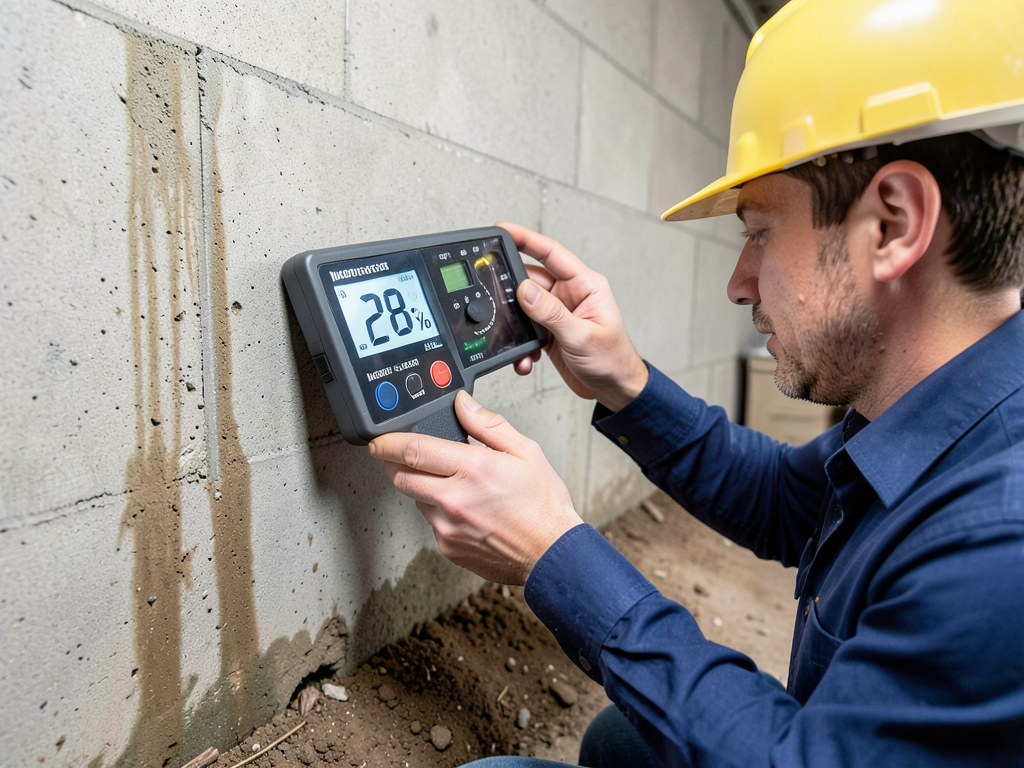
The difference between water damage cleanup and full remediation matters for insurance claims and long-term property health. Cleanup removes visible water. Remediation addresses hidden moisture in wall cavities, subfloors, and insulation that causes mold and rot months later. We use moisture meters and thermal imaging to find trapped water other companies miss, then deploy the dehumidification and air movement needed for complete structural drying in Sacramento County's climate.
The first four hours determine whether you face a $3,000 repair or a $30,000 rebuild. Our emergency extraction teams arrive with truck-mounted pumps capable of removing 100 gallons per minute, portable extractors for carpets and upholstery, and containment barriers to stop water spreading. We pull standing water, remove soaked materials that cannot be saved, and begin airflow to prevent mold spores from germinating. This service includes initial moisture mapping, photo documentation for insurance, and immediate board-up if windows or doors are compromised.
Water hides in places you cannot see, like wall cavities, subfloor assemblies, and insulation batts. We use thermal imaging cameras to map every moisture pocket, then position industrial dehumidifiers and high-velocity air movers based on psychrometric calculations specific to Antelope's climate. Daily moisture readings track progress until materials return to normal levels. This prevents buckled hardwood, delaminated cabinets, and mold growth that appears weeks after other companies declare the job complete. Structural drying includes HEPA air filtration to capture airborne contaminants released during the process.
Category 2 and Category 3 water contaminated with sewage, chemicals, or biological material requires specialized protocols to protect your health. Our technicians wear protective equipment and follow IICRC S500 standards for removing contaminated materials, applying EPA-registered antimicrobials, and sanitizing affected surfaces. This service addresses toilet overflows, sewer backups, and flooding from Antelope Creek that carries agricultural runoff. We remove contaminated drywall, insulation, and baseboards, treat remaining structures, then verify safe conditions using ATP testing before reconstruction begins.
Antelope's location in the Dry Creek watershed creates flooding challenges unique to Sacramento County's northeast corridor. Seasonal storm runoff overwhelms drainage systems built during the 1980s housing boom, sending water into garages and crawl spaces throughout older neighborhoods. Clay soil common to the area holds water rather than draining, creating hydrostatic pressure against foundations and slab edges.
Summer heat cycles stress plumbing systems, causing pinhole leaks in copper supply lines and pressure tank failures in properties relying on well water. The transition between urban Sacramento and rural Placer County means many homes lack municipal sewer connections, making septic overflow during heavy rains a recurring problem. Property owners near Elverta Road and Walerga face additional challenges from aging commercial buildings with inadequate weatherproofing affecting adjacent residential structures.
Winter storms fill Dry Creek faster than outdated culverts can handle, sending water into neighborhoods along Elverta and the Ridgeview district. Homes built before 2000 lack proper grading to divert overflow, resulting in garage flooding and crawl space saturation. This recurs almost annually, making rapid response and proper structural drying essential to prevent cumulative damage that weakens foundations and grows mold colonies between incidents.
Antelope sits on expansive clay soil that swells when wet and shrinks when dry, creating foundation movement and cracking. Poor drainage around slab foundations allows water to pool, creating hydrostatic pressure that forces moisture through concrete and damages flooring. Properties throughout Woodridge and North Antelope experience chronic moisture problems requiring French drains and vapor barriers that most restoration companies do not install properly.
Homes built during Antelope's 1980s and 1990s growth phase contain aging copper supply lines developing pinhole leaks from water chemistry and pressure fluctuations. These slow leaks damage wall cavities and subfloors for months before you notice water stains or mold odors. Summer heat accelerates corrosion, making June through September peak season for hidden plumbing failures requiring wall removal and complete structural drying.
Properties without municipal sewer connections face septic overflow during heavy rain when saturated soil prevents proper drain field function. This contaminated water backs into homes through toilets and floor drains, requiring hazardous material protocols for cleanup. Areas near the Placer County border and rural Elverta see this problem most frequently, demanding immediate response to prevent health hazards and property damage from sewage exposure.
Water damage creates chaos, and you need a restoration company that brings order fast. When you call Fortress Water Damage Restoration Sacramento, you reach a live person who dispatches crews immediately, not an answering service that takes messages. We ask specific questions about water source, affected areas, and safety concerns, then provide realistic timelines and next steps before ending the call.
Our technicians arrive in marked vehicles with all equipment needed to start extraction and damage control within the first hour. You receive a detailed explanation of what we are doing, why we are doing it, and what to expect over the following days. We document everything with photos and moisture readings, creating the evidence trail your insurance company requires for claim approval. Communication continues through text updates with photos showing daily progress, eliminating frustration about project status.
The goal is getting you back to normal life as fast as possible while preventing problems that appear months later. We move faster than companies worried about equipment rental costs, deploy more dehumidification capacity than industry minimums, and verify complete drying before declaring the job finished.
Within 60 minutes of your call, our crew arrives to assess damage extent, identify water source, and begin emergency services. We photograph everything for insurance documentation, use moisture meters to map affected areas, and explain what needs to happen next. You receive a detailed scope of work and timeline before we start major procedures. Safety comes first, so we check for electrical hazards, structural compromise, and contamination that requires special handling before extraction begins.
Every morning you receive a text message with photos showing overnight progress and moisture readings from key areas. Our project manager calls twice weekly to discuss timeline, answer questions, and coordinate insurance adjuster visits. You have direct phone access to the crew supervisor for immediate concerns, not a call center that takes messages. We explain any changes to the original scope immediately, with clear reasons and revised timelines so you are never surprised by delays or additional work.
We do not leave until moisture readings confirm complete structural drying, typically 0.5% moisture content or less depending on material type. You receive a final report with before and after photos, moisture logs, and antimicrobial treatment documentation for your insurance company. Our team explains what caused the damage and provides specific recommendations to prevent recurrence, like improved grading around your foundation or pressure regulator installation for your supply lines.
We follow IICRC S500 protocols adapted for Antelope's climate and construction types. This structured approach eliminates guesswork and ensures nothing gets missed.
We extract standing water using truck-mounted pumps and portable extraction units, working from the deepest pools outward to prevent spreading. Soaked carpets get pulled to access subfloor moisture. Furniture moves to dry areas or gets elevated on blocks. We remove baseboards to check wall cavities for hidden water, then set up containment barriers to isolate affected areas from the rest of your home. Initial moisture mapping identifies all wet materials requiring attention.
Industrial dehumidifiers and high-velocity air movers position based on psychrometric calculations to maximize evaporation rates. We adjust equipment placement daily as moisture redistributes within materials. Moisture readings taken twice daily track progress in walls, subfloors, and structural wood until everything returns to normal levels. HEPA air scrubbers run continuously to capture mold spores and particulates released during drying. This phase takes three to seven days depending on damage extent and material types affected.
Once drying completes, we apply EPA-registered antimicrobials to all affected surfaces to prevent microbial growth. Thermal fogging eliminates odors trapped in materials. Materials removed during extraction get replaced with matching products, including drywall, insulation, baseboards, and flooring. Our licensed contractors handle everything from cabinet reinstallation to paint matching, delivering a finished space ready for immediate use. Final moisture verification and photo documentation close the project.
Water damage restoration is not about pointing fans at wet carpet. It requires understanding building science, psychrometrics, and microbial growth conditions specific to Central Valley California. Sacramento County's climate creates unique drying challenges, with 15% relative humidity in summer and 90% in winter, forcing constant adjustment to dehumidification protocols.
The IICRC S500 Standard guides all legitimate water damage restoration work in California. This document establishes moisture content targets, drying equipment deployment, and antimicrobial protocols based on scientific research. Class 1 through Class 4 damage categories determine equipment quantity and drying time, while Category 1 through Category 3 water classifications dictate safety procedures and material disposal requirements.
Antelope's clay soil and slab foundation construction create complications most restoration companies mishandle. Moisture trapped beneath slabs requires specialized injection drying systems, not just dehumidifiers in the living space. Thermal imaging reveals hidden water in wall cavities that moisture meters miss on surface readings alone. We follow California Title 24 requirements for vapor barriers and insulation replacement, preventing code violations that delay insurance settlements.
Proper structural drying eliminates moisture from building materials before mold spores germinate, which takes 24 to 48 hours in temperatures above 70 degrees. This narrow window demands immediate response and aggressive equipment deployment. Dehumidification capacity must match room volume and moisture load using calculations from psychrometric charts, not guesses based on room size. We calculate grains per pound of moisture in the air, adjust for temperature and airflow, then position equipment to create optimal vapor pressure gradients that pull moisture from materials into the air where dehumidifiers can remove it.
Insurance companies in California increasingly demand third-party moisture verification before approving final payments. We use FLIR thermal cameras and Tramex moisture meters calibrated to manufacturer standards, creating documentation that satisfies the most demanding adjusters. This level of precision separates professional restoration from carpet cleaning companies pretending to handle structural drying.
The Institute of Inspection Cleaning and Restoration Certification publishes the S500 Standard for water damage restoration that insurance companies require for claim approval. This document establishes moisture content targets for different materials, equipment deployment ratios, and antimicrobial treatment protocols. We follow these standards exactly, which means we deploy more equipment and take more time than companies cutting corners. The result is proper drying that prevents callbacks and insurance disputes.
Water damage restoration costs depend on water category, affected square footage, materials requiring removal, and drying time. Clean water from supply lines costs less to handle than sewage backups requiring hazmat procedures. Hardwood floors cost more to dry than carpet. Basement flooding affecting 1,000 square feet costs substantially more than a 200 square foot bathroom leak. Equipment rental, labor, disposal fees, and reconstruction materials all factor into final pricing insurance companies must approve.
Structural drying takes three to seven days for most residential water damage when proper equipment quantities deploy. Claims of 24-hour drying are marketing lies that leave moisture trapped in building cavities. Materials like hardwood flooring, plaster, and concrete require longer drying times than drywall or carpet. We take moisture readings twice daily and do not remove equipment until readings confirm complete drying, even if it takes longer than initial estimates.
California's building energy efficiency standards mandate specific vapor barriers and insulation R-values when replacing materials damaged by water. We install proper moisture barriers on exterior walls, meet minimum R-30 attic insulation requirements, and seal all penetrations to current code. Other companies reinstall whatever was there before, creating code violations that surface during home sales or insurance inspections. Our reconstruction work passes inspection the first time.
Expert explanation of water damage restoration procedures for Antelope CA property owners. Covers emergency water extraction techniques, structural drying protocols for Central Valley climate conditions, contaminated water remediation, insurance coordination, and common water damage causes in Antelope including Dry Creek flooding and clay soil drainage failures. Demonstrates proper moisture detection using thermal imaging and explains IICRC restoration standards required for insurance claim approval.
Fortress Water Damage Restoration Sacramento maintains rapid response capability throughout Antelope's diverse neighborhoods, from the established residential areas near Elverta Road to newer developments in the Ridgepoint and Woodridge districts. We know that properties along Don Julio Boulevard and Walerga Road face different water damage challenges than homes near the Dry Creek corridor or the rural properties approaching the Placer County line.
The Ridgeview neighborhood north of Elverta experiences recurring flash flooding during heavy winter rains when Dry Creek overflows aging culvert systems. Homes in this area require specialized grading solutions and improved foundation drainage that we install during reconstruction. Properties in the North Antelope district near Antelope Crossing Regional Park often sit on poorly compacted fill soil that settles over time, creating low spots where water pools against foundations. Our crews understand these geological factors and adjust drying protocols accordingly.
Woodridge and the neighborhoods surrounding Lone Tree Plaza contain many properties built during the 1990s construction boom with slab foundations vulnerable to moisture intrusion from clay soil. These homes require injection drying systems that pump warm, dry air beneath concrete slabs to eliminate trapped moisture. The older residential areas along Elverta Road between Walerga and Roseville Road contain properties with crawl spaces prone to standing water during wet seasons, demanding vapor barrier installation and improved ventilation as part of comprehensive restoration.
We serve properties throughout the greater Antelope metro area, including addresses along the North Highlands border and the semi-rural neighborhoods near Elverta where homes rely on well water and septic systems. The commercial corridor along Walerga Road presents unique challenges when aging retail structures leak onto adjacent residential properties. Our crews have restored properties in every Antelope zip code and understand the specific construction types, soil conditions, and drainage challenges facing each neighborhood.
Properties near the former Northgate Boulevard corridor and the areas surrounding the Antelope Community Park each present distinct restoration challenges based on construction era, foundation type, and proximity to natural drainage features. This neighborhood-level knowledge allows us to respond faster, deploy appropriate equipment, and prevent complications that delay projects and inflate costs.
Water damage restoration in Antelope typically takes 3-7 days for most residential projects. The timeline depends on the extent of damage, affected materials, and water category. A small leak in one room needs 2-3 days. Widespread flooding with structural damage requires 1-2 weeks. Restoration teams complete water extraction in 1-2 days, then spend 3-5 days drying and dehumidifying your property. Additional time is needed if mold remediation or reconstruction becomes necessary. Your technician will assess your specific situation and provide a detailed timeline after the initial inspection.
Water damage restoration pricing in Antelope varies based on several factors. The extent of water damage affects the final price. Category 1 clean water incidents differ from Category 3 sewage backups. Square footage of affected areas matters. Structural damage requires additional work. Most restoration companies offer free inspections and detailed estimates before starting work. Your homeowners insurance often covers water damage restoration from sudden incidents like burst pipes or appliance failures. Get multiple quotes and verify what your insurance policy covers before selecting a restoration company.
Most Antelope homeowners insurance policies cover sudden and accidental water damage. Burst pipes, appliance malfunctions, and roof leaks from storms typically qualify for coverage. Your policy excludes flood damage, which requires separate flood insurance. Gradual damage from long-term leaks or maintenance neglect is usually not covered. Review your policy details and contact your insurance agent immediately after discovering water damage. Document everything with photos and videos. Restoration companies in Antelope work directly with insurance adjusters to streamline the claims process and help you get appropriate compensation.
Water damage restoration in Antelope typically takes 3-7 days for most residential projects. The timeline depends on the extent of damage, affected materials, and water category. A small leak in one room needs 2-3 days. Widespread flooding with structural damage requires 1-2 weeks. Restoration teams complete water extraction in 1-2 days, then spend 3-5 days drying and dehumidifying your property. Additional time is needed if mold remediation or reconstruction becomes necessary. Your technician will assess your specific situation and provide a detailed timeline after the initial inspection.
Water damage restoration pricing in Antelope varies based on several factors. The extent of water damage affects the final price. Category 1 clean water incidents differ from Category 3 sewage backups. Square footage of affected areas matters. Structural damage requires additional work. Most restoration companies offer free inspections and detailed estimates before starting work. Your homeowners insurance often covers water damage restoration from sudden incidents like burst pipes or appliance failures. Get multiple quotes and verify what your insurance policy covers before selecting a restoration company.
Most Antelope homeowners insurance policies cover sudden and accidental water damage. Burst pipes, appliance malfunctions, and roof leaks from storms typically qualify for coverage. Your policy excludes flood damage, which requires separate flood insurance. Gradual damage from long-term leaks or maintenance neglect is usually not covered. Review your policy details and contact your insurance agent immediately after discovering water damage. Document everything with photos and videos. Restoration companies in Antelope work directly with insurance adjusters to streamline the claims process and help you get appropriate compensation.
You need emergency water damage restoration in Antelope when water actively flows into your home, when flooding affects multiple rooms, or when water contacts electrical systems. Sewage backups require immediate professional response. Ceiling water stains indicate potential collapse risk. Standing water deeper than one inch needs urgent attention. Water from storms or burst pipes spreads quickly and causes exponential damage each hour. Mold begins growing within 24-48 hours. Call a restoration company immediately if you experience any of these situations to minimize property damage and health risks.
Water damage restoration in Antelope encompasses the complete process of returning your property to pre-loss condition. This includes water extraction, structural drying, dehumidification, antimicrobial treatment, and monitoring moisture levels. Water damage repair refers to the reconstruction phase after drying completes. Repair includes replacing drywall, installing new flooring, painting, and rebuilding damaged structures. Restoration companies handle the entire process from emergency water removal through final repairs. Some Antelope companies specialize in only extraction and drying, while others provide full-service restoration including reconstruction. Confirm what services your chosen company provides.
Staying in your Antelope home during water damage restoration depends on the severity and location of damage. Minor water damage limited to one room allows you to remain home while technicians work. Extensive damage affecting multiple rooms, living spaces, or essential areas like kitchens and bathrooms requires temporary relocation. Health hazards from sewage contamination or mold growth make your home unsafe until remediation finishes. Loud drying equipment running 24/7 makes sleeping difficult. Your restoration technician will assess safety concerns and recommend whether you should stay or relocate during the restoration process.
Call a water damage restoration company in Antelope within 1 hour of discovering water damage. Every minute counts when water invades your home. Water spreads rapidly through building materials, flooring, and walls. Structural damage worsens exponentially with each passing hour. Mold spores begin colonizing within 24-48 hours of water exposure. Many Antelope restoration companies offer 24/7 emergency response and arrive within 60-90 minutes. Quick action saves thousands in additional repairs and prevents secondary damage. Even small leaks deserve immediate professional attention before they escalate into major problems.
Water damage restoration companies in Antelope use industrial-grade equipment designed for rapid water removal and drying. Truck-mounted extractors remove standing water quickly. Commercial dehumidifiers pull moisture from air and materials. Air movers create airflow patterns for faster evaporation. Moisture meters and thermal imaging cameras detect hidden water in walls and subfloors. HEPA air scrubbers remove airborne contaminants and odors. Injection drying systems target water trapped in wall cavities. Specialized equipment for hardwood floor drying prevents warping. Professional-grade antimicrobial solutions prevent mold growth during the drying process.
Restoration companies in Antelope find hidden water damage using advanced detection technology. Infrared thermal imaging cameras identify temperature differences in walls and ceilings where moisture hides. Moisture meters measure water content in wood, drywall, and concrete without drilling holes. Hygrometers measure relative humidity levels indicating hidden moisture problems. Technicians inspect crawl spaces, attics, and wall cavities where water accumulates unseen. They check baseboards, carpet padding, and subfloors for saturation. Years of experience help technicians identify common water migration patterns in Antelope homes and locate damage before it becomes visible.
Water damage restoration companies in Antelope should hold IICRC certification. The Institute of Inspection Cleaning and Restoration Certification sets industry standards for water damage restoration. Look for technicians with Water Damage Restoration Technician and Applied Structural Drying certifications. EPA Lead-Safe certification matters for older Antelope homes. Professional companies maintain proper business licensing for Sacramento County operations. Verify technicians receive ongoing training in latest restoration techniques and safety protocols. Membership in professional organizations like the Restoration Industry Association demonstrates commitment to quality standards. Check online reviews and ask for references before hiring any restoration company.
You need emergency water damage restoration in Antelope when water actively flows into your home, when flooding affects multiple rooms, or when water contacts electrical systems. Sewage backups require immediate professional response. Ceiling water stains indicate potential collapse risk. Standing water deeper than one inch needs urgent attention. Water from storms or burst pipes spreads quickly and causes exponential damage each hour. Mold begins growing within 24-48 hours. Call a restoration company immediately if you experience any of these situations to minimize property damage and health risks.
Water damage restoration in Antelope encompasses the complete process of returning your property to pre-loss condition. This includes water extraction, structural drying, dehumidification, antimicrobial treatment, and monitoring moisture levels. Water damage repair refers to the reconstruction phase after drying completes. Repair includes replacing drywall, installing new flooring, painting, and rebuilding damaged structures. Restoration companies handle the entire process from emergency water removal through final repairs. Some Antelope companies specialize in only extraction and drying, while others provide full-service restoration including reconstruction. Confirm what services your chosen company provides.
Staying in your Antelope home during water damage restoration depends on the severity and location of damage. Minor water damage limited to one room allows you to remain home while technicians work. Extensive damage affecting multiple rooms, living spaces, or essential areas like kitchens and bathrooms requires temporary relocation. Health hazards from sewage contamination or mold growth make your home unsafe until remediation finishes. Loud drying equipment running 24/7 makes sleeping difficult. Your restoration technician will assess safety concerns and recommend whether you should stay or relocate during the restoration process.
Call a water damage restoration company in Antelope within 1 hour of discovering water damage. Every minute counts when water invades your home. Water spreads rapidly through building materials, flooring, and walls. Structural damage worsens exponentially with each passing hour. Mold spores begin colonizing within 24-48 hours of water exposure. Many Antelope restoration companies offer 24/7 emergency response and arrive within 60-90 minutes. Quick action saves thousands in additional repairs and prevents secondary damage. Even small leaks deserve immediate professional attention before they escalate into major problems.
Water damage restoration companies in Antelope use industrial-grade equipment designed for rapid water removal and drying. Truck-mounted extractors remove standing water quickly. Commercial dehumidifiers pull moisture from air and materials. Air movers create airflow patterns for faster evaporation. Moisture meters and thermal imaging cameras detect hidden water in walls and subfloors. HEPA air scrubbers remove airborne contaminants and odors. Injection drying systems target water trapped in wall cavities. Specialized equipment for hardwood floor drying prevents warping. Professional-grade antimicrobial solutions prevent mold growth during the drying process.
Restoration companies in Antelope find hidden water damage using advanced detection technology. Infrared thermal imaging cameras identify temperature differences in walls and ceilings where moisture hides. Moisture meters measure water content in wood, drywall, and concrete without drilling holes. Hygrometers measure relative humidity levels indicating hidden moisture problems. Technicians inspect crawl spaces, attics, and wall cavities where water accumulates unseen. They check baseboards, carpet padding, and subfloors for saturation. Years of experience help technicians identify common water migration patterns in Antelope homes and locate damage before it becomes visible.
Water damage restoration companies in Antelope should hold IICRC certification. The Institute of Inspection Cleaning and Restoration Certification sets industry standards for water damage restoration. Look for technicians with Water Damage Restoration Technician and Applied Structural Drying certifications. EPA Lead-Safe certification matters for older Antelope homes. Professional companies maintain proper business licensing for Sacramento County operations. Verify technicians receive ongoing training in latest restoration techniques and safety protocols. Membership in professional organizations like the Restoration Industry Association demonstrates commitment to quality standards. Check online reviews and ask for references before hiring any restoration company.
Fortress Water Damage Restoration proudly serves the greater Sacramento area, including all surrounding neighborhoods and communities. We are committed to providing fast and reliable service wherever you are. To get an idea of our service area or to visit our office, please use the interactive map below. Our team is ready to respond to your needs, so don't hesitate to reach out for immediate assistance or to schedule a consultation.
Address:
Antelope, CA, 95747
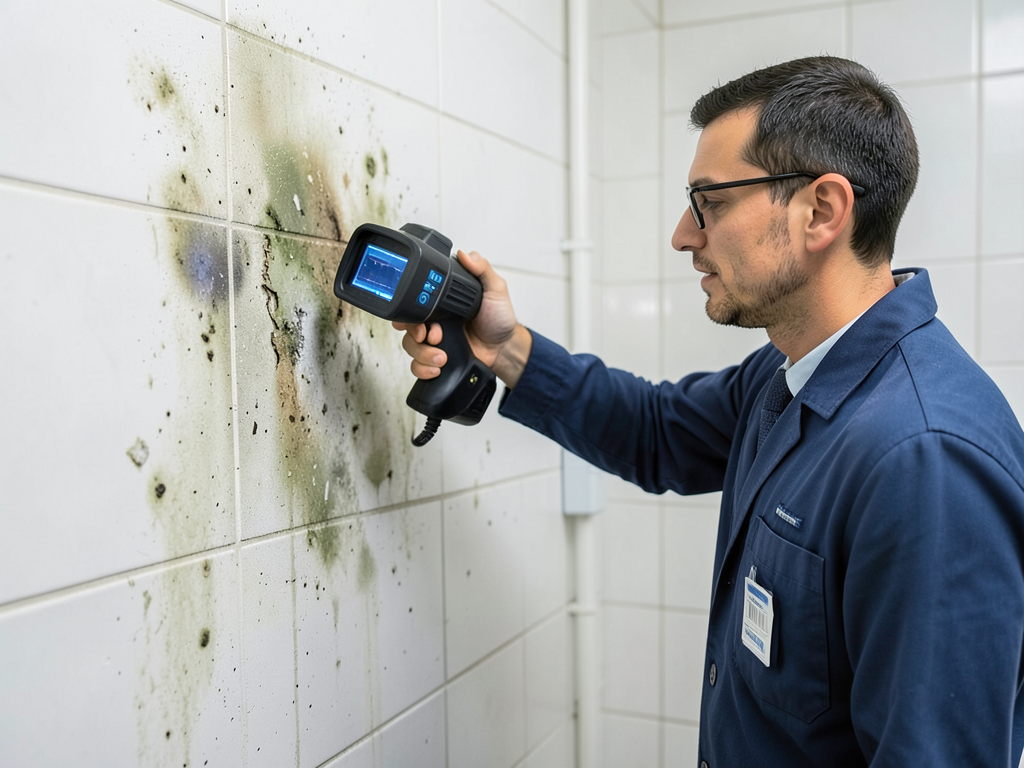
Why Your Sacramento Seasonal Allergies Might Actually Be Caused by Hidden Bathroom Mold Your itchy eyes, runny nose, and constant sneezing might not be from pollen at all. Sacramento's unique combination of Delta Breeze humidity,…
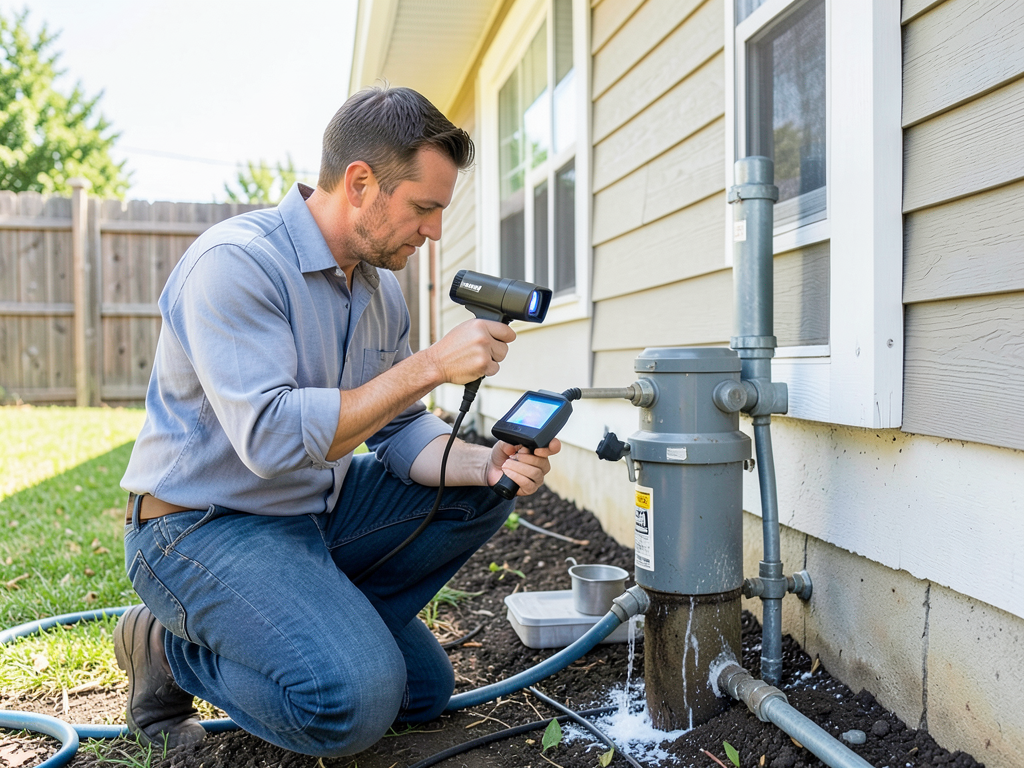
Why a Leaky Pool Pump Can Damage Your Home Foundation in the Sacramento Heat Pool…
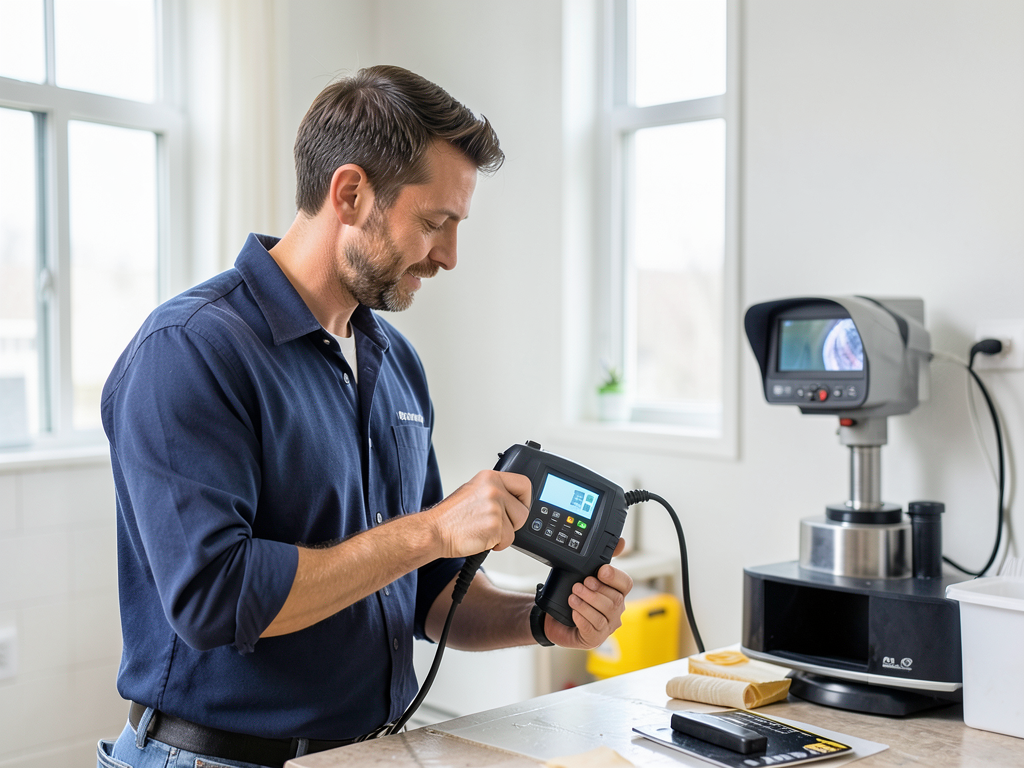
Your Rights and Next Steps When a Neighbor Overflows Their Sink in a Sacramento High…
Protecting Your Finished Basement in Old North Sacramento from Rising Ground Water Your finished basement…
Our crews are standing by 24/7 to respond to water damage emergencies throughout Antelope. Call (916) 222-9262 right now for dispatch within 60 minutes. Every minute you wait allows water to spread deeper into your property's structure.