




Woodland sits in Yolo County where irrigation systems, aging infrastructure, and seasonal weather create specific water damage challenges. The city's agricultural roots mean many properties still use older plumbing systems prone to failure. Winter storms bring heavy rainfall that overwhelms drainage systems, especially in lower-lying areas near the historic downtown and along County Road 102. Sacramento Valley's clay soil prevents proper drainage, causing water to pool around foundations. Summer heat stresses pipes and seals, leading to failures when temperatures spike above 100 degrees. Many Woodland homes were built between 1950 and 1980 with galvanized pipes that corrode over time. Properties near Cache Creek face flood risks during heavy rain years. The combination of agricultural water use, aging residential plumbing, and clay soil drainage issues makes fast water damage response critical in Woodland. Waiting even a few hours allows water to penetrate drywall, buckle hardwood floors, and create mold conditions in the warm climate.
Fortress Water Damage Restoration Sacramento serves Woodland with the same urgency we bring to every water emergency across the greater Sacramento region. Water damage spreads fast, and our crews arrive prepared with industrial extraction equipment, thermal imaging to detect hidden moisture, and commercial-grade drying systems. We understand Woodland properties. Older homes near downtown require careful handling of plaster walls and original hardwood. Newer developments off Highway 113 have different construction that demands specific drying protocols. We assess every job with moisture meters and document everything for your insurance claim. Our technicians hold IICRC certifications in water damage restoration and applied structural drying. We coordinate directly with insurance adjusters so you avoid the back-and-forth. Many Woodland restoration companies subcontract the actual work. We handle extraction, drying, demolition, and reconstruction with our own crews. You get one team from emergency call to final walkthrough. We also understand Woodland's tight-knit community. Our reputation depends on doing the job right the first time. That means transparent communication, showing up when we say we will, and treating your property like our own. When water hits, you need someone who answers the phone, arrives fast, and knows exactly what to do.

We dispatch crews to Woodland within 60 minutes of your call. Fast response stops water from spreading to unaffected areas, reduces demolition needs, and prevents secondary damage like mold growth. Every minute counts when water is actively damaging your property.

We handle insurance paperwork, documentation, and communication with adjusters. Our detailed photo documentation and moisture readings support your claim. You avoid the stress of managing insurance requirements while dealing with property damage. We work with all major carriers.
Our technicians hold Institute of Inspection, Cleaning and Restoration Certification credentials in water damage restoration and applied structural drying. This training ensures proper moisture detection, equipment placement, and documentation protocols that prevent future problems like hidden mold or structural issues.
We know Woodland construction types, from historic downtown properties with plaster walls to modern developments with engineered lumber. Different materials require different drying approaches. Our familiarity with local building styles means faster, more effective restoration that preserves original materials when possible.
Water damage restoration involves more than just removing standing water. Proper water damage remediation requires moisture detection, structural drying, controlled demolition, and reconstruction. Fortress Water Damage Restoration Sacramento provides complete water damage cleanup from initial emergency response through final repairs. We handle residential and commercial properties across Woodland, from small pipe leaks to major flood events. Our water removal services use truck-mounted extractors that remove thousands of gallons per hour. After extraction, we deploy air movers and dehumidifiers to dry structural materials to industry-standard moisture levels. Thermal imaging cameras detect hidden water in walls and ceilings. We remove damaged materials that cannot be saved and rebuild to match existing construction. Every water damage mitigation project includes detailed documentation for insurance purposes. Whether you face a burst washing machine hose, failed water heater, roof leak, or sewage backup, we restore your property to pre-loss condition.
We respond immediately to stop active water intrusion and extract standing water. Our truck-mounted extractors remove water from carpets, pad, and hard surfaces. We contain affected areas, move furniture to dry locations, and begin emergency drying. This rapid water removal service prevents damage from spreading to unaffected rooms and reduces demolition needs. We handle all water sources including clean water from supply lines, gray water from appliances, and category 3 contaminated water requiring special handling.
After water extraction, we dry structural materials using commercial air movers and dehumidifiers. Daily moisture readings track drying progress in walls, floors, and ceilings. We adjust equipment placement based on these readings to ensure complete drying. Thermal imaging detects moisture pockets invisible to the eye. This controlled water damage remediation process prevents mold growth and structural problems. We dry materials to IICRC S500 standards before beginning any reconstruction work.
Once structures are dry, we handle all repairs and reconstruction. This includes drywall replacement, flooring installation, cabinet work, painting, and trim. We match existing materials and finishes so repairs blend seamlessly. Our water damage repair service covers everything damaged by water, from cosmetic fixes to structural rebuilding. You work with one company from emergency through completion. We coordinate inspections and handle final walkthrough to ensure you are satisfied before we close the project.
Woodland's combination of aging infrastructure, agricultural water systems, and climate extremes creates specific water damage patterns. Many properties built before 1990 still have original plumbing that fails without warning. Water heaters typically last 10 to 12 years but many Woodland homes have units well past replacement age. Winter storms overwhelm gutters and drainage systems, especially in areas with poor grading. Supply line failures happen most often during temperature swings when pipes expand and contract. Appliance failures like washing machine hoses and dishwasher connections cause damage that spreads quickly if not caught immediately. Understanding these common scenarios helps property owners recognize warning signs before minor leaks become major disasters requiring extensive water damage restoration.
Supply lines fail under pressure, especially in older Woodland homes with galvanized plumbing. Corrosion weakens pipes over decades until they rupture without warning. Temperature swings between cold nights and hot days stress connections and joints. A single burst pipe can discharge hundreds of gallons before the main water shutoff is located.
Tank water heaters hold 40 to 80 gallons under pressure. When tanks corrode through or pressure relief valves fail, the entire contents flood the surrounding area. Water heater closets often open to living spaces, allowing water to spread across flooring into multiple rooms before discovery.
Winter storms test Woodland roofs with heavy rainfall and occasional hail. Missing shingles, damaged flashing, and clogged gutters allow water into attics. Water travels along rafters before dripping through insulation into ceilings. By the time you see staining or dripping, significant hidden damage often exists in insulation and framing.
Washing machines, dishwashers, and refrigerators with ice makers all use water supply lines that age and fail. These leaks often start small but discharge water for hours before discovery. Slow leaks under sinks and toilets cause hidden damage to cabinets, subfloors, and framing that only appears during renovation or when floors feel soft.
When water damages your Woodland property, you need immediate action and clear communication. We answer emergency calls 24 hours a day and dispatch crews within 60 minutes. From your first call, you talk directly with experienced technicians who can guide you through immediate steps like shutting off water supply or moving valuables. We arrive with extraction equipment, moisture detection tools, and drying equipment ready to deploy. You receive a detailed assessment of damage and a clear plan for restoration. We document everything with photos and moisture readings for insurance purposes. Throughout the drying process, we provide daily updates on progress and adjust equipment as needed. After drying is complete, we present repair options and timeline. You work with one team from emergency response through final walkthrough.
You reach a live person when you call, not an answering service. Our dispatcher collects essential information about your water damage situation and sends the nearest crew. We provide an estimated arrival time and call when we are en route. The technician who answers explains what to expect during assessment and gives guidance on immediate actions you can take to minimize damage while we travel to your Woodland location.
Our technicians conduct a complete property assessment using moisture meters, thermal imaging, and visual inspection. We identify all affected areas including hidden moisture in walls and subfloors. You receive a written scope detailing the extent of damage, required services, and estimated timeline. We photograph everything for insurance documentation. This assessment ensures nothing gets missed and provides the documentation your insurance company needs to process your claim.
We check drying progress daily with moisture readings at multiple locations. You receive updates on where we are in the process and any adjustments needed. Equipment stays in place until materials reach industry-standard dry levels. After drying is complete, we present repair options and coordinate reconstruction scheduling. Our job ends when you are satisfied with the completed restoration, not when we finish the last repair.
Water damage restoration follows a proven sequence that stops damage, removes water, dries structures, and rebuilds affected areas. This process ensures complete restoration while preventing secondary damage like mold growth.
You call our emergency line and speak with a dispatcher who sends the nearest crew. We arrive within 60 minutes and conduct a thorough property assessment. Technicians identify the water source, stop active intrusion if possible, and assess all affected areas with moisture meters and thermal imaging. We document damage with photos and moisture readings. You receive a clear explanation of what happened, the extent of damage, and our recommended action plan.
We extract standing water immediately using truck-mounted pumps and portable extractors. Carpets, padding, and porous materials are removed if heavily saturated. We deploy air movers and commercial dehumidifiers to begin structural drying. Daily moisture readings track progress at multiple points in floors, walls, and ceilings. Equipment placement is adjusted based on these readings. Drying continues until materials reach acceptable moisture levels per IICRC standards.
Once structures are dry, we begin repairs. This includes replacing drywall, installing new flooring, repainting, and reinstalling trim and fixtures. We match existing materials and finishes so repairs blend seamlessly with undamaged areas. You approve all work before we proceed. Final walkthrough ensures you are satisfied with every aspect of the restoration. We handle all inspections and provide documentation for your records.
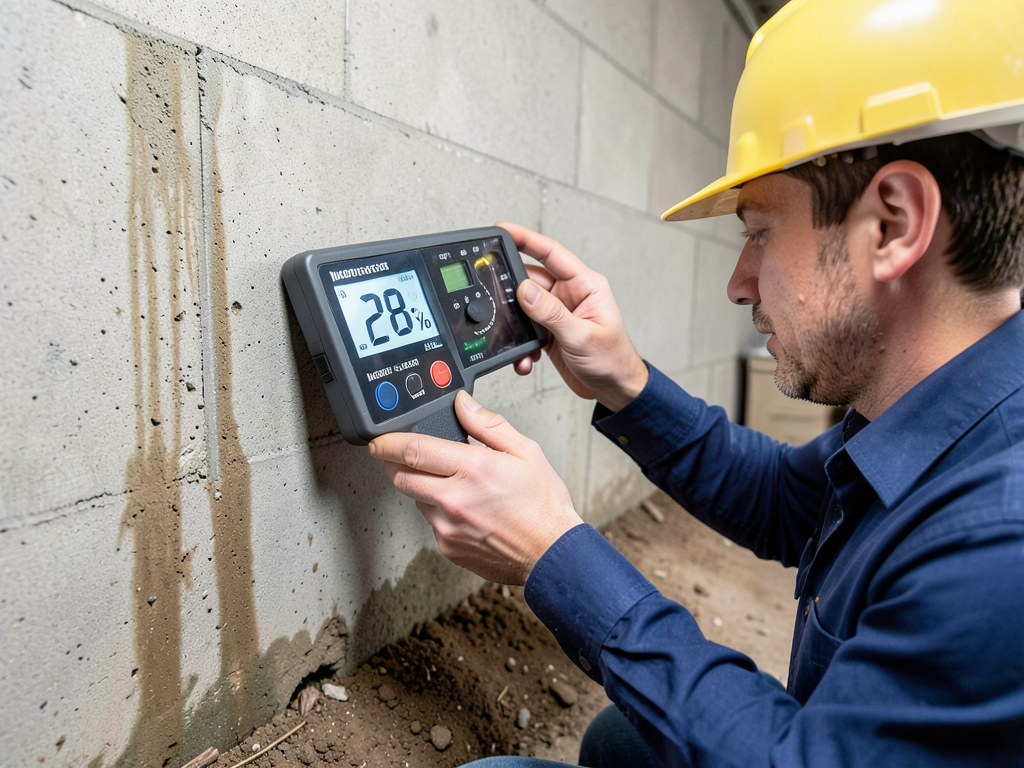
Professional water damage restoration follows standards developed by the Institute of Inspection, Cleaning and Restoration Certification. The IICRC S500 Standard and Reference Guide for Professional Water Damage Restoration establishes protocols for moisture assessment, structural drying, and contamination handling. These standards exist because improper drying leads to mold growth, structural damage, and failed restoration. Water is categorized by contamination level. Category 1 is clean water from supply lines. Category 2 is gray water from appliances containing some contamination. Category 3 is grossly contaminated water from sewage or flooding. Each category requires specific handling protocols. Drying goals are defined by material type. Wood framing must reach below 15% moisture content. Concrete should be below 5% relative humidity. Gypsum drywall varies by climate but typically needs to reach 12% to 15% moisture content. We use penetrating moisture meters and non-invasive sensors to track these levels daily. Psychrometry guides our equipment decisions. We measure temperature, humidity, and dew point to calculate how much moisture the air can hold and adjust dehumidifier capacity accordingly. California requires proper disposal of contaminated materials. Category 3 water damage generates waste that must be handled according to local regulations. We maintain liability insurance and follow OSHA safety protocols for technician protection during sewage cleanup. Woodland properties face specific challenges. Clay soil prevents water from draining away from foundations, requiring monitoring of crawl spaces and basements during drying. Older homes may have asbestos in drywall joint compound or vinyl flooring, requiring testing before demolition. Our protocols protect both the property and occupants during restoration.
The IICRC S500 standard defines acceptable moisture levels for different building materials. Wood framing must reach below 15% moisture content. Concrete slabs need to be below 5% relative humidity. We use calibrated moisture meters to verify materials meet these standards before reconstruction begins. This prevents trapped moisture from causing mold or structural damage.
Water damage restoration costs depend on water volume, affected area size, material types, and contamination category. Clean water from a supply line costs less to remediate than sewage backup. Hardwood floor drying costs less than replacement. Insurance typically covers sudden water damage but may exclude gradual leaks. We provide detailed estimates and work directly with adjusters.
Structural drying typically takes three to five days for standard construction. Factors affecting timeline include initial moisture levels, material types, air circulation, and outdoor humidity. We cannot rush this process without risking incomplete drying. Materials must reach target moisture levels before reconstruction. Daily monitoring ensures drying progresses properly and identifies any areas requiring additional attention.
Water damage restoration in California requires proper licensing, insurance, and adherence to state regulations. We maintain general liability and workers compensation insurance. Our technicians hold IICRC certifications demonstrating competency in water damage restoration protocols. We follow California disposal regulations for contaminated materials and OSHA safety standards during sewage and mold remediation.
This video explains the complete water damage restoration process for Woodland, California properties. Topics covered include emergency response procedures, water extraction techniques, structural drying standards, moisture monitoring protocols, and insurance coordination. The video demonstrates equipment used for water removal and drying, explains IICRC standards for water damage remediation, and shows how Woodland's climate and soil conditions affect water damage restoration timelines and techniques.
Fortress Water Damage Restoration Sacramento serves all of Woodland and surrounding Yolo County areas with the same rapid emergency response. Our crews reach properties throughout the historic downtown district near Main Street and Court Street within 60 minutes. We regularly serve homes in the east Woodland neighborhoods off East Street and along County Road 102 where older plumbing systems often require emergency water extraction. The newer developments in northwest Woodland along Highway 113 and near the Woodland Community College area see water damage from construction defects and failed appliance connections. We respond to commercial properties along the industrial corridor on Gibson Road and Matmor Road where water damage can shut down operations. Properties in the West Woodland area near Pioneer High School face drainage challenges during winter storms due to the area's lower elevation and clay soil. South Woodland homes near Beamer Street and along the Highway 16 corridor often deal with agricultural irrigation system failures. The rural properties between Woodland and Davis along County Road 27 and County Road 29 experience well system failures and septic issues during wet seasons. We also serve adjacent communities including West Sacramento across the Yolo Causeway, Davis to the south, and Knights Landing to the northwest. Each area presents unique challenges. Historic downtown properties require careful handling of original materials and plaster walls. Agricultural properties deal with irrigation system complexity. Newer suburban developments have modern construction but face issues with defective materials and rushed building practices. Our experience across all these Woodland neighborhoods means we understand what to expect before we arrive. We know which areas face flooding during storms, where soil drainage is poor, and what construction types are common in each neighborhood. This local knowledge speeds response and improves restoration outcomes.
Most Woodland water damage restoration companies offer 24/7 emergency response and arrive within 1-2 hours of your call. Response time matters because water spreads quickly and causes more damage each hour. Local teams understand Woodland's weather patterns and common water damage scenarios. When you call, technicians dispatch immediately with extraction equipment and moisture detection tools. Faster response means less structural damage, lower restoration expenses, and reduced mold risk. Ask about guaranteed response times when you contact restoration providers in your area.
Water damage restoration expenses in Woodland vary widely based on damage severity, affected square footage, and water category. Minor leaks affecting one room typically run less than major flooding through multiple levels. Clean water costs less to remediate than contaminated sewage backup. Insurance coverage significantly impacts your out-of-pocket expenses. Restoration companies provide free inspections and detailed estimates before starting work. Most providers work directly with your insurance company to streamline billing and help maximize your coverage benefits.
Small water damage jobs in Woodland take 2-4 days to complete. Larger projects involving multiple rooms or floors need 1-2 weeks. The timeline depends on water volume, affected materials, and structural complexity. Extraction and initial drying happen within 24-48 hours. Moisture monitoring continues for 3-5 days until materials reach proper dryness levels. Reconstruction and finishing work add extra time. Woodland's climate affects drying speeds. Your restoration team provides specific timelines after assessing your property.
Most Woodland water damage restoration companies offer 24/7 emergency response and arrive within 1-2 hours of your call. Response time matters because water spreads quickly and causes more damage each hour. Local teams understand Woodland's weather patterns and common water damage scenarios. When you call, technicians dispatch immediately with extraction equipment and moisture detection tools. Faster response means less structural damage, lower restoration expenses, and reduced mold risk. Ask about guaranteed response times when you contact restoration providers in your area.
Water damage restoration expenses in Woodland vary widely based on damage severity, affected square footage, and water category. Minor leaks affecting one room typically run less than major flooding through multiple levels. Clean water costs less to remediate than contaminated sewage backup. Insurance coverage significantly impacts your out-of-pocket expenses. Restoration companies provide free inspections and detailed estimates before starting work. Most providers work directly with your insurance company to streamline billing and help maximize your coverage benefits.
Small water damage jobs in Woodland take 2-4 days to complete. Larger projects involving multiple rooms or floors need 1-2 weeks. The timeline depends on water volume, affected materials, and structural complexity. Extraction and initial drying happen within 24-48 hours. Moisture monitoring continues for 3-5 days until materials reach proper dryness levels. Reconstruction and finishing work add extra time. Woodland's climate affects drying speeds. Your restoration team provides specific timelines after assessing your property.
Homeowners insurance typically covers sudden and accidental water damage in Woodland homes. Burst pipes, appliance malfunctions, and roof leaks from storms qualify for coverage. Flood damage requires separate flood insurance. Gradual damage from poor maintenance usually gets denied. Review your policy to understand your deductible and coverage limits. Document everything with photos and keep receipts. Most Woodland restoration companies work directly with insurance adjusters and help you file claims correctly to maximize your benefits.
Look for IICRC certification when choosing a Woodland water damage restoration company. The Institute of Inspection, Cleaning and Restoration Certification sets industry standards for water damage restoration. Technicians should hold Water Damage Restoration Technician certifications at minimum. Applied Structural Drying certifications indicate advanced training. EPA Lead-Safe certification matters for older Woodland homes. Check online reviews and verify business credentials through local authorities. Certified technicians follow proven protocols, use proper equipment, and deliver professional results that protect your property value.
You might stay home during minor water damage restoration in one room. Extensive projects affecting multiple areas often require temporary relocation for your safety and comfort. Factors include water category, mold presence, and equipment noise. Commercial drying equipment runs continuously at high volumes. Sewage contamination makes spaces unsafe until sanitized. Your restoration team assesses your specific situation and recommends the safest approach. Many Woodland homeowners stay elsewhere for 3-7 days during major restoration work. Insurance often covers temporary housing expenses.
Hidden water damage shows specific warning signs in Woodland homes. Check for musty odors, unexplained increases in water bills, and discolored patches on walls or ceilings. Warped flooring, peeling paint, and soft drywall indicate moisture problems. Listen for dripping sounds inside walls. Feel for damp spots on carpets and baseboards. Moisture meters detect hidden wetness behind surfaces. Thermal imaging cameras reveal temperature differences from water intrusion. Schedule professional inspections if you notice these signs to prevent extensive damage.
Water mitigation refers to immediate emergency actions that stop water damage from worsening. Mitigation includes water extraction, removing wet materials, and setting up drying equipment. This happens within the first 24-48 hours. Water restoration encompasses the complete repair process. Restoration rebuilds and returns your Woodland property to pre-damage condition. It includes structural repairs, replacing materials, painting, and final cleanup. Mitigation prevents further loss. Restoration fixes existing damage. Quality companies in Woodland handle both phases seamlessly under one contract.
Most Woodland water damage companies work with major insurance providers. Experienced restoration firms maintain relationships with adjusters and understand various policy requirements. They handle documentation, submit estimates, and communicate directly with your insurance company. Some providers specialize in specific insurers. Ask potential restoration companies about their experience with your specific carrier. Direct insurance billing simplifies your financial responsibility. Companies familiar with your insurer process claims faster and help maximize coverage. Verify their insurance experience before hiring.
Prevent mold after water damage by acting within 24-48 hours. Remove standing water immediately and dry all affected areas completely. Use commercial dehumidifiers and air movers to accelerate drying. Remove wet porous materials like carpet padding and soaked drywall. Maintain indoor humidity below 50 percent. Increase air circulation with fans. Clean and disinfect all surfaces contacted by water. Monitor moisture levels with meters for several days. Woodland's climate supports mold growth when moisture lingers. Professional restoration ensures thorough drying that prevents mold development.
Homeowners insurance typically covers sudden and accidental water damage in Woodland homes. Burst pipes, appliance malfunctions, and roof leaks from storms qualify for coverage. Flood damage requires separate flood insurance. Gradual damage from poor maintenance usually gets denied. Review your policy to understand your deductible and coverage limits. Document everything with photos and keep receipts. Most Woodland restoration companies work directly with insurance adjusters and help you file claims correctly to maximize your benefits.
Look for IICRC certification when choosing a Woodland water damage restoration company. The Institute of Inspection, Cleaning and Restoration Certification sets industry standards for water damage restoration. Technicians should hold Water Damage Restoration Technician certifications at minimum. Applied Structural Drying certifications indicate advanced training. EPA Lead-Safe certification matters for older Woodland homes. Check online reviews and verify business credentials through local authorities. Certified technicians follow proven protocols, use proper equipment, and deliver professional results that protect your property value.
You might stay home during minor water damage restoration in one room. Extensive projects affecting multiple areas often require temporary relocation for your safety and comfort. Factors include water category, mold presence, and equipment noise. Commercial drying equipment runs continuously at high volumes. Sewage contamination makes spaces unsafe until sanitized. Your restoration team assesses your specific situation and recommends the safest approach. Many Woodland homeowners stay elsewhere for 3-7 days during major restoration work. Insurance often covers temporary housing expenses.
Hidden water damage shows specific warning signs in Woodland homes. Check for musty odors, unexplained increases in water bills, and discolored patches on walls or ceilings. Warped flooring, peeling paint, and soft drywall indicate moisture problems. Listen for dripping sounds inside walls. Feel for damp spots on carpets and baseboards. Moisture meters detect hidden wetness behind surfaces. Thermal imaging cameras reveal temperature differences from water intrusion. Schedule professional inspections if you notice these signs to prevent extensive damage.
Water mitigation refers to immediate emergency actions that stop water damage from worsening. Mitigation includes water extraction, removing wet materials, and setting up drying equipment. This happens within the first 24-48 hours. Water restoration encompasses the complete repair process. Restoration rebuilds and returns your Woodland property to pre-damage condition. It includes structural repairs, replacing materials, painting, and final cleanup. Mitigation prevents further loss. Restoration fixes existing damage. Quality companies in Woodland handle both phases seamlessly under one contract.
Most Woodland water damage companies work with major insurance providers. Experienced restoration firms maintain relationships with adjusters and understand various policy requirements. They handle documentation, submit estimates, and communicate directly with your insurance company. Some providers specialize in specific insurers. Ask potential restoration companies about their experience with your specific carrier. Direct insurance billing simplifies your financial responsibility. Companies familiar with your insurer process claims faster and help maximize coverage. Verify their insurance experience before hiring.
Prevent mold after water damage by acting within 24-48 hours. Remove standing water immediately and dry all affected areas completely. Use commercial dehumidifiers and air movers to accelerate drying. Remove wet porous materials like carpet padding and soaked drywall. Maintain indoor humidity below 50 percent. Increase air circulation with fans. Clean and disinfect all surfaces contacted by water. Monitor moisture levels with meters for several days. Woodland's climate supports mold growth when moisture lingers. Professional restoration ensures thorough drying that prevents mold development.
Fortress Water Damage Restoration proudly serves the greater Sacramento area, including all surrounding neighborhoods and communities. We are committed to providing fast and reliable service wherever you are. To get an idea of our service area or to visit our office, please use the interactive map below. Our team is ready to respond to your needs, so don't hesitate to reach out for immediate assistance or to schedule a consultation.
Address:
Woodland, CA, 95695
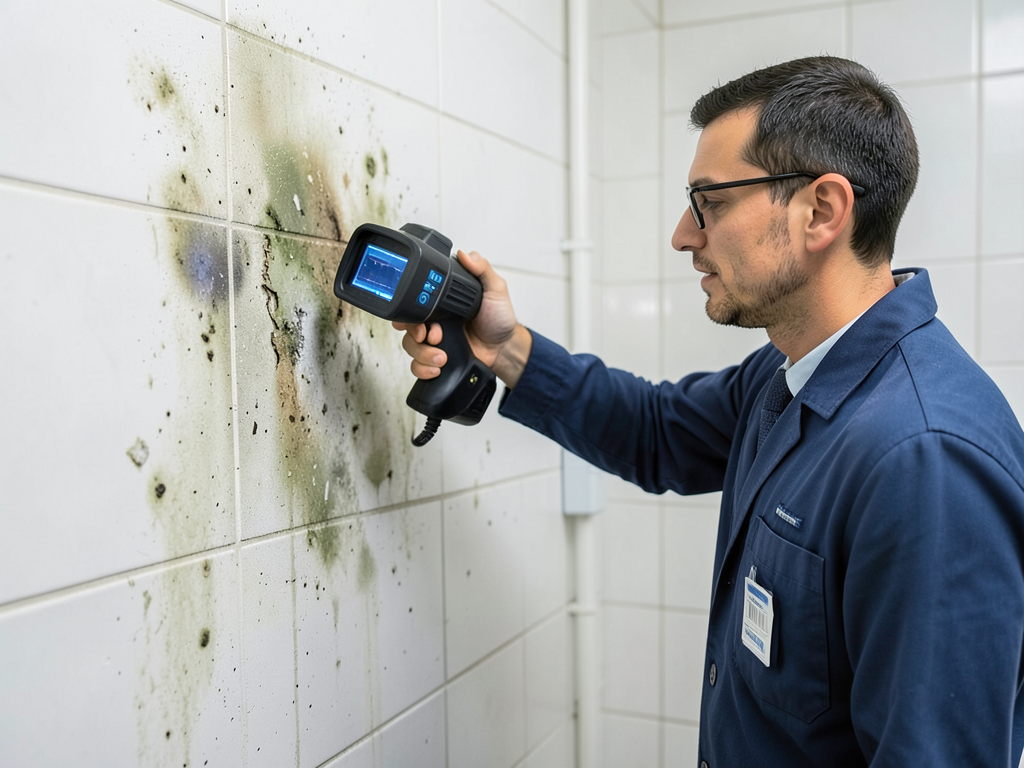
Why Your Sacramento Seasonal Allergies Might Actually Be Caused by Hidden Bathroom Mold Your itchy eyes, runny nose, and constant sneezing might not be from pollen at all. Sacramento's unique combination of Delta Breeze humidity,…
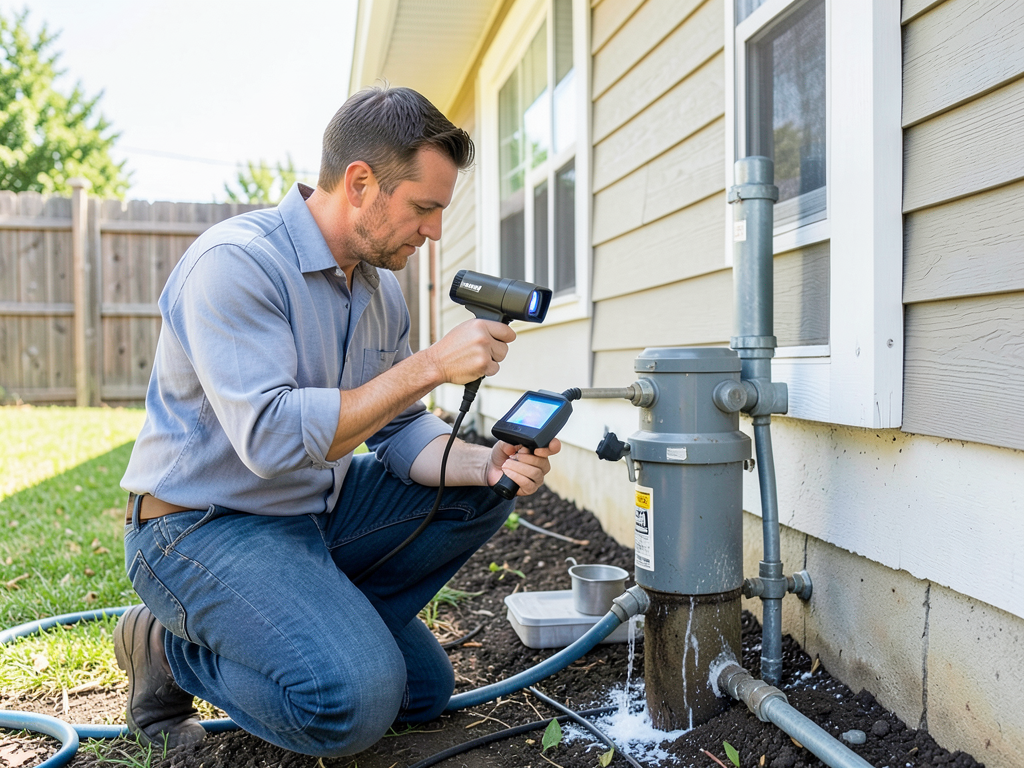
Why a Leaky Pool Pump Can Damage Your Home Foundation in the Sacramento Heat Pool…
Your Rights and Next Steps When a Neighbor Overflows Their Sink in a Sacramento High…
Protecting Your Finished Basement in Old North Sacramento from Rising Ground Water Your finished basement…
Water damage spreads every minute you wait. Call Fortress Water Damage Restoration Sacramento at (916) 222-9262 right now for emergency response. We answer 24/7 and dispatch crews to Woodland within 60 minutes. Stop the damage before it gets worse.