




Menu

Server Room Water Damage Sacramento – Minimize Downtime with Enterprise-Grade IT Room Water Mitigation

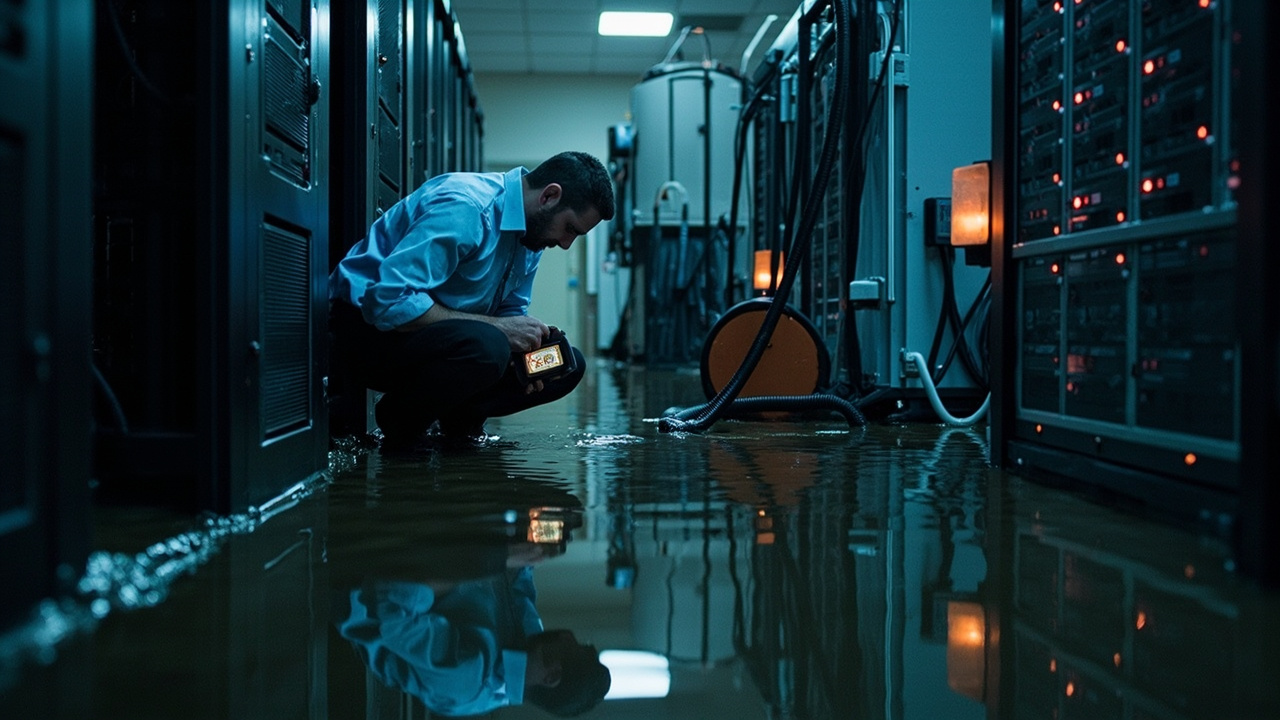
When water infiltrates your data center or server room, every minute of downtime costs revenue and risks permanent data loss. Fortress Water Damage Restoration Sacramento delivers rapid computer room water extraction and infrastructure protection that keeps your business operational.

Slider Image 1
Slider Image 2
Slider Image 3
Slider Image 4
Slider Image 5
Slider Image 7
Slider Image 8
Slider Image 9
Slider Image 10
Slider Image 11

How Sacramento's Infrastructure Age and Delta Climate Create Critical Server Room Vulnerabilities

Sacramento's aging commercial building stock, combined with proximity to the Sacramento-San Joaquin Delta system, creates a perfect storm for data center water damage incidents. Buildings constructed before 1990 often house server rooms in basement or ground-floor spaces originally designed as storage, now repurposed without adequate moisture barriers or HVAC isolation.

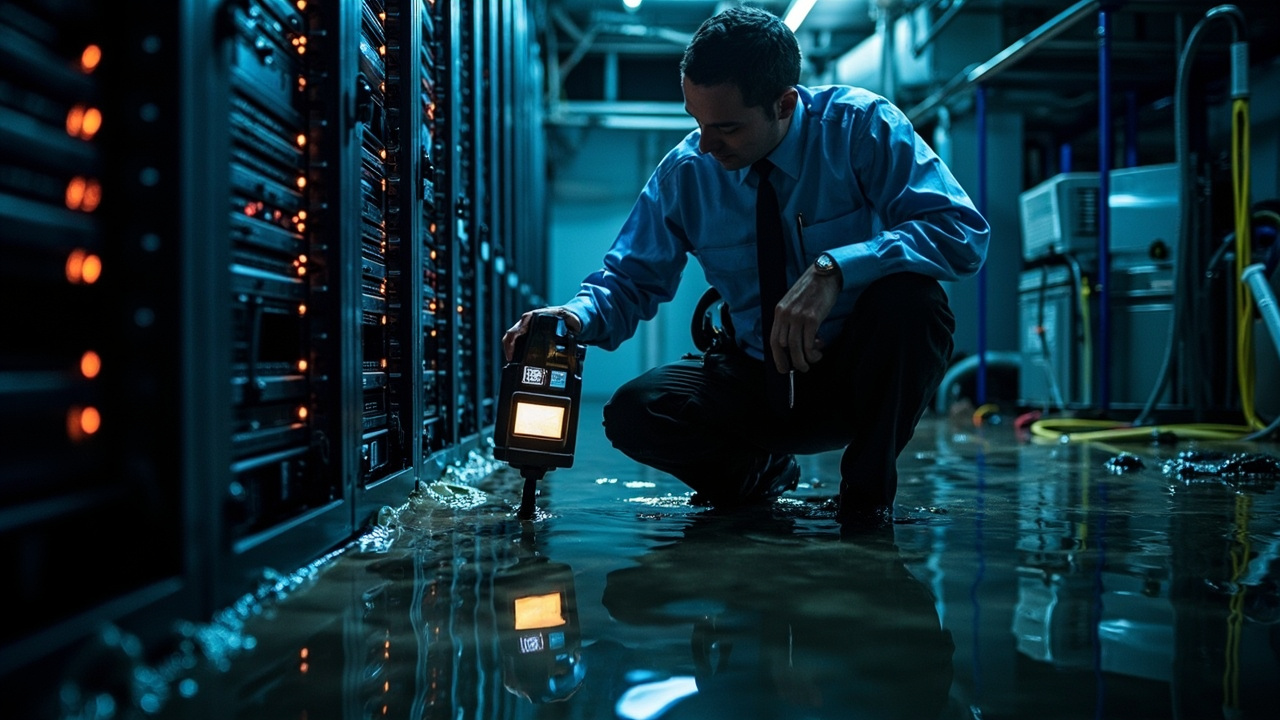
The Delta influence brings fluctuating humidity levels that stress aging pipe joints and HVAC condensate systems. When these fail during business hours, water migrates through suspended ceiling plenums directly onto rack-mounted equipment. The damage timeline is measured in seconds, not minutes.

Server room flood cleanup requires specialized protocols that differ fundamentally from standard commercial water extraction. You cannot apply traditional drying methods to spaces housing energized IT equipment. Humidity spikes from standard air movers can cause condensation on cold metal surfaces inside servers and switches. Particle contamination from drywall dust during demolition can destroy hard drive read heads.

Computer room water extraction demands de-energization protocols coordinated with your IT team, contamination control barriers, and HEPA filtration during all phases. The goal is not just water removal, it is preventing secondary electronic failure that manifests weeks after the initial incident.

Sacramento's concentration of state government data centers and healthcare facilities means server room water mitigation must account for compliance frameworks. HIPAA-regulated medical data centers and FedRAMP-compliant state systems require chain-of-custody documentation during IT room water mitigation. Failure to maintain these protocols can trigger audit findings that exceed the cost of the physical damage itself.

How Sacramento's Infrastructure Age and Delta Climate Create Critical Server Room Vulnerabilities
The Critical Difference Between Standard Commercial Extraction and Data Center Water Damage Restoration

The Critical Difference Between Standard Commercial Extraction and Data Center Water Damage Restoration

Standard commercial water damage response prioritizes speed and volume extraction. Data center water damage restoration prioritizes equipment protection and operational continuity. The distinction determines whether you resume operations in 48 hours or face a complete infrastructure replacement.

Our process begins with electrical risk assessment before any water contact. We coordinate with your facilities manager to identify panel locations, UPS systems, and generator transfer switches. Only after establishing safe de-energization zones do we begin water extraction. This prevents arc flash incidents that can destroy entire electrical distribution systems.

We use low-grain refrigerant dehumidifiers rather than desiccant systems in occupied data centers. Desiccants create hot, dry air that triggers temperature differentials and condensation on chilled equipment surfaces. Our approach maintains stable temperature while gradually reducing humidity to prevent thermal shock to operating equipment.

Contamination control is non-negotiable. We establish negative air pressure zones using HEPA air scrubbers rated for Class 100,000 cleanroom environments. This prevents particulate migration into operating server rooms adjacent to affected spaces. During demo of water-damaged drywall or ceiling tile, we seal HVAC returns and use misting techniques to suppress dust.

Our extraction equipment uses isolated power sources to prevent ground loops that can introduce electrical noise into sensitive IT circuits. We never plug restoration equipment into the same electrical distribution system serving your data center. This prevents voltage sag conditions that corrupt data during backup operations.

For raised floor environments common in Sacramento's older state office buildings, we remove floor tiles in a grid pattern to access standing water without destabilizing the structural floor system. We document tile locations and cable routing to ensure accurate reinstallation. This level of care prevents network outages caused by disturbed fiber connections.

How We Execute Server Room Water Removal Without Extending Your Downtime

Server Room Water Damage Sacramento – Minimize Downtime with Enterprise-Grade IT Room Water Mitigation
01

Immediate Threat Assessment

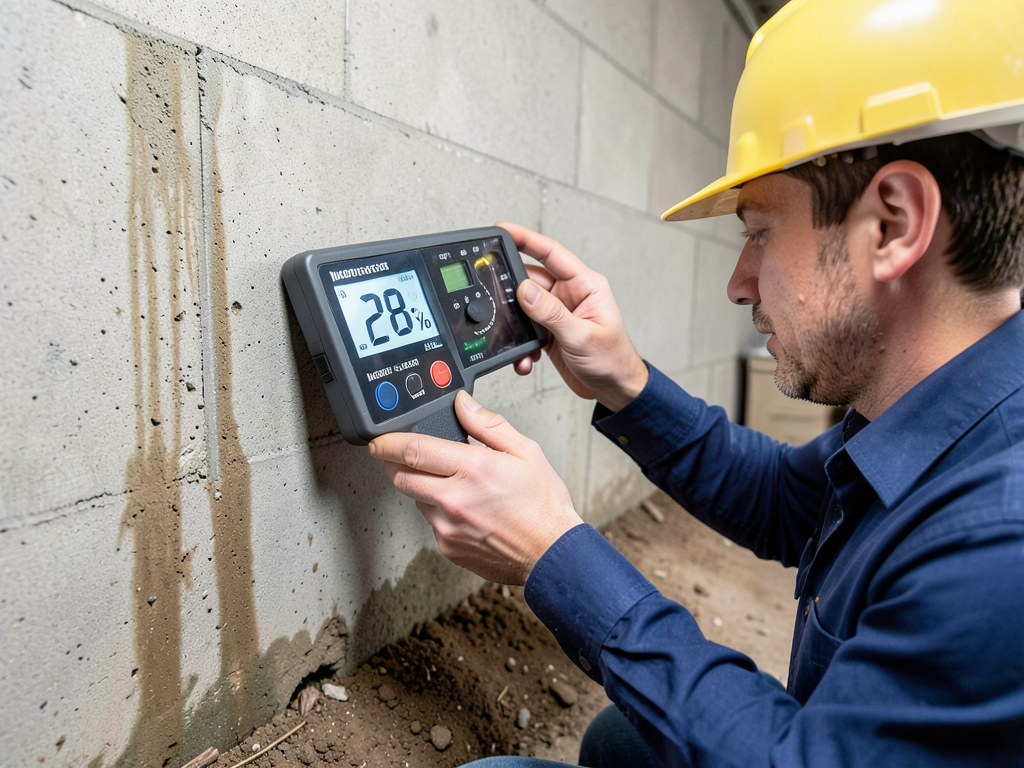
We arrive on-site within 60 minutes and immediately identify energized equipment at risk. Using thermal imaging and moisture meters, we map water migration patterns and prioritize extraction zones. You receive a written action plan within 30 minutes that outlines equipment shutdown requirements, estimated extraction duration, and business continuity recommendations. This allows your IT director to make informed decisions about failover activation and user notifications before we begin physical work.
02

Controlled Water Extraction

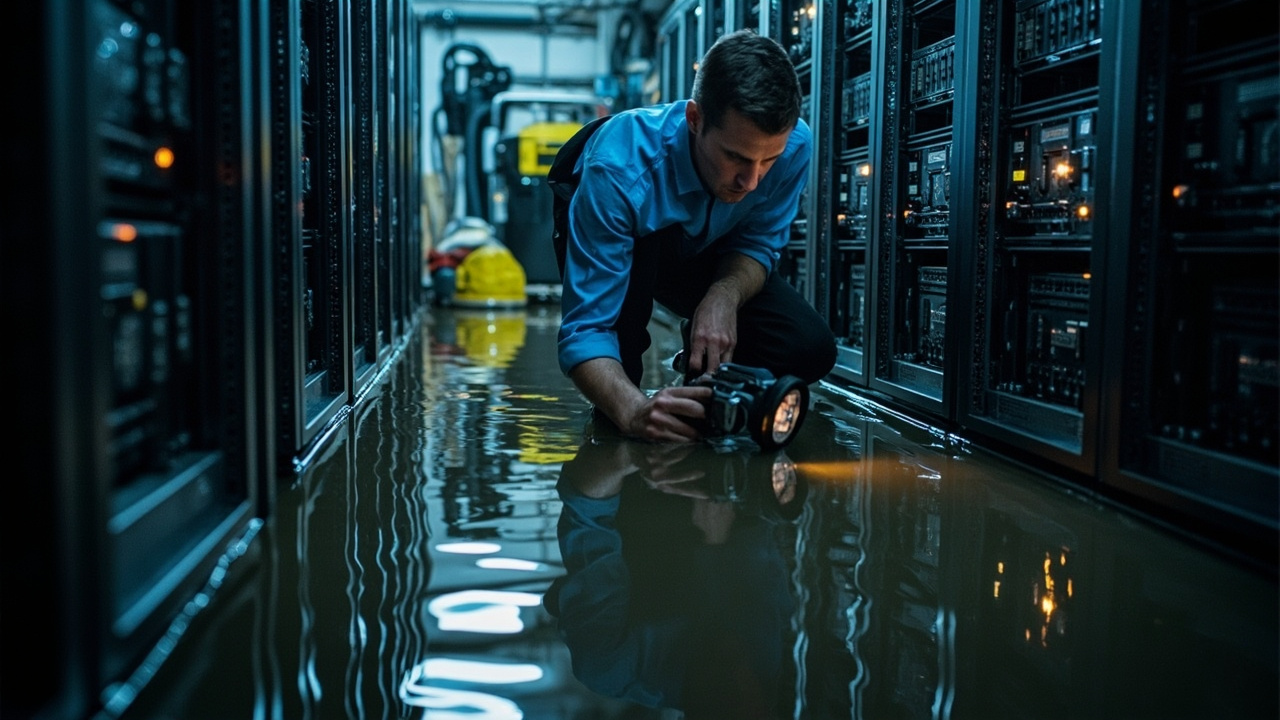
After coordinated de-energization, we deploy truck-mounted extraction units capable of removing 200 gallons per minute through dedicated hose runs that bypass your facility corridors. For raised floor systems, we use slim-profile extraction wands that navigate under floor tiles without disturbing cable trays. We monitor real-time humidity levels and adjust dehumidifier placement every four hours to prevent condensation on cold surfaces. All work occurs under HEPA filtration to maintain your facility's air quality standards.
03

Documentation and Re-Energization

Before you restore power to any circuit, we provide moisture readings for all affected building materials and thermal scans confirming no residual water in wall cavities or under flooring. You receive a certificate of dryness with specific readings tied to floor plan locations. This documentation satisfies insurance requirements and provides your facilities team with baseline data for future monitoring. We coordinate with your electrical contractor during re-energization to ensure proper sequencing and load verification.

Why Sacramento IT Managers Choose Fortress for Mission-Critical Server Room Incidents

Sacramento's concentration of state government and healthcare IT infrastructure demands restoration partners who understand compliance requirements, not just water extraction. We maintain documentation protocols that satisfy NIST 800-53 controls and HIPAA physical safeguard requirements. When Cal-OSHA or Joint Commission audits your facility, our incident reports provide the evidence trail you need.

Our team includes former data center technicians who understand the difference between hot aisle and cold aisle containment, why you cannot direct airflow across server intakes during drying, and how to identify contaminated CRAC units that will spread particulate through your entire facility if reactivated prematurely. This expertise prevents the secondary failures that occur weeks after amateur restoration work.

We stock equipment specifically for IT environments. Our dehumidifiers include condensate pumps that route water to approved drains, not into mop buckets that spill and create new contamination. Our air scrubbers use hospital-grade HEPA filters that capture 0.3-micron particles, preventing silica dust from reaching hard drive platters. We understand that your server room is not a construction zone, it is a controlled environment that happens to have water in it.

Sacramento's building stock presents unique challenges. The Lathrop Building, Resources Building, and other state facilities were constructed in the 1950s and 60s with plaster walls and clay tile roofing that absorbs water differently than modern materials. We adjust extraction pressure and drying duration based on actual building materials, not generic protocols.

Our response vehicles carry UPS battery backups, allowing us to operate extraction equipment even when you need to de-energize entire electrical panels. This capability has saved multiple Sacramento clients from weekend-long shutdowns because we could continue water removal while their electrical contractors performed emergency repairs.

What to Expect During Enterprise IT Room Water Mitigation

Response Time and Availability

We dispatch to Sacramento server room incidents 24/7/365 with guaranteed 60-minute response time inside the I-5/50/99 triangle. Our response vehicles carry thermal imaging cameras, moisture detection equipment, and initial extraction tools to begin mitigation immediately. For after-hours incidents, you speak directly with our dispatch supervisor who can authorize emergency building access and coordinate with your on-call facilities staff. We understand that 2 AM server room floods cannot wait until Monday morning. Your business continuity timeline drives our response, not our convenience.

Initial Damage Assessment Process

Within 30 minutes of arrival, you receive a verbal briefing with thermal imaging photos showing water migration patterns and affected equipment. We identify which circuits require immediate shutdown, which areas can remain operational, and estimated duration for each phase of extraction. Our assessment includes moisture readings at five different floor locations and humidity measurements at equipment intake level. This data allows your IT director to make informed decisions about server relocation, backup activation, and user communication. You receive written documentation within two hours, including photos, floor plan markup, and recommended action sequence.

Quality Standards and Verification

We do not declare a server room dry based on visual inspection. You receive documented moisture readings showing all affected materials below 15 percent moisture content, the threshold where microbial growth and material degradation cease. For raised floor systems, we provide sub-floor readings at multiple locations with floor plan coordinates. Thermal imaging confirms no trapped moisture in wall cavities or above ceiling tiles. Your certificate of dryness includes the specific meter model, calibration date, and technician certification number. This documentation satisfies insurance adjusters and provides your facilities team with defendable data for future reference.

Post-Mitigation Monitoring and Support

Server room water damage creates risks that extend beyond the initial incident. We provide 30-day post-mitigation monitoring with weekly humidity checks and visual inspections of affected areas. If your HVAC system shows signs of contamination from the water event, we identify the issue before it spreads particulate through your entire data center. Our monitoring includes thermal imaging to detect moisture reabsorption in building materials, a common issue in Sacramento's Delta-influenced humidity environment. You receive a final clearance report with photos and readings that closes out the incident for insurance and compliance purposes.

Frequently Asked Questions

You Have Questions,
We Have Answers

What is the cost of water leak detection system for server room? +

Water leak detection systems for server rooms range from $800 to $5,000, depending on coverage area and sensor complexity. Simple cable-based systems cost less but cover smaller footprints. Multi-zone systems with remote monitoring and automatic shutoff capabilities cost more but protect critical infrastructure across larger Sacramento facilities. Installation adds labor costs. For businesses in midtown Sacramento or the downtown grid, systems integrating with existing building management platforms offer better ROI through reduced insurance premiums and downtime costs. The investment prevents losses that far exceed system costs when water threatens your data center operations.

How to dehumidify a server room? +

Dehumidifying a server room requires commercial-grade equipment and precise environmental controls. Deploy refrigerant-based dehumidifiers sized to your room's cubic footage. Portable units handle 50 to 150 pints daily. For Sacramento facilities, account for seasonal humidity swings between dry summers and wet winters. Maintain 40 to 50 percent relative humidity to prevent condensation on cold equipment surfaces while avoiding static buildup. Seal air leaks around doors and cable penetrations. Run HVAC systems continuously to maintain air circulation. Monitor with hygrometers placed at multiple heights since humidity stratifies. Professional restoration teams use industrial dehumidifiers that extract moisture faster than consumer units.

What are the risks of server rooms? +

Server rooms face multiple operational risks. Water damage from pipe bursts, HVAC condensate leaks, or roof penetrations can destroy hardware within minutes. Electrical hazards increase when water contacts power distribution units or raised floor wiring. Fire risks escalate from overheated equipment or electrical shorts. Sacramento buildings with aging plumbing infrastructure face higher water intrusion risks. Inadequate cooling leads to thermal shutdowns and hardware failure. Dust accumulation degrades cooling efficiency. Unauthorized access threatens data security. Poor cable management creates tripping hazards and airflow restrictions. Humidity extremes cause condensation or static discharge. Each risk multiplies downtime costs and liability exposure for your business.

What not to do after water damage? +

After water damage, do not power on wet equipment. Electricity and water create immediate electrocution hazards and hardware destruction. Do not attempt cleanup without shutting off affected circuits. Do not use standard shop vacuums on standing water near electrical systems. Do not delay documentation. Photograph damage immediately for insurance claims and liability protection. Do not remove water-damaged equipment before your IT team catalogs serial numbers and configurations. Do not run HVAC systems that may spread contaminated water through ducts. Do not wait to call professional restoration services. In Sacramento's commercial sector, delayed response turns manageable incidents into total data loss and extended business interruption.

How much to charge for leak detection? +

Professional leak detection for commercial facilities in Sacramento typically costs $300 to $800 per visit, depending on building size and system complexity. This includes thermal imaging, acoustic detection, and moisture mapping. Comprehensive server room assessments run higher due to specialized equipment and liability. Some restoration companies waive detection fees when you contract repair services. For ongoing protection, monthly monitoring contracts range from $150 to $500. Pricing factors include square footage, number of zones, after-hours service, and integration with building management systems. The cost proves minimal compared to downtime expenses from undetected leaks that compromise your data infrastructure and operations.

Will homeowners insurance cover a water main leak? +

Homeowners insurance rarely applies to commercial server room water damage. Business property policies cover water main breaks if damage is sudden and accidental, not from deferred maintenance or gradual leaks. Most commercial policies exclude flood damage, requiring separate flood insurance through NEMA. Coverage depends on cause. Burst pipes typically qualify. Sewer backups need specific endorsements. Roof leaks may be excluded if maintenance records show neglect. For Sacramento businesses, review your property policy's water damage exclusions carefully. Document all maintenance. Consider equipment breakdown coverage for server hardware. Many claims get denied due to policy gaps business owners discover only after loss occurs.

Can mold grow in 40% humidity? +

Mold can grow at 40 percent humidity if other conditions align. While mold typically thrives above 60 percent relative humidity, spores germinate at lower levels when organic material, warmth, and poor ventilation exist. In Sacramento server rooms, 40 percent humidity alone will not trigger mold on metal and plastic equipment surfaces. Growth occurs on ceiling tiles, drywall, cardboard boxes, or dust accumulation. Temperature matters. Warm spots near heat-generating equipment create microclimates where condensation forms despite room-level humidity readings. After water damage, mold spreads rapidly regardless of humidity controls. Professional remediation addresses contamination that standard dehumidification cannot eliminate from porous materials.

Is 80 degrees too hot for a server room? +

Yes, 80 degrees is too hot for most server rooms. Industry standards recommend 64 to 80 degrees Fahrenheit, but operating at the upper limit reduces equipment lifespan and increases failure rates. Modern servers throttle performance at elevated temperatures, reducing processing capacity when your business needs it most. Sacramento summers push ambient temperatures above 100 degrees, stressing cooling systems. Heat accelerates component degradation. Hard drives, power supplies, and capacitors fail faster in sustained heat. Maintain 68 to 72 degrees for optimal performance and longevity. If your server room reaches 80 degrees regularly, your cooling capacity is insufficient or failing, requiring immediate assessment.

What humidity is too high for a server room? +

Server room humidity above 60 percent is too high and creates condensation risks. Water vapor condenses on cold surfaces like chilled water pipes or air conditioning components. Condensation drips onto equipment, causing shorts and corrosion. High humidity also accelerates dust particle clumping, which blocks cooling vents. For Sacramento facilities, target 40 to 50 percent relative humidity year-round. Spring and winter months bring higher outdoor humidity that infiltrates through doors and unsealed penetrations. Monitor continuously with multiple sensors since humidity varies by room location. Humidity above 60 percent requires immediate dehumidification to prevent hardware damage and mold growth on building materials surrounding your critical infrastructure.

What is not allowed in a server room? +

Server rooms prohibit food, beverages, and smoking due to contamination and fire risks. Cardboard storage boxes shed dust and absorb moisture. Unauthorized personnel create security and safety hazards. Combustible materials like paper, cleaning supplies, or flammable liquids violate fire codes. Space heaters and unapproved electrical devices overload circuits. Water sources like coffee makers or plants introduce leak risks. Magnetic media near electromagnetic interference sources causes data corruption. Extension cords create tripping hazards and fire risks. Sacramento building codes and insurance policies often mandate these restrictions. Store only IT equipment and approved fire suppression systems in server rooms. Violations increase liability exposure and void insurance coverage after incidents.

Why Sacramento's Delta Proximity Makes Server Room Humidity Control Critical for Data Centers

Sacramento sits at the confluence of the Sacramento and American Rivers, just miles from the Sacramento-San Joaquin Delta. This geography creates ambient humidity fluctuations that stress HVAC systems in older commercial buildings. When server room air handlers fail to compensate for sudden humidity increases during Delta breeze events, condensation forms on cold pipes and cable trays. This moisture accelerates corrosion on electrical contacts and creates conductive paths that cause short circuits weeks after the initial humidity spike. Proper server room flood cleanup must address not just standing water, but the humidity imbalance that allowed water infiltration in the first place.

Sacramento's concentration of state government facilities means many data centers occupy buildings listed on the California Register of Historical Resources. The State Capitol Annex, Lathrop Building, and Jesse Unruh Building all house critical IT infrastructure in structures with preservation restrictions that limit mechanical system upgrades. This creates unique challenges for IT room water mitigation, where modern extraction methods must respect historical fabric while protecting 21st-century technology. Our familiarity with State Historic Preservation Office protocols and Title 24 energy code requirements allows us to execute compliant restoration work that satisfies both preservation officers and IT directors.
Water Damage Restoration Services in The Sacramento Area

Fortress Water Damage Restoration proudly serves the greater Sacramento area, including all surrounding neighborhoods and communities. We are committed to providing fast and reliable service wherever you are. To get an idea of our service area or to visit our office, please use the interactive map below. Our team is ready to respond to your needs, so don't hesitate to reach out for immediate assistance or to schedule a consultation.

Address:
Fortress Water Damage Restoration Sacramento, 2109 Del Paso Blvd, Sacramento, CA, 95815

Additional Services We Offer

Our news updates

Latest Articles & News from The Blogs

Why a Leaky Pool Pump Can Damage Your Home Foundation in the Sacramento Heat Pool equipment leaks in Sacramento homes…

Why a Leaky Pool Pump Can Damage Your Home Foundation in the Sacramento Heat

Why a Leaky Pool Pump Can Damage Your Home Foundation in the Sacramento Heat Pool equipment leaks in Sacramento homes…

Your Rights and Next Steps When a Neighbor Overflows Their Sink in a Sacramento High Rise

Your Rights and Next Steps When a Neighbor Overflows Their Sink in a Sacramento High Rise When a neighbor's sink…

Protecting Your Finished Basement in Old North Sacramento from Rising Ground Water

Protecting Your Finished Basement in Old North Sacramento from Rising Ground Water Your finished basement in Old North Sacramento sits…

Contact Us

Every minute of delay increases the risk of permanent equipment loss and extended downtime. Our Sacramento team is standing by 24/7 with specialized computer room water extraction equipment and expertise. Call (916) 222-9262 now for immediate dispatch and protect your business continuity.