




Menu

Condensation on Windows & Walls in Sacramento – Expert Diagnosis Before Moisture Becomes a Structural Threat

We identify the true source behind window sweating and interior glass condensation in Sacramento homes, then eliminate the moisture buildup before it rots framing, feeds mold colonies, or forces you into a costly remediation later.

Slider Image 1
Slider Image 2
Slider Image 3
Slider Image 4
Slider Image 5
Slider Image 7
Slider Image 8
Slider Image 9
Slider Image 10
Slider Image 11

Why Sacramento Windows Sweat and Walls Stay Damp

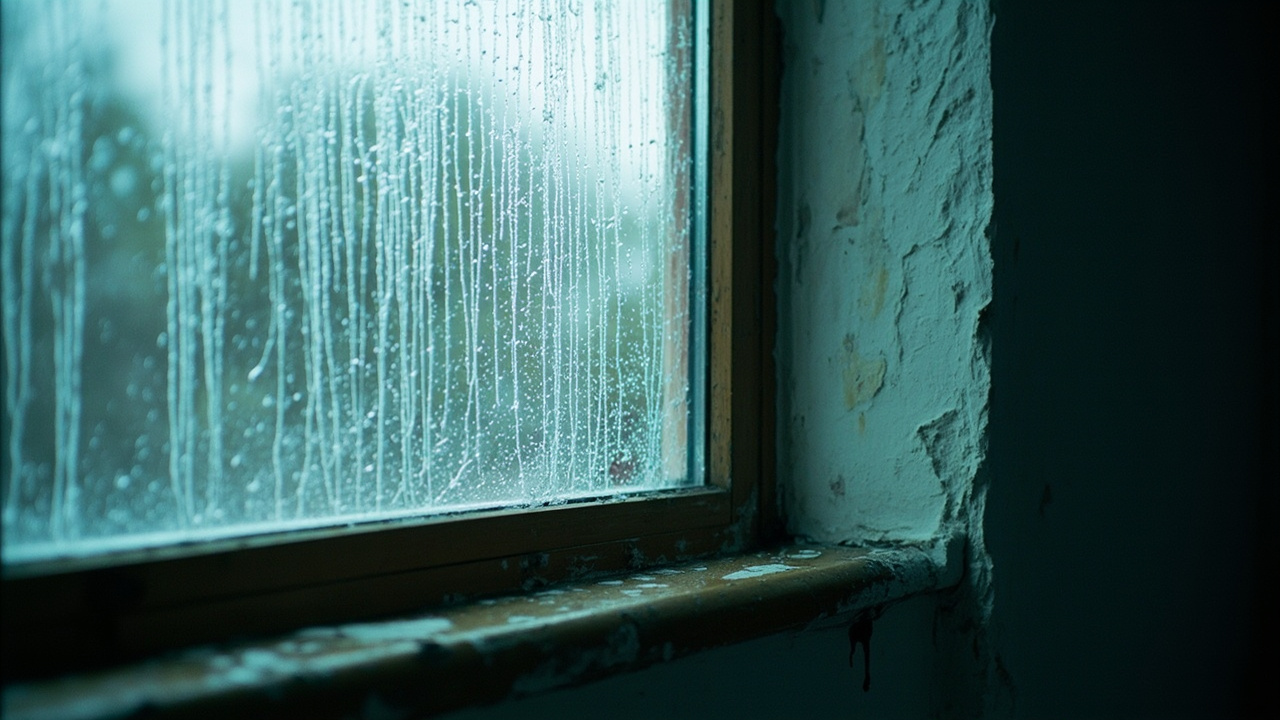
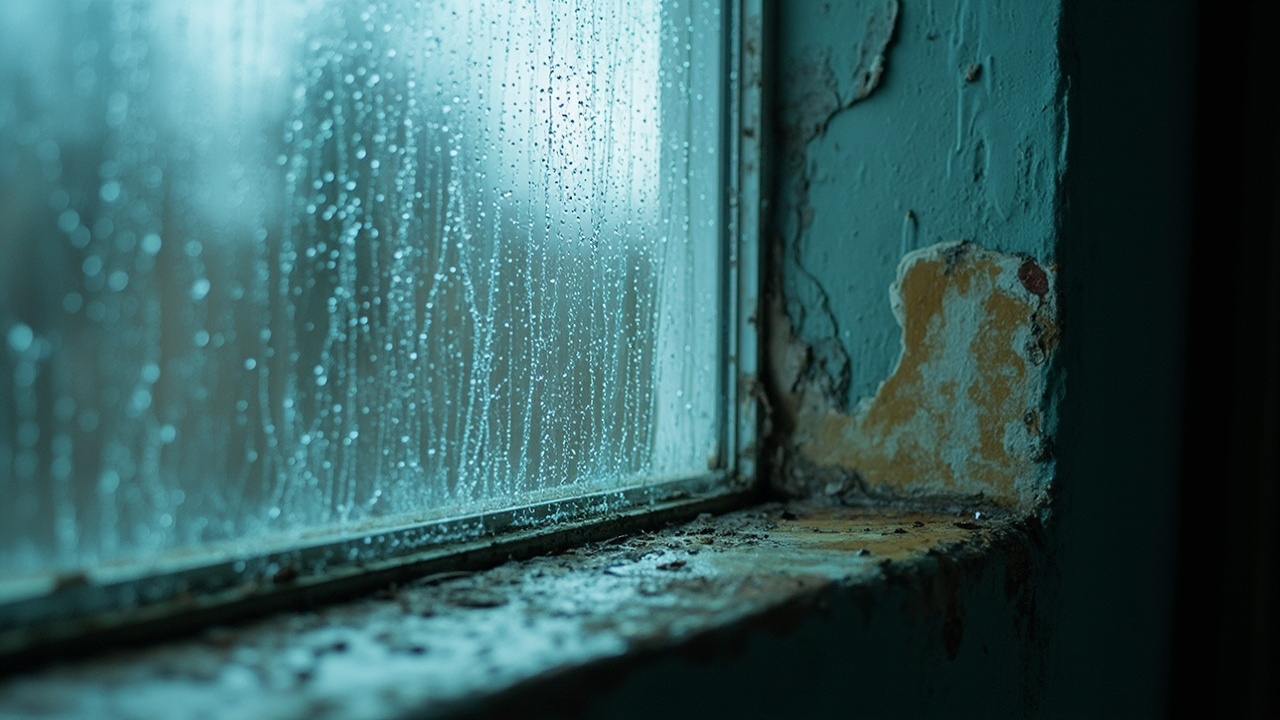
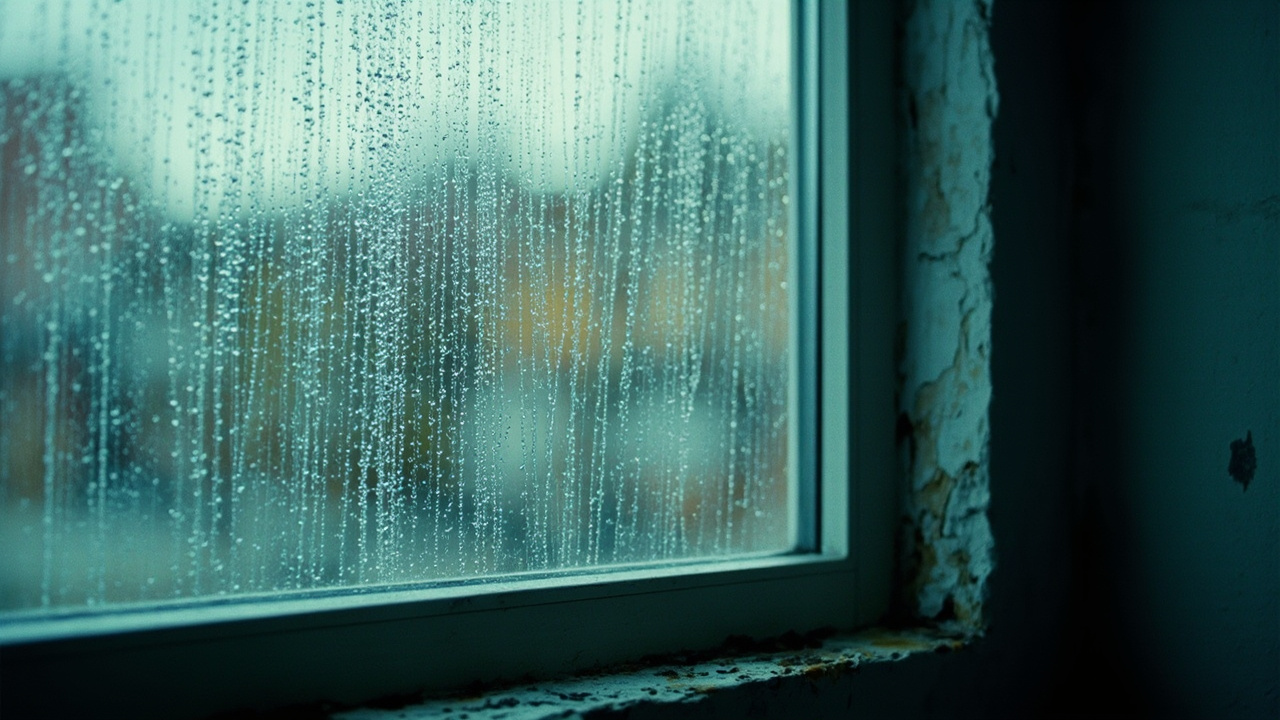
You wake up to weeping window panes. Beads of water pool on the sill. A damp patch spreads across the drywall near your bathroom. You wipe it down. It returns the next morning.

This is not a cleaning problem. It is a moisture imbalance problem, and Sacramento's climate makes it worse than you think.

The Central Valley traps humid air during summer months, especially near the Sacramento and American Rivers. When your air conditioning runs at night, interior surfaces cool rapidly. Warm, humid indoor air contacts that cold glass or drywall and condenses into liquid water. You see it as window sweating or moisture buildup on walls.

Interior glass condensation is not just annoying. It signals that your home is holding too much water vapor. That vapor migrates into wall cavities, insulation batts, and attic spaces. Once it reaches the dew point inside those hidden zones, it condenses on wood framing, plywood sheathing, and electrical boxes. You do not see it, but it is rotting the structure from the inside.

Damp drywall patches near bathrooms, kitchens, or exterior walls are early warnings. If you ignore them, you will eventually smell mold. By then, the colony is established, and removal costs climb fast.

Sacramento homeowners often blame their windows. They replace double-pane units, only to watch the problem return six months later. The windows were not the cause. The indoor humidity level, poor ventilation, or a hidden plumbing leak was driving the condensation the entire time.

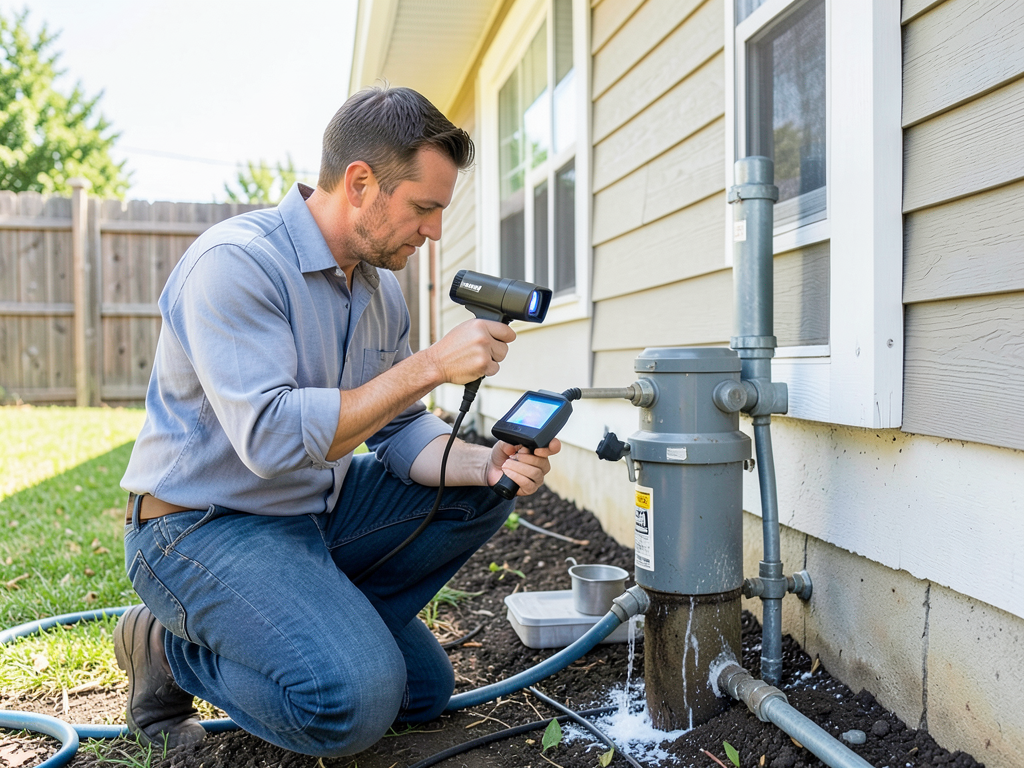
Fortress Water Damage Restoration Sacramento diagnoses the source, not just the symptom. We measure humidity, inspect vapor barriers, and use thermal imaging to locate hidden moisture intrusion. Then we fix it correctly.

Why Sacramento Windows Sweat and Walls Stay Damp
How We Trace Condensation to Its True Origin

How We Trace Condensation to Its True Origin

Most contractors treat condensation as a ventilation problem. They install a bathroom fan and leave. The moisture returns because they never identified why your indoor relative humidity spiked above 60 percent in the first place.

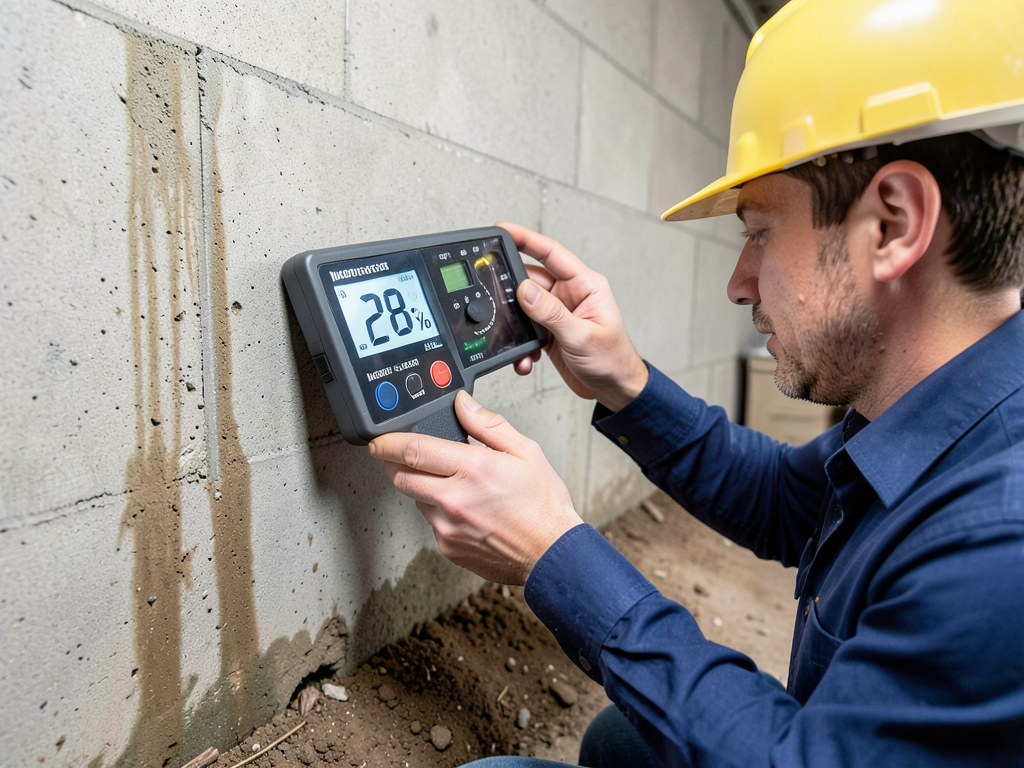
We start with a moisture audit. We measure ambient humidity using a digital hygrometer. We test drywall moisture content with a pin meter. We inspect attic insulation for compression, which indicates trapped vapor. We check crawl spaces for groundwater seepage or torn vapor barriers. We use a thermal camera to scan walls for cold spots, which reveal insulation voids or hidden air leaks.

If your window sweating concentrates on north-facing windows, we know the glass is colder because it receives zero direct sunlight. If moisture buildup on walls appears near plumbing chases, we suspect a slow leak inside the wall. If damp patches cluster near exterior corners, we look for failed flashing or wind-driven rain intrusion through siding joints.

We also evaluate your HVAC system. If your air handler lacks a properly sized return plenum, it cannot distribute conditioned air evenly. Cold pockets form near windows. If your ductwork leaks into the attic, conditioned air escapes before it reaches living spaces, and humidity rises indoors.

Once we identify the root cause, we eliminate it. If a plumbing leak is feeding the problem, we coordinate with a licensed plumber. If attic ventilation is inadequate, we recommend soffit and ridge vent upgrades. If your crawl space is pumping humid air into the floor system, we encapsulate it with a sealed vapor barrier and condition the space.

We do not sell you a dehumidifier and walk away. We engineer a permanent fix that stops condensation at the source.

What Happens During a Condensation Investigation

Condensation on Windows & Walls in Sacramento – Expert Diagnosis Before Moisture Becomes a Structural Threat
01

Initial Site Assessment

We inspect every room reporting condensation, photograph the affected surfaces, and document environmental conditions using calibrated meters. We measure indoor relative humidity, surface temperatures on glass and drywall, and moisture content inside wall cavities using non-invasive scanning. This baseline data tells us whether the problem is localized or systemic across the entire building envelope.
02

Thermal and Moisture Mapping

We deploy infrared cameras to identify cold surfaces, insulation gaps, and hidden water intrusion behind drywall. We correlate thermal anomalies with moisture meter readings to pinpoint where vapor is condensing inside wall assemblies. We trace plumbing lines, inspect HVAC ductwork for leaks, and evaluate attic ventilation pathways. This step reveals the invisible moisture sources that standard inspections miss.
03

Root Cause Remediation

We execute the repair plan, whether that involves sealing air leaks, upgrading vapor barriers, repairing hidden plumbing leaks, or improving mechanical ventilation. We verify the fix using follow-up moisture readings to confirm that humidity levels drop below condensation thresholds. You receive a written report documenting the original conditions, the corrective actions taken, and the final environmental measurements proving the problem is resolved.

Why Sacramento Homeowners Trust Fortress for Moisture Diagnostics

You need someone who understands how Sacramento's microclimate drives condensation. We work in homes near the Delta every week. We know how morning fog saturates outdoor air, how afternoon heat differentials cause rapid interior cooling, and how poorly ventilated attics turn into moisture traps during summer months.

We also understand Sacramento's housing stock. Many homes built between 1950 and 1980 lack continuous vapor barriers in exterior walls. Insulation was often installed without proper air sealing. These older envelopes breathe too much in winter and trap too much moisture in summer. Newer construction is tighter, but if the HVAC system is undersized or the ductwork leaks, you end up with the same condensation problems.

Local building codes in Sacramento County now require mechanical ventilation in new construction, but older homes do not have compliant systems. We evaluate whether your home meets current ventilation standards and recommend upgrades that prevent future moisture issues without triggering expensive permit requirements.

We also coordinate with insurance adjusters when condensation leads to hidden water damage. If your damp drywall patches hid a slow plumbing leak for months, and mold grew inside the wall cavity, that may fall under your homeowner's policy. We document the timeline, provide moisture readings, and submit detailed reports that help you file a successful claim.

Fortress Water Damage Restoration Sacramento does not subcontract diagnostics to third parties. Our technicians hold IICRC certifications in water damage restoration and applied structural drying. We own our thermal cameras, moisture meters, and hygrometers. When we tell you what caused your condensation, we have the data to prove it.

You will not receive a generic ventilation quote. You will receive a site-specific analysis that solves your moisture problem permanently.

What You Can Expect When You Call Us

Same-Day Diagnostic Availability

We schedule condensation assessments within 24 hours of your call. Most appointments happen the same day if you contact us before noon. We arrive with all diagnostic equipment already loaded, so we do not need to return for additional tools. The average on-site assessment takes 90 minutes. We provide verbal findings before we leave, followed by a written report within 48 hours. If we discover active water intrusion requiring immediate containment, we can begin mitigation work that same visit.

Comprehensive Environmental Testing

We measure indoor and outdoor humidity levels, test moisture content in drywall and framing at multiple depths, and scan walls with thermal imaging to locate hidden cold spots or wet insulation. We inspect attic ventilation pathways, crawl space vapor barriers, and HVAC duct integrity. We check for plumbing leaks using acoustic listening devices if needed. You receive a detailed map showing where moisture is concentrated, where it originated, and how it migrated through your building envelope.

Permanent Moisture Elimination

We do not install band-aid solutions. If the problem is a hidden plumbing leak, we coordinate with licensed plumbers to repair it. If poor attic ventilation is trapping humid air, we recommend ridge vent installation or powered ventilation upgrades. If your crawl space is pumping moisture into the floor system, we seal it with a continuous vapor barrier and install a dedicated dehumidifier. We retest moisture levels after remediation to confirm the problem is resolved, not just masked.

Post-Remediation Monitoring Protocol

We return 30 days after remediation to verify that condensation has not recurred. We re-measure humidity levels and surface moisture content to confirm the fix is holding. If seasonal changes reveal additional moisture sources, we address them at no additional diagnostic fee. You receive a maintenance checklist that explains how to monitor humidity levels yourself using a simple hygrometer, along with guidance on when to call us if conditions change. Our goal is to eliminate repeat service calls, not generate them.

Frequently Asked Questions

You Have Questions,
We Have Answers

How to stop condensation on windows and walls? +

Control indoor humidity first. Run exhaust fans in bathrooms and kitchens during use. Open windows briefly to vent moisture, even in Sacramento's mild winters. Use a dehumidifier if indoor humidity exceeds 50 percent. Improve air circulation with ceiling fans or HVAC fan settings. Check weatherstripping and caulking around windows for air leaks. Upgrade to double-pane windows if you have single-pane glass. Move furniture and drapes away from exterior walls to allow airflow. Fix plumbing leaks immediately. In Sacramento's Central Valley climate, morning condensation often clears naturally, but persistent moisture needs professional assessment.

Is it normal to have condensation on the inside of house windows? +

Some condensation is normal during temperature swings, especially in Sacramento's winter mornings when overnight lows drop into the 30s and 40s. Light fog on windows that clears within an hour is not a concern. However, daily condensation that pools on sills, runs down walls, or persists past mid-morning signals excessive indoor humidity or poor ventilation. Single-pane windows condensate more than double-pane units. If you see water droplets forming patterns or soaking window frames, you need to address ventilation or insulation issues before mold develops.

Does condensation always indicate a problem? +

No. Occasional condensation during cold snaps or after cooking is normal. The problem starts when condensation appears daily, soaks into drywall, or causes visible water damage. Persistent moisture creates mold growth within 24 to 48 hours. Sacramento's older homes with original single-pane windows may show more condensation than newer builds. Check for musty odors, peeling paint, or soft drywall around windows. If condensation leaves standing water or stains, you have a ventilation or humidity problem that requires immediate correction to prevent structural damage.

Should you wipe condensation off windows? +

Wipe it immediately if water pools on sills or runs down walls. Use an absorbent cloth to prevent moisture from soaking into wood, drywall, or trim. Leaving standing water invites mold and wood rot. However, wiping condensation does not fix the root cause, which is excessive indoor humidity or poor ventilation. In Sacramento homes, condensation often appears on north-facing windows first due to reduced sun exposure. After wiping, run exhaust fans or open windows briefly to reduce moisture levels. If you wipe condensation daily, you need professional evaluation.

Does condensation on windows mean poor insulation? +

Not always. Condensation happens when warm, humid indoor air meets cold glass. Single-pane windows condensate more because they lack thermal resistance. Poor insulation worsens the problem by allowing cold exterior temperatures to penetrate walls and window frames. In Sacramento, homes built before 1980 often have minimal wall insulation and original single-pane windows. Upgrading to double-pane windows reduces condensation significantly. However, excessive indoor humidity from cooking, showers, or leaks causes condensation even with good insulation. Address both ventilation and insulation for complete control.

What to put on walls to stop condensation? +

Do not apply anything to walls. Fix the moisture source instead. Condensation on walls means you have serious humidity problems or thermal bridging where cold exterior temperatures penetrate interior surfaces. In Sacramento's older stucco homes, poor insulation allows cold spots where moisture condenses. Install vapor barriers during remodeling. Use mold-resistant paint only after fixing humidity and ventilation issues. Add insulation to exterior walls if possible. Run dehumidifiers to keep indoor humidity below 50 percent. If condensation soaks drywall, remove and replace damaged sections before mold spreads.

When should I be worried about condensation on windows? +

Worry when condensation appears daily, soaks window sills, runs down walls, or causes visible water stains. If you smell musty odors or see black spots near windows, mold has started growing. In Sacramento homes, condensation that persists past 9 or 10 a.m. signals poor ventilation or excessive humidity. Check for soft or discolored drywall, peeling paint, or warped trim. These signs indicate water damage requiring professional remediation. Condensation during Sacramento's rainy season is common, but daily moisture buildup damages homes and creates health hazards.

What are signs of excessive condensation? +

Watch for water pooling on sills, droplets running down walls, musty odors, black mold spots, peeling paint, warped window trim, soft drywall, and foggy windows that never clear. In Sacramento, excessive condensation often appears first on bathroom and kitchen windows due to higher moisture levels. Check closets on exterior walls for damp clothing or mildew smell. Look for condensation on mirrors that does not dissipate quickly. If indoor humidity stays above 60 percent or you see water stains spreading from windows, you need immediate professional assessment.

How to stop condensation on windows overnight in winter? +

Lower indoor humidity before bed. Run bathroom and kitchen exhaust fans during evening showers and cooking. Crack a window for 10 minutes before sleeping to vent moisture. Set your thermostat to a consistent temperature rather than dropping it at night. Keep bedroom doors open to improve air circulation. Move drapes away from windows. Use a dehumidifier if indoor humidity exceeds 50 percent. In Sacramento's winter, overnight lows often drop into the 30s, creating ideal condensation conditions. If condensation persists, upgrade to double-pane windows with low-E coatings.

Does condensation mean my house is too cold? +

Not necessarily. Condensation happens when warm, moist indoor air meets cold surfaces. Your home can be adequately heated but still show condensation if indoor humidity is too high. In Sacramento, homes with poor ventilation trap moisture from cooking, showers, and breathing. Cold exterior walls and single-pane windows create condensation points even when indoor temperature is comfortable. Check your thermostat setting and humidity levels. If your home feels cold and shows condensation, you may have insulation problems. If it feels warm but condensation persists, reduce indoor humidity with ventilation.

How Sacramento's Delta Fog and Summer Humidity Drive Window Condensation

Sacramento sits at the confluence of the Sacramento and American Rivers, where Delta fog rolls inland during winter mornings and summer humidity spikes when afternoon temperatures hit 105 degrees. This creates extreme dew point swings inside your home. When your air conditioning cools interior surfaces below 55 degrees, and indoor humidity climbs above 55 percent, water vapor condenses on glass, drywall, and metal window frames. Homes near the Delta, including Pocket, Land Park, and Curtis Park, experience heavier fog loads, which saturate outdoor air and drive higher indoor humidity when windows are opened for ventilation.

Sacramento County building codes now require mechanical ventilation in new construction, but thousands of older homes lack compliant systems. Fortress Water Damage Restoration Sacramento understands these local code requirements and evaluates whether your home needs ventilation upgrades to prevent chronic condensation. We work with local HVAC contractors who understand Sacramento's climate and can size ventilation systems correctly for Delta humidity loads. Choosing a local moisture diagnostics team means you get solutions tailored to Sacramento's unique environmental challenges, not generic advice copied from a manual written for Phoenix or Portland.

Water Damage Restoration Services in The Sacramento Area

Fortress Water Damage Restoration proudly serves the greater Sacramento area, including all surrounding neighborhoods and communities. We are committed to providing fast and reliable service wherever you are. To get an idea of our service area or to visit our office, please use the interactive map below. Our team is ready to respond to your needs, so don't hesitate to reach out for immediate assistance or to schedule a consultation.

Address:
Fortress Water Damage Restoration Sacramento, 2109 Del Paso Blvd, Sacramento, CA, 95815

Additional Services We Offer

Our news updates

Latest Articles & News from The Blogs

Why a Leaky Pool Pump Can Damage Your Home Foundation in the Sacramento Heat Pool equipment leaks in Sacramento homes…

Why a Leaky Pool Pump Can Damage Your Home Foundation in the Sacramento Heat

Why a Leaky Pool Pump Can Damage Your Home Foundation in the Sacramento Heat Pool equipment leaks in Sacramento homes…

Your Rights and Next Steps When a Neighbor Overflows Their Sink in a Sacramento High Rise

Your Rights and Next Steps When a Neighbor Overflows Their Sink in a Sacramento High Rise When a neighbor's sink…

Protecting Your Finished Basement in Old North Sacramento from Rising Ground Water

Protecting Your Finished Basement in Old North Sacramento from Rising Ground Water Your finished basement in Old North Sacramento sits…

Contact Us

Call Fortress Water Damage Restoration Sacramento at (916) 222-9262 right now. We will schedule your condensation diagnostic within 24 hours, identify the true moisture source, and give you a permanent fix, not a temporary patch.