





Menu

Swollen Baseboards & Trim in Sacramento – Expert Diagnosis & Proper Repair Before Mold Takes Hold

When moisture swollen baseboards and warped baseboard molding appear in your Sacramento home, you need a team that identifies the hidden water source, removes compromised materials, and restores your trim before structural rot sets in.

Slider Image 1
Slider Image 2
Slider Image 3
Slider Image 4
Slider Image 5
Slider Image 7
Slider Image 8
Slider Image 9
Slider Image 10
Slider Image 11

Why Sacramento Homes Battle Water Damaged Baseboards Year-Round

You walk into your bathroom and notice the baseboard looks puffy. The paint is cracked. When you press it, the wood feels spongy. This is not normal wear and tear. This is active water damage.

Sacramento sits in the Central Valley, where winter rains arrive hard and fast between November and March. The area's aging housing stock, many homes built in the 1950s through 1980s, suffers from poor vapor barriers and outdated flashing details. When gutters overflow or slab foundations develop hairline cracks, water migrates laterally through stucco and drywall until it hits the first porous material it finds. That material is your baseboard.

Expanded MDF trim is common in Sacramento tract homes. MDF, or medium-density fiberboard, absorbs water like a sponge. Once it swells, it does not shrink back. The fibers separate. The paint bubbles. The structural integrity is gone. You might see this along exterior walls after heavy rain, around kitchen sinks with slow leaks, or in bathrooms where shower pans have failed.

Bloated wood trim is not just ugly. It is a red flag for hidden moisture intrusion. The longer water sits against wood or composite materials, the higher your risk for microbial growth, subfloor rot, and insect activity. Termites love damp wood. So do carpenter ants.

If you see warped baseboard molding in multiple rooms, you likely have a plumbing leak, a roof issue, or a grading problem directing water toward your foundation. The baseboard is the symptom. The water source is the problem.

Why Sacramento Homes Battle Water Damaged Baseboards Year-Round
How We Find the Source and Fix It Right

How We Find the Source and Fix It Right

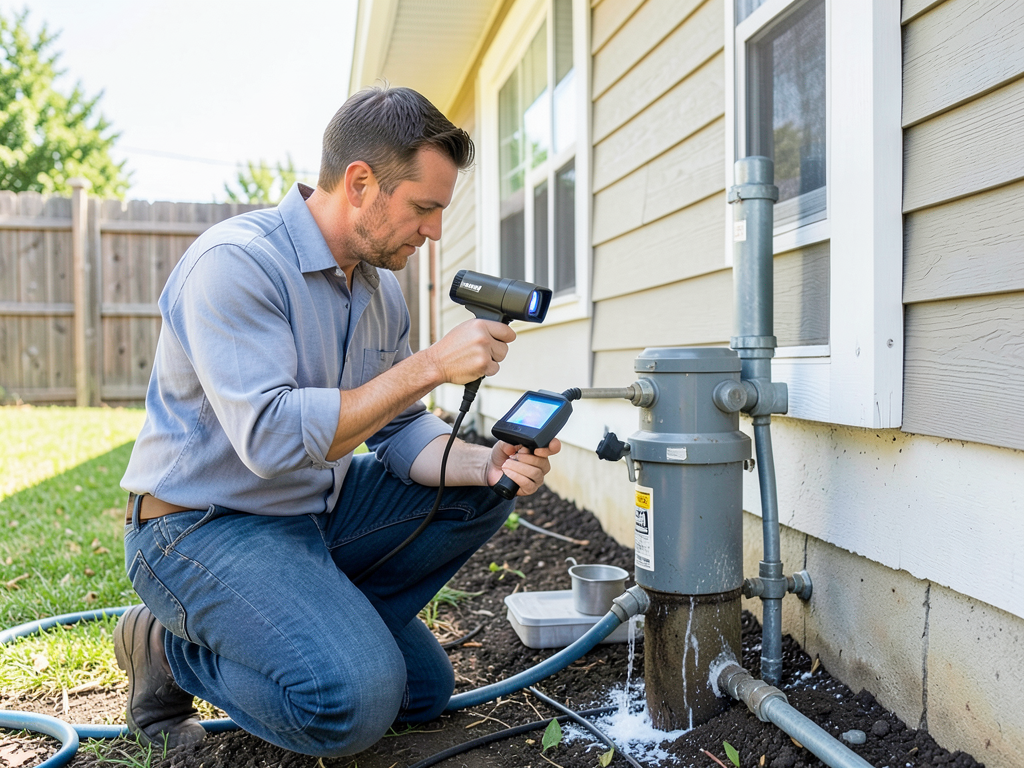
Most contractors see swollen baseboards and suggest replacing the trim. That is a cosmetic band-aid. At Fortress Water Damage Restoration Sacramento, we start with moisture mapping using thermal imaging cameras and pin-type moisture meters. We measure moisture content at the base of the wall, inside the wall cavity, and across the subfloor. We are looking for gradients that tell us where the water is coming from.

If the moisture reads high along an exterior wall, we inspect the exterior for failed caulking, damaged stucco, or improperly sloped grading. If the moisture is concentrated near a bathroom or kitchen, we check supply lines, shut-off valves, and drain traps. If the moisture is widespread across a single level, we investigate the foundation for hydrostatic pressure or slab leaks.

Once we identify the source, we stop the water. Then we remove the compromised materials. Water damaged baseboards cannot be saved. We cut them out, bag them, and dispose of them properly. We pull back carpet or flooring if necessary to inspect the subfloor for delamination or mold. If the drywall wicks moisture more than 18 inches above the floor, we cut a flood cut and remove the wet section.

Next, we dry the structure using commercial air movers and low-grain refrigerant dehumidifiers. We monitor the drying process with daily moisture readings. When the framing lumber and subfloor return to normal moisture levels, typically 12 to 15 percent, we begin reconstruction. We install moisture-resistant materials where appropriate and seal all penetrations to prevent future intrusion.

This is not a one-day cosmetic fix. This is structural drying and proper restoration.

What Happens When You Call About Swollen Trim

Swollen Baseboards & Trim in Sacramento – Expert Diagnosis & Proper Repair Before Mold Takes Hold
01

On-Site Moisture Assessment

We arrive with calibrated moisture detection equipment and perform a room-by-room inspection. We map affected areas, document moisture levels in framing and subfloor, and trace the water back to its entry point. You get a written assessment with photos and moisture readings before any work begins. This prevents surprises and ensures you understand the full scope of the problem.
02

Containment and Extraction

We remove all moisture swollen baseboards and any wet drywall or insulation. We set up containment barriers if mold is present, then extract standing water and begin structural drying. Air movers create airflow across wet surfaces. Dehumidifiers pull moisture from the air. We monitor humidity and temperature to ensure optimal drying conditions. This phase takes 3 to 5 days depending on material saturation.
03

Rebuild and Prevention

Once materials reach acceptable moisture levels, we rebuild. We install new baseboards using solid wood or PVC trim in high-risk areas. We seal gaps between the subfloor and wall plates. If the water source was external, we coordinate with you on exterior repairs like regrading, gutter extensions, or foundation sealing. You get a moisture report showing before and after readings, proving the structure is dry and safe.

Why Sacramento Homeowners Trust Fortress for Baseboard Water Damage

Sacramento's housing market includes everything from Midtown Victorians to Natomas tract homes to Elk Grove new construction. Each has different vulnerabilities. Older homes in Land Park and Curtis Park have galvanized plumbing and original flashing that fails after 70 years. Newer homes in Natomas, built on reclaimed farmland, deal with high water tables and clay soil that swells and contracts with seasonal moisture. Homes near the American River floodplain face entirely different risks.

We understand these variables because we work in them daily. We know that many Sacramento homes have combination slab and crawlspace foundations, which complicates moisture intrusion patterns. We know that stucco over plywood sheathing, common in 1980s construction, creates moisture traps when the weep screed fails. We know that tile shower pans installed before 2010 often lack proper waterproofing membranes.

This local knowledge matters when you are trying to figure out why your baseboards are swollen in the master bathroom but not the guest bath. It matters when you are deciding whether to file an insurance claim or pay out of pocket. It matters when you need to explain to an adjuster why drying equipment needs to run for five days instead of two.

Fortress Water Damage Restoration Sacramento operates under California contractor regulations. We document every step with photos, moisture logs, and material disposal records. If you are filing an insurance claim, we provide the detailed documentation your carrier requires. We communicate directly with adjusters to ensure you get fair coverage for necessary work.

We do not upsell. If your baseboard damage is limited to one wall and we can trace it to a simple supply line leak, we tell you that. If the damage is systemic and tied to foundation settlement or chronic exterior water intrusion, we tell you that too. You make the decisions. We provide the facts.

What to Expect When You Hire Us for Swollen Baseboard Repair

Response Time and Scheduling

We schedule moisture assessments within 24 hours of your call. If you have active water intrusion, such as a burst pipe or appliance overflow, we respond the same day. Emergency mitigation begins immediately to prevent further damage. Non-emergency baseboard swelling, where the water source is already controlled, gets scheduled within one business day. We provide arrival windows and confirm by text the morning of your appointment.

The Initial Inspection Process

Our technician performs a visual inspection and uses thermal imaging to detect temperature differentials behind walls. Moisture meters measure material saturation in baseboards, drywall, and subfloors. We check adjacent rooms to determine if the problem is isolated or widespread. We photograph affected areas and create a moisture map. You receive a written scope of work with moisture readings, recommended actions, and a timeline. If mold is visible, we recommend testing to identify species and concentration.

Quality of the Finished Work

Replacement baseboards are installed level and flush. Joints are coped, not mitered, for tight seams that do not open over time. Nail holes are filled. Caulk lines are clean. Paint matches your existing trim or we prime for your painter. Subfloors are inspected for delamination and replaced if necessary before new flooring goes down. We do not leave until the moisture readings confirm the structure is dry and you approve the finish work.

Post-Restoration Monitoring and Warranties

We provide final moisture readings in writing so you have a baseline for future reference. If you had mold remediation, we can arrange post-remediation verification testing through a third-party lab. We do not warranty against future water intrusion, but our drying process and material replacement follow IICRC S500 standards. If you address the underlying water source, the repaired areas should remain stable. We offer follow-up moisture checks at 30 and 90 days if you have concerns.

Frequently Asked Questions

You Have Questions,
We Have Answers

How to fix swollen baseboards? +

First, identify and eliminate the moisture source. Check for leaking pipes, foundation cracks, or poor ventilation. Remove the swollen baseboards completely. Allow the wall and subfloor to dry for at least 72 hours using fans and dehumidifiers. In Sacramento's dry climate, structural drying happens faster, but hidden moisture in walls can linger. Inspect the framing for mold or rot. Replace damaged drywall if needed. Install new baseboards using solid wood or moisture-resistant MDF. Seal the bottom edge with caulk to prevent future water infiltration. Never paint over swollen baseboards. The damage will return.

What is the 7 rule for baseboards? +

The 7 rule suggests baseboards should be 7 percent of your wall height for balanced proportions. In a standard 8-foot room, that equals roughly 5 to 7 inches tall. This guideline helps baseboards feel substantial without overwhelming the space. However, Sacramento homes built before 1960 often feature taller baseboards, sometimes 8 to 10 inches, reflecting period architecture. Modern construction typically uses 3 to 5-inch baseboards for cost efficiency. Choose baseboard height based on ceiling height, room size, and existing architectural details. The 7 rule provides a starting point, not a rigid requirement.

Can you repair swollen particle board? +

Particle board cannot be repaired once swollen. The material is made from compressed wood chips and resin. When water penetrates, the particles expand and lose structural integrity permanently. Sanding or filling creates a lumpy, unstable surface. In Sacramento, particle board baseboards are common in homes built between 1980 and 2000. Once swollen, you must remove and replace them. Choose solid wood, engineered wood, or moisture-resistant MDF for replacements. If water damage affected particle board, check adjacent framing and drywall. Moisture often spreads beyond the visible damage. Complete replacement prevents future problems.

Can you fix swollen wood? +

Solid wood can sometimes be salvaged if caught early. Remove the baseboard immediately and dry it flat in a well-ventilated area for several days. Place weights on top to prevent warping. Sand the surface lightly once dry. If the wood returns to its original shape without soft spots or mold, you can reinstall it. However, wood that stayed wet for more than 48 hours usually warps permanently. Sacramento's low humidity helps wood dry faster than coastal areas, but tannin stains and grain-raising often remain. Assess whether refinishing costs more than replacement. Paint-grade wood rarely looks acceptable after swelling.

Why do baseboards swell? +

Baseboards swell when they absorb water. Common causes include plumbing leaks, foundation seepage, appliance malfunctions, or flooding. In Sacramento, older homes near the American River or in Natomas face higher risk during heavy rain years. Poor grading around the foundation pushes water toward interior walls. Condensation from HVAC ducts or poorly sealed windows also contributes. MDF and particle board baseboards absorb moisture faster than solid wood. Once the material expands, paint cracks and the surface buckles. Swelling indicates active water intrusion. Address the source immediately to prevent mold growth and structural damage behind the walls.

What is the average cost to replace baseboards? +

Baseboard replacement costs vary by material, room size, and labor rates. Expect to pay between $5 and $12 per linear foot installed for standard paint-grade MDF or pine. Hardwood or custom profiles cost more. A typical 12x12 room requires about 48 linear feet. However, water damage often affects multiple rooms, increasing total scope. Sacramento contractors charge competitive rates compared to Bay Area pricing. This estimate excludes drywall repair, mold remediation, or structural work. Always get itemized bids. Addressing the underlying moisture problem prevents recurring damage and saves money long-term. Cheap fixes lead to expensive callbacks.

Should baseboards be flush with the floor? +

Baseboards should sit flush against the floor but not tight enough to buckle during seasonal movement. Leave a small gap, about 1/8 inch, then seal it with flexible caulk. This allows for minor floor expansion without pushing the baseboard upward. In Sacramento, hardwood floors contract during dry summers and expand slightly during wet winters. If your floor is uneven, scribe the baseboard to follow the contour or use shoe molding to cover gaps. Never force baseboards tight against warped flooring. This creates stress points where water can enter and cause swelling. Proper installation prevents future moisture damage.

What are common trim installation mistakes? +

Common mistakes include skipping wall prep, using incorrect fasteners, and ignoring moisture barriers. Installers often nail baseboards into drywall instead of studs, causing them to pull loose. Failing to caulk the top edge allows dust and moisture infiltration. Mitered corners without glue separate over time. In Sacramento homes with stucco exteriors, installers sometimes place baseboards directly against concrete slabs without a moisture barrier. This wicks groundwater into the material. Another error is painting before installation, which leaves raw edges exposed. Always prime all six sides of baseboards before installing them to seal against future water exposure.

What is the current trend for baseboards? +

Taller baseboards, 5 to 7 inches, are trending in new construction and remodels. This creates a more substantial, traditional look. Clean, simple profiles without ornate details dominate modern design. White or off-white painted baseboards remain popular in Sacramento, contrasting with gray or neutral walls. Some homeowners choose stained wood baseboards to match flooring, creating visual continuity. Flat-stock baseboards with minimal detailing fit contemporary aesthetics. Moisture-resistant MDF has replaced solid wood in many installations due to cost and performance. Functionality matters more than decoration. Homeowners prioritize materials that resist water damage over purely decorative profiles.

Can water swollen MDF be repaired? +

MDF cannot be repaired after water exposure. The material is made from compressed wood fibers and glue. Water causes irreversible swelling, delamination, and strength loss. Unlike solid wood, MDF has no grain structure to maintain shape. Sanding removes the smooth factory finish, exposing fuzzy fibers. Paint will not hide the damage. In Sacramento, MDF baseboards are common in tract homes built after 1990. Once swollen, remove and replace them completely. Choose moisture-resistant MDF for areas near bathrooms, kitchens, or exterior walls. Standard MDF works fine in dry interior spaces. Always address the water source before installing new baseboards.

How Sacramento's Seasonal Rain Patterns Cause Chronic Baseboard Swelling

Sacramento receives 18 to 24 inches of rain annually, with 75 percent falling between November and March. When atmospheric rivers stall over the Central Valley, homes built on clay soil experience foundation movement. The soil expands when saturated, then contracts as it dries, creating microfractures in slab foundations and gaps where walls meet floors. Water enters through these gaps during the next storm, migrating along the base of interior walls. Expanded MDF trim and moisture swollen baseboards appear weeks after the rain stops because the water is trapped inside wall cavities with no ventilation. Homes in Pocket, Greenhaven, and South Sacramento, built on former floodplain, see this pattern repeatedly.

Sacramento County enforces Title 24 building standards, which include moisture barrier requirements for new construction and major renovations. Homes built before these standards took effect lack proper vapor retarders below slab foundations and behind exterior cladding. Fortress Water Damage Restoration Sacramento works with local building inspectors when reconstruction requires permits. We understand the submittal process, the inspection schedule, and the material specifications required for code compliance. When you hire a local team familiar with Sacramento's building department procedures, your project moves faster and meets the standards that protect your investment.

Water Damage Restoration Services in The Sacramento Area

Fortress Water Damage Restoration proudly serves the greater Sacramento area, including all surrounding neighborhoods and communities. We are committed to providing fast and reliable service wherever you are. To get an idea of our service area or to visit our office, please use the interactive map below. Our team is ready to respond to your needs, so don't hesitate to reach out for immediate assistance or to schedule a consultation.

Address:
Fortress Water Damage Restoration Sacramento, 2109 Del Paso Blvd, Sacramento, CA, 95815

Additional Services We Offer

Our news updates

Latest Articles & News from The Blogs

Why a Leaky Pool Pump Can Damage Your Home Foundation in the Sacramento Heat Pool equipment leaks in Sacramento homes…

Why a Leaky Pool Pump Can Damage Your Home Foundation in the Sacramento Heat

Why a Leaky Pool Pump Can Damage Your Home Foundation in the Sacramento Heat Pool equipment leaks in Sacramento homes…

Your Rights and Next Steps When a Neighbor Overflows Their Sink in a Sacramento High Rise

Your Rights and Next Steps When a Neighbor Overflows Their Sink in a Sacramento High Rise When a neighbor's sink…

Protecting Your Finished Basement in Old North Sacramento from Rising Ground Water

Protecting Your Finished Basement in Old North Sacramento from Rising Ground Water Your finished basement in Old North Sacramento sits…

Contact Us

Water damage spreads while you wait. Call Fortress Water Damage Restoration Sacramento at (916) 222-9262 now. We will inspect your baseboards, locate the moisture source, and give you a written scope of work within 24 hours. No guessing. No sales pressure. Just answers.