




Menu

Categories of Water in Sacramento – Understanding IICRC Classifications That Protect Your Property and Health

Learn the three IICRC water damage categories and why identifying contamination levels correctly determines whether you face a simple cleanup or a complete demolition in Sacramento homes and businesses.

Slider Image 1
Slider Image 2
Slider Image 3
Slider Image 4
Slider Image 5
Slider Image 7
Slider Image 8
Slider Image 9
Slider Image 10
Slider Image 11

Why Water Damage Categories Matter More Than You Think in Sacramento

Not all water damage is the same. The water flooding your Sacramento property carries different risks depending on its source. A burst pipe in Midtown releases clean water. A sewage backup in Land Park releases water laced with bacteria, viruses, and parasites. The difference between these water contamination levels determines how we restore your property and whether materials get cleaned or demolished.

The Institute of Inspection, Cleaning and Restoration Certification created three water quality classifications to standardize restoration decisions. These IICRC water categories guide every certified technician in Sacramento. Category 1 water comes from sanitary sources. Category 2 water contains significant contamination. Category 3 water is grossly unsanitary and poses serious health threats.

Sacramento properties face unique challenges with water contamination. Our hot, dry summers create cracked foundations that allow groundwater intrusion. When winter rains arrive, that groundwater carries soil bacteria and agricultural runoff from the Central Valley into basements and crawl spaces. The American River and Sacramento River sit at flood stage during heavy rain years, threatening properties in Natomas and South Sacramento with contaminated floodwater.

Water categories also change over time. Clean water from a supply line becomes Category 2 after sitting for 48 hours. Category 2 water upgrades to Category 3 if it contacts sewage or sits long enough for bacterial growth. Temperature plays a role too. Sacramento's summer heat accelerates bacterial multiplication in standing water. What started as a minor Category 1 leak on Monday becomes a Category 2 contamination issue by Wednesday if you ignore it.

Understanding types of water contamination helps you make informed decisions about safety and cost. Category 1 damage might cost thousands. Category 3 damage often runs tens of thousands because porous materials like drywall, insulation, and flooring must be removed and replaced rather than dried.

Why Water Damage Categories Matter More Than You Think in Sacramento
How Fortress Water Damage Restoration Sacramento Classifies and Treats Each Water Category

How Fortress Water Damage Restoration Sacramento Classifies and Treats Each Water Category

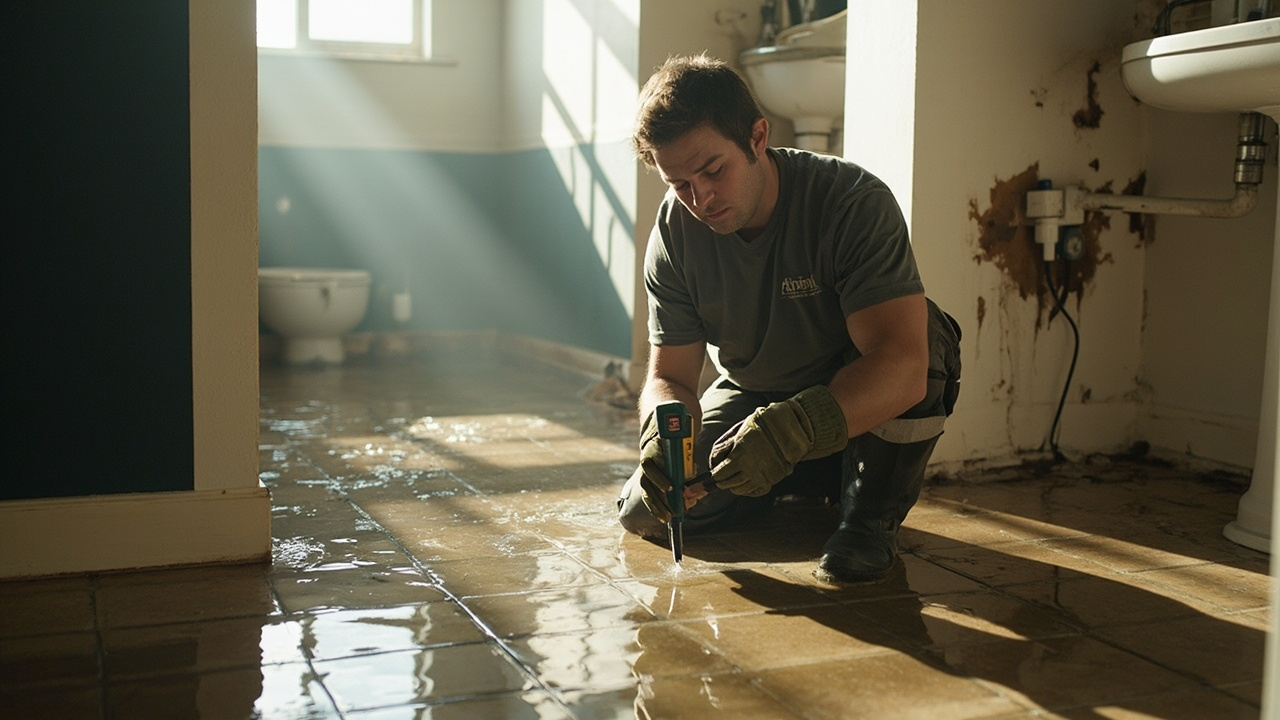
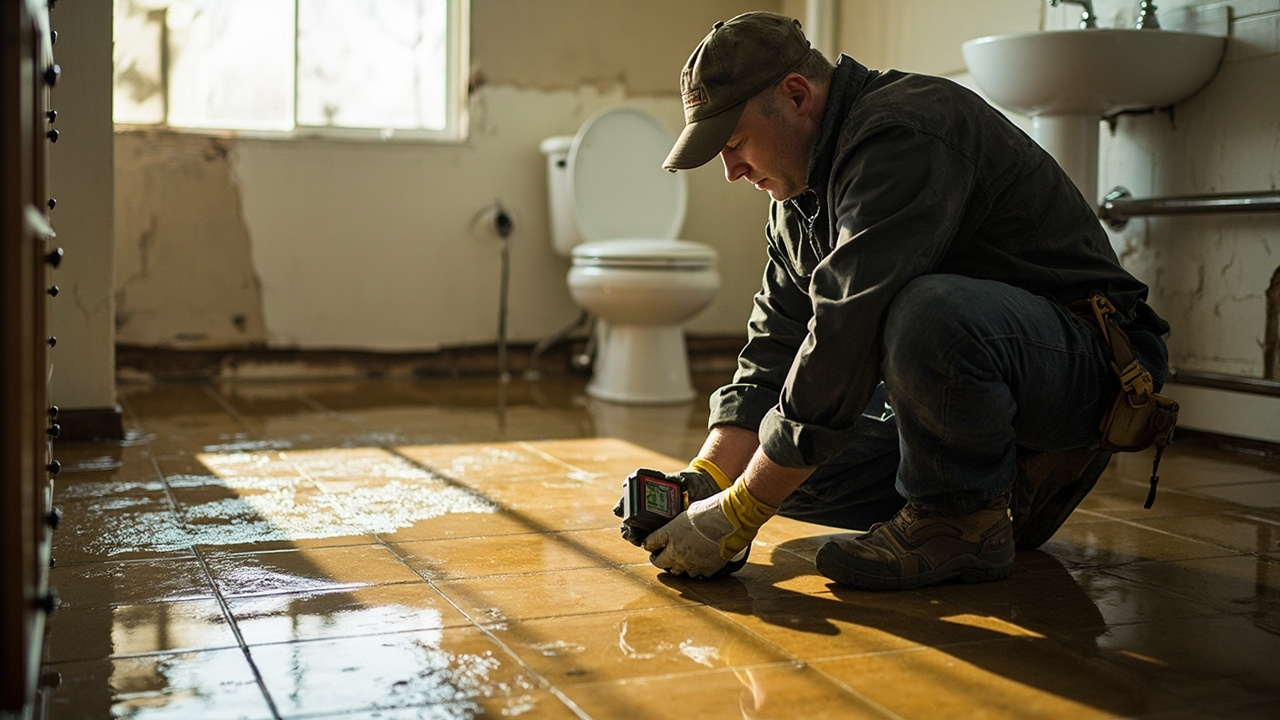
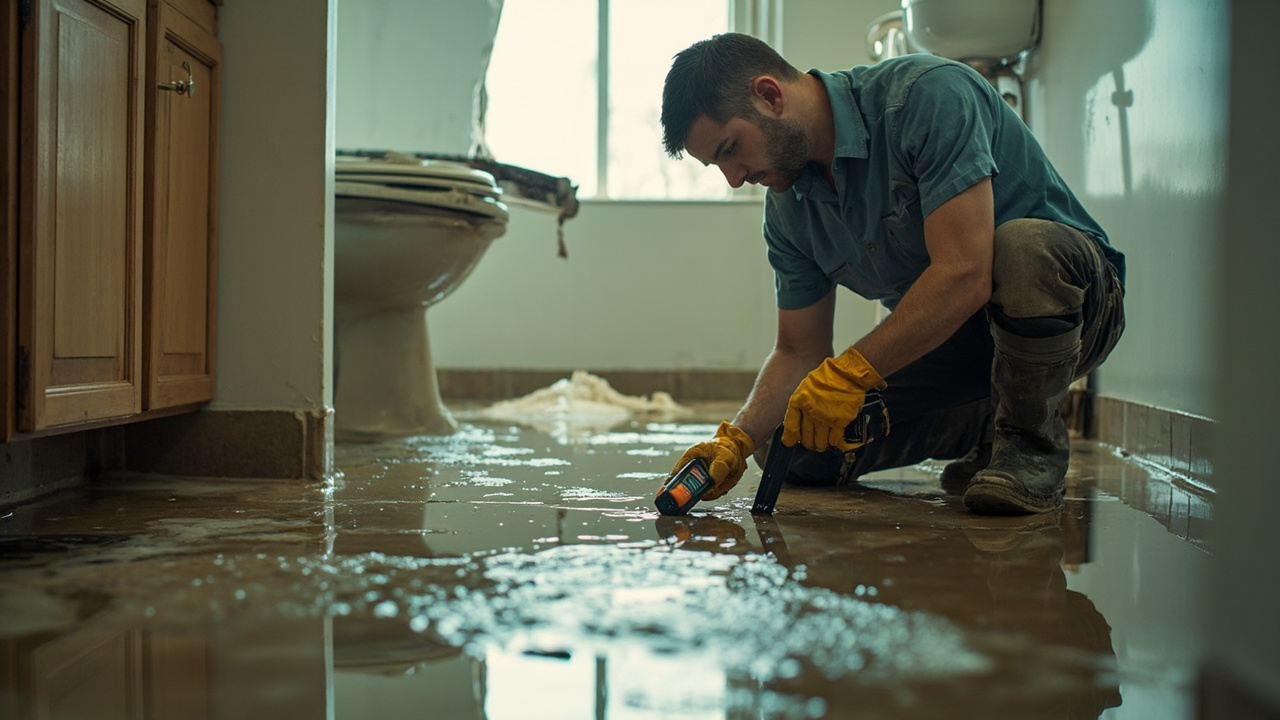
We assess water damage categories before we begin extraction or drying. Our technicians identify the water source, test contamination levels, and document findings for your insurance claim. This classification process follows IICRC S500 standards, the industry protocol for water damage restoration.

Category 1 water originates from sanitary sources like supply lines, water heaters, or rainwater that has not contacted contaminants. We extract this water using truck-mounted pumps, set up air movers and dehumidifiers, and monitor moisture levels in affected materials. Carpets and padding can often be saved with proper drying. Drywall survives if dried within 48 hours.

Category 2 water contains chemical, biological, or physical contaminants. Sources include washing machine overflows, dishwasher leaks, toilet bowl overflows with urine but no feces, and sump pump failures. We treat Category 2 water with antimicrobial agents after extraction. Carpet padding gets removed. We spray affected surfaces with EPA-registered disinfectants and monitor for odor development during drying.

Category 3 water is grossly contaminated with pathogenic agents. Sewage backups, flooding from rivers and streams, and any water that has contacted sewage or sat stagnant for days fall into this classification. We remove all porous materials that contacted Category 3 water. That includes drywall, insulation, baseboards, carpeting, and padding. Non-porous materials like framing lumber get cleaned with antimicrobials and sealed with encapsulants to prevent odor and bacterial growth.

Sacramento properties often require category upgrades during assessment. A clean water leak from an upstairs bathroom becomes Category 2 when it travels through insulation and drywall cavities. A Category 2 dishwasher leak becomes Category 3 if it floods a basement with sewage exposure.

We document every classification decision with photos, moisture readings, and detailed notes. Insurance adjusters require this documentation to approve demolition and reconstruction costs for Category 2 and Category 3 losses.

What Happens During Water Category Assessment in Your Sacramento Property

Categories of Water in Sacramento – Understanding IICRC Classifications That Protect Your Property and Health
01

Source Identification and Testing

Our technicians locate the water source and determine whether it qualifies as sanitary, contaminated, or grossly unsanitary. We trace plumbing lines, inspect sewage systems, and check for cross-contamination from soil or floodwater. This source identification determines the initial category classification. We also test pH levels and check for visible contamination to confirm category assignment before beginning extraction.
02

Material Evaluation and Risk Assessment

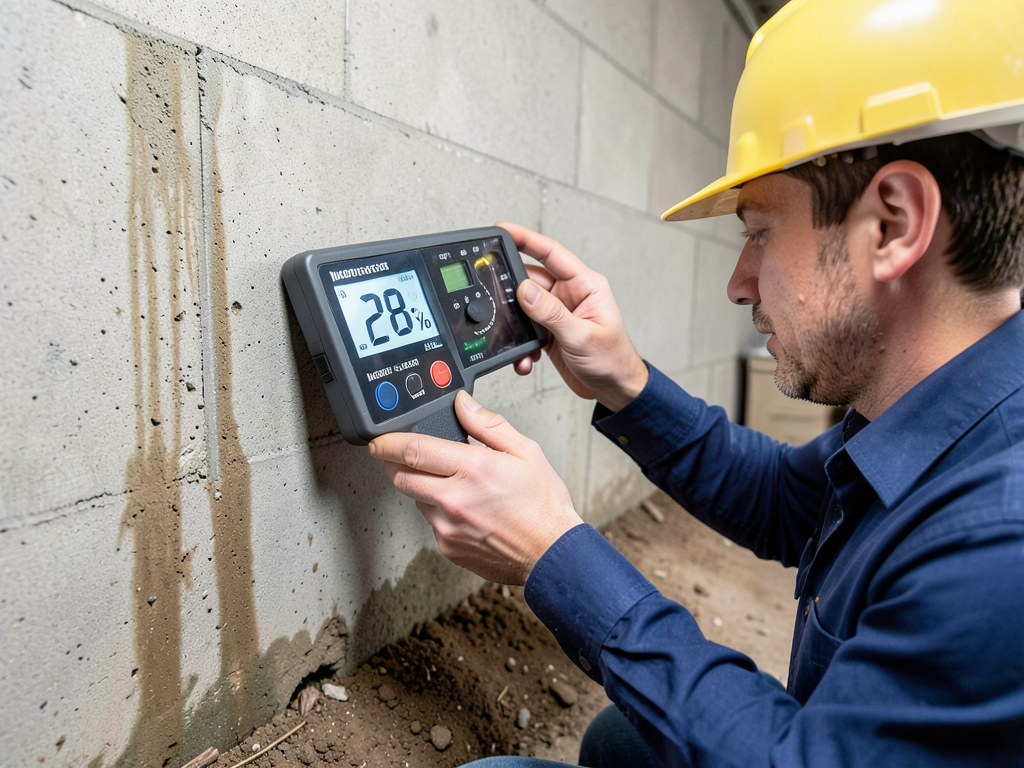
We inspect every affected material for contamination exposure and moisture saturation. Porous materials like drywall and insulation absorb water differently than non-porous materials like tile and metal. We use moisture meters to measure saturation depth and determine which materials can be dried and which must be removed. Sacramento's building codes also factor into these decisions, especially for commercial properties requiring specific antimicrobial treatments.
03

Documentation and Restoration Planning

We photograph all damage, record moisture readings, and create a detailed scope of work based on the confirmed water category. This documentation includes floor plans marking affected areas, material inventories for demolition, and drying protocols. Your insurance adjuster receives this information within 24 hours. We also explain which materials get restored versus replaced and provide a timeline for completion based on the contamination level.

Why Sacramento Property Owners Trust Our Water Category Expertise

Fortress Water Damage Restoration Sacramento employs IICRC-certified technicians trained in water damage classification protocols. We understand how Sacramento's unique environment affects water contamination levels. Agricultural runoff from surrounding counties contaminates groundwater. The Sacramento River and American River carry sediment and bacteria during flood events. Our hot summer temperatures accelerate bacterial growth in standing water, requiring faster response times than coastal California cities experience.

We have restored properties in every Sacramento neighborhood. East Sacramento's older homes often have cast iron sewer lines that crack and leak sewage into crawl spaces. Natomas properties face flood risk from levee systems. Land Park and Curtis Park homes built in the 1920s and 1930s have outdated plumbing that fails without warning. Downtown commercial buildings deal with sewer backups from aging infrastructure. We know these patterns and adjust our assessment protocols accordingly.

Our relationship with Sacramento insurance adjusters streamlines the claims process. We speak the same technical language and provide documentation that meets their requirements. When we classify water as Category 3 and recommend full demolition of affected drywall, adjusters trust our judgment because we follow industry standards and provide detailed evidence.

We also understand Sacramento County building codes for water damage restoration. Commercial properties must meet specific antimicrobial treatment standards. Multi-family buildings require tenant notification protocols. Historic properties in Alkali Flat and Southside Park need special consideration for material preservation. These local requirements shape how we document water categories and plan restoration work.

Misclassifying water categories creates liability and health risks. Treating Category 3 sewage water as Category 1 clean water leaves bacteria and pathogens in building materials. Future occupants face respiratory infections, skin irritation, and serious illness. We classify conservatively and treat aggressively to protect your health and property value.

What to Expect When We Assess Water Damage Categories in Your Property

Immediate Response and Initial Assessment

We arrive within 60 minutes for emergency water damage in Sacramento. Our technician performs a visual inspection, identifies the water source, and provides a preliminary category classification. This initial assessment takes 15 to 30 minutes and determines whether you can safely remain in the property. Category 3 contamination requires immediate evacuation until we complete antimicrobial treatment. We begin water extraction during this first visit to minimize damage progression and prevent category upgrades from bacterial growth.

Detailed Testing and Documentation Process

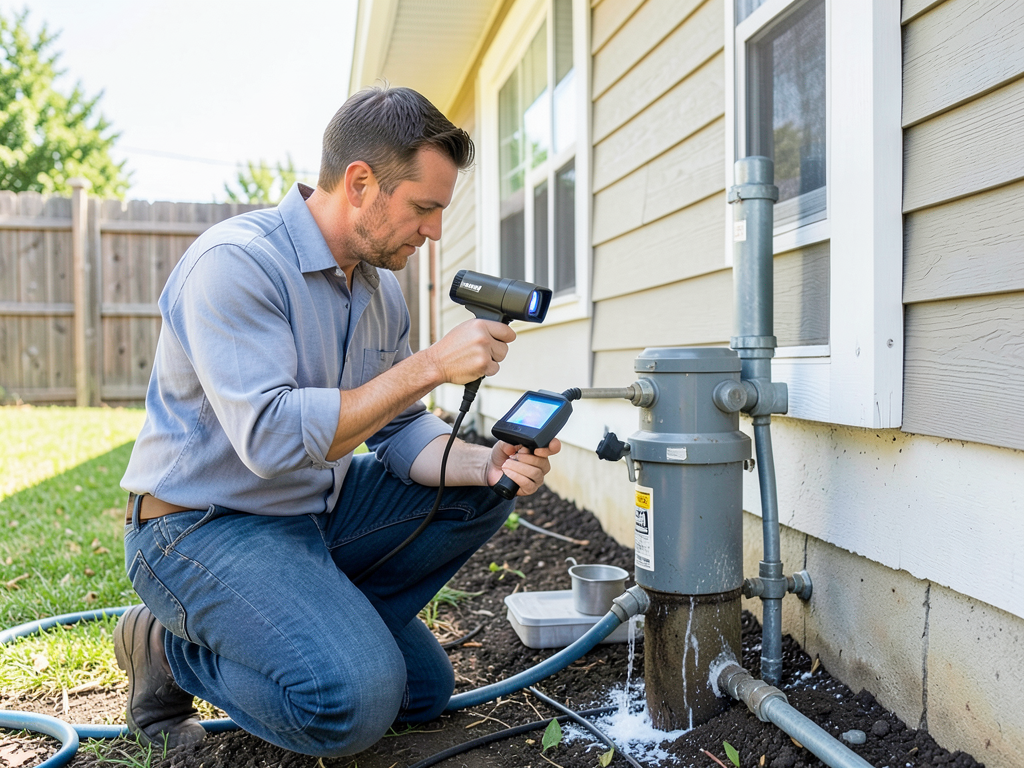
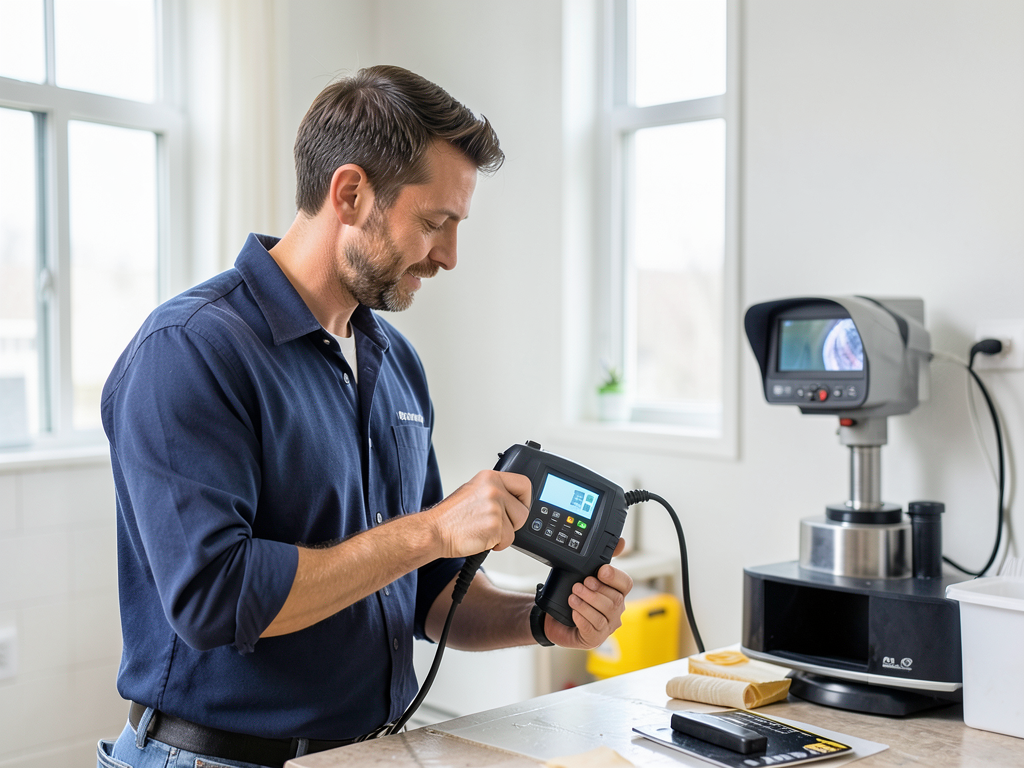
After extraction, we conduct moisture mapping using thermal imaging cameras and penetrating moisture meters. We measure moisture content in walls, floors, and ceilings to determine restoration scope. Category 2 and Category 3 classifications require photographic documentation of contamination sources, affected materials, and moisture readings. We create a floor plan showing water migration patterns and mark demolition boundaries. This documentation package goes to your insurance company within 24 hours and serves as the basis for your claim approval.

Category-Specific Restoration Outcomes

Category 1 water damage typically resolves in three to five days with successful drying. Most materials survive without replacement. Category 2 water damage requires antimicrobial treatment and selective demolition, extending timelines to one to two weeks. Category 3 water damage involves complete removal of contaminated porous materials, antimicrobial treatment of structural elements, and reconstruction. These projects take two to four weeks depending on the affected area size. We provide daily updates on moisture readings and drying progress regardless of category classification.

Post-Restoration Verification and Air Quality Testing

After completing restoration work, we conduct final moisture readings to confirm materials have dried to acceptable levels. Category 2 and Category 3 projects include air quality testing to verify antimicrobial treatments eliminated bacterial and fungal contamination. We provide a certificate of completion documenting final moisture levels and confirming your property meets IICRC standards for safe occupancy. This documentation protects your property value and provides proof of professional restoration if you sell your Sacramento home or commercial building in the future.

Frequently Asked Questions

You Have Questions,
We Have Answers

What are the 5 types of water? +

In water damage restoration, there are three main types of water that matter for your Sacramento property: Category 1 (clean water from supply lines or rainwater), Category 2 (gray water from appliances like dishwashers or washing machines), and Category 3 (black water from sewage or flooding). Some sources list five by adding variations like distilled or mineral water, but those are drinking water classifications. For restoration purposes, focus on these three contamination categories. Each requires different safety protocols and cleanup methods. Sacramento's American River flooding and aging infrastructure mean you need fast category identification to prevent health risks.

What is category 1, 2, and 3 water? +

Category 1 water is clean and poses no immediate health risk. It comes from broken supply lines, sink overflows, or rainwater. Category 2 water (gray water) contains contaminants like detergent, food particles, or urine. Sources include washing machines, dishwashers, or toilet bowls without feces. Category 3 water (black water) is highly contaminated and dangerous. It comes from sewage backups, river flooding, or Category 2 water left untreated for 48 hours. In Sacramento, heavy winter rains and older sewer systems make Category 3 incidents common. Each category requires escalating safety equipment and disposal methods to protect your family.

What are the 7 forms of water? +

The seven forms of water refer to physical states and naturally occurring types: solid (ice), liquid, gas (water vapor), groundwater, surface water, atmospheric water, and soil moisture. This classification relates to hydrology and earth science, not water damage restoration. For property damage in Sacramento, you need to understand contamination categories (1, 2, and 3) and damage classes (1 through 4) instead. These determine cleanup protocols and drying timelines. Sacramento sits at the confluence of two rivers, making groundwater intrusion and surface flooding real concerns for basements and crawl spaces. Focus on contamination levels when assessing damage to your home.

What are the three categories of water? +

The three categories of water in restoration are based on contamination levels. Category 1 is clean water from sanitary sources like supply lines or rain. Category 2 is gray water with chemical or biological contaminants from appliances or fixtures. Category 3 is black water containing sewage, bacteria, or floodwater from rivers. These categories determine safety protocols, required protective equipment, and disposal methods. In Sacramento, winter storms and American River flooding create Category 3 situations that require professional extraction and remediation. Category 2 water becomes Category 3 after 48 hours, so speed matters. Never treat black water damage yourself.

What are the 8 types of water? +

Eight types of water typically refers to drinking water varieties like tap, mineral, spring, distilled, sparkling, alkaline, purified, and well water. This classification does not apply to water damage restoration. For Sacramento property owners facing water intrusion, you need to understand the three contamination categories (clean, gray, and black water) and four damage classes based on evaporation rates and affected materials. Sacramento's Delta climate brings high humidity that slows drying and promotes mold growth. Focus on contamination level and material saturation rather than drinking water classifications. Professional assessment identifies the correct category and class for effective restoration planning.

What are the four classes of water? +

The four classes of water damage describe evaporation rates and affected materials, not contamination. Class 1 affects minimal materials with slow evaporation rates (small area, low-porosity surfaces). Class 2 involves fast evaporation affecting carpet and cushions. Class 3 is the fastest evaporation rate, with water coming from overhead affecting walls, insulation, and ceilings. Class 4 involves specialty drying for hardwood, plaster, or concrete requiring low-humidity drying. Sacramento's older homes often experience Class 3 and 4 damage from roof leaks or plumbing failures in walls. Class determination affects equipment placement, drying time, and restoration costs. Professionals use moisture meters to classify damage accurately.

What is category 4 water? +

There is no Category 4 water in professional restoration standards. The IICRC recognizes only three contamination categories: Category 1 (clean), Category 2 (gray), and Category 3 (black). You may be thinking of Class 4 water damage, which describes deeply saturated materials like hardwood floors, plaster walls, or concrete that require specialized low-humidity drying. Class 4 situations are common in Sacramento's historic homes with original plaster walls and hardwood floors. These materials need different extraction methods and longer drying times than carpet or drywall. Confusion between categories and classes is common, but both classifications matter for proper restoration planning and cost estimation.

What are the 4 categories of water use? +

The four categories of water use are domestic (household consumption), agricultural (irrigation and livestock), industrial (manufacturing and cooling), and environmental (ecosystem maintenance). This classification relates to water resource management, not property damage restoration. For Sacramento homeowners dealing with water intrusion, focus instead on contamination categories (clean, gray, and black water) that determine cleanup safety protocols. Sacramento's position in California's water system means municipal supply is reliable, but aging infrastructure causes supply line breaks. Understanding contamination categories helps you respond appropriately to leaks, floods, or sewage backups. Resource management classifications do not affect restoration decisions or insurance claims.

What are the classification of waters? +

Water classification in restoration uses two systems. Contamination categories (1, 2, and 3) identify health risks based on source and contents. Damage classes (1 through 4) describe evaporation rates and affected materials. Category 1 is clean water, Category 2 contains contaminants, and Category 3 is grossly contaminated. Classes range from minimal absorption (Class 1) to deep saturation requiring specialty drying (Class 4). Sacramento properties face both systems regularly due to winter flooding, aging plumbing, and Delta humidity. Proper classification determines equipment needs, safety protocols, drying time, and costs. Professionals assess both systems during initial inspection to create effective restoration plans.

What are the 10 types of water? +

Ten types of water usually refers to drinking water varieties (tap, spring, mineral, distilled, sparkling, alkaline, purified, well, artesian, and glacial). This classification is irrelevant to water damage restoration in Sacramento. Property owners need to understand three contamination categories: clean water from supply lines, gray water from appliances, and black water from sewage or flooding. Sacramento's location at the American and Sacramento River confluence makes flooding a persistent risk. Focus on contamination level and source when water enters your property. Professional restoration companies assess category and class to determine proper extraction methods, drying protocols, and safety equipment needed to restore your home safely.

How Sacramento's Agricultural Runoff and River Systems Complicate Water Contamination Levels

Sacramento sits at the confluence of the Sacramento River and American River, surrounded by agricultural land in the Central Valley. When heavy rains hit in winter, groundwater rises and carries agricultural chemicals, fertilizers, and soil bacteria into property foundations. This contamination immediately elevates water damage from Category 1 to Category 2 or Category 3, even if the water source appears clean. Properties in Pocket, Greenhaven, and Natomas face the highest risk due to low elevation and proximity to levee systems. Understanding these regional contamination sources changes how we classify water damage and determines which materials require demolition versus drying.

Fortress Water Damage Restoration Sacramento maintains relationships with local environmental testing labs and insurance adjusters who understand these regional contamination patterns. When we classify water damage in Sacramento properties, we factor in seasonal groundwater contamination, agricultural runoff exposure, and flood risk from our river systems. This local expertise ensures accurate category classification and appropriate restoration protocols. Generic restoration companies from outside Sacramento often misclassify water categories because they do not understand how Central Valley agriculture and regional hydrology affect water quality. Choosing local expertise protects your health and prevents future liability.
Water Damage Restoration Services in The Sacramento Area

Fortress Water Damage Restoration proudly serves the greater Sacramento area, including all surrounding neighborhoods and communities. We are committed to providing fast and reliable service wherever you are. To get an idea of our service area or to visit our office, please use the interactive map below. Our team is ready to respond to your needs, so don't hesitate to reach out for immediate assistance or to schedule a consultation.

Address:
Fortress Water Damage Restoration Sacramento, 2109 Del Paso Blvd, Sacramento, CA, 95815

Additional Services We Offer

Our news updates

Latest Articles & News from The Blogs

Why a Leaky Pool Pump Can Damage Your Home Foundation in the Sacramento Heat Pool equipment leaks in Sacramento homes…

Why a Leaky Pool Pump Can Damage Your Home Foundation in the Sacramento Heat

Why a Leaky Pool Pump Can Damage Your Home Foundation in the Sacramento Heat Pool equipment leaks in Sacramento homes…

Your Rights and Next Steps When a Neighbor Overflows Their Sink in a Sacramento High Rise

Your Rights and Next Steps When a Neighbor Overflows Their Sink in a Sacramento High Rise When a neighbor's sink…

Protecting Your Finished Basement in Old North Sacramento from Rising Ground Water

Protecting Your Finished Basement in Old North Sacramento from Rising Ground Water Your finished basement in Old North Sacramento sits…

Contact Us

Do not guess about water contamination levels in your Sacramento property. Call Fortress Water Damage Restoration Sacramento at (916) 222-9262 for immediate category assessment and certified restoration. We respond 24/7 and provide documentation your insurance company requires for claim approval.