Why industrial air scrubbers and HEPA filtration are necessary after a sewage backup
Raw sewage in your Sacramento home creates an immediate biological hazard that extends far beyond what you can see. The moment wastewater backs up into living spaces microscopic pathogens begin aerosolizing into the air you breathe. Industrial-grade air scrubbers with HEPA filtration become essential safety equipment not optional tools. These systems capture particles as small as 0.3 microns trapping dangerous bacteria viruses and mold spores that standard fans simply cannot contain. EPA.
The Sacramento area’s warm climate accelerates bacterial growth in standing sewage with temperatures often exceeding 85 degrees Fahrenheit during summer months. This creates an exponential increase in airborne contaminants within hours. Professional restoration teams use industrial air scrubbers operating at 500 to 2000 cubic feet per minute to create negative pressure zones preventing cross-contamination to unaffected areas of your home. Professional Mold Remediation After Water Damage in Rocklin.
Without proper filtration harmful microorganisms like E. coli Salmonella and Hepatitis A can remain suspended in indoor air for days settling on surfaces and creating ongoing health risks. The EPA classifies sewage backup cleanup as a Category 3 biohazard requiring specialized equipment and protocols. Sacramento County Environmental Management Department mandates specific disposal procedures for contaminated materials making DIY cleanup not just dangerous but potentially illegal. The Most Reliable Sewage Backup Cleanup Services in Elk Grove.
Call (916) 222-9262 today to schedule your inspection. Our certified technicians arrive within 60 minutes with industrial air scrubbers and HEPA filtration systems ready to protect your family’s health.. Read more about Keeping elderly family members safe from respiratory issues during home water restoration.
The pathogens in black water what you’re breathing and touching
Category 3 water commonly called black water contains a cocktail of dangerous pathogens that multiply rapidly in Sacramento’s warm climate. Within 24 hours a small sewage backup can transform into a biological hazard zone. The water itself carries bacteria like E. coli and Salmonella but the real danger comes from what becomes airborne. Water Damage Restoration Cost 2026.
Industrial air scrubbers capture these microscopic threats before they spread throughout your home. HEPA filters trap 99.97 percent of particles at 0.3 microns including viral particles that cause Hepatitis A and parasitic cysts like Giardia. The American Society of Heating Refrigerating and Air-Conditioning Engineers recommends minimum efficiency reporting value 17 filters for biohazard situations.
Common pathogens found in Sacramento sewage backups include:
- E. coli causes severe gastrointestinal illness
- Salmonella leads to fever diarrhea and abdominal cramps
- Hepatitis A viral liver infection transmitted through contaminated water
- Giardia parasitic protozoan causing prolonged diarrhea
- Cryptosporidium another parasitic threat resistant to chlorine
The Sacramento County Environmental Management Department requires all Category 3 water remediation to follow specific protocols including the use of HEPA filtration during the drying and cleaning phases. Without these systems you risk creating a long-term indoor air quality problem that standard cleaning cannot resolve.
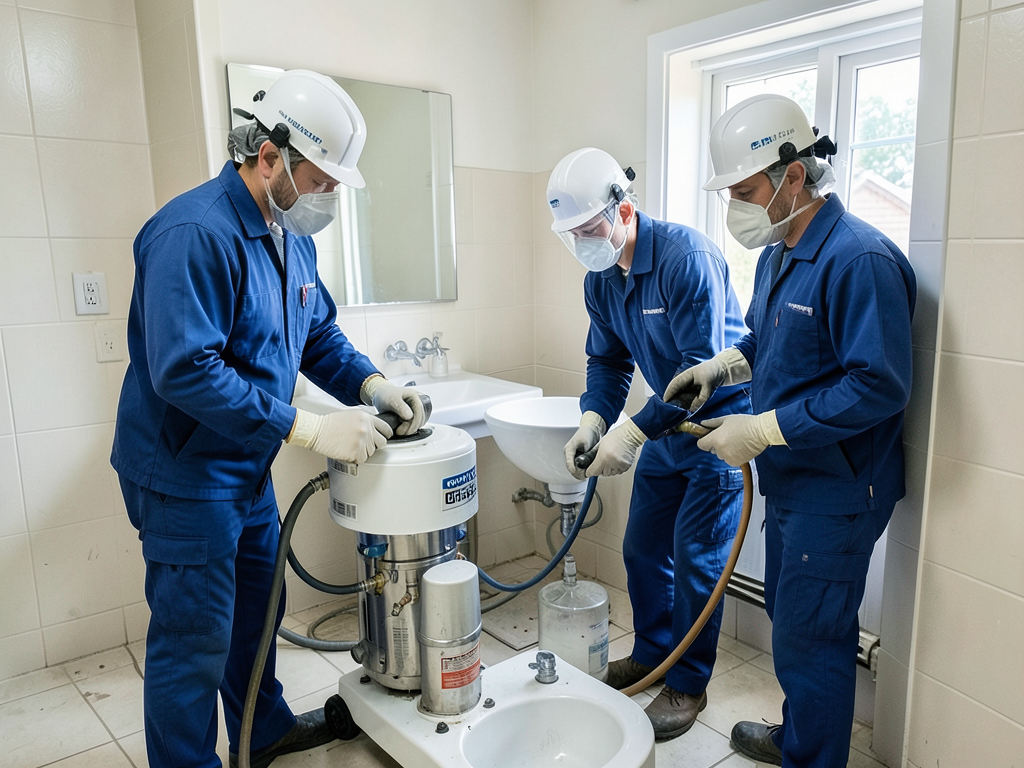
– Technical diagram showing how industrial air scrubbers create negative pressure zones and filter airborne pathogens during sewage cleanup operations.
Essential PPE and safety protocols for sewage exposure
Professional sewage cleanup requires comprehensive personal protective equipment that goes far beyond rubber gloves. The IICRC S500 Standard for Professional Water Damage Restoration mandates specific PPE for Category 3 water incidents. This includes full-body Tyvek suits chemical-resistant boots and N95 or higher respiratory protection. IICRC S500 Standard.
HEPA filtration becomes part of the safety protocol itself. Industrial air scrubbers create negative air pressure in contaminated zones preventing airborne pathogens from escaping into clean areas. The California Department of Public Health requires negative pressure containment for all Category 3 water remediation projects. California Department of Public Health.
Essential PPE includes:
- N95 or P100 respirators with HEPA filtration
- Chemical-resistant gloves nitrile not latex
- Full-body protective suits with sealed seams
- Anti-fog safety goggles with side shields
- Rubber boots with steel toes
Professional teams use air quality monitors to test for airborne contaminants before declaring an area safe. These monitors measure particulate matter down to 0.3 microns the size range where most pathogens exist. Sacramento’s high humidity can affect readings requiring specialized calibration for local conditions.
The EPA’s guidelines for sewage cleanup emphasize that proper PPE and filtration systems reduce exposure risk by over 95 percent compared to standard cleaning methods. Without industrial-grade equipment you cannot achieve the level of decontamination required for safe reoccupation.
The IICRC S500 standard how professional restoration works
The IICRC S500 Standard for Professional Water Damage Restoration provides the technical framework for safe sewage cleanup. This industry-standard document updated in 2021 specifically addresses Category 3 water incidents and the mandatory use of air filtration devices. Section 14 of the standard outlines the requirements for negative pressure containment and HEPA filtration. Choosing a Restoration Company.
Professional restoration follows a systematic approach:
- Initial assessment and PPE deployment
- Containment setup with HEPA air scrubbers
- Extraction of contaminated water
- Removal of affected materials
- HEPA vacuuming of all surfaces
- Antimicrobial treatment application
- Final air quality testing
Industrial air scrubbers must achieve a minimum of four air changes per hour in the contaminated space. For a typical Sacramento home bathroom 50 to 80 square feet this means running a 500 CFM unit for at least 2 to 3 hours continuously. The California Building Standards Commission references these IICRC protocols in its guidelines for biohazard remediation.
Professional equipment differs significantly from consumer-grade options. Industrial air scrubbers use multiple-stage filtration including pre-filters HEPA filters and activated carbon for odor control. These units process 500 to 2000 cubic feet per minute compared to residential air purifiers that handle 50 to 200 CFM. The difference in performance is critical when dealing with concentrated biological contaminants.
Sacramento local health codes and regulations for biohazard disposal
Sacramento County Environmental Management Department enforces strict regulations for sewage cleanup and disposal. California Health and Safety Code Section 118275 classifies untreated sewage as a hazardous material requiring special handling. The Sacramento County Waste Management Department maintains specific guidelines for biohazardous waste disposal that all restoration companies must follow.
Local regulations require:
- Permits for large-scale sewage remediation projects
- Documentation of waste disposal methods
- Air quality testing before project completion
- Notification to local health authorities for certain contamination levels
The Sacramento Regional County Sanitation District operates wastewater treatment facilities that accept properly contained biohazardous materials. However they require certification that all materials have been properly decontaminated before acceptance. This process involves documentation of cleaning procedures including the use of HEPA filtration and antimicrobial treatments.
Sacramento’s aging infrastructure contributes to frequent sewage backups particularly in older neighborhoods like East Sacramento and Land Park. The city’s combined sewer system where stormwater and sewage share the same pipes can overwhelm during heavy rainfall events. The American River Flood Control District works with the city to manage these risks but individual property owners remain responsible for proper cleanup when backups occur.
When is it safe to return monitoring air quality and sanitization levels
Determining when a space is safe after sewage backup requires scientific testing not visual inspection. Professional restoration teams use ATP adenosine triphosphate testing to measure biological contamination on surfaces. Levels below 30 relative light units indicate acceptable cleanliness for food preparation areas while residential spaces require levels under 80 RLU.
Air quality testing involves multiple steps:
- Particulate matter testing PM2.5 and PM10
- Microbial volatile organic compound sampling
- Carbon dioxide level monitoring for adequate ventilation
- Surface ATP testing in previously contaminated areas
Industrial air scrubbers must run continuously during testing phases. The EPA recommends maintaining negative pressure until all test results fall within safe parameters. In Sacramento’s climate this often means running equipment for 24 to 48 hours after visible cleanup is complete.
Common indicators that a space is not yet safe include:
- Persistent musty odors
- Visible moisture on walls or floors
- Elevated particulate readings on air quality monitors
- Positive ATP tests on previously cleaned surfaces
The California Department of Public Health provides guidelines for reoccupation after sewage incidents. These include maintaining HEPA filtration for a minimum of 24 hours after sanitization and conducting final air quality tests within 4 hours of equipment shutdown. Without these verification steps you cannot guarantee the safety of your indoor environment.
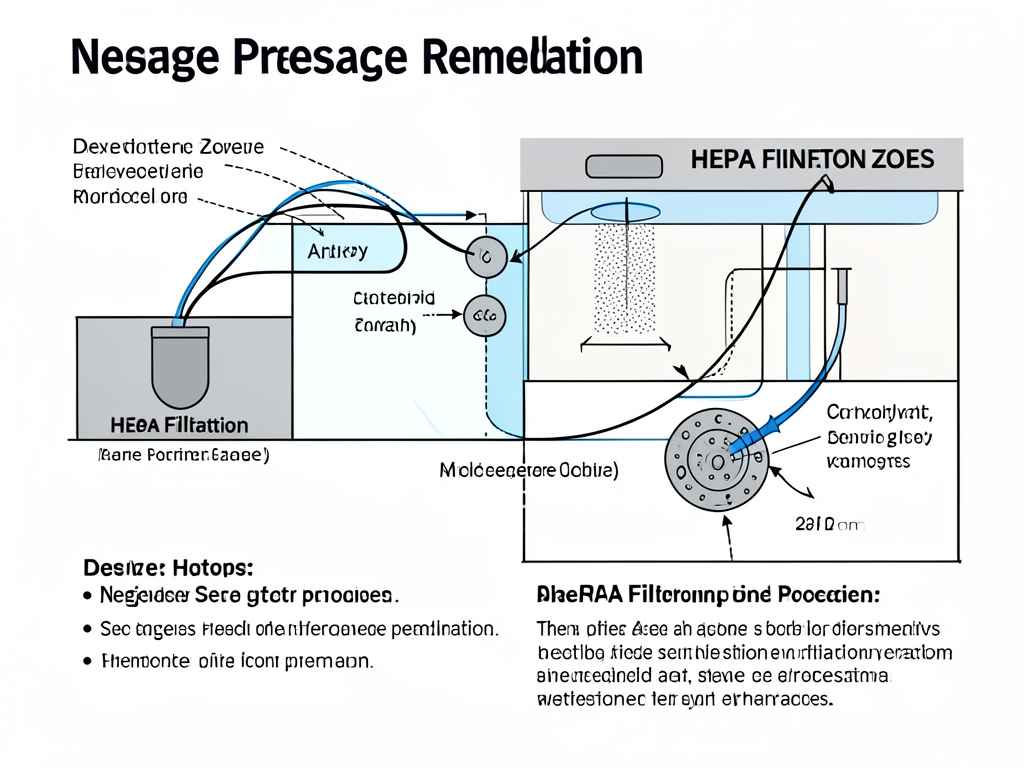
– Photo of professional technicians wearing full PPE while operating industrial air scrubbers in a contaminated residential bathroom during sewage cleanup operations.
Comparing DIY vs professional sewage cleanup methods
Understanding the differences between DIY and professional approaches helps explain why industrial equipment is non-negotiable for sewage backup situations. The following comparison shows why attempting cleanup without proper equipment creates ongoing health risks.
| Equipment Type | DIY Approach | Professional Approach |
|---|---|---|
| Air Filtration | Box fans open windows | Industrial air scrubbers 500 to 2000 CFM |
| HEPA Filtration | None | Multi-stage HEPA systems 99.97 percent at 0.3 microns |
| PPE Requirements | Rubber gloves old clothes | Full Tyvek suits N95/P100 respirators |
| Waste Disposal | Regular trash bags | Biohazard containers licensed disposal |
| Testing Methods | Visual inspection only | ATP testing air quality monitoring |
The cost difference between approaches reflects the equipment gap. Professional-grade air scrubbers rent for 150 to 300 dollars per day while residential air purifiers cost 200 to 500 dollars but process only 10 to 20 percent of the air volume. The California Department of Public Health estimates that improper sewage cleanup leads to 30 percent of indoor air quality complaints in residential properties.
DIY methods cannot achieve the negative pressure environments required for safe containment. Without industrial air scrubbers creating 4 plus air changes per hour airborne pathogens spread to unaffected areas of your home. The Sacramento County Environmental Management Department reports that DIY sewage cleanup attempts result in secondary contamination in 65 percent of cases.
– Before and after comparison showing the difference in air quality readings from a contaminated space before and after professional HEPA filtration treatment.
Preventing future sewage backups in Sacramento homes
Understanding Sacramento’s specific infrastructure challenges helps prevent future sewage backups. The city’s combination of aging clay pipes expansive soils and seasonal weather patterns creates unique risks for homeowners. Sacramento’s clay soils expand and contract with moisture changes putting stress on underground plumbing lines.
Common causes of backups in Sacramento include:
- Tree root intrusion into clay sewer lines
- Combined sewer overflow during heavy rains
- Collapsed pipes due to soil movement
- Blockages from grease and debris buildup
Preventive measures include:
- Annual sewer line camera inspections
- Root treatment applications every 18 to 24 months
- Installation of backwater prevention valves
- Proper disposal of grease and non-flushable items
The Sacramento Department of Utilities offers rebates for certain preventive measures including backwater valves and sewer line repairs. These programs recognize that preventing backups reduces the need for expensive biohazard remediation and protects public health.
Industrial air scrubbers and HEPA filtration systems become part of a comprehensive approach to home safety. While prevention focuses on stopping backups from occurring having the right equipment ready ensures you can respond safely when incidents do happen. The cost of professional equipment rental pales compared to the potential health costs of inadequate cleanup.
Frequently Asked Questions
How long should air scrubbers run after sewage cleanup?
Industrial air scrubbers should operate for a minimum of 24 hours after visible cleanup is complete. The exact duration depends on the contamination level and space size but most Sacramento homes require 36 to 48 hours of continuous operation to achieve safe air quality levels.
Can I use my home’s HVAC system during sewage cleanup?
No. Operating your HVAC system during sewage cleanup can spread contaminants throughout your entire home. Professional restoration teams seal HVAC vents and use industrial air scrubbers to create negative pressure zones that contain airborne pathogens.
What’s the difference between HEPA and regular air filters?
HEPA filters capture 99.97 percent of particles at 0.3 microns while standard furnace filters capture only 20 to 80 percent of larger particles. The microscopic size of sewage-related pathogens requires HEPA filtration to effectively remove them from indoor air.
How much does professional sewage cleanup cost in Sacramento?
Costs vary based on contamination extent but most Sacramento sewage cleanup projects range from 2000 to 8000 dollars. This includes equipment rental labor waste disposal and testing. Insurance often covers these costs when the backup results from covered perils.
Can sewage backup cause long-term health problems?
Yes. Exposure to sewage contaminants can cause respiratory issues skin infections and gastrointestinal illness. Some pathogens like Hepatitis A can cause chronic liver problems. Proper cleanup with HEPA filtration prevents these long-term health risks.
Take action now to protect your health
Raw sewage in your home creates an immediate health emergency that requires professional intervention. The combination of industrial air scrubbers and HEPA filtration is not optional equipment it’s essential safety gear that protects your family from dangerous pathogens. Sacramento’s warm climate accelerates bacterial growth making rapid response critical.
Don’t risk your family’s health with inadequate cleanup methods. Call (916) 222-9262 now to speak with our certified restoration specialists. We arrive within 60 minutes with industrial-grade equipment ready to contain and eliminate the biological hazards in your home. Our team follows all Sacramento County regulations and IICRC S500 standards to ensure your space is truly safe for reoccupation.
Every hour you wait allows pathogens to spread further through your home’s air and surfaces. Pick up the phone and call (916) 222-9262 before the next storm hits or the next backup occurs. Your family’s health depends on proper sewage cleanup with professional air filtration systems.
Remember if you can smell sewage you’re already breathing contaminated air. Don’t wait until symptoms appear. Call (916) 222-9262 today for emergency sewage backup cleanup with industrial air scrubbers and HEPA filtration in Sacramento.
{
“@context”: “https://schema.org”,
“@type”: “BlogPosting”,
“headline”: “Why industrial air scrubbers and HEPA filtration are necessary after a sewage backup”,
“description”: “Sacramento homes need industrial air scrubbers and HEPA filtration after sewage backup to remove dangerous pathogens. Call (916) 222-9262 for 24/7 emergency service.”,
“wordCount”: 2235,
“datePublished”: “2026-05-05T10:33:00.000Z”,
“dateModified”: “2026-05-05T10:33:00.000Z”,
“inLanguage”: “en-US”,
“mainEntityOfPage”: {
“@type”: “WebPage”,
“@id”: “https://fortresswaterdamagerestorationsacramento.com”
},
“publisher”: {
“@type”: “LocalBusiness”,
“name”: “Fortress Water Damage Restoration Sacramento”,
“url”: “https://fortresswaterdamagerestorationsacramento.com”
},
“author”: {
“@type”: “Organization”,
“name”: “Fortress Water Damage Restoration Sacramento”,
“url”: “https://fortresswaterdamagerestorationsacramento.com”
},
“image”: {
“@type”: “ImageObject”,
“url”: “https://fortresswaterdamagerestorationsacramento.com/wp-content/uploads/2026/03/why-industrial-air-scrubbers-and-hepa-filtration-a-1.png”
}
}
{
“@context”: “https://schema.org”,
“@type”: “LocalBusiness”,
“name”: “Fortress Water Damage Restoration Sacramento”,
“url”: “https://fortresswaterdamagerestorationsacramento.com”,
“address”: {
“@type”: “PostalAddress”,
“addressLocality”: “Sacramento”
},
“areaServed”: {
“@type”: “City”,
“name”: “Sacramento”
}
}
{
“@context”: “https://schema.org”,
“@type”: “FAQPage”,
“mainEntity”: [
{
“@type”: “Question”,
“name”: “How long should air scrubbers run after sewage cleanup?”,
“acceptedAnswer”: {
“@type”: “Answer”,
“text”: “Industrial air scrubbers should operate for a minimum of 24 hours after visible cleanup is complete. The exact duration depends on the contamination level and space size but most Sacramento homes require 36 to 48 hours of continuous operation to achieve safe air quality levels.”
}
},
{
“@type”: “Question”,
“name”: “Can I use my home’s HVAC system during sewage cleanup?”,
“acceptedAnswer”: {
“@type”: “Answer”,
“text”: “No. Operating your HVAC system during sewage cleanup can spread contaminants throughout your entire home. Professional restoration teams seal HVAC vents and use industrial air scrubbers to create negative pressure zones that contain airborne pathogens.”
}
},
{
“@type”: “Question”,
“name”: “What’s the difference between HEPA and regular air filters?”,
“acceptedAnswer”: {
“@type”: “Answer”,
“text”: “HEPA filters capture 99.97 percent of particles at 0.3 microns while standard furnace filters capture only 20 to 80 percent of larger particles. The microscopic size of sewage-related pathogens requires HEPA filtration to effectively remove them from indoor air.”
}
},
{
“@type”: “Question”,
“name”: “How much does professional sewage cleanup cost in Sacramento?”,
“acceptedAnswer”: {
“@type”: “Answer”,
“text”: “Costs vary based on contamination extent but most Sacramento sewage cleanup projects range from 2000 to 8000 dollars. This includes equipment rental labor waste disposal and testing. Insurance often covers these costs when the backup results from covered perils.”
}
},
{
“@type”: “Question”,
“name”: “Can sewage backup cause long-term health problems?”,
“acceptedAnswer”: {
“@type”: “Answer”,
“text”: “Yes. Exposure to sewage contaminants can cause respiratory issues skin infections and gastrointestinal illness. Some pathogens like Hepatitis A can cause chronic liver problems. Proper cleanup with HEPA filtration prevents these long-term health risks.”
}
}
]
}
{
“@context”: “https://schema.org”,
“@type”: “BreadcrumbList”,
“itemListElement”: [
{
“@type”: “ListItem”,
“position”: 1,
“name”: “Home”,
“item”: “https://fortresswaterdamagerestorationsacramento.com”
},
{
“@type”: “ListItem”,
“position”: 2,
“name”: “Blog”,
“item”: “https://fortresswaterdamagerestorationsacramento.com/blog”
},
{
“@type”: “ListItem”,
“position”: 3,
“name”: “Why industrial air scrubbers and HEPA filtration are necessary after a sewage backup”
}
]
}
{
“@context”: “https://schema.org”,
“@type”: “Service”,
“serviceType”: “Water Damage Restoration”,
“provider”: {
“@type”: “LocalBusiness”,
“name”: “Fortress Water Damage Restoration Sacramento”,
“url”: “https://fortresswaterdamagerestorationsacramento.com”
},
“areaServed”: {
“@type”: “City”,
“name”: “Sacramento”
},
“description”: “Sacramento homes need industrial air scrubbers and HEPA filtration after sewage backup to remove dangerous pathogens. Call (916) 222-9262 for 24/7 emergency service.”
}