
How to document water damage so you don’t lose your security deposit in a Midtown apartment
When water starts dripping through your ceiling or pooling under your kitchen sink in your Midtown apartment, panic sets in fast. You’re worried about your security deposit, your personal belongings, and whether your landlord will actually fix the problem. Here’s the bottom line: proper documentation can mean the difference between getting your full deposit back and losing hundreds of dollars to damage you didn’t cause. Water Damage Restoration Cost 2026.
In Sacramento’s older Midtown buildings, built primarily in the 1920s through 1940s, water damage happens frequently due to aging galvanized pipes, deteriorating roof membranes, and poor drainage systems. These historic structures have charm but come with hidden vulnerabilities that modern buildings don’t face. Sacramento Code Enforcement.
California law is actually on your side. Under California Civil Code Section 1941.1, landlords must maintain rental properties in a condition fit for human habitation, which includes effective waterproofing and weather protection. But winning that legal battle requires evidence, and that’s where documentation becomes your strongest weapon. California Civil Code Section 1942.
Why Midtown apartments are especially vulnerable to water damage
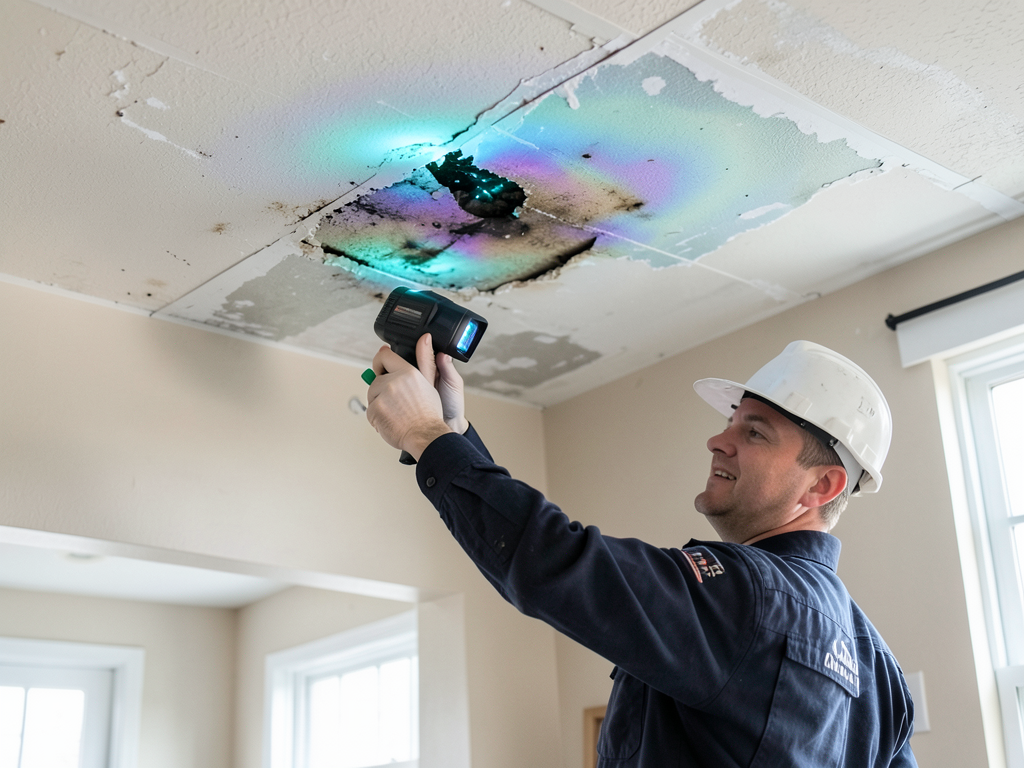
Diagram showing common water entry points in 1920s-1940s Sacramento apartment buildings, including roof valleys, parapet walls, and window flashing failures.
Midtown Sacramento’s architectural character creates specific water damage risks. The area’s historic apartment buildings feature flat roofs with minimal slope, parapet walls that trap water, and clay tile roofing that becomes brittle with age. When Sacramento experiences its typical winter atmospheric river events, these design elements become failure points.
The soil composition in Midtown adds another layer of complexity. Sacramento’s valley floor sits on alluvial deposits that shift seasonally, causing foundation movement that cracks pipes and creates gaps in building envelopes. During wet winters, the ground expands; during hot summers, it contracts. This constant movement stresses plumbing connections and creates new leak pathways every year.
Local building codes in Sacramento County require landlords to maintain properties against these specific risks, but enforcement depends on tenants knowing their rights and having proper documentation when problems occur.
Step-by-step documentation process that protects you
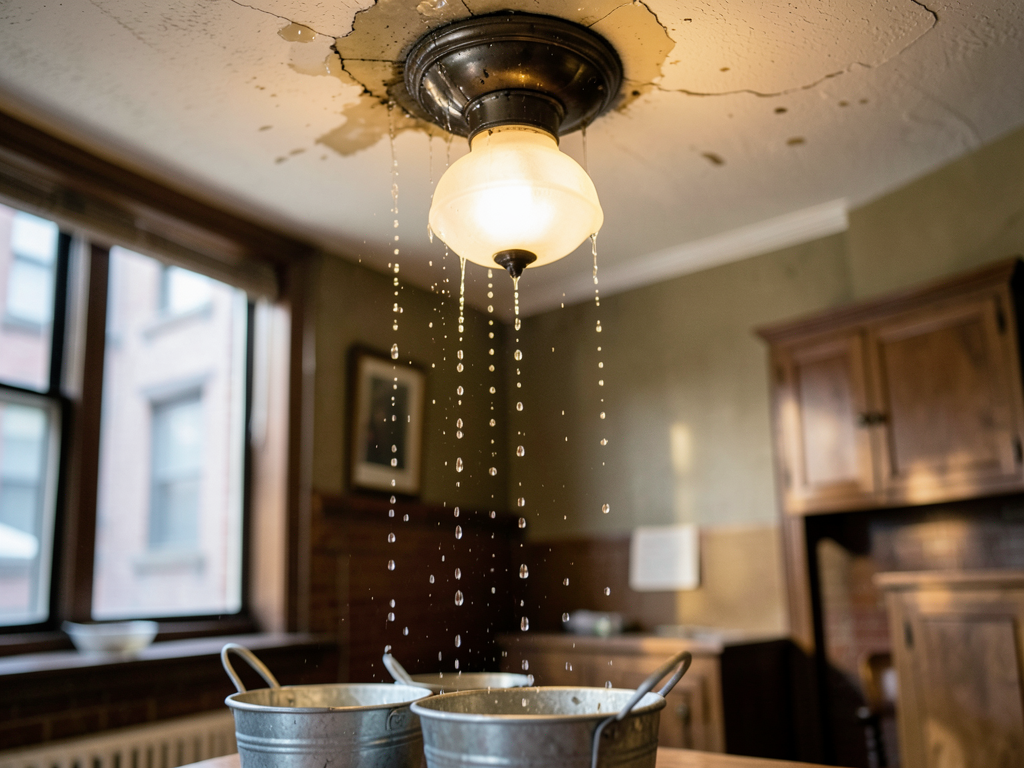
Photo showing a tenant using a moisture meter on drywall while recording video, demonstrating proper documentation technique.
Documentation starts the moment you notice water where it shouldn’t be. Don’t wait, don’t clean it up, and don’t assume your landlord will handle everything. Here’s exactly what to do:
- Immediate visual documentation
Take clear, well-lit photos of all visible water damage within the first 30 minutes. Include wide shots showing the full extent of damage and close-ups of specific problem areas. Use your phone’s timestamp feature or enable date stamps on photos.
- Video walkthrough
Record a 2-3 minute video walking through the affected area. Narrate what you’re seeing, point out water sources, and show any personal belongings that might be damaged. Keep the video steady and well-lit.
- Moisture readings
If you have access to a moisture meter, take readings on walls, floors, and ceilings near the damage. Document the readings with photos showing the meter display. This proves the extent of water intrusion beyond what’s visible.
- Time and date verification
Include a newspaper, calendar, or your phone displaying the current date and time in at least one photo. This prevents any dispute about when the damage occurred.
- Surrounding context
Take photos showing the apartment’s general condition, focusing on areas that prove the building’s age and potential vulnerabilities. Document any visible cracks, stains, or previous repairs that might indicate ongoing issues.
What to include in your written damage report
Your written report serves as the official record of the incident. Here’s what Sacramento tenants need to include to create an ironclad document:
| Document Element | Why It Matters | Example Content |
|---|---|---|
| Incident description | Establishes what happened and when | “Water began leaking from ceiling in living room at approximately 2:30 PM on March 15, 2026, starting as a slow drip and increasing to steady flow within 15 minutes.” |
| Affected areas | Defines the scope of damage | “Living room ceiling (12×15 ft), north wall drywall, hardwood floor in 8×10 ft area, and personal property including sofa and electronics.” |
| Weather conditions | Connects damage to external factors | “Heavy rain began at 1:00 PM, with 0.5 inches of precipitation recorded at Sacramento Executive Airport by 3:00 PM.” |
| Previous issues | Shows pattern of neglect | “Similar leak occurred in same location on January 10, 2026, reported to landlord but not repaired.” |
| Immediate actions taken | Shows reasonable tenant behavior | “Moved furniture away from leak, placed buckets to catch water, contacted landlord at 2:45 PM via text message.” |
California tenant rights for water damage repairs
California Civil Code Section 1941.1 establishes the “implied warranty of habitability” that protects Sacramento tenants. This means your landlord must maintain the property in a condition that includes effective waterproofing and weather protection systems.
For water damage specifically, landlords must repair within reasonable timeframes. Emergency repairs like active leaks that threaten property or create safety hazards should begin within 24-48 hours. Non-emergency repairs have up to 30 days, but this timeline shortens if the damage creates mold growth risks or structural concerns.
The law also protects you from retaliation. If you document damage and request repairs, your landlord cannot legally raise your rent, decrease services, or evict you in response. This protection only applies if you’ve followed proper notification procedures and haven’t withheld rent without following legal protocols.
Who pays for what: Understanding liability
Determining financial responsibility for water damage in Sacramento rentals depends on the source and cause of the problem. Here’s how liability typically breaks down:
| Damage Source | Landlord Responsibility | Tenant Responsibility |
|---|---|---|
| Pipe bursts from aging infrastructure | 100% – repairs and restoration | Personal property damage (unless covered by renters insurance) |
| Roof leaks from deteriorated materials | 100% – structural repairs | Damaged personal belongings |
| Appliance malfunction (provided by landlord) | 100% – repairs and cleanup | None |
| Overflowed bathtub or sink | Damage to building structure | Full responsibility for all damage |
| Neglected maintenance (tenant-caused) | None | 100% of all repair costs |
The key distinction: landlords are responsible for maintaining the building’s infrastructure, while tenants are responsible for their own actions and personal property. Renters insurance typically covers your personal belongings regardless of fault, making it essential coverage for Sacramento renters.
Professional restoration standards tenants should expect
When your landlord hires a restoration company, you have the right to expect work that meets industry standards. The IICRC S500 Standard for Professional Water Damage Restoration establishes the minimum requirements for proper mitigation. Professional Mold Remediation After Water Damage in Rocklin.
Professional restoration should include moisture mapping to identify all affected areas, not just visible damage. Technicians use thermal imaging cameras and moisture meters to detect water in wall cavities, under flooring, and in ceiling spaces. This comprehensive approach prevents future mold growth and structural deterioration. Choosing a Restoration Company.
Proper drying equipment placement is critical in Sacramento’s climate. The valley’s high humidity during Delta breeze events means standard drying times increase by 24-48 hours compared to drier regions. A professional company will account for these local conditions and adjust their equipment and timeline accordingly.
Documentation from the restoration company should include daily moisture readings, equipment logs, and before/after photos. This documentation becomes part of your permanent record and can be crucial if disputes arise later about whether repairs were completed properly.
Common mistakes that cost tenants their deposits
Even with good intentions, tenants make critical errors that weaken their position when water damage occurs. Understanding these mistakes helps you avoid them:
- Cleaning up before documenting – Always photograph damage first, even if it means water continues to spread temporarily
- Making repairs yourself – Unless it’s a minor issue you caused, don’t fix anything; document and notify your landlord
- Withholding rent without legal process – This can be grounds for eviction; follow California’s formal procedures if rent withholding becomes necessary
- Throwing away damaged items – Keep everything until the claim process completes; photos aren’t always enough for insurance adjusters
- Only notifying verbally – Always follow up verbal notifications with written communication via email or certified mail
Another critical mistake is failing to understand the timeline for mold growth. In Sacramento’s climate, mold can begin growing within 24-48 hours of water exposure. If your landlord delays repairs beyond this window, you may have grounds for additional claims related to health hazards.
Local Sacramento resources for tenant rights
Several Sacramento-specific resources can help tenants navigate water damage disputes. The Sacramento Housing and Redevelopment Agency (SHRA) provides tenant counseling and can mediate disputes between renters and landlords.
Sacramento Code Enforcement handles building code violations and can inspect properties for habitability issues. You can file complaints online or by phone, and inspectors will document violations that support your case. The city’s tenant protection program offers additional safeguards for renters in older buildings.
For legal assistance, the Legal Services of Northern California provides free help to qualifying tenants dealing with habitability issues. They can review your documentation and advise on whether you have grounds for rent reduction or other remedies under California law.
Local water damage restoration companies familiar with Sacramento’s building stock can also provide valuable documentation. They understand the specific challenges of Midtown’s historic buildings and can testify about whether damage patterns indicate landlord negligence versus tenant-caused issues.
When to call a professional immediately
Some water damage situations require immediate professional intervention, regardless of landlord response. Call (916) 222-9262 today if you experience:
- Active sewage backup or contamination
- Water near electrical outlets or panels
- Structural sagging or ceiling collapse risk
- Flooding affecting multiple units
- Water that has been standing for more than 24 hours
Professional restoration companies can begin mitigation immediately while you work through landlord notification procedures. This protects your health and prevents further damage that could increase your liability.
Remember, proper documentation doesn’t just protect your security deposit—it creates a record that can be crucial if health issues arise later from mold exposure or if structural problems develop from incomplete repairs. Take the time to document thoroughly, and you’ll have the evidence needed to protect your rights as a Sacramento tenant.
Frequently Asked Questions
How long does my landlord have to fix water damage in Sacramento?
California law requires emergency repairs that threaten health or safety to begin within 24-48 hours. Non-emergency repairs have up to 30 days, but this timeline shortens if the damage creates mold growth risks or structural concerns. Sacramento’s specific climate conditions may extend drying times, but not repair initiation.
Can I withhold rent if my landlord won’t fix water damage?
Yes, but only through California’s formal “repair and deduct” process or by following specific legal procedures for rent withholding. You cannot simply stop paying rent. Document everything, provide written notice, and follow the exact steps outlined in California Civil Code Section 1942 to avoid eviction.
Does renters insurance cover water damage from plumbing leaks?
Renters insurance typically covers your personal belongings damaged by plumbing leaks, regardless of fault. However, it does not cover damage to the building structure—that remains the landlord’s responsibility. Some policies also cover temporary housing costs if your apartment becomes uninhabitable during repairs.
What if my landlord blames me for damage I didn’t cause?
Your documentation becomes crucial evidence. Time-stamped photos, videos, and professional moisture readings prove when damage occurred and its extent. If the damage resulted from building infrastructure failure rather than your actions, California law holds the landlord responsible regardless of their claims.
How can I tell if water damage is from a new leak versus an old problem?
Professional restoration companies use moisture meters to detect active water sources versus old stains. Active leaks show consistent moisture readings that increase over time, while old damage shows elevated but stable readings. Water staining patterns and the presence of active dripping also indicate new versus old damage.
Call (916) 222-9262 before the next storm hits to schedule your professional water damage assessment. Don’t let poor documentation cost you your security deposit—get the evidence you need to protect your rights as a Sacramento tenant.
{
“@context”: “https://schema.org”,
“@type”: “BlogPosting”,
“headline”: “How to document water damage so you don’t lose your security deposit in a Midtown apartment”,
“description”: “Protect your security deposit in Sacramento’s Midtown by learning how to properly document water damage with photos, videos, and official records before your landlord can deny responsibility.”,
“wordCount”: 1993,
“datePublished”: “2026-05-04T15:54:00.000Z”,
“dateModified”: “2026-05-04T15:54:00.000Z”,
“inLanguage”: “en-US”,
“mainEntityOfPage”: {
“@type”: “WebPage”,
“@id”: “https://fortresswaterdamagerestorationsacramento.com”
},
“publisher”: {
“@type”: “LocalBusiness”,
“name”: “Fortress Water Damage Restoration Sacramento”,
“url”: “https://fortresswaterdamagerestorationsacramento.com”
},
“author”: {
“@type”: “Organization”,
“name”: “Fortress Water Damage Restoration Sacramento”,
“url”: “https://fortresswaterdamagerestorationsacramento.com”
},
“image”: {
“@type”: “ImageObject”,
“url”: “https://fortresswaterdamagerestorationsacramento.com/wp-content/uploads/2026/03/how-to-document-water-damage-so-you-don-t-lose-you-1.png”
}
}
{
“@context”: “https://schema.org”,
“@type”: “LocalBusiness”,
“name”: “Fortress Water Damage Restoration Sacramento”,
“url”: “https://fortresswaterdamagerestorationsacramento.com”,
“address”: {
“@type”: “PostalAddress”,
“addressLocality”: “Sacramento”
},
“areaServed”: {
“@type”: “City”,
“name”: “Sacramento”
}
}
{
“@context”: “https://schema.org”,
“@type”: “FAQPage”,
“mainEntity”: [
{
“@type”: “Question”,
“name”: “How long does my landlord have to fix water damage in Sacramento?”,
“acceptedAnswer”: {
“@type”: “Answer”,
“text”: “California law requires emergency repairs that threaten health or safety to begin within 24-48 hours. Non-emergency repairs have up to 30 days, but this timeline shortens if the damage creates mold growth risks or structural concerns. Sacramento’s specific climate conditions may extend drying times, but not repair initiation.”
}
},
{
“@type”: “Question”,
“name”: “Can I withhold rent if my landlord won’t fix water damage?”,
“acceptedAnswer”: {
“@type”: “Answer”,
“text”: “Yes, but only through California’s formal \”repair and deduct\” process or by following specific legal procedures for rent withholding. You cannot simply stop paying rent. Document everything, provide written notice, and follow the exact steps outlined in California Civil Code Section 1942 to avoid eviction.”
}
},
{
“@type”: “Question”,
“name”: “Does renters insurance cover water damage from plumbing leaks?”,
“acceptedAnswer”: {
“@type”: “Answer”,
“text”: “Renters insurance typically covers your personal belongings damaged by plumbing leaks, regardless of fault. However, it does not cover damage to the building structure—that remains the landlord’s responsibility. Some policies also cover temporary housing costs if your apartment becomes uninhabitable during repairs.”
}
},
{
“@type”: “Question”,
“name”: “What if my landlord blames me for damage I didn’t cause?”,
“acceptedAnswer”: {
“@type”: “Answer”,
“text”: “Your documentation becomes crucial evidence. Time-stamped photos, videos, and professional moisture readings prove when damage occurred and its extent. If the damage resulted from building infrastructure failure rather than your actions, California law holds the landlord responsible regardless of their claims.”
}
},
{
“@type”: “Question”,
“name”: “How can I tell if water damage is from a new leak versus an old problem?”,
“acceptedAnswer”: {
“@type”: “Answer”,
“text”: “Professional restoration companies use moisture meters to detect active water sources versus old stains. Active leaks show consistent moisture readings that increase over time, while old damage shows elevated but stable readings. Water staining patterns and the presence of active dripping also indicate new versus old damage.”
}
}
]
}
{
“@context”: “https://schema.org”,
“@type”: “HowTo”,
“name”: “Document Water Damage”,
“step”: [
{
“@type”: “HowToStep”,
“position”: 1,
“name”: “Immediate visual documentation”,
“text”: “Take clear, well-lit photos of all visible water damage within the first 30 minutes. Include wide shots showing the full extent of damage and close-ups of specific problem areas. Use your phone’s timestamp feature or enable date stamps on photos.”
},
{
“@type”: “HowToStep”,
“position”: 2,
“name”: “Video walkthrough”,
“text”: “Record a 2-3 minute video walking through the affected area. Narrate what you’re seeing, point out water sources, and show any personal belongings that might be damaged. Keep the video steady and well-lit.”
},
{
“@type”: “HowToStep”,
“position”: 3,
“name”: “Moisture readings”,
“text”: “If you have access to a moisture meter, take readings on walls, floors, and ceilings near the damage. Document the readings with photos showing the meter display. This proves the extent of water intrusion beyond what’s visible.”
},
{
“@type”: “HowToStep”,
“position”: 4,
“name”: “Time and date verification”,
“text”: “Include a newspaper, calendar, or your phone displaying the current date and time in at least one photo. This prevents any dispute about when the damage occurred.”
},
{
“@type”: “HowToStep”,
“position”: 5,
“name”: “Surrounding context”,
“text”: “Take photos showing the apartment’s general condition, focusing on areas that prove the building’s age and potential vulnerabilities. Document any visible cracks, stains, or previous repairs that might indicate ongoing issues.”
}
],
“image”: “https://fortresswaterdamagerestorationsacramento.com/wp-content/uploads/2026/03/how-to-document-water-damage-so-you-don-t-lose-you-1.png”
}
{
“@context”: “https://schema.org”,
“@type”: “BreadcrumbList”,
“itemListElement”: [
{
“@type”: “ListItem”,
“position”: 1,
“name”: “Home”,
“item”: “https://fortresswaterdamagerestorationsacramento.com”
},
{
“@type”: “ListItem”,
“position”: 2,
“name”: “Blog”,
“item”: “https://fortresswaterdamagerestorationsacramento.com/blog”
},
{
“@type”: “ListItem”,
“position”: 3,
“name”: “How to document water damage so you don’t lose your security deposit in a Midtown apartment”
}
]
}
{
“@context”: “https://schema.org”,
“@type”: “Service”,
“serviceType”: “Water Damage Restoration”,
“provider”: {
“@type”: “LocalBusiness”,
“name”: “Fortress Water Damage Restoration Sacramento”,
“url”: “https://fortresswaterdamagerestorationsacramento.com”
},
“areaServed”: {
“@type”: “City”,
“name”: “Sacramento”
},
“description”: “Protect your security deposit in Sacramento’s Midtown by learning how to properly document water damage with photos, videos, and official records before your landlord can deny responsibility.”
}