
The hidden risks of water damage in unpermitted garage conversions in Oak Park
Water damage in unpermitted garage conversions creates unique hazards that most Oak Park homeowners never consider. When a garage becomes living space without proper permits, critical waterproofing steps get skipped. This leaves you vulnerable to structural rot, toxic mold growth, and costly foundation damage that standard homeowner’s insurance won’t cover. Water Damage Restoration Cost 2026.
The problem runs deeper than visible water stains. Unpermitted conversions often lack vapor barriers under concrete slabs, proper sill plate sealing, and adequate drainage systems. When Sacramento’s heavy winter rains hit or a pipe bursts inside these spaces, water has nowhere to go but into your walls, under your flooring, and into your foundation. Sacramento County Department of Agriculture.
Oak Park’s older homes built before 2000 frequently have garage conversions that never met Sacramento County’s current building codes. The combination of aging plumbing, expansive clay soils, and improper waterproofing creates a perfect storm for water damage that can cost thousands to remediate properly.. Read more about Why Your Water Softener Is Leaking and How to Prevent a Flood in Your College Greens Garage.
If you’re dealing with water issues in a converted garage right now, you need professional assessment immediately. Call (916) 222-9262 for emergency water damage restoration in Oak Park before mold sets in and structural damage worsens. Professional Mold Remediation After Water Damage in Rocklin.
Why unpermitted garage conversions are water damage time bombs
Garage conversions without permits skip essential waterproofing steps that protect your home’s structure. When contractors bypass building inspections, they also bypass critical moisture protection requirements mandated by Sacramento County.. Read more about Dealing with Hidden Water Intrusion in Your North Oak Park ADU or Granny Flat.
Standard garage construction includes features that naturally resist water damage. The concrete slab sits directly on soil without a vapor barrier. Walls lack the insulation and moisture barriers required for living spaces. These design elements work fine for car storage but become liabilities when people live there.. Read more about Cleaning Up Water Damage Under the Rubber Flooring of Your Home Gym.
Without proper permits, homeowners miss out on inspections that would catch these issues before they become disasters. Building inspectors look for proper sill plate sealing, adequate drainage away from the foundation, and moisture-resistant materials in areas where plumbing runs.
The hidden costs compound quickly. What starts as a small leak can lead to black mold contamination, rotted floor joists, and foundation settlement. Insurance companies often deny claims for damage in unpermitted spaces, leaving you to pay the full restoration cost out of pocket. Choosing a Restoration Company.
Common water damage sources in Oak Park garage conversions
Water enters unpermitted garage conversions through multiple failure points that permitted spaces handle differently. Understanding these sources helps you identify problems early and take preventive action.
Slab-on-grade seepage represents the most common issue. Sacramento’s clay soils expand when wet, creating hydrostatic pressure against concrete slabs. Without vapor barriers, moisture wicks up through the slab, causing efflorescence, damp spots, and eventually mold growth under flooring materials.
Plumbing failures hit garage conversions harder than permitted living spaces. Pipes running through walls lack proper insulation and protection from temperature swings. A small leak behind drywall in a converted garage can go unnoticed for months, saturating insulation and creating ideal mold conditions.
Exterior water intrusion occurs when grading around the home settles after conversion. The soil level often rises to meet new flooring heights, directing rainwater toward the foundation instead of away from it. This problem compounds during Sacramento’s wet winter months when atmospheric river events dump inches of rain in days.. Read more about Why Your River Park Backyard Needs Better Drainage to Stop Foundation Seepage.
Call (916) 222-9262 immediately if you notice any of these warning signs in your converted garage space.
Health risks unique to unpermitted living spaces
Water damage in unpermitted garage conversions creates health hazards that permitted spaces avoid through proper construction. The confined nature of converted garages amplifies these risks significantly.
Mold growth accelerates in spaces lacking proper ventilation and moisture barriers. Black mold species like Stachybotrys chartarum thrive in the dark, damp conditions common behind unpermitted garage walls. These molds produce mycotoxins that can cause respiratory issues, headaches, and immune system problems.
Radon gas accumulation becomes more likely in spaces with concrete slabs that lack proper sealing. Garage slabs typically sit directly on soil without the vapor barriers required for living spaces. This allows soil gases to enter living areas at higher concentrations than permitted spaces.
Structural collapse risks increase when water damage weakens load-bearing elements. Garage conversions often modify original structural supports without engineering oversight. Water-damaged framing in these modified structures can fail suddenly, creating safety hazards beyond just water damage.
The confined space of a converted garage means occupants breathe air with higher concentrations of mold spores, dust mites, and other allergens that proliferate in damp conditions.
Legal and insurance implications in Sacramento County
Unpermitted garage conversions create legal complications that affect your ability to recover from water damage. Sacramento County takes building code violations seriously, especially when they impact public safety.
California Building Code Section 105.1 requires permits for any structural modification, including garage conversions. Without permits, you cannot legally sell your home without disclosing the unpermitted work. Many lenders also require proof of permits before approving home equity loans or refinancing.
Insurance coverage becomes problematic when water damage occurs in unpermitted spaces. Most homeowner’s policies exclude damage in areas not built to code. Even if your policy covers the water source, damage to unpermitted improvements often falls outside coverage limits.
Sacramento County’s mold remediation guidelines require permits for any mold removal exceeding ten square feet. If water damage in your unpermitted garage creates extensive mold growth, you’ll need to navigate both the water damage restoration and the permitting process simultaneously.
Property tax assessments can increase if the county discovers your unpermitted conversion during a damage inspection. While this seems unfair when you’re already dealing with restoration costs, it’s a common consequence of bringing unpermitted work up to code.
Professional restoration for unpermitted garage conversions
Water damage restoration in unpermitted garage conversions requires specialized knowledge beyond standard water mitigation. The unique construction methods and legal complications demand experienced professionals who understand both the technical and regulatory aspects.
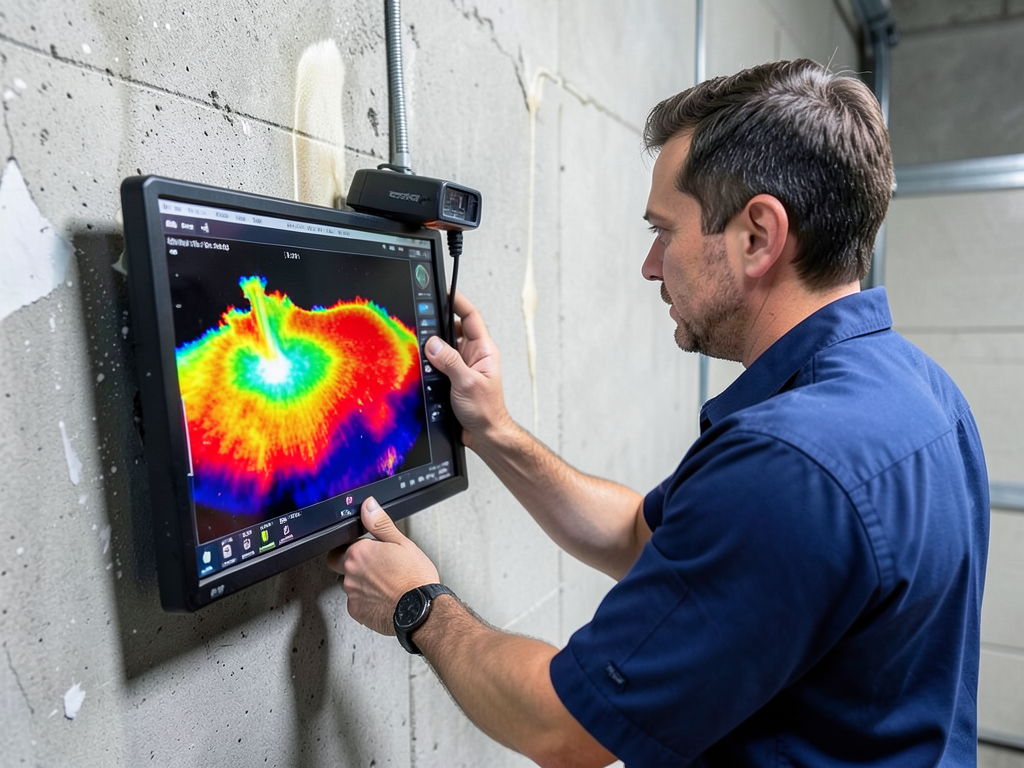
Moisture mapping becomes critical in these spaces. Without proper vapor barriers and insulation, water can travel through walls in unexpected patterns. Professional restoration teams use thermal imaging cameras and moisture meters to detect hidden water pockets that could lead to mold if missed.
Structural drying in converted garages requires careful consideration of load-bearing elements. Many conversions modify original garage framing to create open living spaces. Restoration professionals must evaluate whether water-damaged framing can be salvaged or requires replacement to maintain structural integrity.
Air quality testing after restoration proves essential in unpermitted spaces. The confined nature of converted garages means airborne contaminants concentrate more heavily than in standard living spaces. Professional testing ensures mold spores and other particulates return to safe levels before you resume occupancy.
Documentation becomes crucial for insurance claims and future permitting. Professional restoration teams provide detailed reports showing the extent of damage, the restoration process, and any code violations discovered during the work. This documentation helps when you eventually seek permits for the space.
Preventing water damage in existing garage conversions
If you have an unpermitted garage conversion, several preventive measures can reduce your risk of water damage. These steps won’t bring the space up to code, but they can extend the time between potential water events.
Install water leak detection systems that alert you to moisture before extensive damage occurs. Smart water sensors placed near plumbing connections and along exterior walls can notify you through smartphone apps when moisture levels rise unexpectedly.
Improve exterior drainage around the converted garage. Ensure soil slopes away from the foundation at least six inches over ten feet. Clean gutters regularly and extend downspouts to direct water at least five feet from the foundation.
Seal potential entry points where water might penetrate. Apply waterproof caulk around windows and doors. Install door sweeps to prevent water from entering under exterior doors. Consider applying waterproof sealant to the concrete slab if you notice efflorescence or damp spots.
Monitor humidity levels inside the converted space. Use dehumidifiers during Sacramento’s wet winter months to keep relative humidity below 60%. This prevents condensation on cool surfaces and inhibits mold growth even if minor moisture intrusion occurs.
Steps to take when water damage occurs
Quick action minimizes damage when water enters your unpermitted garage conversion. Follow these steps to protect your property and health while you arrange professional restoration.
Safety first: Turn off electricity to the affected area before entering standing water. Water conducts electricity, and damaged wiring in unpermitted spaces may not meet safety standards. If you smell gas or suspect structural damage, evacuate immediately.
Stop the water source: Shut off the main water valve if the damage comes from plumbing. For roof or exterior water intrusion, try to identify and temporarily block the entry point with tarps or plastic sheeting.
Document everything: Take photos and videos of all damage before beginning cleanup. This documentation helps with insurance claims and provides evidence if you later pursue permits for the space.
Begin water removal: Use wet vacuums or pumps to remove standing water if it’s safe to do so. Remove wet items from the space to prevent further damage and allow air circulation.
Call professionals immediately: Contact water damage restoration specialists who understand unpermitted space complications. Call (916) 222-9262 for 24/7 emergency response in Oak Park. The longer water sits, the more damage it causes and the greater the mold risk.
Cost factors for restoring unpermitted garage conversions
Water damage restoration in unpermitted garage conversions typically costs more than similar damage in permitted spaces. Several factors drive these higher costs.
Hidden damage discovery often reveals more extensive problems than visible water indicates. Without proper moisture barriers, water travels through walls and under flooring in ways that surprise even experienced professionals. This means restoration plans frequently expand once work begins.
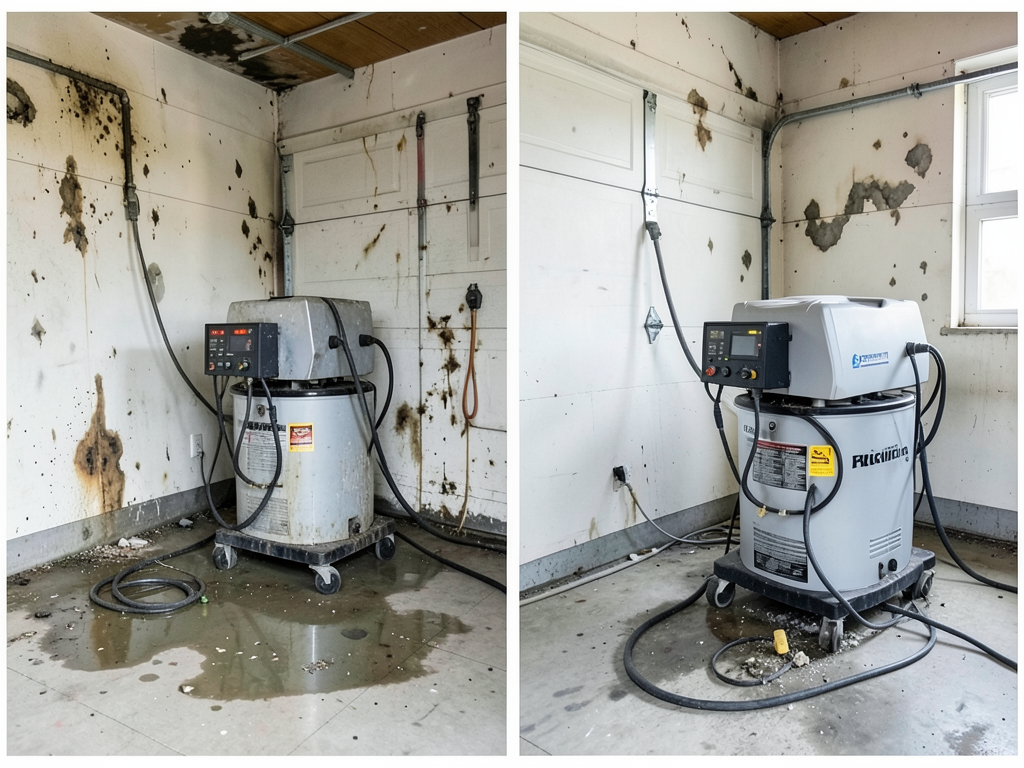
Specialized equipment becomes necessary for thorough drying in confined spaces. Converted garages often have limited access points and unusual layouts that require smaller, more maneuverable drying equipment than standard water damage restoration.
Additional testing and documentation requirements add to restoration costs. Air quality testing, moisture mapping, and detailed damage reports all contribute to the final bill but prove essential for ensuring the space becomes safe for occupancy again.
Potential code upgrade requirements may emerge during restoration. While you cannot be forced to bring the entire space up to current code, severely damaged elements might need upgrades to meet minimum safety standards before restoration can complete.
Frequently Asked Questions
Can I get insurance coverage for water damage in my unpermitted garage conversion?
Coverage depends on your specific policy and the damage source. Many policies exclude damage in unpermitted spaces entirely. If the water damage originated from a covered source like a burst pipe, you might receive partial coverage for the plumbing repair but not for damage to the unpermitted structure itself.
How can I tell if my garage conversion has water damage I can’t see?
Look for warning signs like musty odors, unexplained allergy symptoms, warped flooring, or discoloration on walls and ceilings. Professional moisture meters and thermal imaging can detect hidden water pockets behind walls. If your converted garage feels consistently damp or humid, have it inspected even without visible water.
Should I get permits for my existing unpermitted garage conversion?
Getting permits for an existing unpermitted conversion can be complicated but often proves worthwhile. Permits provide legal protection, may be required for insurance claims, and ensure the space meets current safety standards. A building inspector can evaluate your space and advise on the permitting process based on your specific situation.
How long does mold take to grow after water damage in a garage conversion?
Mold can begin growing within 24 to 48 hours of water exposure in ideal conditions. The confined space and often poor ventilation in garage conversions can accelerate mold growth compared to standard living spaces. Temperature, humidity, and available organic material all affect growth rate.
What’s the difference between DIY water cleanup and professional restoration?
DIY cleanup removes visible water but often misses hidden moisture in walls, under flooring, and in structural cavities. Professional restoration uses specialized equipment to detect and remove all moisture, preventing mold growth and structural damage. Professionals also handle proper disposal of contaminated materials and ensure the space returns to safe conditions.
Take action before water damage becomes a disaster
Water damage in unpermitted garage conversions creates unique risks that standard homeowners rarely consider. From hidden structural damage to insurance complications and health hazards, these spaces require special attention when water problems arise.
The confined nature of converted garages means water damage spreads quickly and mold grows faster than in standard living spaces. Without proper permits and inspections, you may not even know about critical vulnerabilities until extensive damage has already occurred.
If you’re dealing with water issues in your Oak Park garage conversion right now, don’t wait. Every hour allows water to spread deeper into your home’s structure and increases the risk of toxic mold growth. Professional restoration can save you thousands in repair costs and protect your family’s health.
Call (916) 222-9262 today for emergency water damage restoration in Oak Park. Our experienced team understands the unique challenges of unpermitted garage conversions and provides thorough restoration that addresses both visible damage and hidden moisture threats. Don’t let water damage turn your living space into a health hazard or financial burden.
Pick up the phone and call (916) 222-9262 before the next storm hits or the next pipe bursts. Professional assessment and rapid response can mean the difference between a simple repair and a major renovation project. Your home and your health deserve immediate attention when water threatens your unpermitted living space. For more information, visit IICRC Water Damage Restoration Standards.
{
“@context”: “https://schema.org”,
“@type”: “BlogPosting”,
“headline”: “The hidden risks of water damage in unpermitted garage conversions in Oak Park”,
“description”: “Discover the hidden dangers of water damage in unpermitted Oak Park garage conversions. Learn how to protect your investment and what to do when leaks occur.”,
“wordCount”: 2271,
“datePublished”: “2026-05-09T09:36:00.000Z”,
“dateModified”: “2026-05-09T09:36:00.000Z”,
“inLanguage”: “en-US”,
“mainEntityOfPage”: {
“@type”: “WebPage”,
“@id”: “https://fortresswaterdamagerestorationsacramento.com”
},
“publisher”: {
“@type”: “LocalBusiness”,
“name”: “Fortress Water Damage Restoration Sacramento”,
“url”: “https://fortresswaterdamagerestorationsacramento.com”
},
“author”: {
“@type”: “Organization”,
“name”: “Fortress Water Damage Restoration Sacramento”,
“url”: “https://fortresswaterdamagerestorationsacramento.com”
},
“image”: {
“@type”: “ImageObject”,
“url”: “https://fortresswaterdamagerestorationsacramento.com/wp-content/uploads/2026/03/the-hidden-risks-of-water-damage-in-unpermitted-ga-1.png”
}
}
{
“@context”: “https://schema.org”,
“@type”: “LocalBusiness”,
“name”: “Fortress Water Damage Restoration Sacramento”,
“url”: “https://fortresswaterdamagerestorationsacramento.com”,
“address”: {
“@type”: “PostalAddress”,
“addressLocality”: “Sacramento”
},
“areaServed”: {
“@type”: “City”,
“name”: “Sacramento”
}
}
{
“@context”: “https://schema.org”,
“@type”: “FAQPage”,
“mainEntity”: [
{
“@type”: “Question”,
“name”: “Can I get insurance coverage for water damage in my unpermitted garage conversion?”,
“acceptedAnswer”: {
“@type”: “Answer”,
“text”: “Coverage depends on your specific policy and the damage source. Many policies exclude damage in unpermitted spaces entirely. If the water damage originated from a covered source like a burst pipe, you might receive partial coverage for the plumbing repair but not for damage to the unpermitted structure itself.”
}
},
{
“@type”: “Question”,
“name”: “How can I tell if my garage conversion has water damage I can’t see?”,
“acceptedAnswer”: {
“@type”: “Answer”,
“text”: “Look for warning signs like musty odors, unexplained allergy symptoms, warped flooring, or discoloration on walls and ceilings. Professional moisture meters and thermal imaging can detect hidden water pockets behind walls. If your converted garage feels consistently damp or humid, have it inspected even without visible water.”
}
},
{
“@type”: “Question”,
“name”: “Should I get permits for my existing unpermitted garage conversion?”,
“acceptedAnswer”: {
“@type”: “Answer”,
“text”: “Getting permits for an existing unpermitted conversion can be complicated but often proves worthwhile. Permits provide legal protection, may be required for insurance claims, and ensure the space meets current safety standards. A building inspector can evaluate your space and advise on the permitting process based on your specific situation.”
}
},
{
“@type”: “Question”,
“name”: “How long does mold take to grow after water damage in a garage conversion?”,
“acceptedAnswer”: {
“@type”: “Answer”,
“text”: “Mold can begin growing within 24 to 48 hours of water exposure in ideal conditions. The confined space and often poor ventilation in garage conversions can accelerate mold growth compared to standard living spaces. Temperature, humidity, and available organic material all affect growth rate.”
}
},
{
“@type”: “Question”,
“name”: “What’s the difference between DIY water cleanup and professional restoration?”,
“acceptedAnswer”: {
“@type”: “Answer”,
“text”: “DIY cleanup removes visible water but often misses hidden moisture in walls, under flooring, and in structural cavities. Professional restoration uses specialized equipment to detect and remove all moisture, preventing mold growth and structural damage. Professionals also handle proper disposal of contaminated materials and ensure the space returns to safe conditions.”
}
}
]
}
{
“@context”: “https://schema.org”,
“@type”: “BreadcrumbList”,
“itemListElement”: [
{
“@type”: “ListItem”,
“position”: 1,
“name”: “Home”,
“item”: “https://fortresswaterdamagerestorationsacramento.com”
},
{
“@type”: “ListItem”,
“position”: 2,
“name”: “Blog”,
“item”: “https://fortresswaterdamagerestorationsacramento.com/blog”
},
{
“@type”: “ListItem”,
“position”: 3,
“name”: “The hidden risks of water damage in unpermitted garage conversions in Oak Park”
}
]
}
{
“@context”: “https://schema.org”,
“@type”: “Service”,
“serviceType”: “Water Damage Restoration”,
“provider”: {
“@type”: “LocalBusiness”,
“name”: “Fortress Water Damage Restoration Sacramento”,
“url”: “https://fortresswaterdamagerestorationsacramento.com”
},
“areaServed”: {
“@type”: “City”,
“name”: “Sacramento”
},
“description”: “Discover the hidden dangers of water damage in unpermitted Oak Park garage conversions. Learn how to protect your investment and what to do when leaks occur.”
}