
How to Store Your Valuables in Your Garage to Prevent Water Damage During a Flash Flood
Sacramento’s flood risk demands specific storage strategies. When atmospheric river events hit, garage flooding can destroy years of stored belongings within minutes. This guide shows you exactly how to protect your valuables using flood-resistant storage solutions and professional mitigation strategies. Sacramento Area Flood Control Agency.
Understanding Sacramento’s Flood Risk: Why Standard Garage Storage Fails
Sacramento’s geography creates perfect conditions for flash flooding. The Central Valley’s low elevation combined with aging municipal drainage systems means water accumulates rapidly during heavy rainfall. Most homeowners don’t realize that standard cardboard boxes and wooden shelving become liabilities during flood events. Water Damage Restoration Cost 2026.
Over 100,000 properties in Sacramento face moderate to high flood risk according to the Sacramento Area Flood Control Agency. The Natomas Basin sits below the level of the Sacramento River protected only by levees that can be overwhelmed during atmospheric river events. When these levees fail or drainage systems back up water enters garages through floor drains doorways and even through concrete slab cracks. The Best Way to Dry Out Wet Carpets in Your Natomas Rental.
The problem compounds because most stored items are porous materials that absorb water quickly. Cardboard boxes collapse within minutes of water contact. Particleboard shelving swells and warps. Even plastic bins without proper seals allow moisture infiltration. Understanding these failure patterns is the first step to creating a flood-resistant storage system.
Top Flood-Resistant Storage Solutions for Sacramento Garages
Effective flood-resistant storage starts with elevation and materials. Here’s what actually works during Sacramento’s flash flood events:
Wall-Mounted Slatwall Systems
Wall-mounted slatwall systems keep everything off the floor and can support hundreds of pounds per square foot. These systems use heavy-duty aluminum or galvanized steel tracks that mount directly to wall studs creating a floating storage system that remains dry even when water enters the garage.
The key advantage is the elevation. By mounting storage at least 18 inches above the floor you create a buffer zone that protects contents during minor flooding events. Slatwall systems also allow you to reconfigure storage quickly as needs change and the materials resist moisture damage even if water splashes onto them.
Overhead Ceiling Racks
Overhead storage racks mounted to ceiling joists provide the highest level of flood protection. These systems use heavy-duty steel frames that can support up to 600 pounds per rack keeping seasonal items and rarely-used valuables completely out of harm’s way.
For Sacramento homes choose racks with powder-coated finishes that resist corrosion in our humid summer conditions. The elevation also protects against dust and pests making overhead storage ideal for documents electronics and sentimental items that would be irreplaceable if damaged.
Heavy-Duty Stainless Steel Shelving
When floor-based storage is necessary stainless steel shelving units provide the best protection. Unlike particleboard or even coated steel stainless resists corrosion and can be cleaned and sanitized after flood exposure. Look for units with adjustable feet that can be leveled on uneven garage floors.
The key is choosing the right gauge. 18-gauge stainless provides excellent strength while resisting denting from flood debris. Units with welded joints rather than bolted connections offer superior stability during flood conditions when water movement can cause shifting. Choosing a Restoration Company.
Materials Matter: Moving Beyond Cardboard and Wood
The materials you choose for flood-resistant storage make the difference between minor inconvenience and total loss. Here’s what actually works:
Non-Porous Storage Containers
Airtight polypropylene bins with rubber gaskets provide the best protection for documents electronics and clothing. Look for containers with IP67 ratings which means they can withstand temporary submersion in water up to one meter deep.
Heavy-duty military-grade cases offer even better protection. These containers use pressure-relief valves that equalize pressure during temperature changes while maintaining watertight seals. They’re ideal for storing irreplaceable items like family photos legal documents and electronics.
Moisture-Resistant Shelving Materials
Powder-coated steel shelving outperforms other materials in flood conditions. The coating provides a moisture barrier that prevents rust formation while the steel structure maintains integrity even when submerged. Avoid chrome-plated steel which can corrode quickly in floodwater containing road salts and chemicals.
For maximum protection consider epoxy-coated wire shelving. The epoxy coating creates a non-porous surface that resists mold growth and can be easily sanitized after flood exposure. The open wire design also allows water to drain through rather than pooling on surfaces.
Elevated Storage Platforms
Even with waterproof containers elevation provides crucial protection. Use heavy-duty plastic pallets or elevated platforms to raise storage off the garage floor. These platforms create air circulation underneath reducing moisture buildup and providing additional flood protection.
For Sacramento’s climate choose UV-resistant plastic pallets that won’t degrade in summer heat. The elevation also makes it easier to clean and sanitize the garage floor after flood events preventing mold growth around stored items.
Professional Mitigation vs. DIY Storage: When You Need More Than Containers
While proper storage helps some Sacramento garages need professional flood mitigation. Here’s when DIY storage isn’t enough: Professional Mold Remediation After Water Damage in Rocklin.
Sump Pump Installation
If your garage sits below grade or in a low-lying area a sump pump system provides active flood protection. These systems use a pit that collects water and automatically pumps it out before it can rise to damaging levels.
According to California building codes sump pumps in flood-prone areas must include battery backup systems to function during power outages which commonly occur during severe storms. Professional installation ensures proper pit sizing and discharge routing to prevent water from simply cycling back into the garage.
Epoxy Floor Coatings
Epoxy floor coatings create a non-porous barrier that prevents water from seeping through concrete slabs. These coatings also make post-flood cleanup much easier as water and contaminants stay on the surface rather than penetrating the concrete.
Professional epoxy installation includes proper surface preparation and moisture testing. According to IICRC S500 standards for water damage restoration epoxy coatings must achieve specific adhesion ratings to be effective in flood conditions. EPA mold prevention guidelines.
Perimeter Drainage Systems
For garages with chronic water intrusion perimeter drainage systems collect water at the walls and channel it to a sump pump or exterior drain. These systems use perforated pipe surrounded by gravel creating a path for water to exit before it can damage stored items.
Professional installation includes proper grading and connection to existing drainage systems. In Sacramento’s clay soils drainage systems must be designed to handle the high water table that develops during wet seasons.
Recovery Checklist: What to Do if Your Garage Floods
Even with the best preparation floods happen. Here’s your immediate action plan:
Immediate Response Steps
Within the first hour after floodwater enters your garage prioritize safety. Turn off electricity at the main breaker if water has reached outlets or appliances. Document damage with photos for insurance purposes before moving anything.
Begin water extraction immediately using wet vacuums or pumps. According to EPA guidelines standing water should be removed within 24-48 hours to prevent mold growth. For deeper flooding professional extraction equipment removes water more quickly and completely.
Salvage and Sanitization
Separate salvageable items from those that must be discarded. Non-porous items can be cleaned and sanitized using EPA-registered disinfectants. Porous items like cardboard paper and fabric may need to be discarded if they’ve been submerged in contaminated water.
For items in waterproof containers open them and inspect contents. Even airtight seals can fail under prolonged submersion. Dry electronics completely before attempting to power them on and consider professional data recovery for water-damaged devices.
Mold Prevention
According to Sacramento County mold remediation guidelines affected areas must be dried to below 16% moisture content within 72 hours to prevent mold growth. Use dehumidifiers and air movers to accelerate drying and monitor moisture levels with professional moisture meters.
Pay special attention to hidden areas like wall cavities and under flooring. These spaces can retain moisture long after visible surfaces appear dry creating conditions for mold growth that may not be apparent for weeks.
Cost Comparison: Prevention vs. Restoration
Understanding the financial impact helps justify flood prevention investments. Here’s a comparison of typical costs:
| Prevention Strategy | Initial Cost Range | Estimated Protection Level | Lifespan |
|---|---|---|---|
| Wall-mounted slatwall system | $800 – $2,500 | Moderate flooding | 15-20 years |
| Overhead ceiling racks | $600 – $1,800 | Complete floor protection | 20+ years |
| Professional sump pump system | $1,500 – $3,500 | Active water removal | 5-10 years |
| Epoxy floor coating | $3 – $7 per sq ft | Surface protection | 10-15 years |
| Professional water damage restoration | $2,000 – $10,000+ | Post-flood recovery | N/A |
Prevention costs represent one-time investments that protect your valuables for years. Restoration costs are emergency expenses that often exceed prevention costs while still resulting in irreplaceable losses.
Local Resources and Support
Sacramento residents have access to several resources for flood preparedness and recovery:
The Sacramento Area Flood Control Agency provides flood zone maps and emergency alerts specific to your neighborhood. Their website includes real-time river level monitoring and evacuation route information.
Local hardware stores in Fair Oaks and Citrus Heights stock flood-resistant storage materials though selection varies seasonally. For professional installation and specialized equipment local contractors understand Sacramento’s specific flood patterns and building requirements.
Fortress Water Damage Restoration offers 24/7 emergency response for garage flooding events. Our technicians are certified by the IICRC and understand Sacramento’s unique flood challenges from clay soil expansion to municipal drainage limitations. IICRC S500 standards.
Frequently Asked Questions
How high should I elevate my storage to be safe from flooding?
Elevate critical items at least 18 inches above the floor. For high-risk areas like Natomas or properties near the American River consider 24-inch elevation or overhead storage for irreplaceable items.
Are plastic bins really waterproof?
Only bins with proper gaskets and airtight seals provide true waterproofing. Look for IP67 ratings or military-grade specifications. Standard storage bins will keep out dust but may fail during prolonged submersion.
How quickly can floodwater enter a garage?
During atmospheric river events water can rise several inches within 30 minutes. Flash flooding from blocked drains or levee breaches can bring water into your garage within minutes of the event starting.
What should I do first if my garage floods?
Ensure safety by turning off electricity if water reaches outlets. Document damage with photos then begin water extraction within 24-48 hours to prevent mold growth. Call professionals for deep flooding or contaminated water.
Does homeowners insurance cover garage flood damage?
Standard policies typically don’t cover flood damage. You need separate flood insurance through the National Flood Insurance Program or private insurers. Check your policy’s specific coverage for contents versus structure.
How can I tell if my garage is in a flood zone?
Check FEMA flood maps online or contact the Sacramento Area Flood Control Agency. Properties near rivers in low-lying areas or with a history of water intrusion are at higher risk.
What’s the difference between water-resistant and waterproof storage?
Water-resistant materials repel light moisture but fail under pressure or submersion. Waterproof materials maintain integrity even when completely submerged. For flood protection choose waterproof containers with proper seals.
How often should I check my flood prevention systems?
Test sump pumps quarterly and before rainy seasons. Inspect storage systems annually for wear and check seals on waterproof containers every six months. Replace batteries in backup systems annually.
Can I install flood mitigation systems myself?
Simple storage solutions are DIY-friendly but sump pumps epoxy coatings and drainage systems require professional installation to meet building codes and ensure effectiveness during actual flood events.
What items are most vulnerable to flood damage?
Paper documents electronics clothing and furniture with fabric components are most vulnerable. Hard plastics and metals are more resistant though electronics in any container can be damaged by moisture.

Diagram showing proper garage storage elevation with waterproof containers on elevated platforms overhead racks for maximum protection and wall-mounted systems for frequently accessed items.
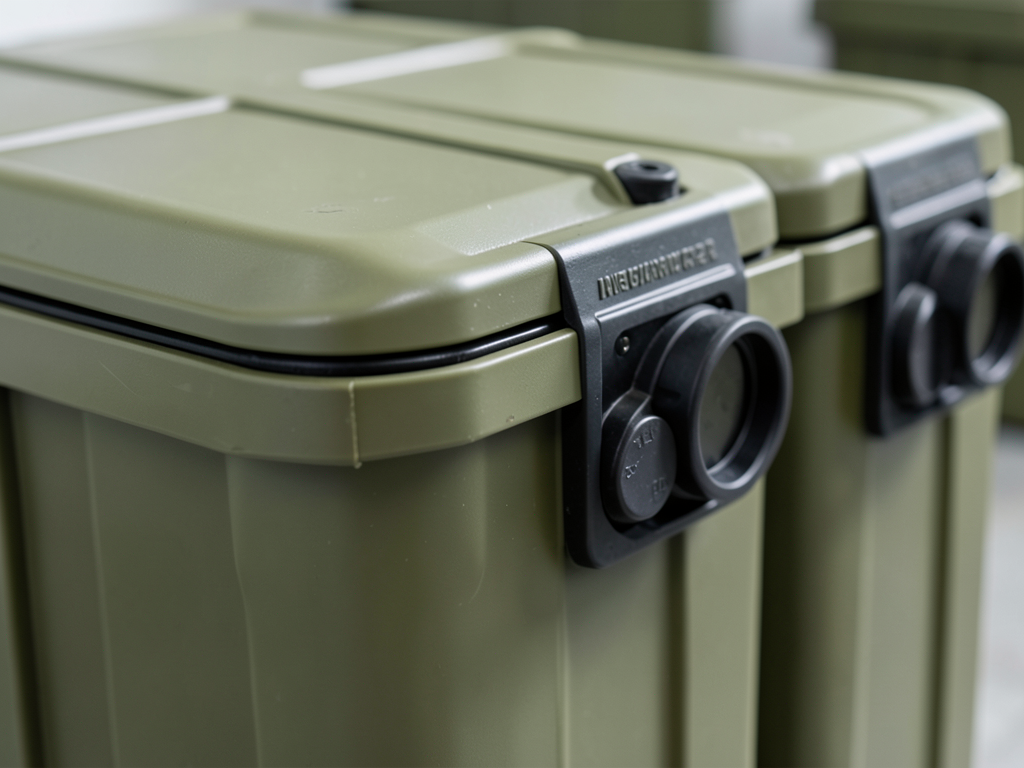
Photo of a professional-grade sump pump installation with battery backup system showing proper pit sizing and discharge routing for Sacramento garage applications.
Close-up of airtight storage containers with rubber gaskets and pressure-relief valves demonstrating the seals that provide true waterproofing during flood conditions.
Take Action Before the Next Storm Hits
Don’t wait for the next atmospheric river to test your garage storage system. The peace of mind that comes from knowing your valuables are protected is worth the investment in proper flood-resistant storage solutions.
Whether you need help selecting the right storage materials installing professional flood mitigation systems or recovering from a recent garage flood Fortress Water Damage Restoration is here to help. Our Sacramento-based team understands the specific challenges our region faces and provides solutions that actually work when it matters most.
Call (916) 222-9262 today to schedule your garage flood protection assessment. We’ll evaluate your specific risks and recommend the most effective solutions for your home and budget. Don’t let the next storm catch you unprepared.
Pick up the phone and call (916) 222-9262 before the next storm hits. Your valuables deserve professional protection and we’re ready to provide it.
{
“@context”: “https://schema.org”,
“@type”: “BlogPosting”,
“headline”: “How to Store Your Valuables in Your Garage to Prevent Water Damage During a Flash Flood”,
“description”: “Protect your Sacramento garage valuables from flash flooding with flood-resistant storage solutions. Learn elevation strategies and professional mitigation techniques.”,
“wordCount”: 2162,
“datePublished”: “2026-06-06T12:40:00.000Z”,
“dateModified”: “2026-06-06T12:40:00.000Z”,
“inLanguage”: “en-US”,
“mainEntityOfPage”: {
“@type”: “WebPage”,
“@id”: “https://fortresswaterdamagerestorationsacramento.com”
},
“publisher”: {
“@type”: “LocalBusiness”,
“name”: “Fortress Water Damage Restoration Sacramento”,
“url”: “https://fortresswaterdamagerestorationsacramento.com”
},
“author”: {
“@type”: “Organization”,
“name”: “Fortress Water Damage Restoration Sacramento”,
“url”: “https://fortresswaterdamagerestorationsacramento.com”
},
“image”: {
“@type”: “ImageObject”,
“url”: “https://fortresswaterdamagerestorationsacramento.com/wp-content/uploads/2026/03/how-to-store-your-valuables-in-your-garage-to-prev-1.png”
}
}
{
“@context”: “https://schema.org”,
“@type”: “LocalBusiness”,
“name”: “Fortress Water Damage Restoration Sacramento”,
“url”: “https://fortresswaterdamagerestorationsacramento.com”,
“address”: {
“@type”: “PostalAddress”,
“addressLocality”: “Sacramento”
},
“areaServed”: {
“@type”: “City”,
“name”: “Sacramento”
}
}
{
“@context”: “https://schema.org”,
“@type”: “FAQPage”,
“mainEntity”: [
{
“@type”: “Question”,
“name”: “How high should I elevate my storage to be safe from flooding?”,
“acceptedAnswer”: {
“@type”: “Answer”,
“text”: “Elevate critical items at least 18 inches above the floor. For high-risk areas like Natomas or properties near the American River consider 24-inch elevation or overhead storage for irreplaceable items.”
}
},
{
“@type”: “Question”,
“name”: “Are plastic bins really waterproof?”,
“acceptedAnswer”: {
“@type”: “Answer”,
“text”: “Only bins with proper gaskets and airtight seals provide true waterproofing. Look for IP67 ratings or military-grade specifications. Standard storage bins will keep out dust but may fail during prolonged submersion.”
}
},
{
“@type”: “Question”,
“name”: “How quickly can floodwater enter a garage?”,
“acceptedAnswer”: {
“@type”: “Answer”,
“text”: “During atmospheric river events water can rise several inches within 30 minutes. Flash flooding from blocked drains or levee breaches can bring water into your garage within minutes of the event starting.”
}
},
{
“@type”: “Question”,
“name”: “What should I do first if my garage floods?”,
“acceptedAnswer”: {
“@type”: “Answer”,
“text”: “Ensure safety by turning off electricity if water reaches outlets. Document damage with photos then begin water extraction within 24-48 hours to prevent mold growth. Call professionals for deep flooding or contaminated water.”
}
},
{
“@type”: “Question”,
“name”: “Does homeowners insurance cover garage flood damage?”,
“acceptedAnswer”: {
“@type”: “Answer”,
“text”: “Standard policies typically don’t cover flood damage. You need separate flood insurance through the National Flood Insurance Program or private insurers. Check your policy’s specific coverage for contents versus structure.”
}
},
{
“@type”: “Question”,
“name”: “How can I tell if my garage is in a flood zone?”,
“acceptedAnswer”: {
“@type”: “Answer”,
“text”: “Check FEMA flood maps online or contact the Sacramento Area Flood Control Agency. Properties near rivers in low-lying areas or with a history of water intrusion are at higher risk.”
}
},
{
“@type”: “Question”,
“name”: “What’s the difference between water-resistant and waterproof storage?”,
“acceptedAnswer”: {
“@type”: “Answer”,
“text”: “Water-resistant materials repel light moisture but fail under pressure or submersion. Waterproof materials maintain integrity even when completely submerged. For flood protection choose waterproof containers with proper seals.”
}
},
{
“@type”: “Question”,
“name”: “How often should I check my flood prevention systems?”,
“acceptedAnswer”: {
“@type”: “Answer”,
“text”: “Test sump pumps quarterly and before rainy seasons. Inspect storage systems annually for wear and check seals on waterproof containers every six months. Replace batteries in backup systems annually.”
}
},
{
“@type”: “Question”,
“name”: “Can I install flood mitigation systems myself?”,
“acceptedAnswer”: {
“@type”: “Answer”,
“text”: “Simple storage solutions are DIY-friendly but sump pumps epoxy coatings and drainage systems require professional installation to meet building codes and ensure effectiveness during actual flood events.”
}
},
{
“@type”: “Question”,
“name”: “What items are most vulnerable to flood damage?”,
“acceptedAnswer”: {
“@type”: “Answer”,
“text”: “Paper documents electronics clothing and furniture with fabric components are most vulnerable. Hard plastics and metals are more resistant though electronics in any container can be damaged by moisture.”
}
}
]
}
{
“@context”: “https://schema.org”,
“@type”: “BreadcrumbList”,
“itemListElement”: [
{
“@type”: “ListItem”,
“position”: 1,
“name”: “Home”,
“item”: “https://fortresswaterdamagerestorationsacramento.com”
},
{
“@type”: “ListItem”,
“position”: 2,
“name”: “Blog”,
“item”: “https://fortresswaterdamagerestorationsacramento.com/blog”
},
{
“@type”: “ListItem”,
“position”: 3,
“name”: “How to Store Your Valuables in Your Garage to Prevent Water Damage During a Flash Flood”
}
]
}
{
“@context”: “https://schema.org”,
“@type”: “Service”,
“serviceType”: “Water Damage Restoration”,
“provider”: {
“@type”: “LocalBusiness”,
“name”: “Fortress Water Damage Restoration Sacramento”,
“url”: “https://fortresswaterdamagerestorationsacramento.com”
},
“areaServed”: {
“@type”: “City”,
“name”: “Sacramento”
},
“description”: “Protect your Sacramento garage valuables from flash flooding with flood-resistant storage solutions. Learn elevation strategies and professional mitigation techniques.”
}