
When water appears in the basement of a 100-year-old home in Mansion Flats the problem runs deeper than a simple leak. The porous brick and mortar common in Sacramento’s historic masonry foundations allow moisture to seep through when the soil around them becomes saturated. This is not a modern concrete foundation issue. It is a preservation challenge that demands understanding both the materials and the local conditions that make Mansion Flats homes vulnerable. Water Damage Restoration Cost 2026.
Why Historic Foundations are Different: Materials and Methods
Historic homes in Mansion Flats were built with materials and techniques that differ fundamentally from modern construction. Many foundations used lime mortar instead of Portland cement. Lime mortar remains slightly flexible and breathable allowing the brick or stone to expand and contract with temperature changes. Portland cement is rigid and can trap moisture leading to cracking and spalling in older masonry. When the wrong material is used for repairs it accelerates deterioration.. Read more about Why a Leaky Pool Pump Can Damage Your Home Foundation in the Sacramento Heat.
Another common feature in Sacramento’s older neighborhoods is unreinforced masonry or URM. These foundations lack steel reinforcement making them more susceptible to shifting when expansive clay soils swell with moisture. The mortar joints in URM can erode over decades allowing water to penetrate. This is especially true in homes built before 1940 when building codes did not require reinforcement.
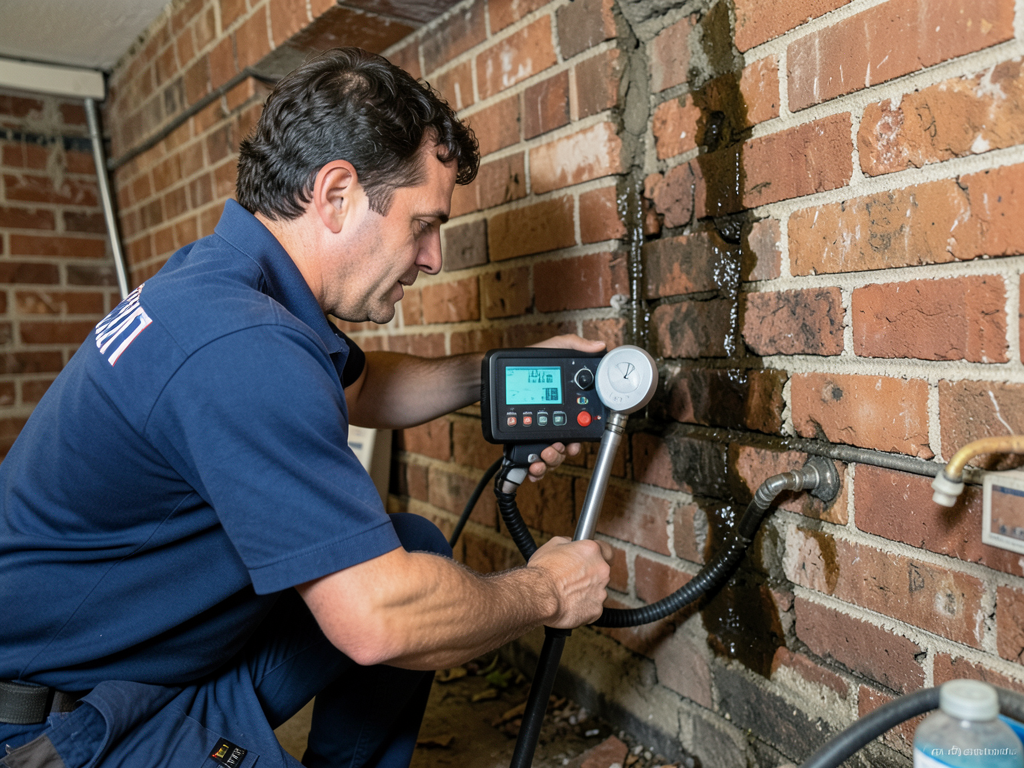
Diagram showing the difference between lime mortar and Portland cement in historic brick foundations. The image illustrates how lime mortar allows moisture vapor to escape while Portland cement traps water leading to freeze-thaw damage.
Common Causes of Seepage in Sacramento (Soil and Climate Factors)
Mansion Flats sits on expansive clay soil common throughout the Central Valley. This soil absorbs water and expands putting pressure on foundation walls. During Sacramento’s wet season from November through March the soil can hold enough moisture to create hydrostatic pressure against the foundation. When that pressure builds water finds its way through the smallest cracks or porous areas in the masonry.
Atmospheric River events can dump several inches of rain in a short period overwhelming surface drainage. The rapid influx of water saturates the soil quickly increasing hydrostatic pressure. Homes on slightly sloped lots may experience water pooling near the foundation if downspouts or grading direct runoff toward the house. Over time this repeated cycle of saturation and drying causes the clay to expand and contract weakening the foundation’s resistance to water.
Another factor is the high water table in some areas of Mansion Flats. While not as pronounced as near the Sacramento River the water table can rise during wet months. When it rises close to the basement floor level water can seep up through the slab or through the joint between the wall and floor.. Read more about Protecting Your Finished Basement in Old North Sacramento from Rising Ground Water.
The Dangers of Improper Waterproofing on 100-Year-Old Brick and Stone
Applying modern waterproofing products to historic masonry can cause more harm than good. Many waterproofing sealers create a vapor barrier that traps moisture inside the brick or stone. In older foundations this trapped moisture can cause spalling where the surface of the brick flakes off. It can also lead to efflorescence a white powdery deposit of salts that forms when water moves through the masonry and evaporates leaving minerals behind.
Another risk is using hydraulic cement or epoxy injections on lime mortar joints. These materials are too rigid and can cause the surrounding masonry to crack under stress. The goal in historic preservation is to manage water without compromising the building’s ability to breathe. This means using materials that are compatible with the original construction and techniques that do not trap moisture.
According to the Secretary of the Interior’s Standards for Rehabilitation any work on a historic structure must preserve its character and materials. This includes foundation repairs. Using the wrong materials or methods can not only damage the structure but also violate local preservation guidelines in Sacramento’s historic districts. Secretary of the Interior’s Standards for Rehabilitation.
Effective Solutions: From French Draps to Vapor Barriers
The most effective way to stop basement seepage in historic masonry is to manage water outside the foundation before it reaches the walls. A French drain system collects groundwater and channels it away from the house. This involves digging a trench around the foundation base installing perforated pipe and gravel and directing the water to a safe discharge point. For homes with crawl spaces or basements this can significantly reduce hydrostatic pressure. How to Fix Flooded Crawl Spaces in Land Park Homes.
Another option is installing a sump pump with a perimeter drainage system. This collects water that seeps toward the foundation and pumps it away. In Mansion Flats where the water table can fluctuate this provides an active defense against seepage. The pump should include a battery backup to operate during power outages which often occur during heavy storms.
Interior vapor barriers can help in some cases but they must be installed carefully. A vapor barrier on the interior wall can prevent moisture from condensing on the surface but if the foundation is already saturated it can trap water inside the wall. The best approach is to combine exterior drainage with selective interior moisture management based on a professional assessment. Professional Mold Remediation After Water Damage in Rocklin.
Repointing mortar joints with lime-based mortar is another critical repair. Over time mortar erodes leaving gaps where water can enter. Removing deteriorated mortar and replacing it with compatible lime mortar restores the wall’s ability to manage moisture while maintaining its historic character.
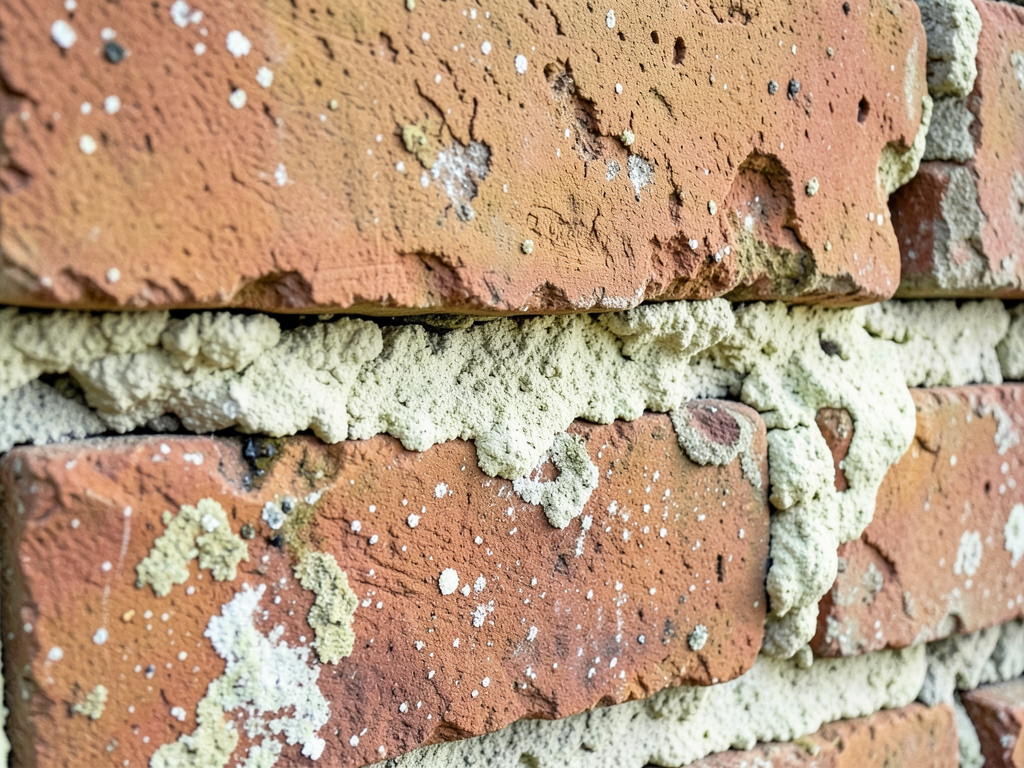
Photo of a French drain installation in progress showing perforated pipe wrapped in filter fabric surrounded by clean gravel. The trench is sloped to direct water away from the historic foundation.
Neighborhood Spotlight: Foundation Challenges in Mansion Flats
Mansion Flats is one of Sacramento’s oldest neighborhoods with homes dating back to the late 1800s. Many were built with brick or stone foundations on expansive clay soil. The area’s proximity to the city center means these homes often sit on lots with minimal slope making surface drainage more challenging. Some blocks still have original clay sewer lines that can leak and add moisture near the foundation.
The neighborhood’s mature tree canopy while beautiful can also contribute to foundation issues. Tree roots can draw moisture from the soil causing it to contract and create gaps near the foundation. When heavy rains return the soil expands rapidly putting stress on the masonry. This cycle of contraction and expansion accelerates wear on old mortar joints.
Mansion Flats is also subject to Sacramento’s urban heat island effect. The combination of heat and periodic heavy rain creates a unique stress pattern on historic foundations. The clay soil heats and dries quickly in summer then saturates rapidly in winter. This repeated thermal and moisture cycling can cause hairline cracks that widen over time allowing water to seep in.
Homeowners in Mansion Flats should be aware that some repairs may require permits under the California Historical Building Code. This code provides alternatives to standard building practices when working on historic structures. It allows for methods that preserve the original materials and design while ensuring safety and durability.
When to Call a Sacramento Restoration Specialist
Water in a historic basement is not a problem to ignore. Early signs include damp spots on walls efflorescence along mortar joints or a musty smell. If you notice these symptoms it is time to call a specialist familiar with historic masonry and local soil conditions. A professional can perform a moisture assessment using tools like infrared cameras and moisture meters to locate the source of the seepage.
Another sign is the sound of water trickling in the walls during heavy rain. This indicates water is entering the foundation system. In some cases you may hear the sump pump running continuously which suggests the drainage system is overwhelmed. These are indicators that the foundation’s water management system needs attention.
Restoration specialists can also identify whether the seepage is active or historical. Active seepage means water is still entering the structure. Historical seepage means the source was previously addressed but left staining or mineral deposits. Knowing the difference guides the repair strategy and helps avoid unnecessary work. Choosing a Restoration Company.
Delaying repairs can lead to mold growth wood rot and structural damage. In historic homes this damage can be irreversible. The cost of professional restoration is often far less than the expense of replacing damaged materials or addressing health hazards later.
Frequently Asked Questions
Why does my historic basement leak when it never did before?
Changes in the surrounding landscape such as new construction or regrading can alter water flow toward your foundation. Soil can also settle over time creating low spots that collect water. Even changes in local drainage systems can increase the pressure on your foundation.
Can I use a waterproofing paint on my brick foundation?
Waterproofing paint can trap moisture inside the brick leading to spalling and deterioration. It is not recommended for historic masonry. Instead focus on managing water outside the foundation with drainage solutions and use breathable lime-based materials for repairs.
How much does it cost to fix basement seepage in a historic home?
Costs vary based on the extent of the problem and the repair method. Simple repairs like repointing mortar may cost a few thousand dollars. Installing a French drain or sump pump system can range from five to fifteen thousand depending on the home’s size and site conditions. A professional assessment is the best way to determine the scope and cost.
Do I need a permit to repair my historic foundation?
Repairs that affect the exterior of a historic home or involve significant excavation may require permits. The California Historical Building Code provides guidelines for work on historic structures. A qualified restoration contractor can help navigate the permit process and ensure compliance.
How long do foundation repairs last?
Quality repairs using appropriate materials and methods can last decades. French drains and sump pump systems require periodic maintenance but can function effectively for many years. The key is using materials compatible with the original construction and addressing the root cause of the seepage.
Before and after photo of a historic brick foundation showing deteriorated mortar joints before repointing and the clean restored appearance after using lime-based mortar. The image highlights the importance of material compatibility in preservation.
If your Mansion Flats home shows signs of basement seepage do not wait for the next storm to make it worse. The unique combination of historic masonry expansive clay soil and Sacramento’s wet season creates a perfect environment for water intrusion. Professional assessment and targeted repairs can protect your home’s structure and preserve its historic character. Call (916) 222-9262 today to schedule an inspection and stop water damage before it spreads. For more information, visit IICRC S500 Standard for Professional Water Damage Restoration.
{
“@context”: “https://schema.org”,
“@type”: “BlogPosting”,
“headline”: “Dealing with Basement Seepage in the Historic Masonry Foundations of Mansion Flats”,
“description”: “Basement seepage in Mansion Flats’ historic masonry foundations? Learn why old brick and stone leak, how Sacramento’s soil and climate affect them, and what fixes actually work.”,
“wordCount”: 1794,
“datePublished”: “2026-06-05T11:43:00.000Z”,
“dateModified”: “2026-06-05T11:43:00.000Z”,
“inLanguage”: “en-US”,
“mainEntityOfPage”: {
“@type”: “WebPage”,
“@id”: “https://fortresswaterdamagerestorationsacramento.com”
},
“publisher”: {
“@type”: “LocalBusiness”,
“name”: “Fortress Water Damage Restoration Sacramento”,
“url”: “https://fortresswaterdamagerestorationsacramento.com”
},
“author”: {
“@type”: “Organization”,
“name”: “Fortress Water Damage Restoration Sacramento”,
“url”: “https://fortresswaterdamagerestorationsacramento.com”
},
“image”: {
“@type”: “ImageObject”,
“url”: “https://fortresswaterdamagerestorationsacramento.com/wp-content/uploads/2026/03/dealing-with-basement-seepage-in-the-historic-maso-1.png”
}
}
{
“@context”: “https://schema.org”,
“@type”: “LocalBusiness”,
“name”: “Fortress Water Damage Restoration Sacramento”,
“url”: “https://fortresswaterdamagerestorationsacramento.com”,
“address”: {
“@type”: “PostalAddress”,
“addressLocality”: “Sacramento”
},
“areaServed”: {
“@type”: “City”,
“name”: “Sacramento”
}
}
{
“@context”: “https://schema.org”,
“@type”: “FAQPage”,
“mainEntity”: [
{
“@type”: “Question”,
“name”: “Why does my historic basement leak when it never did before?”,
“acceptedAnswer”: {
“@type”: “Answer”,
“text”: “Changes in the surrounding landscape such as new construction or regrading can alter water flow toward your foundation. Soil can also settle over time creating low spots that collect water. Even changes in local drainage systems can increase the pressure on your foundation.”
}
},
{
“@type”: “Question”,
“name”: “Can I use a waterproofing paint on my brick foundation?”,
“acceptedAnswer”: {
“@type”: “Answer”,
“text”: “Waterproofing paint can trap moisture inside the brick leading to spalling and deterioration. It is not recommended for historic masonry. Instead focus on managing water outside the foundation with drainage solutions and use breathable lime-based materials for repairs.”
}
},
{
“@type”: “Question”,
“name”: “How much does it cost to fix basement seepage in a historic home?”,
“acceptedAnswer”: {
“@type”: “Answer”,
“text”: “Costs vary based on the extent of the problem and the repair method. Simple repairs like repointing mortar may cost a few thousand dollars. Installing a French drain or sump pump system can range from five to fifteen thousand depending on the home’s size and site conditions. A professional assessment is the best way to determine the scope and cost.”
}
},
{
“@type”: “Question”,
“name”: “Do I need a permit to repair my historic foundation?”,
“acceptedAnswer”: {
“@type”: “Answer”,
“text”: “Repairs that affect the exterior of a historic home or involve significant excavation may require permits. The California Historical Building Code provides guidelines for work on historic structures. A qualified restoration contractor can help navigate the permit process and ensure compliance.”
}
},
{
“@type”: “Question”,
“name”: “How long do foundation repairs last?”,
“acceptedAnswer”: {
“@type”: “Answer”,
“text”: “Quality repairs using appropriate materials and methods can last decades. French drains and sump pump systems require periodic maintenance but can function effectively for many years. The key is using materials compatible with the original construction and addressing the root cause of the seepage.”
}
}
]
}
{
“@context”: “https://schema.org”,
“@type”: “BreadcrumbList”,
“itemListElement”: [
{
“@type”: “ListItem”,
“position”: 1,
“name”: “Home”,
“item”: “https://fortresswaterdamagerestorationsacramento.com”
},
{
“@type”: “ListItem”,
“position”: 2,
“name”: “Blog”,
“item”: “https://fortresswaterdamagerestorationsacramento.com/blog”
},
{
“@type”: “ListItem”,
“position”: 3,
“name”: “Dealing with Basement Seepage in the Historic Masonry Foundations of Mansion Flats”
}
]
}
{
“@context”: “https://schema.org”,
“@type”: “Service”,
“serviceType”: “Water Damage Restoration”,
“provider”: {
“@type”: “LocalBusiness”,
“name”: “Fortress Water Damage Restoration Sacramento”,
“url”: “https://fortresswaterdamagerestorationsacramento.com”
},
“areaServed”: {
“@type”: “City”,
“name”: “Sacramento”
},
“description”: “Basement seepage in Mansion Flats’ historic masonry foundations? Learn why old brick and stone leak, how Sacramento’s soil and climate affect them, and what fixes actually work.”
}