
Signs Your Vineyard Home Has a Slab Leak Under the Foundation
Water pooling under your home’s concrete foundation can cause thousands of dollars in damage before you even notice it. If you live in Vineyard, the signs of a slab leak often start subtly with a warm spot on the floor or a sudden spike in your water bill. These leaks happen when pipes beneath your home’s concrete slab develop cracks or corrosion, allowing water to escape into the surrounding soil. Water Damage Restoration Cost 2026.
Slab leaks are particularly common in Sacramento County due to the region’s expansive clay soil that shifts with moisture changes. When the ground moves, it puts stress on buried pipes. Over time, this pressure causes small cracks that grow larger, allowing water to seep out continuously. The longer a leak goes undetected, the more damage it causes to your foundation, flooring, and walls.. Read more about The Secret Way Tree Roots Cause Sudden Slab Leaks in Your Mather Backyard.
Early detection is critical because slab leaks can lead to mold growth, structural damage, and significantly higher utility bills. The sound of running water when all fixtures are off, damp carpet near walls, or visible foundation cracks are all warning signs that professional leak detection is needed immediately. Professional Mold Remediation After Water Damage in Rocklin.
Common Signs of a Slab Leak in Your Vineyard Home
Recognizing the early warning signs can save you thousands in repair costs. Here are the most common indicators that you might have a slab leak under your foundation:
Unexplained Increases in Water Usage
Your water meter tells the truth. If you notice your water bill climbing steadily without any change in your household habits, a hidden leak could be the culprit. To test this, turn off all water fixtures in your home and check your water meter. If the meter continues to run or show usage, water is escaping somewhere in your plumbing system.
Warm or Hot Spots on Your Floor
Hot water line leaks create noticeable warm areas on your floor, particularly in homes with concrete slab foundations. These spots often feel like a heating pad has been placed under the carpet or tile. In Vineyard’s newer developments, where many homes use radiant heating systems, distinguishing between normal operation and a leak can be tricky. A professional thermal imaging scan can quickly identify if unusual heat patterns indicate a leak.
Sound of Running Water When Fixtures Are Off
Place your ear against the floor near suspected areas or walk through your home in complete silence. If you hear the distinct sound of running water when all faucets, toilets, and appliances are turned off, water is escaping somewhere in your plumbing system. This sound often indicates a significant leak that requires immediate attention.
Damp or Discolored Flooring
Water rising through your foundation can cause carpet to feel damp or wood flooring to warp and discolor. In Vineyard’s newer homes with engineered hardwood or luxury vinyl plank flooring, you might notice bubbling, peeling, or separation at the seams. These moisture-related changes often appear first near walls or in the center of rooms where pipes run beneath the slab.
Cracks in Walls or Flooring
As water erodes the soil beneath your foundation, it creates voids that cause the concrete slab to settle unevenly. This settling leads to visible cracks in your walls, particularly around door frames and window corners. You might also notice diagonal cracks in tile flooring or separation between walls and baseboards. Swollen Baseboards & Trim.
Decreased Water Pressure
A slab leak reduces the water pressure throughout your home because water is escaping before it reaches your fixtures. If you notice weak water flow from multiple faucets or showerheads, especially when other fixtures are running, a leak could be diverting water away from your plumbing system.

How Professional Slab Leak Detection Works
Modern leak detection technology allows professionals to locate slab leaks without destructive demolition. The process combines several non-invasive techniques to pinpoint the exact location of the leak with minimal disruption to your home.
Acoustic Leak Detection Technology
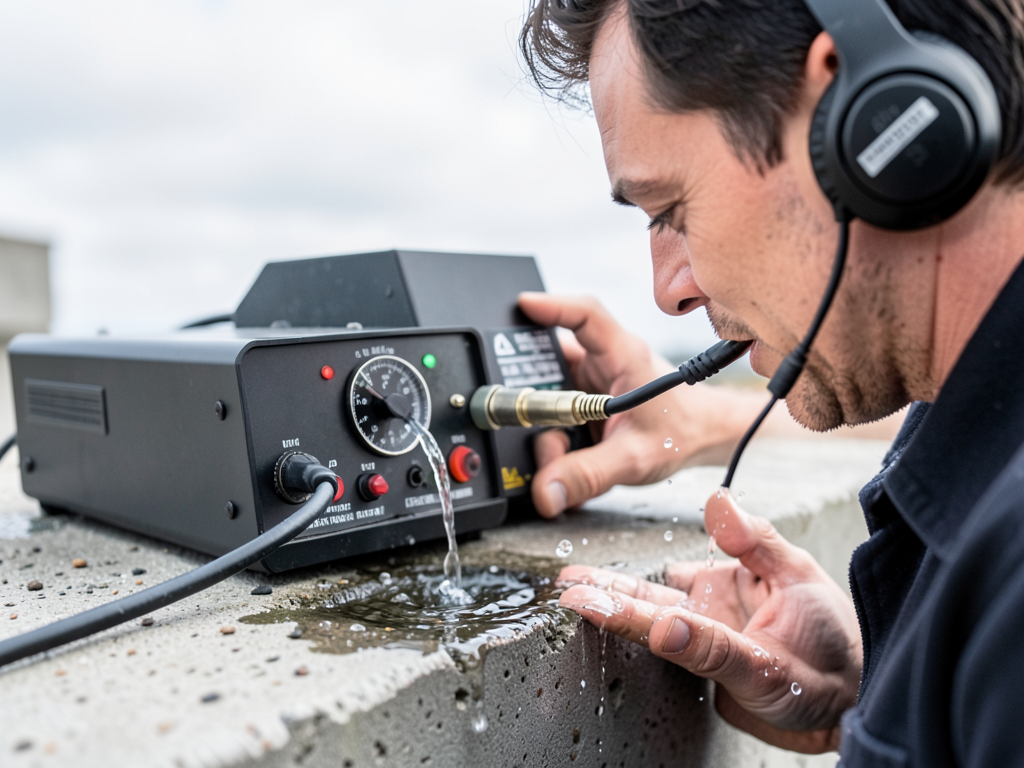
Acoustic sensors amplify the sound of water escaping from pipes under pressure. Technicians use specialized microphones and headphones to listen for the characteristic hissing or rushing sounds that indicate a leak. In Vineyard’s newer homes with PEX piping, the sound patterns differ from older copper systems, requiring experienced technicians who understand these variations.
The process involves placing sensors at multiple points around your home’s foundation. By comparing the sound intensity at different locations, technicians can triangulate the leak’s position within inches. This method works even through concrete slabs up to several feet thick.
Thermal Imaging and Infrared Scanning
Thermal cameras detect temperature differences caused by hot water leaks beneath your foundation. These devices create visual heat maps that show exactly where warm water is escaping. In Sacramento’s climate, where temperature differences between indoor and outdoor environments can be significant, thermal imaging provides clear contrast that makes leaks stand out.
Infrared scanning also identifies moisture patterns that indicate water intrusion. Even small leaks create detectable temperature variations as water evaporates from surfaces. This technology can reveal leaks before they cause visible damage to flooring or walls.
Electronic Pipe Locating and Pressure Testing
Electronic locators trace the path of buried pipes without excavation. Technicians induce a signal into your plumbing system and use handheld receivers to follow the signal’s path. This process maps your entire plumbing network, showing exactly where pipes run under your slab and where they might have been damaged during construction or settling.
Pressure testing involves isolating sections of your plumbing system and monitoring for pressure drops. A consistent drop indicates a leak in that section. This method is particularly effective for identifying multiple leaks or determining if a suspected leak is actually in the main water line versus branch lines.
Tracer Gas Detection for Difficult Leaks
For the smallest or most elusive leaks, technicians may use tracer gas detection. This involves injecting a safe, non-toxic gas mixture into your plumbing system. The gas escapes through the leak and rises through the concrete. Specialized sensors then detect the gas concentration above the slab, pinpointing even microscopic leaks that other methods might miss.
Tracer gas is particularly useful in Vineyard’s newer developments where PEX piping is common. PEX’s flexibility makes it resistant to some types of damage but can also make acoustic detection more challenging in certain conditions.
Why Sacramento’s Soil Makes Your Home Vulnerable
Vineyard sits in the heart of Sacramento County’s expansive clay soil region. This soil type expands when wet and contracts when dry, creating constant movement that puts stress on your home’s foundation and the pipes beneath it.
According to the USDA Natural Resources Conservation Service, Sacramento Valley soils contain high percentages of clay minerals that can expand up to 10% when absorbing water. This expansion creates upward pressure on your foundation while also causing lateral movement that shifts pipes out of alignment. USDA Natural Resources Conservation Service.
The seasonal moisture cycle in Sacramento exacerbates this problem. Wet winters followed by dry summers cause the soil to expand and contract repeatedly. Each cycle puts stress on your plumbing system, gradually weakening pipe joints and creating microscopic cracks that grow over time.
Additionally, Vineyard’s relatively young age as a developed community means many homes have experienced accelerated settling. Construction activities, landscaping changes, and even nearby road work can disturb the soil around your foundation, creating conditions that lead to slab leaks.
Slab Leak Repair Options for Vineyard Homes
Once a leak is detected, several repair approaches are available depending on the leak’s location, severity, and your home’s construction. The right solution balances effective repair with minimizing damage to your property.
Direct Access Repair
This traditional method involves breaking through the concrete slab to access the damaged pipe directly. Technicians use jackhammers to remove a section of flooring and concrete, repair or replace the damaged pipe section, then restore the concrete and flooring. While this method provides direct access to the problem, it requires significant demolition and reconstruction.
For Vineyard homes with tile or hardwood flooring, direct access can mean replacing entire floor sections. The process typically takes several days and requires moving furniture and temporarily relocating from affected areas of your home.
Epoxy Pipe Lining
This trenchless technology involves coating the inside of your existing pipes with an epoxy resin that seals leaks from the inside. The process requires accessing your plumbing system at key points, then using air pressure to coat the pipe interior with liquid epoxy that hardens to create a new pipe within your old one.
Epoxy lining works well for Vineyard’s newer homes with PEX piping, where multiple small leaks might indicate widespread corrosion in copper pipes. The process typically takes one to two days and preserves your existing flooring and foundation.
Pipe Rerouting
For older homes with extensive plumbing problems, rerouting pipes above the slab may be the most cost-effective solution. This involves abandoning the buried pipes and running new plumbing lines through walls, attics, or crawl spaces. While this requires some wall demolition, it eliminates the risk of future slab leaks in those lines. How to Fix Flooded Crawl Spaces in Land Park Homes.
Rerouting is particularly effective for hot water lines, which are common sources of slab leaks due to the expansion and contraction they experience with temperature changes. Many Vineyard homeowners choose to reroute hot water lines while leaving cold water lines under the slab if they’re in good condition.
Spot Repair with Minimal Demolition
Advanced detection technology now allows for targeted repairs that minimize demolition. Using the precise location data from acoustic and thermal imaging scans, technicians can access leaks through small access points rather than breaking large sections of concrete.
This approach works best for isolated leaks in newer homes where the surrounding pipe is in good condition. The repair process involves creating a small opening just large enough to access and repair the damaged section, then patching the concrete to match the surrounding area.
Insurance Coverage for Slab Leaks in Sacramento
Understanding your insurance coverage before a slab leak occurs can save you significant stress and expense. Most standard homeowners insurance policies in California treat slab leaks differently depending on the cause and extent of damage. California Department of Insurance.
According to the California Department of Insurance, sudden and accidental water damage is typically covered, but damage from long-term leaks or maintenance issues often falls under the homeowner’s responsibility. The key distinction is whether the leak was sudden and unexpected versus a result of gradual deterioration.
Most policies cover the cost of tearing out and replacing flooring, walls, and other structures necessary to repair the plumbing. However, they often exclude the actual plumbing repair costs. This means your insurance might pay for removing your hardwood floor to fix a leak but not for the plumber’s repair work.
For Vineyard homeowners, documenting the sudden appearance of symptoms is crucial for insurance claims. Take photos of water spots, cracks, or other damage as soon as you notice them. Keep records of your water bills showing the sudden increase that led you to discover the leak.
Many restoration companies, including Fortress Water Damage Restoration, work directly with insurance companies to streamline the claims process. They can provide detailed documentation, damage assessments, and direct billing to your insurance company, reducing your out-of-pocket expenses.
Preventing Future Slab Leaks
While not all slab leaks are preventable, several maintenance practices can reduce your risk. Regular plumbing inspections can catch early warning signs before they become major problems.
Consider having your plumbing system inspected every two to three years, especially if your home is more than 10 years old. Professional inspections include pressure testing, visual examination of accessible pipes, and assessment of your home’s foundation for early signs of movement or stress.
Monitor your water pressure using a simple pressure gauge attached to an outdoor faucet. Sacramento’s municipal water pressure typically ranges from 40 to 80 psi. Consistently high pressure can stress your pipes and increase leak risk. If your pressure exceeds 80 psi, consider installing a pressure reducing valve.
Be cautious about chemical drain cleaners, which can corrode pipes from the inside out. The corrosion creates weak points that are more susceptible to slab leaks. Instead, use mechanical methods like plungers or professional drain cleaning services for stubborn clogs.
During Sacramento’s wet season, ensure proper drainage around your home’s foundation. Water pooling near your foundation can increase soil moisture content, leading to expansion that stresses buried pipes. Clean gutters regularly and ensure downspouts direct water at least five feet away from your foundation.
When to Call a Professional
Slab leaks require professional attention because DIY detection methods often miss the true source or extent of the problem. If you notice any combination of the warning signs described above, professional leak detection should be your next step.
Delaying professional help allows the leak to worsen, potentially causing mold growth, structural damage, and significantly higher repair costs. What might start as a small leak can quickly escalate to foundation damage that requires extensive repairs.
Professional leak detection services typically cost between $200 and $500 in the Sacramento area, depending on your home’s size and the complexity of your plumbing system. This cost is minimal compared to the potential damage from an untreated slab leak.
Look for companies with specific experience in slab leak detection and restoration, not just general plumbing services. Companies like Fortress Water Damage Restoration combine leak detection expertise with restoration capabilities, providing a complete solution from detection through repair and reconstruction.
Choose a company that offers 24/7 emergency service, as slab leaks don’t follow business hours. The sooner a professional can assess and address the problem, the less damage your home will sustain. Why Roseville Business Owners Trust Us for Commercial Flood Restoration.
Frequently Asked Questions
How much does slab leak detection cost in Sacramento?
Professional slab leak detection typically costs between $200 and $500 in the Sacramento area. The price varies based on your home’s size, the complexity of your plumbing system, and the detection methods required. Some companies offer free detection if you proceed with their repair services.
Does homeowners insurance cover slab leak repairs?
Coverage varies by policy and the leak’s cause. Most insurance policies cover sudden and accidental damage, including tearing out flooring to access the leak. However, they often exclude the actual plumbing repair costs. Review your policy or contact your insurance agent to understand your specific coverage.
How long does slab leak repair take?
Repair time depends on the method used and damage extent. Direct access repairs typically take 3-5 days including demolition, repair, and restoration. Trenchless methods like epoxy lining can often be completed in 1-2 days. Full pipe rerouting might take 1-2 weeks depending on your home’s layout.
Can I stay in my home during slab leak repairs?
Often yes, but it depends on the repair scope. For direct access repairs affecting main living areas, you might need to relocate temporarily. Trenchless repairs and spot repairs usually allow you to remain in your home, though water service may be interrupted during the work.
What causes slab leaks in newer homes?
Newer homes can experience slab leaks due to construction debris left in pipes, improper installation, or soil movement during the home’s initial settling period. PEX piping in newer homes is generally more resistant to corrosion but can still fail due to installation errors or extreme soil movement.
How can I prevent slab leaks?
Regular plumbing inspections, maintaining proper water pressure, avoiding chemical drain cleaners, and ensuring good drainage around your foundation can reduce slab leak risk. However, some factors like soil composition and regional seismic activity are beyond your control.
Take Action Before Your Leak Gets Worse
Ignoring the signs of a slab leak can turn a manageable problem into a major disaster. Water damage spreads quickly through your home’s foundation, creating ideal conditions for mold growth within 24-48 hours. The longer you wait, the more extensive and expensive the repairs become.
If you’re experiencing any of the warning signs described in this article, don’t wait for the problem to resolve itself. Professional leak detection can identify the exact location and severity of your leak, allowing for targeted repairs that minimize damage to your home.
Fortress Water Damage Restoration specializes in slab leak detection and restoration throughout the Sacramento area, including Vineyard and surrounding communities. Our team uses advanced acoustic, thermal, and electronic detection methods to locate leaks with minimal disruption to your property.
We understand the stress and uncertainty that comes with discovering a potential slab leak. That’s why we offer 24/7 emergency service and direct insurance billing to make the process as smooth as possible for you and your family.
Don’t let a small leak become a foundation crisis. Call (916) 222-9262 today to schedule your professional slab leak inspection. Our experienced technicians will diagnose the problem quickly and provide you with clear options for repair and restoration.
Pick up the phone and call (916) 222-9262 before the next storm hits. Your home deserves the fortress-level protection that only experienced professionals can provide.
{
“@context”: “https://schema.org”,
“@type”: “BlogPosting”,
“headline”: “Signs Your Vineyard Home Has a Slab Leak Under the Foundation”,
“description”: “Learn how to spot slab leaks in your Vineyard home with expert tips from Fortress Water Damage Restoration. Call (916) 222-9262 for fast leak detection and repair.”,
“wordCount”: 2842,
“datePublished”: “2026-03-07T12:01:00.000Z”,
“dateModified”: “2026-03-07T12:01:00.000Z”,
“inLanguage”: “en-US”,
“mainEntityOfPage”: {
“@type”: “WebPage”,
“@id”: “https://fortresswaterdamagerestorationsacramento.com”
},
“publisher”: {
“@type”: “LocalBusiness”,
“name”: “Fortress Water Damage Restoration Sacramento”,
“url”: “https://fortresswaterdamagerestorationsacramento.com”
},
“author”: {
“@type”: “Organization”,
“name”: “Fortress Water Damage Restoration Sacramento”,
“url”: “https://fortresswaterdamagerestorationsacramento.com”
},
“image”: {
“@type”: “ImageObject”,
“url”: “https://fortresswaterdamagerestorationsacramento.com/wp-content/uploads/2026/03/signs-your-vineyard-home-has-a-slab-leak-under-the-1.png”
}
}
{
“@context”: “https://schema.org”,
“@type”: “LocalBusiness”,
“name”: “Fortress Water Damage Restoration Sacramento”,
“url”: “https://fortresswaterdamagerestorationsacramento.com”,
“address”: {
“@type”: “PostalAddress”,
“addressLocality”: “Sacramento”
},
“areaServed”: {
“@type”: “City”,
“name”: “Sacramento”
}
}
{
“@context”: “https://schema.org”,
“@type”: “FAQPage”,
“mainEntity”: [
{
“@type”: “Question”,
“name”: “How much does slab leak detection cost in Sacramento?”,
“acceptedAnswer”: {
“@type”: “Answer”,
“text”: “Professional slab leak detection typically costs between $200 and $500 in the Sacramento area. The price varies based on your home’s size, the complexity of your plumbing system, and the detection methods required. Some companies offer free detection if you proceed with their repair services.”
}
},
{
“@type”: “Question”,
“name”: “Does homeowners insurance cover slab leak repairs?”,
“acceptedAnswer”: {
“@type”: “Answer”,
“text”: “Coverage varies by policy and the leak’s cause. Most insurance policies cover sudden and accidental damage, including tearing out flooring to access the leak. However, they often exclude the actual plumbing repair costs. Review your policy or contact your insurance agent to understand your specific coverage.”
}
},
{
“@type”: “Question”,
“name”: “How long does slab leak repair take?”,
“acceptedAnswer”: {
“@type”: “Answer”,
“text”: “Repair time depends on the method used and damage extent. Direct access repairs typically take 3-5 days including demolition, repair, and restoration. Trenchless methods like epoxy lining can often be completed in 1-2 days. Full pipe rerouting might take 1-2 weeks depending on your home’s layout.”
}
},
{
“@type”: “Question”,
“name”: “Can I stay in my home during slab leak repairs?”,
“acceptedAnswer”: {
“@type”: “Answer”,
“text”: “Often yes, but it depends on the repair scope. For direct access repairs affecting main living areas, you might need to relocate temporarily. Trenchless repairs and spot repairs usually allow you to remain in your home, though water service may be interrupted during the work.”
}
},
{
“@type”: “Question”,
“name”: “What causes slab leaks in newer homes?”,
“acceptedAnswer”: {
“@type”: “Answer”,
“text”: “Newer homes can experience slab leaks due to construction debris left in pipes, improper installation, or soil movement during the home’s initial settling period. PEX piping in newer homes is generally more resistant to corrosion but can still fail due to installation errors or extreme soil movement.”
}
},
{
“@type”: “Question”,
“name”: “How can I prevent slab leaks?”,
“acceptedAnswer”: {
“@type”: “Answer”,
“text”: “Regular plumbing inspections, maintaining proper water pressure, avoiding chemical drain cleaners, and ensuring good drainage around your foundation can reduce slab leak risk. However, some factors like soil composition and regional seismic activity are beyond your control.”
}
}
]
}
{
“@context”: “https://schema.org”,
“@type”: “BreadcrumbList”,
“itemListElement”: [
{
“@type”: “ListItem”,
“position”: 1,
“name”: “Home”,
“item”: “https://fortresswaterdamagerestorationsacramento.com”
},
{
“@type”: “ListItem”,
“position”: 2,
“name”: “Blog”,
“item”: “https://fortresswaterdamagerestorationsacramento.com/blog”
},
{
“@type”: “ListItem”,
“position”: 3,
“name”: “Signs Your Vineyard Home Has a Slab Leak Under the Foundation”
}
]
}
{
“@context”: “https://schema.org”,
“@type”: “Service”,
“serviceType”: “Water Damage Restoration”,
“provider”: {
“@type”: “LocalBusiness”,
“name”: “Fortress Water Damage Restoration Sacramento”,
“url”: “https://fortresswaterdamagerestorationsacramento.com”
},
“areaServed”: {
“@type”: “City”,
“name”: “Sacramento”
},
“description”: “Learn how to spot slab leaks in your Vineyard home with expert tips from Fortress Water Damage Restoration. Call (916) 222-9262 for fast leak detection and repair.”
}