What Sacramento Homebuyers Need to Know About Flood History in Natomas Real Estate
Buying a home in Natomas means understanding Sacramento’s complex flood history and current risk levels. The Natomas Basin sits at the confluence of the Sacramento and American Rivers making it one of the most flood-prone areas in California. Before you sign on the dotted line you need to know about levee improvements FEMA designations and what those Zone A99 markings really mean for your property. Sacramento Area Flood Control Agency.
The good news is that major levee upgrades completed between 2008 and 2015 have dramatically reduced flood risk in Natomas. These improvements transformed the area from a construction moratorium zone to a thriving residential community. But flood insurance requirements and building codes still reflect the area’s vulnerability to Sacramento River flooding. The Best Way to Dry Out Wet Carpets in Your Natomas Rental.
This guide breaks down everything Sacramento homebuyers need to understand about Natomas flood history from current FEMA status to emergency preparedness. You will learn how to check your specific property risk what insurance you will need and what to do if your home floods despite the improved protections. FEMA Flood Map Service Center.
Understanding the Current FEMA Status of Natomas
Natomas currently falls under FEMA Zone A99 designation which indicates areas where flood protection is being developed but is not yet complete. This differs from Zone AE which shows areas with completed levee systems and defined base flood elevations. The A99 status reflects Natomas’s transition period as the levee system continues to be evaluated and certified.
The Sacramento Area Flood Control Agency maintains ongoing monitoring of levee integrity throughout the Natomas Basin. Recent assessments show the American River Common Features Project has strengthened critical infrastructure but some sections still require additional reinforcement to achieve full certification. This means homeowners may face higher insurance premiums until the entire system meets FEMA’s stringent standards.. Read more about Why Your Modern Downtown Sacramento Loft Is Still at Risk for Water Intrusion.
Property buyers should understand that Zone A99 does not mean your home will definitely flood. Rather it indicates increased uncertainty about flood protection levels compared to fully certified areas. The designation affects insurance costs and may impact your ability to obtain certain types of mortgages especially government-backed loans that require specific flood protection standards.
Natomas Levee Improvements: A History of Progress
The Natomas Basin experienced a building moratorium from 2008 to 2015 due to inadequate levee protection. This seven-year freeze on new construction stemmed from FEMA’s determination that existing flood control measures could not withstand a 100-year storm event. The moratorium affected thousands of acres and stalled development in one of Sacramento’s fastest-growing areas.
Following the moratorium Sacramento voters approved multiple bond measures to fund comprehensive levee improvements. The American River Common Features Project represents the largest infrastructure investment in the region’s history with over $300 million allocated for strengthening levees protecting against seepage and improving drainage systems throughout the basin.. Read more about Protecting Your Finished Basement from Seepage in Historic McKinley Park Houses.
Today Natomas residents benefit from significantly enhanced flood protection but the work continues. SAFCA conducts regular inspections and maintenance to ensure levees meet evolving engineering standards. The agency’s proactive approach includes vegetation management erosion control and emergency response planning that gives homeowners greater peace of mind than at any point in the area’s flood-prone history.
Is Flood Insurance Required in Natomas? (Zone A99 vs. Zone X)
Flood insurance requirements in Natomas depend on your specific property location and mortgage type. Homes in Zone A99 typically require mandatory flood insurance for federally backed mortgages under the National Flood Insurance Program. Premiums vary based on your property’s elevation distance from flood sources and the specific levee protection level for your area.
Zone X properties in Natomas represent areas with minimal flood risk where insurance is not federally mandated. However many homeowners in these areas still choose coverage given Sacramento’s history of atmospheric river events and the potential for levee breaches during extreme weather. Insurance costs for Zone X properties run approximately 50 to 70 percent less than Zone A99 premiums.
The NFIP uses complex algorithms to calculate flood insurance rates incorporating factors like base flood elevation proximity to water bodies and local drainage patterns. Sacramento homeowners should obtain multiple quotes as private insurance companies sometimes offer more competitive rates for properties in recently improved areas. Understanding your zone designation helps you budget accurately for this necessary expense. Water Damage Restoration Cost 2026.
How to Check Your Specific Natomas Property Flood Risk
Determining your exact flood risk starts with the FEMA Flood Map Service Center where you can enter your address to view official flood zone designations. The Sacramento Area Flood Control Agency also provides interactive mapping tools that show levee locations drainage systems and historical flood patterns specific to the Natomas Basin.
Beyond official maps homeowners should consider elevation certificates which document your property’s height relative to base flood elevations. These documents prove invaluable when challenging flood insurance rates or demonstrating that your home sits above the flood risk threshold. Local surveyors and engineers can provide these certificates typically for $300 to $500.
Real estate agents familiar with Natomas can offer insights about neighborhood-specific flood risks based on street-level knowledge. Properties near the Sacramento River or in low-lying areas between levees face higher risk than those on elevated terrain. Always request flood history documentation from sellers as past flooding events may indicate vulnerability even in improved areas.
Emergency Preparedness: What to Do if Your Natomas Home Floods
Flood preparedness in Natomas means having an emergency kit ready before storm season arrives. Your kit should include waterproof documents first aid supplies non-perishable food and a battery-powered weather radio. The Sacramento Office of Emergency Management recommends keeping at least three days of supplies for each household member.
When flood warnings sound immediately move valuables to upper floors and elevate furniture if time permits. Know your evacuation routes and have a family communication plan since cell towers may fail during major storms. The City of Sacramento’s emergency notification system sends real-time alerts about flood risks evacuation orders and shelter locations.
After flooding occurs document all damage with photos before beginning cleanup. Contact your insurance company within 24 hours and avoid entering flooded structures until authorities declare them safe. Standing water may conceal electrical hazards or contamination requiring professional assessment before re-entry becomes possible. Professional Mold Remediation After Water Damage in Rocklin.
Professional Water Damage Restoration Services in Sacramento
When floodwaters recede the real work begins. Professional water damage restoration requires specialized equipment knowledge of building science and understanding of Sacramento’s unique climate challenges. The Institute of Cleaning and Restoration Certification sets industry standards for proper drying techniques mold prevention and structural repairs that protect your investment long-term. Choosing a Restoration Company.
Time becomes critical after flooding occurs. Category 3 water from river flooding carries pathogens requiring immediate extraction and antimicrobial treatment. Professional restoration teams use industrial-grade dehumidifiers air movers and moisture meters to ensure complete drying preventing secondary damage that could cost thousands more in repairs.
Local restoration experts understand Sacramento’s building patterns from mid-century homes in North Natomas to newer constructions in South Natomas. They know how to address specific challenges like engineered wood flooring reactions to moisture historic plaster wall vulnerabilities and the impact of Sacramento’s high humidity on drying times. This local expertise makes the difference between adequate cleanup and complete restoration.
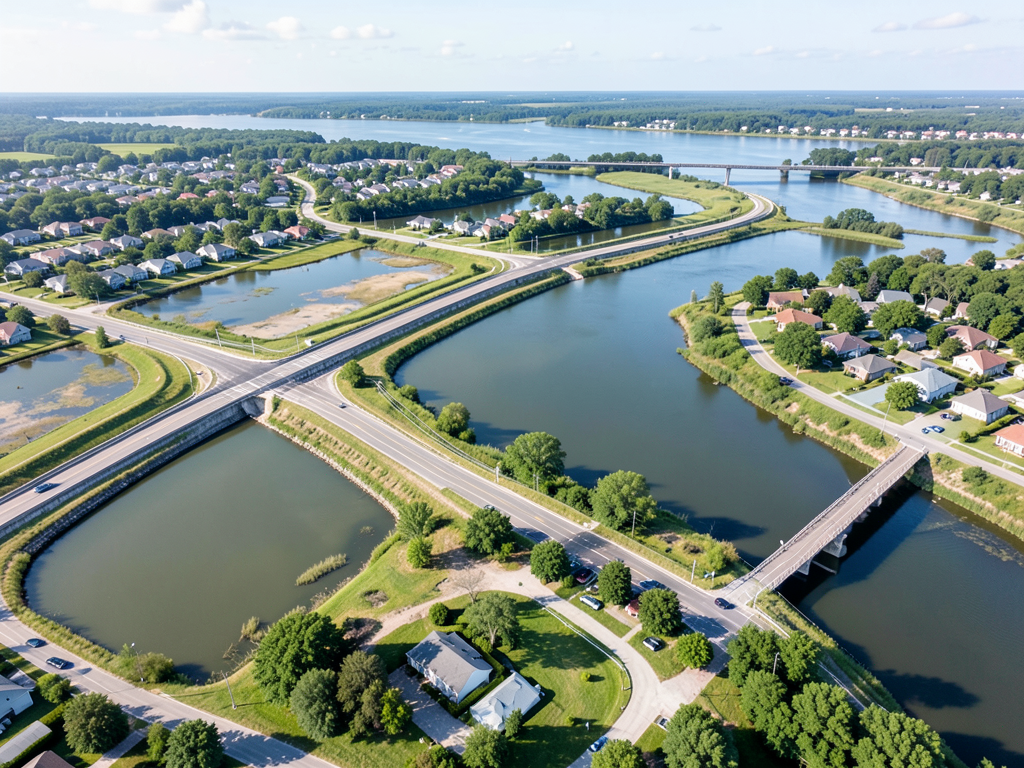
Diagram showing Natomas Basin flood zones with current levee improvements and evacuation routes
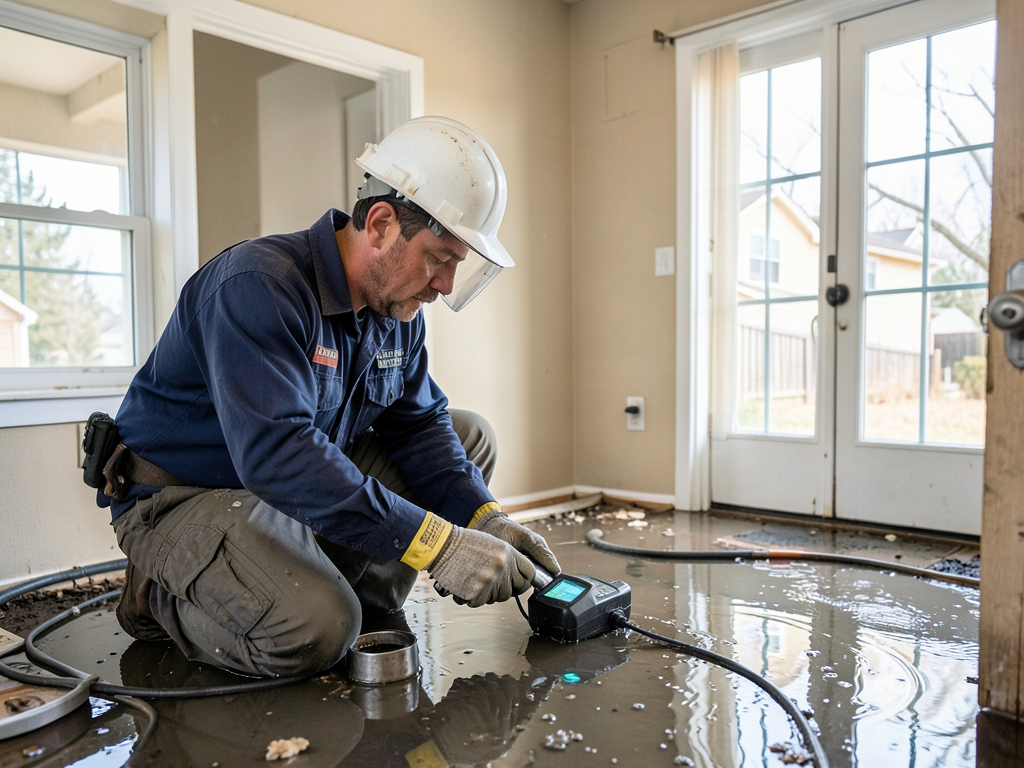
Technician using moisture meters and thermal imaging equipment to assess flood damage in a Natomas home
Industrial drying equipment setup in a flooded Natomas property with air movers and dehumidifiers
Understanding Sacramento’s Unique Flood Challenges
Sacramento’s geography creates flood risks unlike anywhere else in California. The city sits at the confluence of two major rivers with much of Natomas built on former floodplain land. Expansive clay soils common throughout the area expand when saturated causing foundation shifts that create new entry points for water even in well-maintained homes.
Atmospheric river events can dump several inches of rain in 24 hours overwhelming drainage systems designed for normal precipitation patterns. These intense storms combined with snowmelt from the Sierra Nevada create perfect conditions for Sacramento River flooding. The American River Parkway serves as both recreation space and critical floodplain but when it overflows neighborhoods bear the consequences.
Climate change models predict more frequent extreme weather events for the Sacramento Valley. This means flood risk assessment must consider not just historical patterns but future scenarios. Homeowners who understand these dynamics make better decisions about property improvements insurance coverage and emergency preparedness strategies that protect their families and investments.
Building Codes and Flood Protection Requirements
California Building Code Section 1612 mandates specific flood-resistant construction techniques for properties in Special Flood Hazard Areas. These requirements include elevated electrical systems flood vents for enclosed areas and water-resistant materials below the base flood elevation. Sacramento County enforces these standards through building permits and inspections throughout the permitting process.
Recent code updates require new construction in Natomas to include secondary water barriers under roofing materials and enhanced drainage systems that direct water away from foundations. These improvements add construction costs but significantly reduce flood damage potential. Existing homes undergoing major renovations must also comply with current flood-resistant building standards.
Homeowners should verify that contractors understand local flood protection requirements before beginning any renovation work. Improper modifications can void flood insurance policies or create new vulnerabilities. Professional restoration companies familiar with Sacramento’s building codes ensure repairs meet all regulatory requirements while addressing the specific water damage challenges your property faces.
Financial Considerations for Natomas Homebuyers
Flood zone designations directly impact Natomas property values and financing options. Homes in Zone A99 typically sell for 10 to 15 percent less than comparable properties in low-risk areas reflecting the added insurance costs and perceived risk. However the area’s rapid development and improving infrastructure continue to narrow this value gap.
Mortgage lenders evaluate flood risk when underwriting loans with some requiring elevation certificates or additional documentation for properties in high-risk zones. Government-backed loans through FHA or VA programs have stricter flood protection requirements than conventional financing. Understanding these requirements before making an offer prevents financing complications later in the transaction.
Beyond insurance costs buyers should budget for potential flood mitigation improvements. Simple upgrades like backflow preventers sump pumps with battery backup and landscape grading improvements can significantly reduce flood damage risk. These investments often pay for themselves through reduced insurance premiums and avoided repair costs during minor flooding events.
Living with Flood Risk: Community Resources and Support
Natomas residents benefit from strong community support systems focused on flood preparedness and recovery. The Sacramento Neighborhood Services program provides education about flood risks emergency planning and available resources for property protection. Local community associations often organize group purchases of flood mitigation equipment reducing individual costs.
During flood events Sacramento’s Office of Emergency Management coordinates with local agencies to provide sandbag distribution centers evacuation assistance and temporary housing for displaced residents. The American Red Cross maintains shelters throughout the region with specific locations activated based on flood extent and population needs.
Professional restoration companies like Fortress Water Damage Restoration Sacramento offer 24/7 emergency response services throughout the Natomas area. Their local presence means faster response times and understanding of neighborhood-specific challenges. Having a trusted restoration partner before disaster strikes reduces stress and accelerates recovery when flooding occurs.
Future of Flood Protection in Natomas
Ongoing improvements to Natomas flood protection continue as technology and engineering standards evolve. The Army Corps of Engineers regularly evaluates levee systems incorporating new materials construction techniques and monitoring technologies that enhance reliability. These continuous upgrades gradually move more properties toward lower risk designations and reduced insurance requirements.
Smart technology integration represents the next frontier in flood protection. Real-time water level sensors automated valve systems and predictive modeling software help authorities respond faster to developing threats. Some newer Natomas developments already incorporate these technologies providing residents with smartphone alerts about local flood conditions and automated protective measures.
The long-term vision for Natomas includes achieving FEMA accreditation for the entire basin reducing insurance requirements and increasing property values. This goal requires sustained investment community support and continued vigilance against complacency. Homebuyers who understand this trajectory make informed decisions about timing improvements and risk tolerance.
Making Your Natomas Home Purchase Decision
Understanding Natomas flood history empowers you to make informed home buying decisions. The area offers affordable housing strong community amenities and improving flood protection that many comparable regions lack. However success requires acknowledging the risks accepting the insurance costs and preparing for potential flooding events.
Work with real estate agents who understand local flood zones and can explain how different areas within Natomas face varying levels of risk. Request comprehensive flood history documentation and consider professional flood risk assessments for properties that interest you. These investments in due diligence prevent costly surprises after closing.
Remember that flood risk exists throughout Sacramento not just in Natomas. Every homebuyer in the region should understand local hydrology building codes and emergency procedures. Armed with this knowledge you can find properties that match your risk tolerance budget and lifestyle preferences while avoiding the pitfalls that trap unprepared buyers.
Frequently Asked Questions
Is flood insurance mandatory for all Natomas homes?
Most homes in Zone A99 require mandatory flood insurance for federally backed mortgages but Zone X properties may not. However many homeowners choose coverage regardless of requirements due to Sacramento’s flood history and atmospheric river risks.
How much does flood insurance cost in Natomas?
NFIP premiums in Zone A99 typically range from $1,500 to $3,000 annually depending on elevation and proximity to water sources. Zone X properties often pay $500 to $1,000 for optional coverage. Private insurers may offer different rates.
What improvements have been made to Natomas levees?
Major upgrades between 2008 and 2015 included strengthening levees improving drainage systems and enhancing seepage protection. The American River Common Features Project represents over $300 million in improvements though some sections still require additional work for full certification.
How can I check if a specific Natomas property flooded before?
Request flood history documentation from sellers check FEMA flood maps and ask long-term neighbors about past events. Professional inspectors can also identify signs of previous water damage even if sellers don’t disclose it.
What should I do immediately after my home floods?
Document damage with photos contact your insurance company within 24 hours and avoid entering flooded structures until authorities declare them safe. Professional restoration services should handle water extraction and drying to prevent mold growth. How to Fix Flooded Crawl Spaces in Land Park Homes.
Take Action Before the Next Storm Hits
Understanding Natomas flood history is just the first step in protecting your investment. Whether you are buying your first home or adding to your real estate portfolio knowledge about flood zones insurance requirements and emergency preparedness makes all the difference.
Don’t wait until water is rising to figure out your plan. Call (916) 222-9262 today to schedule a professional flood risk assessment of any Natomas property you are considering. Our local experts understand Sacramento’s unique challenges and can help you make informed decisions about your home purchase.
Pick up the phone and call (916) 222-9262 before the next storm hits. Fortress Water Damage Restoration Sacramento has been helping homeowners throughout the Natomas area since the building moratorium ended. We know these neighborhoods understand local building codes and provide rapid emergency response when flooding threatens your home.
Your dream home in Natomas deserves protection from water damage experts who live and work in your community. Call (916) 222-9262 now to learn more about our comprehensive flood damage restoration services and how we can help you buy with confidence in Sacramento’s most dynamic residential area.
You may also find this helpful. Restoring Water-Damaged Heirloom Documents and Photos After a Flood.
You may also find this helpful. Why Clogged Gutters Are the Number One Cause of Basement Leaks in Gold River.
You may also find this helpful. Why Sacramento’s Winter Rain Causes Foundation Seepage in Older Alkali Flat Homes.
{
“@context”: “https://schema.org”,
“@type”: “BlogPosting”,
“headline”: “What Sacramento Homebuyers Need to Know About Flood History in Natomas Real Estate”,
“description”: “Learn about Natomas flood zones, levee improvements, and insurance requirements. Discover how Sacramento’s flood history impacts your home buying decision.”,
“wordCount”: 2604,
“datePublished”: “2026-03-29T06:49:00.000Z”,
“dateModified”: “2026-03-29T06:49:00.000Z”,
“inLanguage”: “en-US”,
“mainEntityOfPage”: {
“@type”: “WebPage”,
“@id”: “https://fortresswaterdamagerestorationsacramento.com”
},
“publisher”: {
“@type”: “LocalBusiness”,
“name”: “Fortress Water Damage Restoration Sacramento”,
“url”: “https://fortresswaterdamagerestorationsacramento.com”
},
“author”: {
“@type”: “Organization”,
“name”: “Fortress Water Damage Restoration Sacramento”,
“url”: “https://fortresswaterdamagerestorationsacramento.com”
},
“image”: {
“@type”: “ImageObject”,
“url”: “https://fortresswaterdamagerestorationsacramento.com/wp-content/uploads/2026/03/what-sacramento-homebuyers-need-to-know-about-floo-1.png”
}
}
{
“@context”: “https://schema.org”,
“@type”: “LocalBusiness”,
“name”: “Fortress Water Damage Restoration Sacramento”,
“url”: “https://fortresswaterdamagerestorationsacramento.com”,
“address”: {
“@type”: “PostalAddress”,
“addressLocality”: “Sacramento”
},
“areaServed”: {
“@type”: “City”,
“name”: “Sacramento”
}
}
{
“@context”: “https://schema.org”,
“@type”: “FAQPage”,
“mainEntity”: [
{
“@type”: “Question”,
“name”: “Is flood insurance mandatory for all Natomas homes?”,
“acceptedAnswer”: {
“@type”: “Answer”,
“text”: “Most homes in Zone A99 require mandatory flood insurance for federally backed mortgages but Zone X properties may not. However many homeowners choose coverage regardless of requirements due to Sacramento’s flood history and atmospheric river risks.”
}
},
{
“@type”: “Question”,
“name”: “How much does flood insurance cost in Natomas?”,
“acceptedAnswer”: {
“@type”: “Answer”,
“text”: “NFIP premiums in Zone A99 typically range from $1,500 to $3,000 annually depending on elevation and proximity to water sources. Zone X properties often pay $500 to $1,000 for optional coverage. Private insurers may offer different rates.”
}
},
{
“@type”: “Question”,
“name”: “How can I check if a specific Natomas property flooded before?”,
“acceptedAnswer”: {
“@type”: “Answer”,
“text”: “Request flood history documentation from sellers check FEMA flood maps and ask long-term neighbors about past events. Professional inspectors can also identify signs of previous water damage even if sellers don’t disclose it.”
}
},
{
“@type”: “Question”,
“name”: “What should I do immediately after my home floods?”,
“acceptedAnswer”: {
“@type”: “Answer”,
“text”: “Document damage with photos contact your insurance company within 24 hours and avoid entering flooded structures until authorities declare them safe. Professional restoration services should handle water extraction and drying to prevent mold growth. How to Fix Flooded Crawl Spaces in Land Park Homes.”
}
}
]
}
{
“@context”: “https://schema.org”,
“@type”: “BreadcrumbList”,
“itemListElement”: [
{
“@type”: “ListItem”,
“position”: 1,
“name”: “Home”,
“item”: “https://fortresswaterdamagerestorationsacramento.com”
},
{
“@type”: “ListItem”,
“position”: 2,
“name”: “Blog”,
“item”: “https://fortresswaterdamagerestorationsacramento.com/blog”
},
{
“@type”: “ListItem”,
“position”: 3,
“name”: “What Sacramento Homebuyers Need to Know About Flood History in Natomas Real Estate”
}
]
}
{
“@context”: “https://schema.org”,
“@type”: “Service”,
“serviceType”: “Water Damage Restoration”,
“provider”: {
“@type”: “LocalBusiness”,
“name”: “Fortress Water Damage Restoration Sacramento”,
“url”: “https://fortresswaterdamagerestorationsacramento.com”
},
“areaServed”: {
“@type”: “City”,
“name”: “Sacramento”
},
“description”: “Learn about Natomas flood zones, levee improvements, and insurance requirements. Discover how Sacramento’s flood history impacts your home buying decision.”
}