
Why standard restoration techniques might ruin your custom marble floors in a Wilhaggin estate
Water damage in a Wilhaggin estate demands more than standard restoration methods. Standard fans and dehumidifiers can permanently etch, crack, or discolor custom marble floors. The unique properties of natural stone require specialized drying techniques that preserve both the stone’s structural integrity and its luxurious finish. Natural Stone Institute.
Wilhaggin homes feature high-end materials like imported marble that react poorly to aggressive industrial drying. Standard restoration equipment creates rapid temperature changes and uneven moisture removal that can cause marble to spall, develop efflorescence, or trap moisture beneath the surface. This leads to costly repairs or complete floor replacement. Choosing a Restoration Company.
Understanding the specific vulnerabilities of marble in Sacramento’s climate is crucial. The combination of hard water minerals, seasonal humidity shifts, and the stone’s natural porosity creates conditions where standard methods fail. Professional stone restoration requires controlled drying environments, specialized moisture detection, and pH-balanced cleaning agents. Professional Mold Remediation After Water Damage in Rocklin.
The hidden dangers of standard restoration on marble surfaces
Standard water damage restoration relies on high-velocity air movers and refrigerant dehumidifiers. These create rapid evaporation that sounds effective but damages marble’s crystalline structure. The sudden moisture removal causes thermal shock, leading to hairline cracks that expand over time. Water Damage Restoration Cost 2026.
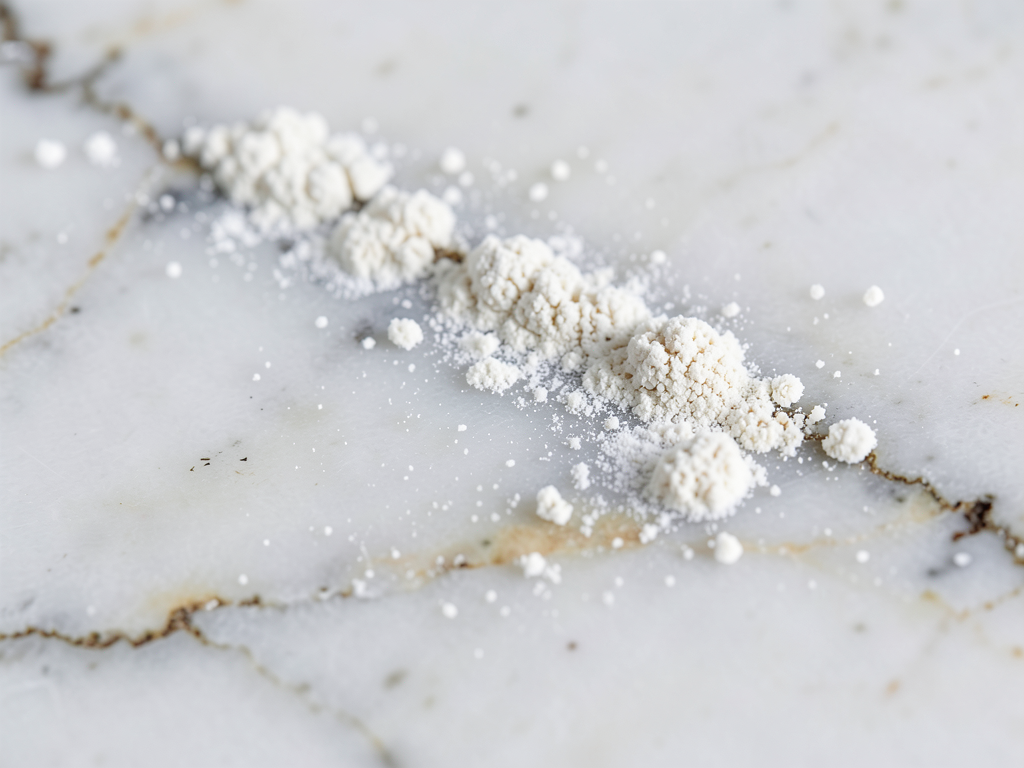
Standard equipment also fails to detect moisture trapped within marble’s micro-fissures. Surface dryness readings can be misleading when water remains embedded in the stone. This hidden moisture continues to migrate, causing efflorescence—the white, powdery mineral deposits that permanently mar marble’s finish.. Read more about Dealing with moisture vapor emissions through concrete slabs in South Natomas.
The pH balance of standard cleaning agents poses another threat. Most industrial cleaners are alkaline, which reacts with marble’s calcium carbonate composition. This chemical reaction etches the surface, creating dull spots and permanent damage that requires professional polishing to repair.. Read more about Structural drying vs rip and tear and which approach is right for your home.
Why Wilhaggin estates require specialized stone restoration
Wilhaggin estates often feature custom-cut marble imported from Italy, Spain, or Greece. These stones have unique mineral compositions and varying porosity levels that standard restoration methods cannot accommodate. A technician treating Carrara marble the same way as travertine guarantees damage.. Read more about What to do when water damage hits your private art collection or gallery space.
The neighborhood’s mature landscaping and large trees create specific water damage scenarios. Root intrusion, irrigation system failures, and drainage issues commonly affect these properties. The water from these sources often contains high mineral content that standard restoration cannot properly address.
Wilhaggin homes typically have complex architectural features—arched entryways, custom inlays, and decorative borders—that require careful handling. Standard restoration crews lack the expertise to protect these details during the drying process, leading to chipped edges and damaged patterns.
Diagnostic testing: The first critical step
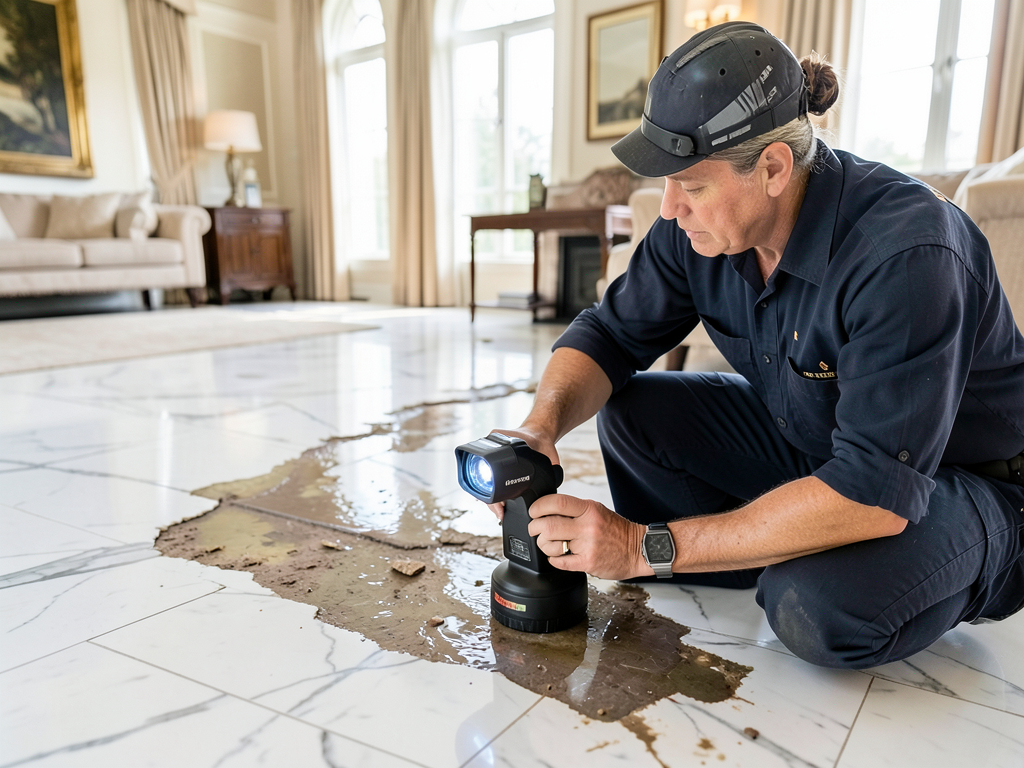
Professional stone restoration begins with comprehensive moisture mapping using non-invasive thermal imaging cameras. These devices detect temperature variations that indicate moisture presence without damaging the stone’s surface. Standard restoration rarely includes this diagnostic step.
Moisture meters with specialized stone probes measure water content at multiple depths. This three-dimensional moisture profile reveals whether water has penetrated the stone’s full thickness or remains in the substrate below. Standard meters designed for wood and drywall cannot accurately read stone moisture levels.
pH testing of affected areas determines whether mineral deposits have formed. This chemical analysis guides the selection of cleaning agents and identifies whether specialized acid-neutralization treatments are necessary before drying begins.
Specialized drying techniques for natural stone
Controlled drying chambers create stable environments where temperature and humidity remain constant. This prevents the thermal shock that causes marble cracking. Standard room drying allows temperature fluctuations that stress the stone’s structure.
Desiccant dehumidification removes moisture without creating air movement across the stone surface. This gentle approach prevents the micro-abrasion that occurs when airborne particles strike wet marble under high-velocity airflow.
Sub-surface drying mats apply low-pressure vacuum extraction to draw moisture from within the stone. This technique removes embedded water without the evaporation that causes efflorescence. Standard fans cannot extract moisture from stone’s interior structure.
Efflorescence removal and prevention
Efflorescence forms when water carries dissolved minerals to the stone surface, where they crystallize as the water evaporates. Standard restoration accelerates this process by promoting rapid evaporation. Professional removal requires pH-neutral chelating agents that dissolve mineral deposits without etching the marble.
Prevention involves addressing the moisture source rather than just drying the surface. This may require subfloor vapor barrier installation or drainage system repairs that standard restoration companies rarely perform.
Sealing after moisture removal prevents future efflorescence by creating a barrier that blocks mineral migration. Standard topical sealers trap moisture, while professional impregnating sealers allow the stone to breathe while blocking mineral transport.
Sanitation and antimicrobial treatment for porous stone
Marble’s porosity makes it susceptible to mold growth within the stone matrix. Standard restoration often skips antimicrobial treatment, leaving dormant spores that reactivate when moisture returns. Professional treatment uses stone-safe biocides that penetrate the surface without causing discoloration.
Hydrogen peroxide-based treatments provide effective sanitation without the etching risk of chlorine-based products. The concentration and application method must be precisely controlled to avoid surface damage.
Post-treatment testing verifies that microbial activity has been eliminated. Standard restoration rarely includes this verification step, leaving hidden contamination that can cause health issues and odors.
Post-drying polishing and refinishing
Even with specialized drying, marble often requires refinishing to restore its original luster. Standard restoration leaves etched surfaces and dull spots that detract from the stone’s appearance. Professional polishing uses progressively finer diamond abrasives to restore the finish without removing excessive material.
The polishing process must match the original finish—whether polished, honed, or tumbled. Standard restoration crews typically cannot replicate these finishes, resulting in mismatched areas that are visible under certain lighting conditions.
Final sealing protects the restored surface and enhances the stone’s natural color. The sealer must be compatible with the stone type and the home’s specific environmental conditions in Sacramento’s climate.
Insurance documentation for high-value stone assets
Insurance claims for custom marble require detailed documentation that standard restoration companies rarely provide. Professional stone restoration includes moisture mapping reports, material analysis, and photographic documentation that supports maximum claim recovery.
Material identification and valuation documents establish the stone’s replacement cost. Standard restoration estimates typically undervalue custom materials, resulting in claim settlements that don’t cover proper restoration.
Pre- and post-restoration condition reports document the effectiveness of specialized techniques and justify the higher costs associated with proper stone restoration.
Common water damage scenarios in Wilhaggin homes
Second-floor bathroom leaks commonly damage marble floors below through ceiling penetrations. Standard restoration often fails to address the unique challenges of restoring stone that has been subjected to prolonged moisture exposure from above.
Irrigation system failures near foundation walls can cause hydrostatic pressure that forces water through marble flooring. This scenario requires sub-surface moisture extraction that standard equipment cannot perform.
HVAC condensate line failures in utility closets can create prolonged moisture exposure that standard fans cannot adequately address. The combination of condensate minerals and standard drying creates conditions perfect for efflorescence formation.
The cost of improper restoration vs. specialized care
Improper restoration often leads to complete floor replacement costs ranging from $50 to $200 per square foot for custom marble. Specialized restoration typically costs 30-40% more upfront but prevents these catastrophic expenses.
The timeline difference is significant. Standard restoration might complete in 3-4 days, while proper stone restoration requires 7-10 days to ensure complete moisture removal and proper curing of treatments. This longer timeline prevents the callbacks and additional damage that plague standard restoration.
Warranty coverage differs dramatically. Standard restoration typically offers 30-90 day warranties, while specialized stone restoration includes multi-year guarantees against moisture-related damage.
Finding qualified stone restoration specialists
Look for technicians certified by the Natural Stone Institute or similar organizations. These certifications require specific training in stone chemistry, moisture dynamics, and restoration techniques that standard restoration companies don’t provide.
Verify experience with your specific stone type. A company that specializes in granite countertops may lack the expertise needed for marble floor restoration. Request references for similar projects in Sacramento-area estates.
Check for specialized equipment. Professional stone restoration requires thermal imaging cameras, moisture meters with stone-specific probes, desiccant dehumidifiers, and controlled drying chambers that standard restoration companies don’t invest in.
Emergency response: What to do before help arrives
Immediately stop the water source if possible. For marble floors, avoid using towels or mops that might scratch the surface. Standard advice to use fans can actually worsen damage by promoting efflorescence.
Document the damage with photographs before any cleaning or drying attempts. This documentation is crucial for insurance claims and helps restoration specialists assess the situation remotely.
Maintain stable room temperature between 65-75 degrees Fahrenheit. Extreme temperatures accelerate damage to wet marble. Standard advice to increase airflow can create harmful temperature differentials.
Long-term maintenance after restoration
Proper maintenance prevents future water damage escalation. This includes regular sealing, immediate spill cleanup, and humidity control that standard restoration companies rarely address in their service offerings.
Professional maintenance plans include annual moisture testing to detect early problems before they require major restoration. Standard restoration companies typically don’t offer these preventive services.
Understanding your stone’s specific vulnerabilities helps prevent damage. For example, some marbles are more susceptible to etching from acidic substances, while others are prone to staining from oil-based materials.
Frequently Asked Questions
How can I tell if my marble floors have water damage?
Look for dull spots, white powdery deposits, or areas that feel cooler to the touch. Water-damaged marble may also show hairline cracks or discoloration that wasn’t present before. Professional moisture testing can confirm hidden damage.
Will my homeowner’s insurance cover specialized marble restoration?
Most policies cover water damage restoration, but the scope depends on your specific coverage. Specialized stone restoration may require additional documentation to justify the higher costs compared to standard methods.
How long does proper marble restoration take?
Specialized stone restoration typically requires 7-10 days for complete moisture removal, treatment, and refinishing. This timeline ensures thorough drying and prevents the damage that rushed standard restoration often causes.
Can I use standard restoration companies for my marble floors?
Standard restoration companies lack the specialized equipment and expertise needed for marble. While they may offer lower initial costs, the risk of permanent damage often results in much higher expenses for repairs or replacement.
What makes Sacramento’s water particularly challenging for marble restoration?
Sacramento’s hard water contains high mineral content that complicates stone restoration. The combination of calcium, magnesium, and other minerals in our water supply creates unique challenges for moisture removal and efflorescence prevention.
- Stop Water Source
Immediately shut off water supply to prevent additional damage to marble surfaces.
- Document Damage
Photograph all affected areas before any cleaning or drying attempts for insurance purposes.
- Control Temperature
Maintain room temperature between 65-75 degrees to prevent thermal shock to wet marble.
- Avoid Standard Fans
Don’t use regular fans as they can promote efflorescence and surface damage on marble.
- Call Specialists
Contact certified stone restoration experts who understand marble’s unique requirements.
Don’t let standard restoration techniques destroy your investment. Call (916) 222-9262 today to schedule your inspection and protect your custom marble floors from permanent damage.
Pick up the phone and call (916) 222-9262 before the next storm hits. Your Wilhaggin estate deserves specialized care that standard restoration cannot provide. For more information, visit IICRC.
{
“@context”: “https://schema.org”,
“@type”: “BlogPosting”,
“headline”: “Why standard restoration techniques might ruin your custom marble floors in a Wilhaggin estate”,
“description”: “Standard restoration methods can permanently damage luxury marble in Sacramento’s Wilhaggin estates. Learn why specialized stone drying is critical after water damage.”,
“wordCount”: 1853,
“datePublished”: “2026-04-28T11:25:00.000Z”,
“dateModified”: “2026-04-28T11:25:00.000Z”,
“inLanguage”: “en-US”,
“mainEntityOfPage”: {
“@type”: “WebPage”,
“@id”: “https://fortresswaterdamagerestorationsacramento.com”
},
“publisher”: {
“@type”: “LocalBusiness”,
“name”: “Fortress Water Damage Restoration Sacramento”,
“url”: “https://fortresswaterdamagerestorationsacramento.com”
},
“author”: {
“@type”: “Organization”,
“name”: “Fortress Water Damage Restoration Sacramento”,
“url”: “https://fortresswaterdamagerestorationsacramento.com”
},
“image”: {
“@type”: “ImageObject”,
“url”: “https://fortresswaterdamagerestorationsacramento.com/wp-content/uploads/2026/03/why-standard-restoration-techniques-might-ruin-you-1.png”
}
}
{
“@context”: “https://schema.org”,
“@type”: “LocalBusiness”,
“name”: “Fortress Water Damage Restoration Sacramento”,
“url”: “https://fortresswaterdamagerestorationsacramento.com”,
“address”: {
“@type”: “PostalAddress”,
“addressLocality”: “Sacramento”
},
“areaServed”: {
“@type”: “City”,
“name”: “Sacramento”
}
}
{
“@context”: “https://schema.org”,
“@type”: “FAQPage”,
“mainEntity”: [
{
“@type”: “Question”,
“name”: “How can I tell if my marble floors have water damage?”,
“acceptedAnswer”: {
“@type”: “Answer”,
“text”: “Look for dull spots, white powdery deposits, or areas that feel cooler to the touch. Water-damaged marble may also show hairline cracks or discoloration that wasn’t present before. Professional moisture testing can confirm hidden damage.”
}
},
{
“@type”: “Question”,
“name”: “Will my homeowner’s insurance cover specialized marble restoration?”,
“acceptedAnswer”: {
“@type”: “Answer”,
“text”: “Most policies cover water damage restoration, but the scope depends on your specific coverage. Specialized stone restoration may require additional documentation to justify the higher costs compared to standard methods.”
}
},
{
“@type”: “Question”,
“name”: “How long does proper marble restoration take?”,
“acceptedAnswer”: {
“@type”: “Answer”,
“text”: “Specialized stone restoration typically requires 7-10 days for complete moisture removal, treatment, and refinishing. This timeline ensures thorough drying and prevents the damage that rushed standard restoration often causes.”
}
},
{
“@type”: “Question”,
“name”: “Can I use standard restoration companies for my marble floors?”,
“acceptedAnswer”: {
“@type”: “Answer”,
“text”: “Standard restoration companies lack the specialized equipment and expertise needed for marble. While they may offer lower initial costs, the risk of permanent damage often results in much higher expenses for repairs or replacement.”
}
}
]
}
{
“@context”: “https://schema.org”,
“@type”: “HowTo”,
“name”: “Emergency Stone Restoration Steps”,
“step”: [
{
“@type”: “HowToStep”,
“position”: 1,
“name”: “Stop Water Source”,
“text”: “Immediately shut off water supply to prevent additional damage to marble surfaces.”
},
{
“@type”: “HowToStep”,
“position”: 2,
“name”: “Document Damage”,
“text”: “Photograph all affected areas before any cleaning or drying attempts for insurance purposes.”
},
{
“@type”: “HowToStep”,
“position”: 3,
“name”: “Control Temperature”,
“text”: “Maintain room temperature between 65-75 degrees to prevent thermal shock to wet marble.”
},
{
“@type”: “HowToStep”,
“position”: 4,
“name”: “Avoid Standard Fans”,
“text”: “Don’t use regular fans as they can promote efflorescence and surface damage on marble.”
},
{
“@type”: “HowToStep”,
“position”: 5,
“name”: “Call Specialists”,
“text”: “Contact certified stone restoration experts who understand marble’s unique requirements.”
}
],
“image”: “https://fortresswaterdamagerestorationsacramento.com/wp-content/uploads/2026/03/why-standard-restoration-techniques-might-ruin-you-1.png”
}
{
“@context”: “https://schema.org”,
“@type”: “BreadcrumbList”,
“itemListElement”: [
{
“@type”: “ListItem”,
“position”: 1,
“name”: “Home”,
“item”: “https://fortresswaterdamagerestorationsacramento.com”
},
{
“@type”: “ListItem”,
“position”: 2,
“name”: “Blog”,
“item”: “https://fortresswaterdamagerestorationsacramento.com/blog”
},
{
“@type”: “ListItem”,
“position”: 3,
“name”: “Why standard restoration techniques might ruin your custom marble floors in a Wilhaggin estate”
}
]
}
{
“@context”: “https://schema.org”,
“@type”: “Service”,
“serviceType”: “Water Damage Restoration”,
“provider”: {
“@type”: “LocalBusiness”,
“name”: “Fortress Water Damage Restoration Sacramento”,
“url”: “https://fortresswaterdamagerestorationsacramento.com”
},
“areaServed”: {
“@type”: “City”,
“name”: “Sacramento”
},
“description”: “Standard restoration methods can permanently damage luxury marble in Sacramento’s Wilhaggin estates. Learn why specialized stone drying is critical after water damage.”
}