
Finding out who is liable for water damage in a shared wall condo near the Capitol Mall
When water starts seeping through your shared wall in a Capitol Mall condo, panic sets in fast. You wonder: is this my responsibility or the HOA’s? Will my insurance cover it? The answer depends on where the water came from and what California law says about condo ownership. California Department of Real Estate.
California’s Davis-Stirling Act divides condo property into two categories: the “separate interest” (your unit) and the “common area” (shared spaces). Water damage liability follows this division. If a pipe bursts in your kitchen sink, you likely pay. If the leak starts in a shared wall or roof, the HOA probably covers it. But Sacramento’s older condo buildings near the Capitol often have complex plumbing layouts that make this determination tricky. Water Damage Restoration Cost 2026.
Before you call your insurance company, you need to know the source. That’s where professional moisture detection becomes critical. A certified restoration team can trace the water path, document the damage, and provide the evidence your insurance adjuster needs to make the right call. Professional Mold Remediation After Water Damage in Rocklin.
The Davis-Stirling Act: California’s Condo Law Explained
California Civil Code Section 4775 defines who maintains what in a condo association. The HOA maintains common areas including roofs, exterior walls, and shared plumbing lines. You maintain your unit’s interior plumbing, fixtures, and appliances. But here’s the catch: many Capitol Mall condos have “exclusive use common areas” like balconies or water heaters in shared closets. These fall into a gray zone.. Read more about How to document water damage so you don’t lose your security deposit in a Midtown apartment.
The law also requires HOAs to carry master insurance policies covering common areas. However, these policies rarely cover your personal belongings or the interior walls of your unit. That’s why you need your own HO-6 policy. Without it, you could be paying thousands out of pocket for damage that started in a shared wall.. Read more about Navigating the complex insurance claims for water damage in a North Natomas HOA.
Understanding this framework prevents disputes with your HOA board and speeds up the claims process. When you know your rights under Davis-Stirling, you can advocate for yourself effectively.
Determining the Source: Common Area vs. Separate Interest
The first step in any water damage claim is finding the source. This matters because liability follows the source, not the damage location. A leak from your upstairs neighbor’s washing machine affects your ceiling, but they’re liable if it’s their fixture that failed.
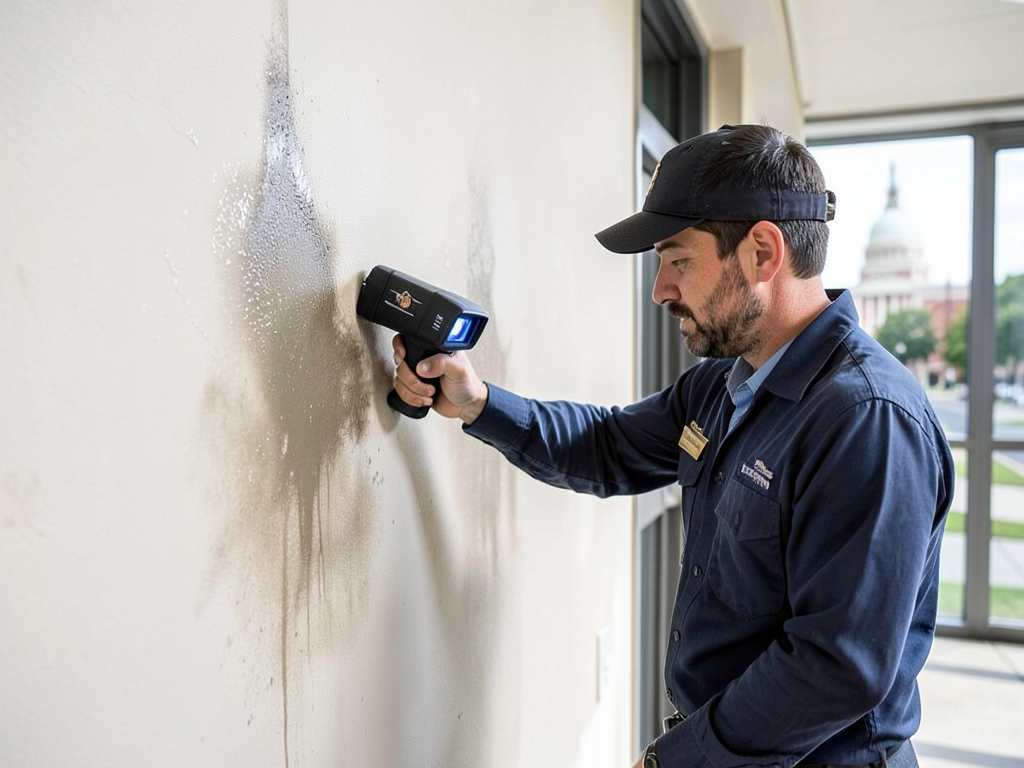
Professional water restoration technicians use moisture meters, thermal imaging cameras, and borescopes to trace leaks through walls. They can tell if water traveled along a shared plumbing chase or if it originated in your unit. This documentation becomes crucial evidence for insurance subrogation. Choosing a Restoration Company.
Common sources in Capitol Mall condos include aging galvanized pipes, failed shower pan liners, and roof leaks around HVAC penetrations. The building’s age matters. Many structures near the Capitol were built in the 1970s and 1980s when construction standards differed from today’s codes.
Don’t assume the worst. A small stain could indicate a slow leak that’s been building for months, or it could be a sudden burst that requires immediate action. Either way, professional assessment prevents the damage from getting worse.
The Role of the Sacramento HOA Master Insurance Policy
Every Sacramento condo HOA must carry a master insurance policy covering common areas and the building exterior. These policies typically cover damage to shared walls, roofs, and plumbing that serves multiple units. However, they almost never cover your personal property, flooring, or interior finishes.
The policy also includes a deductible, often $5,000 to $25,000. If the damage is below this amount, the HOA might not file a claim at all. Instead, they may expect individual owners to pay for their own repairs. This creates a financial trap for owners who assume the HOA covers everything.
Some Sacramento HOAs have “walls-in” policies that provide more coverage than standard “bare walls” policies. You need to read your HOA’s CC&Rs and insurance documents to understand your protection level. Many owners discover too late that their “comprehensive” coverage leaves huge gaps.
When multiple units are affected, the HOA typically coordinates repairs through their master policy. But if only your unit is damaged from a common area source, you might need to pay upfront and seek reimbursement later.
Unit Owner Responsibility: The HO-6 Policy explained
Your HO-6 policy, also called condo insurance, fills the gaps left by your HOA’s master policy. It covers your personal belongings, interior walls, flooring, and any improvements you’ve made. Without it, you’re exposed to significant financial risk.
HO-6 policies also provide liability coverage if someone is injured in your unit. They cover additional living expenses if you must relocate during repairs. These benefits become critical when water damage forces you out of your home for weeks.
Many Sacramento condo owners mistakenly believe their HOA’s insurance covers everything. This misconception leads to devastating financial surprises when damage occurs. A standard HO-6 policy costs $200 to $500 annually but can save you $10,000 or more in a single claim.
Your policy also includes a deductible, typically $500 to $2,500. You’ll pay this amount regardless of who’s ultimately liable for the damage. Understanding your coverage limits and exclusions helps you make informed decisions during emergencies.
Negligence vs. ‘Act of God’: How Liability Shifts
Not all water damage is created equal in the eyes of insurance companies. If a pipe bursts due to normal wear and tear, your HOA or insurance likely covers it. But if the damage results from negligence, liability can shift dramatically.
Negligence examples include failing to maintain your water heater, ignoring small leaks, or making unauthorized plumbing modifications. In these cases, you could be held financially responsible even if the damage affects shared areas. Insurance companies actively investigate negligence claims to avoid paying.
“Act of God” events like lightning strikes or earthquakes have different liability rules. Your HOA’s master policy might exclude these events entirely, leaving you dependent on your own insurance or federal disaster assistance.
Documentation becomes your best defense against negligence claims. Keep maintenance records, inspection reports, and photos of your unit’s condition. This evidence proves you’ve fulfilled your duty to maintain your property properly.
Steps to Take if You Discover Water Damage in Your Sacramento Condo
Time matters when water damage strikes. Every hour allows moisture to spread deeper into walls, floors, and ceilings. Mold can begin growing within 24 to 48 hours in Sacramento’s climate. Here’s what to do immediately:
- Stop the water source if possible. Know where your unit’s main shut-off valve is located.
- Document everything with photos and videos before touching anything.
- Notify your HOA board in writing about the damage and its location.
- Call a certified water restoration company for professional assessment.
- Review your insurance policies to understand your coverage.
- Keep all receipts for emergency repairs or temporary housing.
Avoid these common mistakes: Don’t start demolition work without proper documentation. Don’t assume the HOA will handle everything. Don’t delay professional assessment hoping the problem will resolve itself.
Professional restoration companies work directly with insurance adjusters and can often bill insurance companies directly. This arrangement reduces your upfront costs and speeds up the claims process.
Why Source Detection is the First Step in a Liability Claim
Insurance companies won’t pay a claim without proof of the damage source. They need to know whether the water came from a common area pipe, your unit’s plumbing, or an external source like roof damage. This determination affects who pays the claim.
Professional moisture detection uses multiple tools to build a complete picture. Thermal imaging cameras show temperature differences that indicate moisture presence. Moisture meters measure water content in materials. Borescopes allow visual inspection inside wall cavities without demolition.
The detection process creates a moisture map showing exactly where water has traveled. This map becomes part of your insurance claim documentation. It proves the extent of damage and helps prevent disputes about what needs repair.
In Sacramento’s older condo buildings, source detection often reveals hidden problems. Galvanized pipes nearing the end of their lifespan, failed waterproofing membranes, or deteriorated roof flashing all contribute to water damage. Identifying these issues prevents future claims.
Professional assessment also includes humidity and temperature readings. These measurements help determine whether mold growth is likely and what drying methods will work best. They provide the scientific data insurance companies require for claim approval.
Understanding Sacramento Building Codes and Water Damage
Sacramento County follows California Building Code standards for water damage restoration. The code requires proper drying techniques to prevent mold growth and structural damage. It also mandates specific materials and methods for repairs in multi-unit buildings.
California Code of Regulations Title 24 includes energy efficiency standards that affect how restoration work must be performed. For example, new insulation must meet current R-value requirements when walls are opened for repairs. This ensures your restored unit meets modern efficiency standards.
The International Building Code, adopted by Sacramento, requires proper ventilation in moisture-prone areas. Restoration work must address these requirements to pass inspection. Failing to meet code can result in fines and require costly rework.
Understanding these codes helps you evaluate restoration proposals. A reputable company will explain how their work complies with all applicable standards. They should provide documentation showing code compliance for your records.
Local permits may be required for certain types of water damage repairs, especially those affecting structural elements or electrical systems. Your restoration company should handle permit acquisition as part of their service.
The Mold Risk in Sacramento Condos
Sacramento’s climate creates perfect conditions for mold growth after water damage. Summer temperatures often exceed 90 degrees Fahrenheit, while winter brings humidity from the Delta breeze. These conditions accelerate mold development in water-damaged materials.
California Department of Public Health guidelines require prompt mold remediation when contamination exceeds 10 square feet. Smaller areas might be cleaned by homeowners, but larger contamination requires professional remediation to prevent health risks.
Certain building materials in older Sacramento condos are particularly susceptible to mold. Cellulose insulation, drywall paper facing, and carpet padding all provide food sources for mold spores. Quick drying prevents these materials from becoming mold incubators.
Mold exposure can cause respiratory problems, allergic reactions, and other health issues. Insurance companies often deny claims for mold damage if proper water damage mitigation wasn’t performed promptly. This makes professional assessment crucial for protecting your health and finances.
Professional restoration companies use antimicrobial treatments and HEPA filtration during the drying process. These methods prevent mold growth while removing existing contamination. They also provide documentation showing your property was properly treated.
Working with Your HOA During a Water Damage Claim
Communication with your HOA board can make or break your water damage claim. Sacramento HOAs have varying levels of responsiveness and expertise. Some boards handle claims efficiently, while others create unnecessary delays.
Document all communications with your HOA in writing. Email creates a paper trail that proves when you notified them of the damage and what actions they promised to take. This documentation becomes valuable if disputes arise later.
Request copies of your HOA’s insurance policy and CC&Rs. These documents define what the association covers and what you’re responsible for. Understanding these documents before damage occurs helps you prepare financially.
Some Sacramento HOAs require owners to submit damage claims through specific procedures. Failing to follow these procedures can result in claim denial. Ask your HOA management company about their claims process early in the damage assessment.
If your HOA is unresponsive or disputes your claim, consider involving a California-licensed attorney familiar with Davis-Stirling Act cases. Legal intervention often prompts faster action from reluctant HOAs.
Preventing Future Water Damage in Your Condo
Prevention costs far less than restoration. Simple maintenance steps can prevent most common water damage scenarios in Sacramento condos. Start with regular plumbing inspections, especially in older buildings with galvanized pipes.
Check your water heater annually for signs of corrosion or leaks. Replace units over 10 years old before they fail catastrophically. Install water leak detection devices that can shut off your water supply automatically if they detect unusual flow patterns.
Inspect your unit’s plumbing connections regularly. Look for corrosion on supply lines, check under sinks for moisture, and test toilet seals. Small leaks often indicate larger problems developing behind walls.
Know your building’s plumbing layout. Understanding which pipes serve multiple units helps you identify potential problem areas. Ask your HOA for plumbing schematics if available.
Consider upgrading to modern PEX plumbing if your building still uses older materials. While expensive, this investment can prevent major damage and might reduce your insurance premiums.
Don’t ignore small signs of water damage. Stains, musty odors, or warped flooring often indicate larger problems developing. Early intervention prevents costly repairs later.
Insurance Subrogation and Multiple Party Claims
When water damage involves multiple parties, insurance companies engage in subrogation to determine who ultimately pays. This process can take months and requires extensive documentation from all involved parties.
Subrogation investigations examine maintenance records, inspection reports, and expert assessments to determine liability. If negligence is found, the responsible party’s insurance may seek reimbursement from the negligent party.
In multi-unit buildings, subrogation can involve the HOA’s master policy, multiple individual HO-6 policies, and sometimes third-party liability coverage. The process determines how costs are allocated among all parties.
Professional restoration companies often assist with subrogation by providing detailed damage assessments and cause determinations. Their expertise helps insurance adjusters make accurate liability decisions.
Be prepared for delays during subrogation. Insurance companies must complete their investigations before finalizing claim payments. Keep detailed records of all expenses during this period for potential reimbursement.
Understanding subrogation helps you manage expectations during the claims process. It also helps you make informed decisions about temporary repairs while investigations continue.
When to Call a Professional Water Restoration Company
Not all water damage requires professional restoration, but certain situations demand immediate expert attention. Category 3 water (sewage, floodwater) poses serious health risks and requires specialized equipment and training to handle safely. The Most Reliable Sewage Backup Cleanup Services in Elk Grove.
Large-scale damage affecting multiple rooms or units needs professional assessment to prevent structural damage and mold growth. Professional companies have the equipment to dry materials in place when possible, reducing demolition and reconstruction costs.
If you’re dealing with insurance claims, professional documentation provides the evidence adjusters need to approve your claim. Restoration companies understand insurance requirements and can help navigate the claims process.
Time-sensitive situations require immediate professional response. Water spreads quickly through building materials, and delays increase restoration costs exponentially. A 24-hour response can mean the difference between drying and replacing materials.
Professional companies also handle the complex coordination required when multiple parties are involved. They communicate with HOAs, insurance companies, and other stakeholders to ensure everyone understands the scope and timeline of repairs.
Look for companies with IICRC certification and experience with multi-unit buildings. They should provide detailed written estimates and explain their drying and restoration processes clearly. IICRC S500 Standard for Professional Water Damage Restoration.
Understanding Your Rights as a Condo Owner
California law provides specific protections for condo owners facing water damage. The Davis-Stirling Act requires HOAs to maintain common areas properly and to respond to damage claims promptly. Failure to do so can result in legal liability for the association.
You have the right to inspect your HOA’s insurance policies and financial records. This transparency helps you understand your protection level and identify potential coverage gaps before damage occurs.
If your HOA fails to address known water damage issues, you may have grounds for legal action. California courts have held HOAs liable for damages resulting from their failure to maintain common areas properly.
You also have the right to choose your own restoration contractor, even if the HOA is paying for repairs. This ensures you get quality work and protects your interests throughout the restoration process.
Understanding these rights helps you advocate for yourself effectively. Don’t accept substandard responses from your HOA or insurance company. Know what you’re entitled to under California law.
If disputes arise, consider joining or forming a condo owner’s association within your building. Collective action often achieves better results than individual complaints.
Cost Factors in Water Damage Restoration
Water damage restoration costs vary widely based on several factors. The water category (clean, gray, or black) affects both the scope of work and the required safety measures. Black water requires specialized equipment and disposal methods that increase costs significantly.
The extent of damage determines how much material must be removed and replaced. Small leaks might only require drying and minor repairs, while major floods often require complete demolition and reconstruction of affected areas.
Building accessibility affects labor costs. Water damage in hard-to-reach areas like crawl spaces or upper floors requires additional equipment and time to address properly. How to Fix Flooded Crawl Spaces in Land Park Homes.
Material costs vary by quality and availability. High-end finishes cost more to replace than standard materials. Supply chain issues can also affect pricing and availability of certain materials.
Emergency response fees apply for after-hours service calls. While expensive, these fees are often justified by the damage prevention they provide. A $1,000 emergency call might save $10,000 in additional damage that occurs during overnight delays.
Insurance coverage significantly affects your out-of-pocket costs. Understanding your policy’s deductibles, coverage limits, and exclusions helps you budget for potential expenses.
Professional restoration companies provide detailed estimates breaking down all cost factors. This transparency helps you understand where your money goes and make informed decisions about repairs.
The Importance of Documentation
Thorough documentation protects your interests throughout the water damage process. Start by photographing all damage before any cleanup begins. These “before” photos become crucial evidence for insurance claims.
Keep a log of all communications with your HOA, insurance company, and contractors. Note dates, times, and the content of conversations. This record helps resolve disputes about what was promised or delivered.
Save all receipts related to the damage, including temporary housing, emergency repairs, and replacement items. Insurance companies often reimburse these expenses if they’re properly documented.
Request written estimates and contracts from all contractors. These documents define the scope of work and protect you from unexpected charges or incomplete repairs.
Document the drying process with moisture readings and progress reports. This documentation proves when materials reached acceptable moisture levels for repair or replacement.
Keep copies of all insurance correspondence and claim documents. These records help you track claim progress and provide evidence if you need to appeal claim decisions.
Consider creating a digital folder with all damage-related documents. Cloud storage ensures you can access these records from anywhere and provides backup if physical copies are lost.
Choosing the Right Restoration Company
Not all restoration companies are created equal. Look for firms with specific experience in multi-unit buildings and Sacramento’s unique building challenges. Local experience matters when dealing with older condo construction and Sacramento’s climate conditions.
Check for proper licensing and insurance. California requires water restoration companies to carry specific licenses and insurance coverage. Verify these credentials before hiring anyone to work in your home.
Ask about their equipment and techniques. Modern restoration uses advanced drying technology that can save materials and reduce repair time. Companies using outdated methods might cost you more in the long run.
Request references from similar projects. A company that successfully handled water damage in another Capitol Mall condo understands the specific challenges you’re facing.
Look for companies that work directly with insurance companies. This arrangement reduces your administrative burden and can speed up claim processing.
Choose a company that provides clear communication and detailed documentation. They should explain their processes, provide written estimates, and keep you informed throughout the restoration.
Consider their availability for emergency response. Water damage requires immediate attention, and companies with 24/7 availability can prevent additional damage from occurring during delays.
Living Through Water Damage Restoration
Water damage restoration disrupts your life significantly. Understanding what to expect helps you prepare mentally and practically for the process ahead.
Restoration typically takes several days to several weeks, depending on damage extent. During this time, you might need to relocate temporarily, especially if multiple rooms are affected or if mold remediation is required.
Noise and dust are inevitable during restoration. Demolition, drying equipment, and reconstruction create significant disruption. Consider staying with family or in temporary housing if the noise becomes overwhelming.
Access to your unit will be restricted during certain phases of restoration. Contractors need to work without interruption, which means you might not be able to retrieve items from affected areas for several days.
Utilities might be interrupted during repairs. Water shutoffs, electrical disconnections, and HVAC interruptions are common during restoration work. Plan accordingly for these disruptions.
Communication with your restoration team is crucial. Regular updates help you understand the timeline and prepare for upcoming phases of work.
Keep important documents and valuables in unaffected areas. Even with careful work, accidents can happen during restoration. Protect irreplaceable items by moving them to safe locations.
Be patient with the process. Quality restoration takes time, and rushing can result in incomplete repairs or future problems. Trust your restoration team’s expertise and timeline recommendations.
Final Thoughts on Condo Water Damage Liability
Water damage in shared wall condos creates complex liability questions that require careful analysis. The key is understanding your rights under California law, knowing your insurance coverage, and acting quickly when damage occurs.
Professional assessment provides the documentation insurance companies require for claim approval. It also prevents the secondary damage that turns a manageable problem into a major reconstruction project.
Don’t wait until damage occurs to understand your liability exposure. Review your HOA documents, insurance policies, and local laws now. This preparation helps you respond effectively when emergencies strike.
Remember that water damage liability often depends on the source of the water. Professional source detection can mean the difference between a covered claim and a denied one.
Your best defense against water damage liability is knowledge and preparation. Understand your rights, maintain your unit properly, and have a plan for when damage occurs.
Water damage doesn’t have to devastate your finances or your peace of mind. With the right information and professional help, you can navigate the restoration process successfully and protect your investment in your Sacramento condo.
Frequently Asked Questions
Who pays for water damage if a pipe bursts in a shared wall between condos?
The liability depends on the pipe’s ownership. If it’s a common area pipe maintained by the HOA, their master insurance typically covers the damage. If it’s a pipe serving only your unit, you’re likely responsible. Professional source detection determines ownership and liability.
How quickly should I respond to water damage in my condo?
Immediately. Water spreads within minutes and mold can begin growing within 24-48 hours in Sacramento’s climate. Shut off the water source if possible, document the damage with photos, and call a professional restoration company right away. Delays increase both damage extent and restoration costs.
Does my HOA’s master insurance cover my personal belongings?
No. HOA master policies cover common areas and building exteriors but exclude personal property, interior finishes, and improvements. You need your own HO-6 policy to cover these items. Without it, you’ll pay out of pocket for damage to your belongings and unit interior.
What should I do if my HOA is unresponsive to water damage claims?
Document everything in writing and follow your HOA’s formal claims procedures. If they remain unresponsive, consider involving a California attorney familiar with Davis-Stirling Act cases. You can also file complaints with the California Department of Real Estate if the HOA violates state laws.
How much does professional water damage restoration cost in Sacramento?
Costs vary widely based on damage extent, water category, and required repairs. Small clean water leaks might cost $1,000-$3,000 to dry and repair. Major damage with mold remediation can exceed $10,000. Professional assessment provides accurate estimates based on your specific situation.
Take Action Now
Water damage won’t wait for you to figure out liability. Every hour of delay allows moisture to spread deeper into your walls and creates conditions for mold growth. Don’t risk your health, your property, or your finances by waiting.
Call (916) 222-9262 today to schedule your professional water damage assessment. Our certified technicians will identify the source, document the damage, and provide the evidence your insurance company needs to process your claim quickly.
We understand Sacramento condo buildings and California insurance requirements. We’ll work directly with your HOA and insurance company to ensure you get the coverage you deserve. Don’t let water damage become a financial disaster.
Pick up the phone and call (916) 222-9262 before the next storm hits or the next pipe bursts. Your condo deserves professional protection, and you deserve peace of mind knowing your water damage liability is properly handled.
Time matters in water damage restoration. Call now and let us protect your Sacramento condo from further damage while we determine liability and begin the restoration process immediately.
{
“@context”: “https://schema.org”,
“@type”: “BlogPosting”,
“headline”: “Finding out who is liable for water damage in a shared wall condo near the Capitol Mall”,
“description”: “Learn who pays for water damage in Sacramento condos. Understand HOA master policies, HO-6 insurance, and California law to protect your rights and finances.”,
“wordCount”: 4138,
“datePublished”: “2026-04-26T14:14:00.000Z”,
“dateModified”: “2026-04-26T14:14:00.000Z”,
“inLanguage”: “en-US”,
“mainEntityOfPage”: {
“@type”: “WebPage”,
“@id”: “https://fortresswaterdamagerestorationsacramento.com”
},
“publisher”: {
“@type”: “LocalBusiness”,
“name”: “Fortress Water Damage Restoration Sacramento”,
“url”: “https://fortresswaterdamagerestorationsacramento.com”
},
“author”: {
“@type”: “Organization”,
“name”: “Fortress Water Damage Restoration Sacramento”,
“url”: “https://fortresswaterdamagerestorationsacramento.com”
},
“image”: {
“@type”: “ImageObject”,
“url”: “https://fortresswaterdamagerestorationsacramento.com/wp-content/uploads/2026/03/finding-out-who-is-liable-for-water-damage-in-a-sh-1.png”
}
}
{
“@context”: “https://schema.org”,
“@type”: “LocalBusiness”,
“name”: “Fortress Water Damage Restoration Sacramento”,
“url”: “https://fortresswaterdamagerestorationsacramento.com”,
“address”: {
“@type”: “PostalAddress”,
“addressLocality”: “Sacramento”
},
“areaServed”: {
“@type”: “City”,
“name”: “Sacramento”
}
}
{
“@context”: “https://schema.org”,
“@type”: “FAQPage”,
“mainEntity”: [
{
“@type”: “Question”,
“name”: “Who pays for water damage if a pipe bursts in a shared wall between condos?”,
“acceptedAnswer”: {
“@type”: “Answer”,
“text”: “The liability depends on the pipe’s ownership. If it’s a common area pipe maintained by the HOA, their master insurance typically covers the damage. If it’s a pipe serving only your unit, you’re likely responsible. Professional source detection determines ownership and liability.”
}
},
{
“@type”: “Question”,
“name”: “How quickly should I respond to water damage in my condo?”,
“acceptedAnswer”: {
“@type”: “Answer”,
“text”: “Immediately. Water spreads within minutes and mold can begin growing within 24-48 hours in Sacramento’s climate. Shut off the water source if possible, document the damage with photos, and call a professional restoration company right away. Delays increase both damage extent and restoration costs.”
}
},
{
“@type”: “Question”,
“name”: “Does my HOA’s master insurance cover my personal belongings?”,
“acceptedAnswer”: {
“@type”: “Answer”,
“text”: “No. HOA master policies cover common areas and building exteriors but exclude personal property, interior finishes, and improvements. You need your own HO-6 policy to cover these items. Without it, you’ll pay out of pocket for damage to your belongings and unit interior.”
}
},
{
“@type”: “Question”,
“name”: “What should I do if my HOA is unresponsive to water damage claims?”,
“acceptedAnswer”: {
“@type”: “Answer”,
“text”: “Document everything in writing and follow your HOA’s formal claims procedures. If they remain unresponsive, consider involving a California attorney familiar with Davis-Stirling Act cases. You can also file complaints with the California Department of Real Estate if the HOA violates state laws.”
}
},
{
“@type”: “Question”,
“name”: “How much does professional water damage restoration cost in Sacramento?”,
“acceptedAnswer”: {
“@type”: “Answer”,
“text”: “Costs vary widely based on damage extent, water category, and required repairs. Small clean water leaks might cost $1,000-$3,000 to dry and repair. Major damage with mold remediation can exceed $10,000. Professional assessment provides accurate estimates based on your specific situation.”
}
}
]
}
{
“@context”: “https://schema.org”,
“@type”: “BreadcrumbList”,
“itemListElement”: [
{
“@type”: “ListItem”,
“position”: 1,
“name”: “Home”,
“item”: “https://fortresswaterdamagerestorationsacramento.com”
},
{
“@type”: “ListItem”,
“position”: 2,
“name”: “Blog”,
“item”: “https://fortresswaterdamagerestorationsacramento.com/blog”
},
{
“@type”: “ListItem”,
“position”: 3,
“name”: “Finding out who is liable for water damage in a shared wall condo near the Capitol Mall”
}
]
}
{
“@context”: “https://schema.org”,
“@type”: “Service”,
“serviceType”: “Water Damage Restoration”,
“provider”: {
“@type”: “LocalBusiness”,
“name”: “Fortress Water Damage Restoration Sacramento”,
“url”: “https://fortresswaterdamagerestorationsacramento.com”
},
“areaServed”: {
“@type”: “City”,
“name”: “Sacramento”
},
“description”: “Learn who pays for water damage in Sacramento condos. Understand HOA master policies, HO-6 insurance, and California law to protect your rights and finances.”
}