How to Keep Your Pets Safe During a Water Damage Restoration Project
Water damage creates a dangerous environment for pets. Industrial equipment, chemical treatments, and structural hazards can cause serious injury or illness. This guide shows Sacramento homeowners how to protect their animals during restoration work. Water Damage Restoration Cost 2026.
Immediate Hazards That Threaten Pet Safety
Standing water contains bacteria and pathogens that pets can ingest or absorb through their paws. Exposed electrical wiring and unstable flooring create physical dangers. Sharp debris from damaged materials can cause cuts or puncture wounds.
Category 3 water damage from sewage backups contains harmful bacteria including E. coli and Salmonella. These pathogens can cause severe gastrointestinal illness in pets. The IICRC S500 Standard classifies water contamination levels to help restoration professionals assess risks. IICRC S500 Standard for Professional Water Damage Restoration.
Chemical Treatments and Air Quality Concerns
Restoration technicians use antimicrobial treatments to prevent mold growth. Many contain quaternary ammonium compounds that can irritate pet respiratory systems. Cats are particularly sensitive to these chemicals due to their unique liver metabolism. Choosing a Restoration Company.
HEPA air scrubbers remove airborne particles but create noise that can stress animals. Small pets like birds and rodents have extremely sensitive respiratory systems. The American Veterinary Medical Association recommends removing these pets from restoration areas completely. American Veterinary Medical Association.
Volatile organic compounds from cleaning products can cause eye irritation and respiratory distress. Dogs may experience increased heart rates and anxiety from chemical odors. Proper ventilation reduces but does not eliminate these risks.
The Noise Factor: Industrial Equipment Impact
Air movers and dehumidifiers produce sound levels between 70-90 decibels. This exceeds safe noise levels for pets, which typically max out at 85 decibels for short periods. Prolonged exposure can cause hearing damage and extreme anxiety.
Cats have more sensitive hearing than humans and may hide or become aggressive when exposed to restoration equipment. Dogs may bark excessively or try to escape the noise. The vibrations from equipment can also disturb pets with nervous system sensitivities.
Restoration teams often work 24-48 hours continuously in severe cases. This extended noise exposure compounds stress on animals. Some pets may refuse to eat or drink when stressed by equipment sounds.
Sacramento-Specific Considerations
Sacramento’s summer temperatures reach 100+ degrees, making it dangerous to leave pets in cars during restoration displacement. Local boarding facilities fill quickly during major storm events. The Sacramento SPCA provides emergency pet housing during disasters but requires advance planning.
Many Sacramento homes have crawl spaces that flood first during heavy rains. These confined areas create additional hazards for curious pets. The American River Parkway area experiences seasonal flooding that can affect nearby neighborhoods. How to Fix Flooded Crawl Spaces in Land Park Homes.
Central Valley humidity levels can slow drying times, extending restoration projects. This means longer displacement periods for pets. Sacramento County requires proper containment barriers to prevent pets from entering work zones.
Creating a Pet-Safe Restoration Plan
Before restoration begins, establish a secure area away from the work zone. This space should include familiar bedding, toys, and water bowls. Consider boarding pets if the project exceeds 24 hours or involves Category 3 water damage.
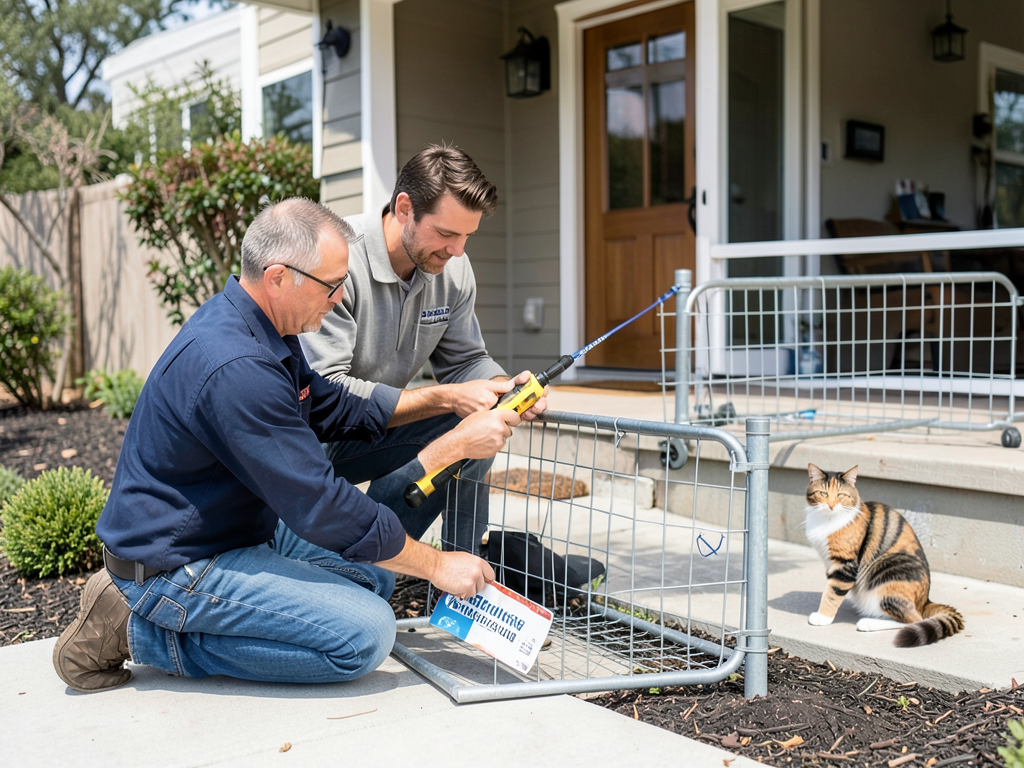
Install baby gates or containment barriers to prevent pets from accessing work areas. Restoration technicians should be instructed to keep doors closed when entering and exiting. Post clear signage about pets in the home.
Maintain your pet’s normal routine as much as possible. Feed them at regular times and provide extra attention to reduce stress. Consider using pheromone diffusers to help calm anxious animals.
Pet Safety Checklist for Restoration Projects
- Remove all pets from work areas before technicians arrive
- Secure containment barriers around restoration zones
- Provide proper ventilation in pet-safe areas
- Maintain access to food, water, and litter boxes
- Monitor pets for signs of stress or illness
- Keep emergency vet contact information readily available
- Consider temporary boarding for extended projects
Questions to Ask Your Restoration Company
Not all restoration companies prioritize pet safety equally. Ask specific questions about their protocols before hiring them. Do they use pet-safe cleaning products? What containment methods do they employ?
Inquire about their IICRC certification and training in handling homes with pets. Request information about their chemical usage and whether they offer botanical-based alternatives. Some companies use tea tree oil or thyme-based antimicrobials that are less toxic to animals.
Ask about their noise mitigation strategies. Do they use quieter equipment when possible? Can they schedule the loudest work during times when pets are boarded elsewhere?
Insurance Coverage for Pet Displacement
Many homeowners insurance policies include Additional Living Expenses coverage that may pay for pet boarding during restoration. Check your policy details or contact your insurance agent. Some policies limit coverage to specific dollar amounts or time periods.
Document all pet-related expenses during the restoration process. Keep receipts for boarding, food, and any veterinary visits related to stress or exposure. These may be reimbursable under your policy.
Commercial properties with pet-friendly policies should verify their business insurance covers employee pets during work hours. Some policies exclude certain breeds or exotic animals. Why Roseville Business Owners Trust Us for Commercial Flood Restoration.
Emergency Contacts and Resources
Keep these numbers readily available during restoration:
- UC Davis Veterinary Medical Teaching Hospital: (530) 752-1393
- Sacramento Emergency Pet Care: (916) 783-4655
- Sacramento County Animal Care: (916) 875-5656
Local pet-friendly hotels in Sacramento include Kimpton Sawyer Hotel and The Westin Sacramento. Verify their pet policies and fees before booking. Some facilities require vaccination records.
Several Sacramento pet boarding facilities offer extended stay discounts during home emergencies. Contact them early as availability decreases during major weather events.
Monitoring Pet Health During Restoration
Watch for signs of stress including excessive panting, hiding, or changes in appetite. Chemical exposure may cause vomiting, diarrhea, or respiratory symptoms. Contact your veterinarian immediately if you notice these signs.
Check your pet’s paws daily for chemical burns or irritation from walking on treated surfaces. Cats may ingest chemicals while grooming if they walk through contaminated areas.
Some pets develop anxiety-related behaviors during restoration that persist after the project ends. Consider consulting an animal behaviorist if problems continue.
Post-Restoration Safety Steps
After restoration work completes, thoroughly clean all pet areas before reintroducing animals. Vacuum carpets and upholstery to remove any residual particles. Wash pet bedding in hot water. The Best Way to Dry Out Wet Carpets in Your Natomas Rental.
Allow at least 24-48 hours for chemical odors to dissipate before allowing sensitive pets back into restored areas. Open windows and use fans to improve ventilation.
Monitor your pet’s behavior closely for several days after restoration. Some animals may show delayed reactions to chemical exposure or stress.
Frequently Asked Questions
Can my pet stay in the house during water damage restoration?
It depends on the damage category and restoration methods. Category 1 clean water may allow pets to stay in unaffected areas with proper containment. Category 2 or 3 damage requires complete pet removal due to contamination risks.
How long should I keep my pet away from restored areas?
Wait at least 24-48 hours after restoration completes for chemical treatments to dry and odors to dissipate. Sensitive animals like birds and reptiles may need longer exclusion periods.
Are there pet-safe antimicrobial alternatives?
Yes. Some companies offer botanical-based treatments using thyme oil or citric acid. These are less toxic to pets but may be less effective against certain mold species. Discuss options with your restoration provider.
What should I do if my pet shows signs of chemical exposure?
Contact your veterinarian immediately if you notice vomiting, diarrhea, excessive drooling, or respiratory distress. Provide information about the restoration chemicals used if possible.
Does insurance cover pet boarding during restoration?
Many homeowners policies include Additional Living Expenses coverage that may pay for pet boarding. Check your specific policy details and keep all receipts for potential reimbursement.
Take Action to Protect Your Pets Today
Water damage emergencies require immediate action to protect both your home and your pets. Don’t wait until disaster strikes to develop a safety plan. Call (916) 222-9262 today to schedule a consultation with our pet-friendly restoration specialists. We’ll help you create a comprehensive safety strategy before you need it.
Emergency situations demand quick decisions. Keep our number handy: (916) 222-9262. When water damage threatens your home, you need a restoration team that understands the unique challenges of keeping pets safe during the recovery process.
You may also find this helpful. Why industrial air scrubbers and HEPA filtration are necessary after a sewage backup.
{
“@context”: “https://schema.org”,
“@type”: “BlogPosting”,
“headline”: “How to Keep Your Pets Safe During a Water Damage Restoration Project”,
“description”: “Learn how to protect your pets during Sacramento water damage restoration. Discover safety tips for chemicals, noise, and displacement from IICRC-certified experts.”,
“wordCount”: 1397,
“datePublished”: “2026-04-10T07:52:00.000Z”,
“dateModified”: “2026-04-10T07:52:00.000Z”,
“inLanguage”: “en-US”,
“mainEntityOfPage”: {
“@type”: “WebPage”,
“@id”: “https://fortresswaterdamagerestorationsacramento.com”
},
“publisher”: {
“@type”: “LocalBusiness”,
“name”: “Fortress Water Damage Restoration Sacramento”,
“url”: “https://fortresswaterdamagerestorationsacramento.com”
},
“author”: {
“@type”: “Organization”,
“name”: “Fortress Water Damage Restoration Sacramento”,
“url”: “https://fortresswaterdamagerestorationsacramento.com”
},
“image”: {
“@type”: “ImageObject”,
“url”: “https://fortresswaterdamagerestorationsacramento.com/wp-content/uploads/2026/03/how-to-keep-your-pets-safe-during-a-water-damage-r-1.png”
}
}
{
“@context”: “https://schema.org”,
“@type”: “LocalBusiness”,
“name”: “Fortress Water Damage Restoration Sacramento”,
“url”: “https://fortresswaterdamagerestorationsacramento.com”,
“address”: {
“@type”: “PostalAddress”,
“addressLocality”: “Sacramento”
},
“areaServed”: {
“@type”: “City”,
“name”: “Sacramento”
}
}
{
“@context”: “https://schema.org”,
“@type”: “FAQPage”,
“mainEntity”: [
{
“@type”: “Question”,
“name”: “Can my pet stay in the house during water damage restoration?”,
“acceptedAnswer”: {
“@type”: “Answer”,
“text”: “It depends on the damage category and restoration methods. Category 1 clean water may allow pets to stay in unaffected areas with proper containment. Category 2 or 3 damage requires complete pet removal due to contamination risks.”
}
},
{
“@type”: “Question”,
“name”: “How long should I keep my pet away from restored areas?”,
“acceptedAnswer”: {
“@type”: “Answer”,
“text”: “Wait at least 24-48 hours after restoration completes for chemical treatments to dry and odors to dissipate. Sensitive animals like birds and reptiles may need longer exclusion periods.”
}
},
{
“@type”: “Question”,
“name”: “Are there pet-safe antimicrobial alternatives?”,
“acceptedAnswer”: {
“@type”: “Answer”,
“text”: “Yes. Some companies offer botanical-based treatments using thyme oil or citric acid. These are less toxic to pets but may be less effective against certain mold species. Discuss options with your restoration provider.”
}
},
{
“@type”: “Question”,
“name”: “What should I do if my pet shows signs of chemical exposure?”,
“acceptedAnswer”: {
“@type”: “Answer”,
“text”: “Contact your veterinarian immediately if you notice vomiting, diarrhea, excessive drooling, or respiratory distress. Provide information about the restoration chemicals used if possible.”
}
},
{
“@type”: “Question”,
“name”: “Does insurance cover pet boarding during restoration?”,
“acceptedAnswer”: {
“@type”: “Answer”,
“text”: “Many homeowners policies include Additional Living Expenses coverage that may pay for pet boarding. Check your specific policy details and keep all receipts for potential reimbursement.”
}
}
]
}
{
“@context”: “https://schema.org”,
“@type”: “BreadcrumbList”,
“itemListElement”: [
{
“@type”: “ListItem”,
“position”: 1,
“name”: “Home”,
“item”: “https://fortresswaterdamagerestorationsacramento.com”
},
{
“@type”: “ListItem”,
“position”: 2,
“name”: “Blog”,
“item”: “https://fortresswaterdamagerestorationsacramento.com/blog”
},
{
“@type”: “ListItem”,
“position”: 3,
“name”: “How to Keep Your Pets Safe During a Water Damage Restoration Project”
}
]
}
{
“@context”: “https://schema.org”,
“@type”: “Service”,
“serviceType”: “Water Damage Restoration”,
“provider”: {
“@type”: “LocalBusiness”,
“name”: “Fortress Water Damage Restoration Sacramento”,
“url”: “https://fortresswaterdamagerestorationsacramento.com”
},
“areaServed”: {
“@type”: “City”,
“name”: “Sacramento”
},
“description”: “Learn how to protect your pets during Sacramento water damage restoration. Discover safety tips for chemicals, noise, and displacement from IICRC-certified experts.”
}