
How to Spot a Small Sink Leak Before It Turns into a Major Mold Problem
Small sink leaks might seem harmless at first. A tiny drip under the kitchen sink or a slow seep around the bathroom vanity can easily go unnoticed for weeks or even months. But in Sacramento’s climate, where humidity levels fluctuate and homes often have aging plumbing systems, that small leak can quickly become a breeding ground for mold. Mold can start growing within 24 to 48 hours of water exposure, and once it takes hold, it spreads rapidly through cabinetry, drywall, and even subflooring. Water Damage Restoration Cost 2026.
The key to preventing major mold problems is early detection. By learning to recognize the warning signs of a small leak and understanding the specific risks in Sacramento homes, you can catch issues before they escalate into expensive restoration projects. This guide walks you through how to spot those early signs, what to check for, and when it’s time to call in professionals like Fortress Water Damage Restoration at (916) 222-9262. Professional Mold Remediation After Water Damage in Rocklin.
Common Signs of a Small Sink Leak
Small leaks often hide in plain sight. Here are the most common indicators that you might have a developing problem under your sink:
- Musty odors – A persistent damp smell near cabinets often signals hidden moisture and early mold growth
- Water stains – Dark spots or discoloration on cabinet floors or walls underneath sinks
- Peeling or bubbling surfaces – Paint or laminate finishes that are warping or lifting
- Soft spots – Press on cabinet floors; if they feel spongy, water has likely penetrated the material
- Visible mold – Black, green, or white fuzzy growth in corners or along edges
- Increased water bills – An unexplained spike in usage could indicate a slow leak
Where Leaks Typically Occur
Understanding the common failure points in sink plumbing helps you know where to look. Most leaks originate from one of these areas:
Supply Line Connections
The flexible supply lines that bring hot and cold water to your faucet can develop leaks at connection points. Over time, the compression nuts can loosen or the rubber washers inside can deteriorate. In Sacramento homes with hard water, mineral buildup can accelerate this wear.
P-Trap and Drain Assembly
The P-trap is the curved pipe under your sink that prevents sewer gases from entering your home. Leaks here often occur due to loose slip nuts or cracked plastic components. The constant presence of wastewater makes this area particularly susceptible to mold growth if a leak develops.
Garbage Disposal Seals
If you have a garbage disposal, the mounting flange and internal seals can fail over time. A slow leak from these components can go unnoticed for months, allowing water to seep into cabinet bases and create perfect conditions for mold.
Valve and Faucet Connections
The angle stop valves that control water flow to your sink can develop slow drips. Similarly, the base of the faucet where it meets the sink deck can allow water to work its way underneath over time.
The Sacramento Climate Factor
Sacramento’s unique climate creates specific challenges for sink leak detection and mold prevention. During the wet winter months, increased indoor humidity from rain and damp conditions can slow the drying process if a leak occurs. Conversely, our hot, dry summers can cause soil to contract around foundations, potentially stressing plumbing connections.. Read more about How a tiny refrigerator ice maker line can cause thousands in hidden damage.
The Sacramento Valley also experiences what locals call the “Delta Breeze” – evening winds that bring moisture from the San Francisco Bay. This can increase indoor humidity levels, particularly in homes near the American River or in neighborhoods like East Sacramento and Land Park. Higher humidity means any moisture from a leak takes longer to evaporate, giving mold more time to establish itself.
DIY Leak Detection Methods
Before calling a professional, you can perform several simple tests to check for leaks:
The Paper Towel Test
Place clean paper towels under the pipes and around connection points. Check them after an hour or overnight. Any wet spots indicate a leak, even if you don’t see water dripping.
The Dye Test
Add a few drops of food coloring to the sink bowl and let it sit. If colored water appears under the sink without the faucet running, you have a leak in the drain assembly.
Visual Inspection
Use a flashlight to examine all visible plumbing connections. Look for mineral deposits, rust, or corrosion – these are signs of past or current leaks. Pay special attention to compression nuts and slip joint connections.
Moisture Meter Check
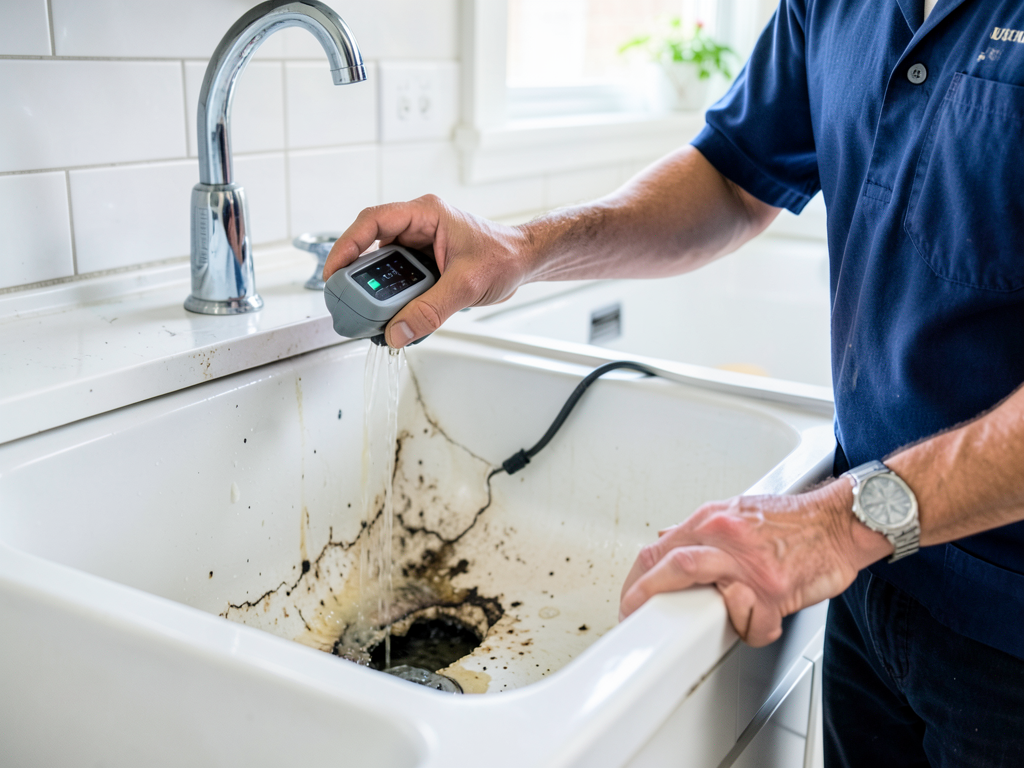
If you have access to a moisture meter, test the cabinet floor and nearby walls. Readings above 15-17% moisture content in wood materials suggest active water intrusion.
When a Small Leak Becomes a Big Problem
Understanding the timeline helps you appreciate why early detection matters. Here’s what happens when a small leak goes undetected:
Hours 1-24: Initial water absorption by cabinet materials. Wood and particleboard begin swelling slightly.
Hours 24-48: Mold spores, which are present in virtually all indoor environments, begin germinating in the moist conditions.
Days 3-7: Visible mold colonies form. Musty odors become noticeable. Materials continue degrading.
Weeks 2-4: Structural damage to cabinetry becomes apparent. Mold spreads to adjacent materials.
Months 2+: Extensive mold remediation required. Possible structural repairs to subflooring and walls.
Professional Detection and Assessment
While DIY methods can catch obvious leaks, professional assessment becomes necessary when:
- You suspect a leak but cannot locate the source
- You discover mold growth
- Water damage extends beyond the immediate cabinet area
- You’re dealing with a rental property or commercial space
Professional water damage restoration companies use specialized equipment including: Choosing a Restoration Company.
- Infrared thermal imaging cameras to detect temperature differences indicating moisture
- Industrial-grade moisture meters with deep penetration capabilities
- Borescopes to inspect wall cavities and tight spaces
- Humidity and dew point monitors to assess environmental conditions
Prevention Strategies for Sacramento Homes
Preventing sink leaks and subsequent mold growth requires a proactive approach, especially in Sacramento’s climate:
Regular Maintenance Schedule
Inspect under-sink plumbing every three months. Check all connection points for signs of moisture or corrosion. Replace supply lines every 5-7 years, even if they appear fine.
Water Pressure Management
High water pressure stresses plumbing connections. Sacramento homes should maintain pressure between 40-60 psi. You can test this with an inexpensive gauge from a hardware store.
Hard Water Mitigation
Sacramento’s hard water accelerates mineral buildup on fixtures and inside pipes. Consider installing water softeners or using vinegar-based cleaning solutions to remove scale regularly.
Proper Ventilation
Ensure bathrooms and kitchens have adequate ventilation. Run exhaust fans during and after water use to reduce humidity levels that promote mold growth.
Insurance Considerations
Most homeowners insurance policies in Sacramento cover sudden and accidental water damage, but they typically exclude damage from long-term leaks that could have been prevented through maintenance. This makes early detection crucial from both a property preservation and financial standpoint.
When filing a claim for sink-related water damage, document everything: take photos of the damage, keep receipts for any emergency repairs, and maintain records of your regular maintenance inspections. EPA Mold Resources.
When to Call Fortress Water Damage Restoration
Call (916) 222-9262 immediately if you notice any of these signs:
- Visible mold growth of any size
- Water damage extending beyond the immediate leak area
- Musty odors that persist after cleaning
- Soft or spongy flooring near the sink
- Water stains on ceilings below bathrooms
Professional restoration becomes essential when mold is present because disturbing mold colonies without proper containment can release spores throughout your home. Our certified technicians use commercial-grade dehumidifiers, HEPA air scrubbers, and antimicrobial treatments to safely remove mold and prevent recurrence.
The Restoration Process
If mold or extensive water damage is discovered, professional restoration follows these steps:
- Emergency containment – Isolating the affected area to prevent cross-contamination
- Moisture mapping – Using thermal imaging and moisture meters to identify all affected areas
- Water extraction – Removing standing water and saturated materials
- Demolition – Safely removing irreparably damaged materials
- Antimicrobial treatment – Applying EPA-registered disinfectants to kill mold and prevent regrowth
- Drying – Using industrial dehumidifiers and air movers to thoroughly dry the structure
- Restoration – Repairing and replacing damaged materials to pre-loss condition
Cost Considerations
The cost of addressing a small sink leak early versus dealing with established mold damage varies dramatically. A simple supply line replacement might cost $150-300, while mold remediation for a small bathroom can range from $500-2,000. Extensive damage requiring cabinet replacement, subfloor repair, and mold remediation can exceed $5,000.
Remember that insurance deductibles typically range from $500-2,500, meaning even covered claims often result in out-of-pocket expenses. Prevention through early detection is always more cost-effective.
Special Considerations for Sacramento Neighborhoods
Different areas of Sacramento face unique challenges. Older neighborhoods like Curtis Park and Land Park often have aging plumbing systems with galvanized pipes that are more prone to corrosion. Newer developments in areas like Elk Grove might have modern PEX plumbing but face challenges with soil expansion and contraction affecting connections.
Homes near the American River Parkway or in the Pocket-Greenhaven area may experience higher humidity levels due to proximity to water bodies, making mold growth more rapid when leaks occur. Meanwhile, homes in the hotter, drier areas of North Sacramento might see more issues with pipe expansion and contraction causing connection failures.
Final Checklist for Homeowners
Use this monthly checklist to stay ahead of potential sink leaks:
- Check under all sinks for moisture or discoloration
- Inspect supply line connections for corrosion or mineral buildup
- Test shut-off valves to ensure they operate smoothly
- Look for water stains on nearby walls or ceilings
- Sniff for musty odors near plumbing fixtures
- Monitor your water bill for unexplained increases
Early detection saves you time, money, and stress. A small leak caught today prevents a major mold problem tomorrow.
If you suspect a leak or discover any signs of water damage or mold, don’t wait. Call Fortress Water Damage Restoration at (916) 222-9262 for professional assessment and rapid response. Our team serves all of Sacramento County with 24/7 emergency service.
Frequently Asked Questions
How long does it take for mold to grow from a small leak?
Mold can begin growing within 24 to 48 hours of water exposure. The combination of moisture, organic material (like wood or drywall), and room temperature creates ideal conditions for mold spores to germinate and spread rapidly.
Can I clean up a small mold problem myself?
For areas smaller than 10 square feet, you might be able to clean surface mold yourself using proper safety equipment and EPA-registered disinfectants. However, if the mold covers a larger area, has a strong odor, or you have health concerns, professional remediation is recommended.
Will my insurance cover mold damage from a sink leak?
Most policies cover sudden and accidental water damage but exclude damage from long-term leaks that could have been prevented through maintenance. If you discover mold, document everything and contact your insurance company promptly to discuss coverage options.
How can I tell if my sink leak is causing structural damage?
Signs of structural damage include soft or spongy flooring, water stains on ceilings below bathrooms, visible mold on walls, and musty odors that persist after cleaning. If you notice any of these signs, professional assessment is necessary.
What’s the difference between mold and mildew?
Mildew is typically a surface growth that appears white or gray and is easier to clean. Mold is usually darker (green, black, or brown), penetrates deeper into materials, and can cause more extensive damage and health concerns. For more information, visit IICRC S500 Standard.
You may also find this helpful. Restoring High End Hardwood Floors After Water Damage in Your Sierra Oaks Estate.
{
“@context”: “https://schema.org”,
“@type”: “BlogPosting”,
“headline”: “How to Spot a Small Sink Leak Before It Turns into a Major Mold Problem”,
“description”: “Learn to detect small sink leaks early and prevent costly mold damage in your Sacramento home. Expert tips from Fortress Water Damage Restoration.”,
“wordCount”: 1929,
“datePublished”: “2026-04-13T09:14:00.000Z”,
“dateModified”: “2026-04-13T09:14:00.000Z”,
“inLanguage”: “en-US”,
“mainEntityOfPage”: {
“@type”: “WebPage”,
“@id”: “https://fortresswaterdamagerestorationsacramento.com”
},
“publisher”: {
“@type”: “LocalBusiness”,
“name”: “Fortress Water Damage Restoration Sacramento”,
“url”: “https://fortresswaterdamagerestorationsacramento.com”
},
“author”: {
“@type”: “Organization”,
“name”: “Fortress Water Damage Restoration Sacramento”,
“url”: “https://fortresswaterdamagerestorationsacramento.com”
},
“image”: {
“@type”: “ImageObject”,
“url”: “https://fortresswaterdamagerestorationsacramento.com/wp-content/uploads/2026/03/how-to-spot-a-small-sink-leak-before-it-turns-into-1.png”
}
}
{
“@context”: “https://schema.org”,
“@type”: “LocalBusiness”,
“name”: “Fortress Water Damage Restoration Sacramento”,
“url”: “https://fortresswaterdamagerestorationsacramento.com”,
“address”: {
“@type”: “PostalAddress”,
“addressLocality”: “Sacramento”
},
“areaServed”: {
“@type”: “City”,
“name”: “Sacramento”
}
}
{
“@context”: “https://schema.org”,
“@type”: “FAQPage”,
“mainEntity”: [
{
“@type”: “Question”,
“name”: “How long does it take for mold to grow from a small leak?”,
“acceptedAnswer”: {
“@type”: “Answer”,
“text”: “Mold can begin growing within 24 to 48 hours of water exposure. The combination of moisture, organic material (like wood or drywall), and room temperature creates ideal conditions for mold spores to germinate and spread rapidly.”
}
},
{
“@type”: “Question”,
“name”: “Can I clean up a small mold problem myself?”,
“acceptedAnswer”: {
“@type”: “Answer”,
“text”: “For areas smaller than 10 square feet, you might be able to clean surface mold yourself using proper safety equipment and EPA-registered disinfectants. However, if the mold covers a larger area, has a strong odor, or you have health concerns, professional remediation is recommended.”
}
},
{
“@type”: “Question”,
“name”: “Will my insurance cover mold damage from a sink leak?”,
“acceptedAnswer”: {
“@type”: “Answer”,
“text”: “Most policies cover sudden and accidental water damage but exclude damage from long-term leaks that could have been prevented through maintenance. If you discover mold, document everything and contact your insurance company promptly to discuss coverage options.”
}
},
{
“@type”: “Question”,
“name”: “How can I tell if my sink leak is causing structural damage?”,
“acceptedAnswer”: {
“@type”: “Answer”,
“text”: “Signs of structural damage include soft or spongy flooring, water stains on ceilings below bathrooms, visible mold on walls, and musty odors that persist after cleaning. If you notice any of these signs, professional assessment is necessary.”
}
},
{
“@type”: “Question”,
“name”: “What’s the difference between mold and mildew?”,
“acceptedAnswer”: {
“@type”: “Answer”,
“text”: “Mildew is typically a surface growth that appears white or gray and is easier to clean. Mold is usually darker (green, black, or brown), penetrates deeper into materials, and can cause more extensive damage and health concerns. For more information, visit IICRC S500 Standard.”
}
}
]
}
{
“@context”: “https://schema.org”,
“@type”: “BreadcrumbList”,
“itemListElement”: [
{
“@type”: “ListItem”,
“position”: 1,
“name”: “Home”,
“item”: “https://fortresswaterdamagerestorationsacramento.com”
},
{
“@type”: “ListItem”,
“position”: 2,
“name”: “Blog”,
“item”: “https://fortresswaterdamagerestorationsacramento.com/blog”
},
{
“@type”: “ListItem”,
“position”: 3,
“name”: “How to Spot a Small Sink Leak Before It Turns into a Major Mold Problem”
}
]
}
{
“@context”: “https://schema.org”,
“@type”: “Service”,
“serviceType”: “Water Damage Restoration”,
“provider”: {
“@type”: “LocalBusiness”,
“name”: “Fortress Water Damage Restoration Sacramento”,
“url”: “https://fortresswaterdamagerestorationsacramento.com”
},
“areaServed”: {
“@type”: “City”,
“name”: “Sacramento”
},
“description”: “Learn to detect small sink leaks early and prevent costly mold damage in your Sacramento home. Expert tips from Fortress Water Damage Restoration.”
}