How a tiny refrigerator ice maker line can cause thousands in hidden damage
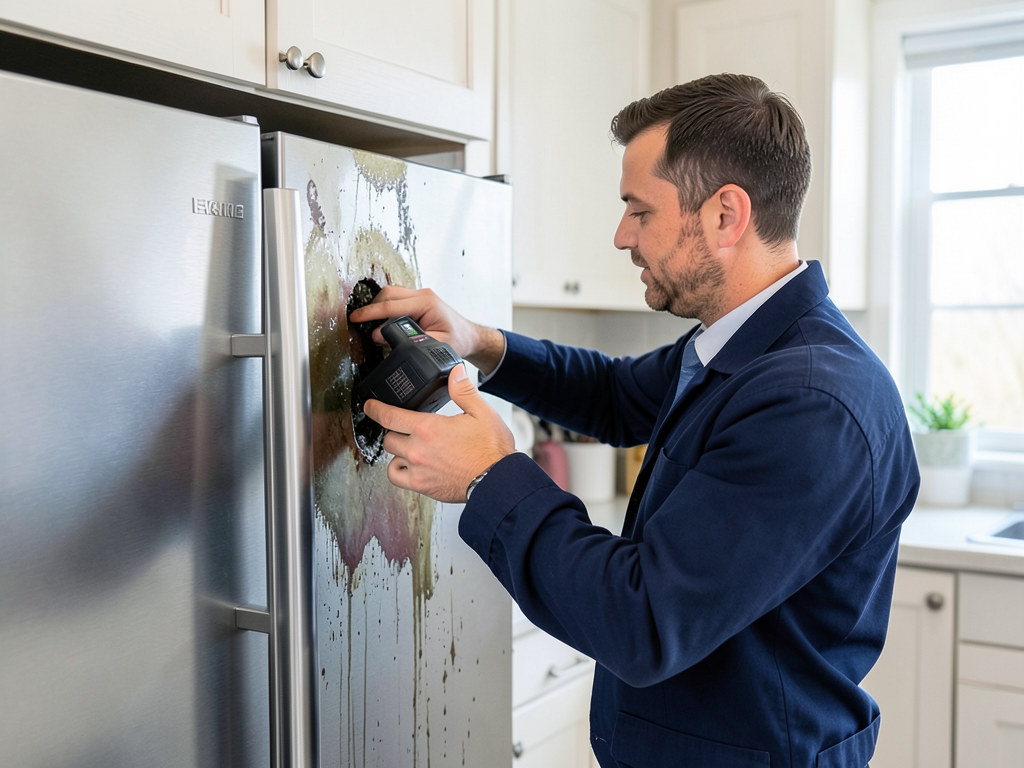
A small drip from your refrigerator’s ice maker supply line can quietly destroy your kitchen’s structure. In Sacramento’s hard water environment, calcium buildup accelerates line failures, and the resulting moisture often hides behind cabinets where mold thrives. The first 24 hours after a leak starts are critical for preventing thousands in structural repairs. EPA mold guidelines.
Many homeowners discover the problem only after noticing a musty smell or warped floorboards near the fridge. By then, the damage often extends into subflooring, drywall, and adjacent cabinetry. Professional water damage restoration teams use moisture mapping and infrared cameras to locate hidden saturation that DIY fixes miss. Professional Mold Remediation After Water Damage in Rocklin.
California building codes require proper water supply line materials in kitchens. Sacramento County follows Title 24 energy efficiency standards, which indirectly affect appliance installations. A failed ice maker line isn’t just an appliance issue—it’s a water intrusion event that demands structural drying per IICRC S500 guidelines to prevent secondary damage. IICRC S500 water damage restoration standard.
Acting fast matters. Shutting off the saddle valve immediately stops active leaking. Documenting damage with photos helps with insurance claims under California homeowners policies. Professional restoration includes not just drying but also antimicrobial treatment to prevent mold colonization in the 24-48 hour window after water exposure. Water Damage Restoration Cost 2026.
Common causes in Sacramento homes include poly tubing cracks from hard water mineral stress, loose compression fittings, and clogged defrost drains that overflow into supply lines. The combination of mineral-rich water and temperature fluctuations in our valley climate creates unique failure patterns not seen in coastal areas.. Read more about How the Sacramento summer heat accelerates mold growth after a hidden leak.
Professional restoration teams use industrial-grade dehumidifiers and air movers to achieve specific moisture content levels in wood framing. This prevents warping and eliminates the humidity mold needs to grow. The process typically takes 3-5 days depending on saturation depth and material types affected. Choosing a Restoration Company.
Homeowners often underestimate the structural impact. A slow leak can saturate subflooring beneath hardwood or laminate, causing boards to cup and separate. Behind the fridge, drywall wicks moisture upward, creating hidden mold colonies that release spores into your home’s air circulation.. Read more about Structural drying vs rip and tear and which approach is right for your home.
Insurance coverage varies. Most California homeowners policies cover sudden water damage from appliance failures but may exclude slow leaks deemed maintenance issues. Professional restoration companies document damage progression and can assist with claims adjusters to maximize coverage.. Read more about Why standard restoration techniques might ruin your custom marble floors in a Wilhaggin estate.
The restoration process includes removing damaged materials, drying structural cavities, and treating affected areas with EPA-registered antimicrobials. Teams also check for electrical hazards in nearby outlets and ensure proper ventilation during the drying process to prevent secondary moisture issues.. Read more about How to document water damage so you don’t lose your security deposit in a Midtown apartment.
Prevention helps. Replacing plastic supply lines with braided stainless steel every 5-7 years reduces failure risk. Installing smart water sensors near the fridge provides early leak detection. Regular maintenance of the ice maker’s water filter prevents pressure buildup that stresses supply connections.. Read more about Finding out who is liable for water damage in a shared wall condo near the Capitol Mall.
Don’t wait for visible damage. If you notice condensation on the fridge exterior, hear hissing near water lines, or detect musty odors from kitchen cabinets, you may have an active leak requiring immediate professional assessment.. Read more about Water Damage from Solar Water Heater Failures in Roseville Homes.
Call (916) 222-9262 today to schedule your inspection. Our Sacramento team responds 24/7 with moisture mapping technology and industrial drying equipment to stop the damage before it spreads.. Read more about Why Sacramento landlords should consider smart water shut off valves to prevent flood damage.
Common Causes of Ice Maker Leaks in Central Valley Homes
Understanding why ice maker lines fail helps prevent costly damage. Sacramento’s unique water chemistry and climate create specific failure patterns that differ from other regions.
PEX tubing cracks commonly occur when Sacramento’s hard water deposits calcium inside the lines. This mineral buildup creates pressure points that eventually split the tubing material. The cracks often start microscopic but expand with water pressure fluctuations.
Loose compression nut fittings represent another frequent failure point. These connections rely on proper torque specifications. In Sacramento’s temperature swings, plastic nuts can expand and contract, loosening over time until water seeps past the seal.
Clogged defrost drains cause ice maker assembly leaks when water backs up and overflows. The Sacramento area’s higher summer humidity means refrigerators work harder, producing more condensation that these drains must handle. When blocked, water finds alternative paths, often into supply line connections.
Solenoid inlet valve failures occur when mineral deposits prevent proper closure. Sacramento’s water contains high calcium and magnesium levels that accumulate on valve seats. The valve may appear to function but allows slow, continuous dripping that goes unnoticed for weeks.
Water hammer from pressure fluctuations can stress supply lines. Sacramento’s municipal water system experiences pressure changes during high-demand periods. These sudden pressure spikes can loosen connections or create fatigue in plastic tubing over time.
Improper installation causes many failures. Using incorrect tubing diameter or routing lines where they can kink creates weak points. Sacramento building codes require specific materials for kitchen water supply lines, but DIY installations often cut corners to save money.
Age deteriorates all materials. Even quality supply lines have service lives. Sacramento’s hot summers and mineral-rich water accelerate aging compared to coastal climates. Lines installed over five years ago face higher failure probability.
Smart fridges with automatic water sensors can detect leaks early. However, many Sacramento homes still use older models without this technology. The absence of leak detection means problems often progress significantly before discovery.
Understanding these causes helps homeowners recognize when a simple fix becomes a structural water damage emergency requiring professional restoration services.
The Hidden Dangers: Why a Small Leak is a Big Problem
A tiny ice maker leak creates massive hidden damage because water migrates through materials in ways most homeowners don’t expect. Understanding this migration pattern explains why professional restoration becomes necessary.
Water always follows the path of least resistance. A slow leak behind your refrigerator doesn’t stay contained. It seeps into subfloor gaps, wicks up drywall, and penetrates cabinet joints. The moisture spreads outward from the source, often extending several feet before becoming visible.
Subfloor saturation represents the most costly hidden damage. Modern Sacramento homes typically use engineered wood or plywood subflooring. These materials absorb water like sponges, swelling and losing structural integrity. Once saturated, subfloors can’t support weight properly and may need complete replacement.
Mold growth begins within 24-48 hours of water exposure. Behind refrigerators, conditions favor rapid colonization. The dark, warm space provides ideal temperatures. Limited airflow means moisture stays trapped. Food particles create organic material mold feeds on. Within days, colonies can spread extensively before becoming visible.
Hardwood floor cupping occurs when moisture penetrates the edges of boards. The wood expands unevenly, creating raised edges that feel like speed bumps underfoot. This damage often requires sanding and refinishing, but severe cases need board replacement. Laminate flooring bubbles when water penetrates joints, destroying the entire floor surface.
Cabinet damage extends beyond visible surfaces. Water wicks up through particleboard or MDF cabinet sides, causing delamination and structural weakness. The damage often appears at the bottom but extends much higher. Mold can grow inside cabinets where you store dishes and food.. Read more about When to Restore Your Cabinets After a Leak and When It’s Better to Replace Them.
Wall damage includes drywall softening and paint blistering. Water travels up walls through capillary action, sometimes reaching several feet high before showing surface signs. Behind the wall, insulation becomes saturated and loses effectiveness. Mold grows on the paper facing of drywall.
Electrical hazards develop when water contacts outlets or wiring. Even small amounts of moisture can create short circuits or fire risks. Professional restoration teams test for electrical safety before beginning drying operations.
Odor problems persist long after visible water disappears. Mold produces volatile organic compounds that create musty smells. These odors permeate porous materials and can linger for months without proper treatment. The smell often returns seasonally when humidity rises.
Health impacts affect sensitive individuals. Mold spores and mycotoxins can trigger respiratory issues, headaches, and allergic reactions. Children, elderly, and those with compromised immune systems face higher risks from hidden mold growth.
Structural integrity compromises occur when water weakens load-bearing elements. Floor joists, wall studs, and support beams can all suffer damage from prolonged moisture exposure. This creates safety hazards that may not be apparent until failure occurs.
Professional moisture mapping using infrared cameras reveals the true extent of damage. What looks like a small problem often extends much further than visible inspection shows. This technology guides restoration efforts to address all affected areas, not just obvious damage.
Emergency Triage: Steps to Take Before Our Sacramento Team Arrives
When you discover a refrigerator ice maker leak, immediate action prevents further damage. These steps help minimize destruction while you wait for professional help to arrive.
Locate the saddle valve first. This small valve connects your ice maker line to the main water supply, usually under the kitchen sink or in the basement. Turn it clockwise until it stops. This cuts water flow to the refrigerator immediately.
Unplug the refrigerator if water contacts electrical components. Look for signs like water around the outlet, unusual sounds, or burning smells. If you’re unsure about electrical safety, leave the unit plugged in and keep everyone away from the area.
Move the refrigerator away from the wall carefully. Water often pools behind the unit where you can’t see it. Pull it straight out to avoid damaging the floor or water line further. If the floor feels soft or spongy, stop and call for help immediately.
Document damage with photos and videos. Take wide shots showing the entire affected area, then close-ups of specific damage. Include time stamps if your device allows. This documentation helps with insurance claims and guides restoration professionals in their assessment.
Remove standing water with towels or a wet vacuum if available. Focus on preventing water from spreading to unaffected areas. Don’t use regular household vacuums for water removal—they can cause electrical shock or damage.
Protect unaffected items by moving them away from the damaged area. This includes food, dishes, and small appliances. Water can travel surprisingly far through capillary action, so create a larger buffer zone than you think necessary.
Open cabinet doors and remove contents from affected areas. This allows air circulation and prevents further damage to stored items. Check inside cabinets for signs of water wicking up from the floor level.
Don’t attempt structural repairs yourself. Cutting into walls, removing flooring, or demolishing cabinets without proper assessment can create safety hazards and void insurance coverage. Professional teams have the equipment to determine what’s salvageable.
Control humidity in the affected area. If weather permits, open windows to improve air circulation. However, if outdoor humidity exceeds indoor levels, keep windows closed to prevent adding moisture to the space.
Avoid using fans on visible water. While it seems logical to dry things quickly, fans can spread mold spores if contamination exists. Professional equipment uses controlled air movement with filtration to prevent cross-contamination.
Make temporary living arrangements if necessary. If the kitchen becomes unsafe or unusable, consider staying elsewhere, especially if you have vulnerable family members. The restoration process can take several days depending on damage extent.
Call your insurance company to report the damage. Many policies require prompt notification. Ask about coverage specifics and whether they recommend specific restoration companies. Document who you speak with and any claim numbers provided.
Call (916) 222-9262 for immediate professional assessment. Our Sacramento team provides 24/7 emergency response with moisture mapping technology to identify all affected areas and begin the restoration process before secondary damage occurs.
Our Sacramento Restoration Process
Professional water damage restoration follows systematic procedures that ensure complete drying and prevent future problems. Our Sacramento team uses industry-standard methods adapted for local conditions.
Initial assessment begins with moisture mapping using infrared cameras and moisture meters. These tools detect water in materials that appear dry to visual inspection. Our technicians create a damage map showing exactly where moisture exists, often revealing problems extending far beyond the visible leak area.
Water extraction removes standing water and saturates materials. We use truck-mounted extraction units that remove water more efficiently than portable units. For refrigerator leaks, this often means extracting water from under flooring and inside wall cavities where it has migrated.
Demolition of damaged materials follows assessment. This may include removing sections of drywall, flooring, or cabinetry that cannot be salvaged. We follow IICRC S500 standards for determining what materials can be dried versus what must be replaced. Sacramento’s building codes influence material disposal requirements.
Structural drying uses industrial-grade dehumidifiers and air movers. We calculate equipment needs based on cubic footage and material types. For Sacramento homes, we often use desiccant dehumidifiers that work effectively in our climate’s temperature ranges. Air movers create circulation patterns that ensure complete drying.. Read more about Air Movers vs Dehumidifiers and Which One Actually Saves Your Drywall.
Moisture monitoring continues throughout the drying process. Technicians take readings daily from affected materials to track progress. We use penetrating moisture meters for wood and non-penetrating meters for materials where we can’t create holes. The goal is achieving specific moisture content levels that prevent mold growth.
Antimicrobial treatment addresses contamination concerns. We apply EPA-registered antimicrobials to affected areas to prevent mold growth. For Sacramento homes, we often use products specifically formulated for our local mold species and water conditions. Treatment includes both surface application and, when necessary, fogging for inaccessible areas.
Content manipulation involves moving and protecting your belongings during restoration. We inventory items, move them to unaffected areas, and clean them if they’ve been exposed to moisture or contaminants. This includes checking food items for exposure to mold or water damage.
Reconstruction begins after materials pass dryness testing. This may involve installing new drywall, flooring, or cabinetry. Our teams work with local suppliers familiar with Sacramento building requirements. We ensure all new materials meet current building codes and match existing finishes as closely as possible.
Final inspection verifies that all work meets industry standards. We test moisture levels one last time, check for proper function of replaced components, and ensure the area is safe for occupancy. This includes verifying that electrical systems are dry and functional.
Documentation for insurance purposes includes before and after photos, moisture readings, and detailed work summaries. We provide this to both you and your insurance company to support your claim. Our experience with California insurance requirements helps streamline the claims process.
Follow-up monitoring may be recommended for extensive damage. We can return to check for any signs of recurring moisture or mold growth. This is particularly important in Sacramento’s climate where seasonal humidity changes can affect drying outcomes.
Prevention recommendations help avoid future problems. We can suggest specific products or modifications based on what caused your particular leak. This might include upgrading to braided stainless supply lines or installing leak detection systems.
Emergency response times matter in water damage. Our Sacramento team maintains 24/7 availability because water damage worsens by the hour. Fast response can mean the difference between simple drying and major reconstruction.
Call (916) 222-9262 to begin professional restoration. Our certified technicians bring industrial equipment and local expertise to restore your home properly the first time.
Frequently Asked Questions
Does homeowners insurance cover ice maker leaks?
Most California homeowners policies cover sudden water damage from appliance failures, including ice maker leaks. However, coverage often excludes damage from slow leaks deemed maintenance issues. The distinction depends on whether the leak was sudden and accidental versus gradual deterioration. Professional documentation of damage timing helps support your claim.
How long does kitchen drying take after a refrigerator leak?
Drying time varies based on damage extent, materials affected, and saturation depth. Minor leaks might dry in 24-48 hours, while extensive damage can require 3-5 days. Sacramento’s climate affects drying times—our summer heat can accelerate surface drying but may require longer for deep moisture in structural materials. Professional moisture monitoring determines when drying is complete.
Do I need to replace my hardwood floors if they get wet?
Not always. Salvageable hardwood depends on several factors: how long it stayed wet, water category (clean versus contaminated), and the extent of warping. Professional assessment using moisture meters determines if floors can be dried in place and refinished, or if replacement is necessary. Quick response improves salvage chances significantly.
Can I fix a refrigerator ice maker leak myself?
Simple supply line replacements are DIY-friendly if you’re comfortable with basic plumbing. However, if water has migrated beyond visible areas, professional restoration becomes necessary. DIY fixes often address symptoms without solving underlying structural damage. The risk of missing hidden moisture that causes mold makes professional assessment worthwhile for any significant leak.
What’s the difference between Category 1 and Category 3 water damage?
Category 1 water is clean water from supply lines, like a refrigerator leak. Category 3 is grossly contaminated water containing pathogens or toxins. The category affects restoration procedures and safety requirements. Clean water becomes more contaminated over time, so prompt professional response prevents category escalation and reduces restoration costs.
How can I prevent future refrigerator leaks?
Replace plastic supply lines with braided stainless steel every 5-7 years. Install smart water sensors near the refrigerator for early leak detection. Have your ice maker’s water filter changed annually to prevent pressure buildup. Consider upgrading to a smart refrigerator with automatic leak detection if your current model lacks this feature.
Will mold grow if I dry everything within 48 hours?
Professional drying within 48 hours prevents most mold growth, but success depends on complete moisture removal. Mold can establish in hidden areas that feel dry to touch. Professional moisture mapping ensures all affected materials reach safe moisture content levels. Some materials may appear dry while retaining moisture in their core.
How much does professional water damage restoration cost?
Costs vary based on damage extent, materials affected, and required procedures. Simple drying might cost a few hundred dollars, while major reconstruction can reach several thousand. Most homeowners insurance covers sudden water damage. Professional companies provide detailed estimates after assessment and can often bill insurance directly.
Can water damage affect my home’s foundation?
Prolonged water exposure can affect foundations, especially in Sacramento’s expansive clay soils. Water can cause soil expansion that creates pressure on foundation walls. In severe cases, it may lead to cracking or shifting. Professional assessment includes checking for foundation impacts, particularly in homes with crawl spaces or basements. How to Fix Flooded Crawl Spaces in Land Park Homes.
What should I do if I smell mold but don’t see water?
A musty smell often indicates hidden moisture and potential mold growth. Don’t ignore it. Mold can grow behind walls, under flooring, or above ceilings where leaks occurred weeks or months ago. Professional inspection using moisture meters and infrared cameras can locate the source without destructive testing.
How do I know if water got into my walls?
Signs include water stains, bubbling paint or wallpaper, soft drywall, or baseboards pulling away from walls. However, water often travels inside walls without visible signs. Professional moisture meters can detect moisture through drywall. Infrared cameras show temperature differences that indicate moisture presence even when walls look dry. Swollen Baseboards & Trim.
Should I stay in my home during restoration?
Often yes, but it depends on damage extent and health factors. For minor leaks affecting limited areas, staying home is usually fine. For extensive damage or if household members have respiratory issues, temporary relocation might be safer. Restoration companies can advise based on your specific situation and work to minimize disruption.
Call (916) 222-9262 for professional assessment of any refrigerator leak or water damage. Our Sacramento team provides 24/7 emergency response with certified technicians and industrial equipment to restore your home properly.
You may also find this helpful. Salvaging your home office electronics after a major water leak in your Sacramento house.
{
“@context”: “https://schema.org”,
“@type”: “BlogPosting”,
“headline”: “How a tiny refrigerator ice maker line can cause thousands in hidden damage”,
“description”: “A slow refrigerator ice maker leak can rot your subfloor and grow toxic mold. Learn Sacramento’s hard water risks, emergency shut-off steps, and professional restoration process.”,
“wordCount”: 3222,
“datePublished”: “2026-04-29T09:51:00.000Z”,
“dateModified”: “2026-04-29T09:51:00.000Z”,
“inLanguage”: “en-US”,
“mainEntityOfPage”: {
“@type”: “WebPage”,
“@id”: “https://fortresswaterdamagerestorationsacramento.com”
},
“publisher”: {
“@type”: “LocalBusiness”,
“name”: “Fortress Water Damage Restoration Sacramento”,
“url”: “https://fortresswaterdamagerestorationsacramento.com”
},
“author”: {
“@type”: “Organization”,
“name”: “Fortress Water Damage Restoration Sacramento”,
“url”: “https://fortresswaterdamagerestorationsacramento.com”
},
“image”: {
“@type”: “ImageObject”,
“url”: “https://fortresswaterdamagerestorationsacramento.com/wp-content/uploads/2026/03/how-a-tiny-refrigerator-ice-maker-line-can-cause-t-1.png”
}
}
{
“@context”: “https://schema.org”,
“@type”: “LocalBusiness”,
“name”: “Fortress Water Damage Restoration Sacramento”,
“url”: “https://fortresswaterdamagerestorationsacramento.com”,
“address”: {
“@type”: “PostalAddress”,
“addressLocality”: “Sacramento”
},
“areaServed”: {
“@type”: “City”,
“name”: “Sacramento”
}
}
{
“@context”: “https://schema.org”,
“@type”: “FAQPage”,
“mainEntity”: [
{
“@type”: “Question”,
“name”: “Does homeowners insurance cover ice maker leaks?”,
“acceptedAnswer”: {
“@type”: “Answer”,
“text”: “Most California homeowners policies cover sudden water damage from appliance failures, including ice maker leaks. However, coverage often excludes damage from slow leaks deemed maintenance issues. The distinction depends on whether the leak was sudden and accidental versus gradual deterioration. Professional documentation of damage timing helps support your claim.”
}
},
{
“@type”: “Question”,
“name”: “How long does kitchen drying take after a refrigerator leak?”,
“acceptedAnswer”: {
“@type”: “Answer”,
“text”: “Drying time varies based on damage extent, materials affected, and saturation depth. Minor leaks might dry in 24-48 hours, while extensive damage can require 3-5 days. Sacramento’s climate affects drying times—our summer heat can accelerate surface drying but may require longer for deep moisture in structural materials. Professional moisture monitoring determines when drying is complete.”
}
},
{
“@type”: “Question”,
“name”: “Do I need to replace my hardwood floors if they get wet?”,
“acceptedAnswer”: {
“@type”: “Answer”,
“text”: “Not always. Salvageable hardwood depends on several factors: how long it stayed wet, water category (clean versus contaminated), and the extent of warping. Professional assessment using moisture meters determines if floors can be dried in place and refinished, or if replacement is necessary. Quick response improves salvage chances significantly.”
}
},
{
“@type”: “Question”,
“name”: “Can I fix a refrigerator ice maker leak myself?”,
“acceptedAnswer”: {
“@type”: “Answer”,
“text”: “Simple supply line replacements are DIY-friendly if you’re comfortable with basic plumbing. However, if water has migrated beyond visible areas, professional restoration becomes necessary. DIY fixes often address symptoms without solving underlying structural damage. The risk of missing hidden moisture that causes mold makes professional assessment worthwhile for any significant leak.”
}
},
{
“@type”: “Question”,
“name”: “What’s the difference between Category 1 and Category 3 water damage?”,
“acceptedAnswer”: {
“@type”: “Answer”,
“text”: “Category 1 water is clean water from supply lines, like a refrigerator leak. Category 3 is grossly contaminated water containing pathogens or toxins. The category affects restoration procedures and safety requirements. Clean water becomes more contaminated over time, so prompt professional response prevents category escalation and reduces restoration costs.”
}
},
{
“@type”: “Question”,
“name”: “How can I prevent future refrigerator leaks?”,
“acceptedAnswer”: {
“@type”: “Answer”,
“text”: “Replace plastic supply lines with braided stainless steel every 5-7 years. Install smart water sensors near the refrigerator for early leak detection. Have your ice maker’s water filter changed annually to prevent pressure buildup. Consider upgrading to a smart refrigerator with automatic leak detection if your current model lacks this feature.”
}
},
{
“@type”: “Question”,
“name”: “Will mold grow if I dry everything within 48 hours?”,
“acceptedAnswer”: {
“@type”: “Answer”,
“text”: “Professional drying within 48 hours prevents most mold growth, but success depends on complete moisture removal. Mold can establish in hidden areas that feel dry to touch. Professional moisture mapping ensures all affected materials reach safe moisture content levels. Some materials may appear dry while retaining moisture in their core.”
}
},
{
“@type”: “Question”,
“name”: “How much does professional water damage restoration cost?”,
“acceptedAnswer”: {
“@type”: “Answer”,
“text”: “Costs vary based on damage extent, materials affected, and required procedures. Simple drying might cost a few hundred dollars, while major reconstruction can reach several thousand. Most homeowners insurance covers sudden water damage. Professional companies provide detailed estimates after assessment and can often bill insurance directly.”
}
},
{
“@type”: “Question”,
“name”: “Can water damage affect my home’s foundation?”,
“acceptedAnswer”: {
“@type”: “Answer”,
“text”: “Prolonged water exposure can affect foundations, especially in Sacramento’s expansive clay soils. Water can cause soil expansion that creates pressure on foundation walls. In severe cases, it may lead to cracking or shifting. Professional assessment includes checking for foundation impacts, particularly in homes with crawl spaces or basements. How to Fix Flooded Crawl Spaces in Land Park Homes.”
}
},
{
“@type”: “Question”,
“name”: “What should I do if I smell mold but don’t see water?”,
“acceptedAnswer”: {
“@type”: “Answer”,
“text”: “A musty smell often indicates hidden moisture and potential mold growth. Don’t ignore it. Mold can grow behind walls, under flooring, or above ceilings where leaks occurred weeks or months ago. Professional inspection using moisture meters and infrared cameras can locate the source without destructive testing.”
}
},
{
“@type”: “Question”,
“name”: “How do I know if water got into my walls?”,
“acceptedAnswer”: {
“@type”: “Answer”,
“text”: “Signs include water stains, bubbling paint or wallpaper, soft drywall, or baseboards pulling away from walls. However, water often travels inside walls without visible signs. Professional moisture meters can detect moisture through drywall. Infrared cameras show temperature differences that indicate moisture presence even when walls look dry. Swollen Baseboards & Trim.”
}
},
{
“@type”: “Question”,
“name”: “Should I stay in my home during restoration?”,
“acceptedAnswer”: {
“@type”: “Answer”,
“text”: “Often yes, but it depends on damage extent and health factors. For minor leaks affecting limited areas, staying home is usually fine. For extensive damage or if household members have respiratory issues, temporary relocation might be safer. Restoration companies can advise based on your specific situation and work to minimize disruption.”
}
}
]
}
{
“@context”: “https://schema.org”,
“@type”: “BreadcrumbList”,
“itemListElement”: [
{
“@type”: “ListItem”,
“position”: 1,
“name”: “Home”,
“item”: “https://fortresswaterdamagerestorationsacramento.com”
},
{
“@type”: “ListItem”,
“position”: 2,
“name”: “Blog”,
“item”: “https://fortresswaterdamagerestorationsacramento.com/blog”
},
{
“@type”: “ListItem”,
“position”: 3,
“name”: “How a tiny refrigerator ice maker line can cause thousands in hidden damage”
}
]
}
{
“@context”: “https://schema.org”,
“@type”: “Service”,
“serviceType”: “Water Damage Restoration”,
“provider”: {
“@type”: “LocalBusiness”,
“name”: “Fortress Water Damage Restoration Sacramento”,
“url”: “https://fortresswaterdamagerestorationsacramento.com”
},
“areaServed”: {
“@type”: “City”,
“name”: “Sacramento”
},
“description”: “A slow refrigerator ice maker leak can rot your subfloor and grow toxic mold. Learn Sacramento’s hard water risks, emergency shut-off steps, and professional restoration process.”
}