
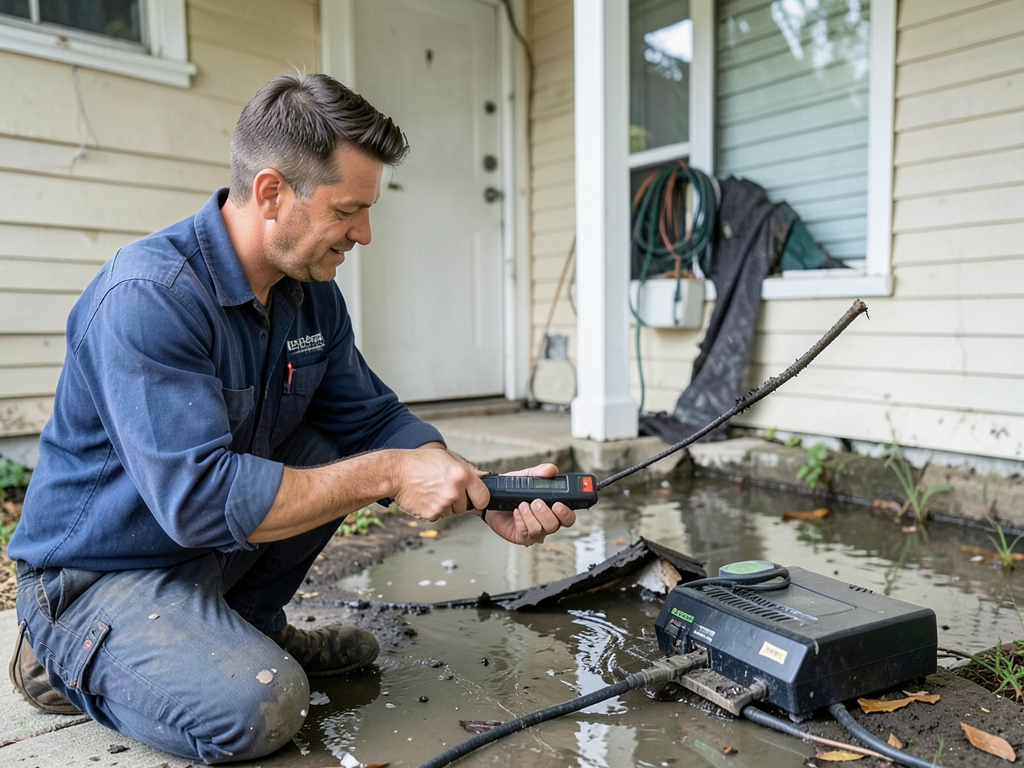
When flood waters recede in Sacramento homes the real work begins. Understanding when you need building permits for repairs can save you time money and legal headaches. Most emergency water removal doesn’t require permits but structural repairs plumbing changes or electrical work often do. Sacramento County Building Inspection.
Sacramento has specific building codes that apply to flood damage restoration. The California Building Code Title 24 sets standards for everything from drywall replacement to structural framing repairs. Missing a required permit can lead to fines stop-work orders and insurance claim denials. California Building Code Title 24.
This guide breaks down exactly when you need permits what the process looks like and how to stay compliant with Sacramento’s building requirements. We’ll cover the differences between city and county permitting emergency repair exemptions and common scenarios that trigger permit requirements. City of Sacramento Building Division.
City of Sacramento vs. Sacramento County permitting jurisdictions
Sacramento’s building permit system splits between two jurisdictions. If your property falls within Sacramento city limits you’ll work with the City of Sacramento Community Development Department. Properties in unincorporated Sacramento County go through the Sacramento County Building Inspection Division.. Read more about Why Sacramento landlords should consider smart water shut off valves to prevent flood damage.
The city processes permits from their offices at 915 I Street Sacramento 95814. County permits come from 827 7th Street Room 225 Sacramento 95814. Both jurisdictions follow California Building Code but have different fee structures and processing times.. Read more about What to Look for in a Sacramento Restoration Contract Before You Sign on the Dotted Line.
Emergency permits work differently. Both city and county offer expedited permitting for urgent repairs that prevent further damage. These often process within 24-48 hours compared to standard permits that take 5-10 business days. Why Roseville Business Owners Trust Us for Commercial Flood Restoration.
ZIP codes 95814 95815 95816 and 95819 fall within city limits. Areas like Arden-Arcade Carmichael and parts of North Highlands are unincorporated county territory. Not sure which applies to you Check the Sacramento County Assessor’s online property lookup tool.
Common water damage scenarios that require permits
Not every repair needs a permit. Here’s what typically triggers Sacramento’s permitting requirements.
Structural framing repairs always require permits. This includes replacing damaged studs joists or load-bearing walls. Even small structural changes need engineering review and inspection. Water Damage Restoration Cost 2026.
Electrical work triggered by flooding needs permits. This covers replacing outlets switches or entire electrical panels that got wet. Sacramento County requires permits for any electrical work beyond simple fixture replacement.
Plumbing permits apply when you replace water heaters move fixtures or repair damaged supply lines. California code requires permits for water heater replacements even if the new unit matches the old one.. Read more about Finding out who is liable for water damage in a shared wall condo near the Capitol Mall.
Large-scale drywall replacement often needs permits. Sacramento city requires permits for removing drywall from more than 100 square feet of wall space. This ensures proper insulation and vapor barriers get reinstalled.
Mold remediation over 10 square feet requires permits in both jurisdictions. This ensures proper containment and disposal procedures protect workers and occupants. Professional Mold Remediation After Water Damage in Rocklin.
Emergency repairs like tarping roofs or boarding windows don’t need permits. But if those temporary fixes become permanent you’ll need to pull permits retroactively.. Read more about Why Mid-Century Modern Flat Roofs in South Land Park Are Prone to Internal Water Damage.
The Sacramento permitting process step by step
Getting permits for flood damage repairs follows a predictable process. First determine what work needs permits. Then gather required documents including contractor licenses insurance and sometimes engineered drawings.
Submit your application online through the city’s Permit Simplicity portal or the county’s EZ-Permit system. Paper applications are still accepted but take longer to process. Include detailed scope of work and material specifications.
Plan review comes next. City reviewers check your application against building codes. This takes 3-5 business days for simple projects 10-15 days for complex structural work. They may request additional information or engineered drawings.
Permit fees vary by project scope. A simple drywall permit might cost $75 while structural repairs can run $500 or more. Electrical and plumbing permits have separate fees. Total costs typically range from $150 to $2000 depending on project size.
Once approved you’ll receive your permit. Post it at the job site where it’s visible to inspectors. Work cannot begin until the permit is issued.
Inspections happen at key project milestones. For drywall this means pre-insulation and final inspection. Structural work needs foundation framing and final inspections. Electrical and plumbing get rough-in and final inspections.
Final approval comes when all inspections pass. The inspector signs off and closes the permit. Keep this documentation for insurance records and future property sales.
Minor repairs that don’t need permits
Many flood damage repairs fall under Sacramento’s minor repair exemptions. Painting wall patching and carpet replacement never need permits regardless of square footage.
Replacing flooring under 200 square feet doesn’t require permits. This covers laminate vinyl or tile replacement in single rooms. But if you’re changing the subfloor or structure you’ll need permits.
Simple fixture replacement stays permit-free. Swapping toilets sinks or light fixtures with identical models doesn’t trigger permitting. But moving these fixtures to new locations does.
Cabinet replacement without structural changes stays exempt. This means swapping kitchen cabinets without moving walls or plumbing stays permit-free.
Emergency mitigation work like water extraction drying and debris removal never needs permits. This includes removing wet materials to prevent mold growth.. Read more about The hidden risks of water damage in unpermitted garage conversions in Oak Park.
The key distinction: repairs that restore original conditions usually don’t need permits. Changes that alter the building’s structure use or safety do.
Risks of unpermitted water damage restoration
Skipping permits creates multiple problems. Insurance companies often deny claims for unpermitted work. They may argue you violated policy terms by not following building codes.
Unpermitted work creates liability issues. If repairs fail and cause injury you could face lawsuits. Insurance may not cover damages from unpermitted work.
Property sales get complicated with unpermitted work. Buyers and their lenders require disclosure of unpermitted improvements. This can kill deals or reduce property values.
City inspectors can issue stop-work orders for unpermitted projects. This halts your repairs and may require you to tear out completed work for inspection.
Fines vary by jurisdiction. Sacramento city can fine $100 to $500 per day for unpermitted work. County fines range from $50 to $300 daily. These add up fast during multi-week repairs.
Getting permits after work completes costs more. You’ll pay original permit fees plus penalties. Some cities require destructive testing to verify work meets codes.
Professional contractors won’t touch unpermitted work. They risk license suspension for violating building codes. This leaves you doing all the work yourself or hiring unlicensed workers.
How professional restoration contractors handle permitting
Experienced restoration companies manage the entire permitting process. They know which repairs need permits and which don’t saving you research time.
Contractors pull permits in their company name. This means they’re responsible for code compliance and inspection scheduling. You get documentation showing all work was properly permitted.
Professional restorers use in-house or contracted engineers for complex repairs. This ensures structural repairs meet California Building Code requirements before work begins.
Insurance companies prefer working with permitted contractors. They know the work meets building codes reducing their liability exposure. This can speed claim approvals.
Restoration companies coordinate with city inspectors. They schedule inspections at optimal times keeping your project on track. This prevents the delays that happen when homeowners miss inspection windows.
Professional contractors carry liability insurance that covers permit violations. This protects you if something goes wrong during the repair process.
Many restoration companies offer warranties on permitted work. This gives you recourse if repairs fail due to installation errors.
Special considerations for Sacramento’s flood zones
Sacramento’s location near the American and Sacramento Rivers creates unique permitting challenges. Properties in flood zones face additional requirements beyond standard building permits.
Federal Emergency Management Agency (FEMA) flood maps show high-risk areas along the rivers and in Natomas Basin. Repairs in these zones need floodplain development permits from the Central Valley Flood Protection Board. The Best Way to Dry Out Wet Carpets in Your Natomas Rental.
Elevation requirements apply in flood zones. New construction and substantial improvements must raise living spaces above base flood elevation. This can mean building on raised foundations or adding fill dirt.
Flood-resistant materials become mandatory in high-risk areas. This includes pressure-treated lumber moisture-resistant drywall and corrosion-resistant fasteners. Standard materials may not pass inspection.
Wet floodproofing allows water to enter and exit structures without causing damage. This approach works for crawl spaces and parking areas but requires engineered designs and permits. How to Fix Flooded Crawl Spaces in Land Park Homes.
Retrofitting existing homes in flood zones needs careful planning. Raising a house on its foundation requires multiple permits and engineered designs. Costs often exceed $50000 for complete elevation.
Insurance implications matter in flood zones. FEMA requires permits for improvements affecting flood insurance rates. Unpermitted work can void flood insurance coverage.
Timing considerations during Sacramento’s rainy season
Sacramento’s rainy season from November through March creates permitting bottlenecks. Heavy storms trigger thousands of emergency repair requests overwhelming building departments.
Standard permit processing times double during storm season. What takes 5 days in summer might take 10-14 days during atmospheric river events. Plan accordingly.
Emergency repair permits process faster but still face delays. Both city and county prioritize life-safety issues but volume can create 48-72 hour waits even for emergencies.
Contractors book up quickly during storm season. Licensed restoration companies often schedule 2-3 weeks out even for urgent repairs. Starting the permitting process early prevents longer delays.
Material availability becomes unpredictable during flood events. Building departments may waive certain code requirements temporarily for emergency repairs. But unpermitted work still faces fines.
Post-storm inspections backlog quickly. What normally takes 24 hours might take 5-7 days after major flooding. This can delay your ability to close walls or complete repairs.
Consider temporary repairs that don’t need permits during peak season. Emergency tarping water extraction and debris removal can happen immediately while you wait for permits on permanent repairs.
Documentation requirements for permit applications
Building departments need specific information for permit approval. Contractor information must include California State License Board (CSLB) license number and current insurance certificates.
Site plans show existing conditions and proposed changes. For simple repairs a sketch may suffice. Complex structural work needs engineered drawings showing load calculations and material specifications.
Material specifications prove you’re using code-compliant products. This includes fire-resistance ratings for drywall assembly ratings for structural components and moisture ratings for flooring.
Energy calculations become necessary for repairs affecting building envelope. Title 24 requires documentation showing new windows insulation or HVAC changes meet energy efficiency standards.
Mold remediation plans need containment details. This includes negative air pressure specifications HEPA filtration and disposal procedures. Plans must address worker protection and occupant safety.
Historical properties face additional requirements. Repairs in designated historic districts need design review approval. This can add 2-3 weeks to permit timelines.
Keep copies of all submitted documents. Building departments lose files and inspectors may need to reference original plans during inspections.
Working with insurance companies and permits
Insurance companies and building departments work together more than most homeowners realize. Many insurers require permits before releasing claim funds for repairs.
Proof of permits protects you from claim denials. Insurance adjusters document whether repairs appear permitted. Unpermitted work can reduce your claim payout or lead to coverage disputes.
Some policies require licensed contractors for certain repairs. This ensures work meets building codes and maintains your coverage. DIY repairs on complex systems may void coverage.
Insurance companies often pay permit fees. These costs get included in your claim settlement. Keep receipts for all permit-related expenses.
Restoration contractors familiar with insurance processes know what documentation insurers need. They provide detailed estimates that align with insurance requirements and building codes.
Communication between your contractor and insurance adjuster prevents misunderstandings. This ensures repairs meet both building code requirements and insurance policy terms.
Keep all permit documentation with your insurance records. You may need to reference this years later if warranty issues arise.
Common permit violations to avoid
Many homeowners accidentally violate building codes during flood repairs. Starting work before permit approval ranks as the most common violation. Even emergency repairs need permits if they involve structural changes.
Using uncertified contractors creates liability. California law requires contractors for projects over $500. Unlicensed workers may not know code requirements leading to violations.
Skipping required inspections causes problems. Drywall installed before rough inspections pass must often be removed for inspection. This adds time and cost to your project.
Wrong materials create code violations. Using non-rated drywall in garages or moisture-sensitive materials in wet areas fails inspection. Always verify materials meet code requirements.
Improper disposal of flood-damaged materials violates environmental regulations. Treated wood asbestos and lead-painted materials need special handling. Your contractor should know disposal requirements.
Unpermitted electrical work creates fire hazards. DIY electrical repairs often violate National Electrical Code requirements. This endangers your family and voids insurance coverage.
Ignoring setback requirements causes problems. Building too close to property lines or easements may require removal of completed work.
Working without proper permits can result in having to tear out completed work. This costs more than getting permits upfront.
Resources for Sacramento homeowners
City of Sacramento Building Division offers online permit status checking. Their Permit Simplicity portal shows application status inspection results and permit expiration dates.
Sacramento County Building Inspection provides a 24-hour inspection request line. You can schedule inspections check results and get code information by phone.
California State License Board verifies contractor licenses online. Always check license status before hiring contractors. Verify workers’ compensation insurance too.
Building departments offer pre-application meetings. For complex projects meeting with plan reviewers before submitting applications prevents costly revisions.
Local hardware stores often provide code guidance. Employees at stores serving professional contractors understand permit requirements and can recommend appropriate materials.
Neighborhood associations sometimes host code workshops. These events help homeowners understand local requirements before starting projects.
Restoration industry associations like IICRC provide homeowner education. Their standards for water damage restoration help you understand what proper repairs should include.
Online permit databases let you check what work neighbors completed. This helps you understand typical repair scopes and permit requirements in your area.
Making the right choice for your flood repairs
Understanding Sacramento’s building codes helps you make informed decisions about flood repairs. The extra time and cost of permits pays off through safer repairs higher property values and smoother insurance claims.
Professional restoration contractors handle permitting complexities daily. Their experience prevents costly mistakes and keeps your project moving forward.
Don’t let permit requirements delay necessary repairs. Start the permitting process early and use emergency repairs to prevent further damage while waiting for approvals.
Your home represents your largest investment. Following building codes protects that investment and keeps your family safe.
For professional flood damage restoration with proper permitting call (916) 222-9262 today. Our team handles everything from emergency water extraction to final inspections ensuring your repairs meet all Sacramento building requirements.
{
“@context”: “https://schema.org”,
“@type”: “BlogPosting”,
“headline”: “Understanding Sacramento building codes when you have to rebuild after flood damage”,
“description”: “Learn Sacramento’s building permit requirements after flood damage. Find out when you need permits for structural repairs, electrical work, and more in Sacramento County.”,
“wordCount”: 2450,
“datePublished”: “2026-04-30T09:05:00.000Z”,
“dateModified”: “2026-04-30T09:05:00.000Z”,
“inLanguage”: “en-US”,
“mainEntityOfPage”: {
“@type”: “WebPage”,
“@id”: “https://fortresswaterdamagerestorationsacramento.com”
},
“publisher”: {
“@type”: “LocalBusiness”,
“name”: “Fortress Water Damage Restoration Sacramento”,
“url”: “https://fortresswaterdamagerestorationsacramento.com”
},
“author”: {
“@type”: “Organization”,
“name”: “Fortress Water Damage Restoration Sacramento”,
“url”: “https://fortresswaterdamagerestorationsacramento.com”
},
“image”: {
“@type”: “ImageObject”,
“url”: “https://fortresswaterdamagerestorationsacramento.com/wp-content/uploads/2026/03/understanding-sacramento-building-codes-when-you-h-1.png”
}
}
{
“@context”: “https://schema.org”,
“@type”: “LocalBusiness”,
“name”: “Fortress Water Damage Restoration Sacramento”,
“url”: “https://fortresswaterdamagerestorationsacramento.com”,
“address”: {
“@type”: “PostalAddress”,
“addressLocality”: “Sacramento”
},
“areaServed”: {
“@type”: “City”,
“name”: “Sacramento”
}
}
{
“@context”: “https://schema.org”,
“@type”: “BreadcrumbList”,
“itemListElement”: [
{
“@type”: “ListItem”,
“position”: 1,
“name”: “Home”,
“item”: “https://fortresswaterdamagerestorationsacramento.com”
},
{
“@type”: “ListItem”,
“position”: 2,
“name”: “Blog”,
“item”: “https://fortresswaterdamagerestorationsacramento.com/blog”
},
{
“@type”: “ListItem”,
“position”: 3,
“name”: “Understanding Sacramento building codes when you have to rebuild after flood damage”
}
]
}
{
“@context”: “https://schema.org”,
“@type”: “Service”,
“serviceType”: “Water Damage Restoration”,
“provider”: {
“@type”: “LocalBusiness”,
“name”: “Fortress Water Damage Restoration Sacramento”,
“url”: “https://fortresswaterdamagerestorationsacramento.com”
},
“areaServed”: {
“@type”: “City”,
“name”: “Sacramento”
},
“description”: “Learn Sacramento’s building permit requirements after flood damage. Find out when you need permits for structural repairs, electrical work, and more in Sacramento County.”
}